

Free Haor Basin Travel Guide & Mobile App
Explore Haor Basin with free travel guides. Discover regional history, expert tips, proposed trips, and audio guides on web or mobile app.


Explore Bangladesh’s Haor Basin for seasonal wetlands, boat journeys, rice-growing villages, birdlife and distinctive floodplain culture.
Read more about Haor Basin
When is the best time to visit Haor Basin?
Best: December–February · 22–25°C| Month | High (°C) | Rainfall (mm) |
|---|---|---|
| January (best) | 22 | 10 |
| February (best) | 25 | 20 |
| March | 30 | 40 |
| April | 34 | 60 |
| May | 35 | 120 |
| June | 33 | 250 |
| July | 32 | 300 |
| August | 32 | 250 |
| September | 32 | 200 |
| October | 31 | 150 |
| November | 28 | 75 |
| December (best) | 24 | 20 |
Getting to and around Haor Basin
How to get there
Transportation
Top city travel guides in Haor Basin
The cities of Haor Basin, and the easiest places to base yourself.
-

-

-


Swipe for more cities
Destinations in Haor Basin
Resorts, valleys and scenic spots worth a trip of their own.
-

-

-

-


Swipe for more destinations
Best attractions in Haor Basin
The Haor Basin’s principal attraction is the wetland itself, whose appearance changes from cultivated floodplain to a vast water landscape as the monsoon advances. Boat journeys on Tanguar Haor near Sunamganj reveal open water, reed beds, fishing activity and distant villages, while Hakaluki Haor in the Moulvibazar and Sylhet area offers broad wetland scenery and important habitats for waterbirds. Around Kishoreganj, the haor communities of Mithamain, Itna and Austagram provide an opportunity to see how roads, homes, markets and agriculture function in a seasonally inundated environment. Birdwatching is particularly rewarding when migratory and resident species gather on suitable waters, although conditions vary by season and local access rules. Dry-season visitors can explore rural markets, rice-growing areas and embankment routes on foot, bicycle or by local vehicle. The region has fewer formal museums and purpose-built attractions than Bangladesh’s major cities, so its appeal lies in landscape, livelihoods, seasonal movement and close observation of wetland culture. Trips are best arranged with local guidance because landing points, water routes and accessibility change throughout the year.
-
Archaeological site
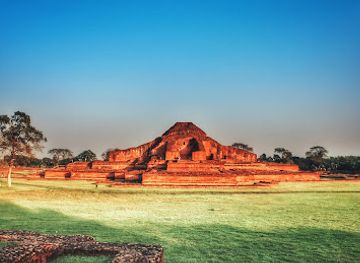
Sompur Mahavihara
Discover Sompur Mahavihara, a UNESCO site in Bangladesh, showcasing ancient Buddhist heritage and architectural brilliance from the Pala Dynasty.
-
Tourist attraction
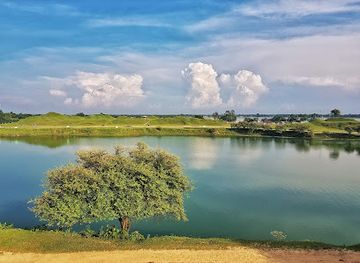
Tanguar Haor
Discover Tanguar Haor: A biodiverse wetland paradise in Bangladesh, offering serene houseboat journeys and stunning natural beauty.
-
Island
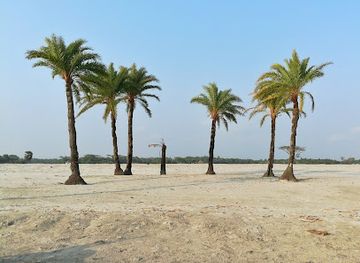
Nijhum Dwip
Discover Nijhum Dwip: A tranquil island paradise with spotted deer, mangrove forests, and serene beaches in the Bay of Bengal.
-
Amusement park
Sea Pearl Water Park Cox's Bazar
Experience thrilling water rides and family fun at Sea Pearl Water Park, the largest international standard water park in Cox's Bazar.

Best landmarks in Haor Basin
The Haor Basin’s most distinctive landmarks are geographical and communal rather than monumental. Tanguar Haor near Sunamganj is recognised by its expansive seasonal waters, raised settlements and changing views towards the surrounding landscape. Hakaluki Haor, extending across parts of Moulvibazar and Sylhet, is another defining wetland landmark, valued for its scale, habitats and relationship with nearby farming communities. In the Kishoreganj haor country, the road and settlement landscapes around Mithamain, Itna and Austagram express the region’s adaptation to flooding, with villages and public buildings standing above seasonally submerged land. Embankments, landing stages, mosques and market areas often act as practical focal points rather than formal monuments. The most memorable visual features are the wide water horizons of the monsoon, the patterned rice fields before flooding and the raised homesteads that remain inhabited as surrounding land disappears beneath water. Access and viewpoints are seasonal, so no single landmark represents the whole basin; its identity is found in the relationship between water, settlement, agriculture and transport.
-
Tourist attraction
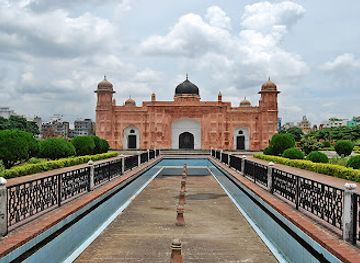
Lalbagh Fort
Explore the unfinished Mughal masterpiece of Lalbagh Fort in Dhaka, a testament to lost dreams and architectural grandeur from the 17th century.
-
Tourist attraction
National Martyrs' Monument
A poignant tribute to Bangladesh's Liberation War heroes, the National Martyrs' Monument in Savar stands as a powerful symbol of sacrifice and national pride.
-
Tourist attraction
Central Shaheed Minar
A national monument in Dhaka, Bangladesh, commemorating the martyrs of the 1952 Bengali Language Movement, symbolizing resilience, cultural identity, and the enduring spirit of the Bengali people.
-
Tourist attraction
Ahsan Manzil Museum
Explore the Pink Palace of Dhaka: A journey into the opulent world of the Nawabs at Ahsan Manzil Museum, a majestic landmark on the Buriganga River.

Explore Haor Basin on the map
Plan your trip on one map. See where the top cities, national parks and sights are, and book hotels and experiences in a few clicks.
Best hotels in Haor Basin
Best restaurants in Haor Basin
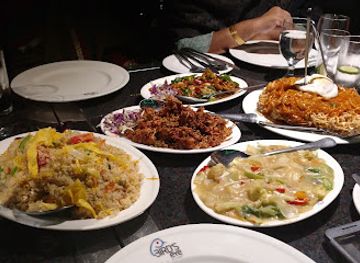
Dining in the Haor Basin is closely linked to freshwater, rice and the markets that connect villages with district towns. Local meals commonly centre on rice accompanied by fish, lentils, vegetables and spices, with freshwater species appearing in different preparations according to the catch and season. Dried fish is also sold in wetland markets and contributes a characteristic flavour to regional cooking. In Sunamganj, Kishoreganj and other larger towns, visitors will find Bengali restaurants, tea stalls, simple cafés and family-run eateries offering practical meals for travellers. Village food arrangements are usually informal and may need to be organised through accommodation providers or local contacts rather than selected from a tourist menu. Seasonal vegetables, pitha and other rice-based snacks may appear in homes and markets, while tea is a dependable part of everyday hospitality. Food hygiene and clean drinking water deserve attention, particularly when eating from temporary boat-side or market stalls.
-
Restaurant
Ozz Cafe
Experience culinary delight at Ozz Cafe in Dhaka—where local flavors meet international cuisine in a vibrant setting.
-
Buffet
Garlic 'n Ginger
Discover an exquisite blend of Bangladeshi and Chinese flavors at Garlic 'n Ginger's buffet in Dhaka.
-
Restaurant
Terracotta Tales
Experience authentic Bengali flavors at Terracotta Tales, where every meal tells a story in Dhaka's vibrant dining scene.
-
Chinese
Bird's Eye Roof Top Restaurant and Convention Hall
Experience exquisite Chinese cuisine with breathtaking views at Bird's Eye Roof Top Restaurant in Dhaka.

Best bars in Haor Basin
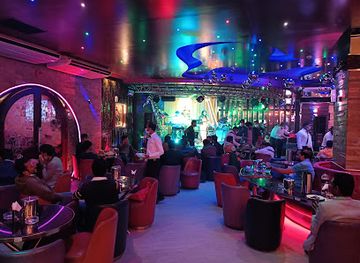
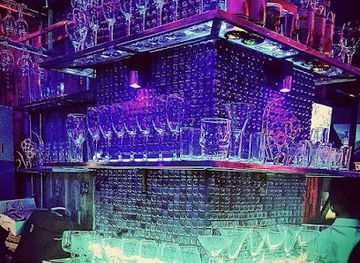
The Haor Basin does not have a conventional nightclub scene, and evening life is generally centred on family homes, tea stalls, local markets and modest restaurants in district towns. In Sunamganj, Kishoreganj and other larger settlements, visitors may find cafés or small eateries open into the evening, but options become sparse in villages and on the wetlands themselves. Social life follows the rhythms of work, daylight, weather and religious observance rather than a late-night entertainment economy. Alcohol is not a central feature of public tourism and should never be assumed to be available, appropriate or welcome in rural communities. After dark, the open water and embankments require particular caution because lighting, mobile coverage and emergency access can be limited. Most visitors will experience the basin’s evening character through quiet riverside views, conversation over tea and the sounds of village life rather than organised nightlife.
-
Bar
Chalet Restaurant & Bar
Discover Chalet Restaurant & Bar in Dhaka, where vibrant atmosphere meets delightful cuisine for an unforgettable dining experience.
-
Bar
Bluemoon Recreation Club
Discover the dynamic Bluemoon Recreation Club in Dhaka, where socializing, fitness, and relaxation blend seamlessly.
-
 Bar
BarSeoul Restaurant
Discover the flavors of Dhaka at Seoul Restaurant, where culinary excellence meets a vibrant atmosphere for an unforgettable dining experience.
-
Bar
Lakeview Restaurant & Bar, Uttara
Experience the lively atmosphere and exquisite flavors at Lakeview Restaurant & Bar in Uttara, Dhaka. A perfect spot for dining and relaxation.
Best nightclubs in Haor Basin
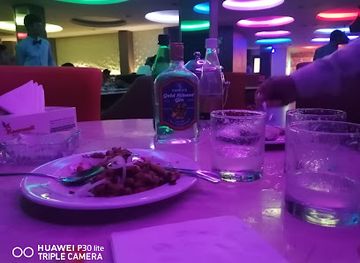
The Haor Basin does not have a conventional nightclub scene, and evening life is generally centred on family homes, tea stalls, local markets and modest restaurants in district towns. In Sunamganj, Kishoreganj and other larger settlements, visitors may find cafés or small eateries open into the evening, but options become sparse in villages and on the wetlands themselves. Social life follows the rhythms of work, daylight, weather and religious observance rather than a late-night entertainment economy. Alcohol is not a central feature of public tourism and should never be assumed to be available, appropriate or welcome in rural communities. After dark, the open water and embankments require particular caution because lighting, mobile coverage and emergency access can be limited. Most visitors will experience the basin’s evening character through quiet riverside views, conversation over tea and the sounds of village life rather than organised nightlife.
-
Bar
Bluemoon Recreation Club
Discover Bluemoon Recreation Club, a vibrant bar and recreation center in Dhaka, perfect for food, fun, and fitness.
-
Bar
Lake View Recreation Club, Gulshan-1
Experience relaxation and leisure at Lake View Recreation Club in Gulshan-1, a serene escape with a vibrant bar by the picturesque lake.
-
Bar
SKYe Lounge Bar
Experience the vibrant nightlife of Dhaka at SKYe Lounge Bar, where exquisite cocktails and a lively atmosphere await you.
-
Bar
Fu Wang Bar
Discover the vibrant nightlife of Dhaka at Fu Wang Bar, where delicious drinks and an inviting atmosphere await every visitor.


Best shops in Haor Basin
Shopping in the Haor Basin is concentrated in district-town high streets, rural bazaars and periodic village markets rather than dedicated tourist retail areas. Sunamganj, Kishoreganj and other larger centres are practical places to buy clothing, household goods, snacks, tea and supplies for boat journeys. Wetland markets are especially interesting for observing the trade in freshwater fish, rice, vegetables and dried fish, although visitors should ask before photographing vendors or purchases. Small shops may stock regional sweets, pitha and packaged local foods, while craft and souvenir choices are generally limited compared with Bangladesh’s main cities. Useful purchases include tea, dried or packaged food products and modest handmade items when their provenance is clear. Bargaining may be normal in some informal markets but not in every shop, so agree prices courteously and avoid turning small transactions into confrontational negotiations. Carry reusable bags and minimise plastic waste, since disposal facilities are limited in many wetland communities.
-
Clothing store
Aarong Wari
Explore Aarong Wari in Dhaka for a unique shopping experience showcasing traditional and contemporary Bangladeshi craftsmanship.
-
Cosmetics store
Bangla Shoppers
Explore Bangla Shoppers: Dhaka's Premier Destination for Cosmetics and Perfumes, Offering a Unique Shopping Experience for Tourists.
-
Shop supermarket furniture store
Dhaka uttor Badda suvastu nazar Valley market
Explore the bustling Dhaka Uttor Badda Suvastu Nazar Valley Market, a vibrant destination for shopping and local culture in the heart of Bangladesh.
-
Building materials market
Moon Gallery
Discover a world of building materials at Moon Gallery in Dhaka; your one-stop-shop for home improvement essentials.
Get your free copy of our complete guide to Haor Basin, delivered straight to you.
Everything on this page, from attractions and restaurants to essentials and local phrases, in one PDF you can read offline, print or share.
Already have an account? Sign in
Your Haor Basin guide is ready.
We'll send it to · Not you? Sign out

Getting your guide ready…
We are putting together a fresh copy of the Haor Basin guide. This can take up to a minute.
This can take a few moments. If your browser asks, choose Allow so the download can start. You'll find the guide in your Downloads folder.
Nothing happened? Download it again
Sorry, the guide is taking longer than usual. Please try again in a minute, or get it by email instead.
Haor Basin essentials
Currency and Payment
Safety
Emergency Situations
Do's and Don'ts
Local Tips
From Eve
Local phrases worth knowing
You don't need to get them perfect. A few words go a long way, and locals appreciate the effort.
Basics
| English | Local | Say it |
|---|---|---|
| Hello | হ্যালো | [Hælo] |
| Goodbye | বিদায় | [Bidāẏ] |
| Yes | হ্যাঁ | [Hyā̃] |
| No | না | [Nā] |
| Please/You're welcome | দয়া করে/স্বাগতম | [Dōẏā karē/Sbāgatam] |
| Thank you | ধন্যবাদ | [Dhonnobād] |
| Excuse me/Sorry | মাফ করবেন/দুঃখিত | [Māph karbēn/Dukhita] |
| How are you? | আপনি কেমন আছেন? | [Āpni kēman āchēn?] |
| Fine. And you? | ভাল। আর আপনি? | [Bhāl. Ār āpni?] |
| Do you speak English? | আপনি কি ইংরেজি বলেন? | [Āpni ki iṅrēji balēn?] |
| I don't understand | আমি বুঝি না | [Āmi bujhi nā] |
Eating & Drinking
| English | Local | Say it |
|---|---|---|
| I'd like to see the menu, please | দয়া করে মেনু দেখাবেন | [Dōẏā karē mēnu dēkhābēn] |
| I don't eat meat | আমি মাংস খাই না | [Āmi māṅs khāi nā] |
| Cheers! | চিয়ার্স! | [Chiyārs!] |
| I would like to pay, please | দয়া করে আমি বিল দিতে চাই | [Dōẏā karē āmi bil ditē chāi] |
Emergencies
| English | Local | Say it |
|---|---|---|
| Help! | সাহায্য করুন! | [Sāhāyya karun!] |
| Go away! | চলে যান! | [Chalē yān!] |
| Call the Police! | পুলিশ ডাকুন! | [Pulish dākun!] |
| Call a doctor! | ডাক্তার ডাকুন! | [Dāktār dākun!] |
| I'm lost | আমি হারিয়ে গেছি | [Āmi hāriẏē gēchi] |
| I'm ill | আমি অসুস্থ | [Āmi asuṣṭha] |
Shopping
| English | Local | Say it |
|---|---|---|
| I'd like to buy... | আমি কিনতে চাই... | [Āmi kintē chāi...] |
| I'm just looking | আমি শুধু দেখছি | [Āmi sudhu dēkhchī] |
| How much is it? | এটার দাম কত? | [Ēṭār dām katō?] |
| That's too expensive | এটি খুব দামি | [Ēṭi khub dāmī] |
| Can you lower the price? | আপনি কি দাম কমাতে পারেন? | [Āpni ki dām kamātē pārēn?] |
Time & Numbers
| English | Local | Say it |
|---|---|---|
| What time is it? | এখন কটা বাজে? | [Ēkhana kaṭā bājē?] |
| It's one o'clock | এখন একটা বাজে | [Ēkhana ēkṭā bājē] |
| Half past (10) | সাড়ে (১০) | [Sāṛē (10)] |
| Morning | সকাল | [Sakal] |
| Afternoon | বিকেল | [Bikēl] |
| Evening | সন্ধ্যা | [Sandhyā] |
| Yesterday | গতকাল | [Gatakāl] |
| Today | আজ | [Āj] |
| Tomorrow | কাল | [Kāl] |
| 1 | ১ | [1] |
| 2 | ২ | [2] |
| 3 | ৩ | [3] |
| 4 | ৪ | [4] |
| 5 | ৫ | [5] |
| 6 | ৬ | [6] |
| 7 | ৭ | [7] |
| 8 | ৮ | [8] |
| 9 | ৯ | [9] |
| 10 | ১০ | [10] |
Transport & Directions
| English | Local | Say it |
|---|---|---|
| Where's a/the...? | একটি/এটি কোথায়? | [Ēkti/Ēṭi kōthāẏ?] |
| What's the address? | ঠিকানা কী? | [Thikānā kī?] |
| Can you show me (on the map)? | আপনি কি আমাকে দেখাতে পারেন (মানচিত্রে)? | [Āpni ki āmākē dēkhātē pārēn (mānchitrē)?] |
| When's the next (bus)? | পরবর্তী (বাস) কখন? | [Parabartī (bās) kakhana?] |
| A ticket (to ....) | একটি টিকেট (যাতে....) | [Ēkti ṭikēṭ (yātē....)] |
History of Haor Basin
Ancient Wetland Settlement
The Haor Basin has long been occupied by communities adapting to a landscape of rivers, seasonal lakes and floodplain soils. Archaeological and historical evidence from the wider Sylhet and eastern Bengal region indicates enduring patterns of cultivation, fishing, river transport and settlement on naturally raised land. Water was not simply an obstacle: it provided fish, fertile sediment and communication routes. The basin’s later villages and market centres developed from this environmental relationship, with houses, roads and public buildings commonly placed on higher ground or raised platforms.
Early Religious and Cultural Networks
The wetlands formed part of the wider cultural zone linking Bengal with the Surma and Kushiyara river systems. Hindu, Buddhist and later Islamic influences reached communities through trade, migration, religious teachers and administrative connections. In the broader Sylhet region, the spread of Islam was associated with rural settlement and the work of Sufi figures, while local religious practice continued to reflect older agrarian and riverine traditions. Mosques, shrines, temples and village customs remain part of the cultural landscape, although the basin itself is more characterised by dispersed settlements than by monumental urban architecture.
Mughal and Colonial Administration
From the Mughal period onwards, the wetland districts were incorporated into more formal systems of revenue collection and administration. Control over agricultural land, waterways and market centres became increasingly important as rice cultivation expanded. Under British rule, the area remained difficult to govern and connect because seasonal flooding disrupted roads and communication. River transport, local markets and the cultivation of wetland rice continued to underpin the economy, while administrative boundaries and district centres gradually gave the basin a more defined place within eastern Bengal.
Rice, Fishing and the Haor Economy
For generations, the basin’s economy has revolved around the relationship between boro rice, open-water fishing and seasonal flooding. Farmers typically depend heavily on the harvest gathered before the monsoon, while fish provide food, income and an important part of local trade. Boats, embankments, canals and raised settlements have all shaped this economy. The concentration on a seasonal rice crop makes communities particularly vulnerable to unusually early floods, and the timing of water remains a central factor in local livelihoods.
Liberation War in the Wetlands, 1971
During Bangladesh’s Liberation War, the wetlands of north-eastern Bengal offered difficult terrain for military movement and routes for local resistance and displacement. The wider Sylhet and Mymensingh regions experienced fighting, repression, refugee movements and disruption to agricultural life. Many communities in the basin were affected even when events were dispersed across villages and waterways rather than concentrated around a single famous battlefield. The war remains part of local memory through family histories, memorials and national commemorations.
Modern Wetland Conservation and Climate Pressure
In recent decades, the Haor Basin has drawn greater attention from conservationists and development planners because of its wetlands, fish habitats and migratory birds. Tanguar Haor and Hakaluki Haor are especially important in national discussions of wetland protection. At the same time, early flash floods, river siltation, changing rainfall and pressure on fisheries have increased concern about food security and ecological resilience. Modern roads, embankments and electrification have improved access in many areas, but development continues to require careful adaptation to the basin’s seasonal water regime.
Haor Basin in Photos
Browse through our photo collection highlighting the charm and character of the destination.
Neighbouring regions of Haor Basin
The closest regions to Haor Basin, if you have time for more than one.
-

-

-
-

-


Swipe for more regions
Explore more

Explore more of Bangladesh
Discover Bangladesh: A land of rivers, rich culture, and breathtaking landscapes. Explore ancient sites, vibrant cities, and the unique flavors of this South Asian gem.
Explore Bangladesh