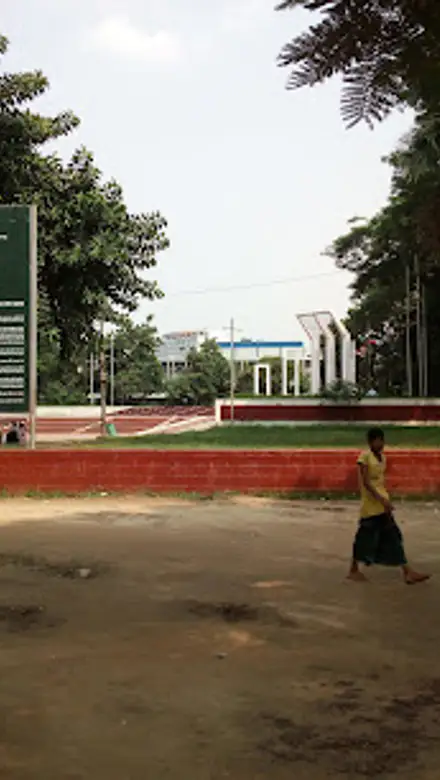
Central Shaheed Minar Travel Guide
Free Guide: A national monument in Dhaka, Bangladesh, commemorating the martyrs of the 1952 Bengali Language Movement, symbolizing resilience, cultural identity, and the enduring spirit of the Bengali people.


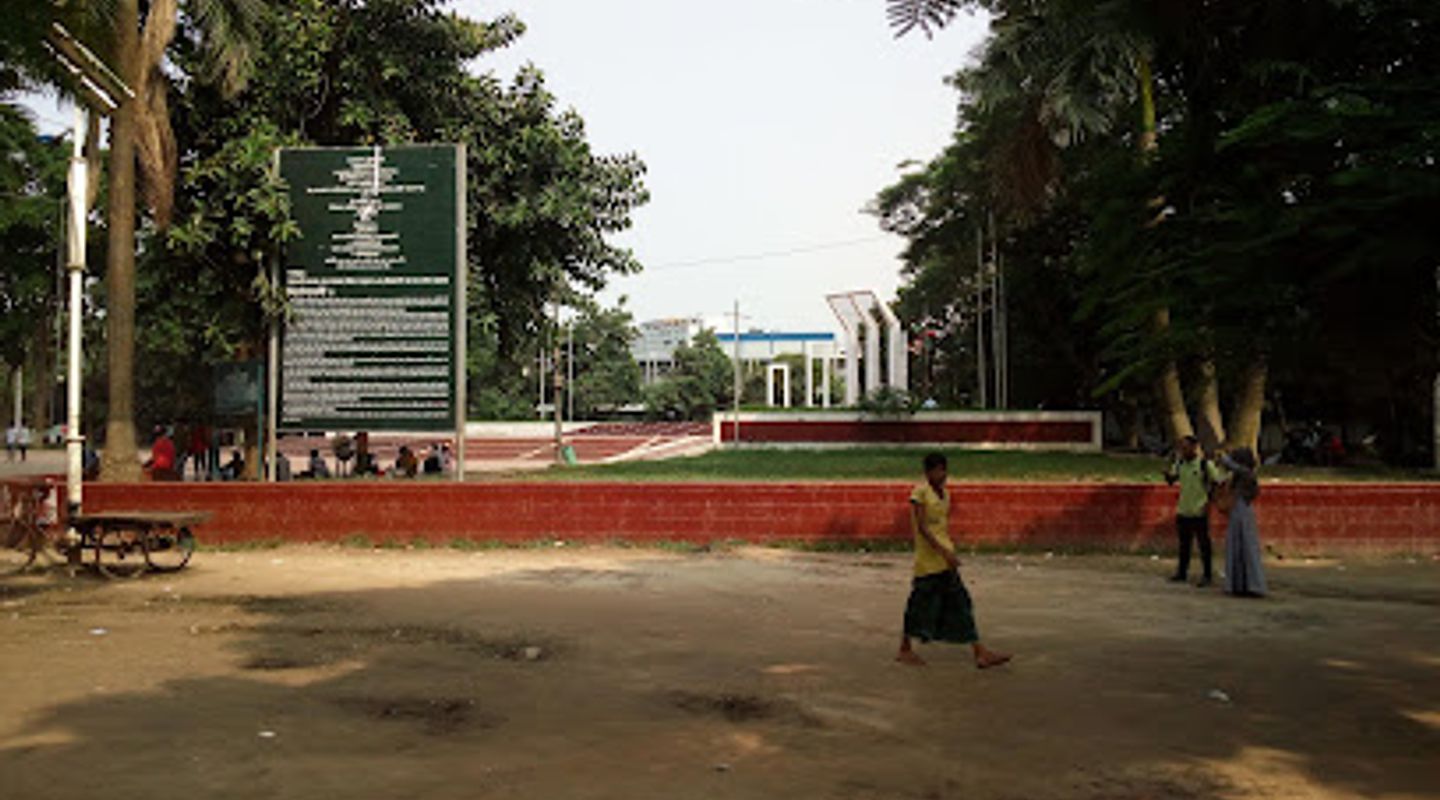
A brief summary of Central Shaheed Minar
A national monument in Dhaka, Bangladesh, commemorating the martyrs of the 1952 Bengali Language Movement, symbolizing resilience, cultural identity, and the enduring spirit of the Bengali people.
The Central Shaheed Minar stands as a poignant national monument in Dhaka, Bangladesh, commemorating the martyrs of the 1952 Bengali Language Movement. This pivotal movement saw students and activists protesting for the recognition of Bangla as an official language, resulting in a tragic loss of life. The monument, located near Dhaka Medical College, symbolizes the resilience and cultural identity of the Bengali people. Its striking architecture and serene atmosphere make it a must-visit for those seeking to understand Bangladesh's rich history and cultural heritage. Visitors can pay their respects, reflect on the sacrifices made, and appreciate the monument's artistic design. The Shaheed Minar serves as a gathering point for cultural events and commemorative ceremonies, especially on International Mother Language Day (February 21st), fostering a sense of unity and national pride.
- Address
- Near Dhaka Medical College Gate, Secretariat Road, Secretariate Rd, Dhaka 1000
Getting there
Walking
Public Transport
Taxi/Ride-Share
Rickshaw
Discover more about Central Shaheed Minar
Overview
The Central Shaheed Minar, or শহীদ মিনার (Shohid Minar), is a national monument in Dhaka, Bangladesh, erected to honor the brave souls who sacrificed their lives during the Bengali Language Movement of 1952. This movement was a watershed moment in the history of Bangladesh, then East Pakistan, as it championed the recognition of the Bengali language amidst political suppression. The Shaheed Minar is not merely a structure of concrete and marble; it is a powerful symbol of linguistic and cultural identity, resilience, and national pride. The monument's history is deeply intertwined with the events of February 21, 1952, when students from Dhaka University and Dhaka Medical College, along with political activists, staged protests demanding equal status for Bengali alongside Urdu, the official language of Pakistan. The Pakistani police responded with gunfire, resulting in the deaths of several protesters. This brutal act ignited widespread outrage and galvanized the Bengali people in their struggle for linguistic and cultural rights. Immediately following the tragic events, students erected a makeshift memorial on February 23rd to commemorate the fallen heroes. However, this initial structure was soon demolished by Pakistani authorities. Despite this act of suppression, the spirit of the Language Movement continued to grow, eventually leading to Bengali being recognized as an official language of Pakistan in 1956. The design of the current Shaheed Minar was conceived by Bangladeshi sculptors Hamidur Rahman and Novera Ahmed. Construction began in 1957 but was delayed due to martial law. The monument was finally completed in 1963, standing as a testament to the sacrifices made. During the Bangladesh Liberation War in 1971, the Shaheed Minar was once again destroyed, this time by the Pakistani army during Operation Searchlight. Following Bangladesh's independence, the monument was rebuilt and expanded in 1983, solidifying its place as a national icon. The architecture of the Central Shaheed Minar is both simple and profound. The central structure features a towering mother figure standing in homage to the martyred sons. Flanking the central structure are smaller columns representing the fallen students and activists. The white color of the monument symbolizes purity, while the red represents the blood shed during the Language Movement. The monument's design evokes a sense of solemnity and reverence, inviting visitors to reflect on the sacrifices made for the Bengali language and cultural identity. Visiting the Central Shaheed Minar is a deeply moving experience. As you approach the monument, you are greeted by a sense of tranquility and respect. The surrounding gardens provide a serene backdrop for contemplation. The monument is particularly significant on February 21st (Ekushey February), which is observed as both National Mourning Day and International Mother Language Day. On this day, thousands of people from all walks of life gather at the Shaheed Minar to pay their respects, laying wreaths of flowers at the base of the monument. The atmosphere is filled with a sense of unity, national pride, and remembrance. The Central Shaheed Minar is more than just a historical landmark; it is a living symbol of Bangladesh's cultural heritage. It serves as a reminder of the importance of linguistic and cultural identity and the sacrifices made to preserve them. The monument continues to inspire movements for justice, equality, and human rights, both in Bangladesh and around the world. A visit to the Central Shaheed Minar offers a profound insight into the heart and soul of Bangladesh and its people. Beyond its historical and cultural significance, the Central Shaheed Minar also offers a unique architectural experience. The monument's modernist design, with its soaring columns and minimalist aesthetic, stands in stark contrast to the surrounding urban landscape. The interplay of light and shadow on the white marble creates a visually stunning effect, particularly during sunrise and sunset. The Central Shaheed Minar is easily accessible to visitors. It is located in the heart of Dhaka, near Dhaka Medical College and Dhaka University. The monument is open to the public year-round, and there is no admission fee. However, visitors are encouraged to maintain a respectful demeanor and to avoid any behavior that may be considered disrespectful. In addition to the Central Shaheed Minar, visitors can also explore the surrounding area, which is rich in history and culture. Dhaka Medical College, one of the oldest and most prestigious medical schools in Bangladesh, is located adjacent to the monument. Dhaka University, the oldest university in Bangladesh, is also nearby. The university campus is home to several other historical landmarks and cultural attractions. The Central Shaheed Minar is a must-see destination for anyone visiting Dhaka. It offers a unique opportunity to learn about Bangladesh's history, culture, and people. The monument is a powerful symbol of resilience, national pride, and the importance of linguistic and cultural identity. A visit to the Central Shaheed Minar is an unforgettable experience that will leave a lasting impression.
Evendo Review Centre
 Google
Guest reviews
Explore Central Shaheed Minar on the map
A handpicked selection of must-see spots near Central Shaheed Minar, mapped for you.
Get your free copy of our complete guide to Central Shaheed Minar, delivered straight to you.
Everything on this page, from opening hours and how to get there to Eve’s tips and the best time to go, in one PDF you can read offline, print or share.
Already have an account? Sign in
Your Central Shaheed Minar guide is ready.
We'll send it to · Not you? Sign out

Getting your guide ready…
We are putting together a fresh copy of the Central Shaheed Minar guide. This can take up to a minute.
This can take a few moments. If your browser asks, choose Allow so the download can start. You'll find the guide in your Downloads folder.
Nothing happened? Download it again
Sorry, the guide is taking longer than usual. Please try again in a minute, or get it by email instead.
Unlock the best of Central Shaheed Minar
Skip-the-line tickets, guided tours with entry, and walking tours of the area, booked in a few clicks.


Other nearby places you may find interesting
The closest places of the same kind, if this one is not quite what you had in mind.
-
-
-
-
-


Swipe for more places
More to explore near Central Shaheed Minar

 Best experiences near Central Shaheed Minar
 Best hotels near Central Shaheed Minar
 Best landmarks near Central Shaheed Minar
 Best attractions near Central Shaheed Minar
 Best shops near Central Shaheed Minar
 Best restaurants near Central Shaheed Minar
 Best bars near Central Shaheed Minar
Do you manage this location?
Take control to get all the benefits, like improved information, better appearance, and stronger visibility across AI-powered discovery.
Explore more

Explore more of Haor Basin
Discover the stunning Haor Basin in Bangladesh, a seasonal wetland paradise teeming with wildlife, cultural richness, and breathtaking landscapes.
Explore Haor Basin
Explore more of Bangladesh
Discover Bangladesh: A land of rivers, rich culture, and breathtaking landscapes. Explore ancient sites, vibrant cities, and the unique flavors of this South Asian gem.
Explore Bangladesh