Lalbagh Fort, Haor Basin Travel Guide
Explore the unfinished Mughal masterpiece of Lalbagh Fort in Dhaka, a testament to lost dreams and architectural grandeur from the 17th century.
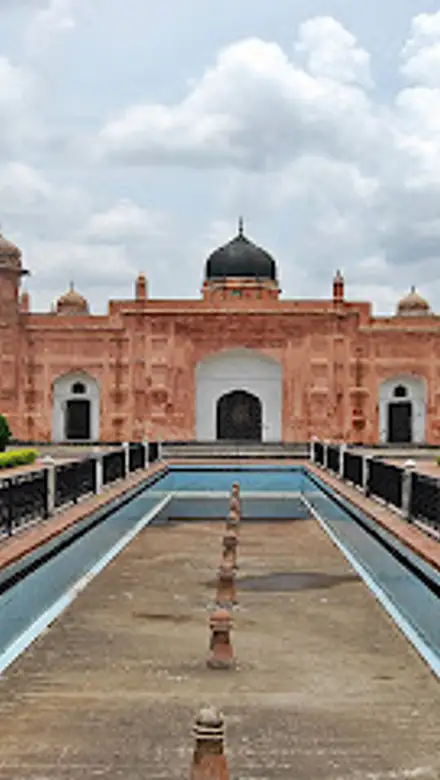
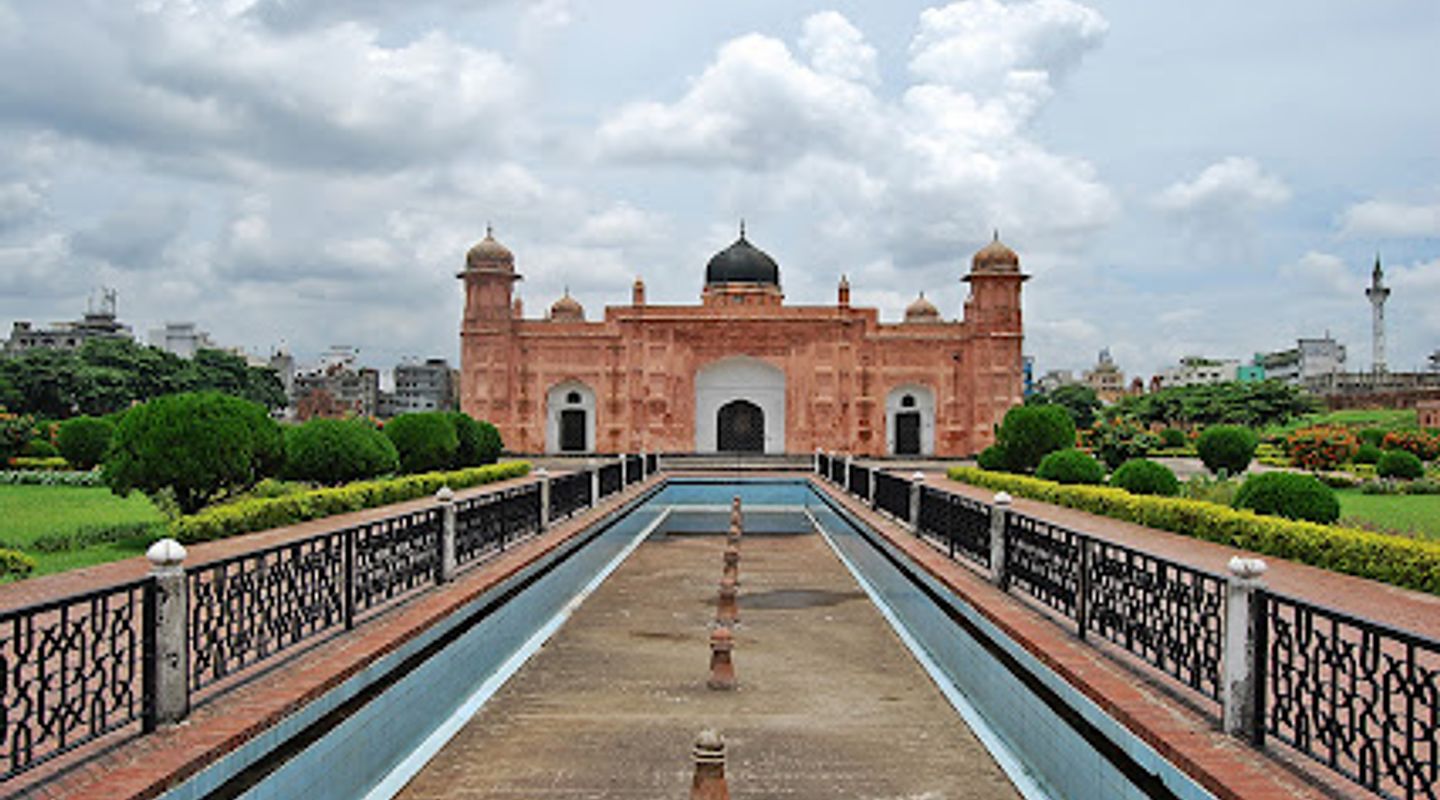
Lalbagh Fort, an incomplete 17th-century Mughal fort in Dhaka, Bangladesh, offers a glimpse into the architectural ambitions of the Mughal Empire. Construction began in 1678 by Prince Muhammad Azam, son of Emperor Aurangzeb, but was abandoned, leaving behind a fascinating blend of structures, including the Tomb of Pari Bibi, the Diwan-i-Aam (Hall of Audience), and the Quilla Mosque.
A brief summary to Lalbagh Fort
- Lalbagh Rd, Dhaka, Lalbagh, 1211, BD
- Click to display
- Monday 2 pm-5 pm
- Tuesday 10 am-1 pm
- Wednesday 10 am-1 pm
- Thursday 10 am-1 pm
- Friday 10 am-12:30 pm
- Saturday 10 am-1 pm

Know before you go
Hi, I'm Eve. Here are a few practical things to know before exploring Lalbagh Fort.
- Visit during the cooler months (October to March) for a more comfortable experience, as Dhaka can get quite hot and humid.
- Photography enthusiasts should visit in the spring when the flower gardens are in full bloom, providing a stunning backdrop to the Mughal architecture.
- Wear modest clothing as a sign of respect for local culture.
- Bring your own water and snacks, as there are no restaurants or food vendors inside the fort complex.
Do you manage this location?
Take control to get all the benefits, like improved information, better appearance, and stronger visibility across AI-powered discovery. Learn more about listing your business on Evendo
Activate your presenceOther nearby places you may find interesting
The closest places of the same kind, if this one is not quite what you had in mind.

Explore Lalbagh Fort on the Map
A handpicked selection of must-see spots near Lalbagh Fort, mapped for you.
Unlock the Best of Lalbagh Fort
Buy tickets
-
No tickets available
Book tours with entry


Getting There
-
Public Transport
From Kamalapur Railway Station, take a local bus heading towards Lalbagh or Azimpur. Ask the conductor to drop you off near Lalbagh Fort. Bus fares typically range from BDT 10 to BDT 30. From Shahjalal International Airport, take a bus to Shahbag, then transfer to a local bus heading to Lalbagh. Total travel time is approximately 1 hour and 15 minutes.
-
Taxi/Ride-Sharing
Use ride-sharing services like Uber or Pathao to get directly to Lalbagh Fort. A taxi ride from Hazrat Shahjalal International Airport to Lalbagh Fort typically costs between BDT 800 to BDT 1000 and takes approximately 30 minutes, depending on traffic. From Kamalapur Railway Station, a taxi ride to Lalbagh Fort will cost approximately BDT 150-250.
-
Rickshaw
Cycle rickshaws are a common mode of transport in Dhaka. Hire a rickshaw from anywhere within the city to reach Lalbagh Fort. A short rickshaw ride costs around BDT 20-30. Always negotiate the price before starting your journey.
Discover more about Lalbagh Fort













Your all‑in‑one travel companion app
Explore expert travel guides, compare and book tours, experiences, hotels, and more—all from the palm of your hand. Download now for seamless trip planning wherever your wanderlust takes you.


Explore More of Haor Basin
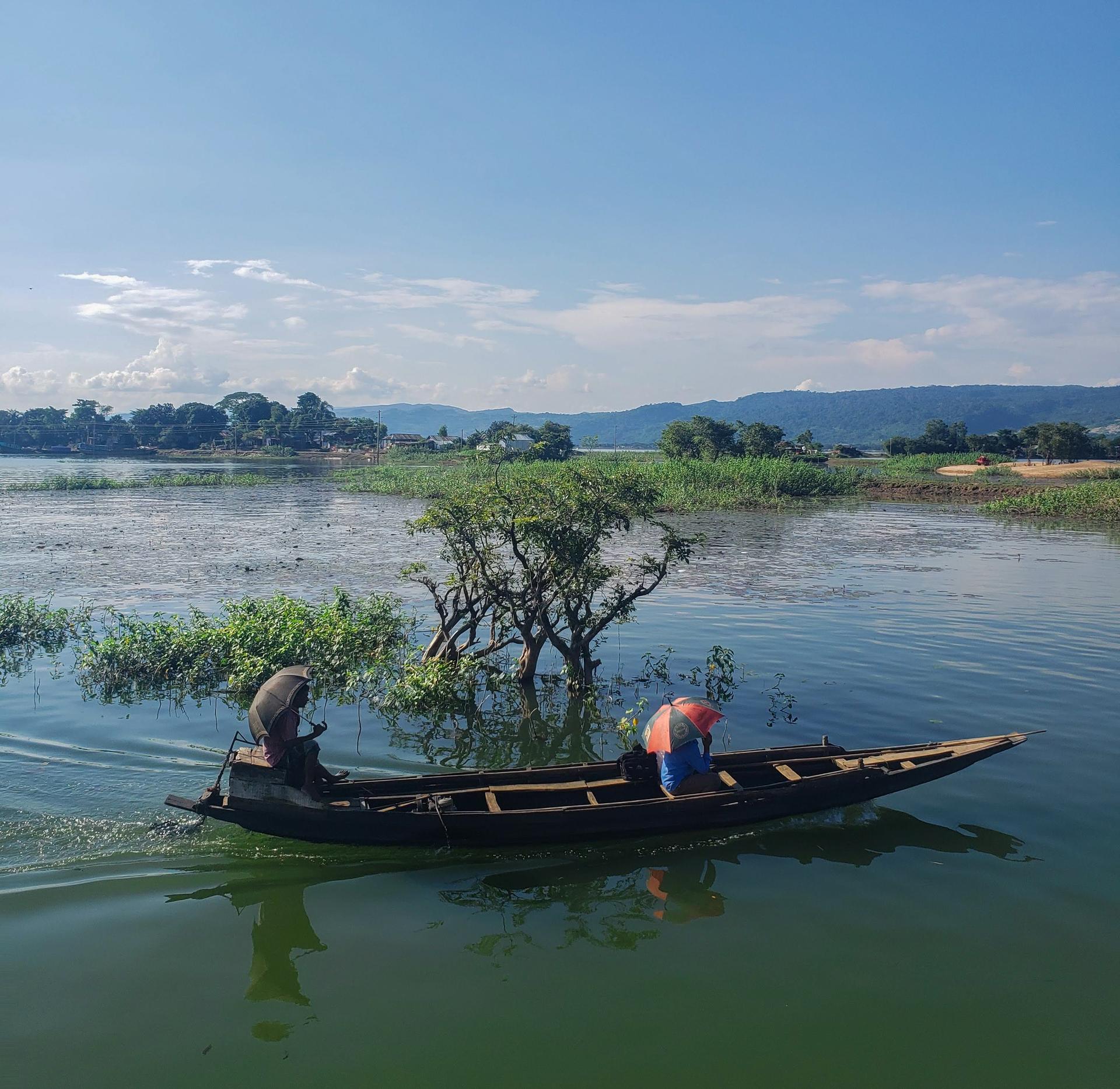
Looking beyond Lalbagh Fort? Discover Haor Basin for broader travel guides, local hot-spots, and regional highlights.
Explore Haor Basin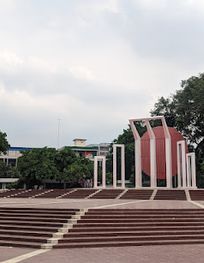
A national monument in Dhaka, Bangladesh, honoring the martyrs of the 1952 Language Movement and a symbol of Bengali identity.
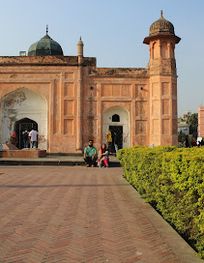
Explore the unfinished Mughal masterpiece of Lalbagh Fort in Dhaka, a 17th-century complex with stunning architecture, serene gardens, and a glimpse into Bengal's rich history.