
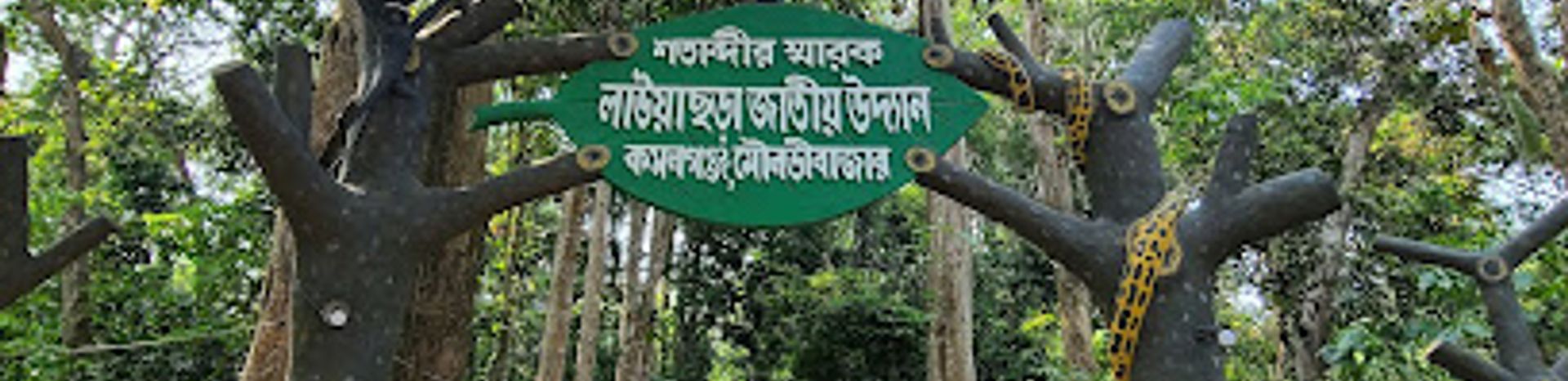
Lawachara National Park: A Biodiversity Hotspot
Discover Lawachara National Park: A biodiversity hotspot in Bangladesh, offering lush rainforests, diverse wildlife, and cultural experiences near Sreemangal.
Lawachara National Park, a verdant oasis in northeastern Bangladesh near Sreemangal, beckons with its rich biodiversity and tranquil rainforest ambiance. This 1,250-hectare park is a haven for nature enthusiasts, photographers, and adventure seekers. Home to over 460 species, including the endangered Hoolock gibbon, the park offers well-maintained hiking trails, opportunities for bird watching, and glimpses into the culture of local indigenous communities. Whether you seek a challenging trek or a peaceful escape into nature's embrace, Lawachara promises an unforgettable experience. The park's diverse flora and fauna, coupled with its accessibility, make it a must-visit destination for those exploring Bangladesh's natural wonders. Remember to respect the park's rules and regulations to help preserve this precious ecosystem for future generations.
A brief summary to Lawachara National Park Gate
- 3220 Sreemangal - Bhanugach Rd, BD
Local tips
- Hire a local guide to enhance your experience and learn about the park's diverse flora and fauna. Guides can be found at the park entrance.
- Wear comfortable walking shoes and light, breathable clothing suitable for hiking in a humid environment.
- Bring insect repellent to protect against mosquitoes and other insects.
- Visit during the dry season (November to March) for the most pleasant weather and optimal wildlife viewing opportunities.
- Respect the park's rules and regulations to help preserve this precious ecosystem for future generations.

Getting There
-
CNG/Auto-rickshaw
From Sreemangal town, the most common way to reach Lawachara National Park is by CNG (Compressed Natural Gas) auto-rickshaw. CNGs are readily available throughout Sreemangal. Negotiate the fare beforehand; a typical one-way trip to the park entrance should cost between 150-200 BDT. The journey takes approximately 15-20 minutes, passing through scenic tea gardens. From the park entrance, it's a short walk to the main trails. Alternatively, you can hire a CNG for a round trip, allowing you to explore the park at your own pace. Expect to pay around 400-500 BDT for a few hours, including waiting time.
-
Local Bus
Local buses also operate between Sreemangal and Kamalganj, passing by the entrance of Lawachara National Park. These are a budget-friendly option, with fares around 20-30 BDT per person. However, buses can be crowded and may not stop directly at the park entrance, requiring a short walk. Check with locals for the bus schedule and the nearest drop-off point to Lawachara.
-
Walking
For those inclined to walk, the distance from Sreemangal town to Lawachara National Park is approximately 8 kilometers. The walk takes around 1.5-2 hours along the Sreemangal-Bhanugach Road, offering picturesque views of tea gardens and the surrounding countryside. However, be mindful of traffic and weather conditions. Once you arrive at the park entrance, there will be signs directing you to the village, which is around a 20-minute walk from there.
Discover more about Lawachara National Park Gate
Iconic landmarks you can’t miss

লাউয়াছড়া ফরেস্ট
0.4 km
লাউয়াছড়া: আসুন, সবুজের সমারোহে প্রকৃতির কাছাকাছি হই, যেখানে জীববৈচিত্র্য এক অনন্য অভিজ্ঞতা!
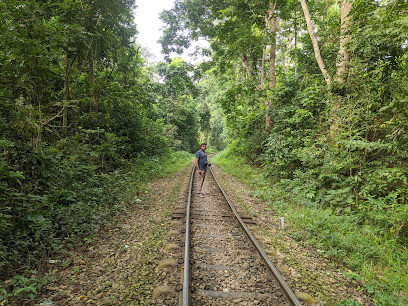
লাউয়াছড়া খাসিয়া পল্লি
1.1 km
Explore the lush beauty and rich cultural heritage of Laldia Khasia Palli, a unique tourist attraction showcasing the vibrant life of the Khasia community.
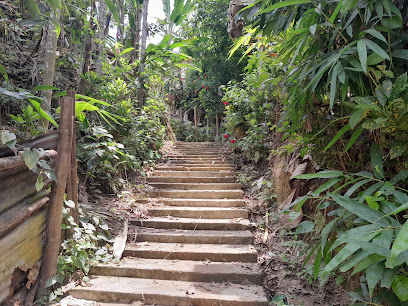
Lemon Garden Resort
2.6 km
Experience the serene beauty of Lemon Garden Resort, where modern comfort meets the lush landscapes of Bangladesh, perfect for a tranquil getaway.
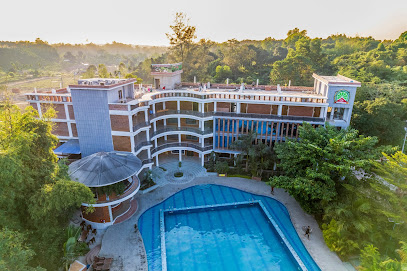
Grand Sultan Tea Resort & Golf
3.5 km
Explore the serene beauty of the Grand Sultan Tea Resort & Golf, a luxurious escape in Bangladesh featuring a stunning golf course and exquisite dining.
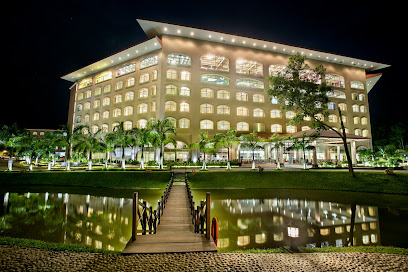
Litchibari Eco Resort
3.7 km
Escape to tranquility at Litchibari Eco Resort in Sreemangal: Experience nature, comfort, and warm hospitality in Bangladesh's tea capital.
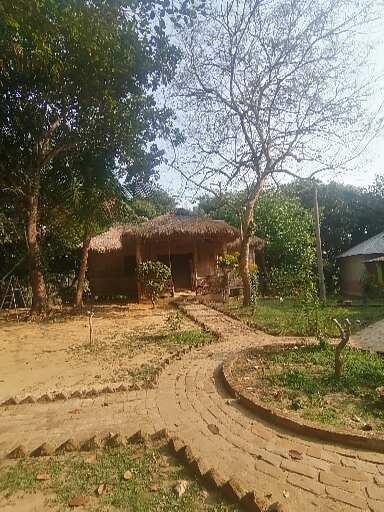
Madhabilota Eco Cottage
3.8 km
Escape to a serene, eco-friendly haven nestled amidst Sreemangal's lush tea gardens, offering tranquility, sustainable comfort, and immersive nature experiences for an unforgettable retreat.
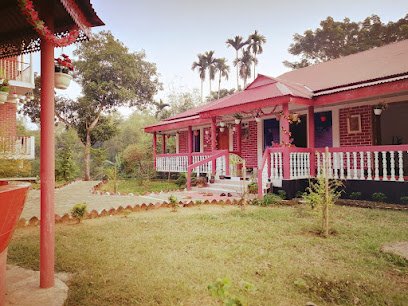
Shanti Bari Eco Resort
4.5 km
Escape to Shanti Bari Eco Resort in Sreemangal: Immerse yourself in nature, enjoy sustainable comfort, and explore the tea capital of Bangladesh.
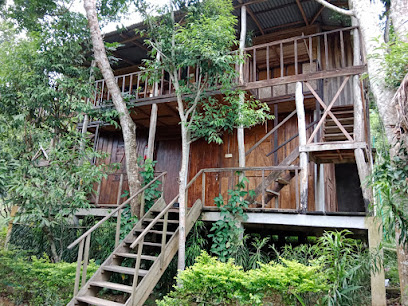
Paradise Lodge প্যারাডাইজ লজ গেস্ট হাউজ
4.9 km
Discover the tranquility of Sreemangal at Paradise Lodge, your gateway to lush tea gardens, national parks, and cultural experiences in the heart of Bangladesh's tea country.

Nirjon Nature's Hideout
5.1 km
Discover tranquility at Nirjon Nature's Hideout in Sreemangal: Experience lush tea gardens, eco-friendly accommodations, and the serene beauty of rural Bangladesh for an unforgettable escape.
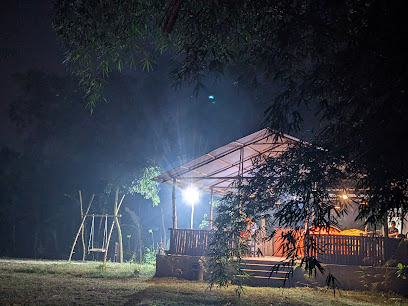
Novem Eco Resort
5.7 km
Escape to Novem Eco Resort in Sreemangal, Bangladesh: Immerse yourself in lush tea gardens, eco-friendly accommodations, and tranquil nature, creating unforgettable memories.
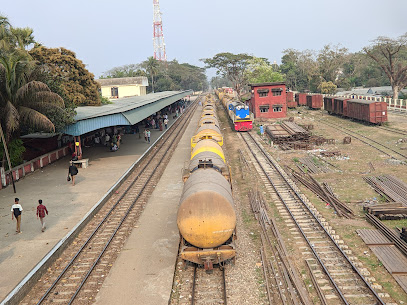
Sreemongal rail station
5.7 km
Discover the gateway to Bangladesh's tea country: Sreemongal Rail Station, your starting point for exploring lush tea gardens and natural wonders.
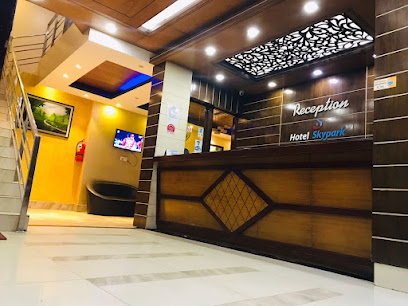
Hotel Skypark
5.9 km
Discover the beauty of Sreemangal, the Tea Capital of Bangladesh, with a comfortable stay at Hotel Skypark, offering easy access to tea gardens, national parks, and cultural experiences.
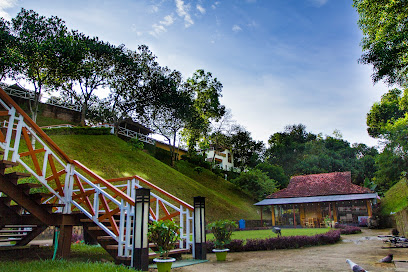
Grand Selim Resort & Tour
6.2 km
Discover tranquility and adventure at Grand Selim Resort & Tour, a serene retreat surrounded by nature's beauty in Ramnagar.
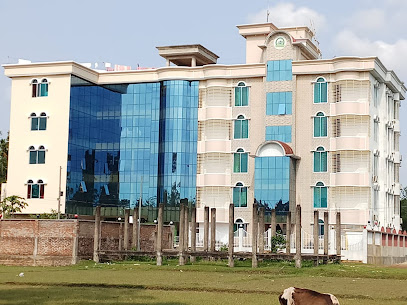
Lemon Garden Resort & Spa
6.2 km
Escape to Lemon Garden Resort & Spa in Sreemangal: A serene retreat amidst lush tea gardens, offering relaxation and rejuvenation.
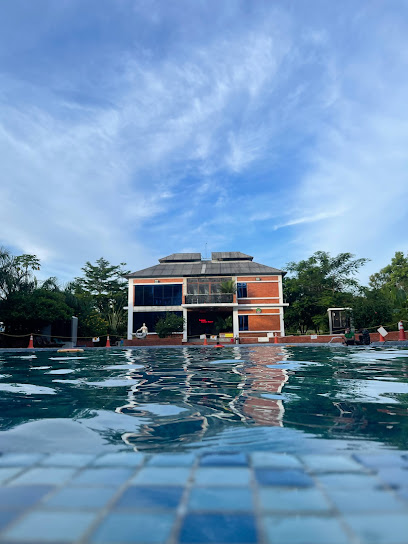
Baikka Beel Ticket counter
8.8 km
Discover Baikka Beel: A thriving wetland sanctuary near Sreemangal, Bangladesh, offering unparalleled birdwatching and a glimpse into successful community-based conservation.
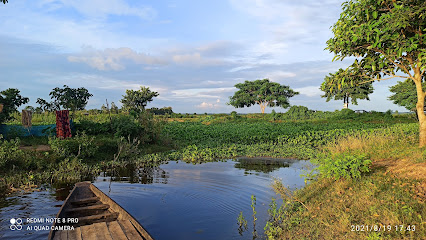
Unmissable attractions to see

Lawachara National Park
0.0 km
Explore Lawachara National Park: A tropical rainforest in Bangladesh with diverse wildlife, trekking trails, and cultural experiences.
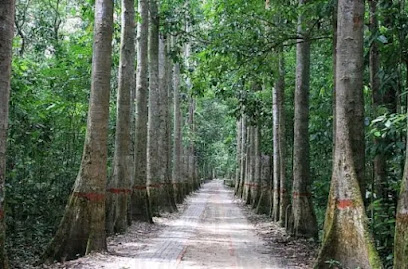
Lawachara forest
0.2 km
Explore the serene landscapes and diverse wildlife of Lawachara Forest, a national treasure in Bangladesh offering tranquility and natural beauty.
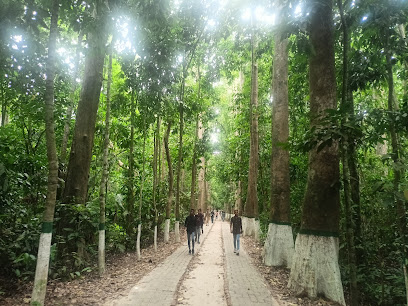
লাউয়াছড়া খাসিয়া পল্লি
1.1 km
Discover Khasi culture and natural beauty in Lawachara National Park, a unique destination in Bangladesh's northeastern region.
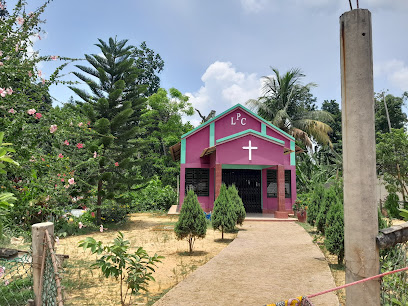
Lawachara national park information center
2.1 km
Explore the lush landscapes and diverse wildlife of Lawachara National Park, a serene escape in the heart of Bangladesh's natural beauty.

যজ্ঞ কুণ্ডের ধারা
2.5 km
Discover the serene beauty of Yajna Kunda Dhara, a hidden waterfall nestled in the lush tea gardens of Sreemangal, Bangladesh.
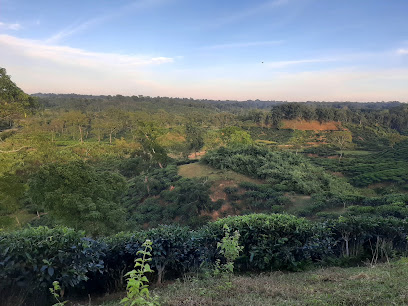
Doluchara Tripura Village
2.5 km
Experience the vibrant culture and traditions of the Tripura people in the serene setting of Doluchara Village, near Lawachara National Park.
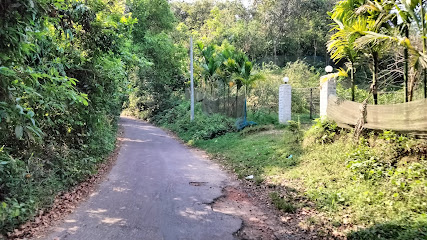
Entry Point Kamalganj Upazilla
2.5 km
Discover Kamalganj Upazilla: Where natural beauty meets rich cultural heritage in the heart of Bangladesh's Sylhet Division.
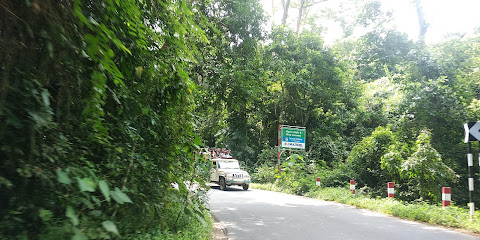
তল্লাস ধারা
3.1 km
Explore Talilas Dhara, a serene tourist attraction in Bangladesh, where nature's beauty unfolds in lush landscapes and peaceful surroundings.
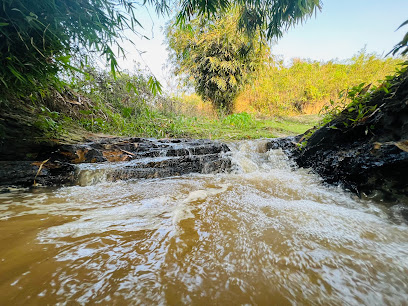
Bharaora Rubber Plantation
3.1 km
Discover the serene beauty of Bharaora Rubber Plantation in Bangladesh, where nature and the art of rubber production intertwine for an enriching experience.
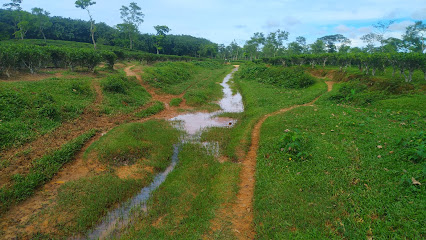
গরম টিলা
3.3 km
সবুজের সমারোহ আর প্রকৃতির শান্ত রূপ দেখতে ঘুরে আসুন শ্রীমঙ্গলের গরম টিলা থেকে।
Vurvuria Lake
3.3 km
Escape to Vurvuria Lake in Sreemangal: A tranquil oasis surrounded by tea gardens, offering serene beauty and natural splendor.
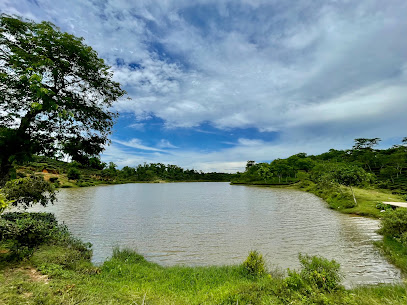
Mr Khan Tea State
3.3 km
Experience tranquility amidst the lush tea gardens of Sreemangal at Mr. Khan Tea State, a scenic escape into Bangladesh's tea country.
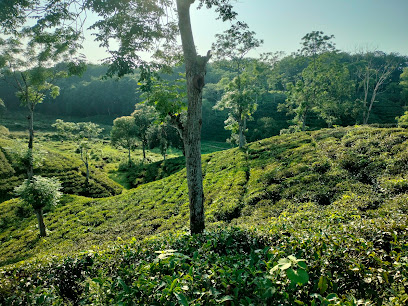
Poddo chora Lake
3.4 km
Escape to Poddo Chora Lake: Where serene waters meet lotus blossoms and lush tea gardens in Moulvibazar, Bangladesh.
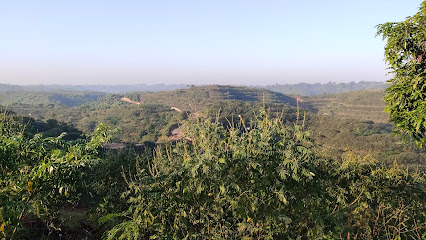
Lawachara Student Dormitory Lake
3.4 km
Escape to the serene beauty of Lawachara Student Dormitory Lake, a tranquil oasis nestled within Bangladesh's lush Lawachara National Park.
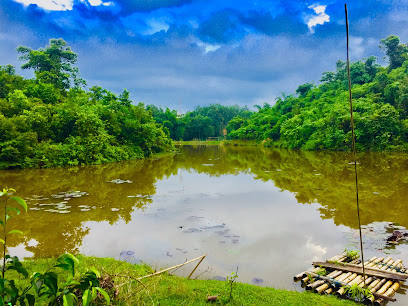
Noor Jahan Tea Garden
3.4 km
Escape to Noor Jahan Tea Garden in Sreemangal: Immerse yourself in lush tea plantations and tranquil landscapes, a haven of natural beauty.
Essential places to dine

Fowara Dine
3.5 km
Experience authentic Bangladeshi cuisine amidst stunning tea garden views at Fowara Dine in Sreemangal.
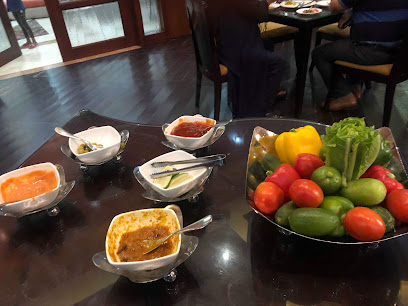
Chamung Restaurant & Eco Cafe
3.8 km
Experience authentic Bengali, Chinese, and Indian cuisine at Chamung Restaurant & Eco Cafe – where flavor meets sustainability in Sreemangal.
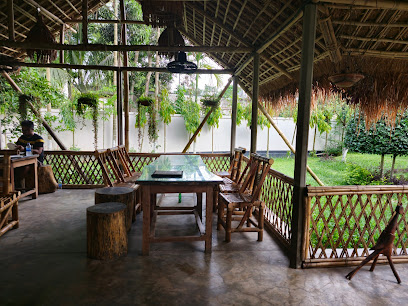
Royalfoodvalley restaurant,habigonj,bangladesh
5.1 km
Experience authentic Bangladeshi flavors at Royalfoodvalley Restaurant in Sreemangal – a delightful culinary adventure awaits!
Shimanto Fresh Corner
5.2 km
Experience the perfect blend of fast food favorites and local cuisine at Shimanto Fresh Corner in Sreemangal.
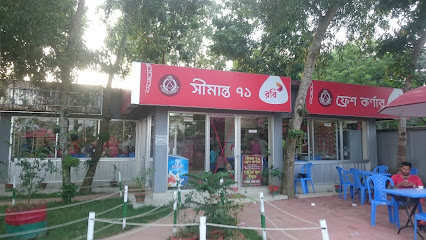
Tea Valley Restaurant
5.3 km
Experience authentic Bangladeshi cuisine amidst stunning tea garden views at Tea Valley Restaurant in Sreemangal.
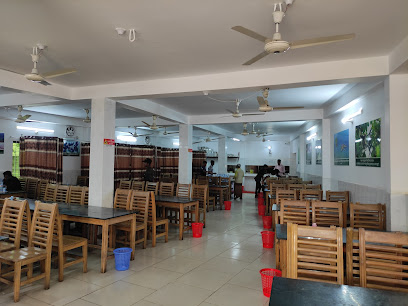
কাচ্চি ঘর
5.4 km
Experience the authentic flavors of Bangladesh at Kachchi Ghor – where tradition meets taste in Sreemangal.
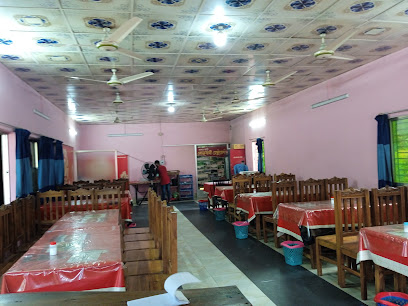
Al Saladia Restaurant
5.4 km
Experience authentic Bangladeshi cuisine at Al Saladia Restaurant in Sreemangal - a culinary delight awaits every visitor.
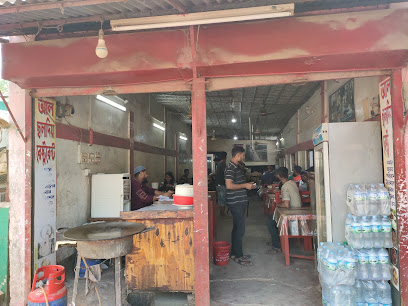
Agra Continental Restaurant
5.6 km
Experience authentic Bangladeshi cuisine at Agra Continental Restaurant in Sreemangal – where every dish tells a story.
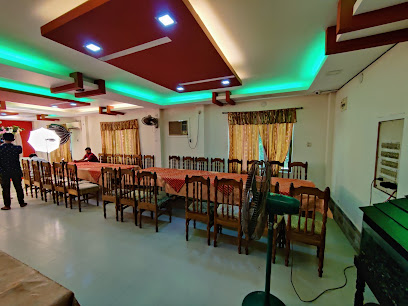
SABROSA Kabab & Oriental Cuisine
5.6 km
Experience authentic continental cuisine at SABROSA Kabab & Oriental Cuisine in Sreemangal—where every meal is a celebration of flavor.
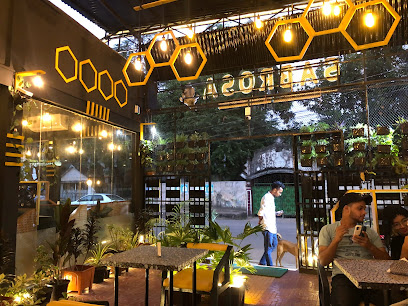
GRAND TAJ RESTAURENT& PARTY CENTER গ্রান্ড তাজ রেষ্টুরেন্ট & পার্টি সেন্টার
5.6 km
Discover authentic Bangladeshi flavors at Grand Taj Restaurant & Party Center in Sreemangal – where every meal is a celebration.
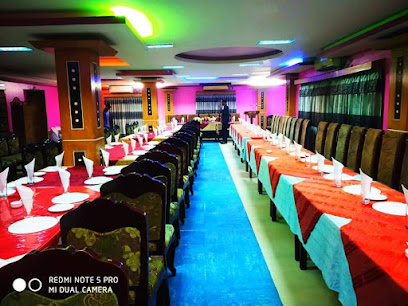
ছয় ভাই রেস্টুরেন্ট
5.6 km
Discover authentic Bangladeshi cuisine at ছয় ভাই রেস্টুরেন্ট in Sreemangal - where every dish tells a story.
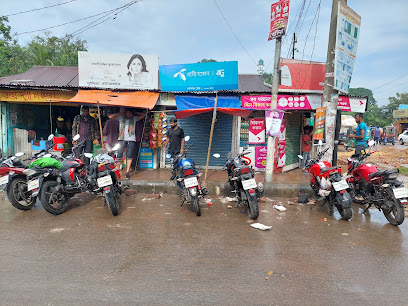
Chill Out Cafe & Resturent
5.7 km
Experience the best of Chinese cuisine at Chill Out Cafe & Restaurant in Sreemangal - where flavors come alive!
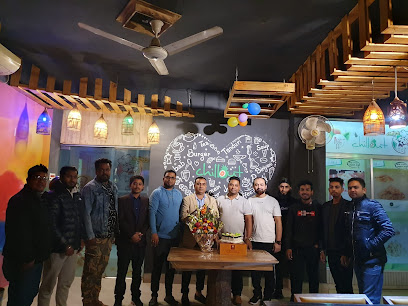
শাহজালাল (রঃ) হোটেল এন্ড রেস্টুরেন্ট
5.7 km
Experience authentic Bangladeshi flavors at Shahjalal Hotel and Restaurant in Sreemangal – a must-visit culinary destination for every traveler.
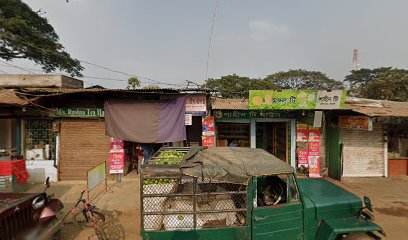
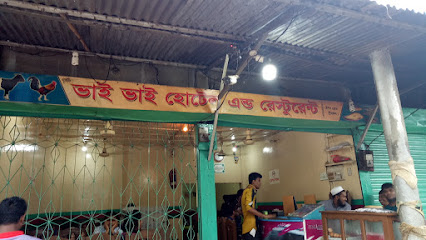
ভাই ভাই হোটেল এন্ড রেস্টুরেন্ট Bhai Bhai Hotel & Restaurant
5.8 km
Experience authentic Bangladeshi cuisine at Bhai Bhai Hotel & Restaurant in Sreemangal, where every meal tells a story.
cafe Jingbang
5.8 km
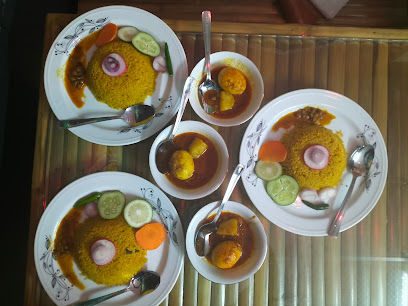
Discover exquisite flavors at Café Jingbang in Sreemangal – where local cuisine meets warm hospitality in a cozy setting.
Markets, malls and hidden boutiques

মায়ের দোয়া
0.1 km
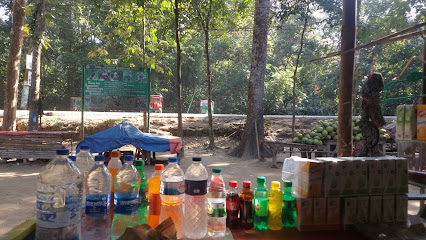
Discover authentic Bangladeshi handicrafts at মায়ের দোয়া in Lauyachara, where local craftsmanship meets vibrant culture.
লতিফ স্টোর
0.7 km
Discover authentic Bangladeshi craftsmanship at লতিফ স্টোর, where every item tells a story of rich tradition and artistry.
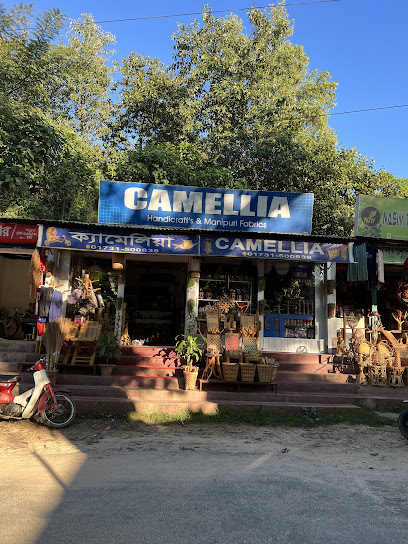
Camellia Handicraft's & Monipuri Fabrics
2.5 km
Explore the rich heritage of Bangladesh through exquisite handmade crafts and Monipuri fabrics at Camellia Handicraft's, a treasure trove for unique souvenirs.
Online Store
3.5 km
Explore a vibrant shopping mall in 3214, where local culture meets global trends in a delightful retail experience.
Alpana Boutique
3.5 km
Discover stylish clothing and local fashion at Alpana Boutique in the heart of Sreemangal, Bangladesh's tea capital.
Sk sultana online shop
3.5 km
Explore Sk Sultana Online Shop in Sreemangal for authentic Bangladeshi handicrafts and unique souvenirs that capture the essence of local culture.

সপ্ন টি এন্ড গিফট কর্ণার
3.6 km
Discover the essence of Sreemangal at Sopno Tea and Gift Corner, where exquisite teas and unique gifts await every traveler.
পাহাড়ী গিফট কর্ণার
3.6 km
Explore the essence of Bangladeshi craftsmanship at পাহাড়ী গিফট কর্ণার – a must-visit store for unique gifts and local treasures.
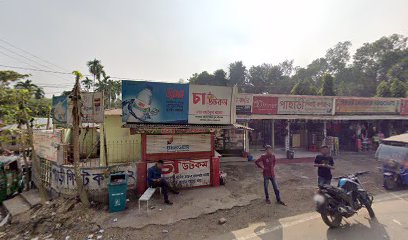
সুলতানা ভেরাইটিজ স্টোর
4.2 km
Discover unique local products and vibrant culture at Sultana Variety Store in Kamalganj, the perfect shopping destination for tourists.
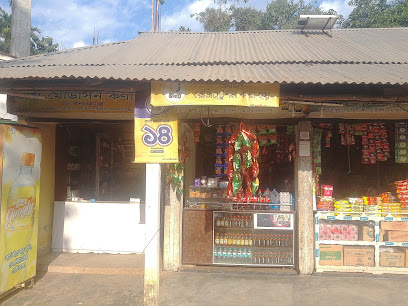
গাউছিয়া লাইব্রেরী এন্ড ষ্টেশনারী
4.5 km
Discover the charm of Gauchia Library and Stationery, where literature meets local culture in the heart of Kamalganj.
ইমাদ স্টোর
4.5 km
Explore the heart of Kamalganj at ইমাদ স্টোর, where local culture meets unique shopping treasures.
হামিদা এন্ড আবিদা ষ্টোর
4.5 km
Explore Hamida and Abida Store, your destination for unique home goods and local craftsmanship in the heart of the region.
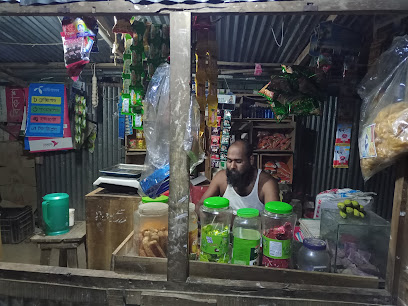
জুবায়ের স্টোর(Jubayer Store)
4.9 km
Explore Jubayer Store: Your Gateway to Authentic Bangladeshi Groceries and Culinary Treasures.
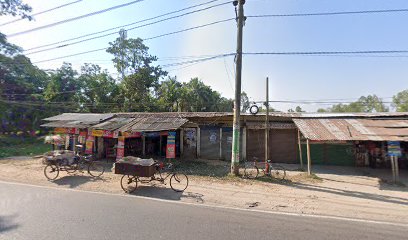
মেসার্স যাদব ভেরাইটিজ ষ্টোর
5.1 km
Explore the vibrant local culture at M/s Yadav Variety Store in Sreemangal, offering unique snacks and souvenirs that capture the spirit of the region.
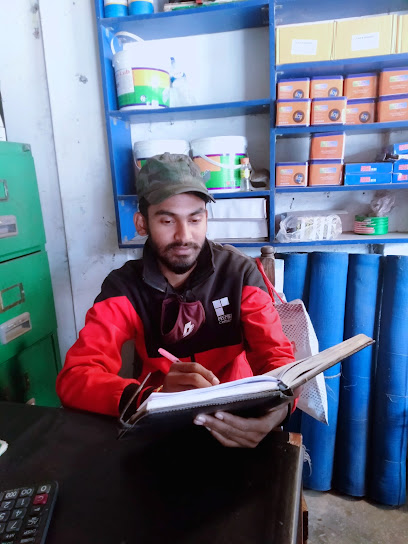
TANHA STORE
5.1 km
Explore the vibrant TANHA STORE in Sreemangal for fresh produce and local flavors that capture the essence of Bangladesh.
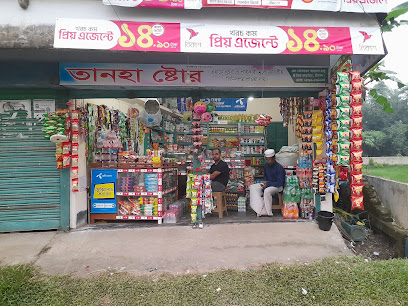
Essential bars & hidden hideouts

Asian Eco Cafe & Restaurant
2.9 km
Experience a unique blend of sustainable dining and delicious Asian cuisine at Asian Eco Cafe & Restaurant in the heart of Sreemangal.
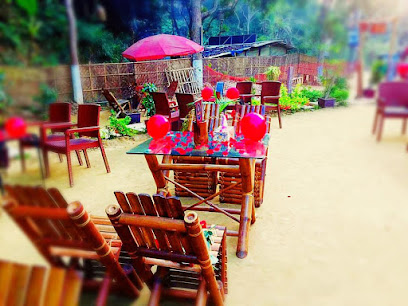
Raju Restaurant রাজু রেস্টুরেন্ট
3.6 km
Experience authentic Bangladeshi cuisine at Raju Restaurant, a charming eatery near Grand Sultan Resort, perfect for food lovers.
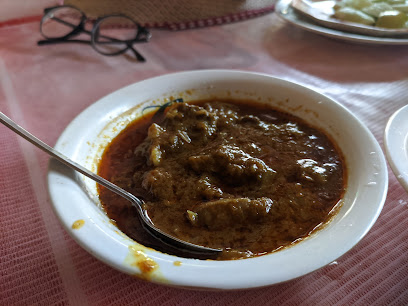
বৃষ্টি বিলাস খাবার ঘর
3.9 km
Discover the vibrant flavors of Bangladesh at Borshti Bilash Khabar Ghor, a must-visit restaurant in Sreemangal offering authentic local cuisine.
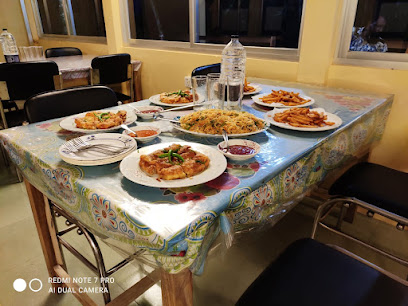
Kureghor resturent and fuska house
4.1 km
Discover the delights of traditional Bangladeshi cuisine at Kureghor Restaurant and Fuska House, a must-visit for food lovers in Balishira Pahar.
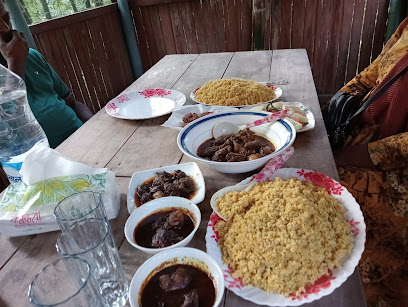
Lily hotel Sreemangal
5.9 km
Experience authentic Bangladeshi cuisine at Lily Hotel Sreemangal, where local flavors meet warm hospitality in a picturesque setting.
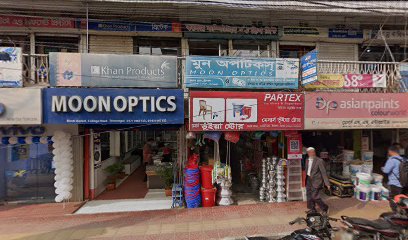
Stylus Restaurant & Guest House
5.9 km
Discover the authentic flavors of Asian cuisine at Stylus Restaurant & Guest House, a cozy dining and lodging experience in Sreemangal.
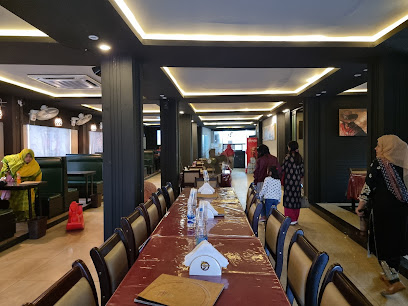
ভোলানাথ মিষ্টান্ন ভান্ডার
5.9 km
Explore the sweet side of Moulvibazar at ভোলানাথ মিষ্টান্ন ভান্ডার, where traditional Bangladeshi sweets create unforgettable experiences.
Treat দে
6.0 km
Discover the authentic taste of Bangladeshi cuisine at Treat দে, a must-visit restaurant in Sreemangal for every food lover.
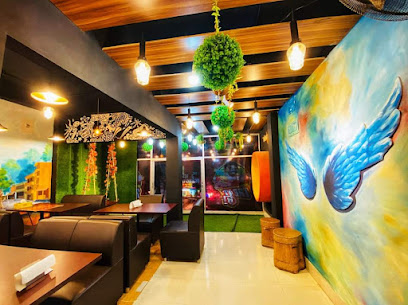
ভাই ভাই হোটেল
6.2 km
Experience the authentic flavors of Bangladesh at Bhai Bhai Hotel, a culinary gem in Sreemangal's lush landscape.
Sohidul Islam
6.2 km
Experience the vibrant nightlife at Sohidul Islam, a cozy bar in Sreemangal offering local drinks and a warm, inviting atmosphere for all visitors.
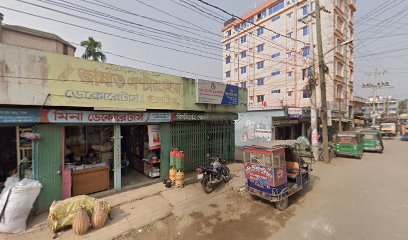
E-Cafe &Juice Bar-2
6.6 km
Discover the vibrant flavors of E-Cafe & Juice Bar in Sreemangal, where refreshing drinks meet a cozy atmosphere amidst scenic tea gardens.
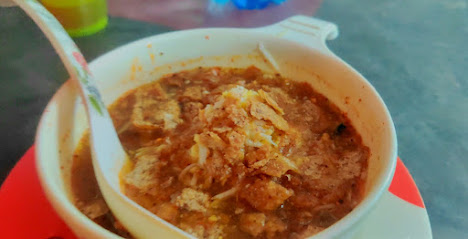
Shawon
9.4 km
Experience the vibrant nightlife at Shawon, a bar in Tikria offering a blend of local and international drinks in a unique ambiance.
লিটনের পাট্টা(মদের দোকান)
10.3 km
Discover the lively ambiance and exquisite drinks at Liton’s Patta, a premier bar in Bangladesh perfect for unwinding and enjoying local nightlife.
জুল কুড়ি
12.0 km
Discover the vibrant nightlife of Adampur at জুল কুড়ি, a local bar that offers a unique blend of drinks, music, and culture.
দেশী মদের দোকান
12.6 km
Discover the vibrant atmosphere of Deshi Modder Dokan, a bar that celebrates Bangladeshi culture with unique drinks and local entertainment.


