Mahasthan Archaeological Museum: Echoes of Pundranagara
Uncover the mysteries of ancient Bengal at the Mahasthan Archaeological Museum, home to a remarkable collection of artifacts from the Maurya, Gupta, and Pala dynasties, near the historic Mahasthangarh.
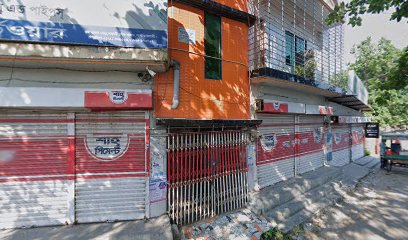
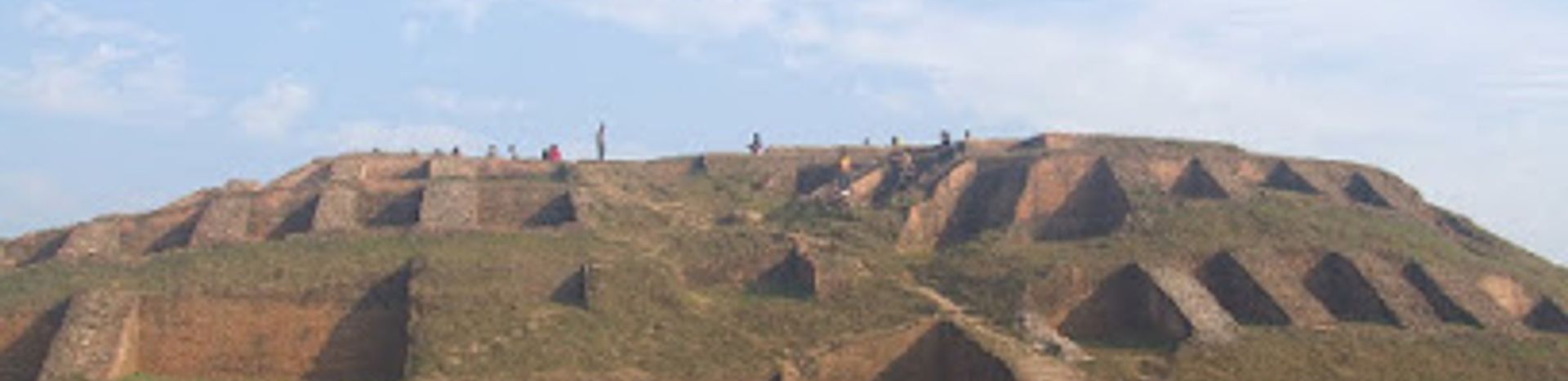
The Mahasthan Archaeological Museum, established in 1967, stands as a treasure trove of ancient Bengal's history and culture. Located near the historic Mahasthangarh in Shibganj, Bogura, it safeguards artifacts from the Maurya, Gupta, and Pala dynasties, showcasing North Bengal's rich archaeological heritage. The museum's collection includes ancient coins, terracotta sculptures, weapons, tools, architectural elements, and everyday relics, offering a glimpse into the lives of those who inhabited this region centuries ago. A visit here provides invaluable context to the nearby Mahasthangarh citadel and surrounding archaeological sites, enriching the experience of exploring one of Bangladesh's oldest urban centers. Don't miss the chance to delve into the past and uncover the stories etched in stone, metal, and clay.
A brief summary to Mahasthan Archaeological Museum
- X87V+3HF, 5810, BD
- +8801842-477878
Local tips
- Plan your visit to coincide with the cooler months (October to March) for a more comfortable exploration of both the museum and the surrounding archaeological sites.
- Combine your museum visit with a tour of Mahasthangarh citadel, Govinda Bhita, and other nearby historical sites for a comprehensive experience.
- Hire a local guide to gain deeper insights into the history and significance of the artifacts and archaeological sites.
- Note that photography is prohibited inside the museum, so plan accordingly.
- Check the museum's seasonal operating hours before your visit, as they vary between summer and winter.

Getting There
-
Public Transport
From Bogra town, the most convenient way to reach the Mahasthan Archaeological Museum is by local bus or CNG auto-rickshaw. Buses regularly depart from Bogra's main bus stand towards Mahasthangarh, with a short ride costing approximately BDT 20-30. CNG auto-rickshaws offer a more direct and flexible option, typically charging BDT 150-200 for a round trip, including waiting time. The journey takes around 30-45 minutes, passing through rural landscapes before arriving at the museum entrance, located near the Mahasthangarh citadel.
-
Taxi/Ride-Share
Taxis and ride-sharing services (like Uber or Pathao, if available in Bogra) provide a comfortable and convenient option for reaching the Mahasthan Archaeological Museum. A one-way trip from Bogra town typically costs between BDT 250-350, depending on the vehicle type and traffic conditions. The journey takes approximately 30-40 minutes, offering a hassle-free way to reach the museum directly. Negotiate the fare beforehand or use the ride-sharing app for transparent pricing.
Discover more about Mahasthan Archaeological Museum
Iconic landmarks you can’t miss

Boiragir Bhita
0.4 km
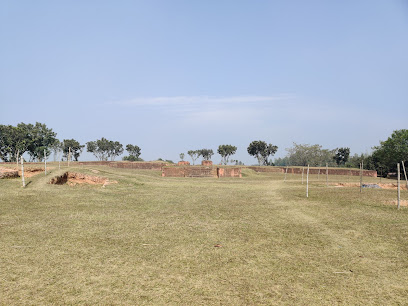
Explore ancient temple ruins at Boiragir Bhita near Mahasthangarh, revealing Bengal's rich Pala dynasty history and religious heritage.
Doyaler More
44.1 km
Experience the heart of Naogaon at Doyaler More: a vibrant hub where history meets delicious street food, offering an authentic taste of local life and culture.
Jagaddal Vihar
50.9 km
Discover Jagaddal Vihara, an ancient Buddhist monastery in Bangladesh, and explore its rich history and serene atmosphere.
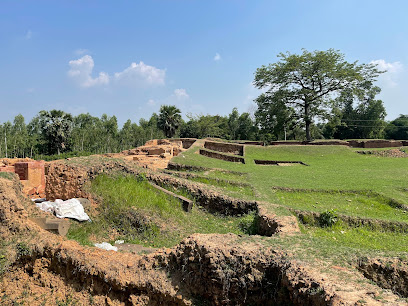
Jamuna River
64.5 km
Explore the Jamuna River: A dynamic waterway shaping Bangladesh's landscape, economy, and culture. Witness its beauty and importance.
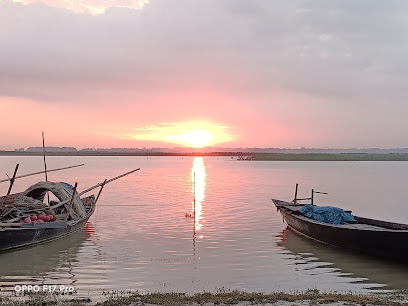
Natore Rajbari
70.0 km
Explore Natore Rajbari, a historical palace showcasing the opulence and legacy of Bengal's zamindari era.
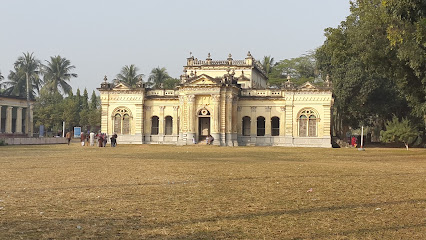
Carmichael College
84.8 km
Discover the architectural grandeur and rich history of Carmichael College in Rangpur, a unique blend of British colonial and Mughal styles on a sprawling, serene campus.
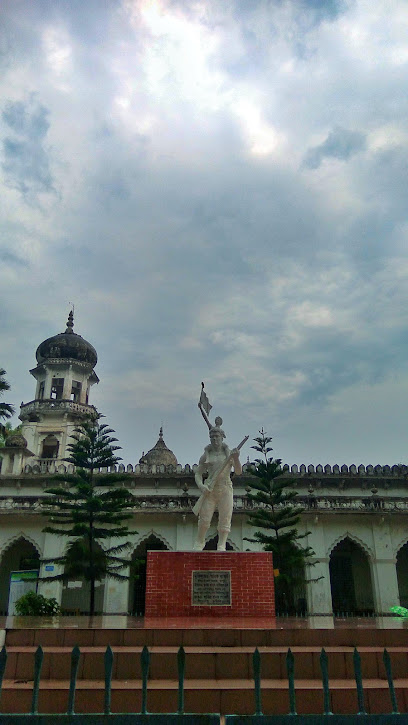
Jame Masjid, Tajhat Jamidar Bari
85.1 km
Explore the architectural beauty and spiritual serenity of Jame Masjid, a historical mosque in Rangpur that embodies the essence of Bangladesh's rich cultural heritage.
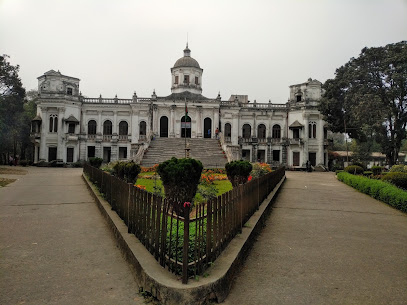
আলোকবর্তিকা
87.9 km
A tribute to Begum Rokeya in Rangpur, symbolizing her legacy as a torchbearer for women's education and social reform.
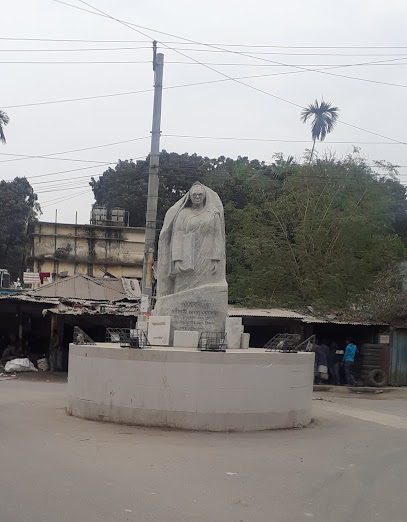
Rangpur Tourism
88.0 km
Explore Rangpur's rich history, vibrant culture, and stunning landscapes in the heart of Bangladesh for an unforgettable travel experience.
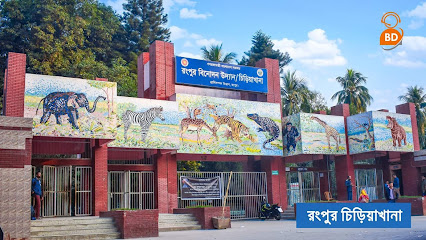
Cigarette company mor
88.5 km
Discover Rangpur's industrial heritage at Cigarette Company Mor, a landmark showcasing the city's cultural significance and evolution in the tobacco industry.

Rangpur Judge Court
88.6 km
Explore the architectural beauty and historical significance of Rangpur Judge Court, a landmark of justice in Bangladesh.
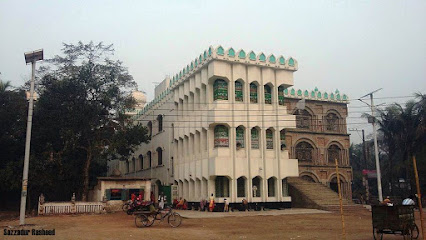
Rangpur Zero Point
88.7 km
Discover the historical essence of Bangladesh at Rangpur Zero Point, a vibrant hub connecting travelers and locals with rich cultural heritage.
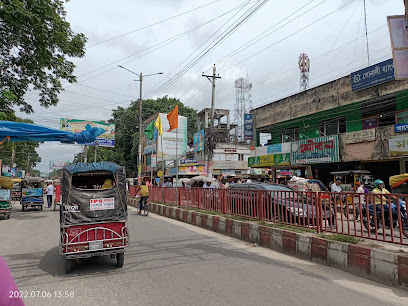
জাদু নিবাস (Jadu Nibash)
89.0 km
Explore Jadu Nibash in Rangpur: A historical gem showcasing Bengal's architectural elegance and cultural significance. Step back in time!
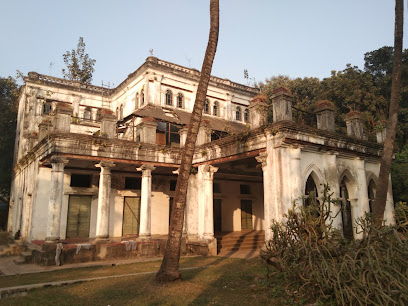
Rangpur Cantonment
89.5 km
Explore Rangpur Cantonment: A blend of military history and tranquil beauty in the heart of Rangpur, Bangladesh.
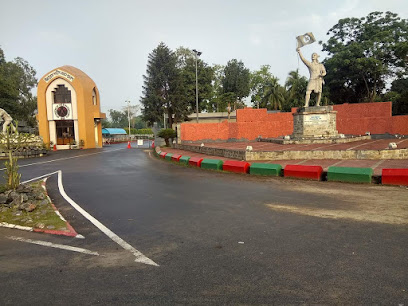
Madhupur tract
91.1 km
Explore the Madhupur Tract: Where natural beauty meets cultural heritage in the heart of Bangladesh. Discover forests, wildlife, and indigenous traditions.
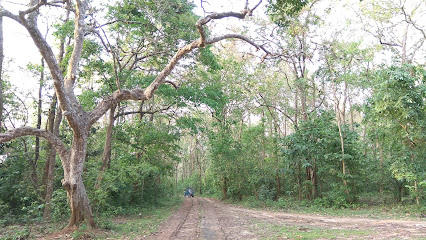
Unmissable attractions to see

Behular Bashor Ghor - Gokul Medh
3.0 km
Explore the ancient Gokul Medh in Bangladesh, tied to the legend of Behula and Lakhindar, revealing early Bengal's architecture and Buddhist heritage.
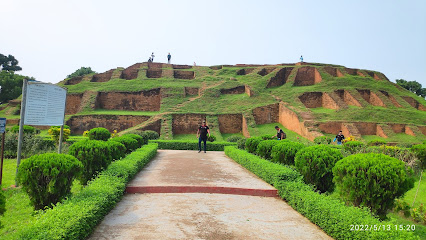
Vasu Bihar
5.2 km
Explore the ruins of Vasu Bihar, an ancient Buddhist monastic complex from the Pala Empire, near Mahasthangarh in Bangladesh.
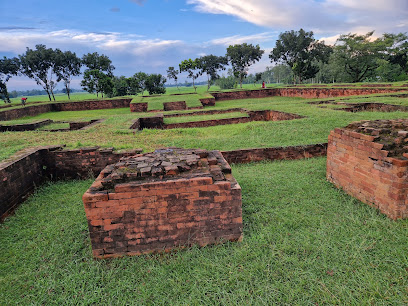
Kherua Masjid
34.6 km
Explore the historic Kherua Masjid in Sherpur, a unique blend of Sultanate and Mughal architecture from the 16th century. A must-see landmark in Bogra.
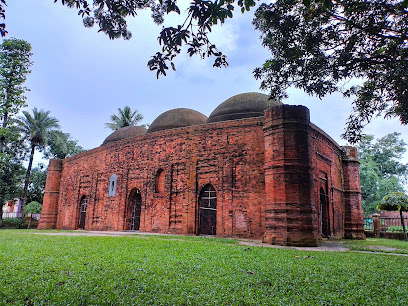
Shishu Uddan
37.0 km
A delightful amusement park in Joypurhat with rides, a mini-zoo, and beautiful landscapes for a memorable family outing.
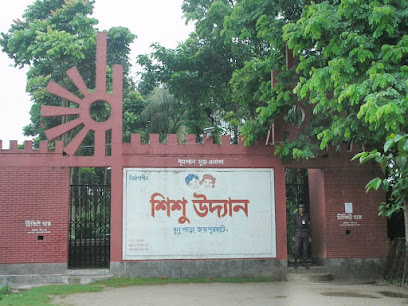
Sapahar
37.4 km
Discover ancient Buddhist art and artifacts at Paharpur Museum, near the UNESCO World Heritage Site of Somapura Mahavihara.
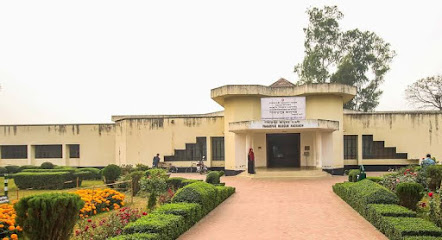
Sompur Mahavihara
37.8 km
Discover Sompur Mahavihara, a UNESCO site in Bangladesh, showcasing ancient Buddhist heritage and architectural brilliance from the Pala Dynasty.
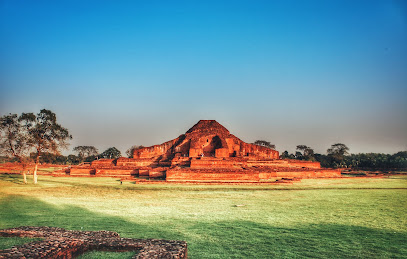
Neel Daria
41.7 km
Escape to the serene beauty of Neel Daria in Chatra, Bangladesh – a perfect getaway for nature lovers and families seeking tranquility.
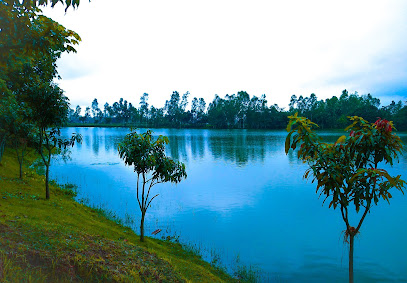
Dana Park
42.0 km
Discover a family-friendly recreation park in Naogaon with lush greenery, rides, and attractions for all ages.
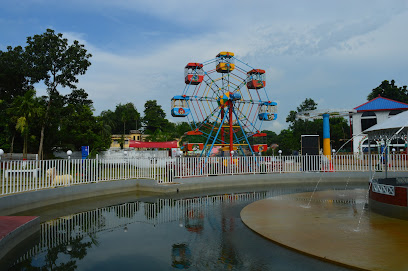
Gaibandha Pouro Park
45.7 km
Escape to nature in the heart of Gaibandha at Pouro Park, a serene retreat for all ages.
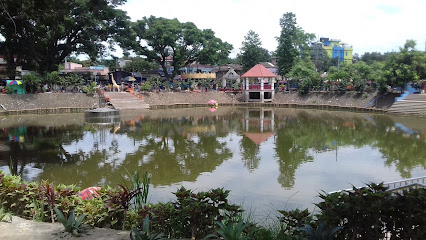
Chandipur Hejati Para Kal Bhat
46.4 km
Discover tranquility and authentic rural life in Chandipur Hejati Para Kal Bhat, a serene escape in the Bangladeshi countryside.
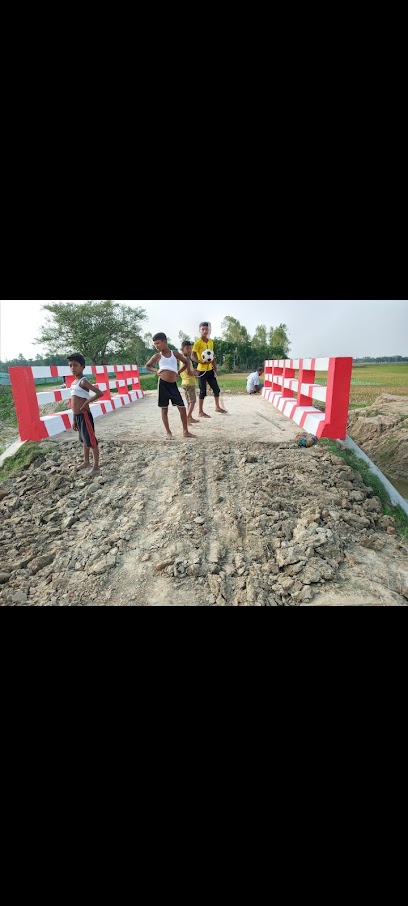
Taltoli
47.0 km
Escape to Taltoli in Naogaon: Where serene lakeside views meet rich cultural experiences and tranquil retreats.
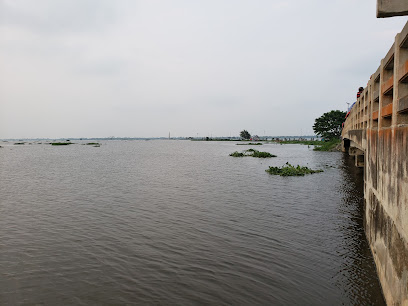
Hansaigari Beel
53.8 km
Discover the serene beauty and rich biodiversity of Hansaigari Beel in Naogaon, Bangladesh, a perfect escape for nature lovers and birdwatchers.
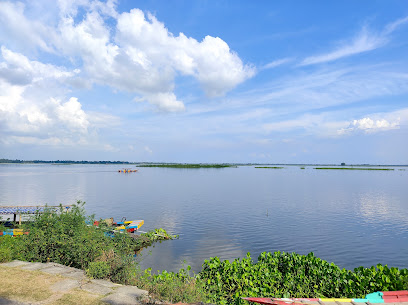
Altadighi
54.1 km
Explore the tranquil beauty of Altadighi, a picturesque dighi in Bangladesh perfect for relaxation and nature appreciation.
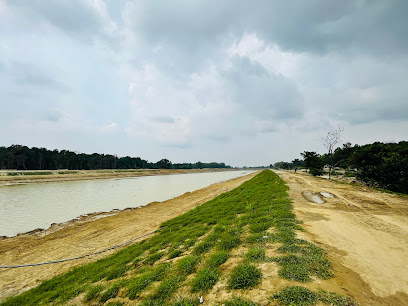
Hard point
65.4 km
Enjoy scenic riverside views and a relaxing atmosphere at Hard Point, a popular tourist spot in Sirajganj.
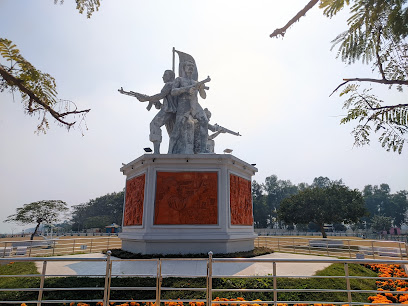
Shopnopuri Artificial Amusement Park
66.7 km
Escape to Shopnopuri: A sprawling amusement park in Dinajpur with rides, gardens, and attractions for a fun-filled family day.
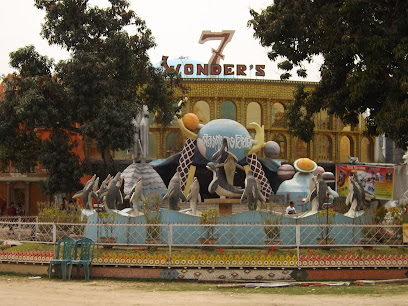
Essential places to dine

Sky View
13.0 km
Discover Sky View in Bogura - where delicious food meets stunning city views for an unforgettable dining experience.
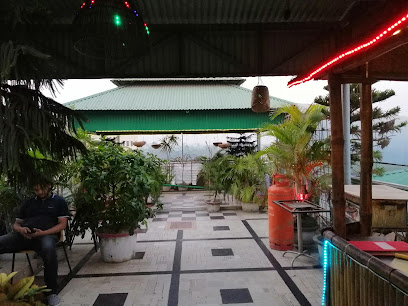
Sky View Restaurant Sirajganj
68.2 km
Discover authentic Indian flavors at Sky View Restaurant Sirajganj with stunning views and vibrant ambiance.
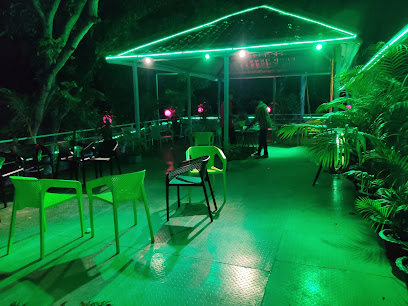
Antokura bazar
72.0 km
Discover authentic local cuisine at Antokura Bazar in Joyen Bor Dhul, where vibrant flavors meet warm hospitality.
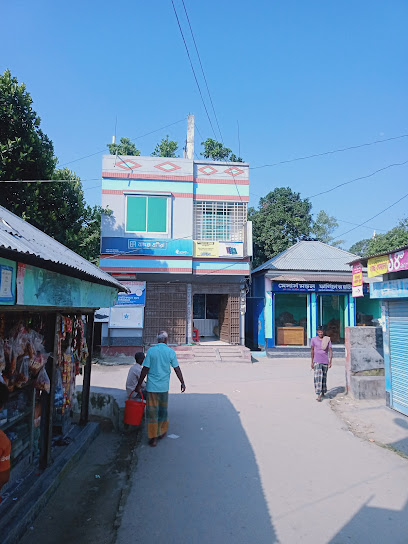
Kanon Kabab & Restaurant
79.7 km
Discover authentic Bangladeshi breakfast and kababs at Kanon Kabab & Restaurant in Madhupur - where flavors come alive!
PARK Village Restaurant
80.3 km
Discover culinary delights at PARK Village Restaurant near Bongobondhu Bridge in Tangail - where taste meets scenic beauty.
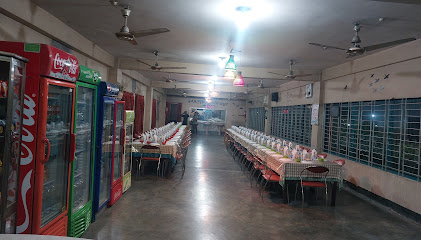
Nabab Hotel & Restaurant
83.4 km
Experience the rich flavors of authentic Bangladeshi cuisine at Nabab Hotel & Restaurant in Rangpur.

A To Z Restaurants
83.4 km
Experience the flavors of Bangladesh at A To Z Restaurants – where every meal tells a story.
Kheya Park Restaurant
84.1 km
Discover the rich flavors of Bangladesh at Kheya Park Restaurant in Rangpur - where tradition meets taste in every dish.
Park kitchen bd
84.2 km
Experience the vibrant flavors of Bangladesh at Park Kitchen BD – a family-friendly restaurant perfect for travelers seeking local cuisine.
বিশ্বাস হোটেল এন্ড রেষ্টুরেন্ট
84.3 km
Discover the authentic taste of Bangladesh at Bishash Hotel and Restaurant in Rangpur - where every meal tells a story.
Panshi Thai & Chinese Restaurant
85.7 km
Discover a harmonious blend of Thai and Chinese flavors at Rangpur's Panshi Thai & Chinese Restaurant - an unforgettable culinary experience awaits.
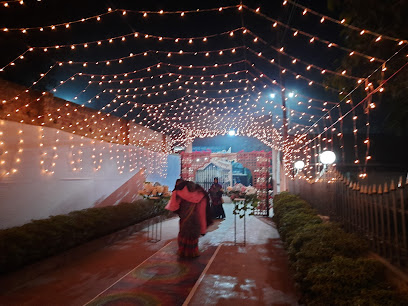
Budget-Cafe
85.9 km
Discover Budget-Cafe in Rangpur: Affordable dining with authentic flavors and a cozy atmosphere awaits you!
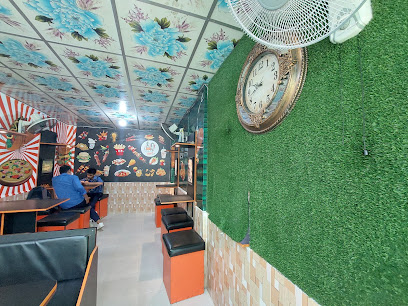
Golden Cafe
86.0 km
Discover the perfect blend of flavor and convenience at Golden Cafe in Rangpur - your go-to fast food destination.
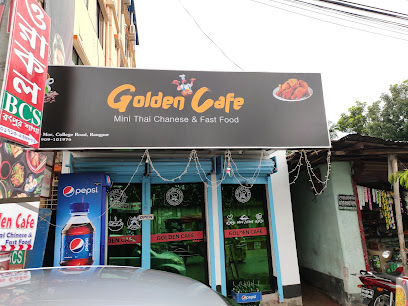
কয়লা ক্যাফে
86.0 km
Discover the flavors of Bangladesh at কয়লা ক্যাফে in Rangpur - a culinary gem offering diverse dishes in a warm atmosphere.
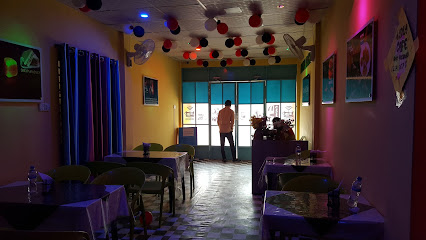
Twin Rooftop Restaurant
86.1 km
Experience exquisite dining at Twin Rooftop Restaurant in Rangpur with stunning city views and a diverse menu perfect for every palate.
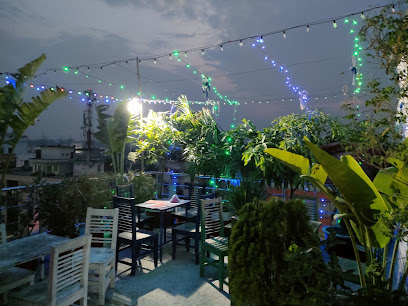
Markets, malls and hidden boutiques

ayatullah shop
36.7 km
Experience the vibrant culture and unique shopping at Ayatullah Shop in Elangi, where local craftsmanship meets modern style.
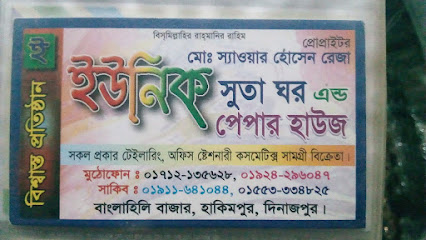
Unique Suta Ghar and cosmetics
48.5 km
Explore Unique Suta Ghar in Hakimpur for a vibrant shopping experience with local crafts and traditional cosmetics.
The Raymond Shop, Rajshahi, Bangladesh.
49.4 km
Explore The Raymond Shop in Rajshahi for premium clothing that blends traditional and modern styles, perfect for any occasion.
SK Unique Fashion Gallery
79.6 km
Explore the rich tapestry of Bangladeshi fashion at SK Unique Fashion Gallery, where unique styles meet local artistry for a shopping experience like no other.
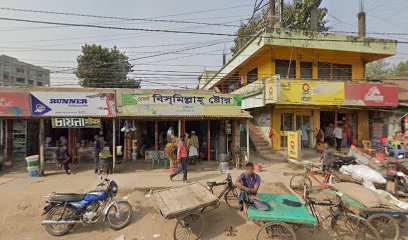
1 To 99
84.4 km
Explore '1 To 99', Rangpur's charming gift shop, for unique souvenirs that capture the spirit of Bangladesh's rich culture and artistry.
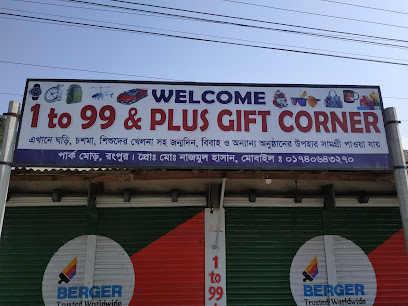
রাজশাহী শপ - Rajshahi Shop
85.3 km
Explore Rajshahi Shop for unique local crafts and authentic products in the heart of Mypara Bazar, a true gem for tourists.
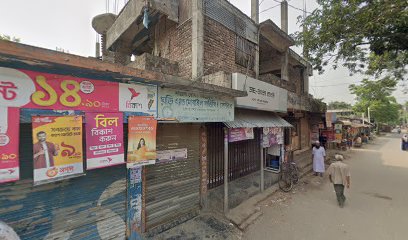
RANGPUR SHOP
86.1 km
Experience local culture and craftsmanship at Rangpur Shop, the top e-commerce destination in Rangpur, Bangladesh, for unique souvenirs and quality products.
Unique Gallery 1to 99+
86.4 km
Explore Unique Gallery 1to 99+ in Rangpur for handcrafted souvenirs and local crafts that capture the spirit of Bangladesh.
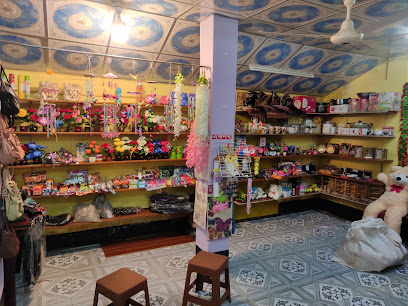
Online shop
87.1 km
Explore Rangpur's premier tack shop for all your equestrian needs, offering quality gear and accessories for horse lovers.
Baby Shop
87.2 km
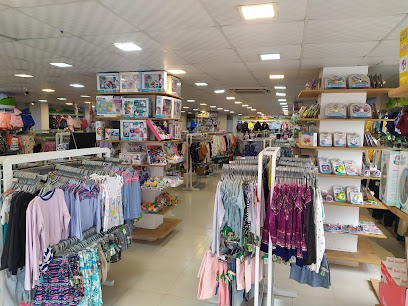
Explore a delightful baby clothing store in Rangpur, offering a wide range of stylish outfits and accessories for your little ones.
কামাল কাছনা বাজার
87.3 km
Explore the vibrant Kamal Kachna Bazaar in Rangpur for unique gifts, local crafts, and a taste of authentic Bangladeshi culture.

Rangpur Mobile | রংপুর মোবাইল
87.4 km
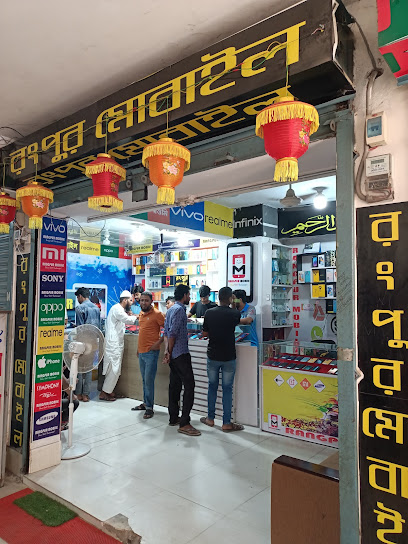
Explore Rangpur with the latest mobile technology at Rangpur Mobile, your trusted cell phone store for all your connectivity needs.
Aarong | Rangpur
87.5 km
Explore Aarong in Rangpur for authentic Bangladeshi clothing and handicrafts, celebrating the artistry of local artisans in a vibrant shopping atmosphere.

GIFT BUY
87.5 km
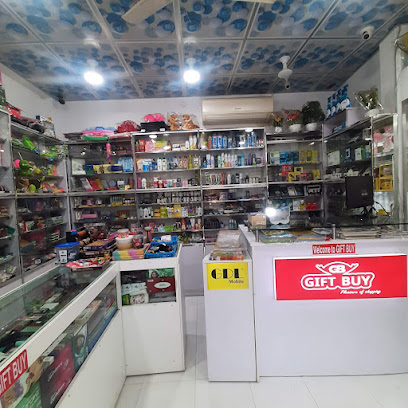
Discover unique souvenirs and handcrafted gifts at GIFT BUY in Rangpur, where local artistry meets unforgettable shopping.
খুশবুওয়ালা (KhushbuWaala Perfumes)
87.6 km
Explore KhushbuWaala Perfumes in Rangpur for an unforgettable journey through exquisite scents and personalized fragrance experiences.

Essential bars & hidden hideouts

Palsha Vober Bazar
12.2 km
Experience the vibrant culture and delicious street food at Palsha Vober Bazar in Erulia, a must-visit for every traveler seeking local flavor.
Bisha van Stand
23.5 km
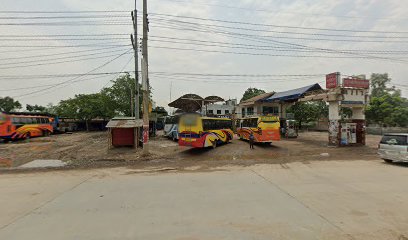
Explore the vibrant flavors of Bangladesh at Bisha van Stand, where local delicacies meet a lively atmosphere for an unforgettable dining experience.
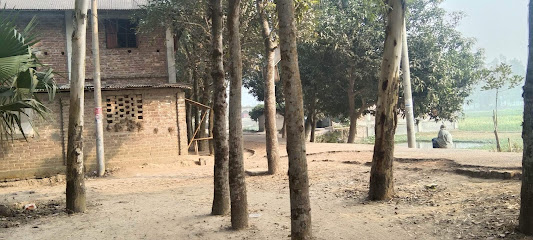
Merai
24.6 km
Discover the vibrant nightlife at Merai, a lively pub offering a unique blend of local charm and refreshing drinks, perfect for unwinding.
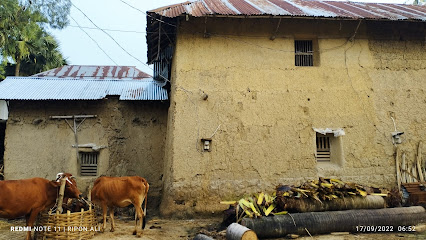
Mal-Dip
35.8 km
Discover the vibrant nightlife of Mal-Dip, where every evening promises great drinks, friendly faces, and unforgettable experiences in the heart of the city.
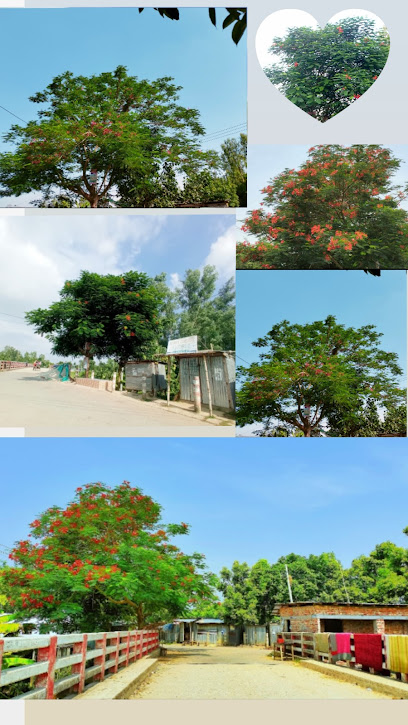
Ghhj
40.9 km
Discover the lively Ghhj Bar in Chakkama, where the local nightlife comes alive with refreshing drinks and vibrant culture.
Naogaon Milk Bar
43.5 km
Experience the vibrant nightlife at Naogaon Milk Bar, where refreshing drinks and a friendly atmosphere await you in the heart of Naogaon.
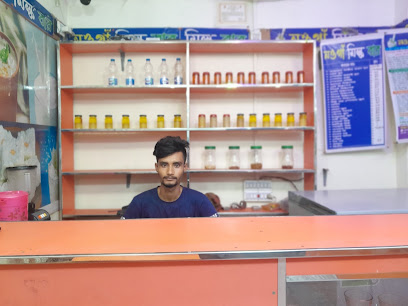
Lion’s Billiards & Juice Bar
43.9 km
Experience the vibrant atmosphere at Lion’s Billiards & Juice Bar, the perfect spot for drinks, billiards, and socializing in Naogaon.
আমির চাঁদ
44.1 km
Discover the lively atmosphere and unique flavors at Amir Chand, a vibrant bar in Lohachura, perfect for unwinding and enjoying local culture.
Nidhi IT
55.3 km
Experience the ultimate sports bar atmosphere at Nidhi IT in Singra, where every game is a celebration and every visit is memorable.
SHOJIB LTD
57.4 km
Experience the vibrant nightlife at SHOJIB LTD, the perfect bar for relaxation and enjoyment in the heart of the local culture.
Md Ridoy khan
68.4 km
Discover the vibrant nightlife of Proshadpur at Md Ridoy Khan, a local bar that blends culture and relaxation with every visit.
RR RaNa
74.8 km
Discover the lively ambiance and exquisite drinks at RR RaNa, a bar that embodies the spirit of local nightlife.
CNG Station
77.6 km
Discover the convenience of CNG Station, a vital refueling stop for travelers exploring the beautiful landscapes of Bangladesh.
Taijul Tea Stall
79.3 km
Discover the authentic flavor of Bangladesh at Taijul Tea Stall, a cozy bar offering delightful teas and local charm in every sip.
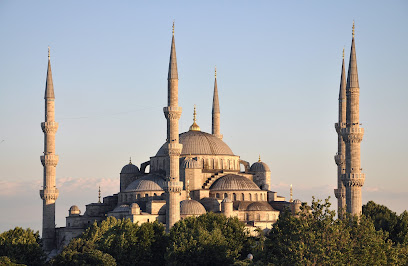
Chinu Chatro Restroom
84.8 km
Discover comfort and cleanliness at Chinu Chatro Restroom, the perfect resting spot for travelers in Rangpur, Bangladesh.
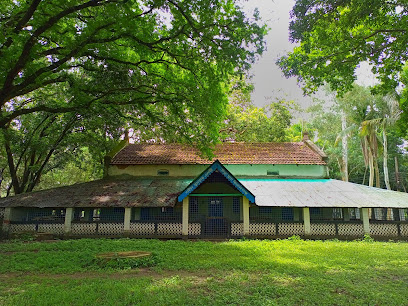
Nightclubs & after hour spots

Rup Nogor
57.1 km
Immerse yourself in the electrifying nightlife of Rup Nogor, the ultimate night club destination in Bangladesh for vibrant music and unforgettable experiences.
Shadhnogor youth club.
58.1 km
Experience the vibrant nightlife at Shadhnogor Youth Club, where music and culture collide for an unforgettable evening in the heart of the city.

Club Beara Bazer
63.9 km
Dive into the vibrant nightlife of Bangladesh at Club Beara Bazer, where music and culture come alive in an unforgettable atmosphere.
Sherpur
68.2 km
Discover the vibrant nightlife and local culture at Sherpur's lively bar scene, perfect for unwinding and socializing in a friendly atmosphere.
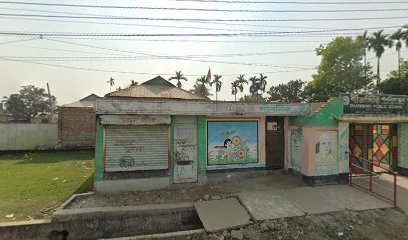
Night club নাইট ক্লাব
71.6 km
Experience the vibrant nightlife of Bangladesh at Night Club নাইট ক্লাব – a must-visit destination for dancing and unforgettable memories.
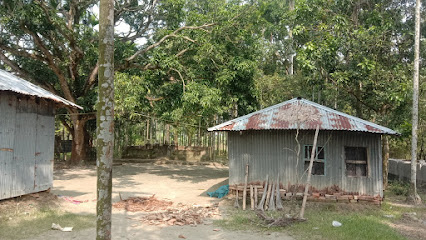
MALEKA'S TEA STALL
78.3 km
Discover the vibrant nightlife at Maleka's Tea Stall in Pirgachha, where traditional Bangladeshi tea meets a lively social atmosphere.
AL Amin Store
86.0 km
Experience the vibrant nightlife at AL Amin Store in Kaliyani, where music, dance, and local culture come together for an unforgettable evening.
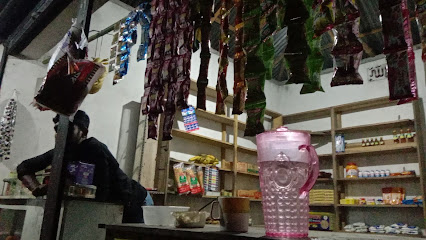
সুন্দরগঞ্জ উপজেলার
87.1 km
Explore the electrifying nightlife at সুন্দরগঞ্জ উপজেলা, a top night club in Rangpur with lively music and vibrant atmosphere.
RahaT
87.1 km
Experience the vibrant nightlife of Rangpur at RahaT, the ultimate night club where energy meets excitement and unforgettable memories are made.
Sowrov
87.6 km
Experience the vibrant nightlife of Rangpur at Sowrov, where music, dance, and local culture come together for an unforgettable evening.
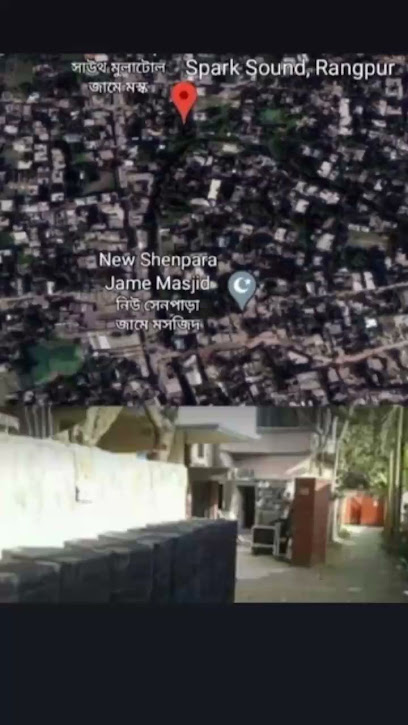
গ্যারিসন
87.8 km
Explore the vibrant nightlife of Shatgara at গ্যারিসন, a premier night club offering unforgettable music and dancing experiences.
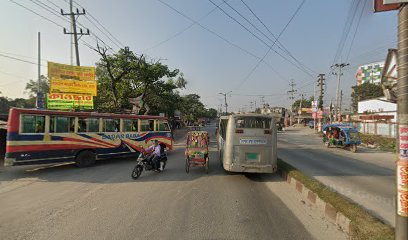
রায়হান কবীর
87.9 km
Discover the vibrant nightlife of Rangpur at রায়হান কবীর, where music, dance, and excitement unite for an unforgettable experience.
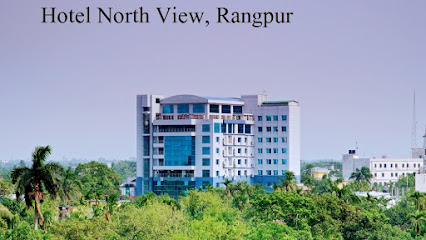
Hotel North View
88.0 km
Discover the charm of Rangpur at Hotel North View, where comfort meets community in a prime location.
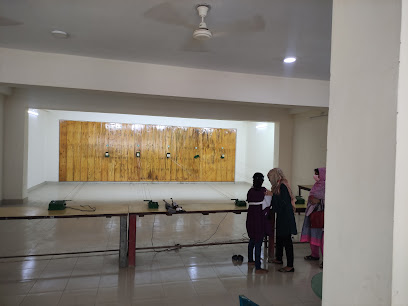
Rangpur Rifles Club
89.2 km
Discover the vibrant spirit of sports at Rangpur Rifles Club, where locals and tourists unite for thrilling activities and community fun.
HDD CLUB
89.9 km
Discover Rajshahi's nightlife at HDD CLUB, where vibrant music, thrilling dance, and unforgettable memories await you.