Choto Sona Masjid: A Glimpse into Bengal's Sultanate Past
Discover the architectural gem of Choto Sona Masjid in Chapai Nawabganj, a testament to Bangladesh's rich cultural and religious heritage from the Bengal Sultanate era.
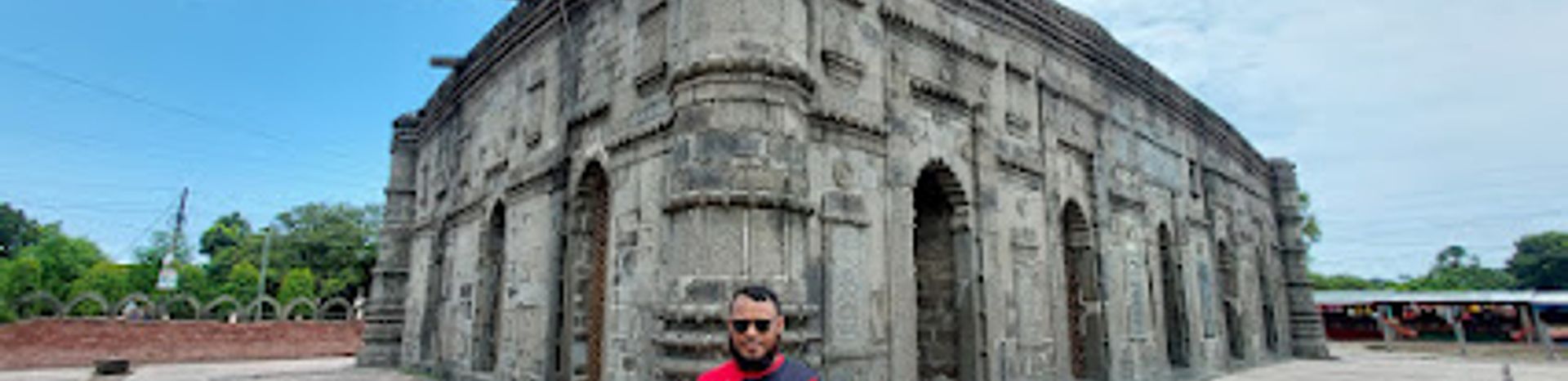
The Choto Sona Masjid, or Small Golden Mosque, is a stunning example of Bengal Sultanate architecture located in Chapai Nawabganj, Bangladesh. Built between 1493 and 1519 during the reign of Sultan Alauddin Husain Shah, the mosque was once adorned with gilded domes, giving it its name. Though the gold is gone, the intricate terracotta and stone carvings remain, showcasing a unique blend of Islamic and local architectural styles. The mosque features fifteen domes, corner minarets, and multiple arched entrances, creating a captivating visual experience. Surrounded by a serene landscape and a rich history, Choto Sona Masjid offers visitors a glimpse into the region's cultural and religious heritage, making it a must-see destination for history buffs and architecture enthusiasts alike. Explore the mosque's prayer hall, admire the delicate floral motifs, and soak in the tranquil atmosphere of this sacred site.
A brief summary to Choto Sona Masjid
- R47V+F7R, Z6801, Shahabazpur, BD
- Visit website
Local tips
- Visit during the cooler months (November to February) for a more comfortable experience exploring the site.
- Dress modestly and respectfully when visiting the mosque, as it is a place of worship.
- Hire a local guide to gain deeper insights into the history and architectural significance of the mosque.
- Take your time to explore the intricate details of the mosque's architecture, including the terracotta carvings and stone ornamentation.
- Combine your visit with a trip to the nearby Tahakhana Complex and Kotwali Gate to explore more of the region's historical sites.

Getting There
-
Public Transport
From Chapainawabganj city center, the most convenient way to reach Choto Sona Masjid is by local bus or auto-rickshaw (CNG). Take a bus heading towards Shibganj; these buses typically pass near Shahabazpur. The fare for the bus is approximately 20-30 BDT. From Shahabazpur, you can hire a rickshaw to the mosque for around 30-50 BDT, or walk for about 10-15 minutes. The mosque is located roughly 3 km from Kotwali Gate.
-
Taxi/Ride-Share
Taxis and ride-sharing services are available in Chapainawabganj. A taxi or CNG ride from the city center to Choto Sona Masjid will cost approximately 100-150 BDT. The journey takes around 20-30 minutes, depending on traffic. Be sure to negotiate the fare beforehand.
-
Driving
If driving from Chapainawabganj, head towards Shibganj on the main road. Follow the signs for Choto Sona Masjid. Once you reach Shahabazpur, the mosque is easily accessible. Parking is usually available near the mosque at no extra cost.
Discover more about Choto Sona Masjid
Iconic landmarks you can’t miss

Dakhil Darwaza
7.5 km
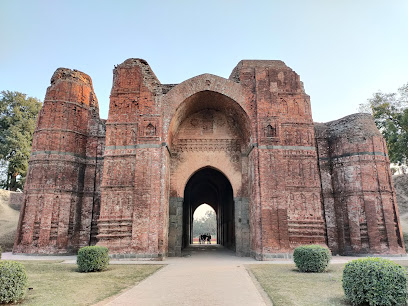
Explore the majestic Dakhil Darwaza in Gour, a 15th-century gateway showcasing a blend of Indo-Islamic architecture and rich Bengal Sultanate history.
Boro Sona Masjid
7.8 km
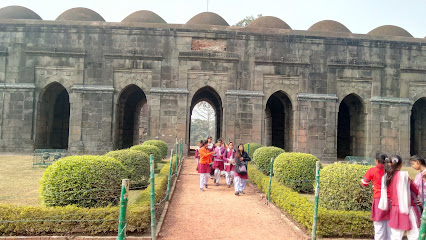
Explore the grandeur of Bengal's Sultanate era at the Boro Sona Masjid in Gour, showcasing Indo-Arabic architecture and intricate stone carvings.
Pailing Mor
12.9 km
Discover Pailing Mor, a historical landmark in Bangladesh offering a glimpse into the region's rich past and a connection to the local community's enduring heritage.
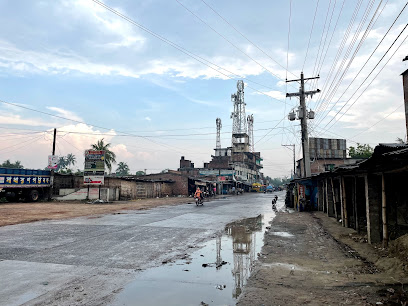
Western Most Point of Bangladesh
21.2 km
Discover the serene beauty and historical significance of Bangladesh's westernmost point in Arazi Dharmapur, a must-visit for cultural enthusiasts.
Punarbhaba
27.7 km
Discover the serene beauty and cultural heritage of the Punarbhaba River, a tranquil escape offering picturesque landscapes and glimpses into local life.
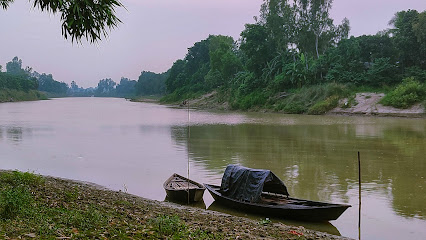
Singhi Dalan
41.2 km
Explore the historical marvel of Singhi Dalan, a captivating landmark on the banks of the Ganga in Rajmahal, Jharkhand, rich in culture and beauty.
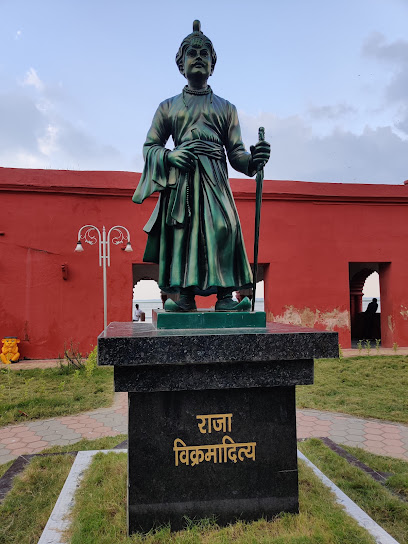
Madnabati Neelkuthi
60.3 km
Explore the historical charm of Madnabati Neelkuthi, a hidden gem in West Bengal, showcasing the elegance of British India’s architectural legacy.
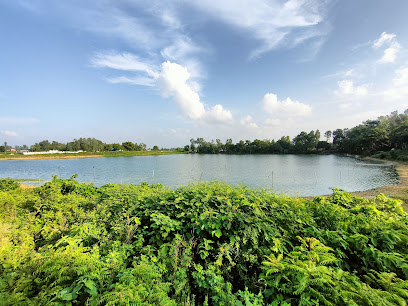
Shah Makhdum Airport
62.8 km
Discover Rajshahi's rich heritage and lush landscapes through Shah Makhdum Airport, your gateway to Bangladesh's cultural heart, offering seamless connectivity and modern amenities.
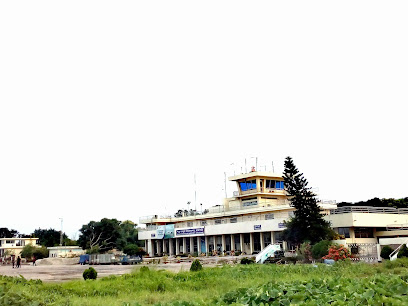
Aam Chattar
65.1 km
Experience the vibrant heart of Rajshahi at Aam Chattar, where local culture, delicious street food, and historical landmarks converge to create an unforgettable Bangladeshi adventure.
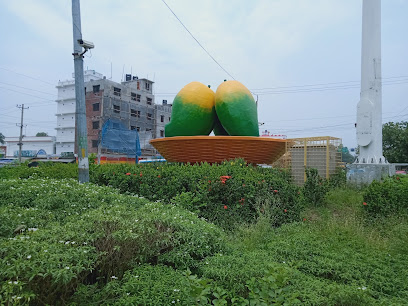
Sufianer More
65.5 km
Discover the historical charm of Sufianer More in Rajshahi, a landmark that reflects Bangladesh's rich cultural heritage and architectural beauty, offering a serene glimpse into the past.
Rajshahi,Bangladesh.
65.5 km
Explore Rajshahi: A blend of silk, mangoes, history, and culture along the Padma River in beautiful Bangladesh.

Dabtola Mor
65.5 km
Explore Dabtola Mor in Rajshahi: A serene landmark where history, culture, and natural beauty converge for an unforgettable experience.
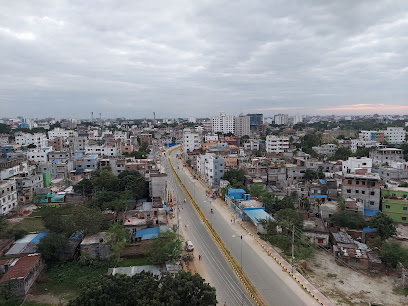
Parjatan Motel, Rajshahi
65.9 km
Your comfortable gateway to exploring Rajshahi's culture, history, and attractions with a relaxing stay and helpful travel assistance.
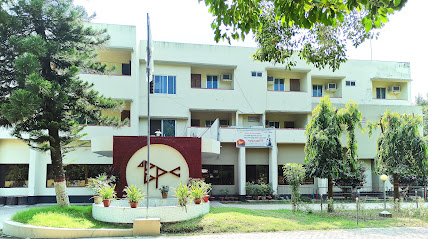
Padma Riverbank Bottola-পদ্মার পাড় বটতলা
66.0 km
Experience the majestic Padma River in Rajshahi: a vibrant hub of culture, history, and natural beauty, offering stunning sunsets and a taste of authentic Bangladeshi life.
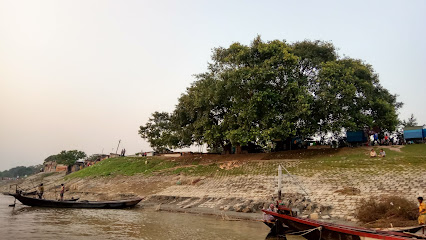
Ghora Chottor
66.1 km
Discover Ghora Chottor in Rajshahi: A historical landmark where the city's vibrant past comes to life amidst tranquil gardens.
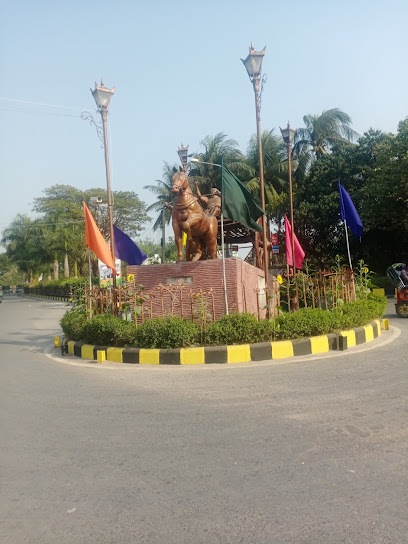
Unmissable attractions to see

Darashbari Masjid
2.2 km
Explore the ruins of Darasbari Masjid, a 15th-century mosque showcasing Bengal Sultanate architecture in Chapai Nawabganj, Bangladesh.
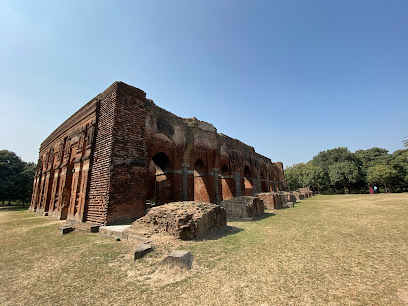
Nobab Land (Thakur Palsha)
32.7 km
Explore Nobab Land (Thakur Palsha): A historical landmark in Babudanga with stunning architecture and serene landscapes. Discover Bangladesh's rich heritage.
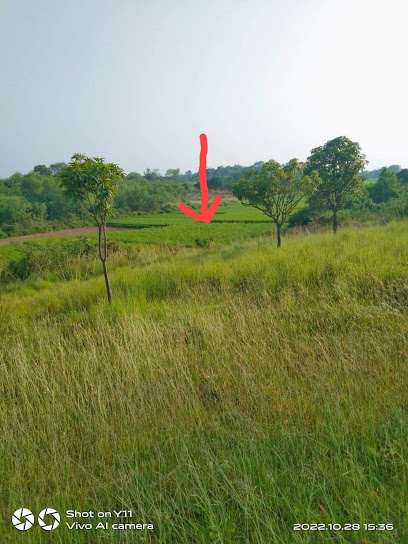
Adina Mosque
37.7 km
Explore the historical Adina Mosque in Pandua, a testament to medieval Bengal's grand Islamic architecture and cultural fusion.
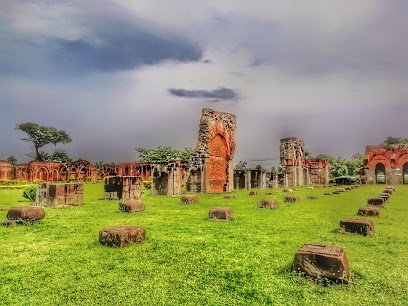
Safina Park
39.8 km
A Rajshahi amusement park and resort with gardens, lakes, rides, and cultural experiences for a memorable family escape.
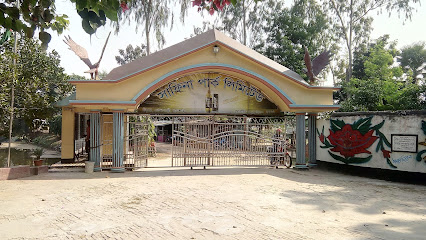
Kusumba Masjid
54.8 km
Explore the 'Black Gem of Bengal': A 16th-century mosque with unique architecture, stone carvings, and a serene historical ambiance in Naogaon.
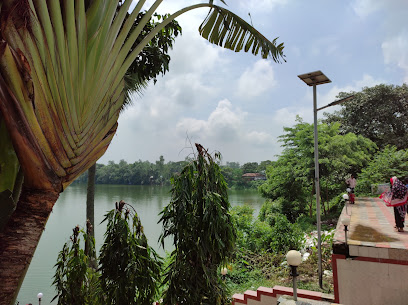
রাজশাহী গোলাপ গ্রাম (দারুশা)
59.3 km
Discover Rajshahi's Rose Village: A vibrant floral paradise offering a serene escape and unforgettable sensory experience in Darusha.
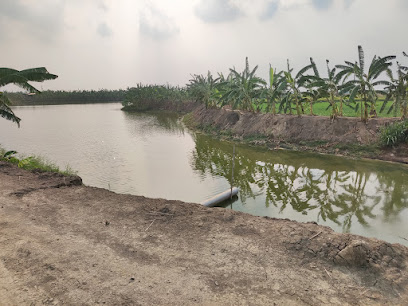
Podma SM Badh
63.1 km
Discover the serene beauty of Podma SM Badh in Bangladesh, a perfect blend of nature and culture for an unforgettable travel experience.
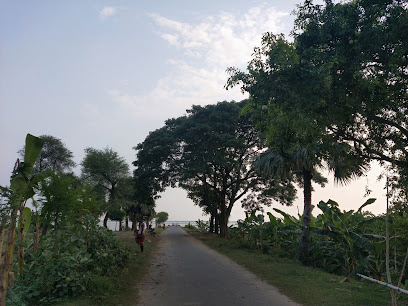
Nobogonga I-Badh, Rajshahi
63.1 km
Discover Nobogonga I-Badh in Rajshahi: a tranquil escape with lush nature and authentic culture along the Padma River.
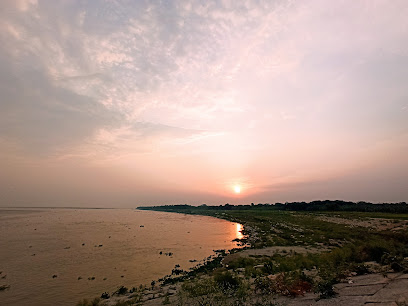
GS Square (গীতাশ্রী চত্বর)
63.4 km
Discover GS Square in Rajshahi: A serene escape with lush greenery, cultural events, and local flavors for an unforgettable experience.
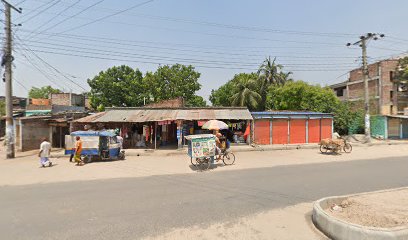
I Badh
64.6 km
Experience the serene beauty of I Badh in Rajshahi: a riverside haven with scenic views, cultural insights, and a tranquil escape on the Padma River.
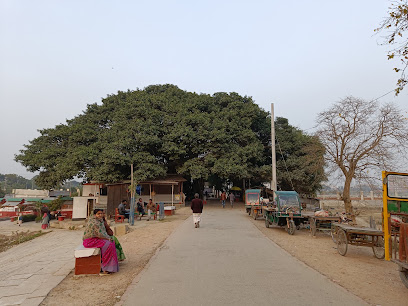
Chaity Garden
64.7 km
Discover a peaceful retreat in Rajshahi at Chaity Garden, where lush greenery meets historical replicas for a refreshing escape.
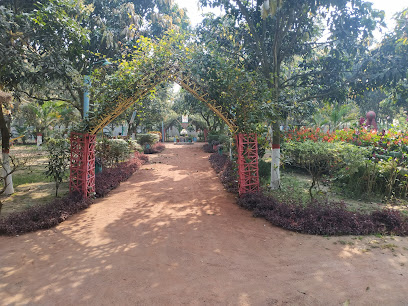
Dashpukur More
65.6 km
Experience the serene beauty and cultural richness of Dashpukur More, an enchanting oasis in Rajshahi, Bangladesh. A perfect stop on your travel itinerary.
Shaheed A.H.M. Kamaruzzaman Central Park & Zoo
65.7 km
Discover Rajshahi's premier recreational spot: a historic park and zoo offering a green escape with diverse flora, fauna, and family-friendly attractions.
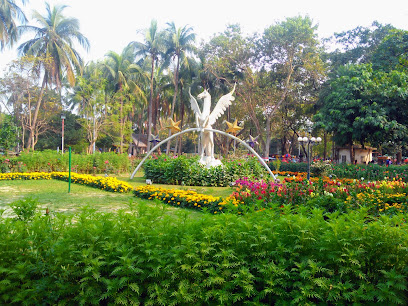
প্রজাপতি সড়ক রাজশাহী
66.0 km
Experience the enchanting beauty of Rajshahi's Butterfly Road, a dazzling display of light and design that captivates visitors day and night.
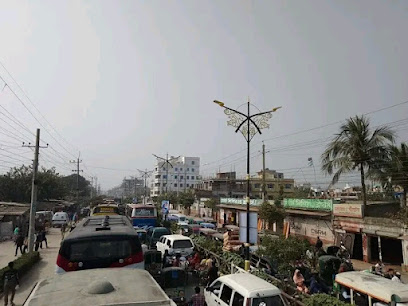
Padma River, Rajshahi
66.1 km
Explore the Padma River in Rajshahi: Witness stunning sunsets, experience local culture, and discover Bangladesh's natural beauty.
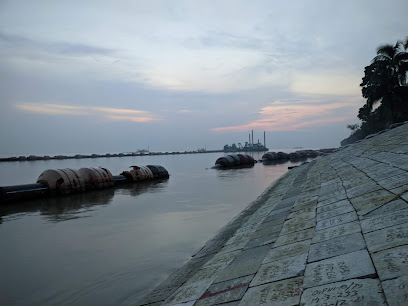
Essential places to dine

Nanking Chinese Restaurant
65.2 km
Experience authentic Chinese cuisine at Nanking Restaurant in Rajshahi – where flavor meets tradition in every dish.
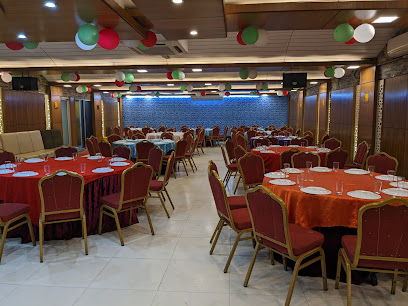
Hunger's Dine
65.7 km
Experience the vibrant flavors of Rajshahi at Hunger's Dine – home to unique kebabs and warm hospitality.
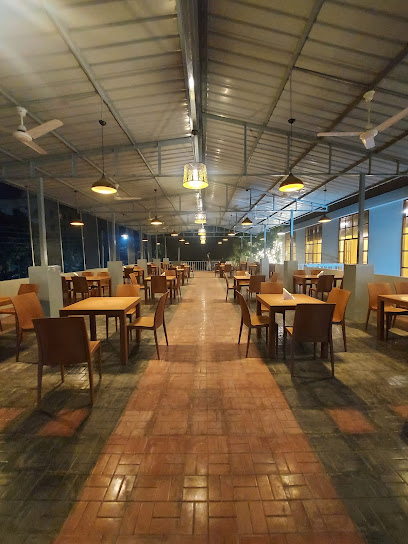
Spruce
66.1 km
Experience the best of Bangladeshi cuisine at Spruce in Rajshahi – where every meal is a celebration of flavor and culture.
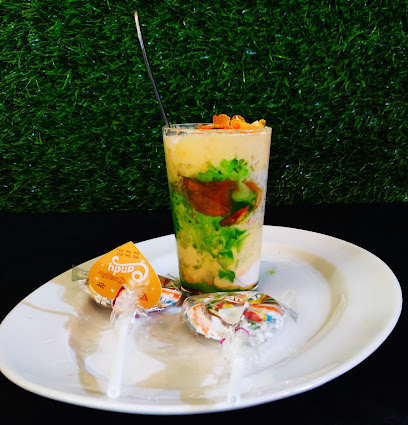
Tripty Hotel & Restaurant
66.2 km
Experience exceptional cuisine at Tripty Hotel & Restaurant in Rajshahi – where local flavors meet global tastes in a welcoming atmosphere.
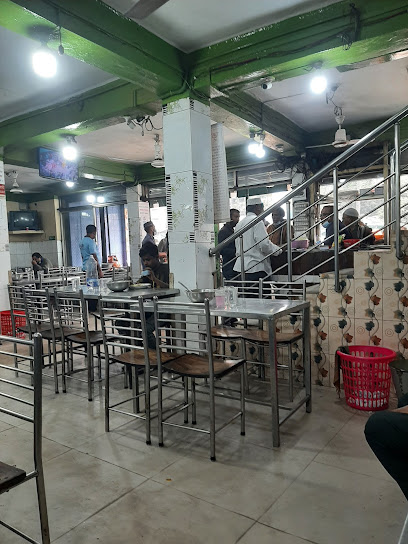
Master Chef Bangla Restaurant
66.3 km
Experience the essence of Bangladeshi cuisine at Master Chef Bangla Restaurant in Rajshahi—where every dish tells a story.
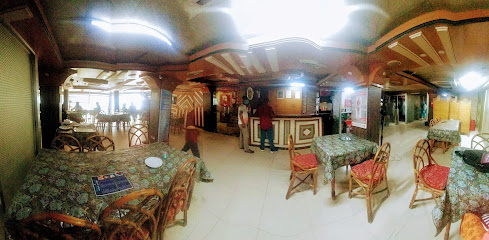
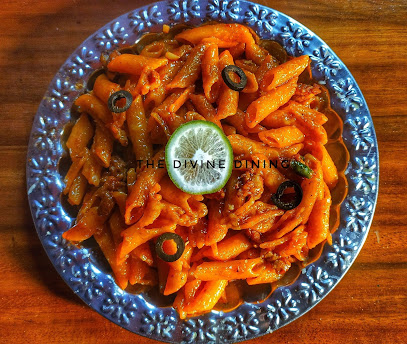
The Divine Dining
66.5 km
Experience authentic Bangladeshi cuisine at The Divine Dining in Rajshahi - where flavor meets hospitality.
Bindu 3G Restaurant
66.7 km
Experience authentic Bangladeshi flavors at Bindu 3G Restaurant in Rajshahi – where every dish tells a story.
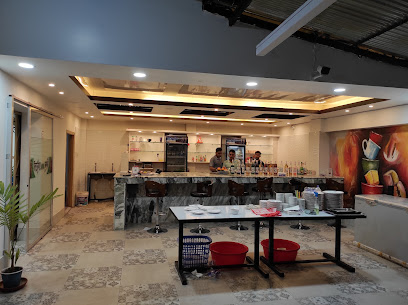
Party Point Thai and Chinese Restaurant
66.9 km
Experience the best of Thai and Chinese cuisine at Party Point in Rajshahi - where flavors meet hospitality.
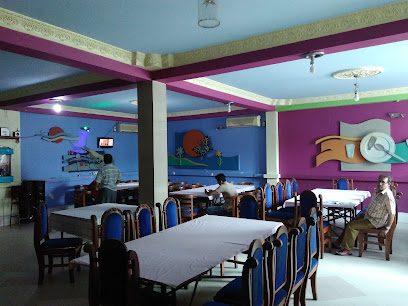
Heshel Cafe & Restaurant
66.9 km
Discover the flavors of Bangladesh at Heshel Cafe & Restaurant, where delightful dishes meet warm hospitality in Rajshahi.
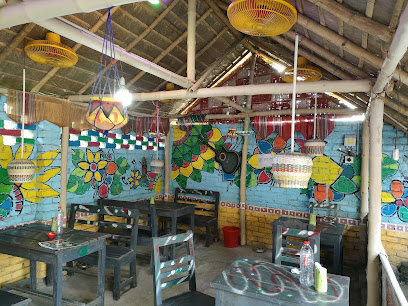
Let's MeeT
67.3 km
Savor authentic Chinese fast food at Let's MeeT in Rajshahi - where every bite transports you to culinary bliss.
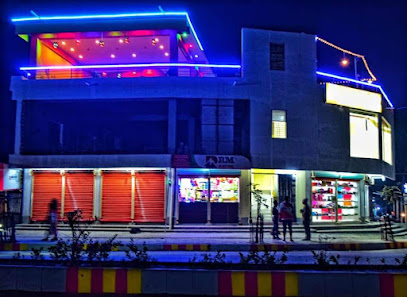
El PLATO
67.4 km
Discover the essence of Bangladeshi cuisine at El PLATO – where tradition meets innovation in every dish.
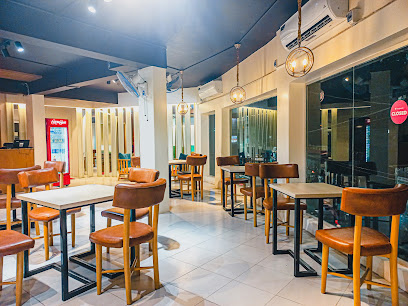
Nongor Restaurant
67.4 km
Discover authentic Bangladeshi flavors at Nongor Restaurant in Rajshahi—an unforgettable dining experience awaits.
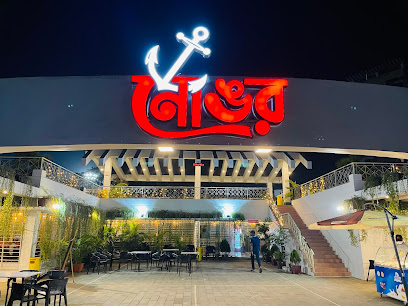
AURORA Cafe & Restaurant
67.4 km
Discover the culinary delights of AURORA Cafe & Restaurant in Rajshahi - where local flavors meet international cuisine.
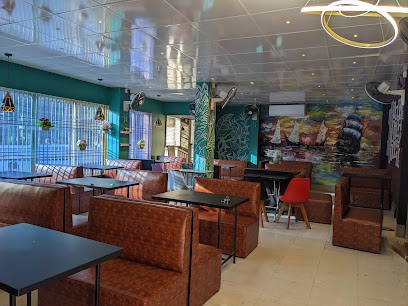
Tasty Time (Theme Omor Plaza Branch)
67.5 km
Experience the vibrant flavors of fast food at Tasty Time in Theme Omor Plaza – where every bite is packed with delight.
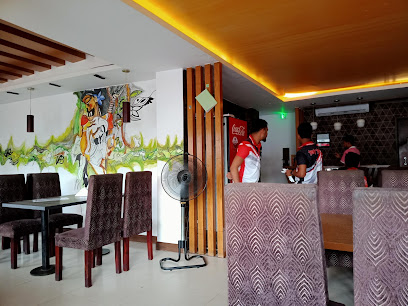
Khadok
67.5 km
Experience the rich flavors of Bangladesh at Khadok in Rajshahi's Theme Omor Plaza - where tradition meets modern cuisine.
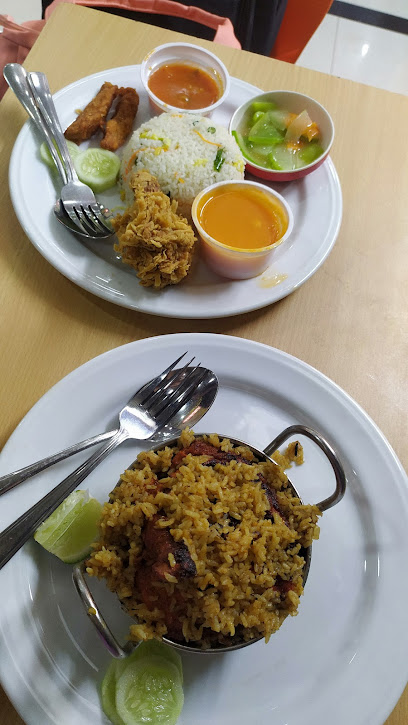
Markets, malls and hidden boutiques

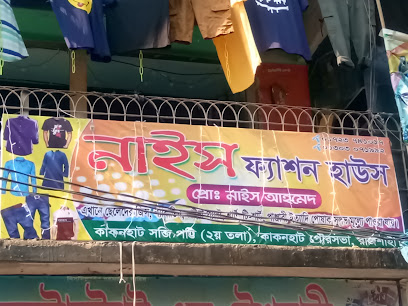
Nice Fashion House
45.5 km
Discover local fashion trends and unique styles at Nice Fashion House, Rajshahi's vibrant shopping destination.
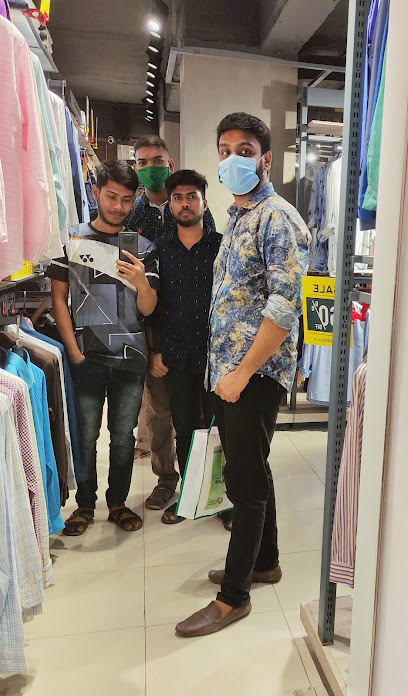
Mbrella Rajshahi
64.7 km
Discover the latest in Bangladeshi fashion at Mbrella Rajshahi, a vibrant clothing store offering unique styles for every taste.
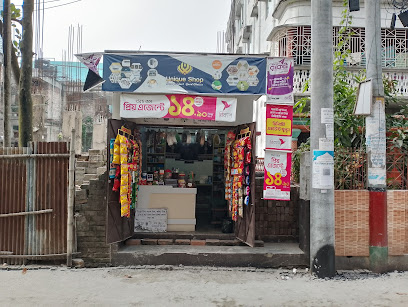
Unique Shop
65.2 km
Explore the Unique Shop in Rajshahi for the best selection of computer accessories, from keyboards to cables, ensuring your tech needs are met.
Bhai Bhai 1 to 99 Gift Corner
66.1 km
Explore Bhai Bhai 1 to 99 Gift Corner in Rajshahi for unique souvenirs and traditional handicrafts, capturing the essence of Bangladesh.
Deshi Shop
66.2 km
Explore the Deshi Shop in Rajshahi for a unique blend of local culture and modern shopping, featuring handicrafts, fashion, and delicious Bangladeshi cuisine.

Rajshahi Silk Fashion
66.5 km
Explore the beauty of Rajshahi Silk Fashion, where tradition meets modern elegance in the heart of Bangladesh's textile industry.
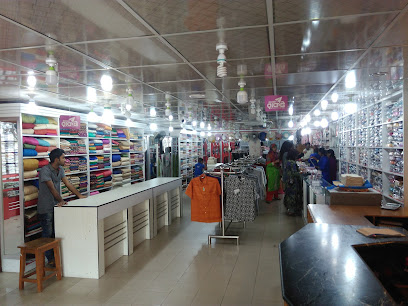
Showkhin Shop's
66.6 km
Discover Showkhin Shop's in Rajshahi: Your go-to place for mobile money, accessories, and stationery supplies while exploring the city.
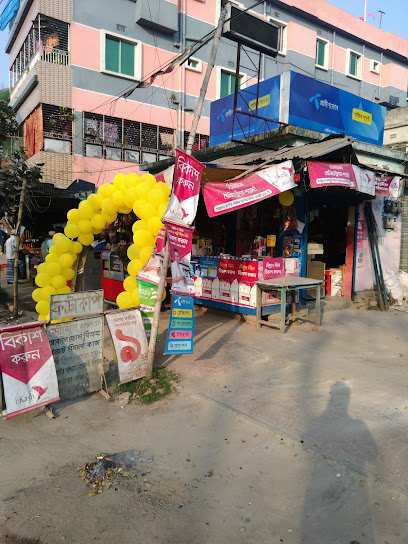
Sani Al Store
67.1 km
Explore the vibrant local culture of Rajshahi at Sani Al Store, your one-stop shop for essentials and authentic Bangladeshi products.
jewel store
67.1 km
Explore local craftsmanship and unique souvenirs at Rajshahi's Jewel Store, a vibrant hub for authentic Bangladeshi treasures.
এ্যাডভান্স ট্রেডার্স
67.2 km
Explore the vibrant variety store of এ্যাডভান্স ট্রেডার্স in Rajshahi, where local culture meets diverse shopping options.
সেলাই
67.2 km
Shop the latest trends and traditional attire at সেলাই, a must-visit clothing store in Rajshahi that offers a unique shopping experience.
খাজা প্লাজা
67.2 km
Discover contemporary and traditional fashion at Khaja Plaza, Rajshahi - a must-visit for all shopping enthusiasts.
computer shop,bagmara.rajshahi
67.2 km
Explore the Couture Store in Rajshahi for exquisite local fashion, blending traditional craftsmanship with contemporary style.

ENTENCY Fashion
67.2 km
Explore contemporary fashion at ENTENCY Fashion in Rajshahi, where tradition meets modernity in an exquisite clothing collection.

Samsung Authorized Showroom
67.3 km
Discover cutting-edge technology and exceptional service at the Samsung Authorized Showroom in Rajshahi, your one-stop destination for all Samsung products.
Essential bars & hidden hideouts

Jibon
31.1 km
Discover the charm of Jibon, a vibrant bar in Sundarbans offering local drinks and a cozy atmosphere amidst breathtaking nature.
ছিরমাকানি
53.2 km
Discover the vibrant nightlife at Chirmakani, a bar where locals and tourists unite over great drinks and warm hospitality.
Palsha More
54.9 km
Experience the vibrant atmosphere of Palsha More, a charming bar offering delightful drinks and local culture in a cozy setting.
Md Ridoy khan
56.3 km
Discover the vibrant nightlife of Proshadpur at Md Ridoy Khan, a local bar that blends culture and relaxation with every visit.
Rajshahi Advocate Bar Canteen,Rajshahi Court,Rajshahi
64.8 km
Discover the authentic taste of Bangladesh at Rajshahi Advocate Bar Canteen, a local favorite offering delicious traditional dishes.
Rajshahi Advocate Bar Association
64.9 km
Explore the Rajshahi Advocate Bar Association, a key institution for legal professionals and a hub for justice in Bangladesh.
শামীম তাড়ি খোর
64.9 km
Discover the lively bar scene at শামীম তাড়ি খোর in Rajshahi, where local drinks and warm hospitality create unforgettable memories.
Kaffeine Kruch
65.4 km
Discover the culinary delights of Kaffeine Kruch in Rajshahi, a restaurant where local flavors meet international cuisine in a cozy setting.
Rajshahi Parjatan Bar
65.8 km
Discover the vibrant atmosphere of Rajshahi Parjatan Bar, where local flavors and lively entertainment await in the heart of Rajshahi.
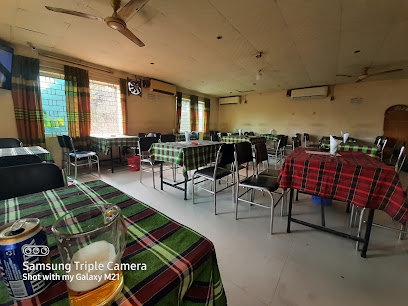
Welcome Fuchka Bar
66.1 km
Experience the culinary delight of fuchka and the vibrant atmosphere at Welcome Fuchka Bar in Rajshahi, a true taste of local culture.
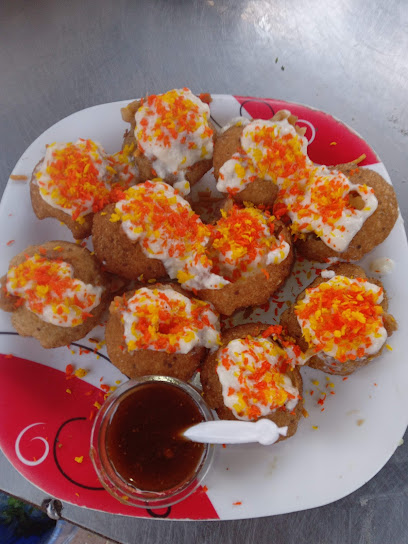
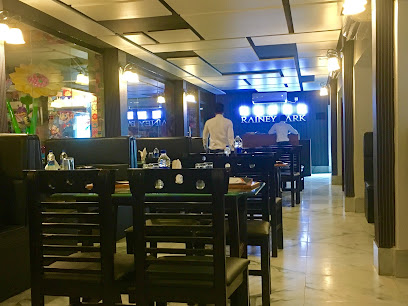
Rainey Park Theme Park Restaurant
66.4 km
Experience delightful dining in the heart of fun at Rainey Park Theme Park Restaurant, Rajshahi's favorite culinary destination for families and tourists.
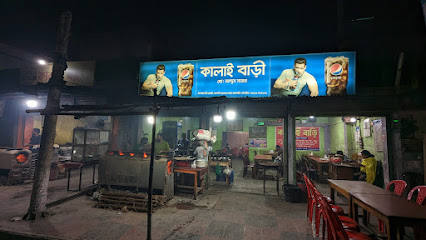
Kalai House -2
66.9 km
Experience the authentic flavors of Bangladesh at Kalai House in Rajshahi, where every dish tells a story of tradition and taste.
Gopal home
67.2 km
Discover the vibrant nightlife at Gopal Home, a charming bar in Rajshahi, where local culture and delightful beverages await.
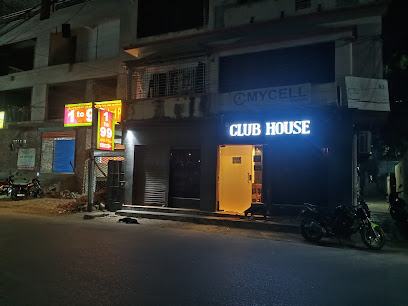
Club House
67.5 km
Discover Club House in Rajshahi, where diverse flavors meet a welcoming atmosphere, perfect for memorable dining experiences.
allevent
67.5 km
Experience Rajshahi's dynamic nightlife at Allevent, a top live music bar featuring local performances and a lively atmosphere.
Nightclubs & after hour spots

হরিষার ডাইং সবুজ সংঘ
60.8 km
Discover the electrifying nightlife of Rajshahi at হরিষার ডাইং সবুজ সংঘ, where music, dance, and vibrant energy come together for an unforgettable experience.
রাকিব স্মৃতি সংঘ
63.0 km
Experience the heartbeat of Rajshahi's nightlife at Raqib Smriti Sangh, where music, dance, and culture come alive in an electrifying atmosphere.
Young Youth Development Organization,Rajshahi
64.2 km
Discover the vibrant nightlife of Rajshahi at the Young Youth Development Organization, where electrifying music and a lively atmosphere await.
Sujanagar Mitali Club
65.8 km
Discover the energetic nightlife of Rajshahi at Sujanagar Mitali Club, a welcoming social and disco hub perfect for a fun night out.
সাহায্যের হাত
67.1 km
Discover the vibrant nightlife of Rajshahi at 'সাহায্যের হাত', a premier night club offering unforgettable experiences and lively entertainment.
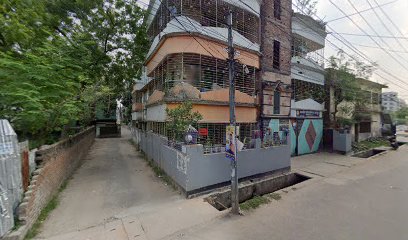
LEO Club of Rajshahi Metropolitan
67.1 km
Experience community service and local culture at the LEO Club of Rajshahi Metropolitan, where youth drive positive change.
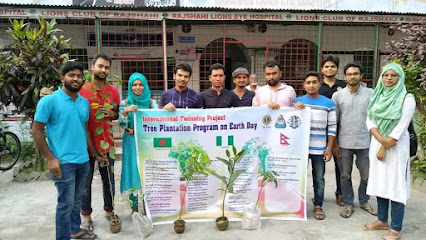
Khoilan
67.4 km
Experience the vibrant nightlife of Rajshahi at Khoilan, where music and culture collide in an unforgettable night out.
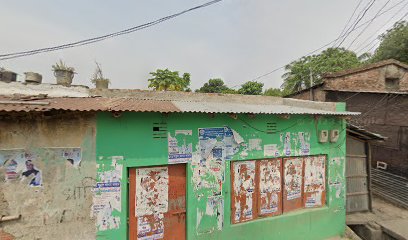
কাকির চা দোকান
67.7 km
Immerse yourself in Rajshahi's nightlife at Kakir Cha Dokan, a vibrant night club offering music, dance, and local culture.
Rajshahi Press Club
67.8 km
Explore the vibrant cultural scene at Rajshahi Press Club, a central hub for journalism and community engagement in Bangladesh.
Rajshahi College Comedy Club
67.9 km
Experience the vibrant local humor at Rajshahi College Comedy Club, where laughter meets culture in the heart of Bangladesh.
Rajshahi University Comedy Club
70.5 km
Discover laughter and local culture at Rajshahi University Comedy Club, a vibrant hub for comedy and entertainment in Bangladesh.
Silicon Valley
70.9 km
Discover the electrifying nightlife of Silicon Valley, where every night brings new adventures in clubs, music, and culinary delights.
Rup Nogor
82.3 km
Immerse yourself in the electrifying nightlife of Rup Nogor, the ultimate night club destination in Bangladesh for vibrant music and unforgettable experiences.
Shadhnogor youth club.
88.6 km
Experience the vibrant nightlife at Shadhnogor Youth Club, where music and culture collide for an unforgettable evening in the heart of the city.

HDD CLUB
93.1 km
Discover Rajshahi's nightlife at HDD CLUB, where vibrant music, thrilling dance, and unforgettable memories await you.