Tajhat Palace, Rangpur Travel Guide
Free Guide: Discover the grandeur of Tajhat Palace in Rangpur, a majestic blend of Mughal and European architecture, and delve into the rich history of Bengal's zamindari era.


A brief summary of Tajhat Palace
Discover the grandeur of Tajhat Palace in Rangpur, a majestic blend of Mughal and European architecture, and delve into the rich history of Bengal's zamindari era.
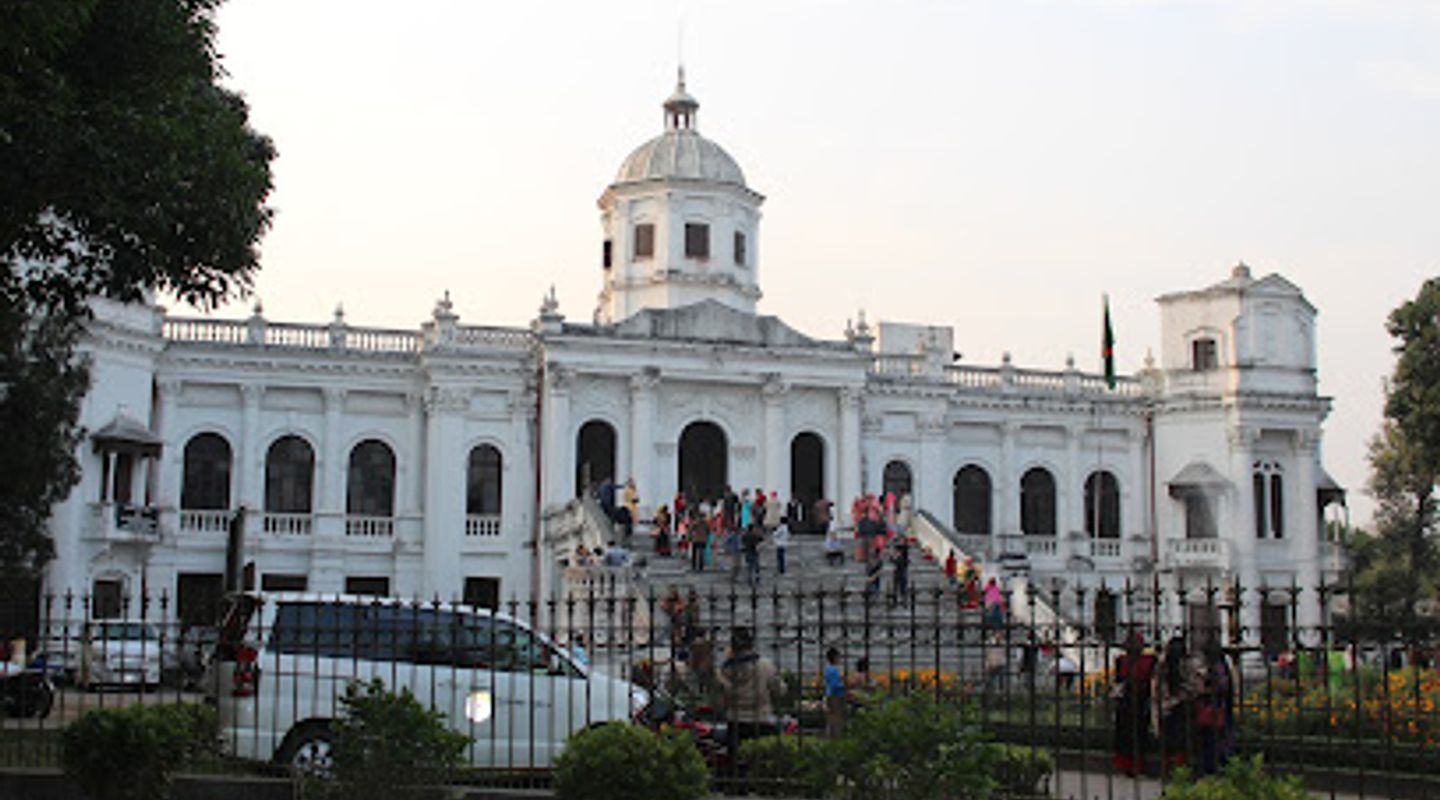
Tajhat Palace, a stunning architectural marvel in Rangpur, Bangladesh, offers a captivating journey into the region's rich history and cultural heritage. Built in the early 20th century by Maharaja Kumar Gopal Lal Roy, a Hindu jeweler-turned-landlord, the palace showcases a unique blend of Mughal and European architectural styles. The palace served as the Maharaja's residence and administrative center, hosting lavish celebrations and cultural events. Today, it stands as a protected monument and museum, housing a fascinating collection of artifacts, manuscripts, and relics from Bengal's past. Visitors can explore the palace's grand halls, admire its intricate carvings, and immerse themselves in the stories of the zamindari era, making it a must-see destination for history buffs and culture enthusiasts alike. The palace is open every day from 10:00 AM to 4:30 PM.
Opening hours
- Every day10 am–4:30 pm
Opening hours as listed on the venue’s Google Business Profile. Hours can change for services and special events, so check with the venue before you go.
- Address
- Tajhat Road, Rangpur 5400
- Phone
Getting there
Public Transport
Taxi/Ride-Share
Rickshaw
Discover more about Tajhat Palace
Overview
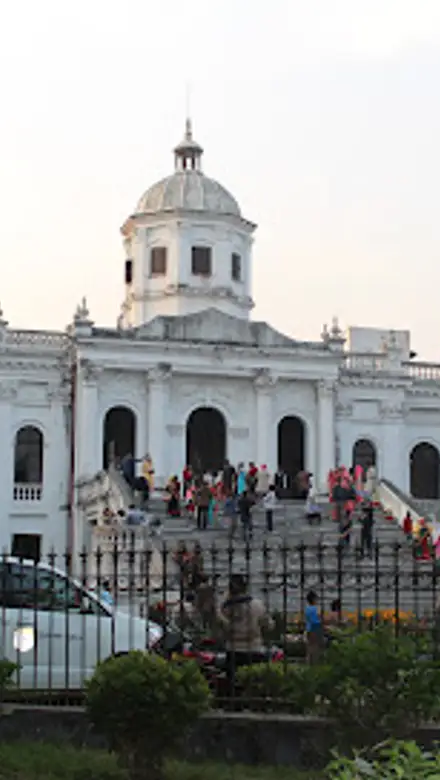
Tajhat Palace, or Tajhat Rajbari, a majestic landmark located a few kilometers southeast of Rangpur city center, stands as a testament to the opulence and grandeur of Bengal's zamindari (landlord) past. Constructed in the early 20th century by Maharaja Kumar Gopal Lal Roy, a Hindu merchant who rose to prominence as a jeweler and zamindar, the palace is an architectural marvel that seamlessly blends Mughal and European styles, incorporating elements of Hindu and Islamic design. The name 'Tajhat' is believed to have originated from Maharaja Roy's profession as a jeweler, with 'Taj' meaning crown and 'hat' referring to a local market. The palace served as the residence and administrative hub of the Tajhat estate, witnessing numerous cultural celebrations and social gatherings during its heyday. Maharaja Roy, known for his philanthropy and close ties with his tenants, commissioned the construction of the palace in the early 1900s, employing around 2,000 workers and investing a substantial sum of 1.5 million USD at the time. The palace's architecture is characterized by its imposing facade, featuring a grand central staircase paved with imported white marble. The balustrades, once adorned with marble sculptures of classical Roman figures, add to the palace's European influences. A ribbed conical dome, reminiscent of Dhaka's Ahsan Manzil, crowns the structure, supported by slender semi-Corinthian columns. The palace follows a 'U' shaped layout, with its open end facing west, and encompasses approximately two acres of land. Inside, the palace boasts spacious halls, intricately designed rooms, and a network of corridors. The walls are adorned with floral motifs, while the windows feature curved frames and stained-glass panels depicting scenes from Hindu mythology. The palace's 22 rooms, spread across two levels, offer a glimpse into the luxurious lifestyle of the zamindari family. However, the palace's history is not without its share of challenges. After Maharaja Roy's departure to India in 1950, the palace was abandoned for several years. From 1984 to 1991, it served as a branch of the Rangpur High Court, before being declared a protected monument by the Department of Archaeology in 1995. In 2005, the government recognized the palace's architectural significance and converted it into the Rangpur Museum. The museum houses a diverse collection of artifacts, including terracotta relics from the 10th and 11th centuries, Sanskrit and Arabic manuscripts, and black stone Hindu carvings. Notably, the museum also features copies of the Mahabharata, Ramayana, and a Quran believed to have belonged to Mughal Emperor Aurangzeb. Today, Tajhat Palace stands as a major tourist attraction in northern Bangladesh, drawing visitors from far and wide. The palace's well-preserved structure, coupled with its rich history and cultural significance, offers a unique and immersive experience for those seeking to delve into the region's past. The palace grounds are surrounded by lush gardens, providing a serene and picturesque setting for exploration and reflection. Visitors can wander through the gardens, admire the diverse flora, and soak in the tranquil atmosphere. While photography is prohibited inside the museum, visitors are free to capture the palace's exterior and the surrounding gardens. The palace is open to the public from Sunday to Saturday, 10:00 AM to 4:30 PM, allowing ample time for exploration and discovery. Tajhat Palace is more than just a historical monument; it is a living testament to the cultural heritage of Bengal. Its architectural grandeur, coupled with its rich history and diverse collection of artifacts, makes it a must-visit destination for anyone seeking to understand the region's past and appreciate its artistic legacy. A visit to Tajhat Palace is an unforgettable journey through time, offering a glimpse into the lives of the zamindars and the cultural landscape of Bengal. Beyond the palace itself, the surrounding area of Rangpur offers a glimpse into the vibrant culture and traditions of northern Bangladesh. Visitors can explore the local markets, sample regional cuisine, and interact with the friendly locals, gaining a deeper understanding of the region's unique identity. Rangpur is also known for its traditional handicrafts, including pottery, weaving, and embroidery. Visitors can find these crafts in local shops and markets, providing an opportunity to support local artisans and take home a piece of Rangpur's cultural heritage. Whether you are a history enthusiast, an architecture aficionado, or simply a curious traveler, Tajhat Palace promises an enriching and unforgettable experience. Its grandeur, history, and cultural significance make it a true gem of Bangladesh, inviting visitors to step back in time and immerse themselves in the splendor of Bengal's zamindari past.
Evendo Review Centre
 Google
Guest reviews
Explore Tajhat Palace on the map
A handpicked selection of must-see spots near Tajhat Palace, mapped for you.
Get your free copy of our complete guide to Tajhat Palace, delivered straight to you.
Everything on this page, from opening hours and how to get there to Eve’s tips and the best time to go, in one PDF you can read offline, print or share.
Already have an account? Sign in
Your Tajhat Palace guide is ready.
We'll send it to · Not you? Sign out

Getting your guide ready…
We are putting together a fresh copy of the Tajhat Palace guide. This can take up to a minute.
This can take a few moments. If your browser asks, choose Allow so the download can start. You'll find the guide in your Downloads folder.
Nothing happened? Download it again
Sorry, the guide is taking longer than usual. Please try again in a minute, or get it by email instead.
Other nearby places you may find interesting
The closest places of the same kind, if this one is not quite what you had in mind.
-
-
-
-
-


Swipe for more places
More to explore near Tajhat Palace

 Best experiences near Tajhat Palace
 Best hotels near Tajhat Palace
 Best landmarks near Tajhat Palace
 Best attractions near Tajhat Palace
 Best shops near Tajhat Palace
 Best restaurants near Tajhat Palace
 Best bars near Tajhat Palace
Do you manage this location?
Take control to get all the benefits, like improved information, better appearance, and stronger visibility across AI-powered discovery.
Explore more
Explore more of Rangpur
Explore the historical landmarks, lush greenery, and vibrant bazaars of Rangpur, Bangladesh—a city where history and nature coexist in perfect harmony.
Explore Rangpur
Explore more of Bangladesh
Discover Bangladesh: A land of rivers, rich culture, and breathtaking landscapes. Explore ancient sites, vibrant cities, and the unique flavors of this South Asian gem.
Explore Bangladesh