Sompur Mahavihara: A Journey Through Time
Explore Sompur Mahavihara, a UNESCO World Heritage site in Bangladesh, and discover the ancient Buddhist monastery's rich history, stunning architecture, and cultural significance.
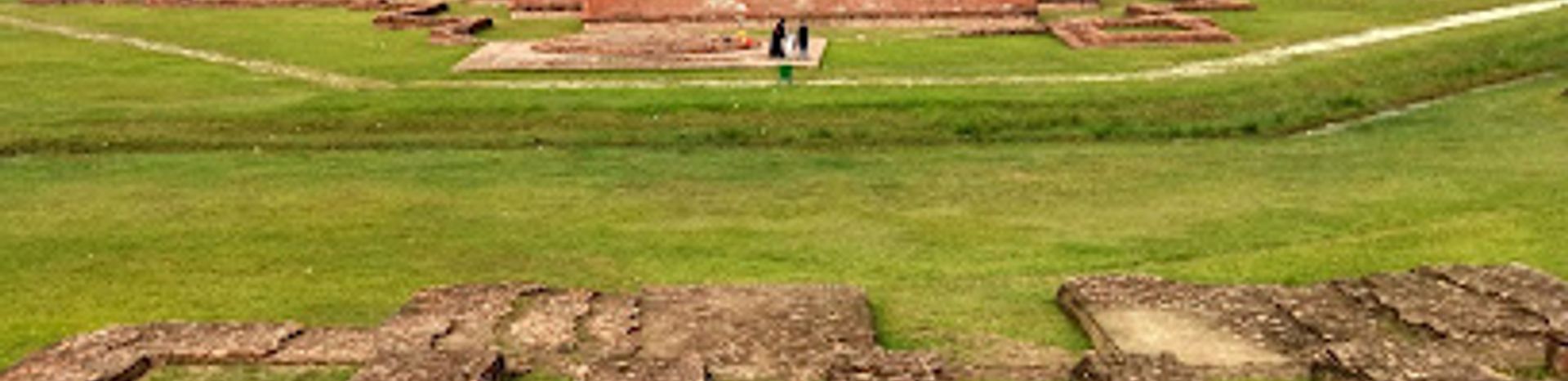
Sompur Mahavihara, also known as Paharpur Buddhist Vihara, is a UNESCO World Heritage site and one of the most significant archaeological treasures in Bangladesh. Dating back to the 8th century, this ancient monastery complex was a prominent center for Buddhist learning, religious practice, and cultural exchange, attracting scholars and monks from across Asia. The site showcases the grandeur of the Pala Dynasty, with its intricate terracotta plaques, expansive courtyard, and towering central shrine. Exploring the ruins offers a captivating glimpse into the region's rich Buddhist heritage and architectural brilliance, making it a must-visit destination for history enthusiasts and culture seekers. Allow at least two hours to fully appreciate the site and consider hiring a local guide to delve deeper into its fascinating history.
A brief summary to Sompur Mahavihara
- Paharpoor Museum Building, 6500, BD
Local tips
- Wear comfortable shoes as you'll be doing a lot of walking on uneven surfaces while exploring the extensive site.
- Visit during the cooler months (November to February) for a more comfortable experience, as the weather can be hot and humid at other times of the year.
- Hire a local guide to gain deeper insights into the history, architecture, and religious significance of the monastery.
- Carry water and snacks, as facilities may be limited at the site.
- Respect the site's rules and regulations, and dress modestly to honor its sacred nature.

Getting There
-
Public Transport
From Joypurhat, the nearest major town, take a local bus towards Paharpur. Buses are frequent and the journey takes approximately 30 minutes. The fare is around 20 Tk per person. In Paharpur, you'll be dropped off at an intersection. From there, you can hire a rickshaw for about 50 Tk or walk for 30-45 minutes to reach the Somapura Mahavihara entrance. Alternatively, from Naogaon Baludanga Bus Stand, take a direct CNG (auto-rickshaw) to Paharpur Bazar. Then, take another auto-rickshaw to the site.
-
Taxi/Ride-Share
From Rajshahi Airport or Rajshahi Railway Station, hire a taxi or CNG to Paharpur. The distance is approximately 70 km and the journey takes around 2-3 hours depending on traffic. Expect to pay between 1500-2500 Tk for a taxi or CNG for the one-way trip. Negotiate the price beforehand. Once in Paharpur, local auto-rickshaws can take you to the site entrance for around 50-100 Tk.
Discover more about Sompur Mahavihara
Iconic landmarks you can’t miss

Jagaddal Vihar
16.8 km
Discover Jagaddal Vihara, an ancient Buddhist monastery in Bangladesh, and explore its rich history and serene atmosphere.
Doyaler More
23.9 km
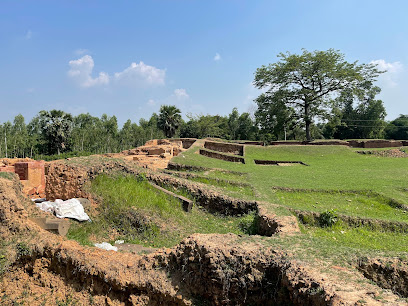
Experience the heart of Naogaon at Doyaler More: a vibrant hub where history meets delicious street food, offering an authentic taste of local life and culture.
Boiragir Bhita
38.0 km
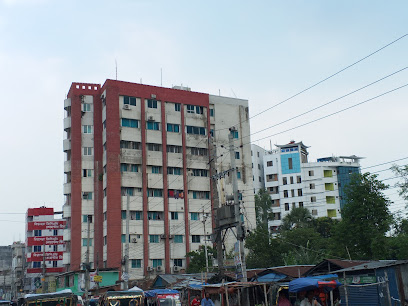
Explore ancient temple ruins at Boiragir Bhita near Mahasthangarh, revealing Bengal's rich Pala dynasty history and religious heritage.
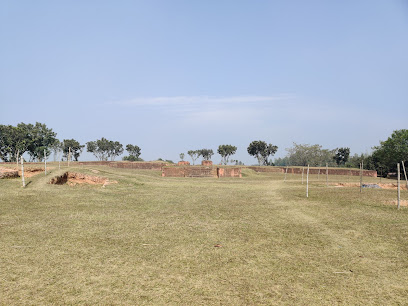
Jamuna River
43.8 km
Explore the Jamuna River: A dynamic waterway shaping Bangladesh's landscape, economy, and culture. Witness its beauty and importance.
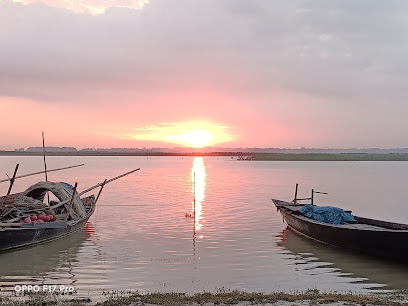
Punarbhaba
61.0 km
Discover the serene beauty and cultural heritage of the Punarbhaba River, a tranquil escape offering picturesque landscapes and glimpses into local life.
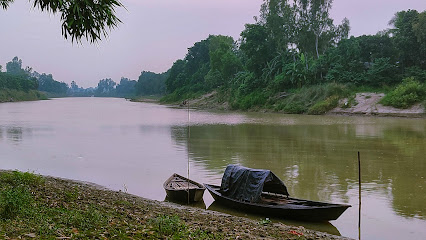
Madnabati Neelkuthi
62.8 km
Explore the historical charm of Madnabati Neelkuthi, a hidden gem in West Bengal, showcasing the elegance of British India’s architectural legacy.
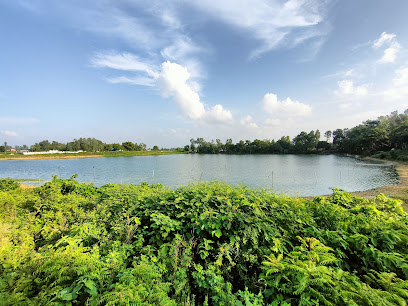
Natore Rajbari
68.0 km
Explore Natore Rajbari, a historical palace showcasing the opulence and legacy of Bengal's zamindari era.
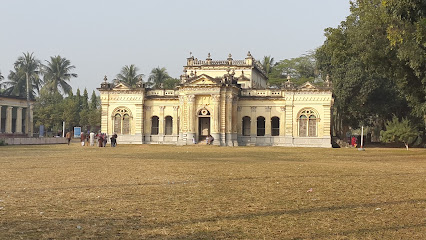
Julum Sagar
74.1 km
Explore Julum Sagar in Dinajpur: A serene historical site blending nature and culture, offering a tranquil escape and a glimpse into Bangladesh's colonial past.
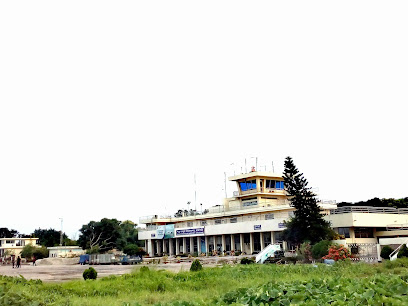
Shah Makhdum Airport
74.8 km
Discover Rajshahi's rich heritage and lush landscapes through Shah Makhdum Airport, your gateway to Bangladesh's cultural heart, offering seamless connectivity and modern amenities.
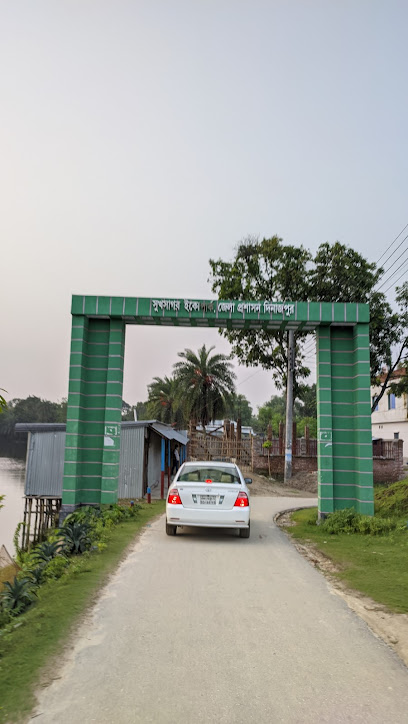
Sukh Sagar Gate
75.4 km
Discover the serene beauty and historical charm of Sukh Sagar, a tranquil reservoir in Dinajpur's Rajbari area.
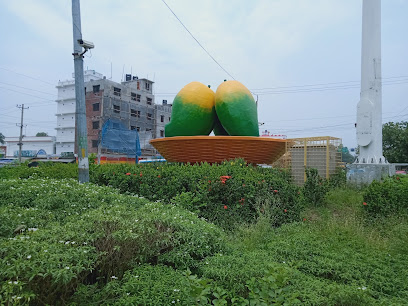
Aam Chattar
78.6 km
Experience the vibrant heart of Rajshahi at Aam Chattar, where local culture, delicious street food, and historical landmarks converge to create an unforgettable Bangladeshi adventure.
Bijoy Sagor, RU
80.3 km
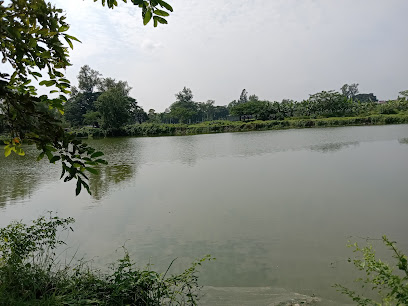
Discover the serene beauty of Bijoy Sagor at Rajshahi University, a tranquil escape offering a glimpse into the academic and cultural heart of northern Bangladesh, surrounded by lush greenery.
BIHAS SQUARE
80.6 km
Explore the historical beauty of Bihas Square in Rajshahi, Bangladesh, where culture and architecture unite in a captivating landmark, offering an enriching experience for every traveler.

Rajshahi,Bangladesh.
81.1 km
Explore Rajshahi: A blend of silk, mangoes, history, and culture along the Padma River in beautiful Bangladesh.
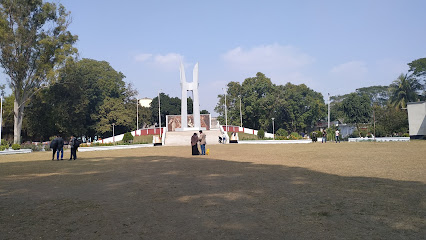
Central Shahid Minar, RU
81.2 km
A symbol of Bengali linguistic and cultural identity, honoring the martyrs of the 1952 Language Movement at Rajshahi University.
Unmissable attractions to see

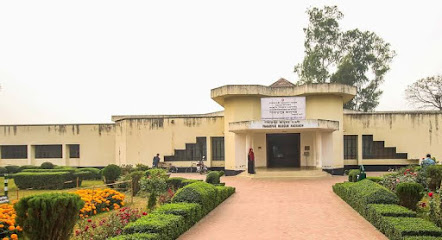
Sapahar
0.4 km
Discover ancient Buddhist art and artifacts at Paharpur Museum, near the UNESCO World Heritage Site of Somapura Mahavihara.
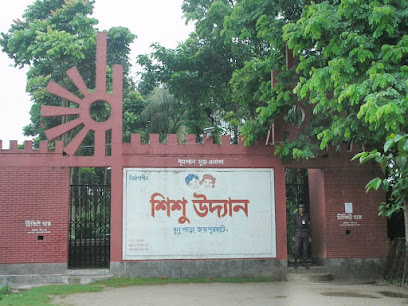
Shishu Uddan
9.3 km
A delightful amusement park in Joypurhat with rides, a mini-zoo, and beautiful landscapes for a memorable family outing.
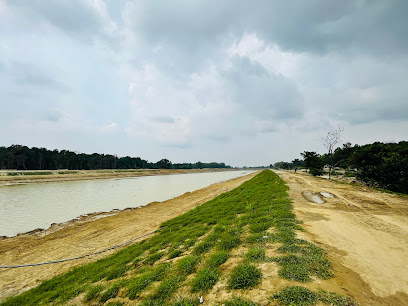
Altadighi
20.5 km
Explore the tranquil beauty of Altadighi, a picturesque dighi in Bangladesh perfect for relaxation and nature appreciation.
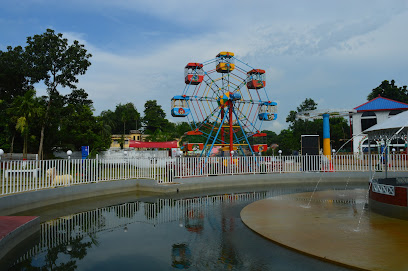
Dana Park
24.4 km
Discover a family-friendly recreation park in Naogaon with lush greenery, rides, and attractions for all ages.
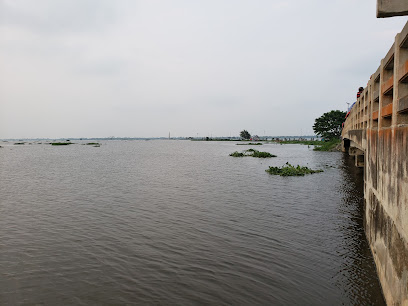
Taltoli
27.2 km
Escape to Taltoli in Naogaon: Where serene lakeside views meet rich cultural experiences and tranquil retreats.
Chandipur Hejati Para Kal Bhat
31.2 km
Discover tranquility and authentic rural life in Chandipur Hejati Para Kal Bhat, a serene escape in the Bangladeshi countryside.
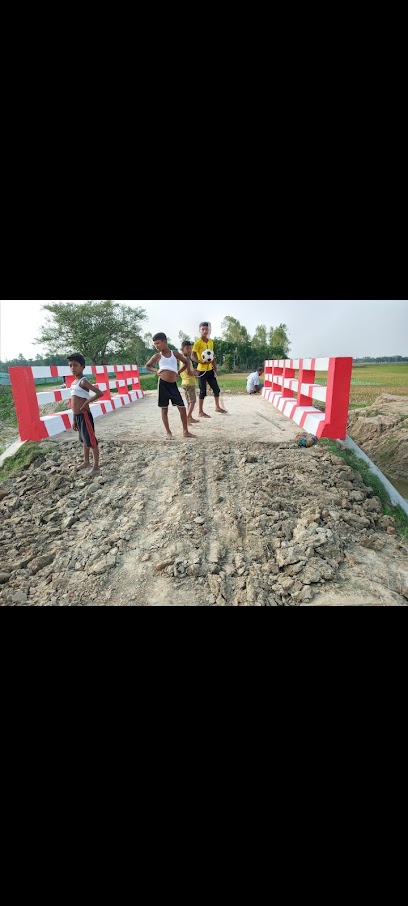
Hansaigari Beel
32.3 km
Discover the serene beauty and rich biodiversity of Hansaigari Beel in Naogaon, Bangladesh, a perfect escape for nature lovers and birdwatchers.
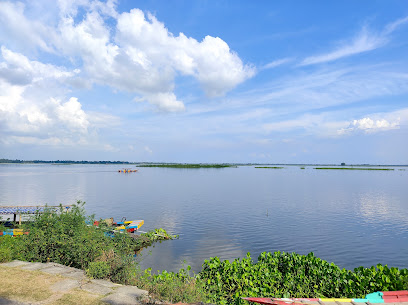
Vasu Bihar
32.7 km
Explore the ruins of Vasu Bihar, an ancient Buddhist monastic complex from the Pala Empire, near Mahasthangarh in Bangladesh.
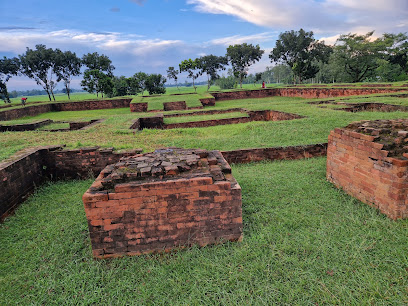
Behular Bashor Ghor - Gokul Medh
37.8 km
Explore the ancient Gokul Medh in Bangladesh, tied to the legend of Behula and Lakhindar, revealing early Bengal's architecture and Buddhist heritage.
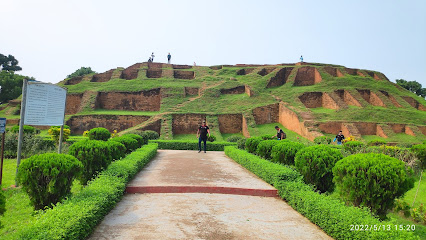
Mahasthan Archaeological Museum
37.8 km
Explore ancient Bengal's history at Mahasthan Archaeological Museum, showcasing artifacts from Mahasthangarh and offering insights into past civilizations.
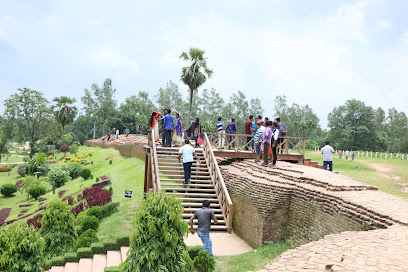
Kusumba Masjid
43.0 km
Explore the 'Black Gem of Bengal': A 16th-century mosque with unique architecture, stone carvings, and a serene historical ambiance in Naogaon.
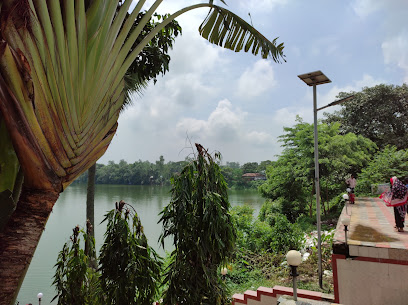
Neel Daria
44.0 km
Escape to the serene beauty of Neel Daria in Chatra, Bangladesh – a perfect getaway for nature lovers and families seeking tranquility.
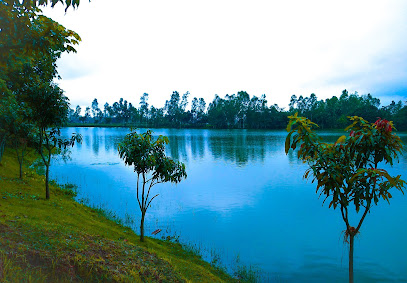
Shopnopuri Artificial Amusement Park
53.5 km
Escape to Shopnopuri: A sprawling amusement park in Dinajpur with rides, gardens, and attractions for a fun-filled family day.
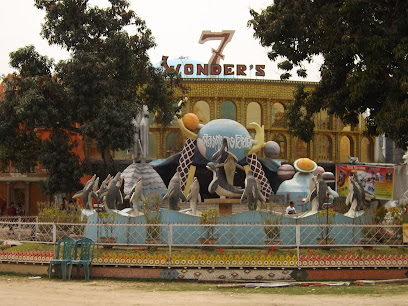
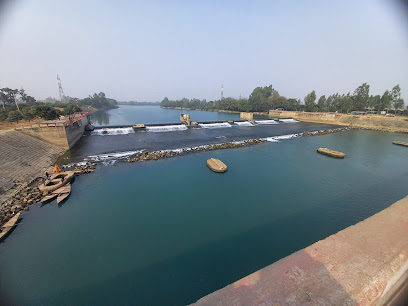
Mohonpur Rubber Dam
60.6 km
Discover the serene beauty and vital irrigation role of Mohonpur Rubber Dam, a tranquil escape in Dinajpur's lush landscape. A must-visit!
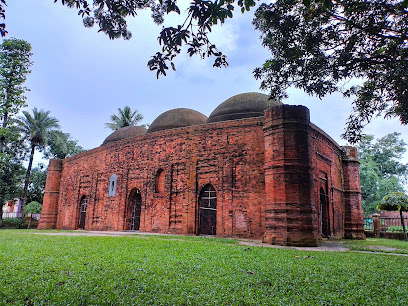
Kherua Masjid
60.7 km
Explore the historic Kherua Masjid in Sherpur, a unique blend of Sultanate and Mughal architecture from the 16th century. A must-see landmark in Bogra.
Essential places to dine

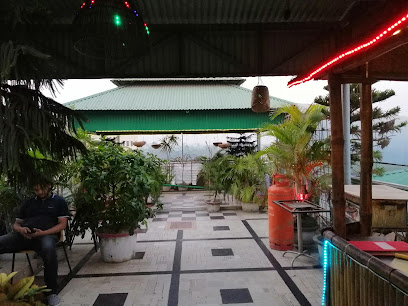
Sky View
45.1 km
Discover Sky View in Bogura - where delicious food meets stunning city views for an unforgettable dining experience.
The Downtown Rajshahi
79.7 km
Experience the vibrant flavors of Bangladesh at The Downtown Rajshahi - where every meal tells a story.
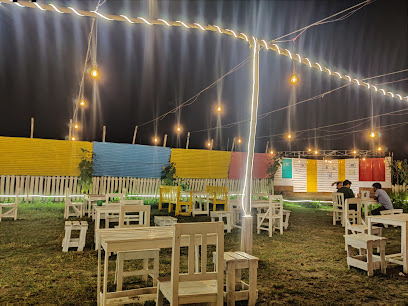
Let's MeeT
80.1 km
Savor authentic Chinese fast food at Let's MeeT in Rajshahi - where every bite transports you to culinary bliss.
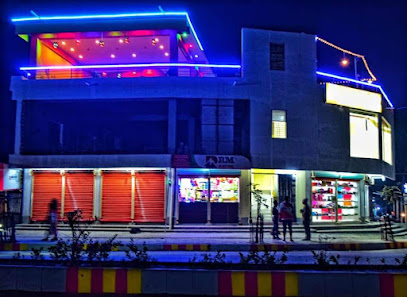
Heshel Cafe & Restaurant
80.2 km
Discover the flavors of Bangladesh at Heshel Cafe & Restaurant, where delightful dishes meet warm hospitality in Rajshahi.
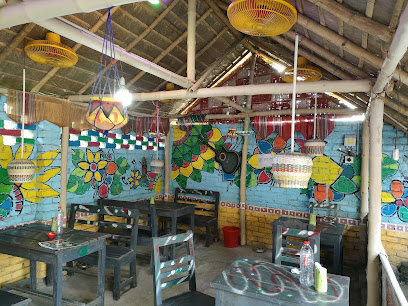
Shahid Shamsujjoha Hall Dining Room
80.4 km
Savor exquisite Bangladeshi cuisine at Shahid Shamsujjoha Hall Dining Room - where fine dining meets cultural richness.
The Divine Dining
80.5 km
Experience authentic Bangladeshi cuisine at The Divine Dining in Rajshahi - where flavor meets hospitality.
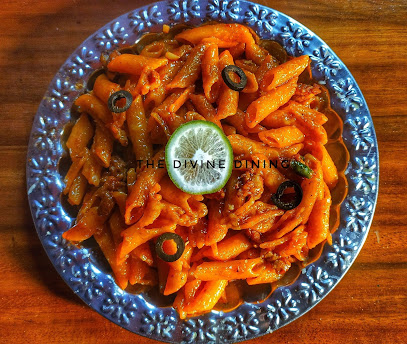
Nabab Hotel & Restaurant
80.6 km
Experience the rich flavors of authentic Bangladeshi cuisine at Nabab Hotel & Restaurant in Rangpur.
A To Z Restaurants
80.6 km
Experience the flavors of Bangladesh at A To Z Restaurants – where every meal tells a story.
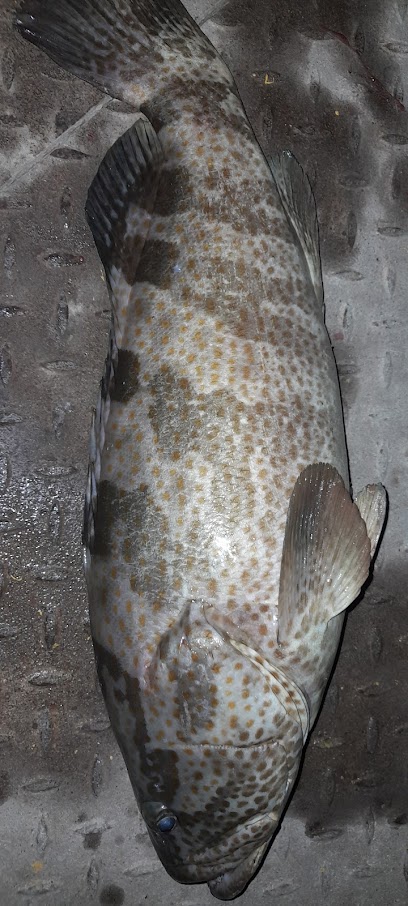
Party Point Thai and Chinese Restaurant
80.8 km
Experience the best of Thai and Chinese cuisine at Party Point in Rajshahi - where flavors meet hospitality.
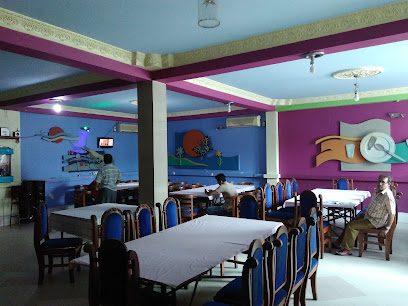
Hunger's Dine
80.9 km
Experience the vibrant flavors of Rajshahi at Hunger's Dine – home to unique kebabs and warm hospitality.
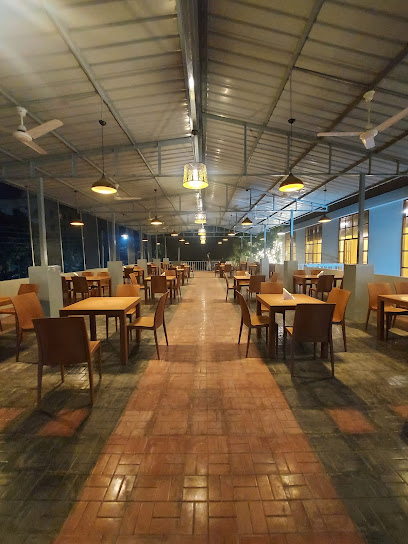
RIZIK Fish BBQ Restaurant
81.1 km
Experience authentic Bangladeshi cuisine at RIZIK Fish BBQ Restaurant in Rajshahi—where every dish tells a story.
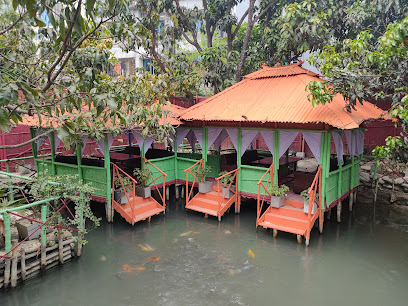
Daruchini Chinese Restaurant & Community
81.2 km
Discover authentic Chinese flavors at Daruchini Chinese Restaurant & Community in Rajshahi – where delicious meals meet vibrant community spirit.
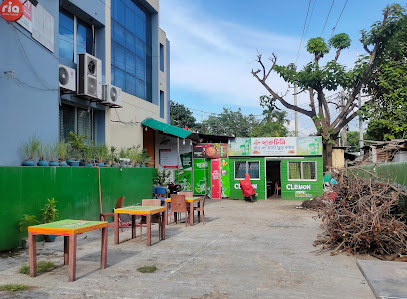
Otithi Hotel & Restaurant
81.3 km
Experience authentic Bangladeshi cuisine at Otithi Hotel & Restaurant in Rajshahi – where flavor meets tradition.
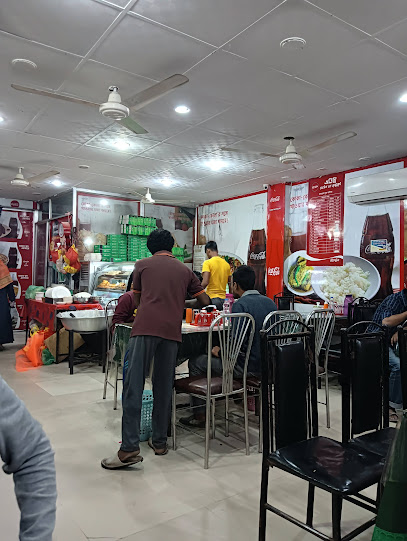
Pizza Tong
81.4 km
Experience mouthwatering pizzas at Pizza Tong in Rajshahi – where every slice tells a story of flavor and tradition.
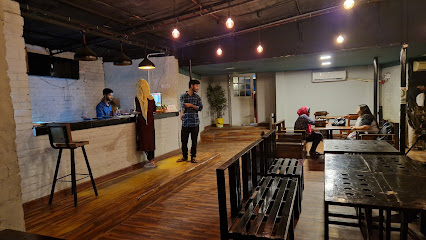
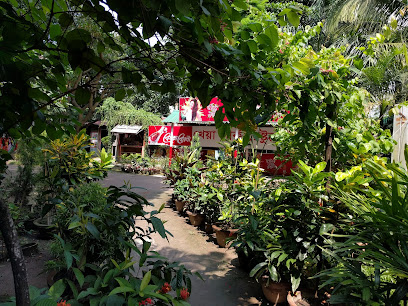
Kheya Park Restaurant
81.4 km
Discover the rich flavors of Bangladesh at Kheya Park Restaurant in Rangpur - where tradition meets taste in every dish.
Markets, malls and hidden boutiques

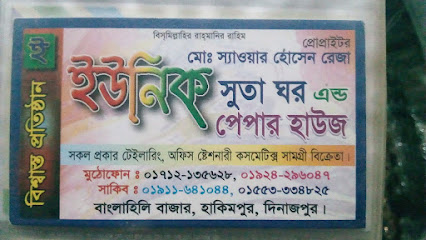
Unique Suta Ghar and cosmetics
27.6 km
Explore Unique Suta Ghar in Hakimpur for a vibrant shopping experience with local crafts and traditional cosmetics.
The Raymond Shop, Rajshahi, Bangladesh.
35.8 km
Explore The Raymond Shop in Rajshahi for premium clothing that blends traditional and modern styles, perfect for any occasion.
ayatullah shop
66.6 km
Experience the vibrant culture and unique shopping at Ayatullah Shop in Elangi, where local craftsmanship meets modern style.
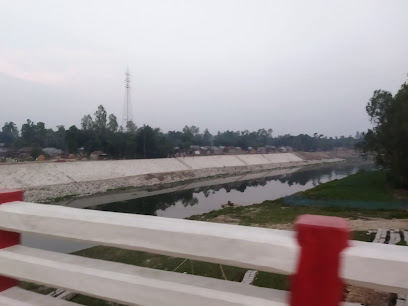
রাজশাহী শপ - Rajshahi Shop
74.7 km
Explore Rajshahi Shop for unique local crafts and authentic products in the heart of Mypara Bazar, a true gem for tourists.
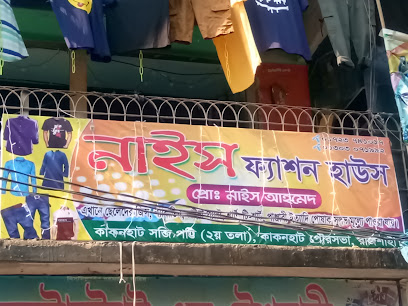
Nice Fashion House
75.5 km
Discover local fashion trends and unique styles at Nice Fashion House, Rajshahi's vibrant shopping destination.
Bhai Bhai 1 to 99 Gift Corner
79.3 km
Explore Bhai Bhai 1 to 99 Gift Corner in Rajshahi for unique souvenirs and traditional handicrafts, capturing the essence of Bangladesh.
Station Bazar
80.4 km
Experience the vibrant culture of Rajshahi at Station Bazar, a bustling general store offering local products and a taste of everyday life.
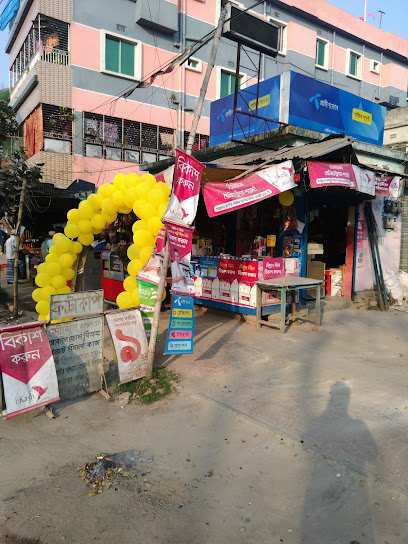
Showkhin Shop's
80.7 km
Discover Showkhin Shop's in Rajshahi: Your go-to place for mobile money, accessories, and stationery supplies while exploring the city.
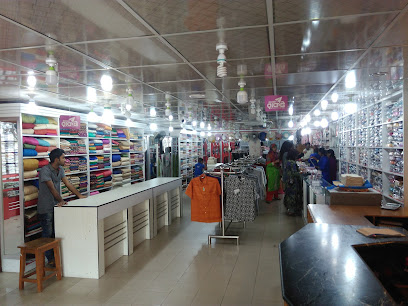
Rajshahi Silk Fashion
80.9 km
Explore the beauty of Rajshahi Silk Fashion, where tradition meets modern elegance in the heart of Bangladesh's textile industry.
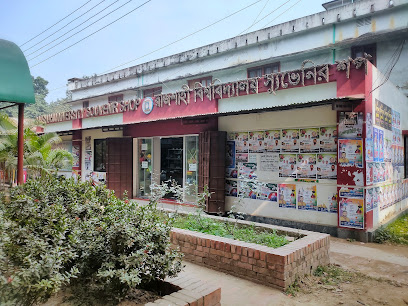
Rajshahi University Souvenir Shop
81.2 km
Explore the Rajshahi University Souvenir Shop for unique local crafts and gifts that capture the essence of Rajshahi's rich cultural heritage.
Sweet Shop
81.3 km
Discover the Sweet Shop in Rajshahi, where tradition meets innovation in a delightful array of desserts, perfect for every sweet tooth.
1 To 99
81.6 km
Explore '1 To 99', Rangpur's charming gift shop, for unique souvenirs that capture the spirit of Bangladesh's rich culture and artistry.
Dhaka Varieties Store
81.7 km
Explore the Dhaka Varieties Store in Rajshahi for a unique blend of shopping and local cuisine, capturing the essence of Bangladesh's vibrant culture.
Uniq Dress Home
81.8 km
Explore Uniq Dress Home in Rajshahi for trendy clothing that reflects local style and culture, perfect for every budget and occasion.

আলমগীর এন্ড ব্রাদার্স স্টোর
82.1 km
Explore Alamgir & Brothers Store in Rajshahi for unique gifts, local handicrafts, and a taste of Bangladeshi culture in every purchase.
Essential bars & hidden hideouts

Ghhj
3.8 km
Discover the lively Ghhj Bar in Chakkama, where the local nightlife comes alive with refreshing drinks and vibrant culture.
Mal-Dip
15.0 km
Discover the vibrant nightlife of Mal-Dip, where every evening promises great drinks, friendly faces, and unforgettable experiences in the heart of the city.
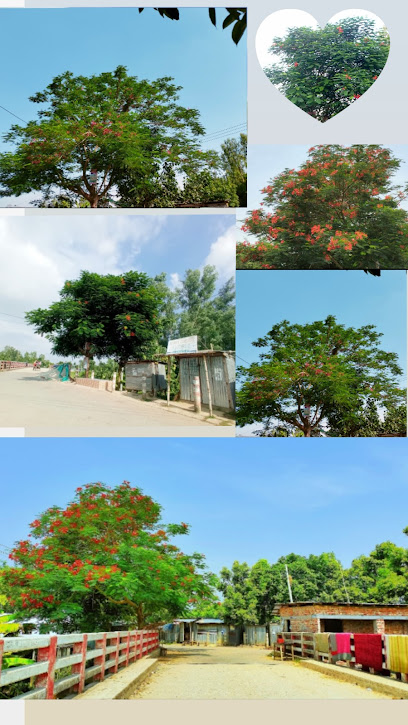
Bisha van Stand
16.1 km
Explore the vibrant flavors of Bangladesh at Bisha van Stand, where local delicacies meet a lively atmosphere for an unforgettable dining experience.
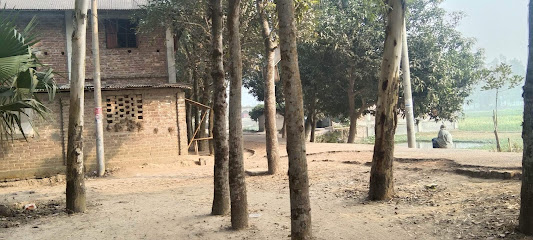
Merai
21.7 km
Discover the vibrant nightlife at Merai, a lively pub offering a unique blend of local charm and refreshing drinks, perfect for unwinding.
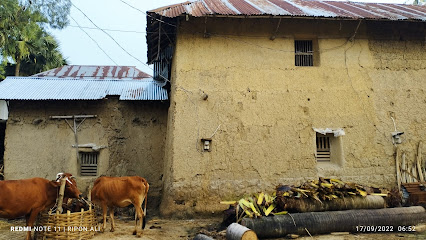
শাহ আলম
23.4 km
Experience the vibrant nightlife of Naogaon at Shah Alam, a bar offering a diverse drink menu and live music in a lively atmosphere.
Naogaon Milk Bar
24.6 km
Experience the vibrant nightlife at Naogaon Milk Bar, where refreshing drinks and a friendly atmosphere await you in the heart of Naogaon.
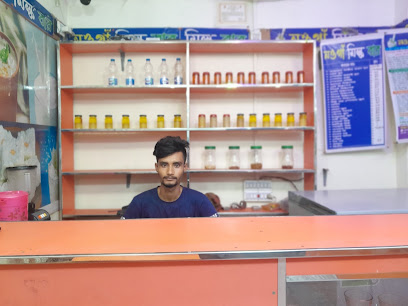
Lion’s Billiards & Juice Bar
25.1 km
Experience the vibrant atmosphere at Lion’s Billiards & Juice Bar, the perfect spot for drinks, billiards, and socializing in Naogaon.
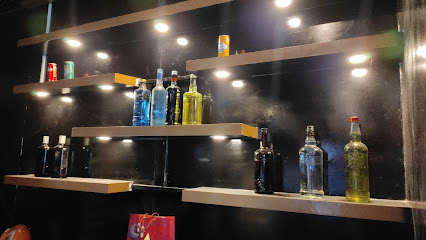
Md Ridoy khan
40.0 km
Discover the vibrant nightlife of Proshadpur at Md Ridoy Khan, a local bar that blends culture and relaxation with every visit.
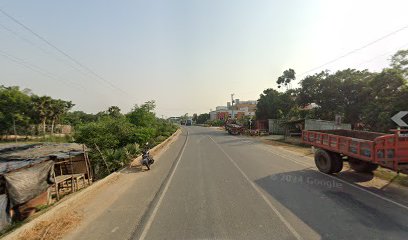
Palsha Vober Bazar
42.5 km
Experience the vibrant culture and delicious street food at Palsha Vober Bazar in Erulia, a must-visit for every traveler seeking local flavor.
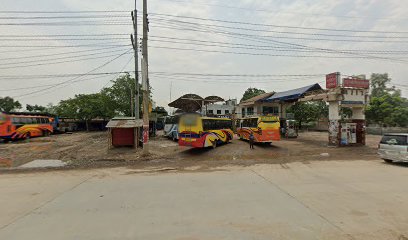
SHOJIB LTD
47.2 km
Experience the vibrant nightlife at SHOJIB LTD, the perfect bar for relaxation and enjoyment in the heart of the local culture.
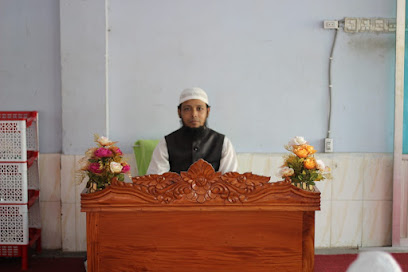
RR RaNa
58.6 km
Discover the lively ambiance and exquisite drinks at RR RaNa, a bar that embodies the spirit of local nightlife.
CNG Station
60.9 km
Discover the convenience of CNG Station, a vital refueling stop for travelers exploring the beautiful landscapes of Bangladesh.
Nidhi IT
61.4 km
Experience the ultimate sports bar atmosphere at Nidhi IT in Singra, where every game is a celebration and every visit is memorable.
Taijul Tea Stall
63.3 km
Discover the authentic flavor of Bangladesh at Taijul Tea Stall, a cozy bar offering delightful teas and local charm in every sip.
Palsha More
64.8 km
Experience the vibrant atmosphere of Palsha More, a charming bar offering delightful drinks and local culture in a cozy setting.
Nightclubs & after hour spots

Rup Nogor
46.5 km
Immerse yourself in the electrifying nightlife of Rup Nogor, the ultimate night club destination in Bangladesh for vibrant music and unforgettable experiences.
Shadhnogor youth club.
52.2 km
Experience the vibrant nightlife at Shadhnogor Youth Club, where music and culture collide for an unforgettable evening in the heart of the city.

Night club নাইট ক্লাব
78.6 km
Experience the vibrant nightlife of Bangladesh at Night Club নাইট ক্লাব – a must-visit destination for dancing and unforgettable memories.
কাকির চা দোকান
80.0 km
Immerse yourself in Rajshahi's nightlife at Kakir Cha Dokan, a vibrant night club offering music, dance, and local culture.
Sujanagar Mitali Club
80.3 km
Discover the energetic nightlife of Rajshahi at Sujanagar Mitali Club, a welcoming social and disco hub perfect for a fun night out.
হরিষার ডাইং সবুজ সংঘ
80.5 km
Discover the electrifying nightlife of Rajshahi at হরিষার ডাইং সবুজ সংঘ, where music, dance, and vibrant energy come together for an unforgettable experience.
Young Youth Development Organization,Rajshahi
81.0 km
Discover the vibrant nightlife of Rajshahi at the Young Youth Development Organization, where electrifying music and a lively atmosphere await.
Silicon Valley
81.1 km
Discover the electrifying nightlife of Silicon Valley, where every night brings new adventures in clubs, music, and culinary delights.
Rajshahi University Comedy Club
81.1 km
Discover laughter and local culture at Rajshahi University Comedy Club, a vibrant hub for comedy and entertainment in Bangladesh.
Khoilan
81.2 km
Experience the vibrant nightlife of Rajshahi at Khoilan, where music and culture collide in an unforgettable night out.
MALEKA'S TEA STALL
81.6 km
Discover the vibrant nightlife at Maleka's Tea Stall in Pirgachha, where traditional Bangladeshi tea meets a lively social atmosphere.
সাহায্যের হাত
82.0 km
Discover the vibrant nightlife of Rajshahi at 'সাহায্যের হাত', a premier night club offering unforgettable experiences and lively entertainment.
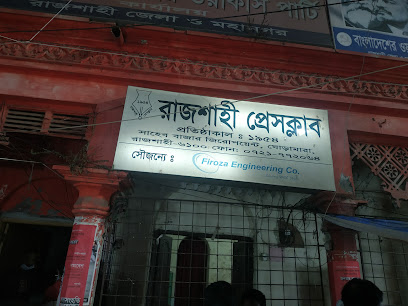
Rajshahi Press Club
83.1 km
Explore the vibrant cultural scene at Rajshahi Press Club, a central hub for journalism and community engagement in Bangladesh.
Rajshahi College Comedy Club
83.3 km
Experience the vibrant local humor at Rajshahi College Comedy Club, where laughter meets culture in the heart of Bangladesh.
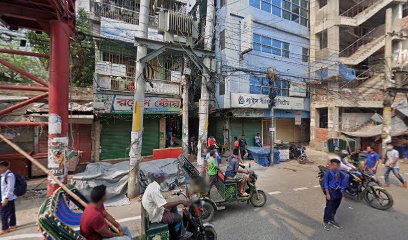
গ্যারিসন
83.5 km
Explore the vibrant nightlife of Shatgara at গ্যারিসন, a premier night club offering unforgettable music and dancing experiences.