

Free Western Bengal Travel Guide & Mobile App
Explore Western Bengal with free travel guides. Discover regional history, expert tips, proposed trips, and audio guides on web or mobile app.


Explore Western Bengal in Bangladesh for ancient cities, temple and mosque heritage, Rajshahi silk, river landscapes and Sundarbans waterways.
Read more about Western Bengal
When is the best time to visit Western Bengal?
Best: December–February · 23–26°C| Month | High (°C) | Rainfall (mm) |
|---|---|---|
| January (best) | 23 | 10 |
| February (best) | 26 | 20 |
| March | 32 | 25 |
| April | 35 | 30 |
| May | 36 | 50 |
| June | 33 | 100 |
| July | 31 | 150 |
| August | 31 | 150 |
| September | 31 | 120 |
| October | 31 | 90 |
| November | 29 | 40 |
| December (best) | 24 | 20 |
Getting to and around Western Bengal
How to get there
Transportation
Top city travel guides in Western Bengal
The cities of Western Bengal, and the easiest places to base yourself.
-

-

-

-
-

-


Swipe for more cities
Destinations in Western Bengal
Resorts, valleys and scenic spots worth a trip of their own.
-

-

-


Swipe for more destinations
Best attractions in Western Bengal
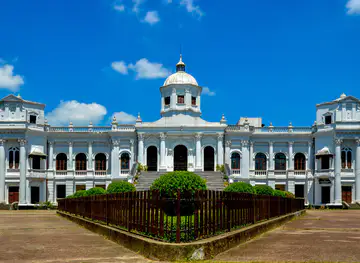
Western Bengal's attractions range from major archaeological sites to living cultural landscapes. Mahasthangarh near Bogura introduces the ancient urban history of Pundranagara, while Paharpur in Naogaon preserves the monumental remains of Somapura Mahavihara and its terracotta art. Puthia offers a compact sequence of historic Hindu temples, ponds and palace-related buildings set amid a rural landscape. Rajshahi adds museums, silk workshops and riverfront spaces, with the Varendra Research Museum providing important archaeological context. In the southwest, Bagerhat's mosque city presents medieval brick architecture on a remarkable scale. Khulna provides access to the waterways and forest margins of the Sundarbans, where guided boat journeys focus on mangrove ecology, birds and the possibility of seeing wildlife rather than guaranteed sightings. Kushtia's cultural associations with Lalon Shah and Baul music bring a different kind of attraction, centred on song, philosophy and performance. Across the region, journeys through rice fields, mango-growing districts, ferry crossings and river settlements are part of the experience, although distances and seasonal conditions mean that these attractions are best grouped into carefully planned itineraries.
-
Tourist attraction
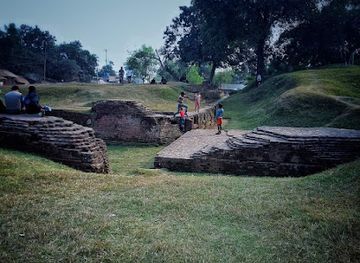
Chandraketugarh
Unearth ancient mysteries at Chandraketugarh, a historical site near Kolkata with relics from Bengal's early urban civilization.
-
Mosque
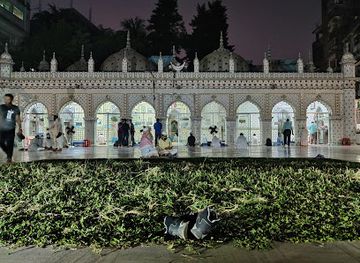
Tara Masjid
Discover the dazzling Star Mosque in Old Dhaka, a stunning display of Mughal architecture with intricate star mosaics and rich history.
-
Tourist attraction
Hajiganj Fort
Explore Hajiganj Fort, a historic Mughal-era river fortress in Narayanganj, Bangladesh, and discover its rich maritime past.
-
Historical landmark
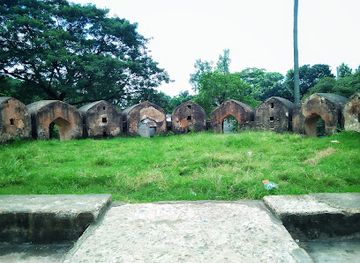
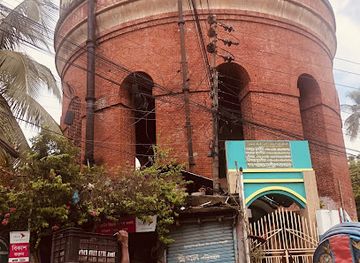
Bahadur Shah Park Water Tank
Discover Dhaka's colonial past at this historic water tank, a relic of 19th-century engineering in the heart of Old Dhaka.
Best landmarks in Western Bengal
The most recognisable landmarks of Western Bengal are closely tied to its archaeological and religious history. Mahasthangarh's fortified remains mark the ancient urban centre of Pundranagara, while the soaring brick core of Somapura Mahavihara at Paharpur is one of the region's defining monuments of Buddhist architecture. Puthia's Govinda Temple, Shiva Temple and other historic structures form an unusually concentrated architectural group, distinguished by terracotta decoration and richly modelled surfaces. In Bagerhat, the Sixty Dome Mosque, with its forest of brick and stone columns and many domes, expresses the scale of the medieval settlement founded under Khan Jahan Ali; the nearby mausoleum and historic water tanks complete the setting. The Padma riverfront around Rajshahi is a major natural and civic reference point, while the tidal creeks and mangrove canopy of the Sundarbans provide the southwest with a landmark landscape rather than a single monument. Lalon Shah's shrine at Cheuriya near Kushtia is an important cultural landmark associated with Bengal's Baul tradition.
-
Amphitheater
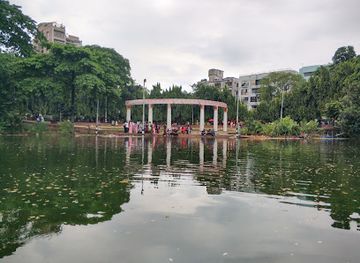
Rabindra Sarobar
Escape the city bustle at Rabindra Sarobar, Dhaka's serene lake and park, offering tranquility, cultural events, and a vibrant community atmosphere for locals and tourists alike.
-
Historical landmark
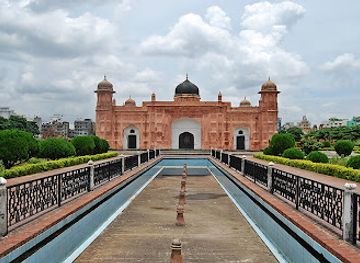
Lalbagh Fort
Explore the unfinished Mughal masterpiece of Lalbagh Fort in Old Dhaka, a 17th-century complex with stunning architecture, serene gardens, and a museum showcasing Mughal-era artifacts.
-
Historical landmark
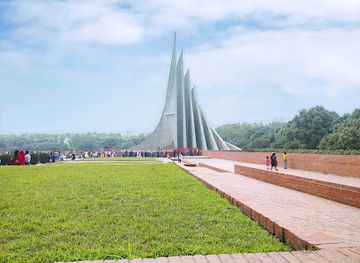
National Martyrs' Monument
A poignant monument in Savar commemorating Bangladesh's Liberation War heroes, symbolizing resilience and the fight for independence.
-
Historical landmark
Central Shaheed Minar
A national monument in Dhaka honoring the martyrs of the Bengali Language Movement, symbolizing Bengali identity and cultural pride.
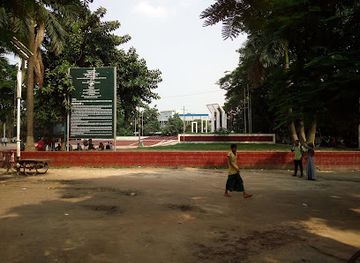
Explore Western Bengal on the map
Plan your trip on one map. See where the top cities, national parks and sights are, and book hotels and experiences in a few clicks.
Best hotels in Western Bengal
Best restaurants in Western Bengal
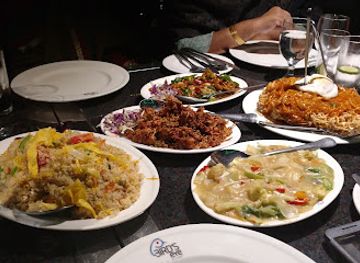
Dining in Western Bengal is rooted in rice, freshwater fish, lentils, vegetables and the produce of fertile river plains. Rajshahi is particularly known for seasonal mangoes and silk rather than a single signature dish, while rural markets offer varieties of fish, rice cakes, lentil preparations and sweets typical of Bangladeshi cuisine. Khulna and the southwestern delta have strong associations with fish, prawns and shrimp, although menus vary widely according to season and locality. Small restaurants, tea stalls, market kitchens and family-run eateries provide the most common everyday meals; larger towns also have Bengali, Indian and international options. Kushtia's cultural tourism encourages interest in local sweets, tea and simple food served around markets and music venues. Hygiene standards differ, so busy establishments with a high turnover are generally a sensible choice, and visitors should drink treated or sealed water outside trusted accommodation.
-
Restaurant
Ozz Cafe
Discover the delightful flavors of Bangladesh at Ozz Cafe, where comfort meets culinary excellence in Dhaka.
-
Restaurant
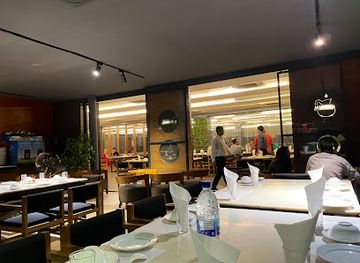
Thai Chi Restaurant & Cafe
Experience the best of Southeast Asian flavors at Thai Chi Restaurant & Cafe in Dhaka with delicious dishes from Thailand, China, and India.
-
Restaurant
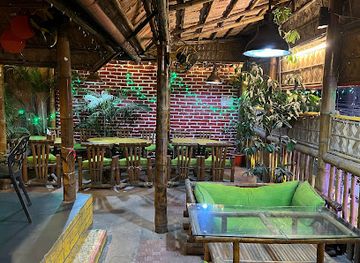
Palm View Restaurant
Experience the best of Bangladeshi cuisine at Palm View Restaurant in Dhaka—where flavor meets ambiance.
-
Chinese
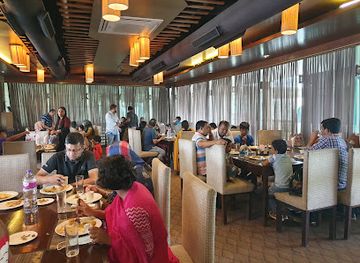
Bird's Eye Roof Top Restaurant and Convention Hall
Experience fine dining at Bird's Eye Roof Top Restaurant - where exquisite Chinese flavors meet breathtaking views of Dhaka.
Best bars in Western Bengal
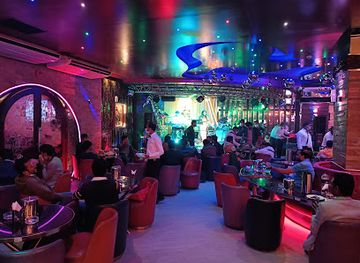
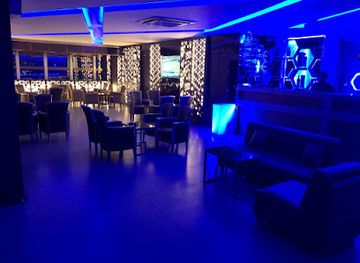
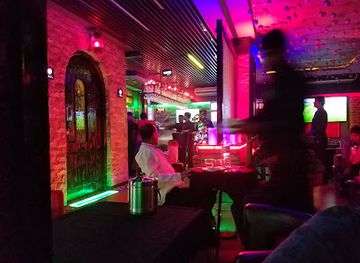
Western Bengal does not have a large, concentrated nightclub culture, and evening life is more commonly organised around tea stalls, restaurants, family gatherings, cultural programmes and traditional cafés. Rajshahi and Khulna offer the widest choice of contemporary restaurants, hotel lounges and occasional live-music or arts events, while smaller towns usually become quiet earlier. In Kushtia, folk music and Baul performances provide a culturally significant evening experience, though schedules and venues can vary. Alcohol is less prominent in public life than in many international destinations, and licensed availability is limited and regulated. Visitors should not expect a uniform bar district; a planned dinner, cultural performance or relaxed tea-house visit is often more representative of the region's evening rhythm.
-
Bar
Chalet Restaurant & Bar
Discover the vibrant flavors and lively atmosphere at Chalet Restaurant & Bar, a must-visit dining destination in Dhaka.
-
Bar
Sakura Restaurant & Bar
Discover the vibrant flavors of Japan at Sakura Restaurant & Bar in Dhaka, where authentic cuisine meets a lively atmosphere.
-
Bar
La Diplomat Restaurant & Bar
Discover La Diplomat Restaurant & Bar in Gulshan, Dhaka, where vibrant cuisine meets a lively atmosphere for an unforgettable dining experience.
-
Bar
DPL Restaurant & Bar
Discover the lively DPL Restaurant & Bar in Dhaka, where delicious food and refreshing drinks meet a vibrant atmosphere for an unforgettable night out.

Best nightclubs in Western Bengal
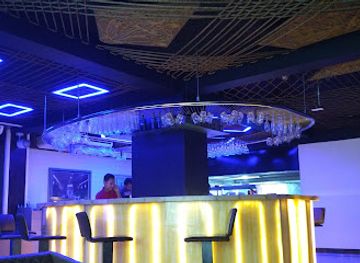
Western Bengal does not have a large, concentrated nightclub culture, and evening life is more commonly organised around tea stalls, restaurants, family gatherings, cultural programmes and traditional cafés. Rajshahi and Khulna offer the widest choice of contemporary restaurants, hotel lounges and occasional live-music or arts events, while smaller towns usually become quiet earlier. In Kushtia, folk music and Baul performances provide a culturally significant evening experience, though schedules and venues can vary. Alcohol is less prominent in public life than in many international destinations, and licensed availability is limited and regulated. Visitors should not expect a uniform bar district; a planned dinner, cultural performance or relaxed tea-house visit is often more representative of the region's evening rhythm.
-
Bar
Bluemoon Recreation Club
Experience leisure and socializing at Bluemoon Recreation Club, Dhaka's premier destination for fitness, dining, and nightlife.
-
Bar
SKYe Lounge Bar
Experience the vibrant nightlife of Dhaka at SKYe Lounge Bar, where stunning skyline views meet a lively atmosphere and exquisite drinks.
-
Bar
City Orchard Recreation Club
Discover the vibrant nightlife at City Orchard Recreation Club, Dhaka's premier bar and club, offering drinks, snacks, and live entertainment.
-
Bar
Korean Bangladesh Club restaurant L.T.D
Discover the vibrant fusion of Korean and Bangladeshi cuisine at the Korean Bangladesh Club Restaurant, a must-visit dining spot in Dhaka.


Best shops in Western Bengal
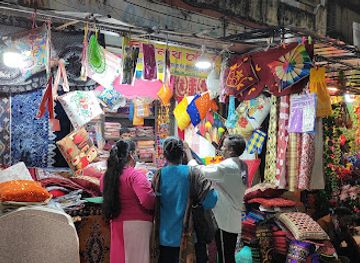
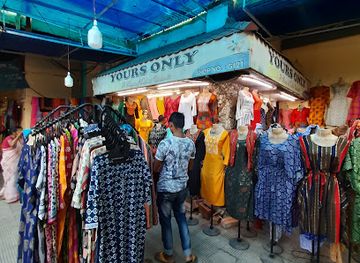
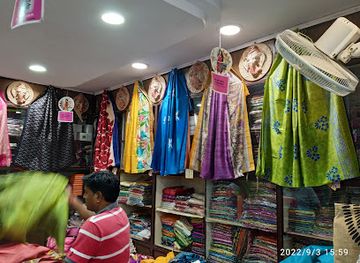
Shopping in Western Bengal is strongest in market towns, specialist craft areas and food-producing districts rather than large luxury retail centres. Rajshahi is the principal place to look for locally made silk, including saris, scarves and fabric, though quality and provenance vary between sellers. Seasonal mangoes from the Rajshahi and Chapai Nawabganj area are a popular purchase when available, but visitors should consider transport conditions and packaging before buying large quantities. Khulna and other urban centres have conventional bazaars for clothing, household goods, sweets and regional foods, while village markets offer a closer view of agricultural trade. Puthia, Kushtia and Bagerhat may have small craft and souvenir stalls near major heritage sites, but selection is usually modest. Useful regional purchases include Bengali textiles, carved or woven handicrafts, packaged foods and books or recordings relating to local history and folk music; compare prices politely and avoid buying antiquities or objects claimed to come from archaeological sites.
-
Market
Hatibagan Market
Discover the vibrant Hatibagan Market in Kolkata, where local culture, shopping, and delicious street food converge for an unforgettable experience.
-
Shopping mall
Dakshinapan Shopping Complex
Explore the vibrant Dakshinapan Shopping Complex in Kolkata for unique handicrafts, local delicacies, and an unforgettable shopping experience.
-
Bridal shop
VEDAM - Lehenga in Kolkata | Men’s Sherwani & Indowestern in Kolkata
Explore VEDAM in Kolkata for exquisite bridal and formal wear, blending tradition with modern style in a vibrant shopping experience.
-
Shopping mall
Uttarapan Shopping Complex
Discover the vibrant Uttarapan Shopping Complex in Kolkata, a shopper's haven of traditional crafts and modern boutiques.

Get your free copy of our complete guide to Western Bengal, delivered straight to you.
Everything on this page, from attractions and restaurants to essentials and local phrases, in one PDF you can read offline, print or share.
Already have an account? Sign in
Your Western Bengal guide is ready.
We'll send it to · Not you? Sign out

Getting your guide ready…
We are putting together a fresh copy of the Western Bengal guide. This can take up to a minute.
This can take a few moments. If your browser asks, choose Allow so the download can start. You'll find the guide in your Downloads folder.
Nothing happened? Download it again
Sorry, the guide is taking longer than usual. Please try again in a minute, or get it by email instead.
Western Bengal essentials
Currency and Payment
Safety
Emergency Situations
Do's and Don'ts
Local Tips
From Eve
Local phrases worth knowing
You don't need to get them perfect. A few words go a long way, and locals appreciate the effort.
Basics
| English | Local | Say it |
|---|---|---|
| Hello | হ্যালো | [Hyālo] |
| Goodbye | বিদায় | [Bidāẏ] |
| Yes | হ্যাঁ | [Hyām̐] |
| No | না | [Nā] |
| Please/You're welcome | দয়া করে/স্বাগতম | [Doyā kare/Sbāgatam] |
| Thank you | ধন্যবাদ | [Dhonyobād] |
| Excuse me/Sorry | মাফ করবেন/দুঃখিত | [Māph karbēn/Dukhit] |
| How are you? | আপনি কেমন আছেন? | [Āpni kēman āchēn?] |
| Fine. And you? | ভাল। এবং আপনি? | [Bhāl. Ēbaṁ āpni?] |
| Do you speak English? | আপনি কি ইংরেজি বলতে পারেন? | [Āpni ki iṅrēji balte pārēn?] |
| I don't understand | আমি বুঝতে পারছি না | [Āmi bujhte pārchhi nā] |
Eating & Drinking
| English | Local | Say it |
|---|---|---|
| I'd like to see the menu, please | আমি মেনু দেখতে চাই, দয়া করে | [Āmi mēnu dēkhtē chāi, doyā kare] |
| I don't eat meat | আমি মাংস খাই না | [Āmi māṅsa khāi nā] |
| Cheers! | চিয়ার্স! | [Ciyārs!] |
| I would like to pay, please | আমি দিতে চাই, দয়া করে | [Āmi dītē chāi, doyā kare] |
Emergencies
| English | Local | Say it |
|---|---|---|
| Help! | সাহায্য করুন! | [Sāhāyya karun!] |
| Go away! | দূরে যাও! | [Dūrē jāo!] |
| Call the Police! | পুলিশ ডাকুন! | [Pulish ḍākun!] |
| Call a doctor! | ডাক্তার ডাকুন! | [Ḍāktār ḍākun!] |
| I'm lost | আমি হারিয়ে গেছি | [Āmi hāriẏē gēchi] |
| I'm ill | আমি অসুস্থ | [Āmi asusṭha] |
Shopping
| English | Local | Say it |
|---|---|---|
| I'd like to buy... | আমি কিনতে চাই... | [Āmi kintē chāi...] |
| I'm just looking | আমি শুধু দেখছি | [Āmi sudhu dēkhchi] |
| How much is it? | এটার দাম কত? | [Ēṭār dām kata?] |
| That's too expensive | এটা খুব দামি | [Ēṭā khub dāmī] |
| Can you lower the price? | আপনি দাম কমাতে পারেন? | [Āpni dām kamātē pārēn?] |
Time & Numbers
| English | Local | Say it |
|---|---|---|
| What time is it? | এখন কত বাজে? | [Ēkhana kata bājē?] |
| It's one o'clock | এখন একটা বাজে | [Ēkhana ēkaṭā bājē] |
| Half past (10) | সাড়ে (১০) | [Sāṛē (10)] |
| Morning | প্রভাত | [Prabhāt] |
| Afternoon | বিকাল | [Bikāl] |
| Evening | সন্ধ্যা | [Sandhyā] |
| Yesterday | গতকাল | [Gatakāl] |
| Today | আজ | [Āj] |
| Tomorrow | কাল | [Kāl] |
| 1 | ১ | [1] |
| 2 | ২ | [2] |
| 3 | ৩ | [3] |
| 4 | ৪ | [4] |
| 5 | ৫ | [5] |
| 6 | ৬ | [6] |
| 7 | ৭ | [7] |
| 8 | ৮ | [8] |
| 9 | ৯ | [9] |
| 10 | ১০ | [10] |
Transport & Directions
| English | Local | Say it |
|---|---|---|
| Where's a/the...? | কোথায় একটা...? | [Kōthāẏ ēkaṭā...?] |
| What's the address? | ঠিকানা কী? | [Thikānā kī?] |
| Can you show me (on the map)? | আপনি আমাকে দেখাতে পারেন (মানচিত্রে)? | [Āpni āmākē dēkhātē pārēn (mānchitrē)?] |
| When's the next (bus)? | পরবর্তী (বাস) কখন? | [Parabartī (bās) kakhana?] |
| A ticket (to ....) | একটি টিকেট (....) | [Ēkaṭi ṭikēṭ (....)] |
History of Western Bengal
Ancient Pundra and Mahasthangarh
Mahasthangarh, near Bogura, preserves the remains of Pundranagara, one of the earliest known urban centres in Bangladesh. Its fortified core and surrounding archaeological area reflect the importance of Pundra, an ancient region of northern Bengal, from at least the early historic period. Excavated remains include defensive structures, religious buildings, inscriptions and evidence of organised settlement. The site demonstrates that the western and northern plains were connected to wider political and commercial networks long before the formation of modern Bengal. Nearby archaeological mounds and museums help place the ruins within the changing religious and political history of the region.
Buddhist Paharpur and the Pala Age
The monastery at Paharpur, officially known as Somapura Mahavihara, was established under the Pala rulers, probably in the late eighth or early ninth century. Located in present-day Naogaon District, it became one of the great intellectual and religious institutions of Buddhist South Asia. Its cruciform central shrine, monastic cells and terracotta decoration reveal the artistic connections linking Bengal with other parts of the Buddhist world. Although the institution later declined as political and religious patterns changed, its remains testify to the significance of western Bengal as a centre of learning, craftsmanship and long-distance cultural exchange.
Sultanate Bengal and the Mosque City of Bagerhat
During the fifteenth century, the southern part of the region was shaped by the independent Bengal Sultanate. The commander and administrator Khan Jahan Ali established a settlement in the forested landscape around present-day Bagerhat, then known as Khalifatabad. The city required roads, water tanks, religious buildings and civic organisation in a difficult deltaic environment. Its surviving monuments, including the Sixty Dome Mosque and the mausoleum of Khan Jahan Ali, show the distinctive brick architecture of medieval Bengal. Bagerhat's ruins also record the transformation of the southwestern delta into a settled agricultural and Islamic cultural landscape.
Mughal and Nawabi Transformations
Mughal authority gradually extended across Bengal from the sixteenth century, bringing the region more firmly into an imperial administrative and revenue system. Later, powerful nawabs governed Bengal from Murshidabad, while zamindar families commissioned temples, residences and civic works across western districts. The temple complex at Puthia, developed especially under local Hindu patrons during the eighteenth and nineteenth centuries, reflects this period of regional wealth and religious patronage. Agricultural production, river commerce and the growth of market towns connected the western plains to larger networks centred on the Ganges and its tributaries.
Colonial Rule, Indigo and New Communications
The East India Company's victory at Plassey in 1757 and the subsequent consolidation of British rule altered landholding, taxation and commercial production throughout Bengal. Indigo cultivation became a particularly contentious feature in parts of western Bengal, where European planters pressured cultivators to grow the crop under exploitative contracts. The Indigo Revolt of 1859–60 exposed deep rural resistance to this system. Railways, roads, river ports and administrative towns later expanded, linking places such as Rajshahi, Kushtia and Khulna more closely to Calcutta and other commercial centres, while also intensifying colonial control over the countryside.
Folk Culture and the Baul Tradition
Western Bengal has long been an important setting for devotional, musical and philosophical traditions that cross formal religious boundaries. Kushtia is strongly associated with Lalon Shah, the nineteenth-century mystic, songwriter and leading figure in the Baul tradition. Baul practitioners developed a repertoire of songs concerned with the human body, spiritual knowledge, social convention and the search for the divine, drawing on diverse religious influences. Lalon's legacy remains visible in the cultural life of Kushtia and in the continuing performance of folk music, although Baul culture is broader than any single town or shrine.
Partition, Liberation and Independent Bangladesh
The partition of British India in 1947 made western Bengal part of East Pakistan, dividing established trading, family and cultural networks. Political and economic tensions between East and West Pakistan intensified over the following decades. In 1971, the Liberation War brought profound disruption to towns and villages across the region, including killings, displacement and resistance. Bangladesh's independence reshaped administrative, economic and cultural life. Since then, western districts have developed around agriculture, education, manufacturing, river commerce, shrimp production, tourism and cross-border trade, while archaeological conservation and the Sundarbans have gained greater national and international importance.
Western Bengal in Photos
Browse through our photo collection highlighting the charm and character of the destination.
Neighbouring regions of Western Bengal
The closest regions to Western Bengal, if you have time for more than one.
-

-

-

-

-


Swipe for more regions
Explore more

Explore more of Bangladesh
Discover Bangladesh: A land of rivers, rich culture, and breathtaking landscapes. Explore ancient sites, vibrant cities, and the unique flavors of this South Asian gem.
Explore Bangladesh