Pelican Island Historic Site: A Bridge to Barbados' Past
Discover the captivating history of Pelican Island Historic Site in Barbados, where maritime heritage meets natural beauty, offering a unique glimpse into the island's past and present.
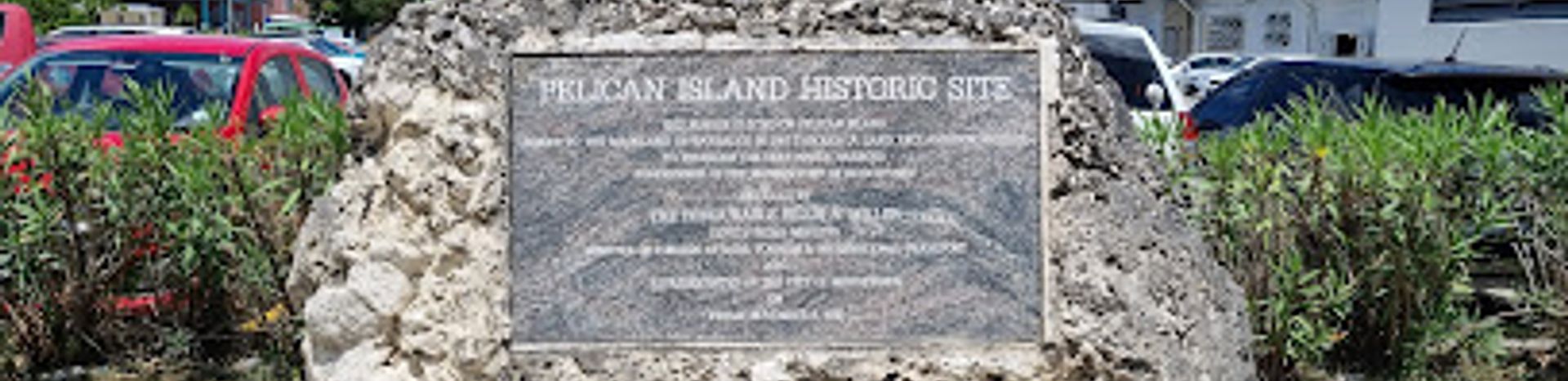
Pelican Island Historic Site, near Bridgetown, Barbados, whispers tales of maritime history and colonial development. Once a separate island named for the brown pelicans nesting there, it played a crucial role as a quarantine station, safeguarding the mainland from infectious diseases. In the 1950s, it was connected to Barbados during the construction of the Bridgetown Port, adding over 90 acres of land. Today, the site offers a tranquil escape, blending historical insights with natural beauty. Visitors can explore the shores, observe local wildlife, and appreciate the island's contribution to Caribbean history. While the pelicans may be gone, the island's legacy remains a significant part of Barbados' story, inviting exploration and reflection on its unique past.
A brief summary to Pelican Island Historic Site
- Bridgetown, Saint Michael, BB
Local tips
- Combine your visit with a trip to the nearby Pelican Craft Centre for local souvenirs.
- Wear comfortable shoes for walking along the waterfront.
- Bring your camera for scenic harbor and city views.

Getting There
-
Walking
From the Bridgetown city center, head west towards the Bridgetown Port. Follow the Princess Alice Highway, keeping the sea on your left. Continue along the highway for approximately 15-20 minutes. You'll pass the Bridgetown Fish Market and the Pelican Craft Centre. The Pelican Island Historic Site is located within the Bridgetown Port area. Access is free, but be mindful of port traffic. Note that the area can be hot, so bring water.
-
Taxi/Ride-Share
From anywhere in Bridgetown, a taxi or ride-share to the Bridgetown Port is readily available. Specify 'Pelican Island Historic Site' or 'Bridgetown Port Main Entrance' as your destination. The ride should take approximately 5-10 minutes from the city center, depending on traffic. Expect to pay around BBD$20-25 (USD$10-12.50). Confirm the fare with the driver before starting your journey.
-
Public Transport
Several public buses travel along the Princess Alice Highway towards the Bridgetown Port. Look for buses heading to 'Cheapside' or 'the Port'. The fare is BBD$3.50 (USD$1.75) per person, payable in cash. Ask the driver to let you off near the Bridgetown Port main entrance. From the bus stop, it's a short walk to the Pelican Island Historic Site. Be aware that buses can be crowded, especially during peak hours.
Discover more about Pelican Island Historic Site
Iconic landmarks you can’t miss

Pelican Island Historic Site
0.0 km
Discover the captivating history and stunning views at Pelican Island Historic Site in Bridgetown, Barbados, an essential stop for history lovers and explorers.
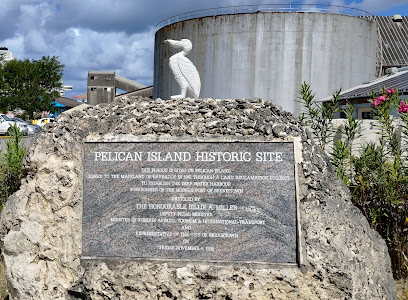
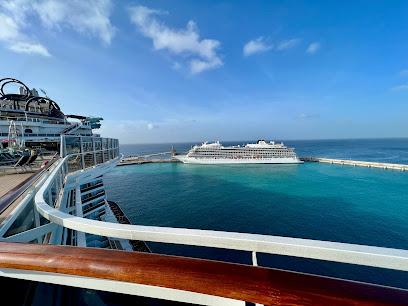
Cruise Terminal
0.2 km
Experience Barbadian culture and history at the Bridgetown Cruise Terminal, your gateway to the island's treasures.
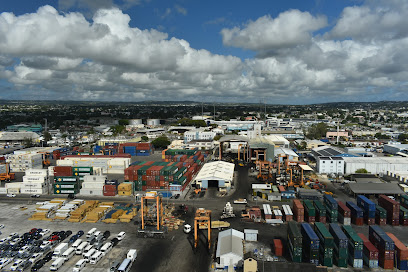
Bridgetown Harbour
0.7 km
Explore the vibrant charm of Bridgetown Harbour, Barbados' picturesque gateway to the Caribbean, rich in history, culture, and breathtaking views.
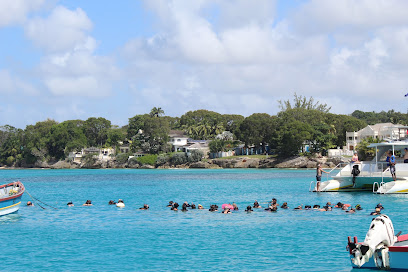
Tiami Catamaran Cruises
0.7 km
Experience Barbados' stunning coastline with Tiami Catamaran Cruises: snorkeling, Bajan cuisine, and unforgettable memories on the glittering sea.
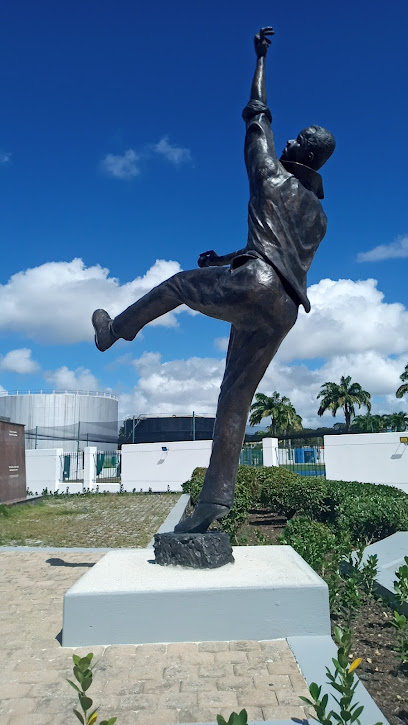
Reverend sir wesly winfield hall statue
0.7 km
Explore the Sir Wesley Winfield Hall Statue in Bridgetown, a significant historical landmark that embodies the cultural heritage of Barbados.
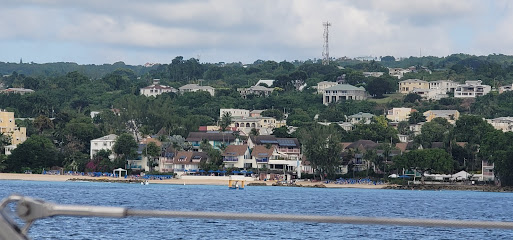
Silver Moon Catamaran Cruises
0.8 km
Discover the beauty of Barbados on a Silver Moon Catamaran Cruise, where unforgettable adventures meet breathtaking ocean views.
St Mary's Church
0.9 km
Discover St. Mary's Anglican Church in Bridgetown: a historic sanctuary with stunning architecture and a rich cultural heritage.
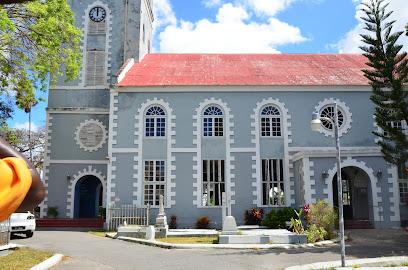
Church Of Christ
1.2 km
Discover tranquility at the Church of Christ in Bridgetown, a serene sanctuary reflecting the heart of Barbadian culture and community, offering panoramic views and a welcoming atmosphere.
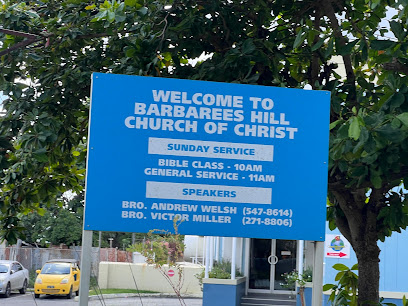
Codd's House Monument
1.2 km
Discover the rich history of Codd's House Monument in Bridgetown, Barbados, a vital landmark that captures the island's enduring cultural heritage.
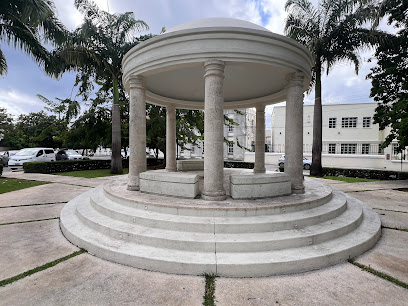
Bridgetown Duty Free Broad Street
1.3 km
Discover unparalleled shopping at Bridgetown Duty Free, where luxury meets affordability in the heart of Barbados, all tax-free.
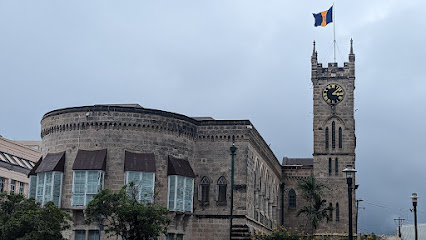
Mount Gay Visitors' Centre
1.4 km
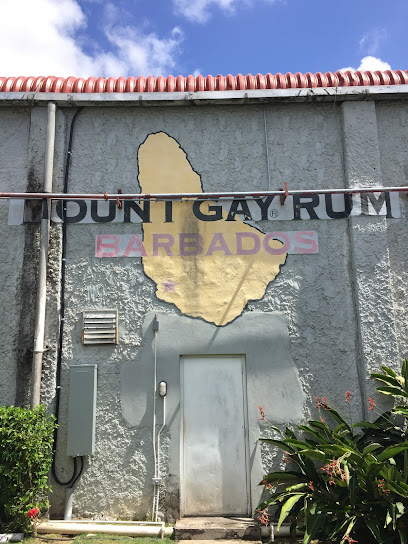
Explore the history and artistry of rum at Mount Gay Visitors' Centre, the oldest rum distillery in the world, located in Barbados.
Unmissable attractions to see

Mural Bridgetown Port
0.4 km
Discover the vibrant Mural at Bridgetown Port, a captivating artistic representation of Barbados' rich culture and heritage, offering an immersive experience for every traveler seeking to connect with the island's soul.
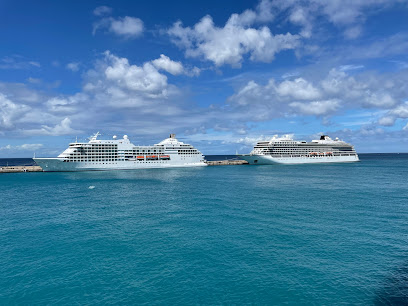
Dre's Bar Pelican Village Craft Centre
0.5 km
Discover authentic Barbadian arts and crafts at Pelican Village Craft Centre, a vibrant hub of local artistry near Bridgetown, offering unique souvenirs and cultural experiences.
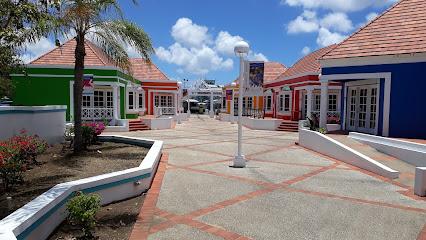
Cricket Legends of Barbados
0.5 km
Discover the legacy of Barbadian cricket at this museum, celebrating legends like Sir Garfield Sobers and the island's contribution to the sport.
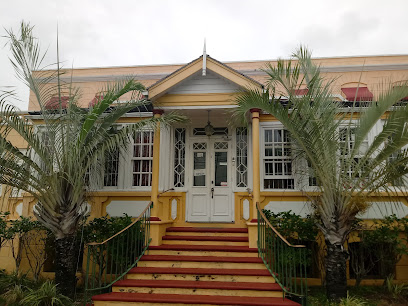
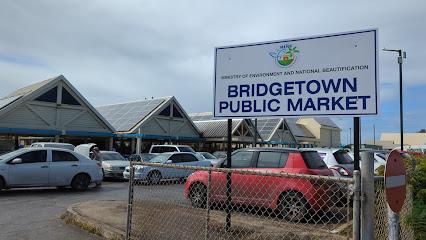
Bridgetown Fish Market
0.7 km
Experience the heart of Barbadian culture at Bridgetown Fish Market, where fresh seafood and local flavors await.
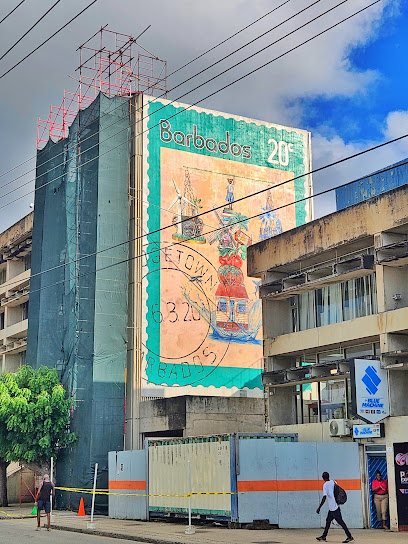
Barbados Stamp mural
0.7 km
A vibrant landmark in Bridgetown, the Barbados Stamp Mural celebrates the island's history and culture through colorful, oversized stamps.
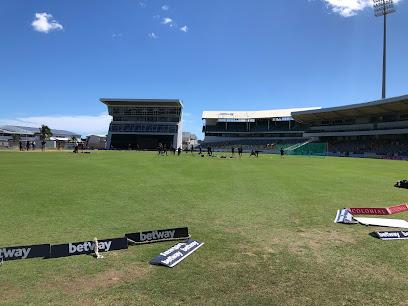
Kensington Oval
0.7 km
Experience the electric atmosphere and rich history of Kensington Oval, the 'Mecca' of West Indies cricket, a must-visit landmark in the heart of Barbados.
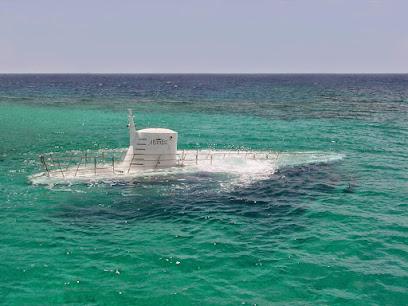
Atlantis Submarines
0.9 km
Explore the depths of the Caribbean at Atlantis Submarines in Barbados, where adventure and marine life await in a state-of-the-art underwater experience.
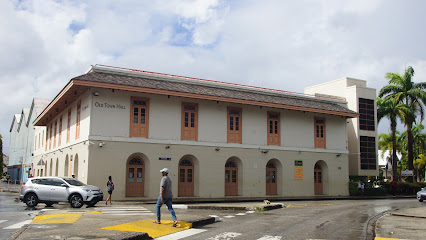
Old Town Hall
0.9 km
Discover the historical charm of Bridgetown's Old Town Hall, a resilient landmark that has witnessed centuries of Barbadian history and culture, now a beautifully restored commercial space.
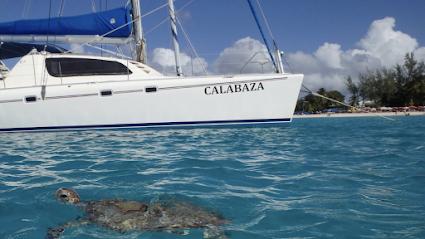
Calabaza Sailing Cruises
0.9 km
Discover the beauty of Barbados with Calabaza Sailing Cruises, offering personalized adventures on the crystal-clear waters of the Caribbean.
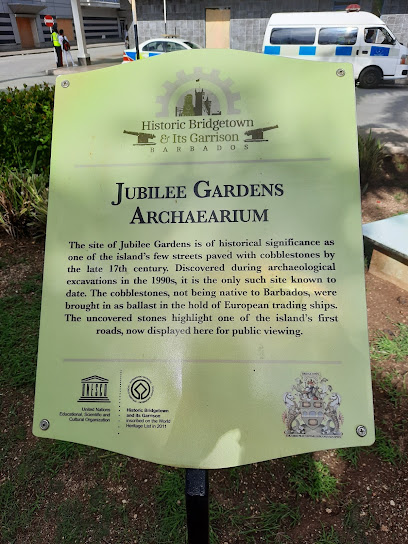
Jubilee Gardens
0.9 km
Escape to Jubilee Gardens in Bridgetown: a historic park offering tranquility, community events, and a glimpse into Barbados' past.
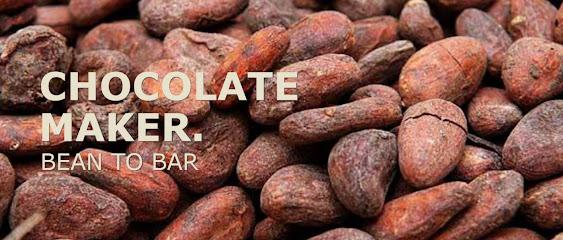
Agapey Chocolate Factory Tours & Shop
1.0 km
Discover the sweet secrets of Barbados at Agapey Chocolate Factory: tours, tastings, and gourmet treats await in the heart of Bridgetown!
Carlisle Wharf Plaza
1.1 km
Discover a tranquil waterfront escape at Carlisle Wharf Plaza in Bridgetown, Barbados, where maritime history meets serene relaxation and community spirit.
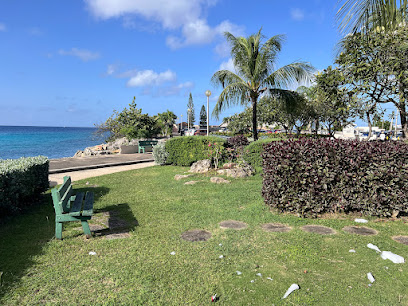
Cool Runnings Catamaran Cruises
1.1 km
Discover the beauty of Barbados from the water with Cool Runnings Catamaran Cruises, offering unforgettable sailing experiences and stunning views.
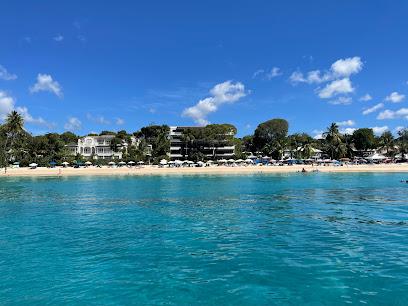
Rihanna Drive Monument
1.1 km
Discover Rihanna Drive in Bridgetown, Barbados: A vibrant tribute to a global icon and a celebration of Bajan culture, offering a glimpse into the superstar's humble beginnings.
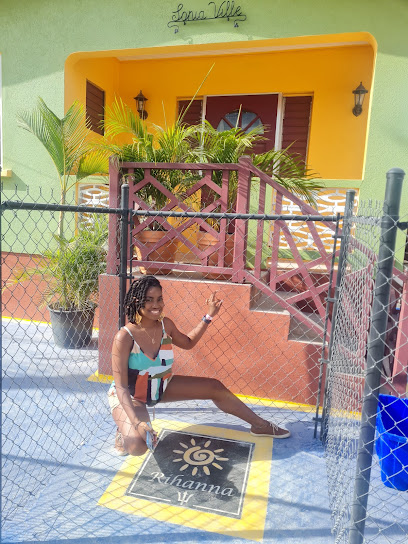
El Tigre Catamaran Sailing Cruises
1.1 km
Discover the beauty of Barbados from the sea with El Tigre Catamaran Sailing Cruises, offering snorkeling, relaxation, and spectacular ocean views.
Essential places to dine

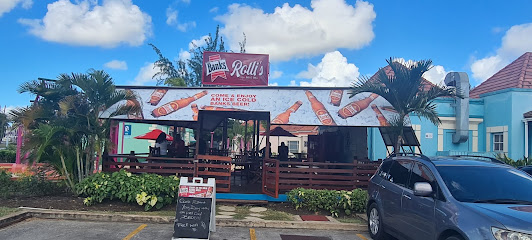
Rolli's Bar and Grill
0.3 km
Experience authentic Barbadian cuisine at Rolli's Bar and Grill in Bridgetown - where flavor meets hospitality amidst stunning Caribbean vibes.
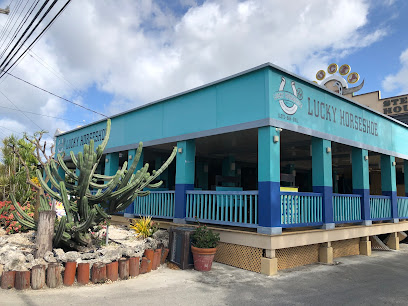
Lucky Horseshoe Bar & Grill
1.0 km
Experience Caribbean cuisine at its best at Lucky Horseshoe Bar & Grill in Bridgetown—where flavor meets fun!
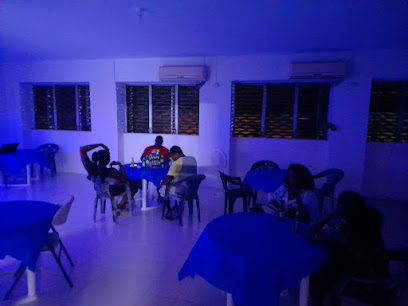
Tradewinds Restaurant and Bar
1.1 km
Experience authentic Caribbean flavors at Tradewinds Restaurant and Bar in Bridgetown - a delightful blend of fresh seafood and tropical cocktails.
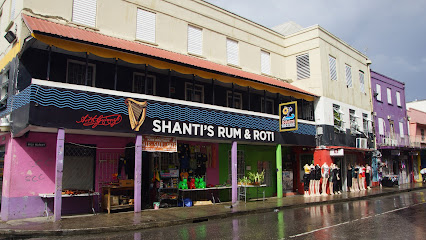
Shanti’s Rum and Roti
1.1 km
Experience authentic Caribbean flavors at Shanti's Rum and Roti in Bridgetown – where delicious food meets vibrant culture.
Mustor's Restaurant
1.1 km
Savor authentic Caribbean flavors at Mustor's Restaurant in Bridgetown - a delightful dining destination for every traveler.
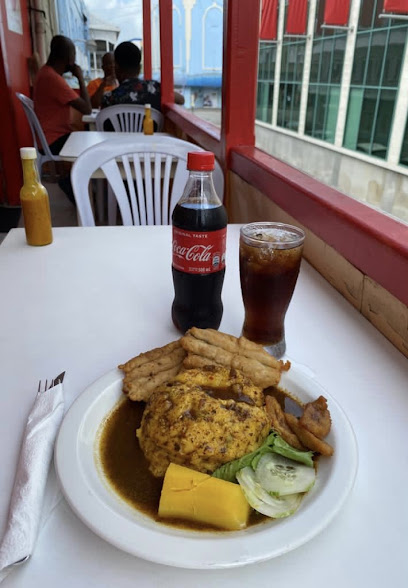
The Ideal Restaurant
1.3 km
Experience the best of Barbadian cuisine at The Ideal Restaurant in Bridgetown – where every meal tells a story.

The Balcony Restaurant
1.3 km
Experience authentic Barbadian flavors at The Balcony Restaurant in Bridgetown, where delicious cuisine meets breathtaking views.
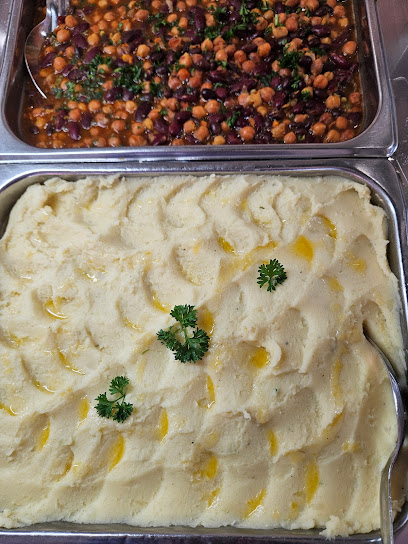
De Office Cafe and Bar
1.3 km
Discover De Office Cafe and Bar in Bridgetown - where local flavors meet international cuisine in a vibrant atmosphere.
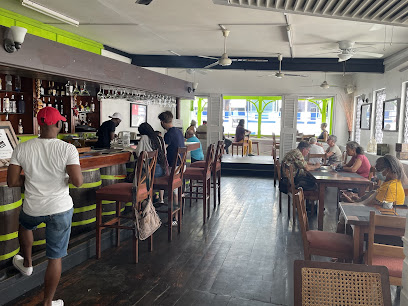
Tim's Restaurant
1.3 km
Discover authentic Bajan flavors at Tim's Restaurant in Bridgetown - where culinary traditions meet warm hospitality.
Trees Ital Cafe
1.6 km
Experience authentic Caribbean flavors at Trees Ital Cafe in Bridgetown - where fresh ingredients meet warm hospitality.
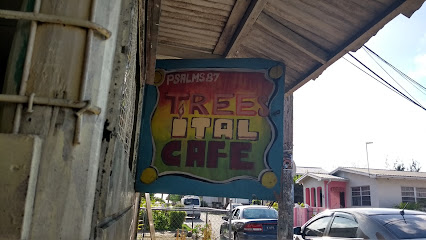
The Boatyard Beach Club
1.8 km
Experience vibrant dining and nightlife at The Boatyard Beach Club in Bridgetown - your ultimate Caribbean escape by the sea.
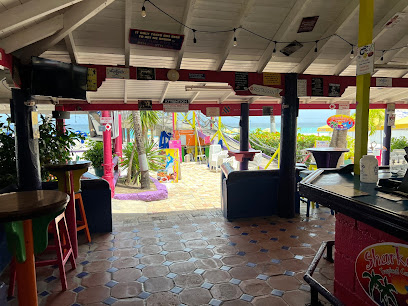
Lobster Alive
1.8 km
Experience the ultimate seafood feast at Lobster Alive in Bridgetown, where fresh catches meet stunning ocean views.
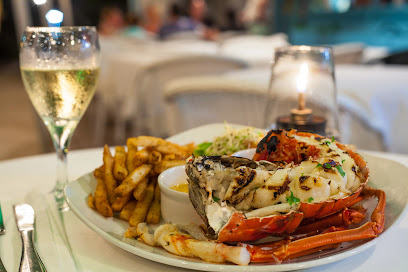
Palm Grill & Bar
1.9 km
Experience authentic Barbadian flavors at Palm Grill & Bar – a culinary oasis offering fresh seafood and local favorites in Bridgetown.
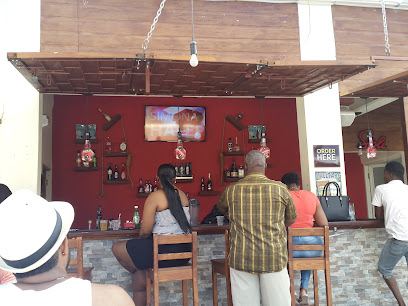
R.A. Mapp
2.0 km
Discover R.A. Mapp in Bridgetown - where authentic Barbadian flavors meet casual dining in an inviting atmosphere.
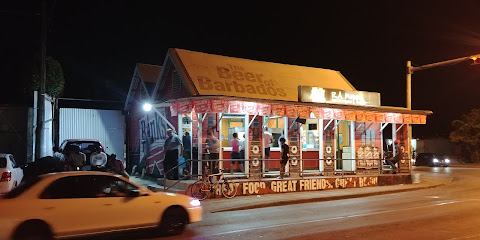
Caf'e A La Mer
2.1 km
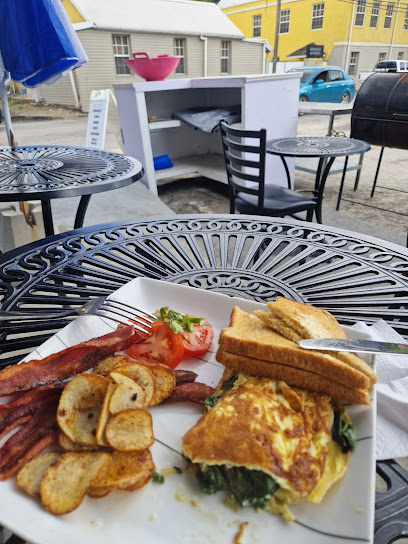
Experience exquisite Barbadian flavors at Caf'e A La Mer - where culinary delight meets stunning ocean views.
Markets, malls and hidden boutiques

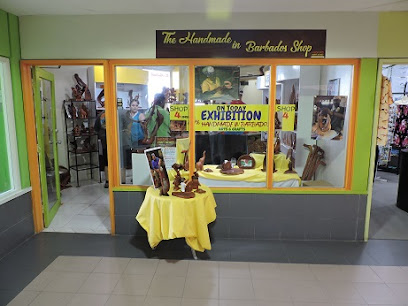
Handmade in Barbados
0.1 km
Explore Handmade in Barbados: Your one-stop shop for authentic souvenirs and local artisan crafts in the heart of Bridgetown.
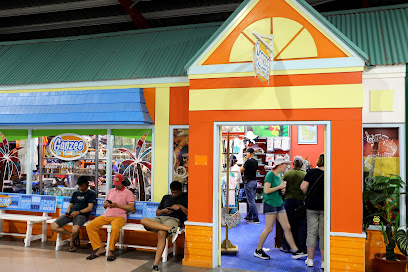
Ganzee - The Island Shop
0.2 km
Discover authentic Barbadian souvenirs at Ganzee - The Island Shop in Bridgetown, where local artisans showcase their vibrant crafts.
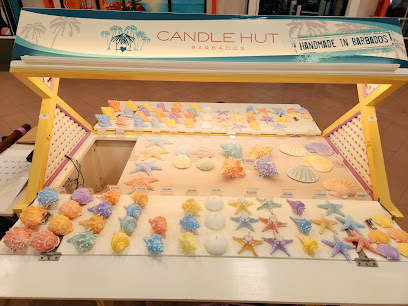
Candle Hut Barbados
0.2 km
Explore Candle Hut Barbados for unique souvenirs and local crafts that embody the spirit of the Caribbean.
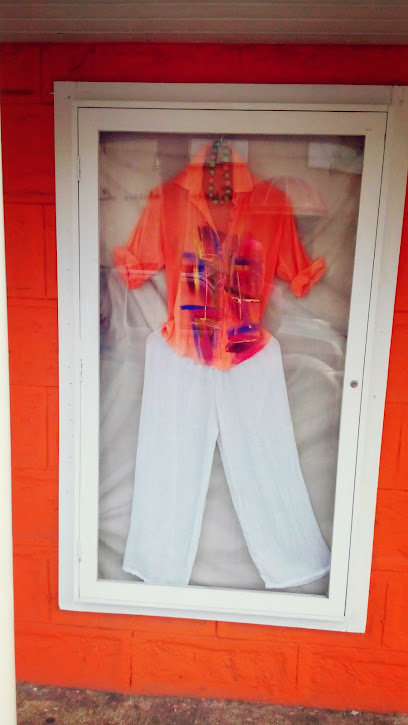
Cotton Trendie
0.3 km
Discover the vibrant and trendy fashion at Cotton Trendie in Bridgetown, Barbados, where local culture meets contemporary style.
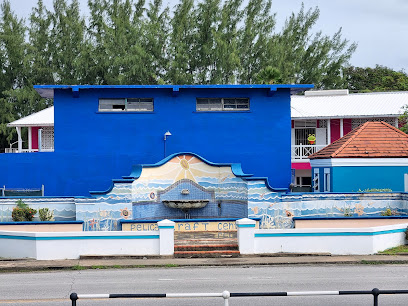
Pelican Village Craft Centre Bagnall’s Point Gallery
0.4 km
Explore the vibrant Pelican Village Craft Centre, a haven for local artisans and a cultural gem in Bridgetown, Barbados, showcasing unique crafts and art.
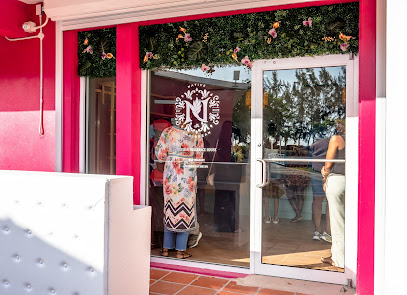
Native Caribbean
0.4 km
Discover the enchanting world of handcrafted candles and aromatherapy at Native Caribbean in Bridgetown, Barbados - a sensory delight!
Debbies's Closet
0.4 km
Explore Debbie's Closet in Bridgetown for unique Barbadian souvenirs and local crafts that capture the island's vibrant spirit.
Roslyn of Barbados
0.5 km
Explore the vibrant artistic handicrafts at Roslyn of Barbados, a cultural gem in Bridgetown's Pelican Village Craft Center.
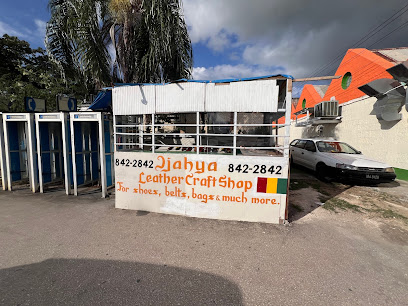
Jahya Leather Craft Shop
0.7 km
Explore Jahya Leather Craft Shop in Bridgetown for authentic Barbadian leather goods showcasing local craftsmanship.
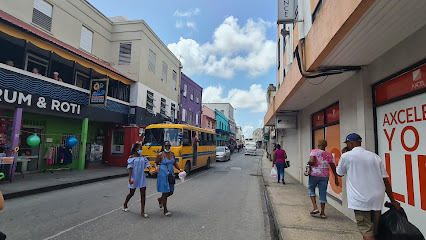
City Centre Mall
1.0 km
Discover the heart of shopping in Bridgetown at City Centre Mall, where local culture meets international flair.
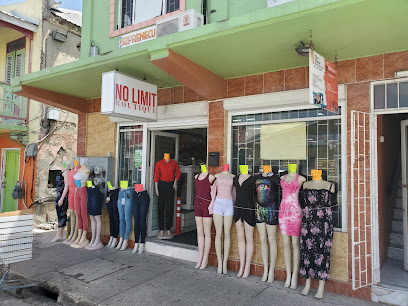
No Limit Boutique
1.1 km
Shop unique apparel and trendy outfits at No Limit Boutique in Bridgetown, Barbados, where local fashion meets contemporary style.
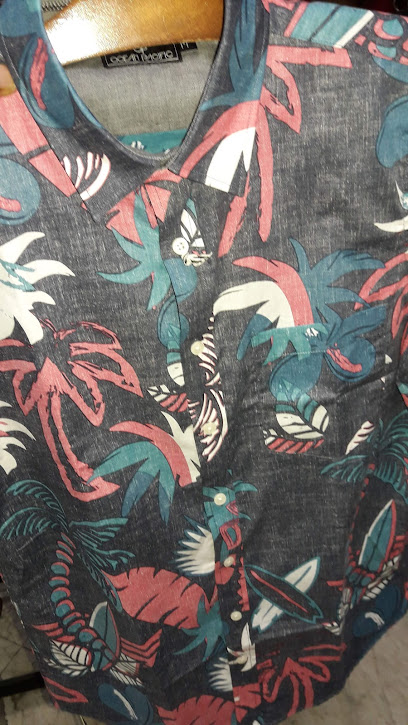
The Bionic Shop
1.1 km
Discover unique fashion at The Bionic Shop in Bridgetown, where local style meets vibrant culture for an unforgettable shopping experience.
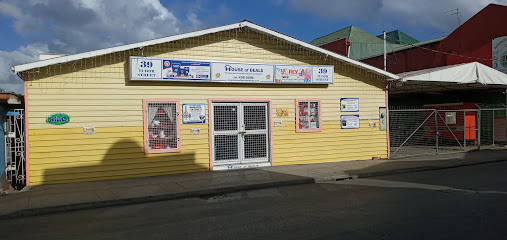
House of Deals
1.1 km
Discover unique home goods at House of Deals in Bridgetown, where quality meets affordability in a vibrant shopping atmosphere.
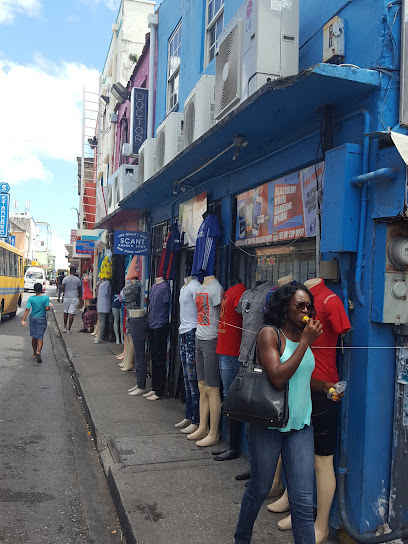
Fusionz Boutique
1.1 km
Discover unique fashion choices at Fusionz Boutique, a stylish clothing store in the heart of Bridgetown, Barbados.
Cheap & Sweet Boutique
1.1 km
Uncover trendy, affordable fashion at Cheap & Sweet Boutique in Bridgetown, Barbados - a local favorite that reflects the island's vibrant style.
Essential bars & hidden hideouts

City Bar
1.1 km
Experience the vibrant Caribbean nightlife at City Bar in Bridgetown, where great drinks and lively atmosphere await.
Red Wood Lounge and Bar
1.1 km
Discover the vibrant charm of Red Wood Lounge and Bar in Bridgetown, where delicious grilled dishes and refreshing cocktails await you.
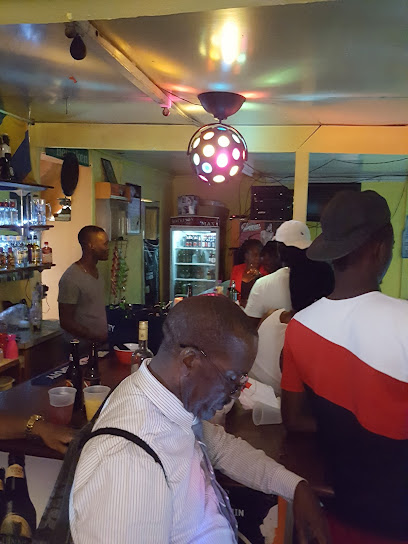
Lancelot Bar
1.1 km
Experience the charm of Lancelot Bar in Bridgetown, a cozy spot for refreshing drinks and local culture in the heart of Barbados.
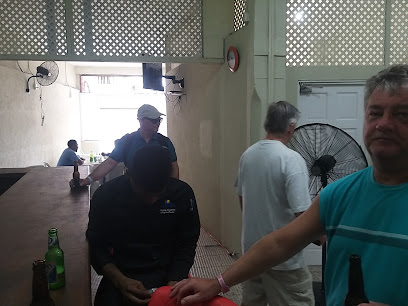
Willmar's Bar
1.1 km
Discover the vibrant atmosphere of Willmar's Bar in Bridgetown, where Caribbean flavors and lively music create an unforgettable experience.
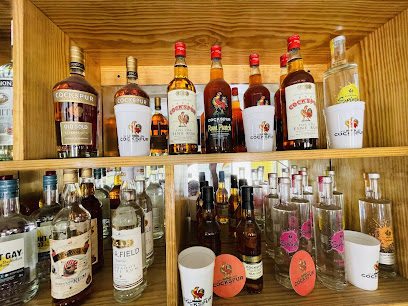
Black Irish Drinks and Bites
1.6 km
Discover the vibrant flavors of Barbados at Black Irish Drinks and Bites, where local cuisine meets refreshing drinks in a welcoming atmosphere.
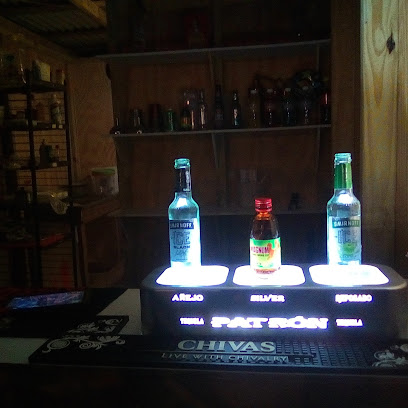
Copacabana Beach Club
2.0 km
Discover the beauty of Copacabana Beach Club in Barbados, where vibrant cocktails meet stunning ocean views for an unforgettable experience.
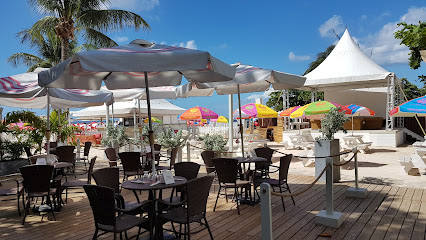
Savvy On The Bay
2.0 km
Discover the lively atmosphere and authentic Barbadian cuisine at Savvy On The Bay, a vibrant bar and food court with stunning bay views.
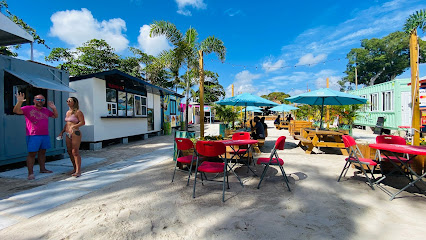
YARD BAR
2.1 km
Experience the vibrant local culture at Yard Bar in Bridgetown, where refreshing drinks and lively music create the perfect Caribbean atmosphere.
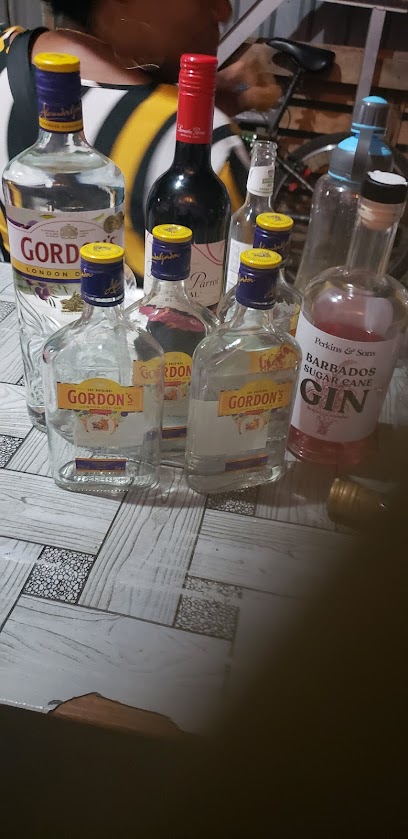
Limer's Bar
2.1 km
Discover Limer's Bar in Bridgetown – your gateway to exquisite cocktails, local flavors, and an unforgettable Barbadian experience.
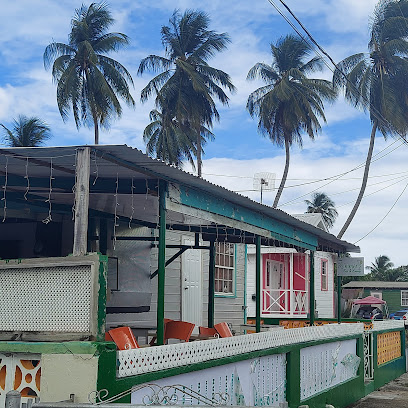
J-Scape Bar
2.1 km
Discover the vibrant nightlife at J-Scape Bar in Bridgetown, where Caribbean flavors meet lively ambiance for an unforgettable experience.
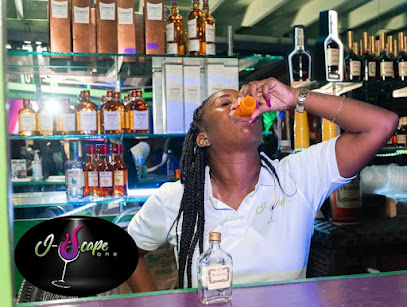
Garry's Rum Punch Bar
2.2 km
Experience the vibrant flavors of the Caribbean at Garry's Rum Punch Bar in Bridgetown, where every sip and bite transports you to paradise.
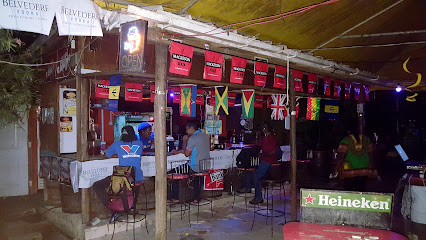
The Famous Bird Bar
2.4 km
Experience the vibrant atmosphere and exceptional drinks at The Famous Bird Bar in Bridgetown, your perfect Caribbean retreat.
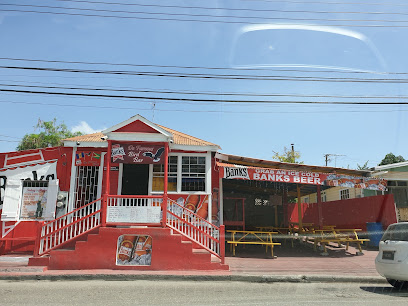
De Watering Hole Bar
2.4 km
Experience the vibrant local culture at De Watering Hole Bar in Bridgetown, offering refreshing drinks and a lively atmosphere for all.
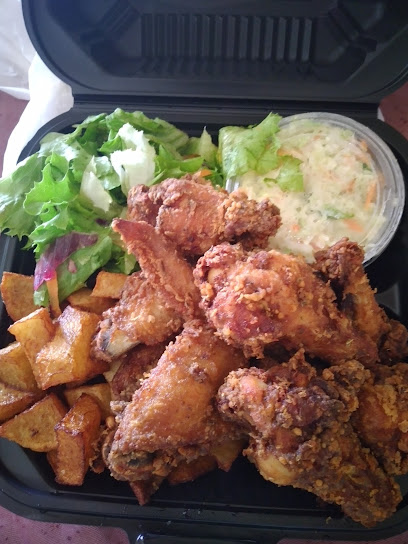
BAR Cutters (Rum Shop)
2.6 km
Experience the vibrant atmosphere and authentic flavors of Barbados at BAR Cutters, the ultimate rum shop in Bridgetown.
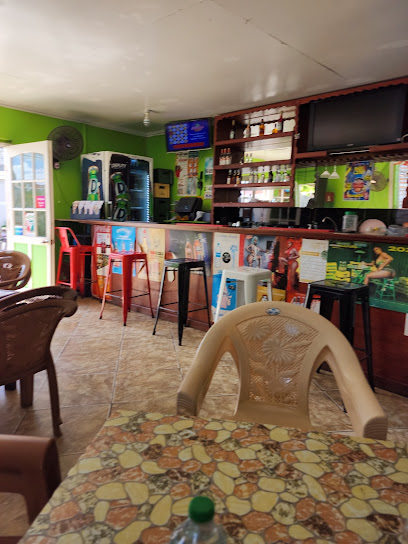
Dipper's Beach Bar
2.7 km
Experience the vibrant atmosphere and stunning ocean views at Dipper's Beach Bar in Bridgetown, the heart of Barbados’ coastal charm.
Nightclubs & after hour spots

Club Rehab
0.4 km
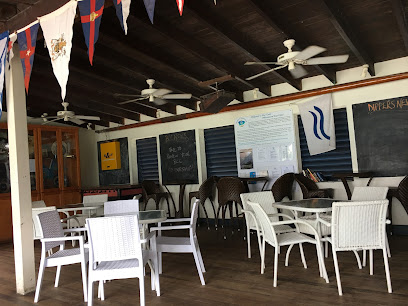
Discover the heart of Bridgetown's nightlife at Club Rehab, a premier disco club offering vibrant music and an unforgettable party atmosphere.
Solid Gold Entertainment
1.3 km
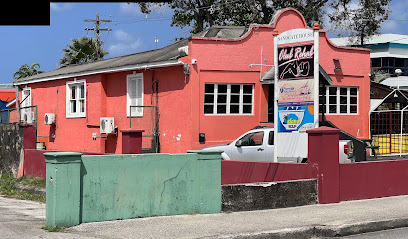
Solid Gold Entertainment: Dive into Bridgetown's nightlife with electrifying music and a vibrant atmosphere that promises unforgettable nights.
LVL Barbados
1.4 km
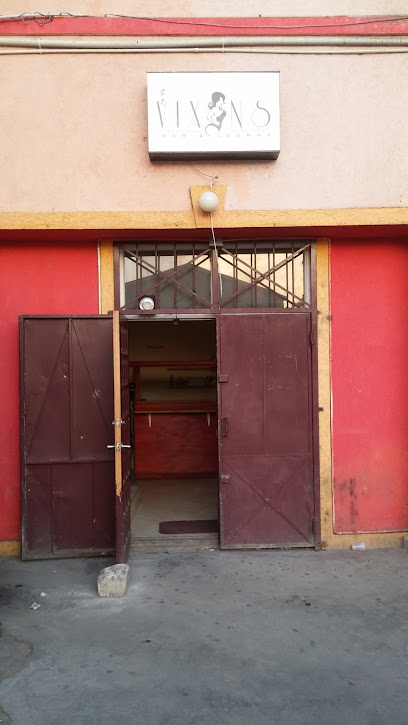
Discover the ultimate nightlife experience at LVL Barbados, where every night is a celebration filled with music, dance, and excitement.
CLOUD 9 Entertainment Inc Barbados
1.5 km
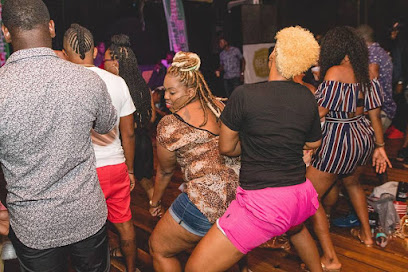
CLOUD 9 Entertainment Inc in Bridgetown offers an energetic dance club experience, perfect for tourists seeking vibrant nightlife and local culture.
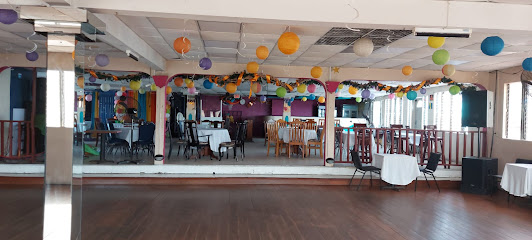
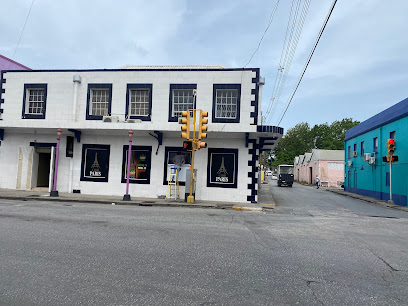
Club Paris
1.6 km
Discover the heart of Bridgetown's nightlife at Club Paris, where unforgettable music and vibrant energy await every night.
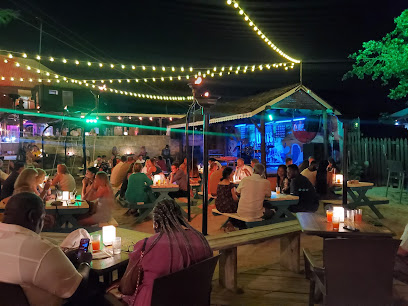
Harbour Lights Barbados
2.2 km
Discover the vibrant nightlife of Harbour Lights Barbados, where Caribbean culture meets unforgettable entertainment and delightful dining.
Barbados
2.3 km
Dive into the vibrant nightlife of Barbados, where calypso beats and tropical cocktails create an unforgettable evening under the stars.
Ballers
2.5 km
Discover the vibrant Ballers Lounge in Springarden, Saint Michael - a perfect blend of Caribbean flavors, entertainment, and relaxation.
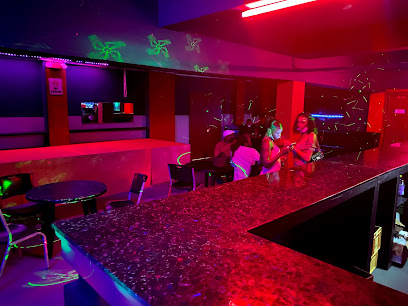
Future Night Club
2.5 km
Experience vibrant nightlife at Future Night Club in Bridgetown, Barbados, where the beats are electrifying, and the atmosphere is unforgettable.