Background

Lion's Mound: A Monument to Victory at Waterloo

Climb the Lion's Mound at Waterloo, Belgium, for panoramic battlefield views and an immersive journey into European history, commemorating the Allied victory over Napoleon.

4.3

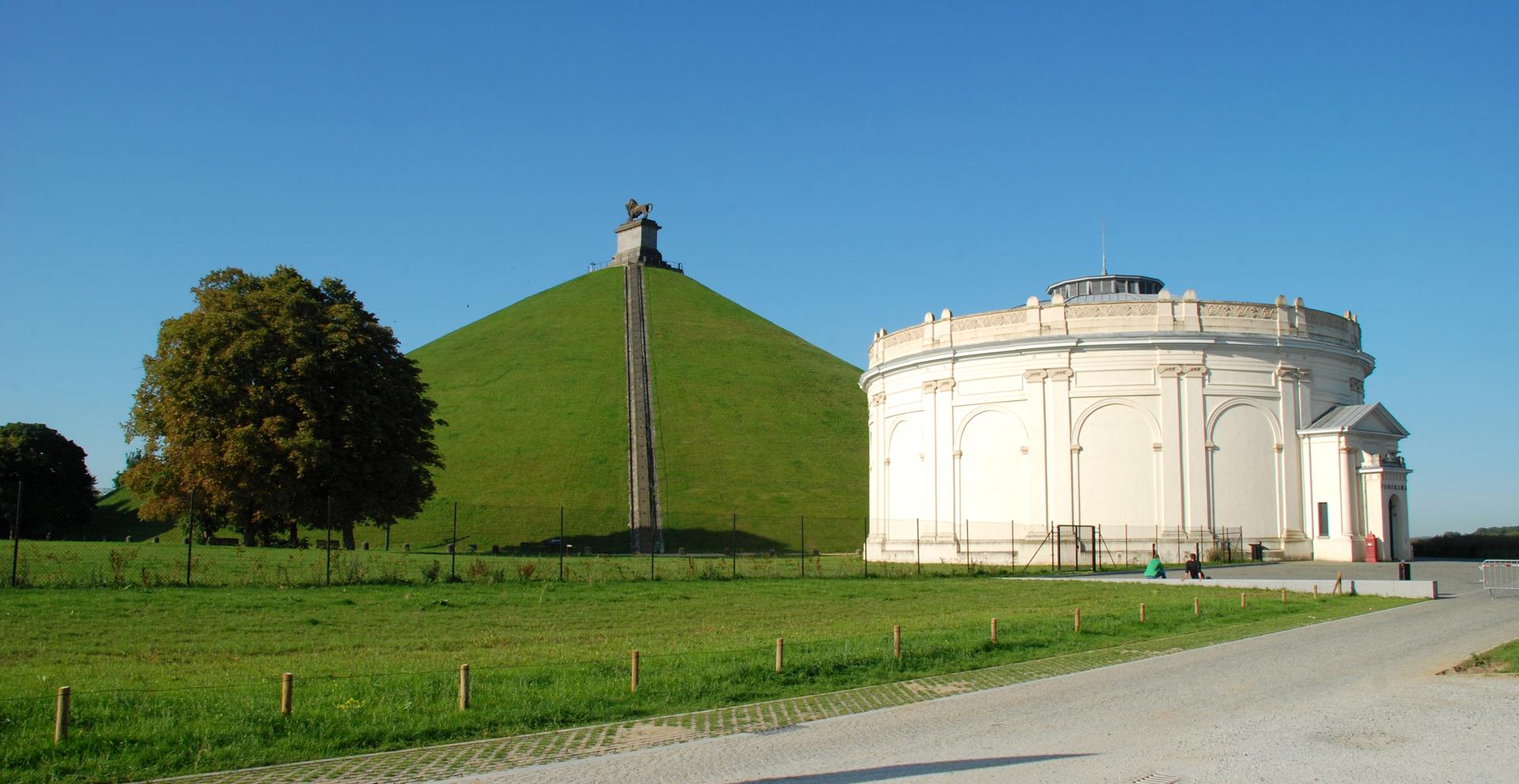
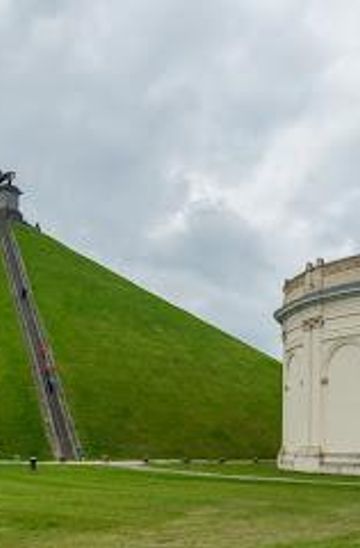
The Lion's Mound, an iconic landmark on the Waterloo battlefield in Belgium, commemorates the Allied victory over Napoleon in 1815. Erected between 1820 and 1826, the mound stands approximately 40 meters high and is topped with a colossal cast-iron lion, symbolizing the courage and triumph of the European monarchies. Visitors can climb the 226 steps to the summit for panoramic views of the battlefield, gaining a unique perspective on the landscape where this pivotal moment in European history unfolded. The Lion's Mound is part of a larger complex that includes a visitor center, museum, and other historical attractions, offering a comprehensive experience for those interested in learning more about the Battle of Waterloo and its significance. The site provides a poignant and educational journey into the past, making it a must-see destination for history enthusiasts and travelers alike. Don't miss the opportunity to explore this historical site and immerse yourself in the events that shaped Europe.

A brief summary to Lion's Mound

  • Monday 10 am-5:30 pm
  • Tuesday 10 am-5:30 pm
  • Wednesday 10 am-5:30 pm
  • Thursday 10 am-5:30 pm
  • Friday 10 am-5:30 pm
  • Saturday 10 am-5:30 pm
  • Sunday 10 am-6:30 pm

Local tips

  • Wear comfortable shoes for the 226-step climb to the top of the Lion's Mound.
  • Purchase the 'Pass 1815' for access to multiple attractions, including the Memorial Museum, Panorama, and Hougoumont Farm, for a comprehensive experience.
  • Check the weather forecast before your visit, as the panoramic views from the top of the mound are best enjoyed on a clear day.
  • Allow at least half a day to fully explore the Lion's Mound and the surrounding Waterloo 1815 Memorial complex.
  • Consider visiting during the off-season (October to March) to avoid crowds and enjoy a more peaceful experience.
widget icon

Getting There

  • Public Transport

    From Brussels, take the train to either Waterloo or Braine-l'Alleud station. From Waterloo station, take the W bus towards Braine-l'Alleud and get off at the 'Mont-Saint-Jean' stop, a short walk from the Lion's Mound. Alternatively, from Braine-l'Alleud station, take the same W bus in the opposite direction. A 'Next' ticket for a short trip on the TEC bus costs €2.50. A day ticket costs €4.40, or €8.60 from Brussels.

  • Taxi/Ride-Share

    From the Waterloo train station, a taxi or ride-share to the Lion's Mound takes approximately 5 minutes and costs between €13-€17. Be aware that prices may increase during peak hours or special events.

  • Driving

    If driving, take the R0 highway and exit at 25 (Butte du Lion). Free parking is available near the visitor center. From the parking area, it's a short walk to the Lion's Mound. Note that the Route du Lion is closed near the mound, so approach from the northwest via Braine-l'Alleud.

Unlock the Best of Lion's Mound

Buy tickets

    No tickets available

Book tours with entry

    No tours available

Book tours without entry

    No tours available

Discover more about Lion's Mound

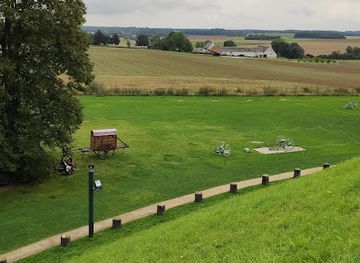
Rising imposingly from the rolling fields of Walloon Brabant, the Lion's Mound stands as a powerful and enduring symbol of the Battle of Waterloo. This artificial hill, commissioned by King William I of the Netherlands, marks the presumed spot where his son, the Prince of Orange, was wounded during the epic clash of 1815. More than just a monument to a single event, the Lion's Mound represents the culmination of a quarter-century of conflict and the restoration of peace in Europe. Construction of the mound began in 1820 and was completed in 1826. The sheer scale of the undertaking is impressive: the mound rises 40 meters above the battlefield, composed of 300,000 cubic meters of earth moved by hand. Atop this massive earthwork stands a colossal cast-iron lion, sculpted by Jean-Louis Van Geel. The lion, weighing 28 tons and measuring 4.5 meters in height, faces towards France, a defiant symbol of the Allied victory. Its right paw rests upon a globe, signifying the global impact of the battle and the restoration of European order. Climbing the 226 steps to the summit of the Lion's Mound is an experience in itself. As you ascend, the panoramic view gradually unfolds, revealing the vast expanse of the battlefield. From the top, the landscape stretches out before you, allowing you to trace the movements of the armies, to imagine the thunder of cannons and the clash of steel, and to contemplate the human cost of war. Orientation tables and signs help visitors understand the topography of the area and the troop deployments during the battle. The Lion's Mound is more than just a viewpoint; it is an integral part of the Waterloo 1815 Memorial complex. This complex includes the Memorial Museum, which offers a comprehensive and immersive exploration of the battle through artifacts, interactive exhibits, and a 3D film. The Panorama, a circular painting depicting scenes from the battle, provides a vivid and dramatic representation of the events of that fateful day. Nearby, Hougoumont Farm, a key strategic location during the battle, has been preserved and transformed into a multimedia experience that tells the story of the fierce fighting that took place within its walls. The history of the Lion's Mound is intertwined with the political and social context of 19th-century Europe. King William I, seeking to solidify his rule over the newly formed Kingdom of the Netherlands, envisioned the monument as a symbol of national pride and a tribute to his son's bravery. The choice of a lion, a traditional symbol of courage and royalty, further reinforced this message. However, the monument also sparked controversy, particularly among those who viewed it as a glorification of war and a distortion of history. Over the years, the Lion's Mound has become a popular tourist destination, attracting visitors from around the world. It has also served as a site for commemorative events, historical reenactments, and cultural celebrations. Despite its enduring popularity, the monument has faced challenges, including erosion, subsidence, and the impact of tourism. Ongoing efforts are underway to preserve and protect the Lion's Mound for future generations. Visiting the Lion's Mound is an opportunity to connect with a pivotal moment in European history, to reflect on the consequences of war, and to appreciate the enduring power of symbols. Whether you are a history enthusiast, a student of military strategy, or simply a traveler seeking a unique and memorable experience, the Lion's Mound offers a compelling and thought-provoking journey into the past. The site is easily accessible from Brussels, making it a convenient day trip for those visiting the Belgian capital. With its rich history, stunning views, and immersive exhibits, the Lion's Mound is a must-see destination for anyone interested in the Battle of Waterloo and its lasting legacy. The Lion's Mound stands as a testament to human resilience, the enduring quest for peace, and the importance of remembering the lessons of history. A visit to this iconic landmark is an experience that will stay with you long after you leave the battlefield.

Popular Experiences near Lion's Mound

Popular Hotels near Lion's Mound

Select Currency