KMSKA: Antwerp's Treasure Trove of Fine Art
Discover seven centuries of Flemish and European art at the Royal Museum of Fine Arts Antwerp, home to masterpieces by Rubens, Van Dyck, Ensor, and more, in a stunning neoclassical setting.
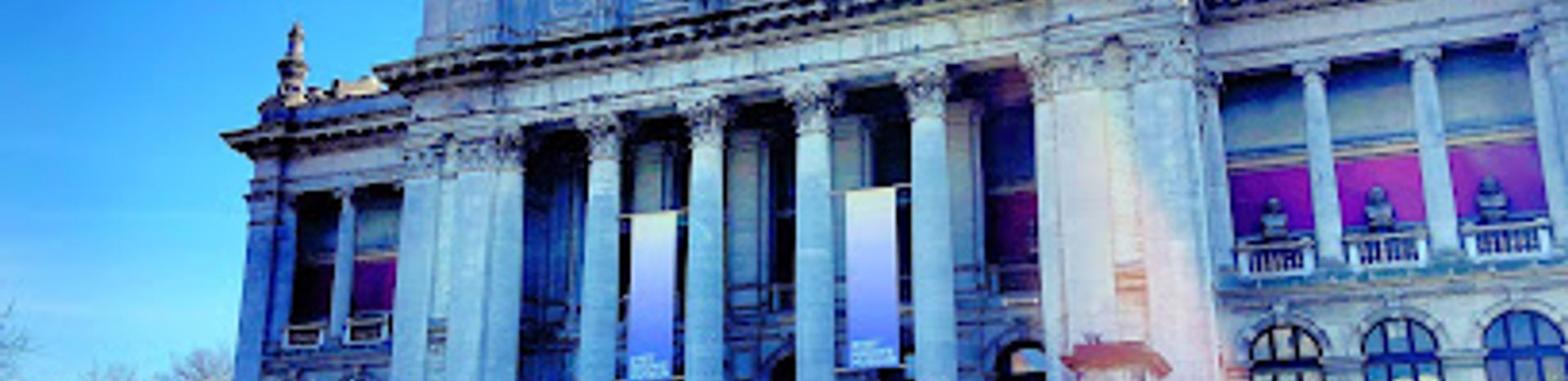
The Royal Museum of Fine Arts Antwerp (KMSKA) is a cultural cornerstone in Belgium, showcasing seven centuries of art from Flemish Primitives to Expressionists. After a decade-long renovation, the KMSKA reopened its doors, revealing a stunning blend of neoclassical architecture and modern museum design. Home to world-class collections, including the largest holdings of James Ensor and Rik Wouters, the museum presents masterpieces by Rubens, Van Dyck, and many more. Visitors can explore the museum's rich history, discover the stories behind iconic artworks using the KMSKA app, and even step into Rubens' studio through VR. With its diverse collection and interactive exhibits, the KMSKA offers an unforgettable journey through art history.
A brief summary to KMSKA - Royal Museum of Fine Arts Antwerp
- Leopold de Waelplaats 1, Antwerp, 2000, BE
- +3232247300
- Visit website
- Monday 10 am-5 pm
- Tuesday 10 am-5 pm
- Wednesday 10 am-5 pm
- Thursday 10 am-10 pm
- Friday 10 am-5 pm
- Saturday 10 am-6 pm
- Sunday 10 am-6 pm
Local tips
- Download the KMSKA app for in-depth information on artworks and artists, enhancing your self-guided tour.
- Visit on a Thursday evening for KMSKA Late, offering extended hours and special events.
- Book your tickets online in advance to secure your preferred time slot, especially during peak season.
- Take advantage of the free cloakroom and lockers to store your belongings comfortably during your visit.
- Check the KMSKA website for temporary exhibitions and special events to make the most of your visit.

Getting There
-
Public Transport
From Antwerpen-Centraal station, take tram line 1 towards Zuidstation. Get off at the 'Museum' stop directly in front of the KMSKA. The ride takes approximately 20 minutes and a single ticket costs €3. Alternatively, from the Groenplaats, take tram 4 or bus 22 to the 'Museum' stop. Several other bus lines (13, 14, 18, 50, 87) also stop within a short walking distance of the museum. Plan your route using the De Lijn website for the most up-to-date schedules.
-
Walking
From the city center (e.g., Grote Markt), the KMSKA is approximately a 20-30 minute walk. Head south, following signs for 'Het Zuid' (the South district). The museum is located on Leopold de Waelplaats, a large square easily visible from several blocks away. The walk is straightforward and passes through pleasant residential and commercial areas.
-
Taxi/Ride-Share
A taxi or ride-share from Antwerpen-Centraal station to the KMSKA typically costs between €10-€15, depending on traffic and the specific provider. The journey takes around 5-10 minutes. Simply provide the driver with the address: Leopold de Waelplaats 1, 2000 Antwerpen.
-
Driving
If driving, be aware that Antwerp is a low-emission zone. Check your vehicle's compliance before entering the city. Limited parking is available directly at the museum. Nearby parking garages include Q-Park Kooldok and Q-Park Steendok. Expect to pay around €3.80 per hour or €35 for a full day. Consider using P+R (Park and Ride) facilities on the outskirts of the city for cheaper parking and then take public transport to the museum.
Discover more about KMSKA - Royal Museum of Fine Arts Antwerp
Iconic landmarks you can’t miss

Het Bootje (Art Nouveau parel)
0.2 km
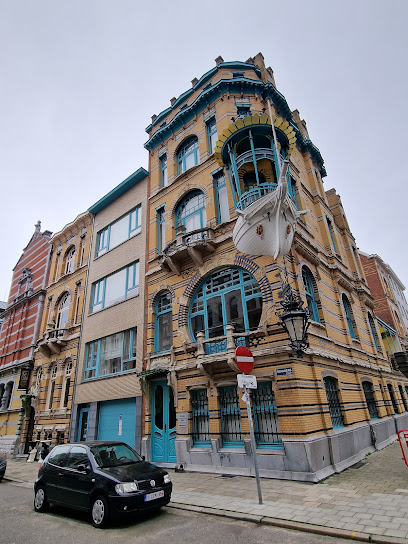
Discover the enchanting Art Nouveau masterpiece of Het Bootje in Antwerp, where history and architectural beauty converge in a stunning heritage site.
Baron Lambermont Statue
0.3 km
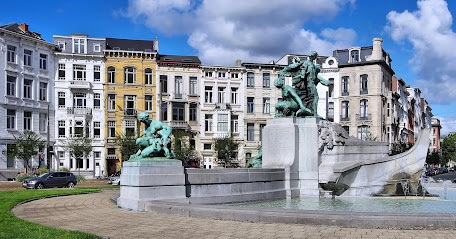
Discover the Baron Lambermont Statue in Antwerp, a stunning sculpture that embodies Belgian history and offers a peaceful retreat for tourists.
Scheldt Docks South
0.5 km
Experience the scenic charm of Scheldt Docks South in Antwerp, where history, culture, and stunning waterfront views come together.
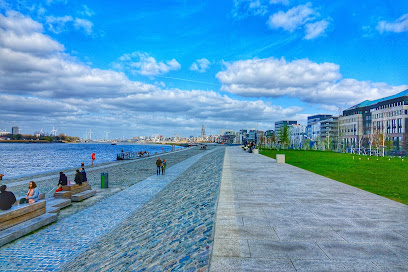
Peter De Grote Monument
0.6 km
Commemorating Tsar Peter the Great's visit to Antwerp, this monument symbolizes the historical connection between Russia and Belgium.
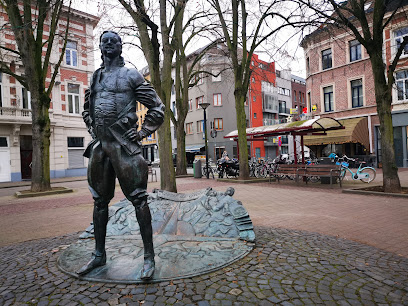
Van Kempen Rudolf
0.7 km
Explore the historic Van Kempen Rudolf in Antwerp, a beautiful architectural gem and a window into Belgium's rich educational heritage.
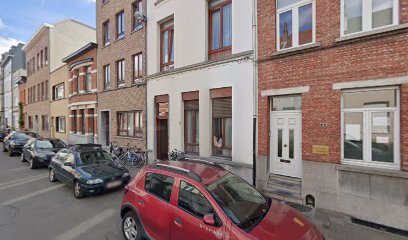
Saint George's Church Antwerp
0.9 km
Discover the enchanting beauty of Saint George's Church in Antwerp, a neo-Gothic masterpiece with stunning stained glass and rich cultural heritage.
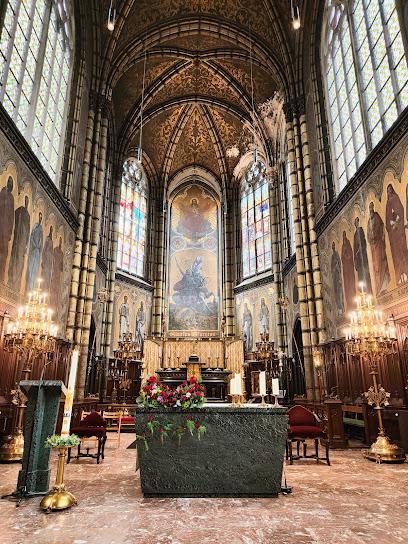
St. Andrew's Church
0.9 km
Discover the architectural beauty and cultural heritage of St. Andrew's Church in Antwerp, a must-visit landmark for every tourist.
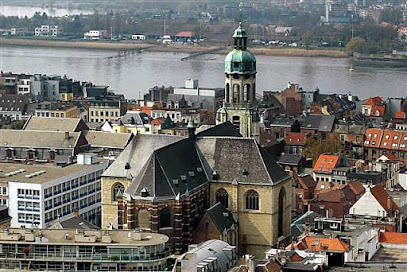
Maison Nationale City Flats & Suites
0.9 km
Experience elegance and comfort at Maison Nationale City Flats & Suites in the heart of Antwerp, blending modern luxury with local charm.

Botanic Sanctuary Antwerp
1.0 km
Discover the serene beauty and luxurious comforts of Botanic Sanctuary Antwerp, a stunning hotel blending nature and elegance in the heart of the city.
Groenplaats
1.2 km
Discover Groenplaats, Antwerp's lively transport interchange blending history and modernity, a perfect starting point for your Belgian adventure.
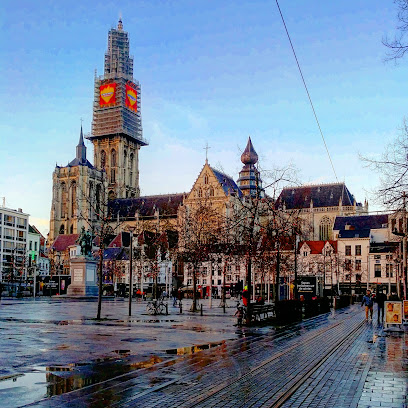
Statue Peter Paul Rubens
1.3 km
Discover the artistic legacy of Antwerp through the stunning Statue of Peter Paul Rubens, a cultural gem in the heart of the city.
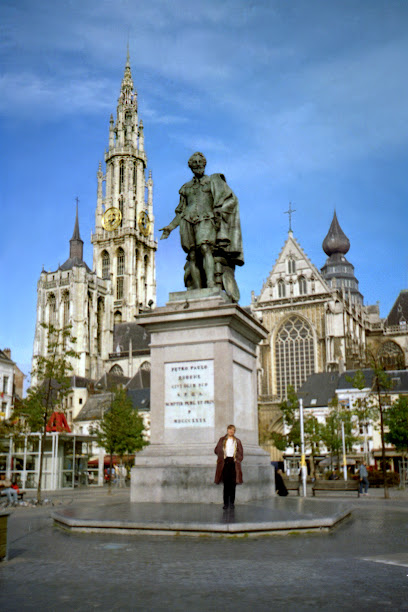
ibis Antwerpen Centrum
1.3 km
Discover modern comfort at Ibis Antwerpen Centrum, your perfect base for exploring the vibrant culture and history of Antwerp, Belgium.
Pieter Appelmans monument
1.3 km
Discover the Pieter Appelmans Monument in Antwerp, a stunning tribute to the city's architectural heritage near the iconic Onze-Lieve-Vrouwekathedraal.
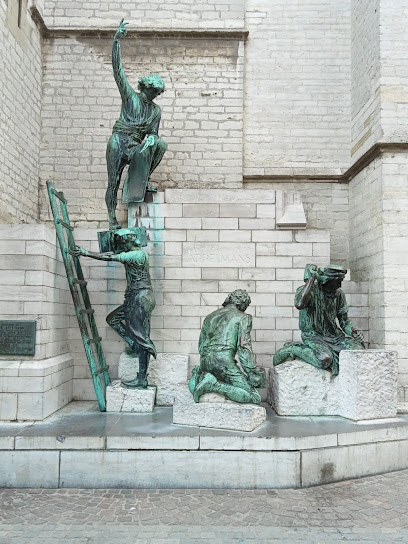
Nello & Patrasche Statue
1.4 km
Discover the poignant story of friendship at the Nello & Patrasche Statue in Antwerp, a touching tribute that resonates with visitors of all ages.
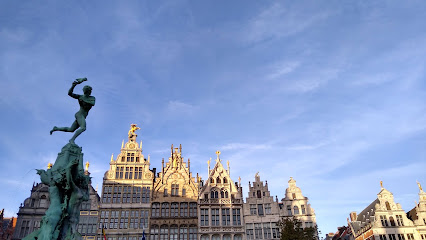
Put Quinten Matsijs
1.4 km
Explore Antwerp's rich artistic heritage at Quinten Matsijs, a historical landmark that beautifully captures the essence of the city.
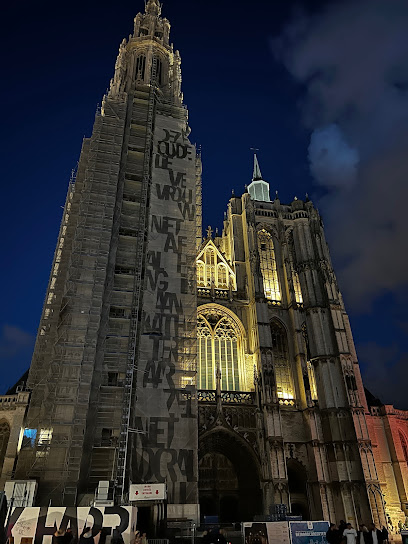
Unmissable attractions to see

Discover-Antwerpen
0.3 km
Experience the vibrant culture and history at Marnixplaats, a must-visit tourist attraction in the heart of Antwerp, Belgium.
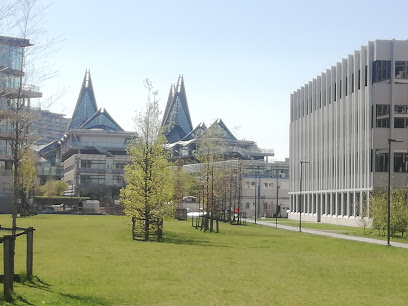
Monument Schelde Vrij
0.3 km
Discover the Schelde Vrij monument in Antwerp, a powerful symbol of the city's maritime freedom and a testament to its rich history, located in the vibrant Marnixplaats.
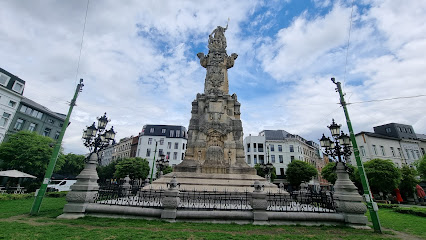
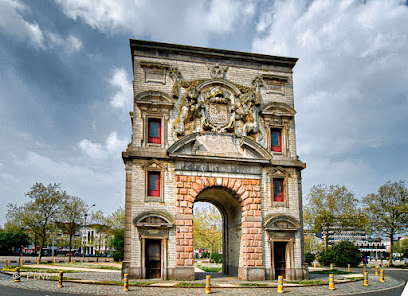
Waterpoort
0.4 km
Discover Antwerp's 'Walking Gate': A historic arch in the trendy Zuid district, blending centuries of history with modern urban charm.
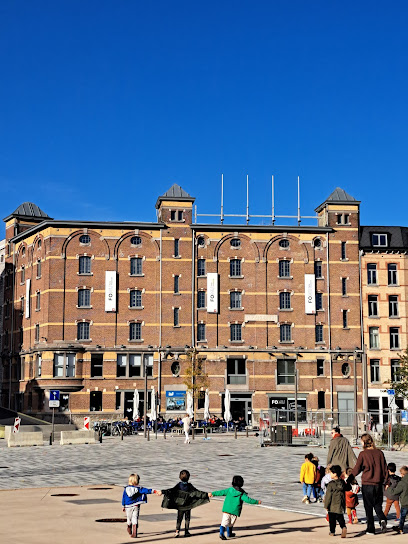
FOMU - Photo Museum Antwerp
0.5 km
Explore the world through a lens at FOMU, Antwerp's leading photography museum, showcasing historical and contemporary photographic art.
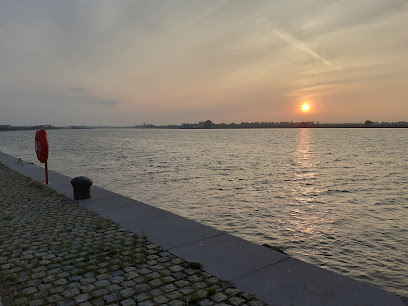
Terminal kleine schepen
0.6 km
Discover the enchanting Terminal Kleine Schepen in Antwerp, a vibrant harbor that blends history, culture, and stunning waterfront views.
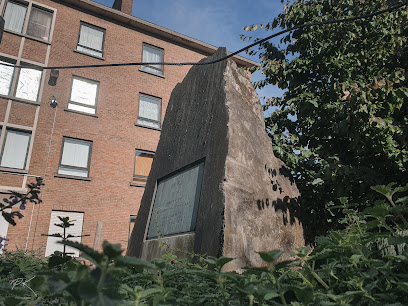
Gedenksteen John Wilms
0.6 km
Explore the Gedenksteen John Wilms in Antwerp, a poignant memorial that honors courage and resilience in the heart of Belgium's historic city.
Maagdenhuis
1.0 km
Explore the Maagdenhuis: Antwerp's gem of heritage and art, showcasing the city's rich history and vibrant contemporary culture in a stunning setting.
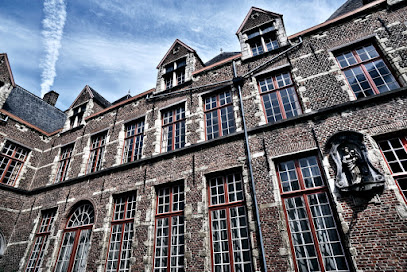
MoMu - Fashion Museum Antwerp
1.0 km
Explore the heart of Belgian fashion at MoMu in Antwerp, home to an extensive collection of avant-garde designs, immersive exhibitions, and a celebration of style and innovation.
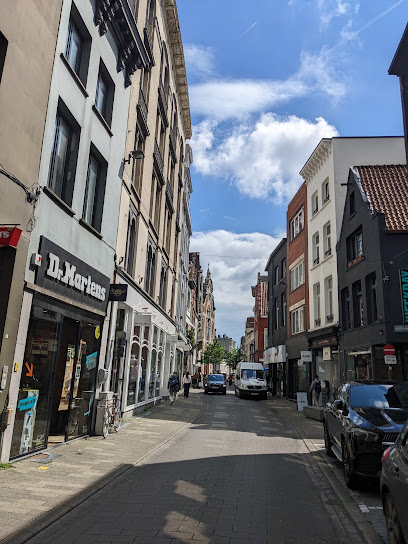
Kopstraatje
1.0 km
Discover Antwerp's vibrant street art scene in Kopstraatje, a colorful alleyway showcasing urban creativity in the heart of the fashion district.
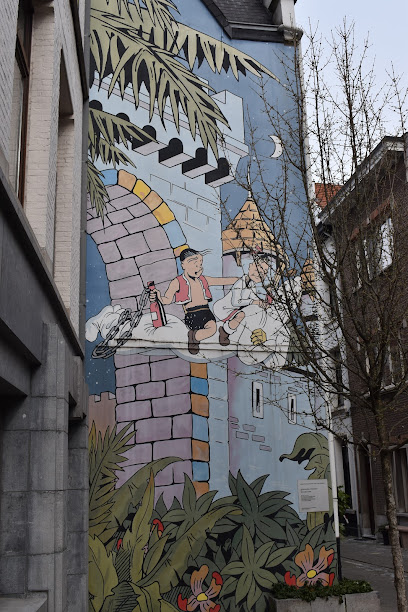
Stripmuur Suske en Wiske
1.0 km
Explore the vibrant murals of the Suske en Wiske Strip Wall in Antwerp, a cultural gem celebrating Belgium's beloved comic series.
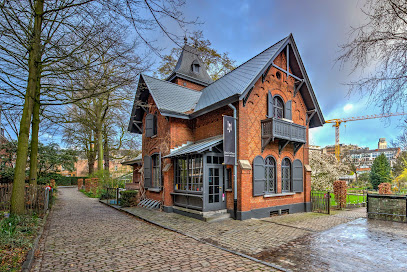
Plantentuin
1.1 km
Discover a serene botanical garden in the heart of Antwerp, featuring diverse plant species, historic greenhouses, and a peaceful atmosphere.
Museum Mayer van den Bergh
1.1 km
Immerse yourself in Flemish art at Museum Mayer van den Bergh, Antwerp’s gem showcasing masterpieces and cultural heritage.
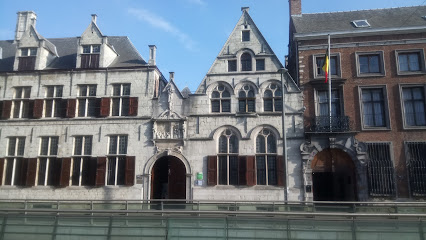
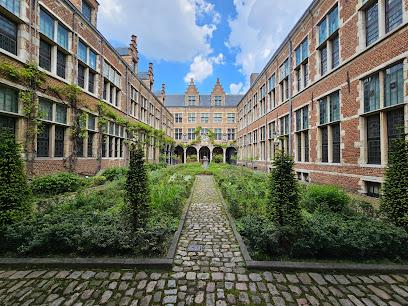
Plantin-Moretus Museum
1.1 km
Discover the world of printing at the Plantin-Moretus Museum in Antwerp - a UNESCO World Heritage site showcasing the evolution of literature and art.
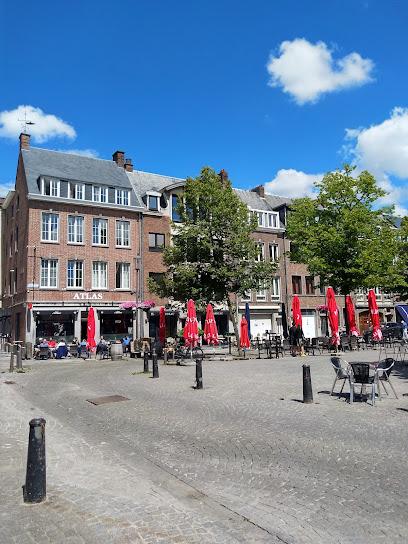
Vrijdagmarkt
1.1 km
Discover the vibrant atmosphere and rich history of Vrijdagmarkt, Antwerp's iconic marketplace teeming with local flavors and cultural experiences.
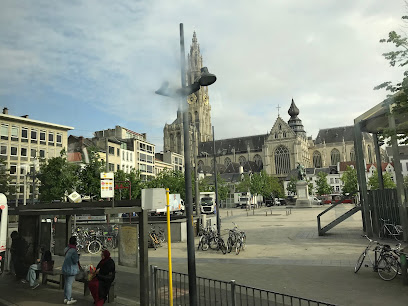
Touristram (tourist train through the center of Antwerp)
1.2 km
Discover Antwerp's iconic landmarks in comfort with a delightful tram tour, offering a unique perspective on this historic city.
Essential places to dine

Da Vinci
0.2 km
Experience authentic Italian cuisine at Da Vinci in Antwerp; where fresh ingredients meet traditional recipes in a warm atmosphere.
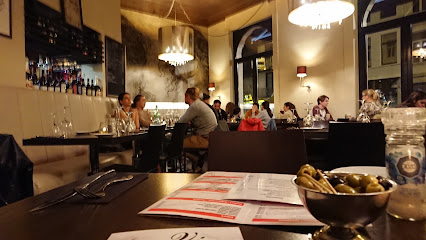
Jerom Restaurant
0.2 km
Experience the essence of Belgian cuisine at Jerom Restaurant in Antwerp – where tradition meets innovation in every exquisite dish.
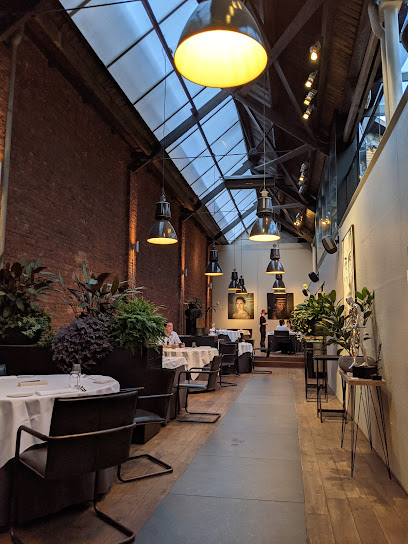
Salt
0.2 km
Experience culinary excellence at Salt Restaurant in Antwerp – where innovative dishes meet local flavors.
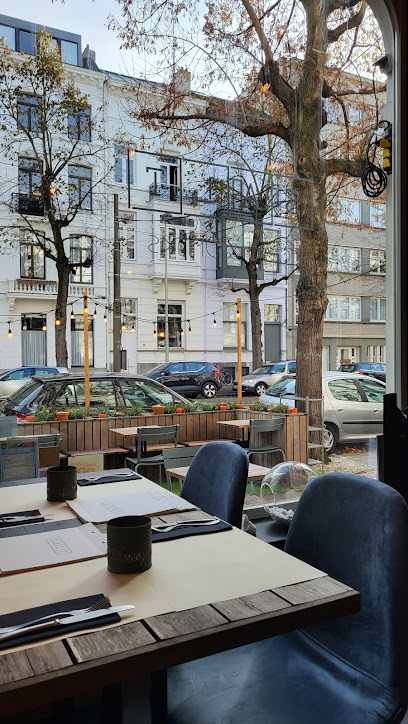
Fiskebar
0.2 km
Discover Fiskebar in Antwerp: A delightful seafood dining experience blending Mediterranean flavors with fresh local ingredients.
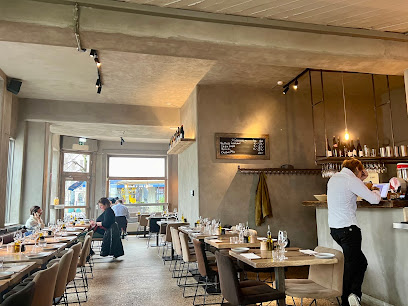
L'amitié
0.3 km
Discover the rich flavors of Belgium at L'amitié, a must-visit restaurant in Antwerp offering an unforgettable dining experience.
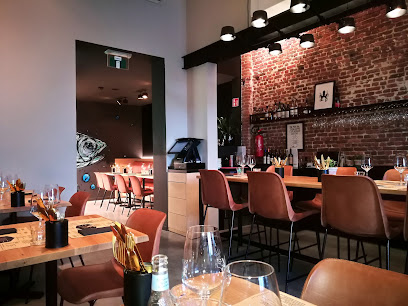
Kommilfoo
0.3 km
Discover culinary excellence at Kommifloo, Antwerp's premier fine dining destination offering innovative dishes and exquisite ambiance.
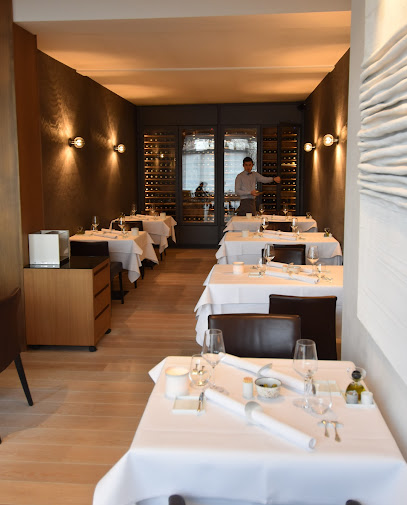
Den abattoir Asian fusion
0.3 km
Discover the vibrant fusion of Asian flavors at Den Abattoir in Antwerp – where culinary artistry meets delightful ambiance.
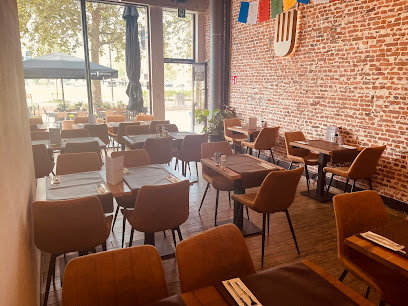
A’Sur restaurant
0.3 km
Discover the vibrant flavors of Latin America blended with Belgian cuisine at A’Sur Restaurant in Antwerp.
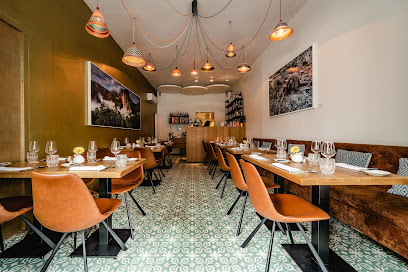
Elsie's Ethiopisch en Eritrees eethuis Antwerpen
0.3 km
Discover the rich flavors of Eritrean cuisine at Elsie's Ethiopian and Eritrean Eatery in Antwerp—a culinary journey awaits you!
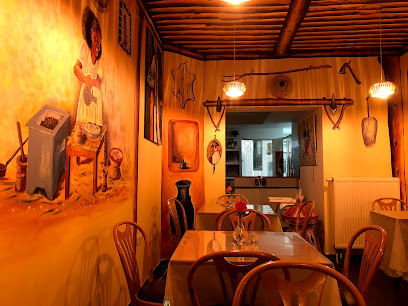
Restaurant Mich
0.4 km
Discover authentic Belgian cuisine at Restaurant Mich in Antwerp, renowned for its exquisite steaks and inviting atmosphere.
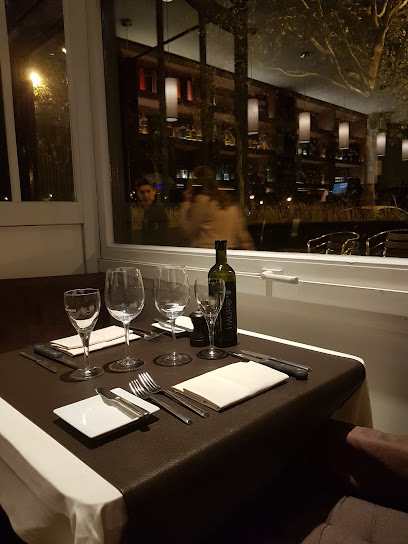
Umami
0.4 km
Experience the vibrant flavors of Asia at Umami in Antwerp, where sharing dishes create unforgettable dining memories.
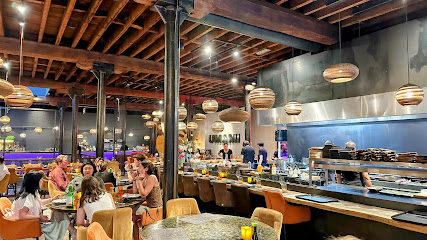
Maven
0.4 km
Discover Maven in Antwerp: A Steakhouse Celebrated for Its Quality Cuts & Warm Atmosphere Perfect for Meat Lovers.
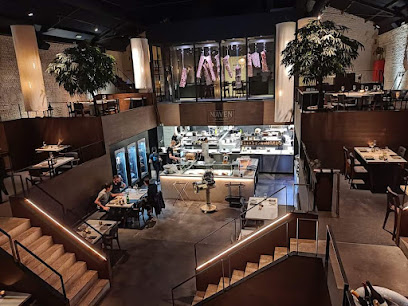
Het Gerecht
0.5 km
Discover exceptional dining at Het Gerecht in Antwerp - where traditional flavors meet innovative cuisine in an elegant setting.
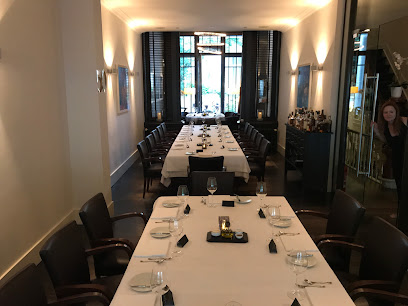
Mampoko
0.5 km
Discover Mampoko in Antwerp: A charming restaurant offering mouthwatering breakfast and lunch options with a local twist.
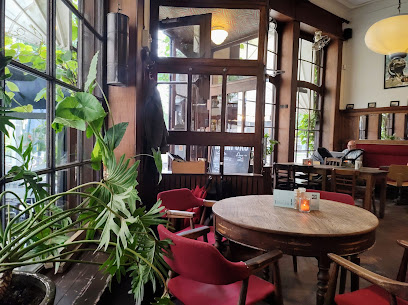
À L'infintiste
0.5 km
Experience culinary artistry at À L'infintiste in Antwerp – where traditional flavors meet modern innovation for an unforgettable dining experience.
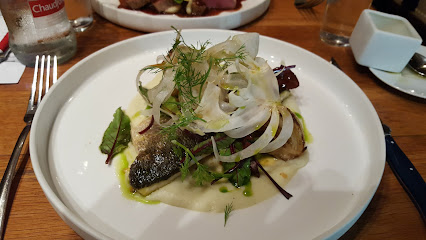
Markets, malls and hidden boutiques

Ann Demeulemeester Store Antwerp
0.1 km
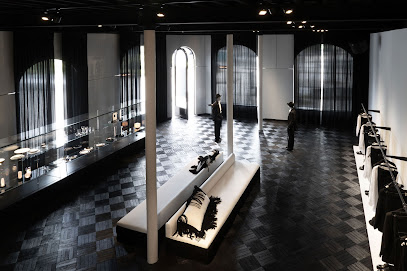
Explore the avant-garde elegance of Ann Demeulemeester in Antwerp - a fashion destination merging art and style.
Mandragora
0.2 km
Discover Mandragora in Antwerp for a delightful selection of children’s clothing, books, and toys, perfect for sparking joy and creativity.
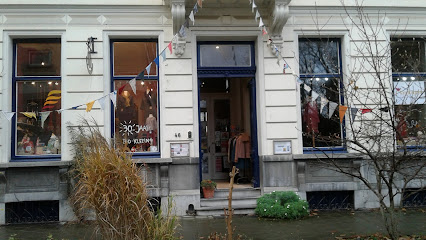
Enes
0.2 km
Discover Enes, Antwerp's vibrant clothing store, where local fashion meets unique style in the heart of the city.
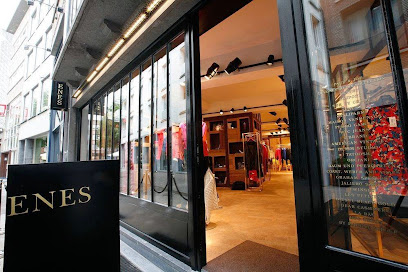
Atelier D'Anvers Bvba
0.2 km
Explore Atelier D'Anvers Bvba, a boutique in Antwerp offering stylish women's clothing, jewelry, and shoes that celebrate elegance and creativity.
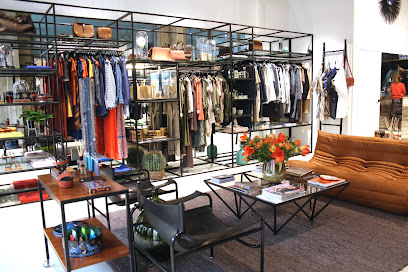
Vela d'Or Boutique
0.2 km
Explore the enchanting Vela d'Or Boutique in Antwerp, where exquisite candles and unique fragrances create a magical shopping experience.
Oxfam Boutique
0.3 km
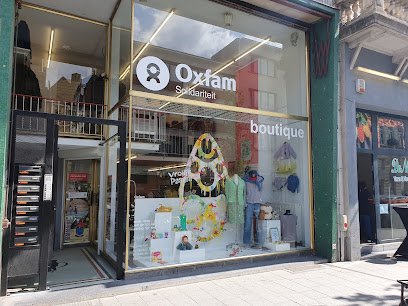
Oxfam Boutique in Antwerp: A second-hand store offering unique treasures that support global charitable initiatives.
Baby Beluga Store
0.4 km
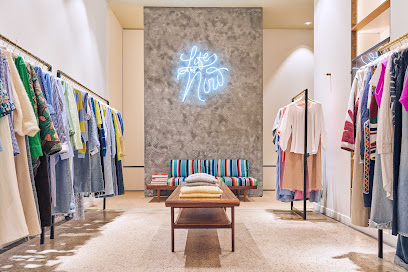
Explore the stylish offerings of Baby Beluga Store in Antwerp, where unique fashion meets quality craftsmanship for all ages.
Bongo Shop Antwerpen
0.4 km
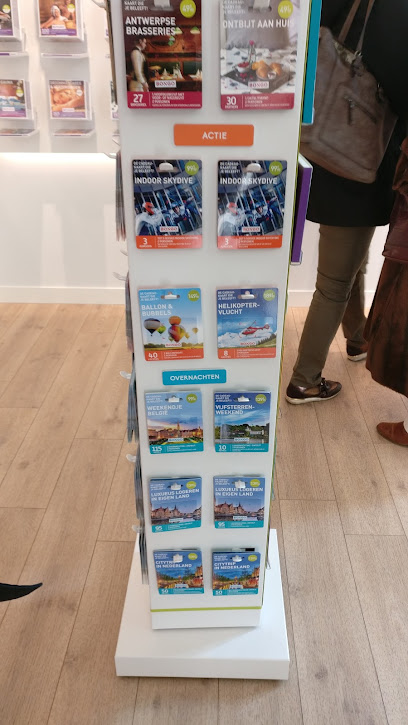
Explore Bongo Shop Antwerpen for unique Belgian gifts and souvenirs, capturing the essence of your travels in the heart of Antwerp.
Smart & Co Nv
0.4 km
Explore Smart & Co Nv in Antwerp for unique gifts and local artisan treasures that capture the spirit of Belgium.
Depesche Belgium
0.4 km
Explore the vibrant offerings at Depesche Belgium, a unique gift shop in Antwerp filled with local crafts and memorable souvenirs.
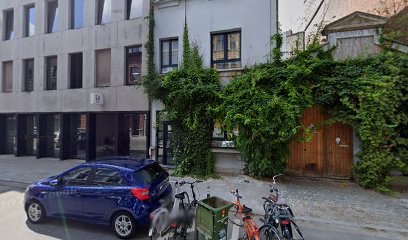
Chicken Rhythm
0.5 km
Explore Chicken Rhythm in Antwerp for unique custom t-shirts and stylish accessories that reflect the city's vibrant culture.
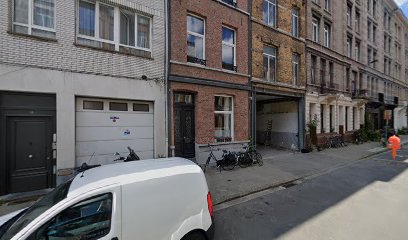
Labels Inc.
0.7 km
Explore unique vintage clothing at Labels Inc. in Antwerp, a treasure trove for fashion enthusiasts and eco-conscious shoppers.
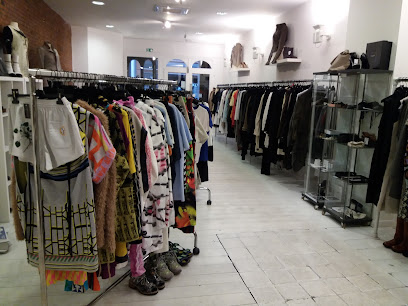
Kaai bags
0.7 km
Discover unique and stylish bags at Kaai Bags in Antwerp, where quality meets creativity in a vibrant atmosphere.
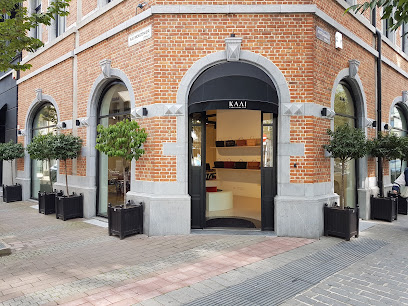
SeventyOne
0.7 km
Discover SeventyOne in Antwerp: A charming gift shop offering stylish women's clothing, unique gifts, and fashionable footwear for the discerning traveler.
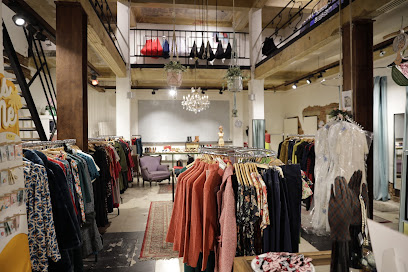
Sincerely Valentine Original Store
0.9 km
Discover chic fashion at Sincerely Valentine Original Store, a stylish haven in Antwerp for trendy clothing and unique accessories.
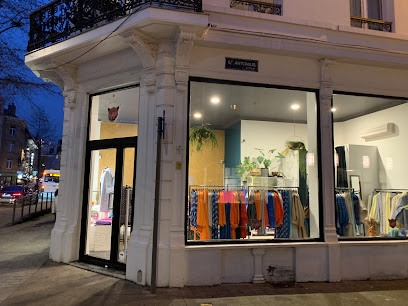
Essential bars & hidden hideouts

Chatleroi
0.1 km
Experience the vibrant ambiance of Chatleroi, a bar and café in Antwerp offering delightful drinks and a lively atmosphere for tourists.
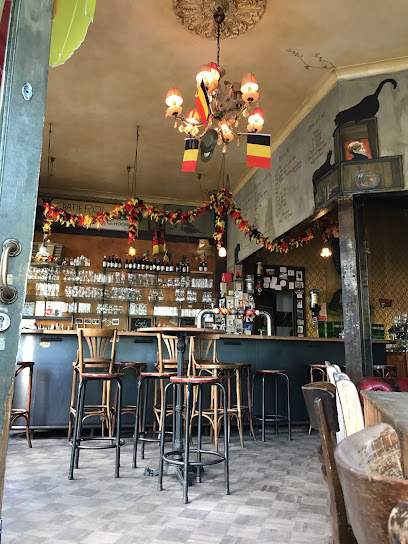
Hopper
0.2 km
Experience the best of Antwerp at Hopper, a lively bar and jazz club offering great drinks and live music in a cozy atmosphere.
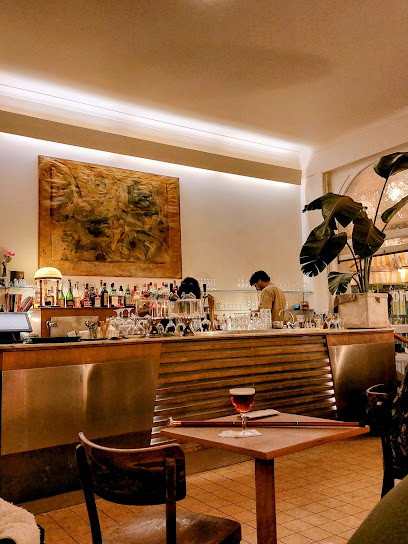
Ta-nnin
0.2 km
Explore Ta-nnin, a delightful wine bar and tapas haven in Antwerp, offering a curated selection of wines and exquisite small plates for a memorable culinary experience.
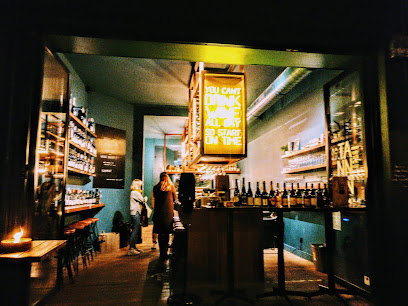
bar BLEU
0.2 km
Experience the vibrant nightlife of Antwerp at Bar BLEU, a local favorite for drinks, socializing, and unforgettable evenings.
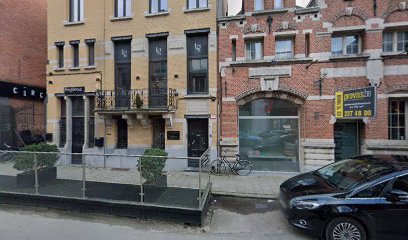
Bar Burbure
0.3 km
Discover the vibrant cocktail and wine culture at Bar Burbure, a must-visit bar in Antwerp for an unforgettable night out.
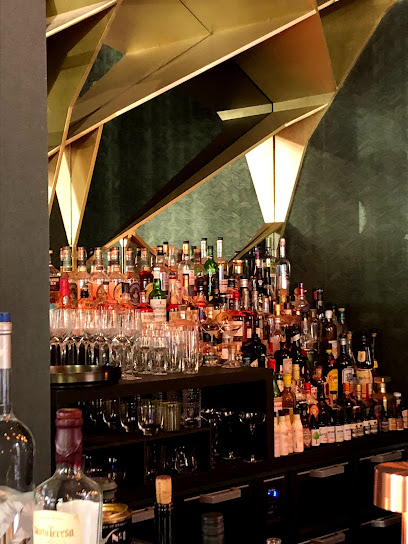
BELROY's Bijou
0.3 km
Experience the elegance of BELROY's Bijou, Antwerp's premier cocktail bar known for its exquisite drinks and vibrant atmosphere.
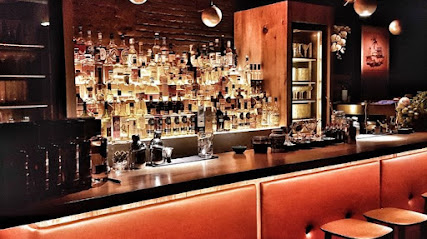
Bar Zar
0.3 km
Experience Antwerp's vibrant nightlife at Bar Zar, where crafted cocktails and a lively atmosphere await in the heart of the city.
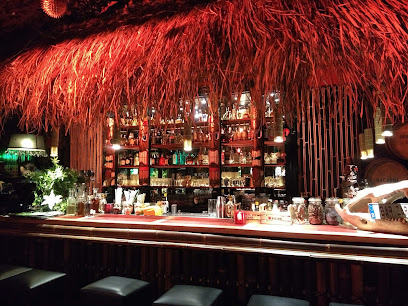
Soho
0.3 km
Discover the vibrant nightlife at Soho, Antwerp's premier cocktail and tapas bar, where every sip tells a story.
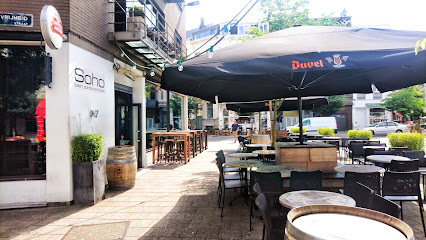
De Vedet
0.4 km
Discover De Vedet, Antwerp's vibrant riverside bar, perfect for enjoying local drinks and stunning views in a welcoming atmosphere.
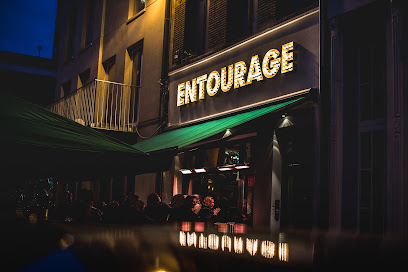
Sips bvba
0.4 km
Experience the vibrant cocktail culture at Sips bvba in Antwerp, where creativity meets classic mixology in a chic atmosphere.
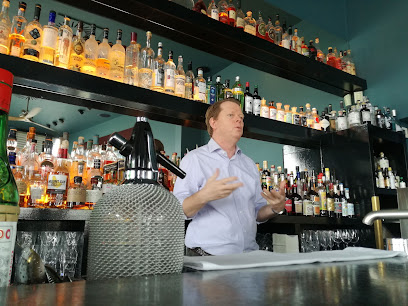
Cafe Kulminator - Antwerpen
0.9 km
Explore the eclectic charm of Cafe Kulminator in Antwerp, where beer lovers unite over unique brews and inviting ambiance.
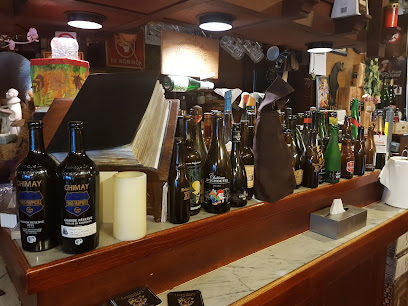
Art Bar
1.1 km
Experience the artistic spirit of Antwerp at the Art Bar, a lively spot for drinks and creativity.
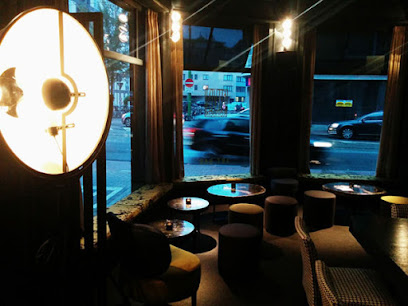
Rich Monkey Bar
1.2 km
Experience the vibrant cocktail culture at Rich Monkey Bar in Antwerp, where expertly crafted drinks meet a lively atmosphere.
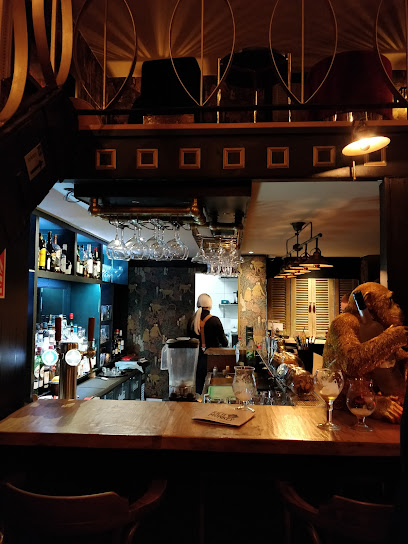
BAR BASIL
1.2 km
Experience the vibrant atmosphere and exquisite drinks at Bar Basil, Antwerp's go-to spot for cocktails, coffee, and camaraderie.
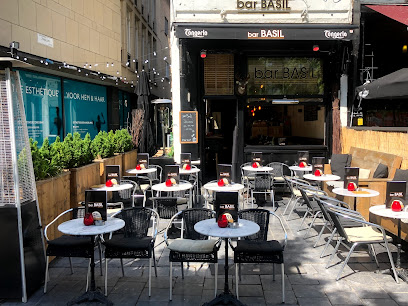
Cocktails | Antwerpen
1.2 km
Discover Antwerp's vibrant cocktail culture at this stylish bar, offering innovative drinks and a lively atmosphere perfect for unwinding.
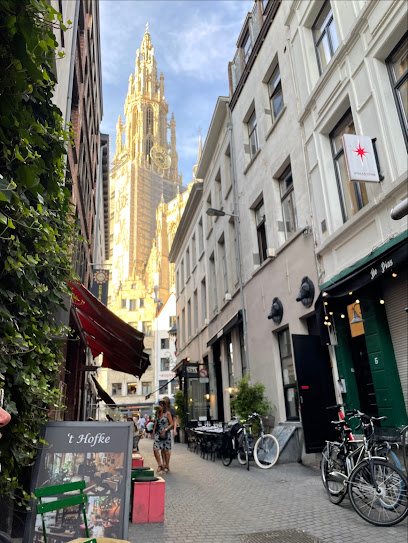
Nightclubs & after hour spots

Club40 Antwerp
1.4 km
Dive into the energetic nightlife of Antwerp at Club40, where music, dancing, and unforgettable memories await in a stylish atmosphere.
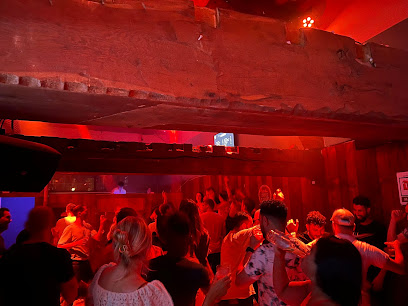
Club Capital
1.5 km
Discover the energetic nightlife of Antwerp at Club Capital, where music, dancing, and vibrant crowds create unforgettable memories.
Ampere
1.9 km
Experience the vibrant nightlife of Antwerp at Ampere, where unforgettable music and lively events come together in a stunning venue.
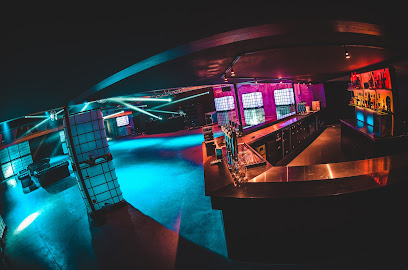
Cargo Club
2.0 km
Discover the vibrant nightlife of Antwerp at Cargo Club, where music, dancing, and a lively atmosphere await you.
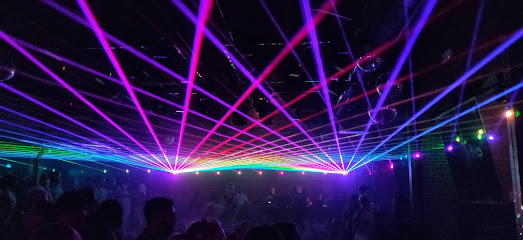
Red and Blue
2.0 km
Discover Antwerp's vibrant nightlife at Red and Blue, an exciting disco club famous for its dance floor and eclectic music.
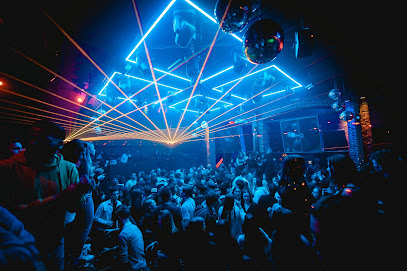
Dorsia Club
2.0 km
Dorsia Club in Antwerp: Where the Night Comes Alive with Music, Dance, and Glamour in the Heart of Belgium.
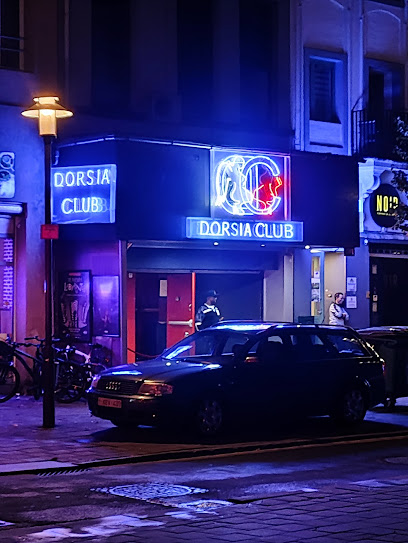
Café d'Anvers
2.0 km
Experience the vibrant nightlife at Café d'Anvers, Antwerp's iconic night club known for its electrifying atmosphere and top-notch DJs.
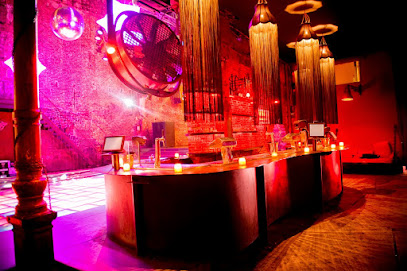
Amnesia
2.1 km
Discover the electrifying nightlife of Antwerp at Amnesia, where music, dance, and unforgettable moments await.
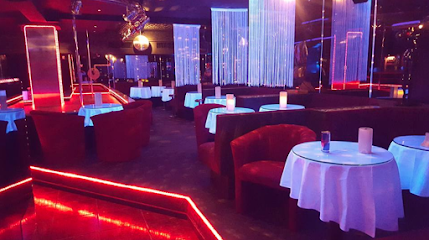
mambo latin club
2.1 km
Experience the vibrant rhythms of Latin culture at Mambo Latin Club, Antwerp's top disco destination for unforgettable nights of dancing and music.
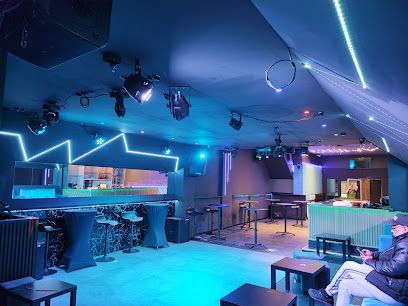
Club Random
2.5 km
Dive into Antwerp's nightlife at Club Random – a lively gay night club offering vibrant music, social atmosphere, and unforgettable experiences.
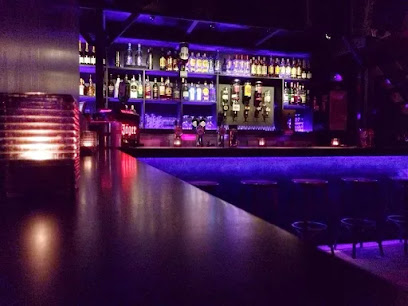
Club Impreza
2.6 km
Unleash your energy at Club Impreza, Antwerp's iconic night club, where electrifying music and vibrant crowds create unforgettable nights.
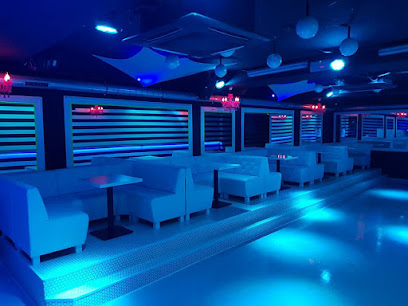
Club Snow
2.7 km
Dive into the vibrant nightlife at Club Snow, Antwerp's premier disco club, where electrifying beats and dazzling lights create unforgettable nights.
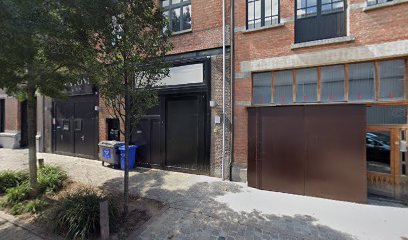
Bad Habits Fridays
2.9 km
Discover Antwerp's nightlife at Bad Habits Fridays, where the music is vibrant and the energy is contagious, creating unforgettable weekend experiences.
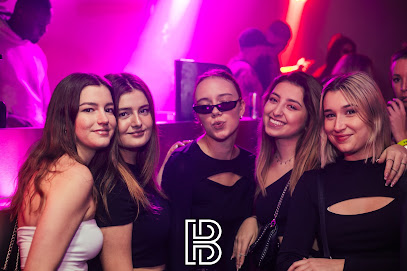
Club Vaag
2.9 km
Experience the electric atmosphere of Club Vaag, Antwerp's premier destination for late-night revelry and diverse music styles.
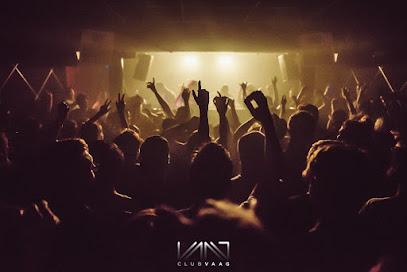
Club Lima
2.9 km
Experience the electrifying nightlife of Antwerp at Club Lima, where dance and music come together in a vibrant atmosphere.