

Valkenburg Travel Guide - Free Web & App
Your ultimate guide to Valkenburg. Discover top landmarks, proposed trips, and local tips. Free on the web or via the Evendo companion app.


Valkenburg, Belgium offers quiet Haspengouw lanes, orchard scenery, rural cycling and easy access to Sint-Truiden’s abbey, history and markets.
A Rural Corner of Belgian Limburg
Valkenburg is a small rural locality in Belgium’s Haspengouw, the gently undulating agricultural region of southern Limburg. Its character is defined less by a concentrated collection of monuments than by open farmland, quiet lanes, scattered farmsteads and the broad horizons of an intensively cultivated landscape. The area lies within reach of Sint-Truiden, one of the principal towns of Haspengouw, whose orchards, historic centre and former abbey heritage provide the nearest substantial visitor focus.Read more about Valkenburg
Orchards, Farms and Seasonal Colour
Exploring Beyond the Locality
When is the best time to visit Valkenburg?
Best: June–August · 22–24°C| Month | High (°C) | Rainfall (mm) |
|---|---|---|
| January | 6 | 68 |
| February | 7 | 57 |
| March | 11 | 66 |
| April | 15 | 58 |
| May | 19 | 73 |
| June (best) | 22 | 78 |
| July (best) | 24 | 84 |
| August (best) | 23 | 83 |
| September | 20 | 77 |
| October | 14 | 69 |
| November | 10 | 60 |
| December | 7 | 65 |
Getting to and around Valkenburg
How to get there
Transportation
Best attractions in Valkenburg
Valkenburg’s principal attraction is the surrounding Haspengouw countryside: an open, gently rolling landscape of fields, orchards, farm lanes and small settlements rather than a compact visitor centre. Seasonal blossom is a major regional spectacle, while summer and autumn reveal the importance of fruit cultivation and working farms. The locality can be incorporated into walking and cycling itineraries linking neighbouring villages, although route planning is important because points of interest are dispersed. Nearby Sint-Truiden provides the strongest concentration of attractions, including its historic abbey setting, market town character and access to wider orchard routes. Across Haspengouw, castle domains, village churches, historic farmsteads and local produce offer additional reasons to explore by bicycle or car. These nearby sights belong to the wider region, not necessarily to Valkenburg itself, whose value lies in experiencing the quiet agricultural landscape and its relationship with the surrounding towns.
-
Tourist attraction
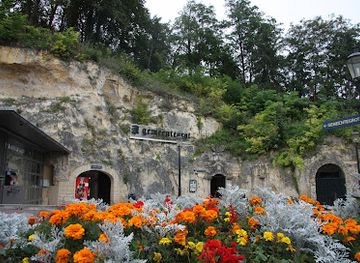
Gemeentegrot
Explore the captivating Gemeentegrot in Valkenburg, a stunning underground cave system rich in history and natural beauty.
-
Army museum
Fort Eben-Emael
Explore the historic Fort Eben-Emael in Liège, Belgium, a fascinating military fortress with rich World War II history and stunning views.
-
Tourist attraction
Rodelbaan Valkenburg
Experience the thrill of sledding down the picturesque slopes of Rodelbaan Valkenburg, a top family-friendly attraction in the heart of the Dutch countryside.
-
Tourist attraction
MergelRijk - de leukste grot van Limburg
Discover the wonders of MergelRijk in Valkenburg, Limburg, where stunning limestone caves meet rich historical heritage in an unforgettable underground experience.


Best landmarks in Valkenburg
The defining landmark of Valkenburg is the Haspengouw landscape itself: broad cultivated views, fertile fields, orchard belts and a network of rural roads that express centuries of agricultural use. There is no need to attribute major castle, cave or monumental architecture to the small locality when its identity is primarily landscape-based. The nearest major heritage reference point is Sint-Truiden, whose historic abbey complex and townscape reflect the religious and commercial importance of the wider region. Elsewhere in Haspengouw, village churches, farmsteads, castle estates and old field routes provide evidence of medieval landholding and rural development, but individual sites should be treated as nearby regional landmarks rather than automatically part of Valkenburg. Together, these features explain the relationship between the small settlement, its farmland and the larger historical network of southern Limburg.
-
Tourist attraction
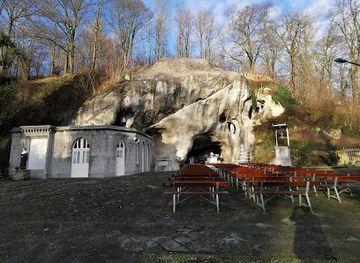
Gemeentegrot
Explore the captivating Gemeentegrot in Valkenburg, Netherlands—an underground marvel filled with history, art, and stunning natural formations.
-
Tourist attraction
Fluweelengrot (Velvet cave)
Explore the mesmerizing Fluweelengrot in Valkenburg, a unique cave system with stunning geological formations and rich historical significance.
-
Castle
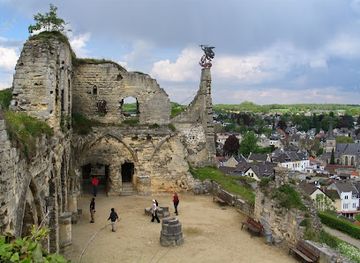
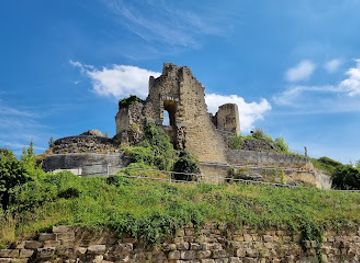
Valkenburg Castle Ruins
Discover the enchanting Valkenburg Castle Ruins, a historic site offering stunning views and a glimpse into the Netherlands' medieval past.
-
Tourist attraction
MergelRijk - de leukste grot van Limburg
Discover MergelRijk in Valkenburg: A captivating underground adventure exploring limestone caves and the history of marl mining in Limburg.
Explore Valkenburg on the map
Plan your trip on one map. See where the top attractions, landmarks, restaurants and hotels are, and book hotels and experiences in a few clicks.
Best hotels in Valkenburg
Best restaurants in Valkenburg
Valkenburg itself has limited dining infrastructure, so visitors will generally eat in Sint-Truiden or another nearby Haspengouw settlement. The regional food identity is closely tied to fertile farmland and fruit cultivation, with apples, pears, cherries and seasonal preparations appearing in local produce shops, farm sales and regional menus. Belgian staples such as seasonal soups, stews, breads, cheeses and desserts are easier to find in established cafés, restaurants and traditional hospitality venues in the surrounding towns than in the small locality. During countryside outings, farm shops and producers may offer fruit or other agricultural products, but availability is seasonal and should not be assumed. Sint-Truiden is the most practical place to combine regional food with a broader choice of cafés and restaurants, while rural dining opportunities are more scattered and often require advance planning.
-
Italian
Il Forno
Discover authentic Italian cuisine at Il Forno in Valkenburg – where every meal is a celebration of flavors and traditions.
-
Restaurant
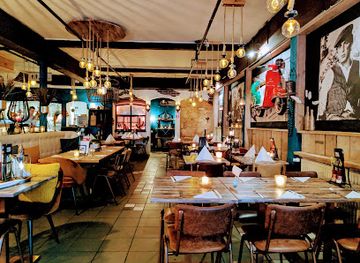
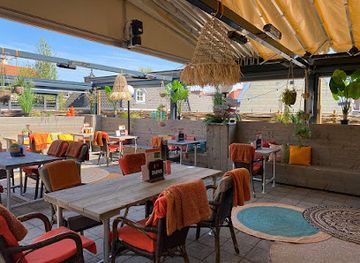
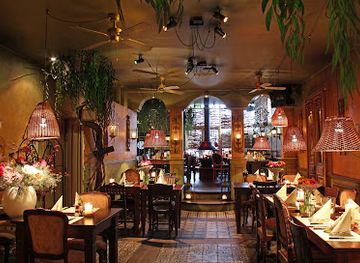
Restaurant Bueno
Experience authentic Dutch tapas and signature cocktails at Restaurant Bueno in Valkenburg - perfect for food lovers seeking delightful culinary adventures.
-
Mediterranean
Restaurant Latinos
Experience authentic Mediterranean flavors at Restaurant Latinos in Valkenburg - where every dish tells a story.
-
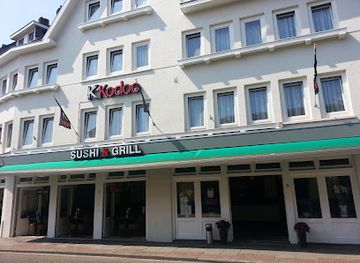
Sushi
Sushi Kodoo Valkenburg
Experience authentic Japanese flavors at Sushi Kodoo in Valkenburg - where fresh sushi meets warm hospitality.
Best bars in Valkenburg
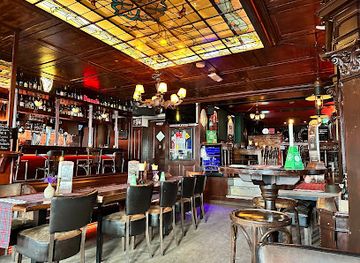
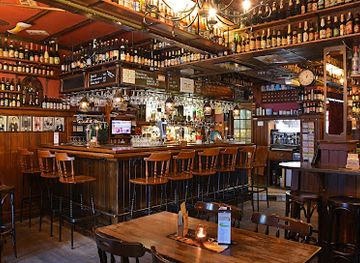
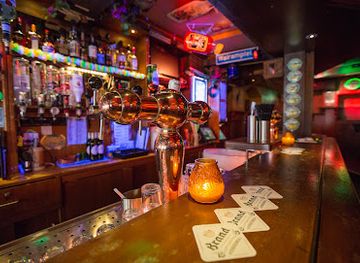
Valkenburg has no recognised nightlife district and should not be approached as an evening entertainment centre. Evening life is more likely to consist of a quiet drink in a village café or traditional pub, where available, followed by the calm of the surrounding countryside. For a broader choice of bars, cafés and later-opening venues, visitors should use Sint-Truiden, whose larger population and historic town centre provide the region’s most dependable evening setting. Cultural events, community celebrations and seasonal activities may add atmosphere at particular times, but they are not permanent features and should be checked locally. The area’s rural character makes early dinners, relaxed conversation and evening walks through settled areas more characteristic than clubbing or large-scale entertainment.
-
Pub
Henry Ⅷ
Experience the heart of Valkenburg at Henry Ⅷ, a lively pub offering delicious food, local brews, and a vibrant atmosphere for every traveler.
-
Bar
Café De Grendelpoort
Discover the charm of Café De Grendelpoort, a perfect blend of cozy atmosphere and delightful culinary offerings in Valkenburg.
-
Pub
'T Hoekje - Party & Bites
Experience the vibrant atmosphere of 'T Hoekje, a top-rated pub and restaurant in Valkenburg, serving delicious bites and beverages.
-
Brasserie
Burgemeester Quicx
Discover Burgemeester Quicx in Valkenburg, a charming brasserie offering delicious meals, local flavors, and a cozy atmosphere perfect for tourists.
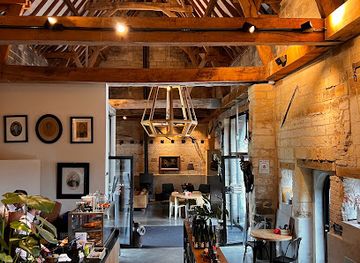
Best nightclubs in Valkenburg
Valkenburg has no recognised nightlife district and should not be approached as an evening entertainment centre. Evening life is more likely to consist of a quiet drink in a village café or traditional pub, where available, followed by the calm of the surrounding countryside. For a broader choice of bars, cafés and later-opening venues, visitors should use Sint-Truiden, whose larger population and historic town centre provide the region’s most dependable evening setting. Cultural events, community celebrations and seasonal activities may add atmosphere at particular times, but they are not permanent features and should be checked locally. The area’s rural character makes early dinners, relaxed conversation and evening walks through settled areas more characteristic than clubbing or large-scale entertainment.
-
Bar
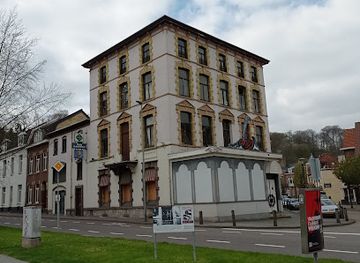
Bar Dancing
Discover the heartbeat of Valkenburg's nightlife at Bar Dancing, where music, dance, and camaraderie come together for an unforgettable evening.
-
Club
Club Europe Holland B.V.
Discover the vibrant nightlife at Club Europe Holland B.V. in Valkenburg, where electrifying music and a lively atmosphere await every visitor.
Best shops in Valkenburg
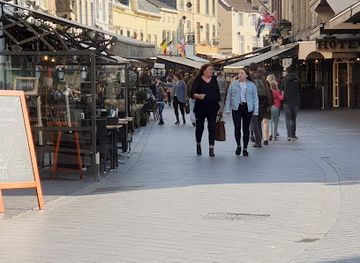
Shopping in Valkenburg is limited and primarily connected with the practical needs of a small rural community rather than specialist tourism. The most characteristic purchases are likely to come from the wider Haspengouw countryside: seasonal apples, pears, cherries, juices and other farm products sold through producers, farm shops or roadside outlets when available. Because these are working businesses, opening arrangements and stock can vary with the agricultural calendar. Sint-Truiden offers the broadest nearby choice of everyday shops, food retailers, market trading and regional products, while village shops elsewhere in the area may provide useful provisions during a cycling or driving itinerary. Visitors should not expect a dedicated craft quarter or extensive boutique shopping in Valkenburg, and locally made goods should be sought through genuine producers and established regional markets rather than assumed to be available at every attraction.
-
Fashion accessories store
21 Jewelz
Explore unique fashion accessories at 21 Jewelz, a stylish store in the heart of Valkenburg, offering quality pieces for every occasion.
-
Store
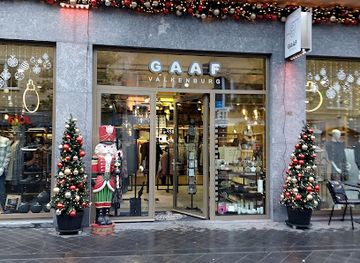
GAAF Valkenburg
Discover trendy fashion at GAAF Valkenburg, a stylish clothing store in the heart of Valkenburg, Netherlands, offering unique styles for men and women.
-
Gift shop
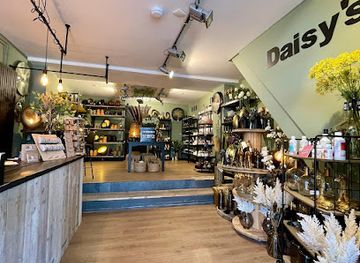
Daisy's Gifts and more!
Explore Daisy's Gifts and More! in Valkenburg for unique souvenirs, local crafts, and delightful gifts that capture the essence of your travels.
-
Collectibles store
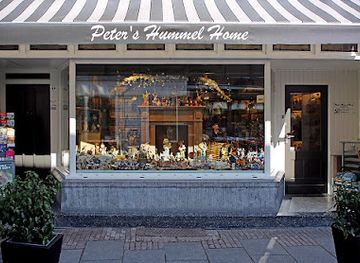
Peter's Hummel Home
Explore the enchanting world of collectibles at Peter's Hummel Home in Valkenburg, where tradition meets charm and unique treasures await.
Get your free copy of our complete guide to Valkenburg, delivered straight to you.
Everything on this page, from attractions and restaurants to essentials and local phrases, in one PDF you can read offline, print or share.
Already have an account? Sign in
Your Valkenburg guide is ready.
We'll send it to · Not you? Sign out

Getting your guide ready…
We are putting together a fresh copy of the Valkenburg guide. This can take up to a minute.
This can take a few moments. If your browser asks, choose Allow so the download can start. You'll find the guide in your Downloads folder.
Nothing happened? Download it again
Sorry, the guide is taking longer than usual. Please try again in a minute, or get it by email instead.
Valkenburg essentials
Currency and Payment
Safety
Emergency Situations
Do's and Don'ts
Local Tips
From Eve
Local phrases worth knowing
You don't need to get them perfect. A few words go a long way, and locals appreciate the effort.
Basics
| English | Local | Say it |
|---|---|---|
| Hello | Hallo | [ha-loh] |
| Goodbye | Tot ziens | [tot zeens] |
| Yes | Ja | [ya] |
| No | Nee | [nee] |
| Please/You're welcome | Alsjeblieft | [als-ye-bleeft] |
| Thank you | Dank je | [dank ye] |
| Excuse me/Sorry | Sorry | [so-ree] |
| How are you? | Hoe gaat het? | [hoo gaat het] |
| Fine. And you? | Goed. En met jou? | [khoot. en met yow] |
| Do you speak English? | Spreek je Engels? | [sprek ye engels] |
| I don't understand | Ik begrijp het niet | [ik buh-greypt het neet] |
Eating & Drinking
| English | Local | Say it |
|---|---|---|
| I'd like to see the menu, please | Ik zou graag de menukaart willen zien, alstublieft | [ik zow khraakh deh meh-noo-kahrt vil-len zeen, alst-bleeft] |
| I don't eat meat | Ik eet geen vlees | [ik ayt khayn flays] |
| Cheers! | Proost! | [prohst] |
| I would like to pay, please | Ik zou graag willen betalen, alstublieft | [ik zow khraakh vil-len buh-tah-luhn, alst-bleeft] |
Emergencies
| English | Local | Say it |
|---|---|---|
| Help! | Help! | [help] |
| Go away! | Ga weg! | [ga vekh] |
| Call the Police! | Bel de politie! | [bel duh poh-lee-see] |
| Call a doctor! | Bel een dokter! | [bel ayn dok-tur] |
| I'm lost | Ik ben verdwaald | [ik ben furd-wahld] |
| I'm ill | Ik ben ziek | [ik ben zik] |
Shopping
| English | Local | Say it |
|---|---|---|
| I'd like to buy... | Ik wil graag kopen... | [ik vil khraakh koh-pun] |
| I'm just looking | Ik kijk alleen maar | [ik kayk a-layn mahr] |
| How much is it? | Hoeveel kost het? | [hoo-vayl kost het] |
| That's too expensive | Dat is te duur | [dat is tuh dur] |
| Can you lower the price? | Kan je de prijs verlagen? | [kan ye duh prays vuh-rah-luh-ghun] |
Time & Numbers
| English | Local | Say it |
|---|---|---|
| What time is it? | Hoe laat is het? | [hoo laht is het] |
| It's one o'clock | Het is een uur | [het is ayn ur] |
| Half past (10) | Half elf | [half elf] |
| Morning | Ochtend | [okht-uhnt] |
| Afternoon | Middag | [mid-dahkh] |
| Evening | Avond | [ah-vohnt] |
| Yesterday | Gisteren | [khis-tuh-run] |
| Today | Vandaag | [vahn-dahkh] |
| Tomorrow | Morgen | [mohr-khun] |
| 1 | Een | [ayn] |
| 2 | Twee | [tvay] |
| 3 | Drie | [dree] |
| 4 | Vier | [veer] |
| 5 | Vijf | [fayf] |
| 6 | Zes | [zehs] |
| 7 | Zeven | [zey-ven] |
| 8 | Acht | [ahkht] |
| 9 | Negen | [nay-khun] |
| 10 | Tien | [teen] |
Transport & Directions
| English | Local | Say it |
|---|---|---|
| Where's a/the...? | Waar is de...? | [vahr is duh] |
| What's the address? | Wat is het adres? | [vaht is het ah-dres] |
| Can you show me (on the map)? | Kan je me dat laten zien (op de kaart)? | [kan ye muh dat lah-tun zeen (op duh kahrt)] |
| When's the next (bus)? | Wanneer is de volgende (bus)? | [vahn-ur is duh vohl-hun-duh (bus)] |
| A ticket (to ....) | Een ticket (naar ....) | [ayn ticket (nar)] |
History of Valkenburg
A Landscape Shaped by the Hesbaye Plateau
Valkenburg forms part of Haspengouw, the Dutch-speaking name for the historic Hesbaye region, whose fertile loess soils encouraged cultivation over many centuries. The gently rolling terrain is the product of broad geological and riverine processes rather than dramatic mountains or deep valleys. Its agricultural potential helped create a dispersed pattern of villages, farmsteads, field roads and churches characteristic of southern Limburg and neighbouring Brabant and Liège. Much of the landscape seen today is therefore a long-developed cultural landscape in which settlement and farming are closely connected.
Medieval Landholding and Rural Settlement
During the medieval period, Haspengouw was divided among ecclesiastical institutions, noble families and local jurisdictions. Villages and hamlets developed around farms, parish churches and manorial holdings, while roads linked the region to larger centres such as Sint-Truiden. The locality’s historical identity belongs to this wider rural network rather than to a large independent town. Medieval landholding patterns, field boundaries and surviving farm architecture continue to influence the appearance of the countryside, even where modern agriculture has altered the scale of individual holdings.
Sint-Truiden and the Regional Economy
The nearby city of Sint-Truiden became the principal urban and religious centre of the surrounding countryside. Its abbey, markets and administrative importance connected local farmers with wider religious, commercial and political networks. Over time, cultivation remained central to the local economy, with grain production joined increasingly by fruit growing. The resulting orchards and seasonal labour patterns became defining features of Haspengouw, linking small rural settlements such as Valkenburg to a regional economy that reached beyond the immediate village.
From Agricultural Village to Rural Destination
Modern Haspengouw has retained its agricultural purpose while becoming increasingly valued for recreation, cycling and landscape tourism. Orchard blossom, farm products, rural heritage and the historic attractions of Sint-Truiden now complement conventional farming. This shift has not transformed Valkenburg into a resort: its scale remains small and its identity remains rural. Contemporary visits are better understood as part of a wider exploration of Haspengouw, where tourism, agriculture, heritage conservation and the stewardship of a working countryside meet.
Valkenburg in Photos
Browse through our photo collection highlighting the charm and character of the destination.
Neighbouring destination travel guides
The closest destinations to Valkenburg, if you have time for more than one.
-

-
-

-

-


Swipe for more destinations
Explore more

Explore more of Duchy of Limburg
Explore the Duchy of Limburg: A picturesque region in Belgium offering a blend of history, culture, and nature. Perfect for a peaceful retreat and diverse adventures.
Explore Duchy of Limburg
Explore more of Belgium
Discover Belgium: A blend of medieval charm, culinary delights, and stunning landscapes. Explore historic cities, savor exquisite chocolates, and enjoy a perfect getaway.
Explore Belgium