

Cointe (Liege) Travel Guide - Free
Explore Cointe in Liege with Evendo's free guide. Find the best shops, historic streets, restaurants, and gems on web or mobile.


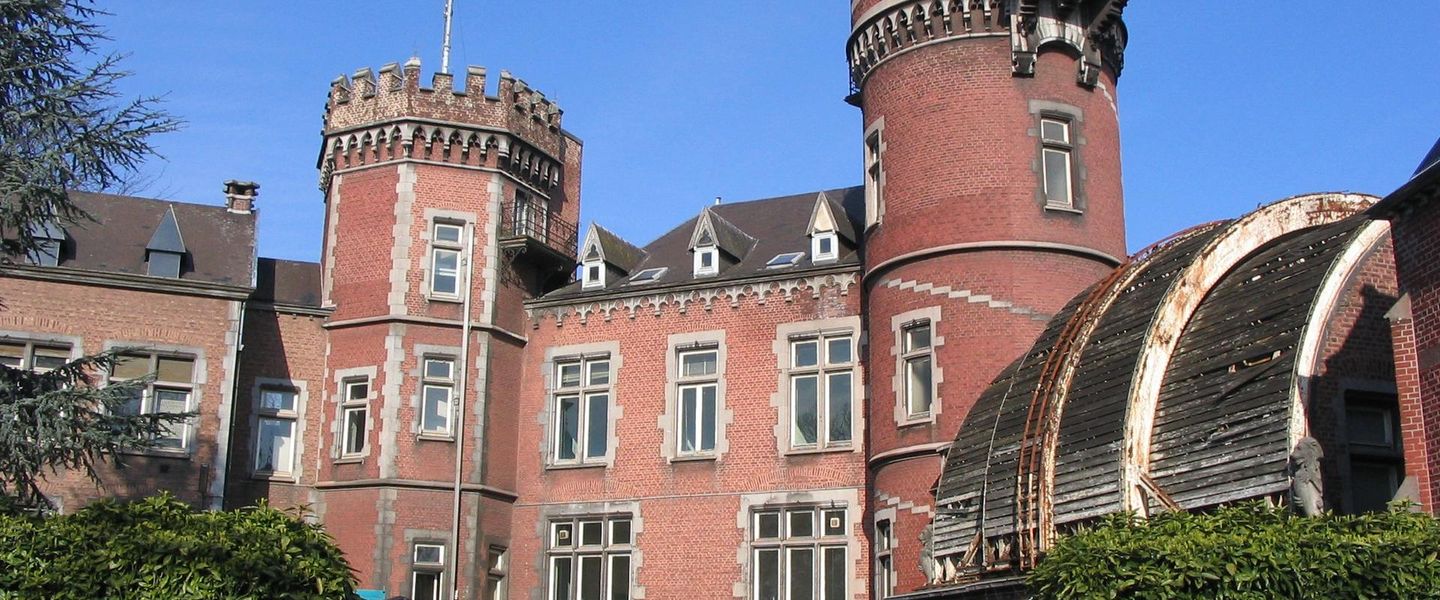


Cointe in Liège offers wooded walks, the Interallied Memorial, hillside views and quiet residential streets near Belgium’s Guillemins station, and the basilica
A Hillside Above the Meuse
Cointe occupies a wooded rise to the south-west of central Liège, climbing from the railway district around Liège-Guillemins towards open slopes and residential avenues. Its character is markedly different from the dense streets of the lower city: villas, gardens and mature trees line winding roads, while footpaths cross the Parc de Cointe and reveal long views towards the Meuse valley and the hills beyond. The ascent can be demanding, but it is precisely the change in elevation that gives the neighbourhood its atmosphere and outlook.Read more about Cointe
Monuments in the Landscape
Residential Streets and Green Space
Best landmarks in Cointe
The Interallied Memorial is Cointe’s defining landmark, rising above the city as a monumental interwar commemoration of the Allied nations and Liège’s First World War history. Its tower and open esplanade give the hill a civic and international symbolism that contrasts with the surrounding homes and trees. The adjacent Basilica of the Sacred Heart is another major presence, anchoring the religious and architectural identity of the site and making the upper hill recognisable from parts of Liège below. The former astronomical observatory represents a different strand of Cointe’s heritage, recalling the nineteenth-century scientific institutions that used the elevated location for observation. Around these buildings, Avenue de Cointe, park paths and villa-lined streets are landmarks of a more ordinary but equally important kind: together they show how a formerly rural height became a leafy residential suburb while retaining institutions with city-wide significance.
-
Park
Park Cointe
Explore Park Cointe in Liège for stunning views, lush landscapes, and a tranquil escape from urban life, perfect for all nature lovers and travelers.
3 min walk · 0.2 km from neighbourhood centre
-
Catholic church
Église du Sacré-Coeur de Cointe
Explore the Église du Sacré-Cœur de Cointe, a captivating Catholic church in Liège, Belgium, known for its stunning architecture and breathtaking city views.
5 min walk · 0.4 km from neighbourhood centre
-
Historical landmark
Statue of King Albert 1st
Discover the historical significance of the Statue of King Albert 1st in Liège, a tribute to resilience and a picturesque landmark along the Meuse River.
19 min walk · 1.5 km from neighbourhood centre
-
Historical landmark
Memorial
Explore the Memorial in Liège, a historical landmark that reflects the city's rich past and architectural beauty, perfect for culture and history enthusiasts.
6 min walk · 0.5 km from neighbourhood centre


Explore Cointe on the map
A handpicked selection of must-see spots in Cointe, mapped for you.
Best hotels in Cointe
Best restaurants in Cointe
Cointe has a modest dining scene that reflects its primarily residential character rather than a concentration of destination restaurants. The upper hill is more associated with homes, institutions and green space, so visitors will find a broader choice of cafés, bakeries and everyday eateries around Liège-Guillemins and the streets at the foot of the slope. That lower area is useful for a meal before or after walking up to the park and memorial, while the hillside itself is better approached as a neighbourhood for strolling than for a dedicated food crawl. Liège’s wider culinary traditions, including hearty regional cooking, café culture and the celebrated Liège waffle, are available across the city, but should not be described as exclusive to Cointe. Independent businesses near the station change over time, so checking current opening information locally is sensible; accommodation visitors should also expect quieter evenings and fewer late dining options on the upper slopes.
-
Belgian
Le Concordia
Experience authentic Belgian cuisine at Le Concordia in Liège – where tradition meets flavor in a cozy atmosphere.
10 min walk · 0.8 km from neighbourhood centre
-
Belgian
Restaurant L'Ecuyer
Experience authentic Belgian cuisine at Restaurant L'Ecuyer in Liège – where tradition meets flavor in every dish.
10 min walk · 0.8 km from neighbourhood centre
-
Brewery
Le Kleyer
Experience authentic Belgian flavors at Le Kleyer Brewery & Restaurant in Liège - where craft beer meets delicious cuisine.
2 min walk · 0.2 km from neighbourhood centre
-
Restaurant
Telle Mere Telle Fille
Discover the flavors of Belgium at Telle Mere Telle Fille in Liège – where tradition meets innovation in every bite.
7 min drive · 2.2 km from neighbourhood centre


Best bars in Cointe
Cointe is not one of Liège’s principal nightlife districts. Evenings on the upper hill are generally quiet, shaped by residential streets, parkland and the monumental sites rather than by clubs or a continuous bar scene. Visitors seeking a drink, live music or later entertainment will find a wider choice in central Liège and around other established evening quarters, while the Guillemins area below offers practical places to pause before returning uphill. The neighbourhood’s evening appeal is instead atmospheric: the changing silhouette of the memorial, the calm of the residential roads and the separation from the city-centre crowds. Anyone walking back from central nightlife should plan the steep route and confirm local transport, rather than assuming that Cointe itself will provide late-night venues or frequent services on every street.
-
Irish pub
The Shamrock
Discover the vibrant spirit of Ireland in Liège at The Shamrock, where great food, drinks, and company await you.
6 min drive · 2.0 km from neighbourhood centre
-
Bar
Far West
Discover the vibrant nightlife of Far West Bar in Liège, where great drinks and good company create unforgettable memories.
7 min drive · 2.4 km from neighbourhood centre
-
Bar
Rock'n Roses
Discover the vibrant nightlife at Rock'n Roses, a lively bar in the heart of Liège, perfect for cocktails, music, and good vibes.
7 min drive · 2.4 km from neighbourhood centre
-
Bar
Mad Murphy's
Discover the energetic nightlife of Liège at Mad Murphy's, a vibrant bar offering a diverse drink menu and a lively atmosphere.
7 min drive · 2.5 km from neighbourhood centre


Best nightclubs in Cointe
Cointe is not one of Liège’s principal nightlife districts. Evenings on the upper hill are generally quiet, shaped by residential streets, parkland and the monumental sites rather than by clubs or a continuous bar scene. Visitors seeking a drink, live music or later entertainment will find a wider choice in central Liège and around other established evening quarters, while the Guillemins area below offers practical places to pause before returning uphill. The neighbourhood’s evening appeal is instead atmospheric: the changing silhouette of the memorial, the calm of the residential roads and the separation from the city-centre crowds. Anyone walking back from central nightlife should plan the steep route and confirm local transport, rather than assuming that Cointe itself will provide late-night venues or frequent services on every street.
-
Bar
Le Quiet - Liège
Discover the lively atmosphere of Le Quiet in Liège, a must-visit bar for nightlife enthusiasts seeking unforgettable experiences in Belgium.
8 min drive · 2.5 km from neighbourhood centre
-
Gay bar
Le Moustache
Discover the vibrant nightlife at Le Moustache, a premier gay bar in Liège, offering an eclectic atmosphere and unforgettable experiences.
8 min drive · 2.5 km from neighbourhood centre
-
Bar
Le Cuba'r - Liège
Experience the vibrant nightlife of Liège at Le Cuba'r, where salsa dancing and lively music create unforgettable nights out.
7 min drive · 2.5 km from neighbourhood centre
-
Lounge
Crystal Club
Discover the chic ambiance of Crystal Club, a premier lounge in Liège, offering exquisite cocktails and a lively nightlife experience.
7 min drive · 2.2 km from neighbourhood centre


Best shops in Cointe
Shopping in Cointe is limited and practical rather than concentrated in a specialist retail quarter. The upper neighbourhood’s residential streets contain few attractions for dedicated retail browsing, while the area around Liège-Guillemins and the routes towards central Liège provide more everyday services, cafés, bakeries and convenience shops. Visitors should not expect a traditional market square, a vintage-shopping district or a dense line of independent boutiques on the hill itself. The value of exploring Cointe lies in the contrast between its villas, gardens and institutional buildings and the commercial activity below. Small purchases for a walk or picnic are easiest to arrange near the station or elsewhere in the city centre, and visitors staying locally should check current business information because neighbourhood retail provision can change. The hillside’s quieter commercial character is itself part of its identity as a residential area rather than a shopping destination.
-
Gift shop
Et puis zut
Explore Et Puis Zut in Liège for unique gifts and local crafts that embody the spirit of Belgium, perfect for every traveler.
16 min walk · 1.3 km from neighbourhood centre
-
Store
Maison Mer - Liège - Concept Store
Discover Maison Mer in Liège: A unique concept store showcasing local craftsmanship and artistic flair, perfect for every discerning traveler.
7 min drive · 2.4 km from neighbourhood centre
-
Gift shop
GEMINI GIFT
Explore Gemini Gift in Liège for unique souvenirs, local treasures, and a taste of Belgian craftsmanship that captures the essence of your travel experience.
15 min walk · 1.2 km from neighbourhood centre
-
Gift shop
Villeroy & Boch
Explore the timeless elegance of Villeroy & Boch in Liège, your destination for exquisite gifts, cutlery, and chinaware in Belgium.
12 min walk · 1.0 km from neighbourhood centre


Cointe essentials
Getting There
Getting Around
Safety
Emergency Situations
Do's and Don'ts
Local Tips

From Eve
Local phrases worth knowing
You don't need to get them perfect. A few words go a long way, and locals appreciate the effort.
Basics
| English | Local | Say it |
|---|---|---|
| Hello | Bonjour | [bon-zhoor] |
| Goodbye | Au revoir | [oh re-vwar] |
| Yes | Oui | [wee] |
| No | Non | [nohn] |
| Please/You're welcome | S'il vous plaît | [seel voo pleh] |
| Thank you | Merci | [mehr-see] |
| Excuse me/Sorry | Excusez-moi | [ex-kew-zay mwa] |
| How are you? | Comment ça va? | [ko-mohn sah vah] |
| Fine. And you? | Bien. Et vous? | [byen. ay voo] |
| Do you speak English? | Parlez-vous anglais? | [par-lay voo ahn-glay] |
| I don't understand | Je ne comprends pas | [zhuh nuh kohm-prahnd pah] |
Eating & Drinking
| English | Local | Say it |
|---|---|---|
| I'd like to see the menu, please | Je voudrais voir le menu, s'il vous plaît | [zhuh voo-dray vwahr luh meh-nyoo seel voo pleh] |
| I don't eat meat | Je ne mange pas de viande | [zhuh nuh mahnj pah duh vyand] |
| Cheers! | Santé! | [sahn-tay] |
| I would like to pay, please | Je voudrais payer, s'il vous plaît | [zhuh voo-dray pay-yay seel voo pleh] |
Emergencies
| English | Local | Say it |
|---|---|---|
| Help! | Au secours! | [oh suh-kour] |
| Go away! | Allez-vous en! | [ah-lay vooz ahn] |
| Call the Police! | Appelez la police! | [ah-peh-lay lah poh-lees] |
| Call a doctor! | Appelez un médecin! | [ah-peh-lay uh may-duh-sahn] |
| I'm lost | Je suis perdu(e) | [zhuh swee pair-doo] |
| I'm ill | Je suis malade | [zhuh swee mah-lahd] |
Shopping
| English | Local | Say it |
|---|---|---|
| I'd like to buy... | Je voudrais acheter... | [zhuh voo-dray ah-shet-ay] |
| I'm just looking | Je regarde juste | [zhuh ruh-gard zhust] |
| How much is it? | Combien ça coûte? | [kohm-byen sah koot] |
| That's too expensive | C'est trop cher | [say troh shair] |
| Can you lower the price? | Pouvez-vous baisser le prix? | [poo-vey voo bay-say luh pree] |
Time & Numbers
| English | Local | Say it |
|---|---|---|
| What time is it? | Quelle heure est-il? | [kel eur eh-teel] |
| It's one o'clock | Il est une heure | [eel eh oon eur] |
| Half past (10) | Dix heures et demie | [deeze eur eh duh-mee] |
| Morning | Matin | [mah-tahn] |
| Afternoon | Après-midi | [ah-pray mee-dee] |
| Evening | Soir | [swahr] |
| Yesterday | Hier | [ee-yehr] |
| Today | Aujourd'hui | [oh-zhoor-dwee] |
| Tomorrow | Demain | [duh-mahn] |
| 1 | Un | [uhn] |
| 2 | Deux | [duh] |
| 3 | Trois | [twa] |
| 4 | Quatre | [ka-truh] |
| 5 | Cinq | [sank] |
| 6 | Six | [sees] |
| 7 | Sept | [sept] |
| 8 | Huit | [wheat] |
| 9 | Neuf | [nuhf] |
| 10 | Dix | [deeze] |
Transport & Directions
| English | Local | Say it |
|---|---|---|
| Where's a/the...? | Où est...? | [oo eh] |
| What's the address? | Quelle est l'adresse? | [kel eh la-dress] |
| Can you show me (on the map)? | Pouvez-vous me montrer (sur la carte)? | [poo-vey voo muh mohn-tray (soor lah kart)] |
| When's the next (bus)? | Quand est le prochain (bus)? | [kahnd eh luh proh-shahn (bus)] |
| A ticket (to ....) | Un billet (pour ....) | [uhn bee-yay (poor)] |
History of Cointe
From Rural Heights to Suburb
Before urban expansion reached the slopes, Cointe was a rural area above Liège, associated with fields, woodland and scattered buildings rather than the dense city below. Its elevated position offered cleaner air and broad views, qualities that later encouraged suburban development. During the nineteenth century, roads and property building gradually transformed the hill, while the growth of Liège’s industries and population increased pressure for housing beyond the historic centre. Cointe retained a more spacious character than the valley floor, with villas and gardens appearing alongside older rural traces.
Science on the Hill
Cointe became associated with scientific observation during the nineteenth century through the establishment of an astronomical observatory on the hill. The observatory reflected Liège’s wider industrial and academic development and helped give the area an identity beyond residential retreat. Although the site is not presented as a conventional public museum, its presence remains part of Cointe’s history and illustrates how elevated land on the city’s margins could serve universities, researchers and civic institutions as well as private residents.
The First World War Memorial
Liège’s resistance during the German invasion of 1914 gave the city a particular place in the memory of the First World War, and Cointe was chosen for an international memorial after the conflict. The Interallied Memorial project combined a monumental tower with a religious building and an esplanade dedicated to the Allied nations. Built during the interwar period, the complex turned the hillside into a site of international remembrance, linking Cointe’s local landscape to the political and emotional consequences of the war across Europe.
Post-war Urban Change
After the Second World War, Cointe developed as part of Liège’s expanding suburban city, with new housing and changing road infrastructure added around its older villas, parkland and institutional buildings. The neighbourhood remained largely residential while the railway district at its foot became increasingly important, especially with the reconstruction and later redevelopment of Liège-Guillemins station. This contrast between a wooded hillside and a major transport corridor continues to define Cointe: the neighbourhood is close to one of Liège’s busiest gateways while retaining a quieter, elevated identity.
Cointe in Photos
Browse through our photo collection highlighting the charm and character of the destination.
Neighbourhoods near Cointe
The closest neighbourhoods to Cointe, if you have time for more than one stop.
-

-

-

-


Swipe for more neighbourhoods
Explore more

Explore more of Liege
Liège, Belgium’s historic river city, blends Meuse-side landmarks, lively culture, Walloon cuisine and atmospheric streets for memorable sightseeing and local experiences.
Explore Liege