

Outremeuse (Liege) Travel Guide - Free
Explore Outremeuse in Liege with Evendo's free guide. Find the best shops, historic streets, restaurants, and gems on web or mobile.


Outremeuse in Liège: explore Meuse-side lanes, Tchantchès folklore, the Aquarium-Museum, Rue Roture cafés and the celebrated 15 August festival.
An Island Between Two Rivers
Outremeuse occupies the historic island east of Liège’s central Meuse, a compact district shaped by the river, the Dérivation and a network of bridges. Its name means “beyond the Meuse”, though its identity is much more specific than that simple description suggests. Streets such as Rue Roture and Rue Puits-en-Sock combine modest town houses, cafés, small shops and university life, while the quays open towards broad views of the water and the city’s changing skyline. The area is easy to explore on foot, with a mixture of lively streets and ordinary residential corners.Read more about Outremeuse
Tchantchès and Outremeuse Character
Museums, Quays and Street Life
Best attractions in Outremeuse
Outremeuse’s attractions centre on local culture, science and the experience of walking an island district rather than on a single monumental sight. The Musée Tchantchès introduces visitors to Liège’s celebrated puppet tradition through figures, costumes and theatrical material associated with the outspoken character Tchantchès. On Quai Édouard Van Beneden, the Aquarium-Museum combines university collections of living aquatic animals with zoological displays, while the neighbouring Maison de la Science presents scientific subjects in an accessible exhibition setting. Rue Roture and Rue Puits-en-Sock are attractions in their own right, with narrow historic streets, cafés and modest façades that convey the district’s everyday character. Saint-Pholien provides a prominent church landmark, and the Meuse quays offer changing views towards the city centre. Around 15 August, the neighbourhood itself becomes the setting for one of Liège’s best-known popular festivities.
-
Tourist attraction
musée Tchantchès
Explore the whimsical world of puppetry at Musée Tchantchès in Liège, where local history and enchanting performances await every visitor.
2 min walk · 0.2 km from neighbourhood centre
-
Tourist attraction
House of Science
Explore the captivating House of Science in Liège, Belgium, where curiosity meets discovery through interactive exhibits and engaging scientific experiences.
5 min walk · 0.4 km from neighbourhood centre
-
Tourist attraction
musée Grétry
Explore the enchanting Musée Grétry in Liège, where the legacy of classical music and André Grétry's genius come alive.
1 min walk · 0.1 km from neighbourhood centre
-
Science museum
Embarcadère du Savoir ULiège
Explore the fascinating world of science at Embarcadère du Savoir ULiège, an interactive museum in Liège, Belgium perfect for all ages.
4 min walk · 0.4 km from neighbourhood centre


Best landmarks in Outremeuse
Outremeuse’s landmarks express its history as a river-bound community and a centre of popular culture. Saint-Pholien church is the district’s most prominent ecclesiastical feature, with its nineteenth-century building marking the southern end of the older neighbourhood. The Musée Tchantchès is significant not only as a museum but as a physical reminder of the local puppet tradition that helped define Outremeuse’s public identity. The university buildings on Quai Édouard Van Beneden, including the Aquarium-Museum and Maison de la Science, represent the area’s scientific and educational role. Rue Roture and Rue Puits-en-Sock preserve characteristic narrow urban streets, while the bridges and quays frame the district’s relationship with the Meuse. Together these places show how Outremeuse’s identity rests on modest historic fabric, river infrastructure, community folklore and continuing civic institutions.
-
Tourist attraction
Place Saint-Lambert
Discover the vibrant essence of Liège at Place Saint-Lambert, a cultural hub filled with history, shops, and delightful eateries.
10 min walk · 0.8 km from neighbourhood centre
-
Catholic cathedral
St. Paul's Cathedral in Liege
Experience the awe-inspiring beauty of St. Paul's Cathedral in Liège, a Gothic masterpiece steeped in history and architectural grandeur.
10 min walk · 0.8 km from neighbourhood centre
-
Museum
Le Grand Curtius Museum
Explore the captivating history of Liège at Le Grand Curtius Museum, featuring exquisite glass collections and fascinating weaponry.
9 min walk · 0.7 km from neighbourhood centre
-
Art gallery
Monet: The Immersive Experience
Explore the enchanting world of Claude Monet at this immersive art gallery in Liège, where masterpieces come to life in a stunning multi-sensory experience.
4 min walk · 0.3 km from neighbourhood centre


Explore Outremeuse on the map
A handpicked selection of must-see spots in Outremeuse, mapped for you.
Best hotels in Outremeuse
Best restaurants in Outremeuse
Eating in Outremeuse is closely tied to its older streets, student population and sociable café culture. Rue Roture and the roads around Saint-Pholien contain a mixture of restaurants, brasseries, cafés and casual places to eat, with menus reflecting both familiar Liège cooking and the city’s broader international influences. Visitors may encounter regional dishes such as boulets à la liégeoise, a Liège-style meatball preparation, alongside everyday Belgian staples, sandwiches and contemporary plates; availability varies by venue and season. The quays around the university museums provide another setting for daytime refreshments, while the residential lanes offer a more local rhythm than the city’s principal shopping streets. Outremeuse is particularly suited to an unhurried meal followed by a walk across the bridges or along the river, rather than to a single concentrated restaurant strip or formal dining district.
-
Belgian
Taverne Tchantchès et Nanesse
Experience authentic Belgian flavors at Taverne Tchantchès et Nanesse in Liège – where tradition meets taste in a lively pub atmosphere.
2 min walk · 0.2 km from neighbourhood centre
-
Barbecue
La Charbonnade
Experience the best barbecue in Liège at La Charbonnade – where flavor meets tradition in every bite.
1 min walk · 0.1 km from neighbourhood centre
-
Bulgarian
Restaurant Les Saveurs de Bulgarie
Discover authentic Bulgarian cuisine at Restaurant Les Saveurs de Bulgarie in Liège – where rich flavors meet warm hospitality.
3 min walk · 0.2 km from neighbourhood centre
-
Belgian
La Cène
Discover the exquisite blend of Belgian and French cuisine at La Cène in Liège, where modern flavors meet traditional culinary artistry.
1 min walk · 0.1 km from neighbourhood centre


Best bars in Outremeuse
Outremeuse has an evening culture built more around cafés, bars and informal sociability than around a large concentration of nightclubs. Rue Roture and nearby streets are the principal places to look for a drink, with brasseries and small venues attracting residents, students and visitors after the museums and shops have closed. The river quays can provide a pleasant route between venues, though the district’s character changes quickly from lively commercial streets to quiet residential blocks. Traditional Belgian beer is widely represented in Liège’s café culture, while local establishments may also serve simple meals and evening refreshments. During the 15 August celebrations, music, performances and crowds transform public space across Outremeuse. Visitors should distinguish this festival atmosphere from the neighbourhood’s usual nights, which are sociable but generally less club-focused than dedicated entertainment quarters elsewhere in the city.
-
Bar
Le Pot au Lait
Experience the vibrant ambiance of Le Pot au Lait, a unique bar and café in Liège, Belgium, offering art, music, and delightful beverages.
9 min walk · 0.7 km from neighbourhood centre
-
Bar
Café Brasil
Discover the vibrant nightlife of Liège at Café Brasil, a lively bar that offers an authentic taste of Belgian culture and drinks.
2 min walk · 0.1 km from neighbourhood centre
-
Bar
Lou's Bar
Discover Lou's Bar in Liège: a vibrant bar offering an array of drinks and a lively atmosphere perfect for every occasion.
8 min walk · 0.7 km from neighbourhood centre
-
Bar
Le Petit Bougnat
Discover the inviting atmosphere of Le Petit Bougnat, a charming bar in Liège offering a great selection of drinks and a taste of local culture.
1 min walk · 0.1 km from neighbourhood centre


Best nightclubs in Outremeuse
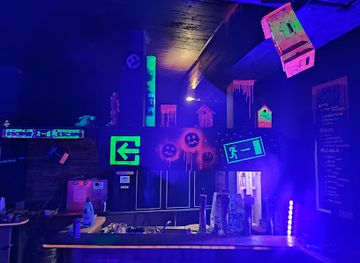
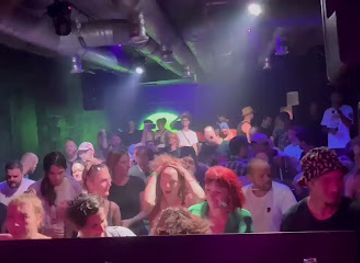
Outremeuse has an evening culture built more around cafés, bars and informal sociability than around a large concentration of nightclubs. Rue Roture and nearby streets are the principal places to look for a drink, with brasseries and small venues attracting residents, students and visitors after the museums and shops have closed. The river quays can provide a pleasant route between venues, though the district’s character changes quickly from lively commercial streets to quiet residential blocks. Traditional Belgian beer is widely represented in Liège’s café culture, while local establishments may also serve simple meals and evening refreshments. During the 15 August celebrations, music, performances and crowds transform public space across Outremeuse. Visitors should distinguish this festival atmosphere from the neighbourhood’s usual nights, which are sociable but generally less club-focused than dedicated entertainment quarters elsewhere in the city.
-
Karaoke bar
Le Clavier
Discover the energy of Le Clavier, a premier karaoke bar and night club in Liège, where music and fun come together for an unforgettable night out.
1 min walk · 0.1 km from neighbourhood centre
-
Night club
Escape Club
Dive into the vibrant nightlife of Liège at Escape Club, where electrifying music and a friendly atmosphere create unforgettable nights.
1 min walk · 0.1 km from neighbourhood centre
-
Bar
My bae club
Experience the vibrant nightlife of Liège at My Bae Club, where chic ambiance meets exceptional cocktails for an unforgettable evening.
3 min walk · 0.3 km from neighbourhood centre
-
Night club
Other Side club
Experience the vibrant nightlife of Liège at Other Side Club, where music, dance, and unforgettable moments converge in an electrifying atmosphere.
1 min walk · 0.1 km from neighbourhood centre


Best shops in Outremeuse
Shopping in Outremeuse is modest in scale and rooted in neighbourhood commerce rather than major retail. The streets around Rue Puits-en-Sock, Rue Roture and Saint-Pholien contain small food shops, cafés, everyday services and independent businesses, with the most distinctive purchases often connected to Liège’s culinary and cultural life. Visitors may find regional food products, Belgian beer and chocolate alongside practical local shopping, although individual stock and businesses change. Tchantchès imagery appears in the district’s cultural institutions and signs, making locally themed souvenirs more meaningful here than generic city-centre merchandise. The neighbourhood does not function as Liège’s principal fashion or department-store district; for that, visitors generally continue towards the central commercial streets across the Meuse. Its appeal lies in browsing at street level and combining small purchases with a walk through the older lanes and quays.
-
Store
Le Reliquaire
Explore the eclectic treasures of Le Reliquaire in Liège, where vintage charm and local history come together in a captivating shopping experience.
7 min walk · 0.6 km from neighbourhood centre
-
Gift shop
Shop Ésotérique Entre Heaven And Earth Lithothérapie Liège
Discover a unique blend of spirituality and wellness at Shop Ésotérique Entre Heaven And Earth in Liège, offering crystals, esoteric books, and much more.
11 min walk · 0.9 km from neighbourhood centre
-
Used clothing store
Boutique Terre
Explore Boutique Terre in Liège for unique pre-loved clothing, where sustainability meets style in a charming shopping experience.
1 min walk · 0.1 km from neighbourhood centre
-
Gift shop
Le petit grand Bazar
Explore Le Petit Grand Bazar in Liège for a unique blend of artisanal gifts, local crafts, and sweet treats that showcase the heart of Belgian creativity.
9 min walk · 0.7 km from neighbourhood centre


Outremeuse essentials
Getting There
Getting Around
Safety
Emergency Situations
Do's and Don'ts
Local Tips

From Eve
Local phrases worth knowing
You don't need to get them perfect. A few words go a long way, and locals appreciate the effort.
Basics
| English | Local | Say it |
|---|---|---|
| Hello | Salut | [Sa-lu] |
| Goodbye | Adie | [A-dy] |
| Yes | Oyi | [O-yi] |
| No | Non | [Non] |
| Please/You're welcome | S'il te plaît | [Sil te ple] |
| Thank you | Merci | [Mer-si] |
| Excuse me/Sorry | Excuze-mwè/Sorry | [Eks-ku-ze mwe/Sor-ri] |
| How are you? | Comint ça va? | [Ko-min sa va] |
| Fine. And you? | Bin. Et twa? | [Ban. Et twa] |
| Do you speak English? | Pôrlé-vwènz-onkès inglès? | [Por-le-vwenz-on-kes ang-les] |
| I don't understand | Dj'comprin nén | [Jcom-prin nen] |
Eating & Drinking
| English | Local | Say it |
|---|---|---|
| I'd like to see the menu, please | Dji v'dré vwar l'minu si-vou-plaît | [Dji vdre vwar lmi-nu si-vu ple] |
| I don't eat meat | Dji mang' nén d'la viande | [Dji mang nen dla vian-de] |
| Cheers! | Santé! | [San-te] |
| I would like to pay, please | Dji v'dré payî si-vou-plaît | [Dji vdre payi si-vu ple] |
Emergencies
| English | Local | Say it |
|---|---|---|
| Help! | Aid' | [Aid] |
| Go away! | Vade! | [Va-de] |
| Call the Police! | Aplèz l'police! | [A-ple le po-lice] |
| Call a doctor! | Aplèz on médic! | [A-ple on me-dik] |
| I'm lost | Dji m'perdou | [Dji mper-dou] |
| I'm ill | Dji m'fô | [Dji mfo] |
Shopping
| English | Local | Say it |
|---|---|---|
| I'd like to buy... | Dji v'dré acater... | [Dji vdre a-ka-te] |
| I'm just looking | Dji n'fouye k'péker | [Dji n-foo-ye kpe-ker] |
| How much is it? | Cmint ç'coûte? | [Kmin tsoot] |
| That's too expensive | C'est trop cô | [Se tro ko] |
| Can you lower the price? | Pouvez-v'z-ènauger l'pris? | [Pou-vez-ve-nô-je le pris] |
Time & Numbers
| English | Local | Say it |
|---|---|---|
| What time is it? | Cmint c'èst l'heure? | [Kmin tse leu-re] |
| It's one o'clock | C'èst l'oneure | [Cest lo-neu-re] |
| Half past (10) | Dj'quart d'dis | [Dj-kwart d-dees] |
| Morning | L'matin | [Lma-tin] |
| Afternoon | L'après-midi | [La-pre-mi-di] |
| Evening | L'swaré | [Lsua-re] |
| Yesterday | Irdi | [Ir-di] |
| Today | Ojhuy | [O-jwee] |
| Tomorrow | D'mwin | [Dm-win] |
| 1 | Ûn | [Un] |
| 2 | Deûs | [Deus] |
| 3 | Trois | [Trois] |
| 4 | Kat' | [Kat] |
| 5 | Cinq | [Sank] |
| 6 | Sis | [Sis] |
| 7 | Sèt' | [Set] |
| 8 | Huict | [Witt] |
| 9 | Nof | [Nof] |
| 10 | Dix | [Dees] |
Transport & Directions
| English | Local | Say it |
|---|---|---|
| Where's a/the...? | Où ç'èst l'... | [Ou tse le] |
| What's the address? | C'qui ç'èst l'adresse? | [Kwi tse la-dre-ss] |
| Can you show me (on the map)? | Pouvez-v'z-m'indiker (sû l'carte)? | [Pou-vez-vin-di-ker su-lkar-te] |
| When's the next (bus)? | Quind ç'èst l'prochain (bus)? | [Kwin tse le pro-shin bus] |
| A ticket (to ....) | Ûn billet (pour ....) | [Un bi-let (pour)] |
History of Outremeuse
The District Beyond the Meuse
Outremeuse takes its name from its position beyond the Meuse when viewed from Liège’s historic centre. The area developed on low-lying land between the principal river and waterways connected with the Ourthe, and its island character was reinforced by successive changes to the river system. For centuries it remained distinct from the medieval core on the opposite bank, reached by bridges and ferries rather than by continuous urban fabric. Its position made it closely connected to the city while preserving a separate local identity, one that later became associated with neighbourhood customs, popular entertainment and a strong sense of belonging.
Urban Growth and Parish Life
Outremeuse became more densely urban during Liège’s expansion, as houses, workshops, shops and cafés filled the streets around its churches and bridges. Saint-Pholien, whose present building dates from the nineteenth century, became an important visual and religious anchor near the district’s southern side. The older street pattern survives most clearly around Rue Roture and adjoining lanes, where narrow plots and frontages recall the neighbourhood’s gradual growth rather than a single planned development. By the nineteenth century, Outremeuse had become a mixed working and lower-middle-class district, integrated into the city but still recognisable as a community across the water.
Industry, Bridges and City Connections
Liège’s industrial rise affected Outremeuse through increased movement across the Meuse, pressure for better bridges and the transformation of the surrounding waterways. The construction and regulation of the Dérivation helped make navigation and flood control more manageable while giving the district a clearly defined island geography. New roads and bridge connections linked residents with factories, markets, schools and the civic centre. This period also encouraged the growth of cafés, popular amusements and local associations, creating the urban social environment in which Outremeuse’s folklore developed and its streets acquired the mixture of commerce and domestic life still evident today.
Tchantchès and Popular Culture
The figure of Tchantchès became one of Outremeuse’s most enduring cultural symbols. Presented as a plain-speaking, independent-minded Liège character, he belongs to the city’s puppet theatre tradition and is closely connected with the district’s popular cultural institutions. The Musée Tchantchès, founded by the Royal Imperial Society of Royalist and Constitutional Puppeteers of Outremeuse, preserves puppets, costumes and other material connected with this tradition. The annual 15 August celebrations further established Outremeuse as a centre of public folklore, bringing religious observance, street festivities and local performance into the same neighbourhood setting.
A Neighbourhood of Memory and Renewal
During the twentieth century, Outremeuse retained its residential character while adapting to the wider changes affecting Liège, including industrial decline, new university activity and the redevelopment of riverfront spaces. The presence of the University of Liège’s Aquarium-Museum and Maison de la Science on Quai Édouard Van Beneden gave the district an important educational and scientific role. At the same time, cafés, restaurants, cultural venues and renovated housing brought new uses to older streets. Contemporary Outremeuse therefore combines inherited folklore and historic buildings with student life, everyday commerce and a continuing connection to the Meuse.
Outremeuse in Photos
Browse through our photo collection highlighting the charm and character of the destination.
Neighbourhoods near Outremeuse
The closest neighbourhoods to Outremeuse, if you have time for more than one stop.
-

-
-

-


Swipe for more neighbourhoods
Explore more

Explore more of Liege
Liège, Belgium’s historic river city, blends Meuse-side landmarks, lively culture, Walloon cuisine and atmospheric streets for memorable sightseeing and local experiences.
Explore Liege