

Guillemins (Liege) Travel Guide - Free
Explore Guillemins in Liege with Evendo's free guide. Find the best shops, historic streets, restaurants, and gems on web or mobile.


Guillemins in Liège pairs Calatrava’s remarkable railway station with local cafés, riverside walks and easy access to the city’s cultural quarters.
A Neighbourhood Shaped by Arrival
Guillemins is the part of Liège most visitors encounter first: a broad, open district organised around Liège-Guillemins railway station and the avenues leading towards the Meuse. Its identity is closely tied to movement, reconstruction and modern architecture, yet the area is more than a transport interchange. Around rue des Guillemins and rue Dartois, apartment buildings, small businesses, cafés and practical services create a lived-in urban quarter, while the station’s sweeping white roof gives the neighbourhood an unmistakable contemporary profile.Read more about Guillemins
Architecture, River and City Connections
Everyday Life in a Transit District
Best attractions in Guillemins
Liège-Guillemins station is the neighbourhood’s defining attraction and deserves attention beyond its practical role as a railway interchange. Designed by Santiago Calatrava and opened in 2009, its huge translucent roof, exposed structural curves and open platforms create a powerful modern civic space, particularly when viewed from the forecourt or from the approaches leading up from the city. The surrounding streets offer a more ordinary but revealing experience of Liège, with station-facing cafés, apartment buildings and views towards the wooded slopes around Cointe. The Meuse and Pont de Fragnée are within walking distance, providing a broad riverside setting and a route towards the nearby Parc de la Boverie, which lies beyond the immediate Guillemins quarter. Sainte-Marie-des-Anges church adds a quieter religious and architectural point of interest among the local streets.
-
Tourist attraction
Parc d'Avroy
Experience the tranquility and beauty of Parc d'Avroy, a serene urban park in Liège, perfect for relaxation and local cultural events.
10 min walk · 0.8 km from neighbourhood centre
-
Tourist attraction
Botanical Garden
Explore the serene beauty of Liège's Botanical Garden, where nature comes alive with vibrant flora and tranquil landscapes.
14 min walk · 1.1 km from neighbourhood centre
-
Tourist attraction
Park Cointe
Explore the serene beauty of Park Cointe, a perfect escape in Liège with stunning views, lush landscapes, and ample recreational activities.
8 min walk · 0.6 km from neighbourhood centre
-
Tourist attraction
Palace of the Prince-Bishops
Discover the Palace of the Prince-Bishops, a historical landmark in Liège, Belgium, showcasing stunning architecture and rich heritage.
7 min drive · 2.3 km from neighbourhood centre


Best landmarks in Guillemins
Liège-Guillemins station is both a transport facility and the neighbourhood’s major architectural landmark. Its enormous vaulted canopy, formed from glass, steel and pale structural surfaces, replaces the conventional image of a station with an open urban interior and long views along the tracks. The building’s scale reflects Liège’s position on important Belgian and international railway routes, while its 2009 opening represents the district’s transition into a contemporary redevelopment zone. Sainte-Marie-des-Anges church offers a contrasting landmark within the older street fabric around rue des Guillemins. Towards the river, Pont de Fragnée belongs to the wider local landscape and links the station side of Liège with routes towards Fragnée and the south; Parc de la Boverie is nearby but geographically beyond the immediate neighbourhood.
-
Tourist attraction
Place Saint-Lambert
Explore the vibrant Place Saint-Lambert in Liège, Belgium - a cultural hub filled with history, dining, and shopping experiences.
6 min drive · 2.2 km from neighbourhood centre
-
Art museum
La Boverie
Explore La Boverie, an art museum in Liège, Belgium, offering a rich collection of artworks and stunning park views for an unforgettable cultural experience.
7 min walk · 0.6 km from neighbourhood centre
-
Catholic cathedral
St. Paul's Cathedral in Liege
Explore the architectural grandeur and serene beauty of St. Paul's Cathedral, a historic landmark in the heart of Liege, Belgium.
5 min drive · 1.7 km from neighbourhood centre
-
Botanical garden
Botanical Garden
Experience the peaceful beauty of Liège's Botanical Garden, a vibrant oasis of nature in the heart of the city, perfect for relaxation and exploration.
14 min walk · 1.1 km from neighbourhood centre


Explore Guillemins on the map
A handpicked selection of must-see spots in Guillemins, mapped for you.
Best hotels in Guillemins
Best restaurants in Guillemins
Dining in Guillemins is shaped by railway traffic and the needs of a mixed residential and office district. Around the station and along rue des Guillemins, visitors find cafés, bakeries, brasseries and casual restaurants suited to breakfast, a quick meal or a pause between trains. The choice is practical rather than concentrated around a single food market or celebrated culinary street, and the area’s international rail connections contribute to a broad urban mix without defining one exclusive cuisine. Traditional Liège specialities can be sought in brasseries across the city, while the centre and nearby districts offer a denser selection of specialist restaurants and evening dining. Station-area businesses are particularly useful for travellers with limited time, whereas the smaller side streets provide a more local setting for coffee and everyday meals.
-
Belgian
Le Concordia
Experience authentic Belgian cuisine at Le Concordia in Liège – where tradition meets flavor in a warm, inviting atmosphere.
4 min walk · 0.3 km from neighbourhood centre
-
Belgian
Restaurant L'Ecuyer
Experience the essence of Belgium at Restaurant L'Ecuyer in Liège - where every dish tells a story.
7 min walk · 0.6 km from neighbourhood centre
-
Brasserie
Brasserie Liegeoise
Experience authentic Belgian flavors at Brasserie Liegeoise in Liège – where fondue and steak take center stage.
4 min walk · 0.3 km from neighbourhood centre
-
Italian
l'Atelier Pâtes Guillemins
Discover authentic Italian flavors at l'Atelier Pâtes Guillemins in Liège - where fresh pasta meets delightful ambiance.
4 min walk · 0.3 km from neighbourhood centre


Best bars in Guillemins
Guillemins is liveliest around train arrivals, departures and daytime café traffic, but it is not one of Liège’s principal late-night entertainment districts. The station approaches and rue des Guillemins have bars and places for an informal drink, while hotel and brasserie terraces provide a calmer evening atmosphere. Visitors seeking live music, clubs or a larger concentration of bars generally continue towards the central pedestrian streets, Carré or other nearby quarters rather than remaining in the immediate station area. The district’s modern architecture can be especially striking after dark when the station is illuminated, but the surrounding streets become comparatively quiet outside transport and dining hours. Night-time visitors should respect residential entrances and use sensible care on the less busy routes between the station and the river.
-
Belgian
Le Concordia
Savor authentic Belgian flavors at Le Concordia, a charming restaurant in Liège with a warm ambiance and a delightful menu.
4 min walk · 0.3 km from neighbourhood centre
-
Belgian
Restaurant L'Ecuyer
Experience the heart of Belgian gastronomy at Restaurant L'Ecuyer in Liège, where tradition meets culinary excellence.
7 min walk · 0.6 km from neighbourhood centre
-
Belgian
Grand Café de la Gare
Experience the best of Belgian and modern French cuisine at Grand Café de la Gare, a vibrant spot in Liège's iconic train station.
3 min walk · 0.3 km from neighbourhood centre
-
Gastropub
TGV Taverne
Experience the best of Belgian cuisine at TGV Taverne, a beloved gastropub in the vibrant city of Liège, where tradition meets innovation.
4 min walk · 0.3 km from neighbourhood centre


Best nightclubs in Guillemins
Guillemins is liveliest around train arrivals, departures and daytime café traffic, but it is not one of Liège’s principal late-night entertainment districts. The station approaches and rue des Guillemins have bars and places for an informal drink, while hotel and brasserie terraces provide a calmer evening atmosphere. Visitors seeking live music, clubs or a larger concentration of bars generally continue towards the central pedestrian streets, Carré or other nearby quarters rather than remaining in the immediate station area. The district’s modern architecture can be especially striking after dark when the station is illuminated, but the surrounding streets become comparatively quiet outside transport and dining hours. Night-time visitors should respect residential entrances and use sensible care on the less busy routes between the station and the river.
-
Bar
Le Cuba'r - Liège
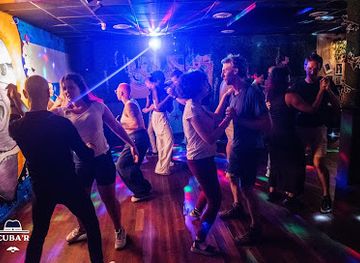
Experience the vibrant nightlife of Liège at Le Cuba'r, a lively bar and disco club offering salsa classes and unforgettable dance nights.
5 min drive · 1.8 km from neighbourhood centre
-
Night club
Escape Club
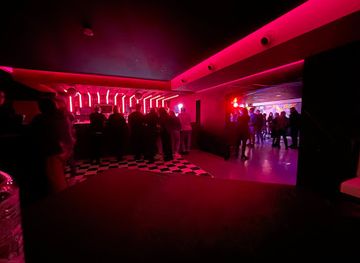
Dive into the vibrant nightlife of Liège at Escape Club, where music, dance, and fun come together for an unforgettable experience.
5 min drive · 1.8 km from neighbourhood centre
-
Disco club
Le vogue
Discover the electrifying nightlife at Le Vogue, Liège's top disco club, where the music never stops and the dance floor awaits.
7 min drive · 2.2 km from neighbourhood centre
-
Lounge
Crystal Club
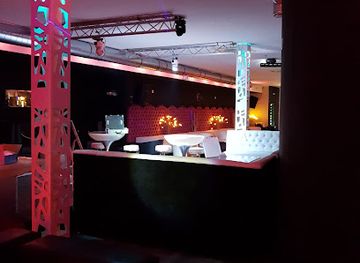
Discover the essence of Liège's nightlife at Crystal Club, where style meets excitement in a chic lounge setting.
5 min drive · 1.7 km from neighbourhood centre

Best shops in Guillemins
Shopping in Guillemins is chiefly local and practical, centred on the station approaches and rue des Guillemins rather than on a major pedestrian retail boulevard. Small food shops, bakeries, convenience businesses, cafés and everyday services reflect the needs of residents, commuters and rail passengers. The station itself provides useful travel-related services, but it is not a substitute for Liège’s larger shopping areas. Visitors looking for independent fashion, specialist boutiques, books or a broader range of gifts will find more concentrated retail in the city centre, reachable by public transport or on foot. The neighbourhood is therefore best approached as a place for provisions and local street life, with the contrast between the polished station architecture and modest surrounding businesses forming part of its commercial character.
-
Shopping mall
Médiacité
Discover Médiacité in Liège, a vibrant shopping mall offering an incredible selection of stores, dining options, and entertainment for an unforgettable experience.
13 min walk · 1.0 km from neighbourhood centre
-
Shopping mall
Shopping Belle-Île Liège
Discover diverse shopping, dining, and entertainment experiences at Belle-Île Liège, a premier destination for tourists and locals alike.
6 min drive · 1.9 km from neighbourhood centre
-
Gift shop
Dille & Kamille - Luik-Liège
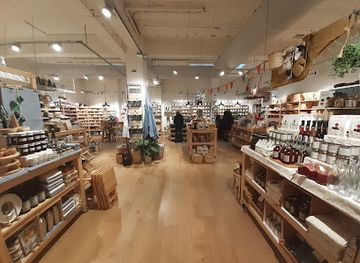
Discover unique gifts and home goods at Dille & Kamille, a charming shop in Liège offering quality kitchen supplies and delightful teas.
5 min drive · 1.7 km from neighbourhood centre
-
Shopping mall
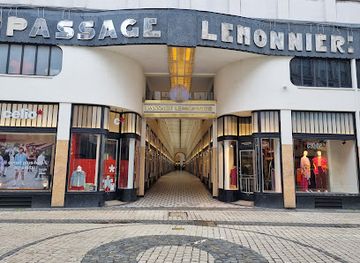
Passage Lemonnier
Explore Passage Lemonnier, a historic shopping haven in Liège, blending local charm with modern retail experiences amidst stunning architecture.
5 min drive · 1.8 km from neighbourhood centre


Guillemins essentials
Getting There
Getting Around
Safety
Emergency Situations
Do's and Don'ts
Local Tips

From Eve
Local phrases worth knowing
You don't need to get them perfect. A few words go a long way, and locals appreciate the effort.
Basics
| English | Local | Say it |
|---|---|---|
| Hello | Bonjour | [bon-zhoor] |
| Goodbye | Au revoir | [oh reh-vwahr] |
| Yes | Oui | [wee] |
| No | Non | [nohn] |
| Please/You're welcome | S'il vous plaît | [seel voo pleh] |
| Thank you | Merci | [mehr-see] |
| Excuse me/Sorry | Excusez-moi | [ehk-skew-zay mwah] |
| How are you? | Comment ça va? | [koh-mohn sah vah] |
| Fine. And you? | Bien. Et vous? | [byehn. ay voo] |
| Do you speak English? | Parlez-vous anglais? | [par-lay voo ahn-glay] |
| I don't understand | Je ne comprends pas | [zhuh nuh kohm-prahnd pah] |
Eating & Drinking
| English | Local | Say it |
|---|---|---|
| I'd like to see the menu, please | Je voudrais voir la carte, s'il vous plaît | [zhuh voo-dray vwar lah kart, seel voo pleh] |
| I don't eat meat | Je ne mange pas de viande | [zhuh nuh mahnj pah duh vyand] |
| Cheers! | Santé! | [sahn-tay] |
| I would like to pay, please | Je voudrais payer, s'il vous plaît | [zhuh voo-dray pay-ay, seel voo pleh] |
Emergencies
| English | Local | Say it |
|---|---|---|
| Help! | Au secours! | [oh se-kur] |
| Go away! | Allez-vous en! | [ah-lay voo zahn] |
| Call the Police! | Appelez la police! | [ah-play lah poh-leece] |
| Call a doctor! | Appelez un médecin! | [ah-play uhn may-deh-sahn] |
| I'm lost | Je suis perdu | [zhuh swee pair-doo] |
| I'm ill | Je suis malade | [zhuh swee mah-lahd] |
Shopping
| English | Local | Say it |
|---|---|---|
| I'd like to buy... | Je voudrais acheter... | [zhuh voo-dray ah-sheh-tay] |
| I'm just looking | Je regarde juste | [zhuh ruh-gard zhust] |
| How much is it? | Combien ça coûte? | [kohn-byen sah koot] |
| That's too expensive | C'est trop cher | [say troh shair] |
| Can you lower the price? | Pouvez-vous baisser le prix? | [poo-vay voo bay-say luh pree] |
Time & Numbers
| English | Local | Say it |
|---|---|---|
| What time is it? | Quelle heure est-il? | [kell uhr ay-teel] |
| It's one o'clock | Il est une heure | [eel ay oon uhr] |
| Half past (10) | Dix heures et demie | [dees uhr ay duh-mee] |
| Morning | Matin | [mah-tahn] |
| Afternoon | Après-midi | [ah-pray mee-dee] |
| Evening | Soir | [swahr] |
| Yesterday | Hier | [yehr] |
| Today | Aujourd'hui | [oh-zhoor-dwee] |
| Tomorrow | Demain | [duh-mahn] |
| 1 | Un | [uhn] |
| 2 | Deux | [duh] |
| 3 | Trois | [twah] |
| 4 | Quatre | [kah-truh] |
| 5 | Cinq | [sank] |
| 6 | Six | [sees] |
| 7 | Sept | [set] |
| 8 | Huit | [weet] |
| 9 | Neuf | [nurf] |
| 10 | Dix | [dees] |
Transport & Directions
| English | Local | Say it |
|---|---|---|
| Where's a/the...? | Où est...? | [oo ay...] |
| What's the address? | Quelle est l'adresse? | [kell ay la-dress] |
| Can you show me (on the map)? | Pouvez-vous me montrer (sur la carte)? | [poo-vay voo muh mohn-tray (soor lah kart)] |
| When's the next (bus)? | Quand est le prochain (bus)? | [kahn ay luh proh-shahn (boos)] |
| A ticket (to ....) | Un billet (pour ...) | [uhn bee-yay (poor ...)] |
History of Guillemins
From Guillemins Abbey to Suburban Land
The name Guillemins recalls the Guillemites, a religious order whose presence in Liège helped give the area its historical identity. For centuries, the land south-west of the medieval core remained less densely built than the old city, with religious properties, gardens and routes leading towards the Meuse valley. The neighbourhood’s later shape was determined less by the abbey itself than by Liège’s outward growth and the gradual conversion of peripheral land into streets, housing and infrastructure. Its position between the historic centre, the river and the routes towards Sclessin and the Ardennes made it increasingly valuable as the city expanded.
The Railway Reaches Liège
Railway construction in the nineteenth century changed Guillemins from an outer district into one of Liège’s principal gateways. A station serving the growing industrial city anchored new roads, housing and commercial activity around the railway approaches. Trains connected Liège with Brussels, Germany and the wider Meuse corridor, while the concentration of passengers and railway workers encouraged practical businesses close to the platforms. The district’s urban character consequently developed around circulation: broad approaches, crossings and station-facing streets became as important to its identity as the older local buildings and religious institutions.
A Station Rebuilt for the Twentieth Century
The earlier Guillemins terminus was rebuilt in the early twentieth century as railway technology and passenger numbers evolved. That station served Liège for much of the modern era, but its enclosed design eventually struggled to accommodate high-speed rail, revised platforms and changing patterns of urban access. The railway remained the neighbourhood’s defining institution, while the surrounding streets acquired a mixture of apartment blocks, offices, hotels, cafés and transport services. These changes reinforced Guillemins as a functional district connected to the wider city rather than an isolated station enclave.
Calatrava’s Station and Urban Renewal
The opening of Santiago Calatrava’s new Liège-Guillemins station in 2009 marked the neighbourhood’s most dramatic recent transformation. Its glass, steel and concrete structure replaced the former station and created a largely open interchange designed for conventional and high-speed rail. The project reshaped the forecourt, pedestrian routes and views towards the hills, while stimulating redevelopment along nearby avenues. It also gave Guillemins a powerful contemporary landmark, turning a district once mainly associated with railway logistics into an architectural destination in its own right. The area remains a working urban quarter, with renewal continuing alongside established residential streets.
Guillemins in Photos
Browse through our photo collection highlighting the charm and character of the destination.
Neighbourhoods near Guillemins
The closest neighbourhoods to Guillemins, if you have time for more than one stop.
-
-

-

-


Swipe for more neighbourhoods
Explore more

Explore more of Liege
Liège, Belgium’s historic river city, blends Meuse-side landmarks, lively culture, Walloon cuisine and atmospheric streets for memorable sightseeing and local experiences.
Explore Liege