

Free Louvain-la-Neuve Travel Guide & Mobile App
Plan your Louvain-la-Neuve trip with Evendo. Get free guides to top attractions, restaurants, hotels, and bars. Web access or download the mobile app.


Louvain-la-Neuve combines modern architecture, university life, the Musée Hergé, green spaces and Belgian culture in a distinctive pedestrian city.
A Modern City with a Deliberate Design
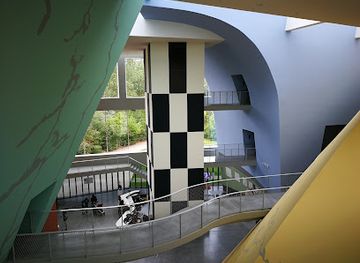
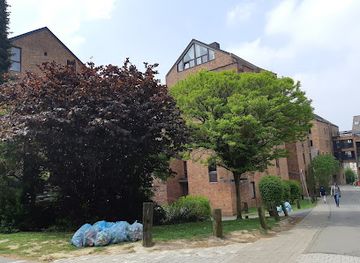
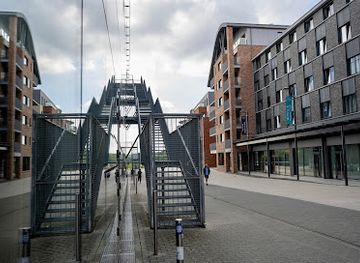
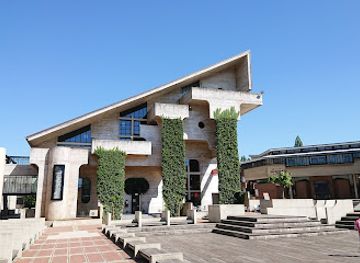
Louvain-la-Neuve is one of Belgium’s most distinctive urban experiments: a university city created almost from scratch in the 1970s after the linguistic division of the Catholic University of Leuven. Built in Wallonia, in the province of Walloon Brabant, it was designed around the French-speaking Université catholique de Louvain (UCLouvain), with pedestrians placed above a network of roads and car parks. The result is a compact, largely traffic-free centre where concrete walkways, raised squares, modernist buildings and planted spaces form an unusual but coherent landscape.Read more about Louvain-la-Neuve
Campus, Culture and Public Life
Green Spaces and Lakeside Walks
When is the best time to visit Louvain-la-Neuve?
Best: June–August · 21–23°C| Month | High (°C) | Rainfall (mm) |
|---|---|---|
| January | 7 | 70 |
| February | 8 | 60 |
| March | 11 | 60 |
| April | 15 | 50 |
| May | 19 | 50 |
| June (best) | 21 | 60 |
| July (best) | 23 | 70 |
| August (best) | 22 | 70 |
| September | 20 | 60 |
| October | 16 | 70 |
| November | 11 | 80 |
| December | 9 | 80 |
Getting to and around Louvain-la-Neuve
How to get there
Transportation
Best attractions in Louvain-la-Neuve
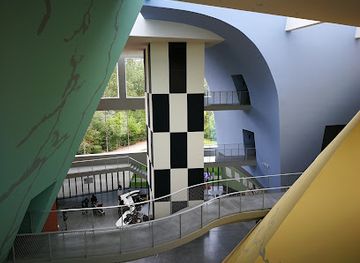
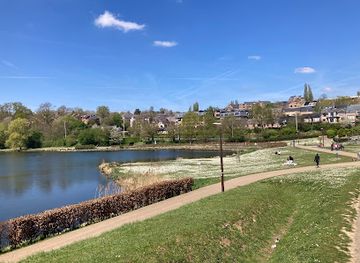
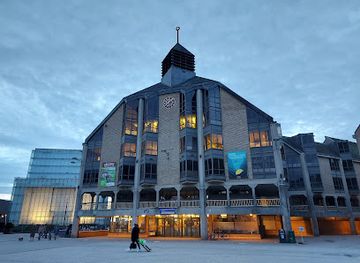
Louvain-la-Neuve’s attractions reflect its unusual identity as a planned university city rather than a historic medieval centre. The Musée Hergé explores the art, characters and visual world of Tintin creator Georges Remi through original drawings, archives and carefully designed displays. Nearby, Musée L brings together art, archaeology, ethnography and scientific collections in a contemporary setting. The pedestrian centre itself is an attraction for visitors interested in urban design, with Place des Sciences, the Grand-Place, raised walkways and exposed-concrete university buildings creating a distinctive sequence of spaces. The Aula Magna and Théâtre Jean Vilar provide cultural programming, while the Ferme du Biéreau preserves a historic farm within the modern settlement. For a change of pace, Lac de Louvain-la-Neuve offers an easy waterside walk, and the Bois de Lauzelle extends the city’s green character into woodland paths.
-
Tourist attraction
Hergé Museum
Discover the legacy of Hergé at the Hergé Museum, a unique art museum celebrating the world of Tintin in Belgium.
4 min walk · 0.3 km from city centre
-
Tourist attraction
Lac de Louvain-la-Neuve
Discover the tranquil beauty of Lac de Louvain-la-Neuve, a picturesque lake perfect for relaxation, recreation, and unforgettable memories in nature.
8 min walk · 0.6 km from city centre
-
Tourist attraction
Musée L
Explore the captivating Musée L in Ottignies-Louvain-la-Neuve, a cultural gem that blends art and science for an unforgettable experience.
5 min walk · 0.4 km from city centre
-
City park
Grande Place de Louvain-la-Neuve
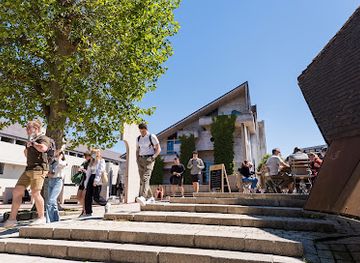
Discover the vibrant atmosphere of Grande Place in Louvain-la-Neuve, where culture, community, and captivating architecture come together.
3 min walk · 0.2 km from city centre
Best landmarks in Louvain-la-Neuve
Louvain-la-Neuve’s landmarks express the ambitions of a city built in the late twentieth century. The university complex and Place des Sciences are central examples of its modernist planning, where exposed concrete, brick, raised pedestrian routes and separated traffic create an urban landscape unlike Belgium’s older towns. The Aula Magna serves as a civic and cultural focal point, while the Musée Hergé is notable both for its Tintin collections and for its purpose-designed contemporary architecture. The Ferme du Biéreau offers a contrasting landmark: a historic farm retained within the new city and now associated with cultural life. The railway station and the town’s layered walkways also reveal the practical principles behind the plan, placing movement, public squares and academic buildings in a connected but deliberately non-traditional arrangement.
-
Museum
Hergé Museum
Explore the Hergé Museum, a captivating journey through the world of Tintin and the art of Belgian cartoonist Hergé, perfect for all ages.
4 min walk · 0.3 km from city centre
-
Live Music
Farm Biéreau
Discover Farm Biéreau in Ottignies-Louvain-la-Neuve, a lively live music venue blending local culture, creativity, and unforgettable performances.
4 min walk · 0.4 km from city centre
-
Event venue
Aula Magna
Explore the cultural richness of Aula Magna, a premier event venue in Ottignies-Louvain-la-Neuve, Belgium, showcasing a variety of performances and exhibitions.
4 min walk · 0.3 km from city centre
-
Museum
Musée L
Uncover the treasures of art and science at Musée L, a captivating museum in Ottignies-Louvain-la-Neuve, Belgium, perfect for all ages.
5 min walk · 0.4 km from city centre
Explore Louvain-la-Neuve on the map
Plan your Louvain-la-Neuve trip on one map. See where the top attractions, landmarks, restaurants, bars and hotels are, find what's near where you're staying, and book hotels and experiences in a few clicks.
Best hotels in Louvain-la-Neuve
Best restaurants in Louvain-la-Neuve
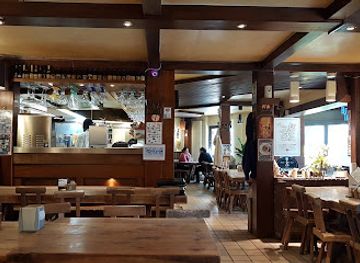
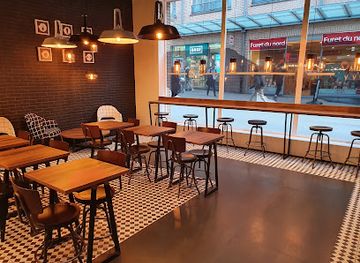
Louvain-la-Neuve’s dining scene is shaped by its international university population and compact pedestrian centre. Around the Grand-Place, Place des Sciences and the commercial heart, visitors find cafés, casual restaurants and takeaways catering to students as well as local residents, with menus that reflect Belgium’s multilingual and international connections. Belgian staples such as chips, waffles, beer, bread, local cheeses and seasonal dishes appear alongside Italian, Asian, Mediterranean and other globally influenced cooking. The surrounding Walloon Brabant countryside also informs menus through farm produce and regional beers, although the city’s food culture is more cosmopolitan than traditionally rural. Cafés are central to the rhythm of the town, particularly between lectures and in the early evening, while food shops and bakeries provide practical options around the pedestrian shopping areas. Restaurant styles and opening patterns vary with the academic calendar.
-
Restaurant
La Crêperie Bretonne La Mère Filloux
Savor authentic Breton crepes and delightful sundaes at La Crêperie Bretonne La Mère Filloux in Ottignies-Louvain-la-Neuve.
2 min walk · 0.1 km from city centre
-
Hamburger
Black & White Burger LLN
Savor gourmet burgers and family-friendly meals at Black & White Burger LLN - your go-to spot for delicious fast food in Louvain-la-Neuve.
2 min walk · 0.2 km from city centre
-
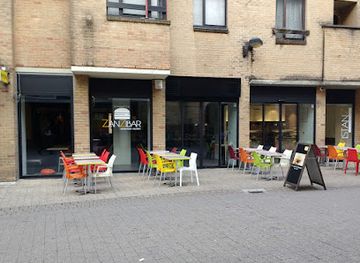
Hamburger
Zanzibar
Discover Zanzibar in Ottignies-Louvain-la-Neuve: A fast food gem serving mouth-watering hamburgers with local flair.
2 min walk · 0.1 km from city centre
-
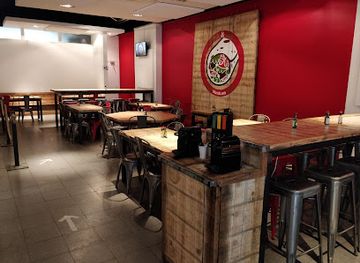
Mexican
Mex&Go LLN
Experience authentic Mexican flavors at Mex&Go LLN - a vibrant eatery in Ottignies-Louvain-la-Neuve offering healthy fast food options.
1 min walk · 0.1 km from city centre
Best bars in Louvain-la-Neuve
After dark, Louvain-la-Neuve is influenced strongly by student life, with cafés and bars around the central pedestrian districts providing the main social focus. The area around the Grand-Place and Place des Sciences can become animated during the academic year, while university associations organise events whose atmosphere reflects Belgian student traditions. Evening entertainment also extends beyond drinking: the Théâtre Jean Vilar and Aula Magna host theatre, concerts, talks and other performances, and the Ferme du Biéreau is associated with cultural programming in a historic setting. Nightlife is generally more compact and student-oriented than that of Brussels, with activity fluctuating according to term time, examinations and university holidays. Visitors should respect residential areas and bear in mind that the centre’s raised paths, ramps and access roads can feel unfamiliar when returning late.
-
Irish pub
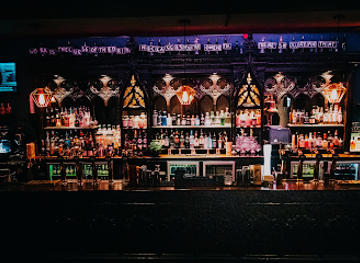
Becketts
Discover the heart of Irish culture at Becketts, where authentic cuisine and a lively atmosphere create unforgettable experiences.
3 min walk · 0.2 km from city centre
-
Bar
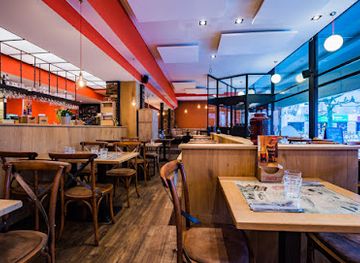
Le Grand Place
Discover the vibrant charm of Le Grand Place in Ottignies-Louvain-la-Neuve, a perfect blend of tradition and modernity in Belgian dining.
2 min walk · 0.2 km from city centre
-
Bar
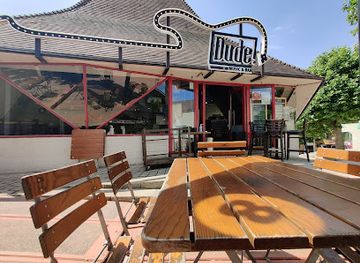
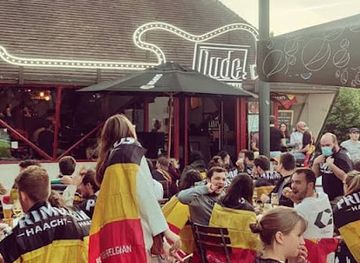
Dude!
Dude! Bar - Your go-to spot for drinks, music, and a vibrant atmosphere in Ottignies-Louvain-la-Neuve.
4 min walk · 0.3 km from city centre
-
Bar
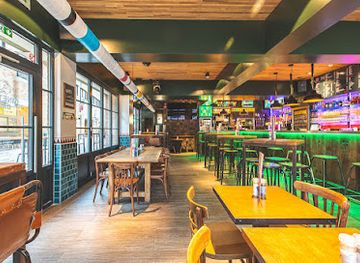
Ginette Bar
Discover Ginette Bar, the perfect blend of vibrant atmosphere, exquisite drinks, and delightful cuisine in Ottignies-Louvain-la-Neuve.
2 min walk · 0.2 km from city centre
Best nightclubs in Louvain-la-Neuve
After dark, Louvain-la-Neuve is influenced strongly by student life, with cafés and bars around the central pedestrian districts providing the main social focus. The area around the Grand-Place and Place des Sciences can become animated during the academic year, while university associations organise events whose atmosphere reflects Belgian student traditions. Evening entertainment also extends beyond drinking: the Théâtre Jean Vilar and Aula Magna host theatre, concerts, talks and other performances, and the Ferme du Biéreau is associated with cultural programming in a historic setting. Nightlife is generally more compact and student-oriented than that of Brussels, with activity fluctuating according to term time, examinations and university holidays. Visitors should respect residential areas and bear in mind that the centre’s raised paths, ramps and access roads can feel unfamiliar when returning late.
-
Bar
Dude!
Discover the vibrant atmosphere of Dude! in Ottignies-Louvain-la-Neuve, a budget-friendly bar ideal for socializing and enjoying local nightlife.
4 min walk · 0.3 km from city centre
-
Bar
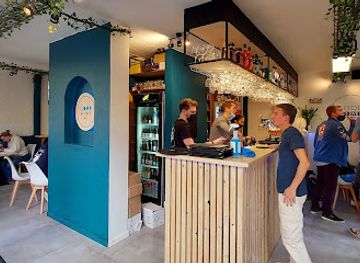
Good News - Bar
Experience the vibrant nightlife of Louvain-la-Neuve at Good News Bar, where great drinks and a friendly atmosphere await every visitor.
3 min walk · 0.2 km from city centre
-
Karaoke bar
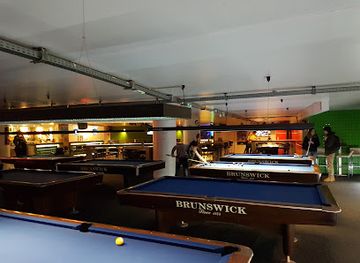
Euro Snooker
Experience the thrill of karaoke in Ottignies-Louvain-la-Neuve at Euro Snooker, where every night is a celebration of music and fun.
2 min walk · 0.1 km from city centre
-
Bar
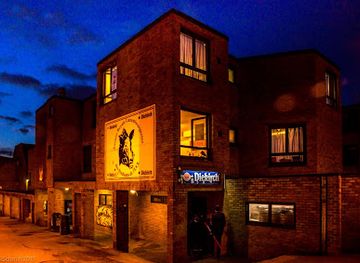
La Lux
Discover the lively nightlife of La Lux, a vibrant bar in Ottignies-Louvain-la-Neuve, renowned for its affordable drinks and electrifying atmosphere.
3 min walk · 0.2 km from city centre
Best shops in Louvain-la-Neuve
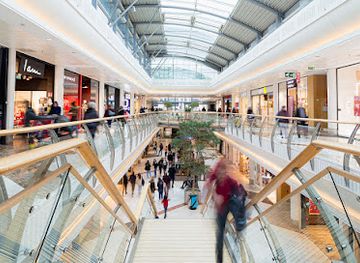
Shopping in Louvain-la-Neuve is concentrated in and around the pedestrian centre, where the streets and squares contain everyday retailers, bookshops, cafés, fashion shops and services serving the university population. The L'Esplanade shopping complex adds a modern retail dimension close to the historic core of the planned city, while independent businesses and food shops provide more local texture than a purely suburban mall environment. University bookshops are particularly characteristic, reflecting the town’s academic purpose, and visitors may find Belgian chocolates, beers, biscuits, design goods and Tintin-related products among suitable souvenirs. The central layout makes it easy to combine shopping with museums and the Grand-Place, although the atmosphere changes during university holidays. For a more traditional market experience, look for local markets in the wider Ottignies-Louvain-la-Neuve municipality rather than expecting a permanent historic market square in the centre.
-
Shopping mall
L'esplanade
Explore L'esplanade, the ultimate shopping destination in Ottignies-Louvain-la-Neuve, featuring diverse shops, dining options, and entertainment for all ages.
3 min walk · 0.2 km from city centre
-
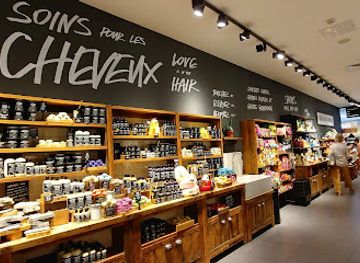
Gift shop
LUSH Cosmetics Louvain-la-Neuve
Discover ethical and vibrant beauty products at LUSH Cosmetics Louvain-la-Neuve, where eco-friendliness meets luxury in every handmade item.
5 min walk · 0.4 km from city centre
-
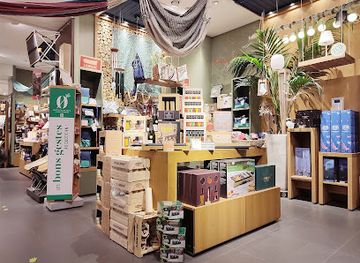
Gift shop
Nature and Discoveries
Explore Nature and Discoveries: Your go-to gift shop in Louvain-la-Neuve for unique and eco-friendly treasures.
4 min walk · 0.3 km from city centre
-
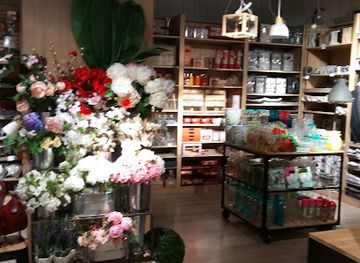
Gift shop
MAISONS DU MONDE
Discover unique home decor and furniture at Maisons du Monde, a must-visit gift shop in Louvain-la-Neuve, perfect for tourists seeking stylish souvenirs.
3 min walk · 0.3 km from city centre
Get your free copy of our complete guide to Louvain-la-Neuve, delivered straight to you.
Everything on this page, from attractions and restaurants to essentials and local phrases, in one PDF you can read offline, print or share.
Already have an account? Sign in
Your Louvain-la-Neuve guide is ready.
We'll send it to · Not you? Sign out

Getting your guide ready…
We are putting together a fresh copy of the Louvain-la-Neuve guide. This can take up to a minute.
This can take a few moments. If your browser asks, choose Allow so the download can start. You'll find the guide in your Downloads folder.
Nothing happened? Download it again
Sorry, the guide is taking longer than usual. Please try again in a minute, or get it by email instead.
Louvain-la-Neuve essentials
Currency and Payment
Safety
Emergency Situations
Do's and Don'ts
Local Tips
From Eve
Local phrases worth knowing
You don't need to get them perfect. A few words go a long way, and locals appreciate the effort.
Basics
| English | Local | Say it |
|---|---|---|
| Hello | Bonjour | [bohn-zhoor] |
| Goodbye | Au revoir | [oh rev-wahr] |
| Yes | Oui | [wee] |
| No | Non | [nohn] |
| Please/You're welcome | S'il vous plaît/De rien | [see voo pleh / duh ree-ehn] |
| Thank you | Merci | [mehr-see] |
| Excuse me/Sorry | Excusez-moi/Désolé | [ex-kew-zay mwah / day-zoh-lay] |
| How are you? | Comment ça va? | [koh-mohn sah vah] |
| Fine. And you? | Bien. Et vous? | [byen. ay voo] |
| Do you speak English? | Parlez-vous anglais? | [par-lay voo ahn-glay] |
| I don't understand | Je ne comprends pas | [zhuh nuh kohm-prahn pah] |
Eating & Drinking
| English | Local | Say it |
|---|---|---|
| I'd like to see the menu, please | Je voudrais voir la carte, s'il vous plaît | [zhuh voo-dray vwahr lah kart, see voo pleh] |
| I don't eat meat | Je ne mange pas de viande | [zhuh nuh mahnj pah duh vyand] |
| Cheers! | Santé! | [sahn-tay] |
| I would like to pay, please | Je voudrais payer, s'il vous plaît | [zhuh voo-dray pay-ay, see voo pleh] |
Emergencies
| English | Local | Say it |
|---|---|---|
| Help! | Au secours! | [oh seh-koor] |
| Go away! | Allez-vous en! | [ah-lay voo zan] |
| Call the Police! | Appelez la police! | [ah-peh-lay lah poh-lees] |
| Call a doctor! | Appelez un médecin! | [ah-peh-lay uh may-deh-sahn] |
| I'm lost | Je suis perdu | [zhuh swee pair-doo] |
| I'm ill | Je suis malade | [zhuh swee mah-lahd] |
Shopping
| English | Local | Say it |
|---|---|---|
| I'd like to buy... | Je voudrais acheter... | [zhuh voo-dray zah-shay...] |
| I'm just looking | Je regarde juste | [zhuh ruh-gard zhust] |
| How much is it? | Combien ça coûte? | [kohm-byen sah koot] |
| That's too expensive | C'est trop cher | [say troh shair] |
| Can you lower the price? | Pouvez-vous baisser le prix? | [poo-vay voo bay-say luh pree] |
Time & Numbers
| English | Local | Say it |
|---|---|---|
| What time is it? | Quelle heure est-il? | [kell uhruh eh-teel] |
| It's one o'clock | Il est une heure | [eel eh uhn uhruh] |
| Half past (10) | Dix heures et demie | [dees uhruh eh duh-mee] |
| Morning | Matin | [mah-tahn] |
| Afternoon | Après-midi | [ah-pray mee-dee] |
| Evening | Soir | [swahr] |
| Yesterday | Hier | [ee-ehr] |
| Today | Aujourd'hui | [oh-zhoor-dwee] |
| Tomorrow | Demain | [duh-mahn] |
| 1 | Un | [uhn] |
| 2 | Deux | [duh] |
| 3 | Trois | [twah] |
| 4 | Quatre | [ka-truh] |
| 5 | Cinq | [sank] |
| 6 | Six | [sees] |
| 7 | Sept | [sept] |
| 8 | Huit | [wheat] |
| 9 | Neuf | [neuf] |
| 10 | Dix | [dees] |
Transport & Directions
| English | Local | Say it |
|---|---|---|
| Where's a/the...? | Où est un/le...? | [oo eh uh/luh] |
| What's the address? | Quelle est l'adresse? | [kell eh la-dress] |
| Can you show me (on the map)? | Pouvez-vous me montrer (sur la carte)? | [poo-vay voo muh mohn-tray (sur lah kart)] |
| When's the next (bus)? | Quand est le prochain (bus)? | [kahnd eh luh proh-shahn (bus)] |
| A ticket (to ....) | Un billet (pour ....) | [uhn bee-yay (poor)] |
History of Louvain-la-Neuve
A New University City Takes Shape
Louvain-la-Neuve emerged from Belgium’s linguistic tensions in the 1960s. The French-speaking section of the Catholic University of Leuven left the historic university city of Leuven after the controversy known as the Leuven Vlaams crisis, and the institution sought a new site in Walloon Brabant. Construction began in 1970 near the village of Ottignies, on land that would become the foundation of a new urban settlement. Rather than adding a campus to an existing town, planners conceived a complete city for teaching, research, housing, commerce and public life. The project was an important expression of Belgium’s federalising linguistic geography and gave the future town a purpose markedly different from that of older Belgian cities.
Planning a Pedestrian University Town
The new city was designed by architects and urban planners under the influence of modern planning ideas, but its layout departed from the car-oriented university campuses common elsewhere. Much of the central area was raised above roads and parking, allowing pedestrians to move through a continuous network of squares, bridges and covered passages. Buildings were grouped in distinct districts around academic institutions, residences and public facilities. Construction proceeded through the 1970s, and the campus gradually attracted students and staff from Leuven. The use of exposed concrete, brick, planted spaces and irregular pedestrian routes produced a recognisable architectural identity, while the preservation of existing farms and woodland helped connect the planned settlement with its rural surroundings.
The University Shapes Urban Life
UCLouvain became the central institution of Louvain-la-Neuve, influencing housing, commerce, transport and cultural activity. Faculties, student residences and academic services were interwoven with shops, cafés and public squares rather than separated into an isolated campus. Student associations helped establish an active social life, including the distinctive traditions of Belgian university folklore. The city also developed institutions intended for a broader public, including performance venues, museums and libraries. This mixture made Louvain-la-Neuve more than a collection of university buildings: it became a permanent settlement whose rhythms were closely tied to the academic calendar while also serving families and other residents.
Museums and Cultural Institutions
As the city matured, its cultural infrastructure expanded beyond university teaching. The Musée de Louvain-la-Neuve, later known as Musée L, created a public setting for art, archaeology, ethnography and scientific collections associated with UCLouvain. The Musée Hergé, opened in 2009, added a major cultural attraction devoted to the work of the Belgian cartoonist Georges Remi. The Aula Magna and the Théâtre Jean Vilar strengthened the city’s role as a regional venue for theatre, music and public events. These institutions complemented the original academic purpose of the settlement and helped give its modern architecture a civic as well as educational dimension.
An Evolving Walloon City
Louvain-la-Neuve is administratively part of Ottignies-Louvain-la-Neuve, a municipality formed through Belgium’s municipal reforms. Its later development brought additional housing, retail, offices and transport connections, while the university continued to expand and adapt. The city’s planned form has never been static: new districts and facilities have been added around the original core, and public debates have addressed accessibility, architectural heritage and the balance between student and permanent populations. Today, its identity rests on the coexistence of UCLouvain, a largely pedestrian urban centre, cultural institutions, student traditions and the green landscape of Walloon Brabant.
Louvain-la-Neuve in Photos
Browse through our photo collection highlighting the charm and character of the destination.
Cities near Louvain-la-Neuve
The closest cities to Louvain-la-Neuve, if you have time for more than one stop.
-

-

-

-

-


Swipe for more cities
Explore more

Explore more of Belgium
Discover Belgium: A blend of medieval charm, culinary delights, and stunning landscapes. Explore historic cities, savor exquisite chocolates, and enjoy a perfect getaway.
Explore Belgium