

Free Mechelen Travel Guide & Mobile App
Plan your Mechelen trip with Evendo. Get free guides to top attractions, restaurants, hotels, and bars. Web access or download the mobile app.


Mechelen, Belgium blends a carillon crowned cathedral, beguinages, riverside walks and compelling medieval history with museums, markets and local cuisine.
A Historic City Between Brussels and Antwerp
Mechelen occupies a strategic position in central Belgium, set along the Dijle River roughly between Brussels and Antwerp. Its compact centre combines medieval streets, brick façades, former religious foundations and grand civic buildings, making the city particularly rewarding to explore on foot. The vertical focus is St Rumbold’s Tower, whose carillon tradition has helped define Mechelen’s sound and identity for centuries. From the Grote Markt, lanes lead towards the river, beguinages and the former palace of Margaret of Austria, revealing a city that once held considerable political importance in the Burgundian Netherlands.Read more about Mechelen
Heritage, Memory and Contemporary City Life
Carillons, Canals and Green Surroundings
When is the best time to visit Mechelen?
Best: June–August · 22–24°C| Month | High (°C) | Rainfall (mm) |
|---|---|---|
| January | 7 | 50 |
| February | 8 | 40 |
| March | 12 | 40 |
| April | 15 | 40 |
| May | 19 | 50 |
| June (best) | 22 | 60 |
| July (best) | 24 | 70 |
| August (best) | 24 | 70 |
| September | 20 | 60 |
| October | 16 | 60 |
| November | 11 | 50 |
| December | 8 | 50 |
Getting to and around Mechelen
How to get there
Transportation
Best attractions in Mechelen
Mechelen’s principal attractions are concentrated within a walkable historic centre. St Rumbold’s Cathedral and its tower dominate the Grote Markt, while the ascent rewards visitors with views across the Dijle valley and Flanders. Hof van Busleyden presents the city’s Renaissance court culture through a modern museum setting, and Kazerne Dossin offers a serious account of persecution and deportation during the Second World War. The beguinages, including the Groot Begijnhof, lead into quieter lanes of brick houses and former religious buildings. Along the water, the Dijlepad creates an unusual raised route beside historic façades, while the Vismarkt and Haverwerf provide atmospheric riverfront spaces. Families may look to the Speelgoedmuseum, whose collections explore the history of toys, or to Vrijbroekpark for gardens, paths and open space beyond the old centre.
-
Tourist attraction
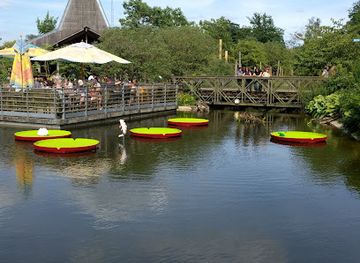
ZOO Planckendael
Explore ZOO Planckendael in Mechelen, Belgium, where unforgettable animal encounters and conservation education await every visitor.
12 min drive · 4.1 km from city centre
-
Science museum
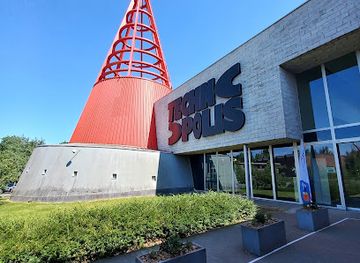
Technopolis
Explore Technopolis, Belgium's premier science museum, where innovation meets exploration in a fun and interactive environment for all ages.
9 min drive · 3.0 km from city centre
-
Tourist attraction
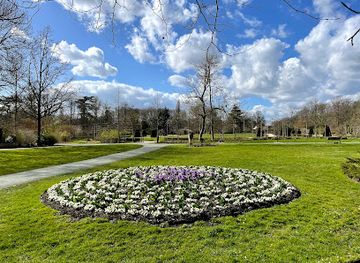
Vrijbroekpark
Explore the beauty of Vrijbroekpark in Mechelen – a serene park filled with lush landscapes, recreational activities, and seasonal events for everyone.
18 min walk · 1.5 km from city centre
-
Museum
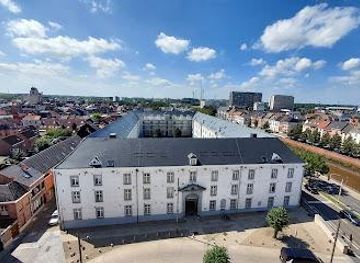
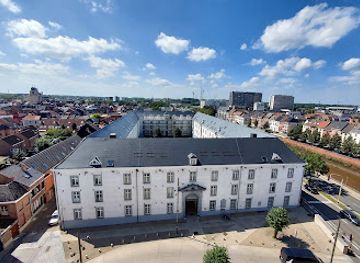
Kazerne Dossin – Memorial
Explore Kazerne Dossin, a poignant memorial and museum in Mechelen dedicated to Holocaust remembrance and human rights education.
9 min walk · 0.7 km from city centre
Best landmarks in Mechelen
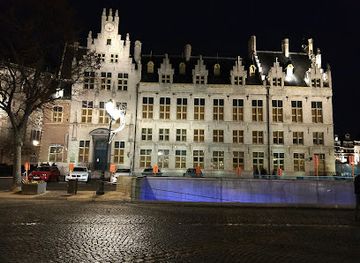
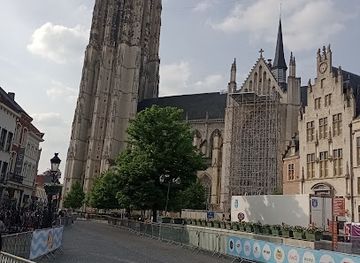
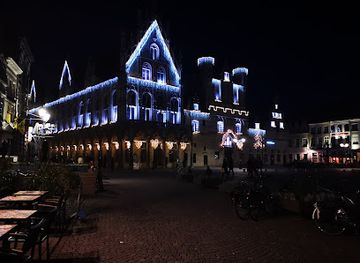
St Rumbold’s Cathedral is Mechelen’s defining landmark, its unfinished tower rising above the city and forming part of the wider Low Countries tradition of civic and ecclesiastical belfries. The Grote Markt frames the cathedral with the Town Hall complex, whose historic buildings include the former Cloth Hall and Palace of the Great Council. Along IJzerenleen, stepped and ornamented façades illustrate the commercial confidence of the medieval and early modern city. The Hof van Savoye, once associated with Margaret of Austria, represents Mechelen’s role as a Habsburg court centre, while the Groot Begijnhof preserves the spatial character of a historic beguine community. The Dijle’s Haverwerf, with its varied waterside houses, and the Baroque Church of Our Lady across the Dijle add architectural depth to the city’s river-based identity.
-
Tourist attraction
Grote Markt
Explore the vibrant Grote Markt in Mechelen, Belgium, where history meets lively culture amidst stunning architecture and delicious local cuisine.
1 min walk · 0.1 km from city centre
-
Catholic cathedral
Saint Rumbold's Cathedral
Discover the breathtaking beauty of Saint Rumbold's Cathedral in Mechelen, a must-see Gothic masterpiece with stunning stained glass and rich history.
1 min walk · 0.1 km from city centre
-
Museum
Kazerne Dossin – Memorial
Explore Kazerne Dossin in Mechelen, Belgium - a profound memorial and museum dedicated to Holocaust remembrance and education.
9 min walk · 0.7 km from city centre
-
Art museum
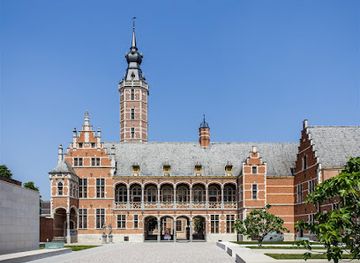
Museum Hof van Busleyden
Explore the artistic heritage of Mechelen at Museum Hof van Busleyden, where history and creativity intertwine for an unforgettable experience.
5 min walk · 0.4 km from city centre
Explore Mechelen on the map
Plan your Mechelen trip on one map. See where the top attractions, landmarks, restaurants, bars and hotels are, find what's near where you're staying, and book hotels and experiences in a few clicks.
Best hotels in Mechelen
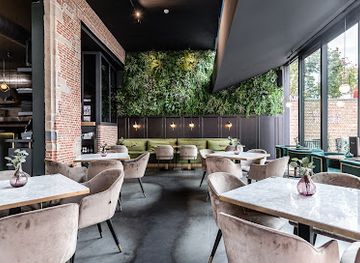
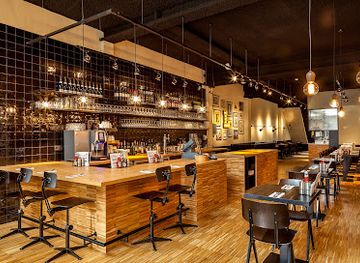
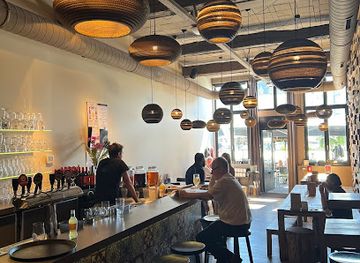
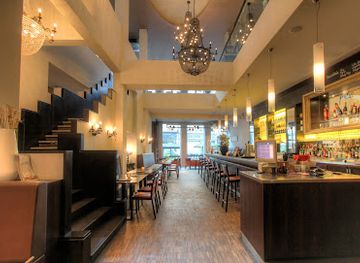
Best restaurants in Mechelen
Mechelen’s food culture reflects the wider cuisine of Flanders while retaining local touches. Menus may feature Mechelen cuckoo, a regional chicken speciality, alongside Belgian classics such as beef cooked with beer, waterzooi, croquettes and seasonal asparagus. The city’s breweries and beer heritage also influence cooking, with Gouden Carolus associated with the Mechelen brewery tradition at Het Anker. The central streets around the Grote Markt, IJzerenleen and Vismarkt contain restaurants, cafés and informal places to eat, while the riverfront lends a relaxed setting for drinks and meals. Bakeries and chocolate shops provide familiar Belgian treats, and market stalls add a more everyday dimension when markets are operating. Contemporary restaurants increasingly work with seasonal Flemish produce, balancing traditional sauces and hearty dishes with lighter, more modern cooking.
-
Turkish
Merad Restaurant
Experience authentic Turkish cuisine in the heart of Mechelen at Merad Restaurant – where flavors meet fun in a lively bar setting.
4 min walk · 0.3 km from city centre
-
Restaurant
Ellis Gourmet Burger
Discover the ultimate burger experience at Ellis Gourmet Burger in Mechelen – where quality meets flavor in every bite!
2 min walk · 0.1 km from city centre
-
Tapas Bar
Sava
Discover Sava in Mechelen - A vibrant tapas bar offering an exquisite blend of Spanish and local flavors in a cozy setting.
1 min walk · 0.1 km from city centre
-
Brasserie
Puro Drank en eetcultuur
Discover the flavors of Belgium at Puro Drank en Eetcultuur - a delightful brasserie in Mechelen offering local specialties and warm hospitality.
5 min walk · 0.4 km from city centre
Best bars in Mechelen
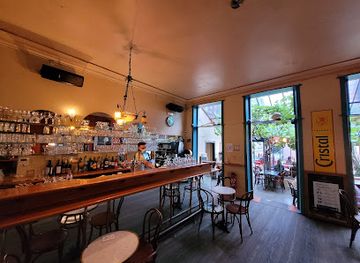
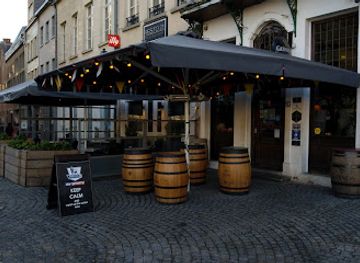
Mechelen’s evening scene is sociable rather than dominated by large nightclubs. Traditional Belgian cafés and beer bars cluster around the Grote Markt, Vismarkt and nearby historic streets, where local beers and the city’s carillon culture create a distinctly Flemish atmosphere. The Oude Vismarkt and river quays are especially associated with relaxed evening gatherings, although the character changes with the season and day of the week. Wine bars, cafés and contemporary restaurants extend the choice beyond beer, while cultural venues such as the Stadsschouwburg and Nona provide theatre, music and performance programmes. Student life and local events can bring later activity to the centre, but Mechelen is generally better suited to conversation, live culture and unhurried drinks than to an all-night club circuit.
-
Bar
The Golden Fish
Experience the vibrant atmosphere and delicious menu at The Golden Fish, your go-to bar and cafe in the heart of Mechelen.
4 min walk · 0.3 km from city centre
-
Irish pub
O'Fiach's Irish Pub
Discover O'Fiach's Irish Pub: A delightful blend of Irish culture and local charm in Mechelen, Belgium.
1 min walk · 0.1 km from city centre
-
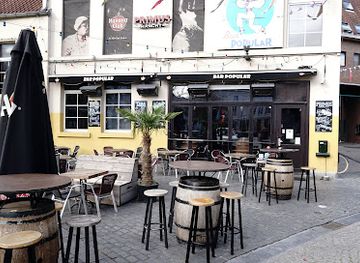
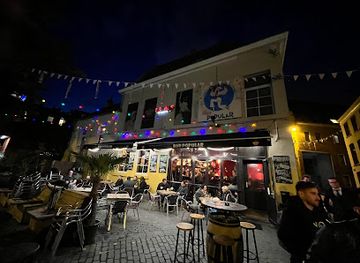
Bar
Bar Popular
Experience the vibrant nightlife of Mechelen at Bar Popular, where an extensive drink menu meets a lively atmosphere in the heart of the city.
4 min walk · 0.3 km from city centre
-
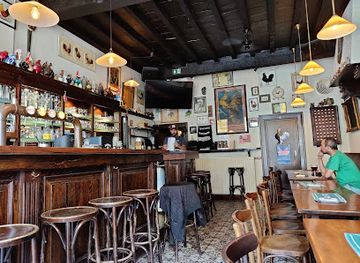
Bar
D’Hanekeef Café
Discover the cozy charm of D’Hanekeef Café in Mechelen, where local flavors and a warm atmosphere create the perfect spot for relaxation.
4 min walk · 0.4 km from city centre
Best nightclubs in Mechelen
Mechelen’s evening scene is sociable rather than dominated by large nightclubs. Traditional Belgian cafés and beer bars cluster around the Grote Markt, Vismarkt and nearby historic streets, where local beers and the city’s carillon culture create a distinctly Flemish atmosphere. The Oude Vismarkt and river quays are especially associated with relaxed evening gatherings, although the character changes with the season and day of the week. Wine bars, cafés and contemporary restaurants extend the choice beyond beer, while cultural venues such as the Stadsschouwburg and Nona provide theatre, music and performance programmes. Student life and local events can bring later activity to the centre, but Mechelen is generally better suited to conversation, live culture and unhurried drinks than to an all-night club circuit.
-
Bar
Bar Popular
Experience the lively atmosphere and diverse drink selection at Bar Popular, the heart of Mechelen's nightlife.
4 min walk · 0.3 km from city centre
-
Bar
Makadam
Discover Makadam, Mechelen's vibrant bar offering a diverse drink selection and a lively atmosphere in the heart of the city.
1 min walk · 0.1 km from city centre
-
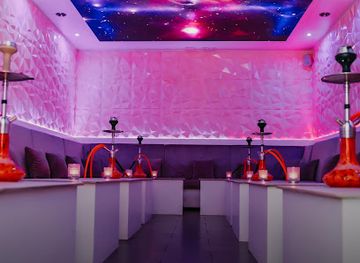
Lounge
White Lounge Shisha
Discover the sophisticated ambiance of White Lounge Shisha in Mechelen, a perfect spot for relaxation and socializing over premium shisha flavors.
13 min walk · 1.1 km from city centre
-
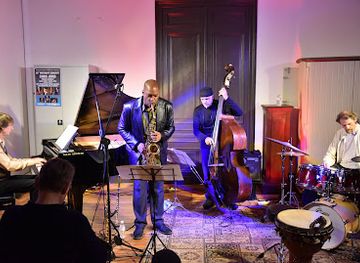
Jazz
Jazzzolder
Immerse yourself in the captivating world of live jazz at Jazzzolder, a vibrant jazz club in Mechelen, Belgium.
7 min walk · 0.6 km from city centre
Best shops in Mechelen
Shopping in Mechelen is centred on the pedestrian-friendly Bruul, the historic commercial route of IJzerenleen and the independent streets leading towards the Grote Markt and the Onze-Lieve-Vrouwestraat. The retail mix includes familiar Belgian brands, smaller fashion and design shops, bookshops, cafés and specialist businesses in older premises. Markets add a more local dimension, with regular stalls offering produce, flowers and everyday goods according to the current calendar. Visitors looking for practical souvenirs can find Belgian chocolate, beer, biscuits, lace-inspired products and locally themed gifts, though quality and provenance vary between shops. The city’s antique and independent retail character is best appreciated in the side streets, where shopping is combined with close views of restored brick façades, former guild buildings and quiet courtyards.
-
Shopping mall
Winkelpark Malinas
Discover a retail paradise at Winkelpark Malinas in Mechelen, Belgium, offering diverse shopping, dining, and entertainment experiences.
6 min drive · 2.0 km from city centre
-
Shopping mall
Shopping MZ (Mechelen Zemst)
Experience Shopping MZ in Mechelen: Uncover a diverse range of shops, eateries, and vibrant entertainment options under one roof.
12 min drive · 3.8 km from city centre
-
Department store
INNO Mechelen
Shop at INNO Mechelen for an unforgettable retail experience, featuring fashion, cosmetics, and unique finds in a vibrant atmosphere.
3 min walk · 0.2 km from city centre
-
Department store
Euro Shop Mechelen
Experience a diverse shopping adventure at Euro Shop Mechelen, where style meets affordability in the heart of Belgium.
11 min walk · 0.9 km from city centre

Get your free copy of our complete guide to Mechelen, delivered straight to you.
Everything on this page, from attractions and restaurants to essentials and local phrases, in one PDF you can read offline, print or share.
Already have an account? Sign in
Your Mechelen guide is ready.
We'll send it to · Not you? Sign out

Getting your guide ready…
We are putting together a fresh copy of the Mechelen guide. This can take up to a minute.
This can take a few moments. If your browser asks, choose Allow so the download can start. You'll find the guide in your Downloads folder.
Nothing happened? Download it again
Sorry, the guide is taking longer than usual. Please try again in a minute, or get it by email instead.
Mechelen essentials
Currency and Payment
Safety
Emergency Situations
Do's and Don'ts
Local Tips
From Eve
Local phrases worth knowing
You don't need to get them perfect. A few words go a long way, and locals appreciate the effort.
Basics
| English | Local | Say it |
|---|---|---|
| Hello | Hallo | [haː.lo] |
| Goodbye | Tot ziens | [tɔt zins] |
| Yes | Ja | [jaː] |
| No | Nee | [neː] |
| Please/You're welcome | Alsjeblieft | [ɑls.jə.blijft] |
| Thank you | Dank je wel | [dɑŋk jə wɛl] |
| Excuse me/Sorry | Sorry | [ˈsɔri] |
| How are you? | Hoe gaat het? | [hu ɣaːt ɦɛt] |
| Fine. And you? | Goed. En met jou? | [xut ɛn mɛt jʌu] |
| Do you speak English? | Spreek je Engels? | [spreːk jə ˈɛŋəls] |
| I don't understand | Ik begrijp het niet | [ɪk bəˈɣrɛip ɦɛt niːt] |
Eating & Drinking
| English | Local | Say it |
|---|---|---|
| I'd like to see the menu, please | Mag ik de menukaart zien, alstublieft | [mɑx ɪk də meː.ny.kaːrt zin ˈɑl.styˌblift] |
| I don't eat meat | Ik eet geen vlees | [ɪk eːt ɣeːn vleːs] |
| Cheers! | Proost! | [proːst] |
| I would like to pay, please | Ik wil graag betalen, alstublieft | [ɪk wɪɫ ɣraːx bəˈtaː.lə(n) ˈɑl.styˌblift] |
Emergencies
| English | Local | Say it |
|---|---|---|
| Help! | Help! | [ɦɛlp] |
| Go away! | Ga weg! | [ɣaː vɛx] |
| Call the Police! | Bel de politie! | [bɛl də poˈliˌsi] |
| Call a doctor! | Bel een dokter! | [bɛl eːn ˈdɔktər] |
| I'm lost | Ik ben verdwaald | [ɪk bɛn vərˈdʋaːlt] |
| I'm ill | Ik ben ziek | [ɪk bɛn zik] |
Shopping
| English | Local | Say it |
|---|---|---|
| I'd like to buy... | Ik wil graag kopen... | [ɪk wɪɫ ɣraːx ˈkoːpə(n)] |
| I'm just looking | Ik kijk alleen maar | [ɪk keːk ˈaːlɛn maːr] |
| How much is it? | Hoeveel kost het? | [ˈɦuvɪl kɔst ɦɛt] |
| That's too expensive | Dat is te duur | [dɑt ɪs tɛ dyːr] |
| Can you lower the price? | Kunt u de prijs verlagen? | [kʏnt y də prɛis vərˈlaːɣə(n)] |
Time & Numbers
| English | Local | Say it |
|---|---|---|
| What time is it? | Hoe laat is het? | [ˈhu ˌlat ɪs ɦɛt] |
| It's one o'clock | Het is één uur | [ɦɛt ɪs eːn ʋʏr] |
| Half past (10) | Half elf | [ɦɑlf ɛlf] |
| Morning | Ochtend | [ɔx.təŋ] |
| Afternoon | Namiddag | [ˈnɑ.mɪˌdɑx] |
| Evening | Avond | [ˈɑ.vɔnt] |
| Yesterday | Gisteren | [ˈɣɪs.tə.rə(n)] |
| Today | Vandaag | [ˈvɑnˌdaːx] |
| Tomorrow | Morgen | [ˈmɔr.ɣə(n)] |
| 1 | Een | [eːn] |
| 2 | Twee | [tʋeː] |
| 3 | Drie | [driː] |
| 4 | Vier | [viːr] |
| 5 | Vijf | [vɛif] |
| 6 | Zes | [zɛs] |
| 7 | Zeven | [ˈzeː.və(n)] |
| 8 | Acht | [ɑxt] |
| 9 | Negen | [ˈneː.ɣə(n)] |
| 10 | Tien | [tiːn] |
Transport & Directions
| English | Local | Say it |
|---|---|---|
| Where's a/the...? | Waar is een/de...? | [ʋaːr ɪs eːn/de] |
| What's the address? | Wat is het adres? | [ʋɑt ɪs ɦɛt ˈa.dres] |
| Can you show me (on the map)? | Kunt u mij dat tonen (op de kaart)? | [kʏnt y mɛi dɑt ˈtoː.nə(n) (ɔp də kaːrt)] |
| When's the next (bus)? | Wanneer is de volgende (bus)? | [ˈʋɛ.nər ɪs də ˈvɔlˌɛn.də (bʏs)] |
| A ticket (to ....) | Een ticket (naar ....) | [eːn ˈtɪ.kət (naːr)] |
History of Mechelen
Early Settlement on the Dijle
Mechelen developed beside the Dijle at a point where waterborne movement and overland routes could meet. Early settlement in the area predates the medieval city, while the name Mechelen is associated with the regional territory that grew around the river. During the early Middle Ages, religious institutions helped establish a more permanent urban structure, and the settlement came under the influence of the prince-bishops of Liège. Its position between the major centres of Brussels and Antwerp encouraged trade and administration, laying the foundations for the fortified and commercially active town that emerged in the later medieval period.
Medieval Growth and Civic Power
From the twelfth century onwards, Mechelen expanded as a town with walls, markets, churches and craft activity. Its textile and commercial life benefited from access to the Dijle, while religious communities shaped neighbourhoods beyond the civic centre. The Grote Markt and surrounding streets preserve the scale of this medieval development, even though many façades were altered over time. The construction and enlargement of St Rumbold’s Church reflected the city’s growing wealth and importance. Mechelen’s location within the Duchy of Brabant and its connections with neighbouring territories also placed it within the political and economic networks of the Low Countries.
The Burgundian and Habsburg Court
Mechelen reached an important political position in the late fifteenth and early sixteenth centuries, when the Burgundian-Habsburg rulers used the city as a centre of administration and justice. The Great Council, the highest court in the Burgundian Netherlands, was established in Mechelen in 1473 and permanently based there from 1504. Margaret of Austria governed the Netherlands from Mechelen between 1507 and 1530, and her court attracted nobles, artists, scholars and diplomats. Her palace, now known as the Hof van Savoye, remains one of the clearest architectural reminders of this period, while Hof van Busleyden evokes the city’s Renaissance intellectual culture.
Religious Communities and Baroque Mechelen
Religious institutions continued to shape Mechelen after the Renaissance court moved away. Beguines, women who lived in religiously inspired but not fully cloistered communities, established and developed beguinages whose houses, churches and courtyards survive in the historic centre. The Counter-Reformation brought renewed Catholic investment, helping churches acquire Baroque interiors, sculpture and works associated with the artistic traditions of the Southern Netherlands. St John’s Church and the Church of Our Lady across the Dijle retain important artistic and devotional associations. These communities and buildings gave Mechelen an architectural character that combines civic brickwork with a dense ecclesiastical heritage.
Industry, Railways and Urban Change
The nineteenth century brought industrialisation, new transport links and significant changes to Mechelen’s urban fabric. The railway connected the city to Belgium’s expanding national network, strengthening links with Brussels, Antwerp and other industrial centres. Manufacturing, trade and population growth altered older neighbourhoods, while modern infrastructure gradually replaced parts of the medieval defensive system. Mechelen also became associated with railway engineering and workshops, reflecting Belgium’s early industrial development. The city’s historic core survived this transformation, although its buildings and public spaces were adapted to new commercial, administrative and transport needs.
War, Remembrance and Renewal
The two world wars affected Mechelen through military occupation, damage and social disruption. During the Second World War, the Dossin Barracks served as a transit camp from which more than 25,000 Jews and Roma were deported from Belgium to concentration and extermination camps. The site is now home to Kazerne Dossin, a museum and memorial that places persecution, deportation and human rights within a broader historical framework. In the post-war period, Mechelen worked to conserve its historic centre while renewing public spaces, cultural institutions and riverside areas. Contemporary Mechelen is consequently shaped as much by responsible remembrance as by its medieval and Renaissance heritage.
Mechelen in Photos
Browse through our photo collection highlighting the charm and character of the destination.
Cities near Mechelen
The closest cities to Mechelen, if you have time for more than one stop.
-

-

-

-

-


Swipe for more cities
Explore more

Explore more of Belgium
Discover Belgium: A blend of medieval charm, culinary delights, and stunning landscapes. Explore historic cities, savor exquisite chocolates, and enjoy a perfect getaway.
Explore Belgium