

Dagana District Travel Guide - Free Web & App
Your ultimate guide to Dagana District. Discover top landmarks, proposed trips, and local tips. Free on the web or via the Evendo companion app.


Dagana District, Bhutan, offers quiet southern landscapes, forested hills, rural villages, Dagana Dzong and a slower journey beyond the kingdom's main tourist circuit.
A Rural Southern Landscape
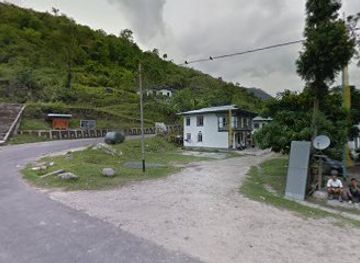
Dagana District occupies a broad, largely rural area in south-western Bhutan, stretching from warmer lowland valleys near the Indian border towards higher, forested hills inland. It lies between Tsirang, Sarpang and Chhukha districts, with winding roads connecting scattered villages, cultivated slopes and small administrative centres. Unlike Paro, Thimphu or Punakha, Dagana is not shaped around a dense concentration of established visitor attractions; its appeal lies in the gradual transition between subtropical foothills and the mountain country of central Bhutan, together with the opportunity to encounter everyday rural landscapes at a quieter pace.Read more about Dagana District
Dzong Heritage and Local Character
Exploring Beyond the Main Circuit
When is the best time to visit Dagana District?
Best: February–March, November · 22–25°C| Month | High (°C) | Rainfall (mm) |
|---|---|---|
| January | 19 | 10 |
| February (best) | 22 | 12 |
| March (best) | 25 | 15 |
| April | 29 | 20 |
| May | 31 | 25 |
| June | 32 | 30 |
| July | 33 | 35 |
| August | 32 | 30 |
| September | 31 | 25 |
| October | 29 | 20 |
| November (best) | 25 | 15 |
| December | 21 | 10 |
Getting to and around Dagana District
How to get there
Transportation
Best attractions in Dagana District
Dagana Dzong is the district’s principal cultural attraction, rising above Dagana town as a working centre of religious and civil administration rather than a preserved monument detached from local life. The surrounding town and nearby villages offer glimpses of cultivated hillsides, Bhutanese rural architecture and everyday movement between farms, homes and public institutions. Across the district, the attraction is the changing landscape itself: warmer, greener lowland country around Lhamoizingkha gives way to forested slopes, narrow valleys and higher rural terrain towards the north. Road journeys reveal streams, wooded ridges and viewpoints shaped by the terrain, although stopping places and formal visitor facilities are limited. Small temples, village shrines and roadside prayer features may be encountered, but access should always be guided by local custom. Dagana is best explored as a cultural landscape of settlements, farmland and forest rather than as a cluster of heavily developed tourist sites.
-
Buddhist temple
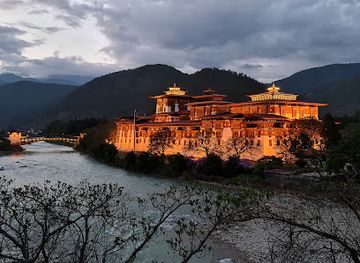
Punakha Dzong སྤུ་ན་ཁ་རྫོང་།
Explore the breathtaking Punakha Dzong, a stunning fortress blending history and spirituality amid Bhutan's picturesque landscapes.
-
National park
Jigme Singye Wangchuck National Park
Discover the untouched beauty of Jigme Singye Wangchuck National Park, Bhutan's largest national park, rich in wildlife and stunning landscapes.
-
Tourist attraction
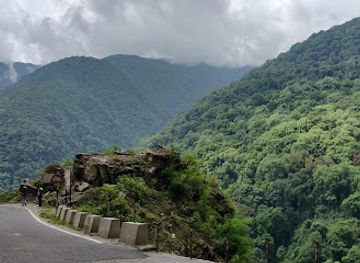
Road side Waterfall
Experience the enchanting beauty of the Roadside Waterfall, a must-see natural attraction along the Phuntsholing-Thimphu Highway in Bhutan.
-
Tourist attraction
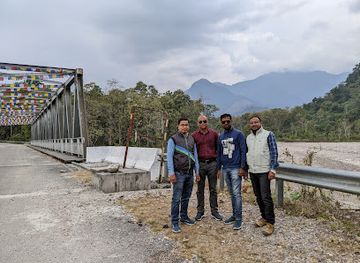
Kalikhola bridge
Experience the breathtaking views and serene ambiance at Kalikhola Bridge, a stunning tourist attraction in the heart of Bhutan's natural beauty.
Best landmarks in Dagana District
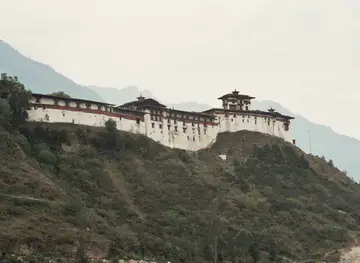
Dagana Dzong is the defining man-made landmark, occupying an elevated position above Dagana town and embodying Bhutan’s long-established relationship between monastic authority and district administration. Its hilltop setting also expresses the strategic importance traditionally given to dzong locations, with views across the surrounding valleys and cultivated slopes. The district’s natural landmarks are less likely to be single, heavily promoted formations than broad geographical features: forested ridges, steep valley sides, warm southern lowlands and the rivers and streams that structure settlement and agriculture. Religious buildings, prayer walls and roadside shrines add smaller cultural markers to the landscape, though some are active places of worship rather than visitor monuments. Together, these features show how Dagana’s identity is formed by the interaction of Buddhist institutions, rural communities, forest and Himalayan terrain.
-
Buddhist temple
Buddha Dordenma Statue སྟོན་པ་རྡོར་གདན་མ།
Experience tranquility and stunning views at the Buddha Dordenma Statue, a remarkable symbol of peace in the heart of Thimphu, Bhutan.
-
Buddhist temple
National Memorial Chhorten རྒྱལ་ཡོངས་རྗེས་དྲན་མཆོད་རྟེན།
Explore the National Memorial Chhorten, a serene Buddhist temple in Thimphu, where spirituality and stunning architecture meet in Bhutan's vibrant culture.
-
Buddhist temple
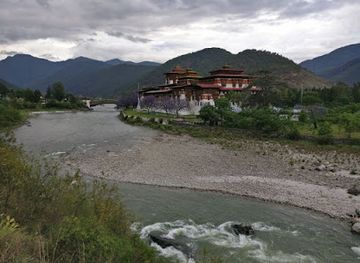
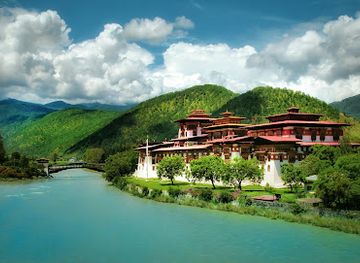
Punakha Dzong སྤུ་ན་ཁ་རྫོང་།
Discover the architectural splendor of Punakha Dzong, a historical fortress in Bhutan that showcases rich culture and stunning landscapes.
-
Bridge
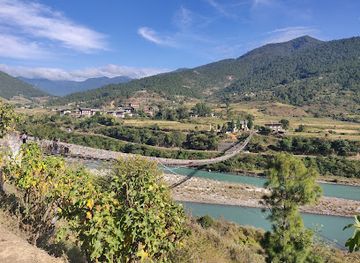
Punakha Suspension Bridge
Discover the breathtaking Punakha Suspension Bridge, Bhutan's longest suspension bridge, offering stunning views and a unique cultural experience.
Explore Dagana District on the map
Plan your trip on one map. See where the top attractions, landmarks, restaurants and hotels are, and book hotels and experiences in a few clicks.
Best hotels in Dagana District
Best restaurants in Dagana District
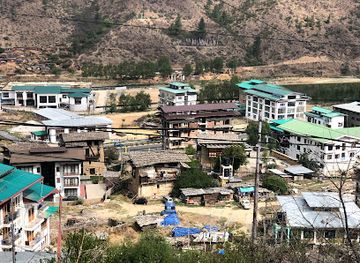
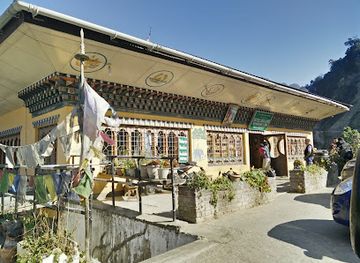
Dining in Dagana is modest and closely linked to local households, small eateries, accommodation providers and the food arrangements made through a guide or tour operator. Bhutanese meals may include red rice, ema datshi, vegetable preparations, lentils, noodles and meat dishes, with recipes and spice levels varying between households and altitude zones. The district’s warmer southern areas also reflect the broader culinary influence of Bhutan’s subtropical borderlands, while produce from farms and local markets may shape seasonal cooking. Dagana town and Lhamoizingkha are more likely than outlying villages to provide basic places to eat, but visitors should not expect a large restaurant scene or dependable choice in every settlement. Travellers following a private itinerary can often arrange meals through their accommodation, and it is wise to mention dietary requirements in advance, especially when travelling beyond the main towns.
-
Restaurant
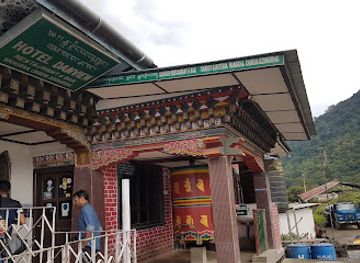
Wangkha Dam View Hotel
Experience delectable Bhutanese cuisine with stunning views at Wangkha Dam View Hotel—where flavor meets nature.
-
Restaurant
Babesa Village Restaurant
Discover the heart of Bhutanese cuisine at Babesa Village Restaurant - where every dish tells a story.
-
Restaurant
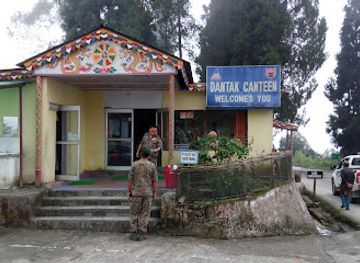
Takticoti Dantak Resturant
Experience authentic Bhutanese cuisine at Takticoti Dantak Restaurant in Phuentsholing - a culinary journey worth savoring.
-
Fast Food
Shelgoen Restaurant
Experience authentic Bhutanese fast food at Shelgoen Restaurant in Chhukha – where tradition meets convenience.
Best bars in Dagana District
Dagana does not have a developed nightlife scene or a concentration of dedicated bars and nightclubs. Evenings are generally quiet, with social life centred on family homes, small local eateries, accommodation settings and occasional community or cultural activity rather than late-night entertainment. A visitor staying in Dagana town or Lhamoizingkha may find limited informal opportunities to share a drink or conversation, but opening arrangements and availability should be confirmed locally. The district’s rural roads, dispersed settlements and early morning travel patterns make evenings better suited to rest, conversation and observing the night landscape than to moving between venues. Visitors looking for a wider choice of bars, live music or organised entertainment would normally need to include a larger Bhutanese town elsewhere in their itinerary rather than expect such facilities within Dagana.
-
Bar
Yugal Tshongkhang
Discover the vibrant atmosphere and local flavors at Yugal Tshongkhang, the perfect bar experience in Damphu, Bhutan.
-
 Restaurant
Pema Zangmo Hotel cum Bar
Experience authentic Bhutanese flavors and warm hospitality at Pema Zangmo Hotel cum Bar in Daga, a must-visit culinary gem.
-
Bar
Sunkosh Zero
Discover the vibrant charm of Sunkosh Zero, a top bar in Tsangkha, where locals and travelers gather for great drinks and a lively atmosphere.
-
Restaurant
Sonam Restaurant and Cum Bar
Discover authentic Bhutanese cuisine and a vibrant bar scene at Sonam Restaurant and Cum Bar in Dagapela, a must-visit for food lovers.
Best nightclubs in Dagana District
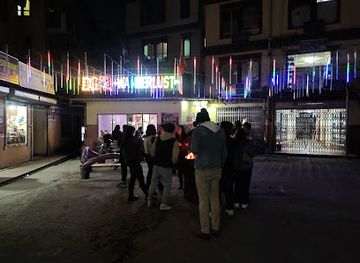
Dagana does not have a developed nightlife scene or a concentration of dedicated bars and nightclubs. Evenings are generally quiet, with social life centred on family homes, small local eateries, accommodation settings and occasional community or cultural activity rather than late-night entertainment. A visitor staying in Dagana town or Lhamoizingkha may find limited informal opportunities to share a drink or conversation, but opening arrangements and availability should be confirmed locally. The district’s rural roads, dispersed settlements and early morning travel patterns make evenings better suited to rest, conversation and observing the night landscape than to moving between venues. Visitors looking for a wider choice of bars, live music or organised entertainment would normally need to include a larger Bhutanese town elsewhere in their itinerary rather than expect such facilities within Dagana.
-
Night club
DG Wanderlust Club @Thimphu hongkong market/oppesite of Thimphu BOB main Branch office
Experience the vibrant nightlife at DG Wanderlust Club in Thimphu - where music, dance, and unforgettable moments come together.
-
Night club
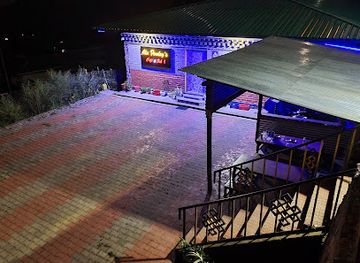
Alu Pendey’s Cafe and Pub
Experience the vibrant nightlife at Alu Pendey’s Cafe and Pub in Gedu, where live music and great drinks create unforgettable memories.
-
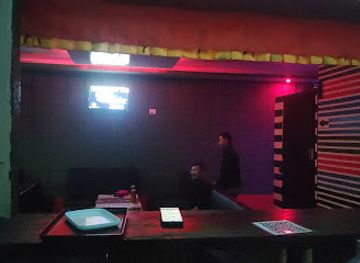
Karaoke bar
Puencha's Karaoke
Experience the vibrant nightlife of Tsirang at Puencha's Karaoke, where fun, music, and local culture come together for an unforgettable night.
-
Karaoke bar
Puenchha's Karaoke
Discover the vibrant energy of Puenchha's Karaoke in Damphu, where music, fun, and local culture come together for an unforgettable night out.
Best shops in Dagana District
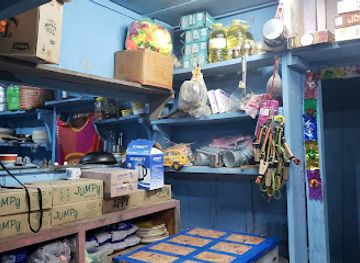
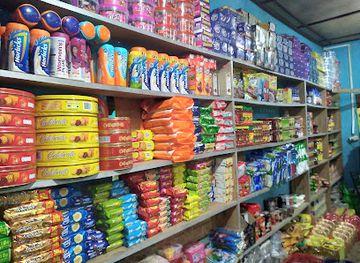
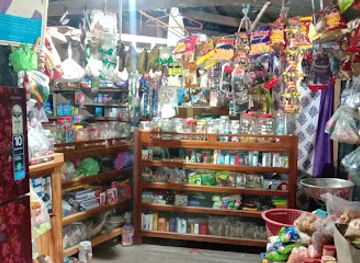
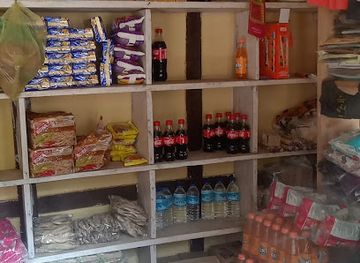
Shopping in Dagana is limited and practical, with small local shops and market activity in settlements such as Dagana town and Lhamoizingkha rather than a dedicated retail district. Visitors may find everyday provisions, locally produced food and occasional traditional goods, but stock and opening arrangements vary, particularly outside the main centres. Bhutanese textiles, woven items, religious objects and handicrafts are more widely associated with larger towns and established craft outlets elsewhere in the country, so purchases should not be assumed to be available in every Dagana village. Farm products and regional foods may be encountered through local contacts or markets, but buying directly from producers should be arranged respectfully. Carry essential personal supplies from a larger Bhutanese town before travelling into the district, especially when following a route through sparsely settled uplands.
-
General store
Bal Tsongkhang, Dagapela
Discover local treasures and authentic Bhutanese culture at Bal Tsongkhang, Dagapela's charming general store.
-
General store
Loday Tshogkhang
Explore Loday Tshogkhang in Dagapela for unique local crafts and essential goods, embodying the spirit of Bhutanese culture.
-
General store
Phul Maya Rai
Explore Phul Maya Rai in Daga: a vibrant general store showcasing local crafts, delicious snacks, and a warm, inviting atmosphere for tourists.
-
Grocery store
Geeta Shop (Tshongkhang)
Discover authentic local flavors at Geeta Shop (Tshongkhang) in Damphu, your gateway to Bhutanese culinary delights.
Get your free copy of our complete guide to Dagana District, delivered straight to you.
Everything on this page, from attractions and restaurants to essentials and local phrases, in one PDF you can read offline, print or share.
Already have an account? Sign in
Your Dagana District guide is ready.
We'll send it to · Not you? Sign out

Getting your guide ready…
We are putting together a fresh copy of the Dagana District guide. This can take up to a minute.
This can take a few moments. If your browser asks, choose Allow so the download can start. You'll find the guide in your Downloads folder.
Nothing happened? Download it again
Sorry, the guide is taking longer than usual. Please try again in a minute, or get it by email instead.
Dagana District essentials
Currency and Payment
Safety
Emergency Situations
Do's and Don'ts
Local Tips
From Eve
Local phrases worth knowing
You don't need to get them perfect. A few words go a long way, and locals appreciate the effort.
Basics
| English | Local | Say it |
|---|---|---|
| Hello | ཀླུ། | [Klu] |
| Goodbye | ཨ་གུུ། | [Agu] |
| Yes | ཡིང་ | [Ying] |
| No | མ་མ། | [Ma ma] |
| Please/You're welcome | བསྒྱུར། | [Sgyur] |
| Thank you | བསྒྱུར། | [Sgyur] |
| Excuse me/Sorry | ཉིད་ལྔ། | [Nyid nga] |
| How are you? | ཁྱིམ་དུ་ན། | [Khyim du na] |
| Fine. And you? | སྐྱེདའིས་ཀྱིས་ན། | [Sgye di'i kyis na] |
| Do you speak English? | ཨེན་གིས་ཡིང་ཡུ། | [En gi ying yu] |
| I don't understand | ཁྱིམ་དུ་མི་ཉིད། | [Khyim du mi nyid] |
Eating & Drinking
| English | Local | Say it |
|---|---|---|
| I'd like to see the menu, please | མེ་ནས་རིགས་མང་རེད་ན། | [Menas rigsmang red na] |
| I don't eat meat | མད་མིས་མེ་ནས་ར། | [Mama menas re] |
| Cheers! | བཙུམ། | [Tsüm] |
| I would like to pay, please | མེ་ནས་ཕྱིར་ཡུ། | [Menas chir yu] |
Emergencies
| English | Local | Say it |
|---|---|---|
| Help! | སྨི། | [Smi] |
| Go away! | རིང་མར། | [Ring mar] |
| Call the Police! | རྒྱུ་དོར་ཡིར་ན། | [Gyur dor yir na] |
| Call a doctor! | རྒྱུ་སྲུང་མར། | [Gyur srung mar] |
| I'm lost | ཁྱིམ་དུ་ཕན། | [Khyim du phen] |
| I'm ill | ཁྱིམ་དུ་སྨི། | [Khyim du smi] |
Shopping
| English | Local | Say it |
|---|---|---|
| I'd like to buy... | མེ་ནས་མང་རེད་ན། | [Menas mangred na] |
| I'm just looking | ཀླུ་དུང་གོང། | [Lu dung gong] |
| How much is it? | མེ་ནས་འབག་ལ་ཞི། | [Menas bag la zhi] |
| That's too expensive | དགེ་ཡོད་མཁན། | [Geyod khen] |
| Can you lower the price? | དགེ་ཡོད་གཡས་དག། | [Geyod gyas dag] |
Time & Numbers
| English | Local | Say it |
|---|---|---|
| What time is it? | མི་རེད་ཟིན་ལ་ཞི། | [Mi red zin la zhi] |
| It's one o'clock | དབང་རོགས་གུ། | [Dwang rogs gu] |
| Half past (10) | བག་ཙམ། | [Bagsam] |
| Morning | ཉིང་ར། | [Nying re] |
| Afternoon | དགོང་ར། | [Gong re] |
| Evening | སྲུག་ར། | [Srug re] |
| Yesterday | ཁྱིམ་མ། | [Khyim ma] |
| Today | དེ་རེད། | [De red] |
| Tomorrow | སང་རེད། | [Sang red] |
| 1 | གི། | [Gi] |
| 2 | གཉིས། | [Gnyis] |
| 3 | གསུམ། | [Gsum] |
| 4 | མུ། | [Mu] |
| 5 | ལྔ། | [Nga] |
| 6 | དྲུར། | [Dru] |
| 7 | ལོ། | [Lo] |
| 8 | ནོལ། | [Nol] |
| 9 | པོ། | [Po] |
| 10 | བཅུ། | [Tsu] |
Transport & Directions
| English | Local | Say it |
|---|---|---|
| Where's a/the...? | ཁྲོ་ནས་དེའུ་འཚེ། | [Khor nas de'u tse] |
| What's the address? | ཁྲོ་ནས་རང་འཚེ། | [Khor nas rang tse] |
| Can you show me (on the map)? | དུང་གང་ཐོག་ན། | [Dung gang thog na] |
| When's the next (bus)? | དུང་ཚུལ་སྐོར་ན། | [Dung tsul kor na] |
| A ticket (to ....) | བསྐོར་གིས། | [Tsukor gi] |
History of Dagana District
A Landscape Shaped by the Himalaya
Dagana’s physical history begins with the geological development of the Himalayan region, whose continuing uplift produced the district’s succession of steep hills, deeply cut valleys and changing elevations. Rivers and seasonal streams have worked through these slopes over long periods, while variations in altitude and rainfall have created a transition from warmer southern vegetation to more temperate forest farther north. This geological and climatic setting has influenced settlement, farming and transport: communities developed in pockets of cultivable land, while ridges and forested slopes remained comparatively lightly settled.
Fortified Authority in Dagana
The central historical landmark of the district is Dagana Dzong, traditionally associated with the establishment of Bhutan’s dual system of religious and civil administration. Like other dzongs, it occupied a strategic hilltop position and served as a centre of authority for surrounding communities, linking local governance with the Drukpa Buddhist tradition. The dzong’s presence helped give the area a shared administrative identity, while villages and farming communities continued to organise daily life across the surrounding valleys and slopes. Its surviving role is both religious and governmental rather than purely archaeological.
Settlement, Farming and Regional Connections
For centuries, Dagana’s communities have depended on agriculture adapted to varied elevations, including cultivation on sloping ground and the keeping of livestock. The warmer south has historically had different growing conditions from the uplands, encouraging a varied rural economy rather than a single landscape-wide farming pattern. Footpaths and later roads connected villages with administrative centres and neighbouring districts, while trade and social links extended towards the southern borderlands. Much of Dagana’s heritage therefore survives not in large urban settlements but in dispersed villages, religious buildings, field systems and customary relationships with forest and pasture.
Modern Administration and Conservation
Dagana became a more clearly organised modern district as Bhutan expanded national administration, road access, schools and public services beyond the main western valleys. Improved connections have brought closer links with Tsirang, Sarpang, Chhukha and the southern border region, although steep terrain continues to shape travel and development. Contemporary change is balanced against the need to manage forests, watersheds, wildlife habitat and agricultural land responsibly. Tourism remains comparatively limited, allowing Dagana to retain a rural character while placing importance on carefully managed visits that support local communities without treating the district as an urban resort.
Dagana District in Photos
Browse through our photo collection highlighting the charm and character of the destination.
Cities in Dagana District
The towns and cities of Dagana District, and the easiest places to base yourself.
-

-

-

-

-


Swipe for more cities
Neighbouring destination travel guides
The closest destinations to Dagana District, if you have time for more than one.
-

-

-

-

-


Swipe for more destinations
Explore more
Explore more of Dagana
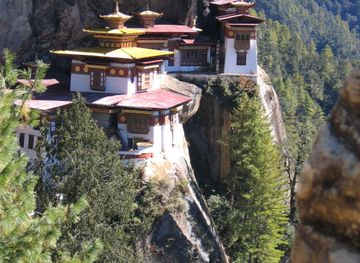
Explore Dagana in Bhutan for a quieter journey through hill roads, Buddhist heritage, forested valleys, rural communities and the historic Daga Dzong.
Explore Dagana
Explore more of Bhutan
Experience the enchantment of Bhutan, a Himalayan paradise where tradition meets tranquility and Gross National Happiness reigns supreme.
Explore Bhutan