

Free Dagana Travel Guide & Mobile App
Explore Dagana with free travel guides. Discover regional history, expert tips, proposed trips, and audio guides on web or mobile app.


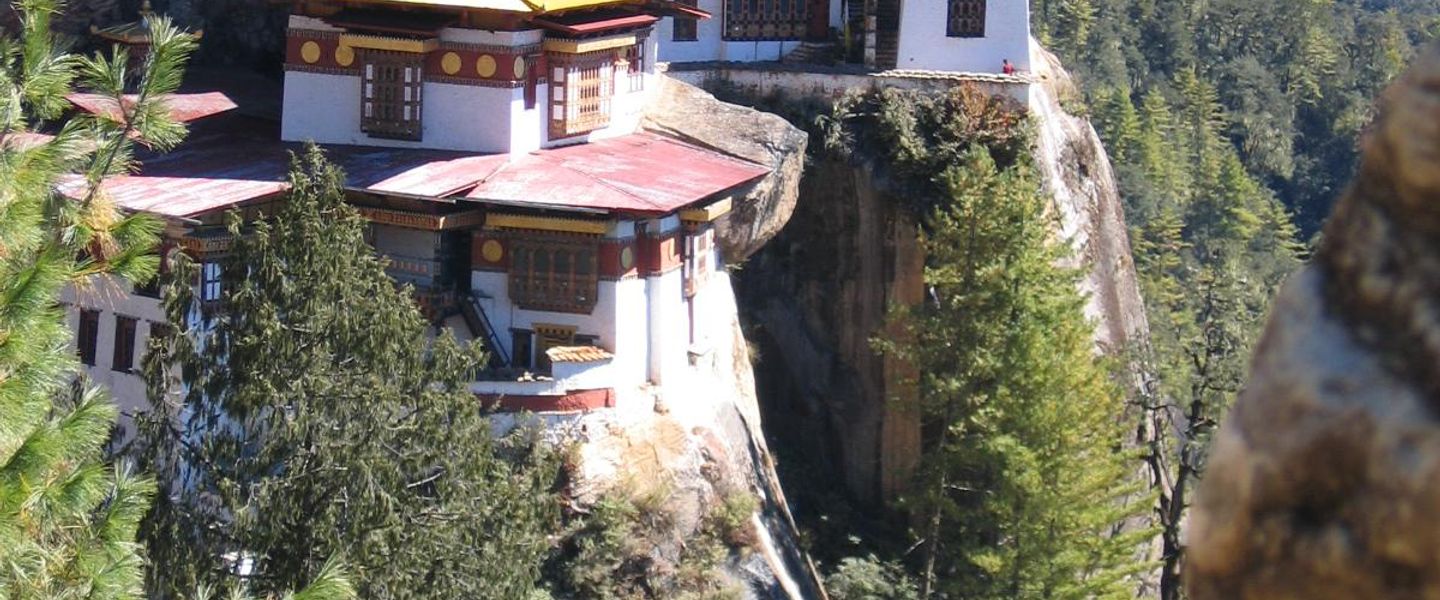


Explore Dagana in Bhutan for a quieter journey through hill roads, Buddhist heritage, forested valleys, rural communities and the historic Daga Dzong.
Read more about Dagana
When is the best time to visit Dagana?
Best: April, October–November · 21–26°C| Month | High (°C) | Rainfall (mm) |
|---|---|---|
| January | 16 | 10 |
| February | 18 | 20 |
| March | 20 | 30 |
| April (best) | 25 | 40 |
| May | 28 | 50 |
| June | 31 | 60 |
| July | 32 | 70 |
| August | 31 | 70 |
| September | 30 | 60 |
| October (best) | 26 | 50 |
| November (best) | 21 | 30 |
| December | 18 | 20 |
Getting to and around Dagana
How to get there
Transportation
Top city travel guides in Dagana
The cities of Dagana, and the easiest places to base yourself.
-

-


Swipe for more cities
Destinations in Dagana
Resorts, valleys and scenic spots worth a trip of their own.
-

-


Swipe for more destinations
Best attractions in Dagana
Dagana’s attractions are primarily cultural and landscape-based rather than commercial. Daga Dzong is the district’s defining visit, offering an opportunity to see a functioning Bhutanese dzong in its administrative and religious setting. Around it, village temples, prayer walls, traditional houses and cultivated hills reveal how Buddhist practice and rural life remain closely connected. Guided walks can introduce visitors to farmsteads, forest edges and viewpoints, while the district’s range of altitude creates changing vegetation and bird habitats. The southern parts of Dagana have a warmer, more subtropical character than the uplands, making road journeys through the district visually varied. Nature observation is best approached patiently and with realistic expectations: wildlife is not guaranteed, trails may be informal, and specialist interests should be arranged before arrival. There are few large museums, amusement facilities or purpose-built tourist attractions, but this is precisely why Dagana appeals to travellers seeking quieter encounters with Bhutanese landscapes and communities. The most rewarding itineraries combine the dzong with short walks, carefully arranged monastery visits and time in settlements rather than attempting to cover numerous distant sites in a single day.
-
Tourist attraction
Lal Jhamela Basti
Explore the natural beauty and cultural richness of Lal Jhamela Basti, a stunning tourist attraction in Jalpaiguri, West Bengal, surrounded by tea gardens and hills.
-
Tourist attraction
Buxa Fort
Discover Buxa Fort, a historical landmark in West Bengal, where adventure meets history amidst breathtaking natural beauty.
-
Tourist attraction
BINDU VIEW POINT
Explore the stunning Bindu View Point in West Bengal for breathtaking views, local delicacies, and a peaceful escape into nature.
-
Tourist attraction
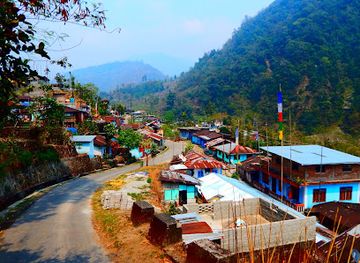
Lepchakha - Little Bhutan In India
Experience the charm of Lepchakha, a tranquil village in Buxa Hill Forest, where Bhutanese culture meets stunning natural beauty.

Best landmarks in Dagana
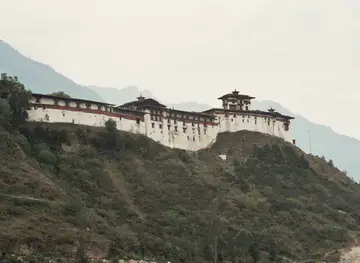
Daga Dzong is Dagana’s principal architectural landmark, occupying a prominent hilltop site above the surrounding landscape. Its whitewashed walls, projecting timber details, courtyards and religious interiors express the distinctive dzong tradition in which defence, civil administration and Buddhist life were combined. The building’s importance lies not only in its appearance but also in its continuing institutional role within the district. Elsewhere, the most characteristic landmarks are smaller and more dispersed: village lhakhangs, mani walls, chortens, prayer flags, farmhouses and bridges along mountain roads. These places are often visually modest but carry strong community and religious significance. The forested ridges and changing southern foothills also function as natural landmarks, marking the transition between cooler interior terrain and Bhutan’s warmer borderlands. Visitors should regard monasteries and sacred structures as living religious spaces rather than monuments arranged solely for tourism. Access can depend on local permission, ceremonies and official guidance, and interiors should be entered only when a guide or caretaker indicates that it is appropriate.
-
Buddhist temple
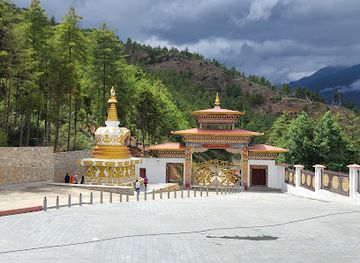
Buddha Dordenma Statue སྟོན་པ་རྡོར་གདན་མ།
Experience the awe-inspiring Buddha Dordenma Statue in Thimphu, a stunning symbol of peace and spirituality surrounded by breathtaking views.
-
Buddhist temple
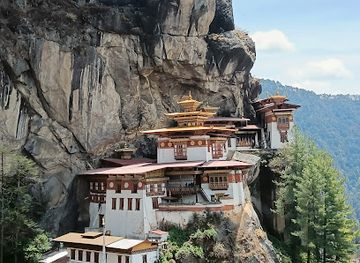
Paro Taktsang
Explore Paro Taktsang, Bhutan's stunning cliffside monastery, where breathtaking views and rich Buddhist heritage await every traveler.
-
National museum
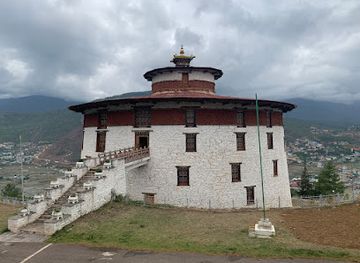
National Museum of Bhutan འབྲུག་གི་འགྲེམས་སྟོན་ཁང་།
Discover Bhutan's rich cultural heritage at the National Museum, a unique blend of history, art, and breathtaking views in Paro Valley.
-
Historical landmark
Buxa Fort
Explore Buxa Fort in West Bengal, a historic landmark surrounded by lush forests and breathtaking views, perfect for history buffs and nature lovers alike.
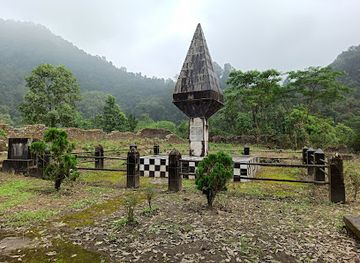
Explore Dagana on the map
Plan your trip on one map. See where the top cities, national parks and sights are, and book hotels and experiences in a few clicks.
Best hotels in Dagana
Best restaurants in Dagana
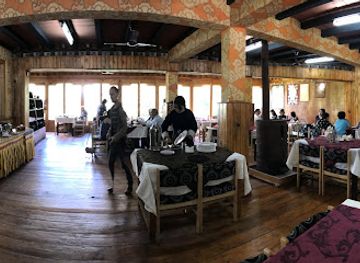
Dining in Dagana is modest, local and closely tied to Bhutan’s wider food culture. Meals commonly feature red rice, vegetables, pulses, soups and ema datshi, the familiar chilli-and-cheese preparation found throughout Bhutan, while meat dishes may be available depending on the season and household. In warmer southern areas, locally grown produce can differ from that of the high valleys, and simple roadside or village meals may provide a more genuine sense of regional agriculture than formal restaurant dining. Hotels and guesthouses generally serve Bhutanese food alongside basic Indian or continental options when arranged in advance. Cafés and a broad choice of restaurants are limited outside the district centre, so dietary requirements should be communicated before travel. Visitors should not expect a developed fine-dining scene or dependable late-night food service; meals are part of the itinerary and are best organised through the guide, accommodation or tour operator.
-
Restaurant
Willing Waterfall Cafe
Discover authentic Bhutanese flavors amidst stunning natural beauty at Willing Waterfall Cafe.
-
Restaurant
SOS Restaurant and Bar
Experience innovative local flavors at SOS Restaurant and Bar in Norzin – where culinary creativity meets vibrant atmosphere.
-
Restaurant
Norbu Yangphel Restaurant
Discover authentic Bhutanese cuisine at Norbu Yangphel Restaurant—where organic meets tradition in stunning eastern Bhutan.
-
Restaurant
Menchuna Restaurant
Experience the rich flavors of Bhutan at Menchuna Restaurant – where authentic cuisine meets warm hospitality.

Best bars in Dagana
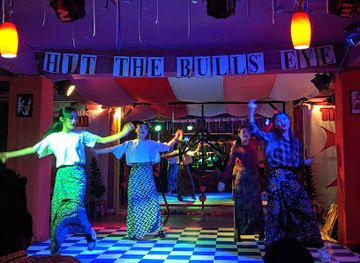
Dagana does not have a significant nightclub scene. Evening life is centred on family homes, guesthouses, small local eateries and modest bars in the larger settlements, with conversation and early nights more typical than late entertainment. Travellers may occasionally find locally available beer or spirits, but alcohol should be consumed discreetly and never treated as the main purpose of a visit. The district’s rural roads, limited lighting and dispersed communities make it impractical to move between venues after dark. Cultural programmes, monastery visits and village interactions must be arranged respectfully and should never interrupt religious observance. For a wider choice of live music, bars or late-night venues, visitors would need to travel outside Dagana to larger Bhutanese urban centres, which should be treated as separate destinations rather than part of the district’s own nightlife.
-
Bar
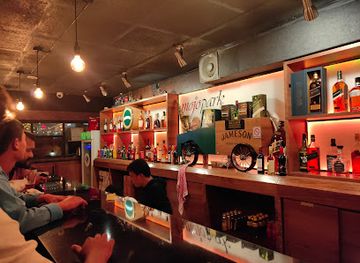
Mojo Park
Discover the heart of Thimphu's nightlife at Mojo Park, where great food, drinks, and live music unite in a vibrant atmosphere.
-
Bar
Drunken Yeti
Experience the lively atmosphere and exquisite cocktails at Drunken Yeti, the heart of Thimphu's vibrant bar scene.
-
Restaurant
SOS Restaurant and Bar
Experience the best of local and international cuisine at SOS Restaurant and Bar in Norzin, where exquisite flavors meet vibrant ambiance.
-
Bar
The Basement
Experience the vibrant nightlife at The Basement in Thimphu, where local flavors meet a lively atmosphere for an unforgettable evening.

Best nightclubs in Dagana
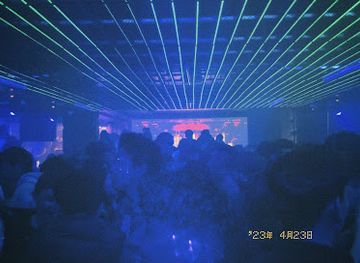
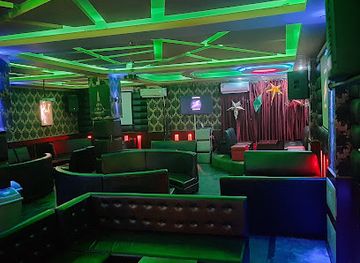
Dagana does not have a significant nightclub scene. Evening life is centred on family homes, guesthouses, small local eateries and modest bars in the larger settlements, with conversation and early nights more typical than late entertainment. Travellers may occasionally find locally available beer or spirits, but alcohol should be consumed discreetly and never treated as the main purpose of a visit. The district’s rural roads, limited lighting and dispersed communities make it impractical to move between venues after dark. Cultural programmes, monastery visits and village interactions must be arranged respectfully and should never interrupt religious observance. For a wider choice of live music, bars or late-night venues, visitors would need to travel outside Dagana to larger Bhutanese urban centres, which should be treated as separate destinations rather than part of the district’s own nightlife.
-
Night club
Viva City
Discover the vibrant nightlife of Thimphu at Viva City, where music, dance, and local culture come together for an unforgettable experience.
-
Night club
Space 34 DOS
Explore the pulsating nightlife of Thimphu at Space 34 DOS, where EDM meets Bollywood in a vibrant club atmosphere.
-
Night club
ACE CLUB, Thimphu
Discover the vibrant nightlife at ACE CLUB in Thimphu, where music, dance, and local culture come together for an unforgettable experience.
-
Night club
Zumthruel Karaoke
Discover the rhythm of Thimphu at Zumthruel Karaoke, where unforgettable nights and vibrant performances await you.
Best shops in Dagana
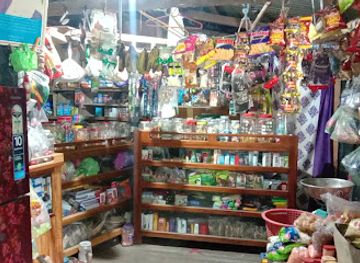
Shopping in Dagana is limited and locally focused. Small shops in the district centre and larger settlements provide everyday supplies rather than a broad range of souvenirs, while rural communities may offer seasonal produce or handmade items through personal arrangements rather than permanent tourist markets. Visitors may find Bhutanese staples such as chillies, grains, woven goods or simple religiously inspired handicrafts, but availability varies and products should not be assumed to come from Dagana unless their provenance is clear. There is little luxury retail and no sizeable shopping-centre scene. The most responsible purchases are modest, locally made goods bought with the consent of producers, together with packaged regional food products where permitted for transport. Avoid purchasing old religious objects, archaeological material, wildlife products or anything presented as antique without reliable provenance. Carry cash for small transactions, and ask a guide about fair prices, local customs and any restrictions on taking plant, animal or religious materials across borders.
-
Gift shop
KOJA BHUTAN
Explore KOJA Bhutan for exquisite handicrafts and authentic souvenirs, capturing the essence of Bhutan's rich cultural heritage.
-
Clothing store
Eujang's Boutique
Explore authentic Bhutanese fashion and craftsmanship at Eujang's Boutique in Thimphu, where tradition meets modern style.
-
General store
Phul Maya Rai
Explore the authentic local culture at Phul Maya Rai, a hidden gem in Daga, Bhutan, offering unique crafts and delightful local products.
-
Dry fruit store
Dry Agro production
Discover the authentic taste of Bhutan's dry fruits in Mongar's unique agro production hub, where tradition meets flavor.



Get your free copy of our complete guide to Dagana, delivered straight to you.
Everything on this page, from attractions and restaurants to essentials and local phrases, in one PDF you can read offline, print or share.
Already have an account? Sign in
Your Dagana guide is ready.
We'll send it to · Not you? Sign out

Getting your guide ready…
We are putting together a fresh copy of the Dagana guide. This can take up to a minute.
This can take a few moments. If your browser asks, choose Allow so the download can start. You'll find the guide in your Downloads folder.
Nothing happened? Download it again
Sorry, the guide is taking longer than usual. Please try again in a minute, or get it by email instead.
Dagana essentials
Currency and Payment
Safety
Emergency Situations
Do's and Don'ts
Local Tips
From Eve
Local phrases worth knowing
You don't need to get them perfect. A few words go a long way, and locals appreciate the effort.
Basics
| English | Local | Say it |
|---|---|---|
| Hello | བཀྲ་ཤིས་བདེ་ལེགས་ | [Kuzuzangpo] |
| Goodbye | བཞུགས་གནང་ | [Zhuge nang] |
| Yes | ཨིན་ | [In] |
| No | མིན་ | [Min] |
| Please/You’re welcome | བཀྲ་ཤིས་བདེ་ལེགས་ | [Kuzuzangpo] |
| Thank you | ཐུགས་རྗེ་ཆེ་ | [Thukje chey] |
| Excuse me/Sorry | ངས་འདོད་མེད་ | [Ngas dod med] |
| How are you? | ཁྱེད་ལ་བདེ་ལེགས་ཅི་འདྲ་བའི་ཡོད། | [Khyed la delek chi drwa yod?] |
| Fine. And you? | ང་བདེ་ལེགས་འདུག་གས། | [Nga delek dug ge?] |
| Do you speak English? | ཁྱེད་ལ་དབྱིང་གི་སྐད་ཆ་བཤད་ཡོད་པས། | [Khyed la jeng gi ka cha shey yod pa?] |
| I don’t understand | ང་ལ་ཡེ་ཤེས་མི་འདུག་ | [Nga la ye shey mi dug] |
Eating & Drinking
| English | Local | Say it |
|---|---|---|
| I’d like to see the menu, please | ང་ལ་འབྲེལ་འདེམས་བཞུགས་གནང་ | [Nga la dreng dem zhuge nang] |
| I don’t eat meat | ང་རྩེ་མེད་ཡོད་ | [Nga tse med yod] |
| Cheers! | དཀའ་བསུ་ཡིན་ | [Kha wa su yin] |
| I would like to pay, please | ང་ལ་སྤྱི་སྤྱོད་བཞུགས་གནང་ | [Nga la chhye chyo zhuge nang] |
Emergencies
| English | Local | Say it |
|---|---|---|
| Help! | ཡོད་རེད། | [Yod red!] |
| Go away! | མི་འདོད་ | [Mi dod!] |
| Call the Police! | བཅོས་གཞི་འདོད་ | [Bhosh gyi dod!] |
| Call a doctor! | འཁོར་ཁྲྀང་པོ་འདོད་ | [Khor kheng po dod!] |
| I’m lost | ང་ལ་ལོག་བསྐོར་མི་འདུག་ | [Nga la log bkor mi dug] |
| I’m ill | ང་ལ་འདུག་བརྒྱབ་ | [Nga la dug brgyab] |
Shopping
| English | Local | Say it |
|---|---|---|
| I’d like to buy... | ང་ལ་བཀྲ་བསྐོར་བཞུགས་གནང་ | [Nga la khrab bkor zhuge nang] |
| I’m just looking | ང་རང་འདོད་ཡོད་ | [Nga rang dod yod] |
| How much is it? | ག་རེ་བོད་རེད་ | [Ga re bod red?] |
| That’s too expensive | རེད་སྐད་ཀ་ཡོད་ | [Red khed kha yod] |
| Can you lower the price? | ཁྱེད་ལ་ཉམས་སྤྱོད་བཞུགས་གནང་ | [Khyed la nyam chyo zhuge nang] |
Time & Numbers
| English | Local | Say it |
|---|---|---|
| What time is it? | དུས་ཚོད་ག་རེ་རེད་ | [Dhu tsher ga re red?] |
| It’s one o’clock | དུས་ཚོད་1་རེད་ | [Dhu tsher 1 red] |
| Half past (10) | 10་གི་དུས་ཚོད་བར་བརྒྱབ་ | [10 gi dhu tsher bar brgyab] |
| Morning | དགོང་བའི་དུས་ | [Gong wei dhu] |
| Afternoon | ཕྱག་དུས་ | [Chak dhue] |
| Evening | ཉིན་མོ་བའི་དུས་ | [Nyi mo wei dhu] |
| Yesterday | ཉིན་གཞི་ | [Nyi gyi] |
| Today | དེ་ཉིན་ | [De ni] |
| Tomorrow | ཉིན་དེབ་ | [Nyi deb] |
| 1 | 1 | [1] |
| 2 | 2 | [2] |
| 3 | 3 | [3] |
| 4 | 4 | [4] |
| 5 | 5 | [5] |
| 6 | 6 | [6] |
| 7 | 7 | [7] |
| 8 | 8 | [8] |
| 9 | 9 | [9] |
| 10 | 10 | [10] |
Transport & Directions
| English | Local | Say it |
|---|---|---|
| Where's a/the...? | ག་པར་ཡོད་མི་འདོད་? | [Ga par yod mi dod?] |
| What’s the address? | ག་པར་ཡོད་མི་འདོད་? | [Ga par yod mi dod?] |
| Can you show me (on the map)? | ཁྱེད་ལ་བརྙེད་འདོད་? | [Khyed la nyer dod?] |
| When's the next (bus)? | ག་པར་ཡོད་མི་འདོད་? | [Ga par yod mi dod?] |
| A ticket (to ....) | དངོས་གཟུགས་པོ་བཞུགས་གནང་ | [Ngons gzuk po zhuge nang] |
History of Dagana
Early Himalayan settlement and Buddhist traditions
The valleys and lower hills of present-day Dagana have long been shaped by movement between Bhutan’s interior and the southern foothills. Communities developed around agriculture, forest resources and local religious institutions, while Buddhist traditions spread through networks of teachers, monasteries and village temples. Much of the early history is preserved through oral traditions and religious lineages rather than through extensive surviving written records. The district’s dispersed settlements and sacred sites reflect this gradual process of cultivation, migration and Buddhist influence across varied elevations.
The unification of Bhutan in the seventeenth century
Dagana was drawn into the political and religious consolidation of Bhutan associated with Zhabdrung Ngawang Namgyal during the seventeenth century. As the Drukpa state expanded and administration became more organised, strategic ridges and valleys acquired greater importance. Dzongs served as centres of both governance and religious authority, linking local communities with the wider Bhutanese polity. The creation and development of Daga Dzong belong to this period of state formation, when fortified monasteries helped establish authority across difficult terrain.
Daga Dzong and regional administration
Daga Dzong became the principal institutional centre of the district, combining monastic functions with the administration of surrounding communities. Its hilltop position was practical as well as symbolic, offering a defensible site and a visible expression of authority. Like other Bhutanese dzongs, it was maintained through the relationship between religious office, civil administration and local labour. The dzong remains important because it is not merely a preserved monument: it continues to represent the historical system through which Dagana was governed and religious life was organised.
The emergence of modern Bhutanese administration
The establishment of the hereditary monarchy in 1907 and the gradual development of a modern state altered the relationship between local districts and central government. Dagana retained the dzong as an important administrative centre while new government services, roads and public institutions gradually reached its scattered communities. Development was slower in remote upland and southern areas than in western Bhutan, partly because of terrain and limited connectivity. The district’s present administrative structure, including its gewogs, reflects this longer transition from local authority and dzong administration to contemporary government.
Road construction, education and social change
During the twentieth century, roads, schools, health services and communications began connecting Dagana more closely with other parts of Bhutan and with southern transport corridors. These changes expanded access to markets and public services while also encouraging migration for education and employment. Road development transformed the practical importance of some settlements, but it did not eliminate the district’s dispersed rural character. Many communities continue to combine traditional agriculture and religious practice with modern schooling, public administration and links to larger towns outside the district.
Contemporary Dagana and environmental stewardship
Modern Dagana is shaped by the balance between rural development, forest conservation and the protection of Bhutan’s cultural heritage. Its varied elevation supports different agricultural conditions and habitats, while roads and public services continue to improve unevenly across the district. Tourism remains comparatively small-scale, placing emphasis on guided cultural visits, nature observation and respectful engagement with communities rather than mass sightseeing. The surviving dzong traditions, village religious sites and forested landscapes provide continuity as Dagana adapts to contemporary Bhutan.
Dagana in Photos
Browse through our photo collection highlighting the charm and character of the destination.
Neighbouring regions of Dagana
The closest regions to Dagana, if you have time for more than one.
-

-

-

-

-


Swipe for more regions
Explore more

Explore more of Bhutan
Experience the enchantment of Bhutan, a Himalayan paradise where tradition meets tranquility and Gross National Happiness reigns supreme.
Explore Bhutan