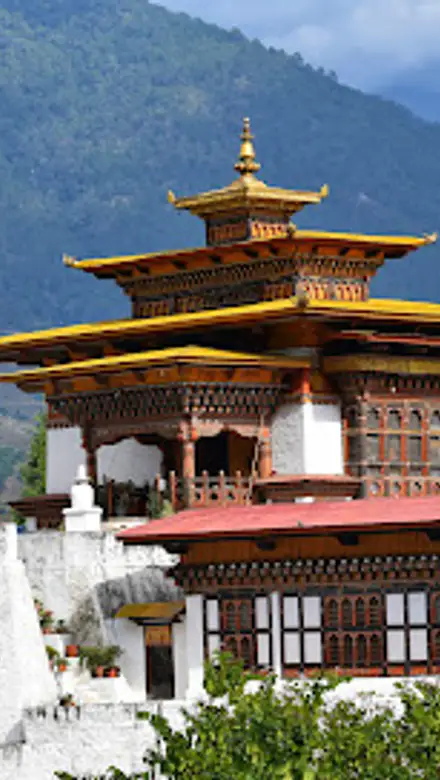
Punakha Dzong སྤུ་ན་ཁ་རྫོང་། Travel Guide
Free Guide: Discover the exquisite beauty and rich history of Punakha Dzong, Bhutan's iconic fortress-monastery at the confluence of two rivers.


A brief summary of Punakha Dzong སྤུ་ན་ཁ་རྫོང་།
Discover the exquisite beauty and rich history of Punakha Dzong, Bhutan's iconic fortress-monastery at the confluence of two rivers.
Punakha Dzong, a stunning fortress-monastery, is a must-visit for tourists. Nestled at the confluence of two rivers, it showcases exquisite architecture, rich history, and serene beauty, making it a perfect destination for cultural exploration and photography.
Opening hours
- Mon–Sat9 am–5 pm
- SunClosed
Opening hours as listed on the venue’s Google Business Profile. Hours can change for services and special events, so check with the venue before you go.
- Address
- HVJ7+V6Q
- Phone
- Website
Getting there
Car
Public Transportation
Taxi
Discover more about Punakha Dzong སྤུ་ན་ཁ་རྫོང་།
Overview
Punakha Dzong, often referred to as the 'Palace of Great Happiness,' is a magnificent Buddhist temple and fortress located at the confluence of the Pho Chhu and Mo Chhu rivers in Bhutan. This architectural marvel dates back to 1637 and serves as the winter residence of the monastic body of Bhutan. Visitors are immediately captivated by the dzong's stunning whitewashed walls, intricate woodwork, and golden roofs that glisten under the sun, surrounded by lush green mountains and the tranquil river waters. The dzong is not only a site of religious significance but also a symbol of the rich history and cultural heritage of Bhutan, making it a must-see for any traveler. The interior of Punakha Dzong is equally impressive, featuring beautifully adorned prayer halls, intricate murals, and sacred relics, including the preserved remains of the revered Buddhist figure Zhabdrung Ngawang Namgyal, who unified Bhutan. As you wander through the expansive courtyards and serene gardens, you'll find opportunities for reflection and photography, with the backdrop of the majestic Himalayas adding to the allure of this sacred site. The best time to visit is during the spring when the surrounding landscape bursts into bloom, enhancing the picturesque setting. To fully appreciate the significance of Punakha Dzong, consider joining a guided tour, where knowledgeable local guides share insights into the rich history and spiritual importance of this site. Whether you're a history enthusiast, a photographer, or simply seeking tranquility, Punakha Dzong offers an unforgettable experience that captures the essence of Bhutan’s cultural tapestry. A visit to this remarkable fortress is not just a journey into Bhutan's past, but also a chance to connect with the spiritual heart of this beautiful nation.
Evendo Review Centre
 Google
Guest reviews
Explore Punakha Dzong སྤུ་ན་ཁ་རྫོང་། on the map
A handpicked selection of must-see spots near Punakha Dzong སྤུ་ན་ཁ་རྫོང་།, mapped for you.
Get your free copy of our complete guide to Punakha Dzong སྤུ་ན་ཁ་རྫོང་།, delivered straight to you.
Everything on this page, from opening hours and how to get there to Eve’s tips and the best time to go, in one PDF you can read offline, print or share.
Already have an account? Sign in
Your Punakha Dzong སྤུ་ན་ཁ་རྫོང་། guide is ready.
We'll send it to · Not you? Sign out

Getting your guide ready…
We are putting together a fresh copy of the Punakha Dzong སྤུ་ན་ཁ་རྫོང་། guide. This can take up to a minute.
This can take a few moments. If your browser asks, choose Allow so the download can start. You'll find the guide in your Downloads folder.
Nothing happened? Download it again
Sorry, the guide is taking longer than usual. Please try again in a minute, or get it by email instead.
Unlock the best of Punakha Dzong སྤུ་ན་ཁ་རྫོང་།
Skip-the-line tickets, guided tours with entry, and walking tours of the area, booked in a few clicks.


Other nearby places you may find interesting
The closest places of the same kind, if this one is not quite what you had in mind.
-
-
-
-
-


Swipe for more places
More to explore near Punakha Dzong སྤུ་ན་ཁ་རྫོང་།
-
 Best experiences near Punakha Dzong སྤུ་ན་ཁ་རྫོང་།
-
 Best hotels near Punakha Dzong སྤུ་ན་ཁ་རྫོང་།
-
 Best landmarks near Punakha Dzong སྤུ་ན་ཁ་རྫོང་།
-
 Best attractions near Punakha Dzong སྤུ་ན་ཁ་རྫོང་།
-
 Best shops near Punakha Dzong སྤུ་ན་ཁ་རྫོང་།
-
 Best restaurants near Punakha Dzong སྤུ་ན་ཁ་རྫོང་།
-
 Best bars near Punakha Dzong སྤུ་ན་ཁ་རྫོང་།


Do you manage this location?
Take control to get all the benefits, like improved information, better appearance, and stronger visibility across AI-powered discovery.
Explore more

Explore more of Samdrup Jongkhar
Discover Samdrup Jongkhar, the serene gateway to eastern Bhutan, where traditional culture meets natural beauty amidst the foothills of the Himalayas.
Explore Samdrup Jongkhar
Explore more of Bhutan
Experience the enchantment of Bhutan, a Himalayan paradise where tradition meets tranquility and Gross National Happiness reigns supreme.
Explore Bhutan