

Free Jajce Travel Guide & Mobile App
Plan your Jajce trip with Evendo. Get free guides to top attractions, restaurants, hotels, and bars. Web access or download the mobile app.


Discover Jajce in Bosnia and Herzegovina: A blend of natural wonders and historical treasures, from the iconic Pliva Waterfall to medieval fortresses and serene lakes.
Read more about Jajce
When is the best time to visit Jajce?
Best: May–June, September · 24–29°C| Month | High (°C) | Rainfall (mm) |
|---|---|---|
| January | 5 | 50 |
| February | 6 | 55 |
| March | 11 | 60 |
| April | 18 | 65 |
| May (best) | 24 | 70 |
| June (best) | 29 | 75 |
| July | 32 | 80 |
| August | 32 | 85 |
| September (best) | 25 | 80 |
| October | 19 | 75 |
| November | 12 | 70 |
| December | 7 | 55 |
Getting to and around Jajce
How to get there
Transportation
Best attractions in Jajce
Jajce, a charming town in Bosnia and Herzegovina, offers visitors a unique blend of natural beauty and rich history. The iconic 17-meter-high Pliva Waterfall cascading into the Vrbas River, the well-preserved medieval Jajce Fortress, and the picturesque Pliva Lakes are just a few of the must-see attractions in the area. Visitors can explore the narrow cobblestone streets lined with traditional stone houses, visit the Museum of the Second Session of the National Liberation Army of Yugoslavia, or take a boat ride on the Pliva Lake. With its stunning landscapes and fascinating historical sites, Jajce is a destination that promises a memorable and immersive experience for all travelers.
-
Tourist attraction
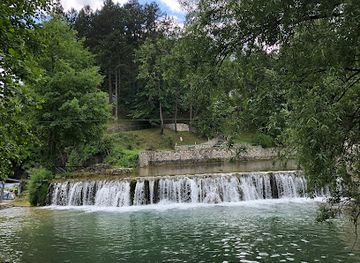
Pliva Waterfall
Experience the breathtaking beauty of Pliva Waterfall in Jajce, a natural wonder surrounded by lush greenery and rich history.
6 min walk · 0.5 km from city centre
-
Historical landmark
Mlinčići
Explore Mlinčići, a historical water mill in Jajce, where nature and history unite to create an unforgettable experience.
11 min drive · 3.6 km from city centre
-
Fortress
Jajce Fortress
Discover the rich history and breathtaking views from Jajce Fortress, a medieval gem overlooking the beautiful town of Jajce in Bosnia and Herzegovina.
2 min walk · 0.2 km from city centre
-
Museum
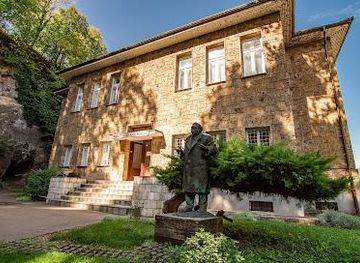
Museum of the 2nd AVNOJ session
Dive into the rich history of Yugoslavia at the Museum of the 2nd AVNOJ Session in Jajce, where artifacts and stories reveal a pivotal moment in time.
6 min walk · 0.5 km from city centre


Best landmarks in Jajce
Jajce, located in Bosnia and Herzegovina, offers visitors a unique blend of natural beauty and historical significance. The iconic Pliva Waterfall, cascading into the Vrbas River, provides a stunning backdrop to the city. The medieval Jajce Fortress, with its ancient walls and panoramic views, is a must-see for history enthusiasts. The Pliva Lakes, surrounded by lush greenery, offer a peaceful retreat for nature lovers. Visitors can also explore the famous Old Town, with its charming cobblestone streets and traditional Bosnian architecture. Jajce truly captures the essence of Bosnia and Herzegovina's rich cultural heritage and natural wonders.
-
Tourist attraction
Pliva Waterfall
Experience the breathtaking Pliva Waterfall in Jajce, a unique natural wonder in the heart of Bosnia and Herzegovina's historic royal town.
6 min walk · 0.5 km from city centre
-
Water mill
Mlinčići
Discover the enchanting Mlinčići watermills near Jajce, Bosnia, a picturesque blend of history, nature, and traditional craftsmanship.
11 min drive · 3.6 km from city centre
-
Park
Park Plivsko jezero
Discover Park Plivsko Jezero in Jajce: a stunning natural retreat with serene lakes, lush landscapes, and rich recreational opportunities.
10 min drive · 3.4 km from city centre
-
Fortress
Jajce Fortress
Explore Jajce Fortress, a medieval Bosnian castle with panoramic views and a rich history as the kingdom's former capital.
2 min walk · 0.2 km from city centre


Explore Jajce on the map
Plan your Jajce trip on one map. See where the top attractions, landmarks, restaurants, bars and hotels are, find what's near where you're staying, and book hotels and experiences in a few clicks.
Best hotels in Jajce
Best restaurants in Jajce
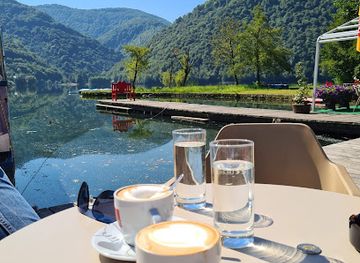
Jajce offers a unique dining experience for visitors, with a mix of traditional Bosnian cuisine and modern international flavors. From cozy family-run restaurants serving up homemade dishes like cevapi and burek, to trendy cafes offering artisanal coffee and pastries, there is something for every palate. Don't miss the chance to dine al fresco along the Pliva River, enjoying the picturesque views while savoring local specialties. And for those looking for a taste of history, be sure to visit the historic restaurants housed in centuries-old buildings, where you can enjoy a meal surrounded by the city's rich heritage.
-
Restaurant
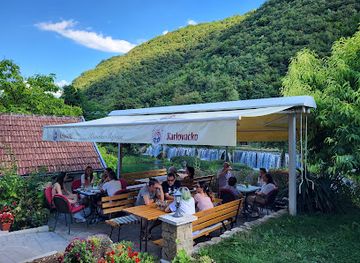
Konoba Slapovi
Experience authentic Bosnian cuisine with stunning views at Konoba Slapovi in Jajce - a culinary gem not to be missed.
6 min drive · 1.9 km from city centre
-
Restaurant
Plaža
Savor authentic Bosnian cuisine at Plaža – Jajce's must-visit restaurant for food lovers seeking local flavors.
12 min drive · 4.1 km from city centre
-
Diner
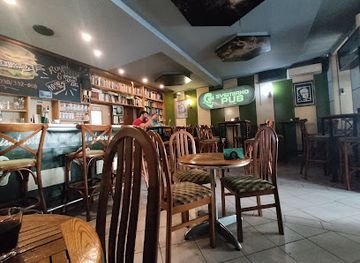
Svemirko pub
Experience authentic Bosnian cuisine and vibrant pub culture at Svemirko Pub in Jajce—perfect for unwinding after your adventures.
1 min walk · 0.1 km from city centre
-
Pizza
Megi Dea
Discover Megi Dea in Jajce: where delectable pizza meets hearty breakfasts in a cozy atmosphere.
4 min walk · 0.3 km from city centre

Best bars in Jajce
Jajce's nightlife scene offers a unique blend of traditional Bosnian charm and modern entertainment options. Visitors can start their evening with a stroll through the historic Old Town, where they can enjoy local delicacies at quaint cafes and restaurants. As the night progresses, the city comes alive with vibrant bars and nightclubs, where tourists can dance the night away to a mix of local and international music. Whether you're looking for a cozy spot to sip on a cocktail or a lively venue to party until dawn, Jajce has something for every taste and mood.
-
Restaurant
Konoba Slapovi
Discover the authentic flavors of Bosnia at Konoba Slapovi, a restaurant nestled amidst waterfalls in Jajce, offering a unique culinary experience.
6 min drive · 1.9 km from city centre
-
Diner
Svemirko pub
Experience the vibrant atmosphere and delicious flavors at Svemirko Pub, a must-visit diner and pub in the heart of Jajce.
1 min walk · 0.1 km from city centre
-
Restaurant
Restoran Jajce Bingo
Discover the authentic taste of Bosnia at Restoran Jajce Bingo, where tradition meets culinary excellence in the heart of Jajce.
7 min walk · 0.6 km from city centre
-
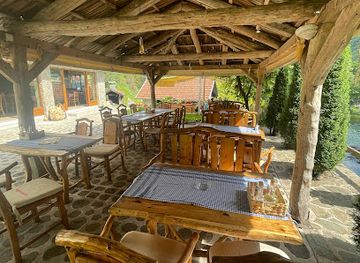
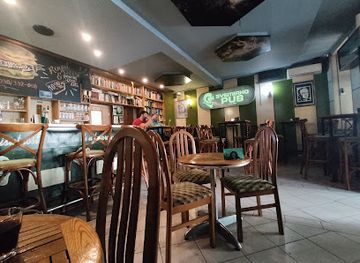
Pub
Beer Pub
Discover the vibrant atmosphere of Jajce's beloved beer pub, where local brews and warm hospitality await every visitor.
2 min walk · 0.2 km from city centre
Best nightclubs in Jajce
Jajce's nightlife scene offers a unique blend of traditional Bosnian charm and modern entertainment options. Visitors can start their evening with a stroll through the historic Old Town, where they can enjoy local delicacies at quaint cafes and restaurants. As the night progresses, the city comes alive with vibrant bars and nightclubs, where tourists can dance the night away to a mix of local and international music. Whether you're looking for a cozy spot to sip on a cocktail or a lively venue to party until dawn, Jajce has something for every taste and mood.
-
Pub
Beer Pub
Experience the vibrant atmosphere and local flavors at Jajce's Beer Pub, a perfect spot for relaxation and socializing.
2 min walk · 0.2 km from city centre
-
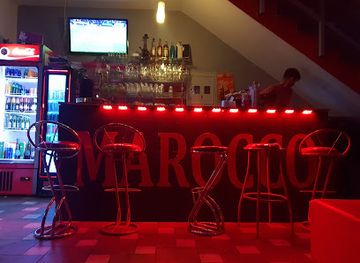
Bar
Nargila Bar Marocco
Discover the vibrant atmosphere of Nargila Bar Marocco, where affordable indulgence meets local charm in the heart of Jajce.
3 min walk · 0.3 km from city centre
-
Cafe
Bunga Bunga Caffe Night Bar
Experience the vibrant nightlife of Jajce at Bunga Bunga Caffe Night Bar, where lively music and delicious drinks await.
4 min walk · 0.3 km from city centre
-
Night club
Milano
Discover the pulsating nightlife at Milano, Jajce's premier night club, where music, dance, and unforgettable experiences await.
5 min walk · 0.4 km from city centre


Best shops in Jajce
In Jajce, visitors can expect a unique shopping experience filled with traditional handmade items such as woodcarvings, pottery, and textiles, reflecting the rich cultural heritage of the region. The bustling streets are lined with charming shops and market stalls, offering a variety of souvenirs and local products for purchase. Don't miss the opportunity to explore the vibrant bazaars and interact with local artisans, who take pride in their craftsmanship and are happy to share their skills with curious visitors. Whether you're looking for a special memento or simply want to immerse yourself in the local culture, Jajce's shopping scene is sure to delight and inspire.
-
Hypermarket
Bingo Hypermarket
Experience the best of Bosnian shopping at Bingo Hypermarket in Jajce, where quality meets variety in a vibrant atmosphere.
7 min walk · 0.6 km from city centre
-
Supermarket
Crvena jabuka market
Discover the vibrant local shopping experience at Crvena Jabuka Market in Jajce, where fresh produce and Bosnian delicacies await.
4 min walk · 0.3 km from city centre
-
Supermarket
Best
Discover the local flavors and vibrant products at Best Supermarket in Jajce, your gateway to authentic Bosnian culinary delights.
8 min walk · 0.7 km from city centre
-
Variety store
Fis
Discover the charm of Jajce at Fis, a variety store offering unique local crafts, souvenirs, and an authentic shopping experience.
8 min walk · 0.6 km from city centre


Get your free copy of our complete guide to Jajce, delivered straight to you.
Everything on this page, from attractions and restaurants to essentials and local phrases, in one PDF you can read offline, print or share.
Already have an account? Sign in
Your Jajce guide is ready.
We'll send it to · Not you? Sign out

Getting your guide ready…
We are putting together a fresh copy of the Jajce guide. This can take up to a minute.
This can take a few moments. If your browser asks, choose Allow so the download can start. You'll find the guide in your Downloads folder.
Nothing happened? Download it again
Sorry, the guide is taking longer than usual. Please try again in a minute, or get it by email instead.
Jajce essentials
Currency and Payment
Safety
Emergency Situations
Do's and Don'ts
Local Tips
From Eve
Local phrases worth knowing
You don't need to get them perfect. A few words go a long way, and locals appreciate the effort.
Basics
| English | Local | Say it |
|---|---|---|
| Hello | Zdravo | [Zdrah-voh] |
| Goodbye | Doviđenja | [Doh-vee-jen-ya] |
| Yes | Da | [Dah] |
| No | Ne | [Neh] |
| Please/You're welcome | Molim | [Moh-leem] |
| Thank you | Hvala | [Hvah-lah] |
| Excuse me/Sorry | Izvini | [Eez-vee-nee] |
| How are you? | Kako si? | [Kah-koh see] |
| Fine. And you? | Dobro. A ti? | [Doh-bro. Ah tee] |
| Do you speak English? | Govoriš li engleski? | [Go-vo-reesh lee eng-les-kee] |
| I don't understand | Ne razumijem | [Neh rah-zoo-me-yem] |
Eating & Drinking
| English | Local | Say it |
|---|---|---|
| I'd like to see the menu, please | Molim vas, želim vidjeti meni | [Moh-leem vahs, zheh-leem veed-yeh-tee meh-nee] |
| I don't eat meat | Ne jedem meso | [Neh yeh-dem meh-so] |
| Cheers! | Živjeli! | [Zhee-vyeh-lee] |
| I would like to pay, please | Želim platiti, molim | [Zheh-leem plah-tee-tee, moh-leem] |
Emergencies
| English | Local | Say it |
|---|---|---|
| Help! | Pomoć! | [Poh-moh-ch] |
| Go away! | Idi odavde! | [Ee-dee oh-dahv-deh] |
| Call the Police! | Pozovite policiju! | [Poh-zoh-vee-teh poh-lee-tsee-yoo] |
| Call a doctor! | Pozovite doktora! | [Poh-zoh-vee-teh dohk-toh-rah] |
| I'm lost | Izgubio/la sam se | [Eez-goo-byoh/lah sahm seh] |
| I'm ill | Bolestan/na sam | [Boh-leh-stahn/nah sahm] |
Shopping
| English | Local | Say it |
|---|---|---|
| I'd like to buy... | Želim kupiti... | [Zheh-leem koo-pee-tee] |
| I'm just looking | Samo gledam | [Sah-moh gleh-dam] |
| How much is it? | Koliko košta? | [Koh-lee-koh koh-stah] |
| That's too expensive | To je previše skupo | [Toh yeh preh-vee-she skoo-poh] |
| Can you lower the price? | Možete li spustiti cijenu? | [Moh-zheh-teh lee spoos-tee-tee tsee-yeh-noo] |
Time & Numbers
| English | Local | Say it |
|---|---|---|
| What time is it? | Koliko je sati? | [Koh-lee-koh yeh sah-tee] |
| It's one o'clock | Jedan je sat | [Yeh-dahn yeh saht] |
| Half past (10) | Pola (deset) | [Poh-lah (deh-set)] |
| Morning | Jutro | [Yoo-troh] |
| Afternoon | Popodne | [Poh-pohd-neh] |
| Evening | Veče | [Veh-cheh] |
| Yesterday | Juče | [Yoo-cheh] |
| Today | Danas | [Dah-nahs] |
| Tomorrow | Sutra | [Soo-trah] |
| 1 | Jedan | [Yeh-dahn] |
| 2 | Dva | [Dvah] |
| 3 | Tri | [Tree] |
| 4 | Četiri | [Chet-ee-ree] |
| 5 | Pet | [Peh-t] |
| 6 | Šest | [Sh-eh-st] |
| 7 | Sedam | [Sed-ahm] |
| 8 | Osam | [Oh-sahm] |
| 9 | Devet | [Deh-vet] |
| 10 | Deset | [Deh-set] |
Transport & Directions
| English | Local | Say it |
|---|---|---|
| Where's a/the...? | Gdje je... | [Gdyeh yeh...] |
| What's the address? | Koja je adresa? | [Koh-yah yeh ah-deh-sah] |
| Can you show me (on the map)? | Možete li mi pokazati (na mapi)? | [Moh-zheh-teh lee mee poh-kah-zah-tee (nah mah-pee)] |
| When's the next (bus)? | Kada je sljedeći (autobus)? | [Kah-dah yeh slyeh-deh-chee (ow-toh-boos)] |
| A ticket (to ....) | Karta (za ...) | [Kahr-tah (zah ...)] |
History of Jajce
The Founding of Jajce
Jajce was founded in the 14th century and quickly rose to prominence as a fortified city. Its strategic location at the confluence of the Pliva and Vrbas rivers made it a key stronghold in medieval Bosnia. The city was initially established by the Bosnian noble Hrvoje Vukčić Hrvatinić, who built the fortress that still stands today.
The Royal Seat
In the late 14th and early 15th centuries, Jajce became the royal seat of the Bosnian Kingdom. The city reached its zenith during the reign of King Stjepan Tomašević, who was crowned in Jajce in 1461. The coronation took place in the Church of St. Mary, which later became the Sultan Suleiman's Mosque after the Ottoman conquest.
The Ottoman Conquest
In 1463, Jajce fell to the Ottoman Empire, marking the end of the Bosnian Kingdom. The Ottomans captured King Stjepan Tomašević and executed him, bringing an era of Ottoman rule that lasted for centuries. The Ottomans fortified the city further and transformed its architectural landscape, including the conversion of churches into mosques.
The Habsburg Period
In 1878, Jajce came under Austro-Hungarian control following the Congress of Berlin. The Habsburgs brought modernization and new infrastructure to the city. They built roads, schools, and introduced Western architectural styles, some of which can still be seen in the city today.
World War II and AVNOJ
Jajce played a pivotal role during World War II as the site of the second session of the Anti-Fascist Council for the National Liberation of Yugoslavia (AVNOJ) in 1943. This assembly laid the foundation for the socialist federal republic of Yugoslavia under Josip Broz Tito. The building where the session took place is now a museum dedicated to this historic event.
The Bosnian War
During the Bosnian War (1992-1995), Jajce was a focal point of conflict. The city endured significant destruction and was the scene of ethnic cleansing. After the war, Jajce was part of the Federation of Bosnia and Herzegovina following the Dayton Agreement. The post-war period has seen efforts to rebuild and restore the city's historical landmarks.
Cultural Heritage and Tourism
Today, Jajce is renowned for its rich cultural heritage and natural beauty. The Pliva Waterfall, located in the heart of the city, is a major attraction. Other significant sites include the medieval fortress, the catacombs, and the remains of the Roman temple of Mithras. Jajce's unique blend of historical influences makes it a fascinating destination for tourists from around the world.
Jajce in Photos
Browse through our photo collection highlighting the charm and character of the destination.
Cities near Jajce
The closest cities to Jajce, if you have time for more than one stop.
-

-

-

-

-


Swipe for more cities
Explore more

Explore more of Bosnia and Herzegovina
Discover the hidden beauty of Bosnia and Herzegovina—a land of stunning landscapes, rich history, and diverse culture in the heart of the Balkans.
Explore Bosnia and Herzegovina