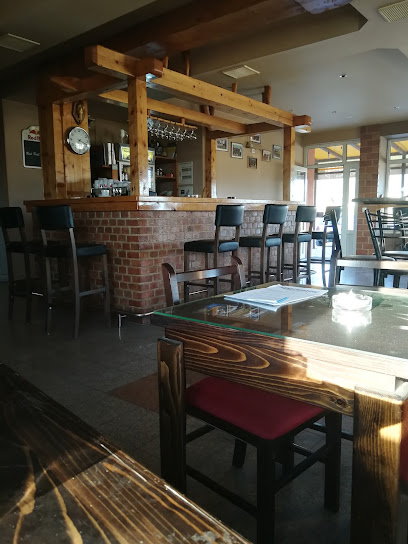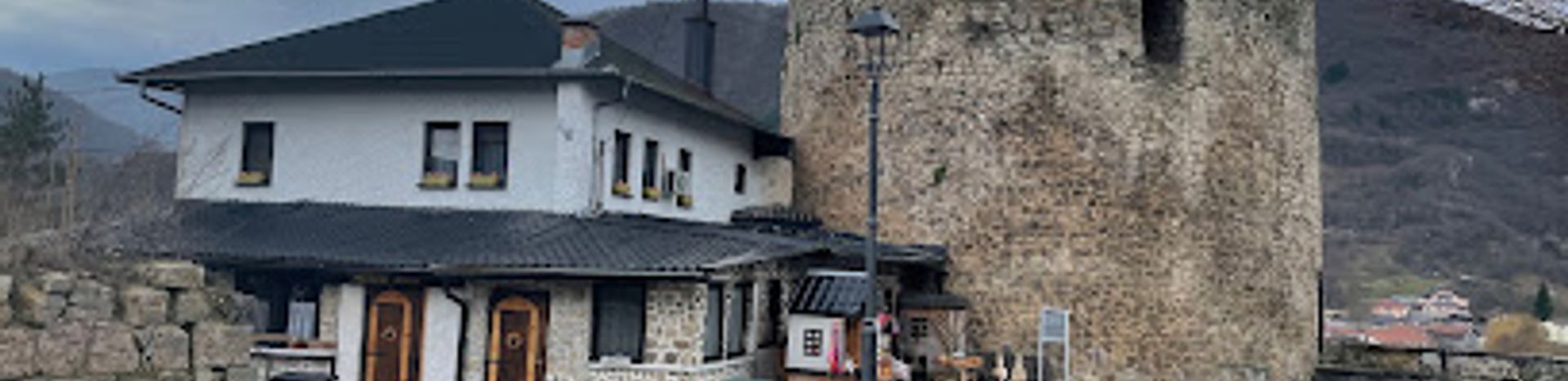
Katakombe: Jajce's Subterranean Sanctuary
Explore Jajce's Katakombe: A medieval underground church and crypt with remarkable carvings and a rich history.
The Katakombe in Jajce is an underground church and crypt complex carved from solid rock in the late 14th and early 15th centuries. Commissioned by Duke Hrvoje Vukčić Hrvatinić as a family burial site, it showcases medieval artistry and spiritual significance.
A brief summary to Katakombe - Jajce
- 87Q9+Q9V, Svetog Luke, Jajce, 70101, BA
- +38730658-268
Local tips
- Visit early in the morning or on weekdays to avoid crowds and enjoy a more peaceful experience.
- Wear comfortable shoes as the terrain inside the Katakombe can be uneven.
- Consider joining a guided tour to gain deeper insights into the history and significance of the site.
- Check the opening hours before visiting, as they may vary depending on the season.

Getting There
-
Walking
From the Jajce city center, head northwest towards Trg Oslobođenja (main square). From there, proceed onto Svetog Luke street and continue straight for about 10 minutes. The Katakombe entrance is located on the right, just before the bridge over the Pliva River. Cost: Free
-
Public Transport
From the Jajce bus station, take any local bus heading toward the city center and get off at Trg Oslobođenja. From there, follow the walking directions to reach Katakombe - Jajce. Cost: Approximately 2 BAM (local bus fare).
-
Taxi
A taxi from the Jajce bus station or any point in the city center to Katakombe is a quick option. Cost: Expect to pay around 5-8 BAM for a short taxi ride within Jajce.
Discover more about Katakombe - Jajce
Iconic landmarks you can’t miss

Catacombs Underground Church
0.0 km
Discover the enchanting Catacombs Underground Church in Jajce, a unique blend of history, architecture, and spirituality nestled beneath the city.

Church of St. Mary with the tower of St. Luke
0.0 km
Explore the stunning Church of St. Mary in Jajce, a serene Catholic landmark steeped in history and architectural beauty.
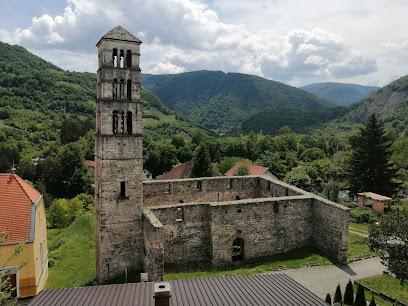
Vrata Kastela
0.1 km
Explore Vrata Kastela in Jajce, a historical gateway offering stunning views and a glimpse into Bosnia and Herzegovina's rich past.
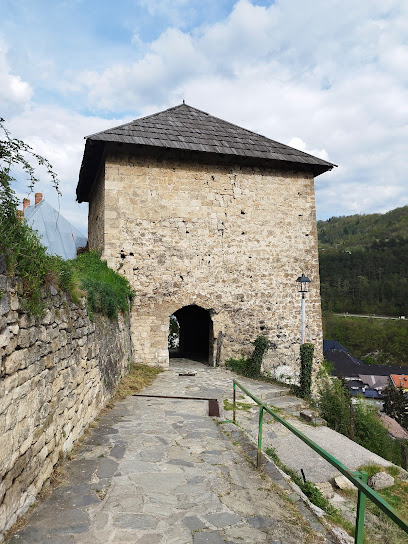
Veliki južni bastion
0.1 km
Explore Jajce's Veliki Južni Bastion: A historical landmark with stunning views, offering a journey through the region's rich past.

Spomenik NOB
0.2 km
Explore the Spomenik NOB in Jajce, a landmark symbolizing WWII resilience, surrounded by Bosnia's stunning natural beauty and rich history.
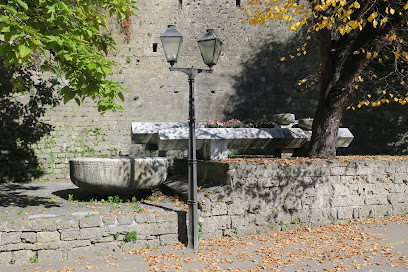
Omerbegova kuća
0.2 km
Explore Jajce's Omerbegova Kuća: A beautifully preserved 17th-century Ottoman house offering a glimpse into Bosnian heritage and architecture.
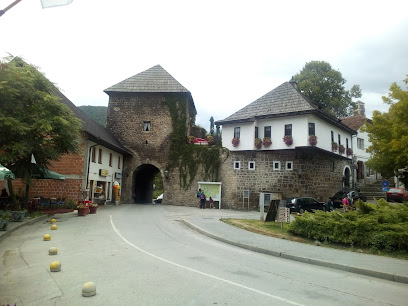
Dom kulture Jajce
0.2 km
Experience the vibrant cultural scene of Jajce at Dom Kulture, a hub for art, music, and community events in a historic setting.
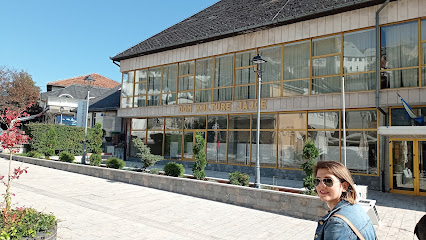
Veliki sjeverni bastion
0.2 km
Explore Jajce's Veliki Sjeverni Bastion: A historical landmark with breathtaking views and a rich cultural heritage.
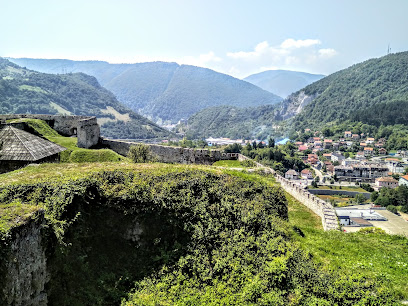
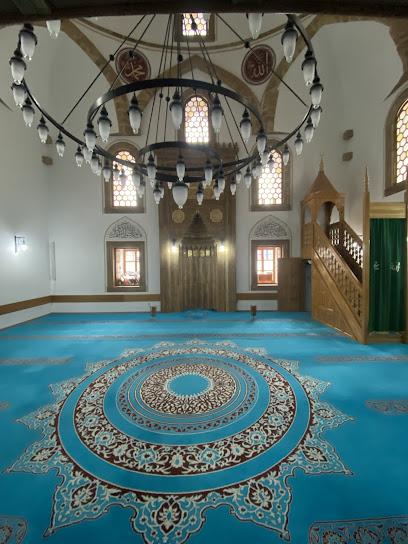
Džamija Esme Sultanije
0.2 km
Discover the historical and architectural beauty of Džamija Esme Sultanije, a captivating mosque in Jajce, Bosnia and Herzegovina.
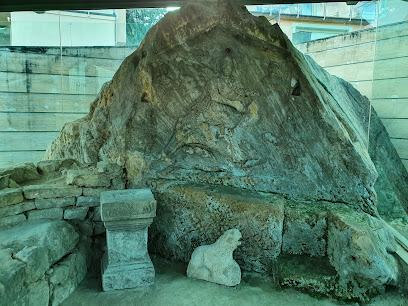
Temple of Mithras in Jajce
0.2 km
Discover the captivating history of the Temple of Mithras in Jajce, a remarkable Roman-era site filled with ancient charm and architectural beauty.
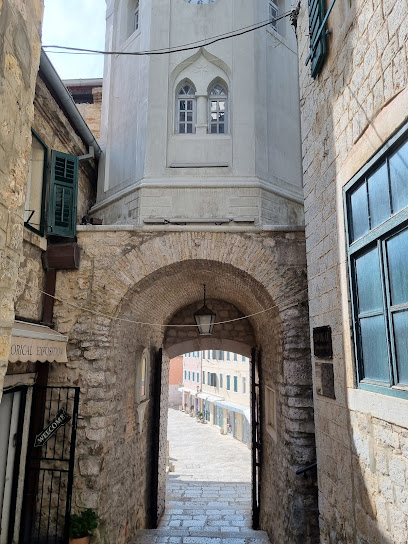
Herzegovina
0.3 km
Explore the historic town of Jajce from the conveniently located Herzegovina Apartment Building, near the iconic Pliva Waterfall and Jajce Fortress.
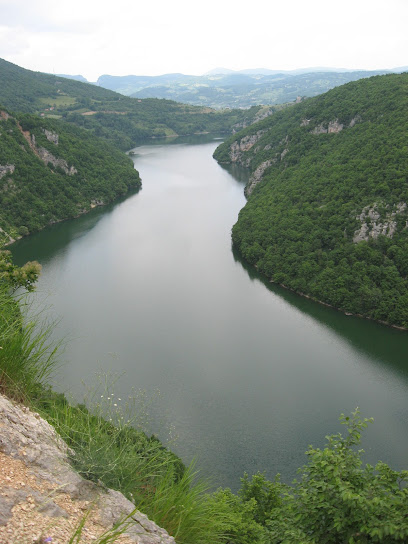
Visit Jajce
0.3 km
Explore Jajce, Bosnia: where history meets stunning nature. Discover ancient fortresses, a unique waterfall, and serene lakes in this Balkan gem.
Svemirko pub
0.3 km
Experience authentic Bosnian cuisine and vibrant pub culture at Svemirko Pub in Jajce, a cosmically-themed diner in the birthplace of poet Nikola Šop.
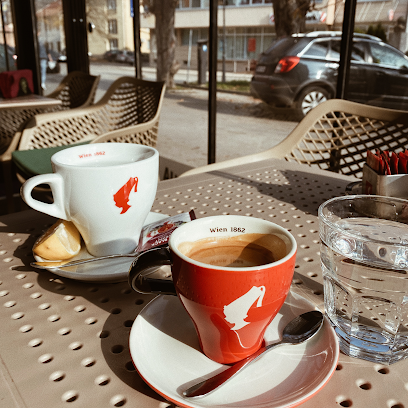
Forteresse de Jajce
0.4 km
Explore the historic Forteresse de Jajce, a medieval fortress offering panoramic views and a glimpse into Bosnia's rich past.
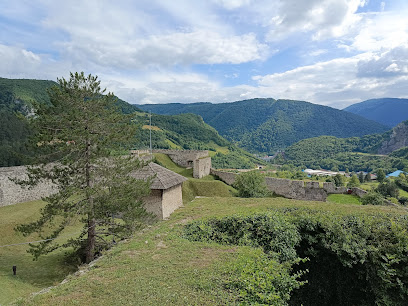
Konoba Slapovi
1.8 km
Experience Bosnian cuisine with breathtaking waterfall views at Konoba Slapovi in historic Jajce. A feast for the senses!
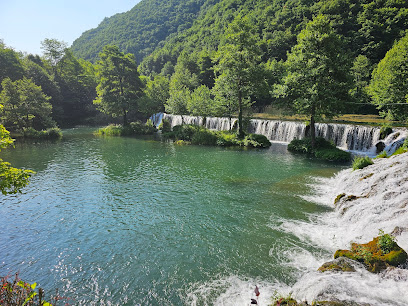
Unmissable attractions to see

BUNKER
0.0 km
Discover the historical significance of the Bunker in Jajce, a captivating tourist attraction that reveals the region's wartime past and cultural heritage.
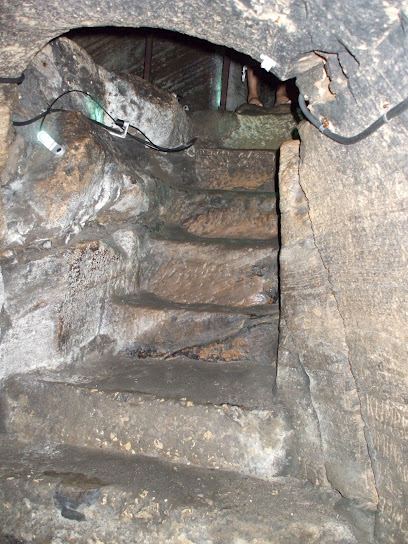
Etnographic Museum Jajce
0.1 km
Immerse yourself in the vibrant cultural heritage of Bosnia at Etnographic Museum Jajce, showcasing local traditions and history.
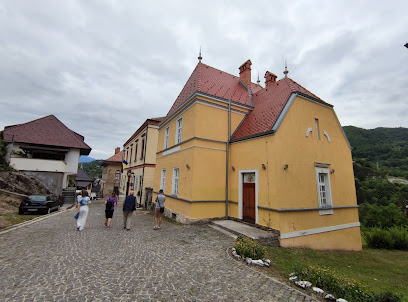
Gradski Park
0.1 km
Explore the lush greenery and serene atmosphere of Gradski Park in Jajce, a perfect retreat for tourists seeking relaxation and nature's beauty.
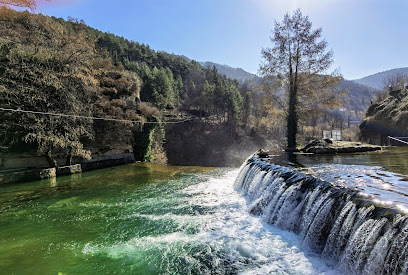
Museum of the 2nd AVNOJ session
0.2 km
Discover the legacy of WWII at the Museum of the 2nd AVNOJ Session in Jajce—a captivating journey through history and heritage.
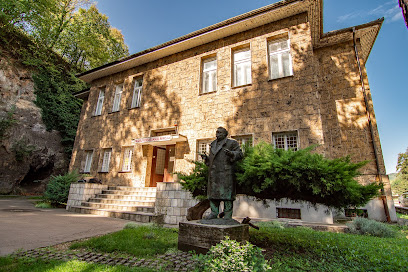
Jajce Fortress
0.2 km
Explore Jajce Fortress, a historical gem offering breathtaking views and rich cultural experiences in the heart of Bosnia and Herzegovina.
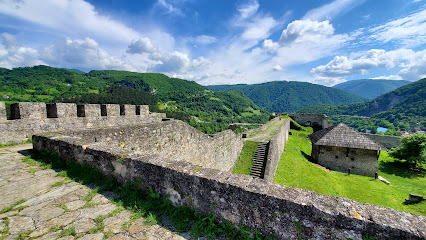
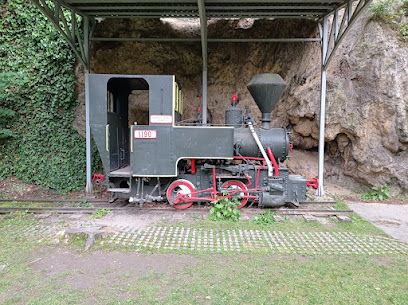
LOKOMOTIVA ĆIRO-VOZA
0.2 km
Immerse yourself in history and nature at Lokomotiva Ćiro-Voza, a stunning tourist attraction in Jajce, Bosnia and Herzegovina.
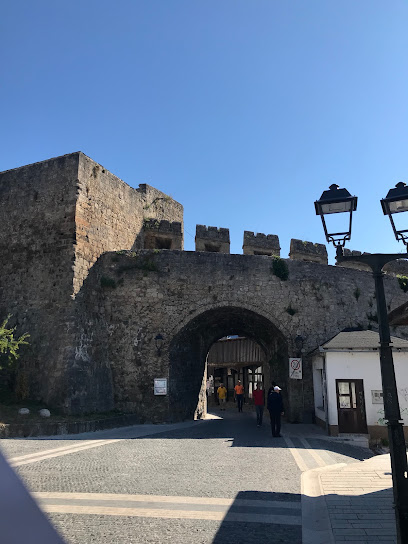
Travnička kapija
0.2 km
Discover Travnička Kapija: A historical jewel in Jajce, Bosnia and Herzegovina, perfect for history buffs and nature lovers alike.
Izvor pitke vode
0.2 km
Discover the serene beauty of Izvor Pitke Vode in Jajce, where crystal-clear waters and lush surroundings create a perfect escape for travelers.
Jajce City Center Fountain
0.2 km
Explore the scenic beauty and cultural richness of Jajce at the enchanting City Center Fountain, a hub of local life and history.
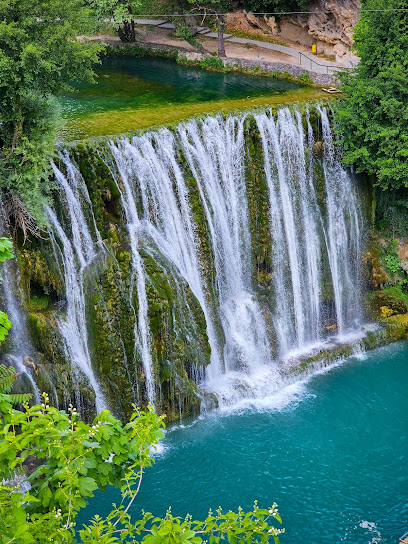
Jajce
0.2 km
Explore Jajce, a hidden gem in Bosnia and Herzegovina, with its stunning waterfall, rich history, and vibrant culture that captivates every traveler.
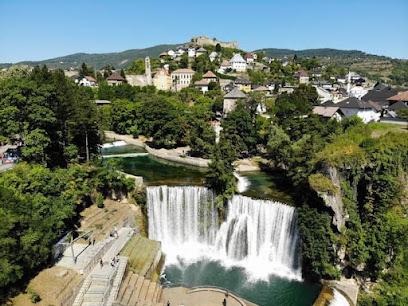
Pliva Waterfall
0.2 km
Experience the breathtaking beauty of Pliva Waterfall in Jajce, a stunning natural attraction perfect for nature lovers and adventurers.
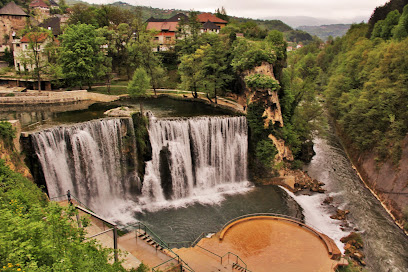
Jajce slapovi
0.2 km
Explore the captivating Jajce Waterfalls in Bosnia and Herzegovina, a stunning natural attraction surrounded by rich history and breathtaking landscapes.
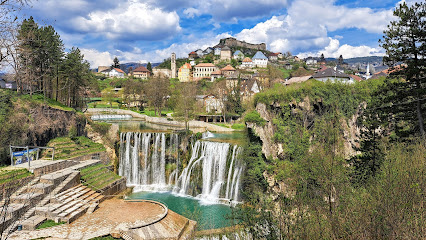
Cascada de Jajce
0.2 km
Discover the enchanting beauty of Cascada de Jajce, a stunning waterfall in Bosnia that blends natural splendor with rich cultural heritage.
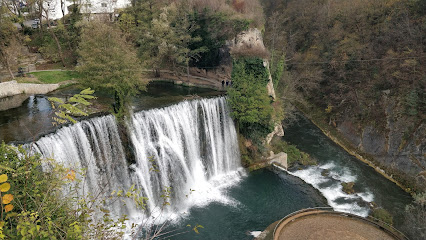
VRBAS JAJCE RAFTING
0.3 km
Experience the thrill of rafting on the breathtaking Vrbas River in Jajce, surrounded by stunning landscapes and rich history.
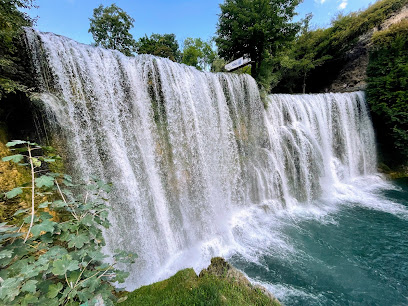
Jajce Waterfall Viewpoint
0.3 km
Discover the breathtaking beauty of Jajce Waterfall Viewpoint, a serene escape in Bosnia and Herzegovina showcasing nature’s stunning artistry.
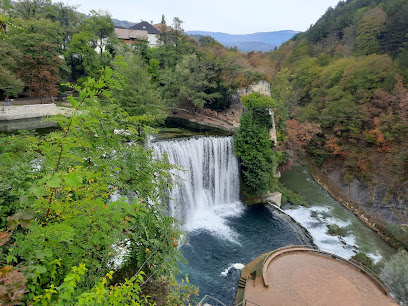
Essential places to dine

Grill Restaurant Antonio
0.1 km
Experience authentic Bosnian barbecue at Grill Restaurant Antonio in Jajce – where flavor meets tradition in every bite.
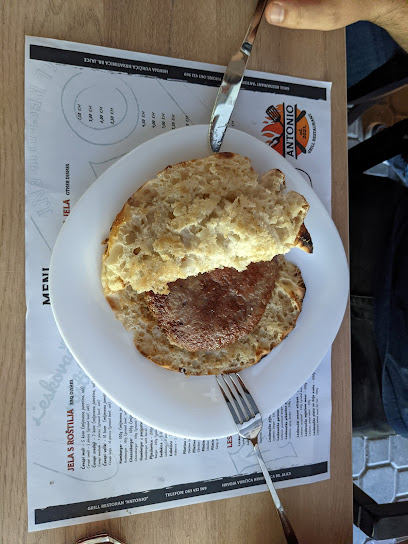
Una
0.1 km
Experience authentic Bosnian cuisine at Una in Jajce - where local flavors meet warm hospitality.
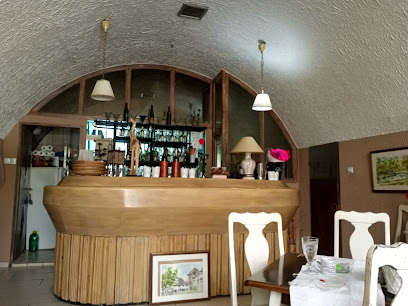
Stari grad Hotel
0.2 km
Discover comfort and charm at Stari Grad Hotel in Jajce - your gateway to Bosnia's natural beauty and rich history.
AGRON
0.2 km
Experience culinary excellence at AGRON in Jajce - where local flavors meet exceptional service in a cozy atmosphere.
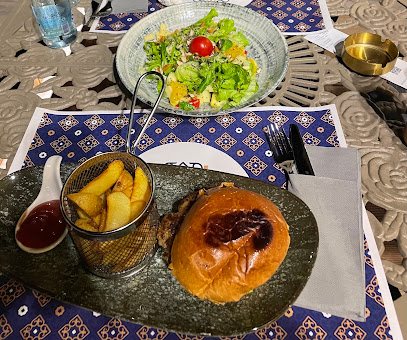
Cevabdzinica Dedo
0.2 km
Discover authentic Bosnian barbecue at Cevabdzinica Dedo in Jajce – home to delicious ćevapi and warm hospitality.
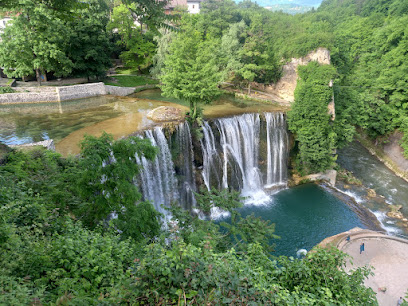
Pizzeria Aria
0.2 km
Experience authentic Italian pizza at Pizzeria Aria in Jajce – where tradition meets taste in a cozy atmosphere.
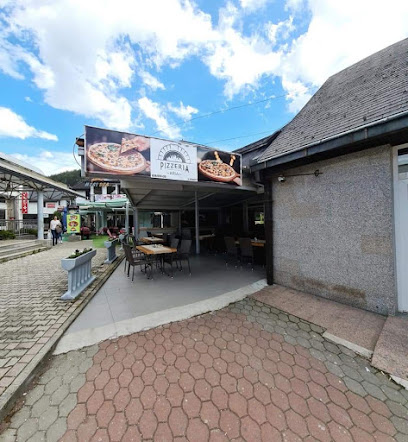
Kristal
0.3 km
Experience authentic Bosnian barbecue at Kristal in Jajce - where every bite tells a story!
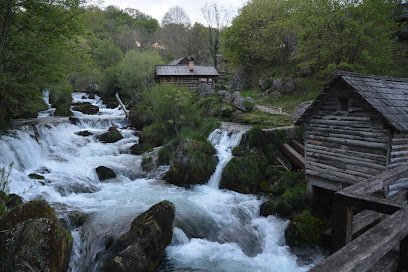
Megi Dea
0.3 km
Discover Megi Dea in Jajce: A charming pizzeria offering delicious pizzas and delightful breakfasts in a cozy setting.
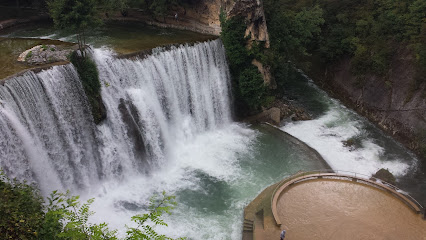
Fast food Mačak
0.3 km
Discover delicious fast food delights at Fast Food Mačak in Jajce - where taste meets convenience!
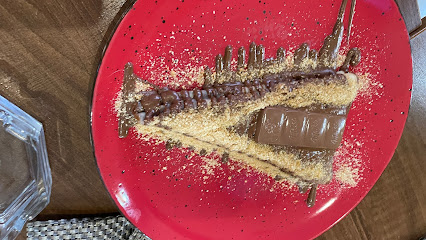
MG
0.3 km
Experience quick and delicious fast food at MG in Jajce – perfect for tourists exploring this historic town.
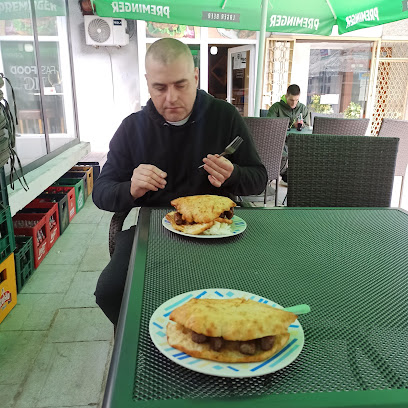
Fontana
0.3 km
Experience authentic Bosnian cuisine at Fontana in Jajce - where every dish tells a story.
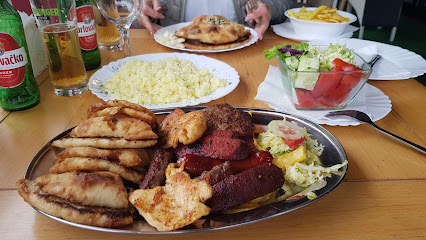
Fast food Dalia
0.3 km
Experience delightful fast food at Fast Food Dalia in Jajce - perfect for tourists seeking quick and tasty meals amidst their adventures.
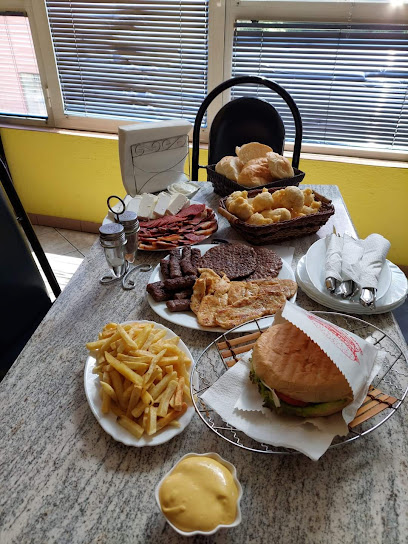
Bedem
0.3 km
Experience authentic Bosnian cuisine at Bedem in Jajce - where every meal tells a story.
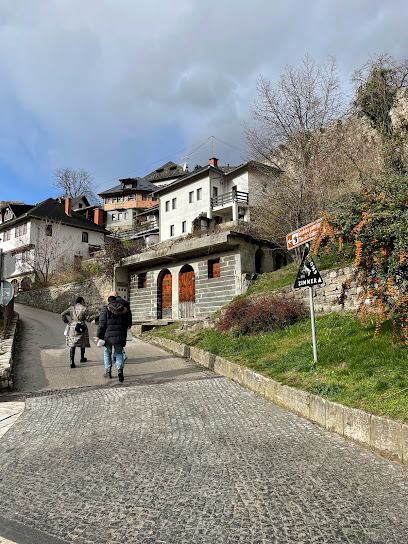
Restoran Jajce Bingo
0.4 km
Experience authentic Bosnian cuisine at Restoran Jajce Bingo in Jajce - where traditional flavors meet warm hospitality.
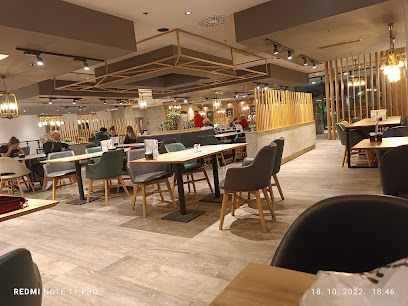
Hotel Premium Jajce
0.6 km
Experience unparalleled comfort at Hotel Premium Jajce while exploring stunning waterfalls and rich history in this beautiful Bosnian town.
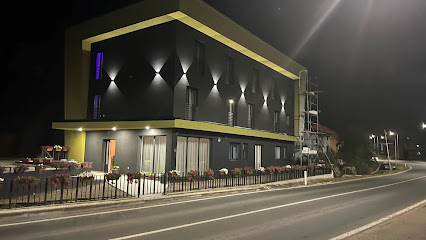
Markets, malls and hidden boutiques

IcecreamBADEM
0.1 km
Savor the unique flavors of IcecreamBADEM in Jajce, where delightful ice creams meet the charm of Bosnia and Herzegovina.
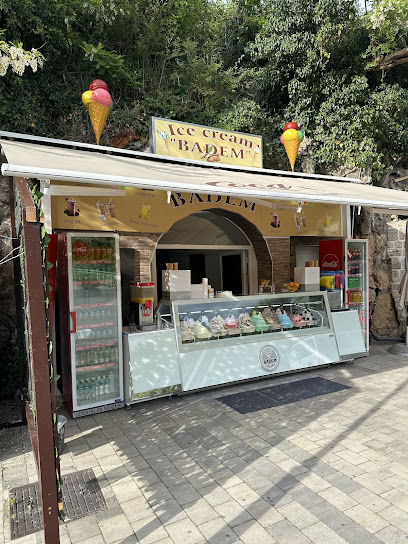
Kastel
0.1 km
Discover the culinary delights of Kastel in Jajce, where grilled specialties, delicious pizzas, and sweet cakes await you amidst stunning scenery.
Crvena jabuka market
0.1 km
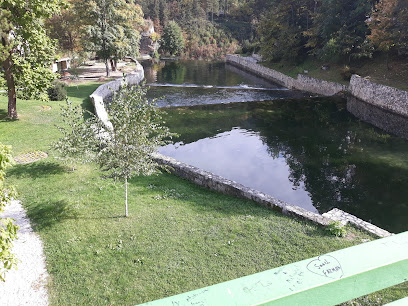
Discover the vibrant local shopping experience at Crvena Jabuka Market in Jajce, where fresh produce and Bosnian delicacies await.
Đuro kineski shop
0.1 km
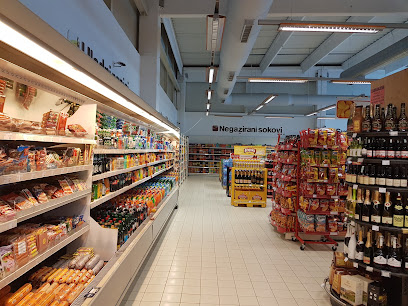
Discover unique Bosnian clothing at Đuro Kineski Shop in Jajce, where culture meets style in a charming shopping experience.
AzelFrance
0.1 km
Explore AzelFrance in Jajce – A fashionable clothing store with trendy apparel and accessories for every wardrobe.
E-Gift Shop
0.2 km
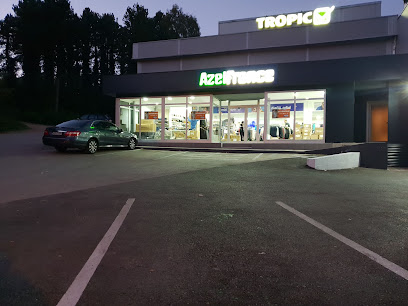
Explore the E-Gift Shop in Jajce for unique souvenirs and authentic handicrafts that capture the spirit of Bosnia and Herzegovina.
Brizić d.o.o.
0.2 km
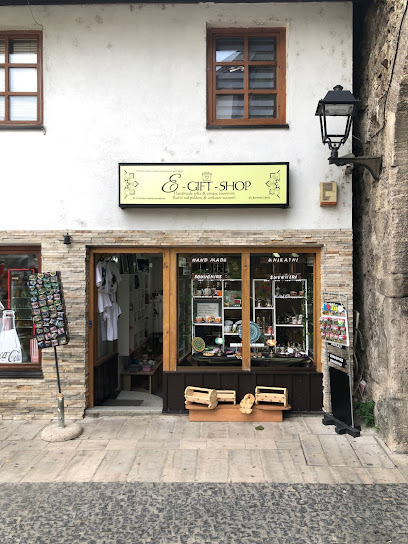
Discover the latest in electronics at Brizić d.o.o. in Jajce, offering top-quality gadgets and exceptional service in a welcoming atmosphere.
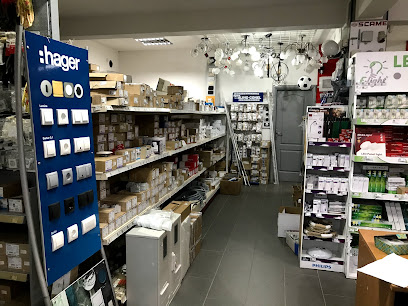
Bećaj
0.2 km
Experience the authentic taste of Bosnian cuisine at Bećaj Bakery in Jajce, where freshly baked goods and warm hospitality await.
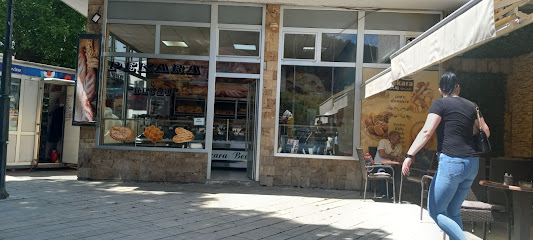
Slastiçarna Korzo
0.2 km
Discover the sweet essence of Jajce at Slastiçarna Korzo, where irresistible pastries and desserts await every visitor.
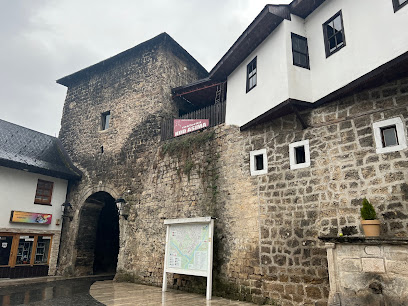
Slastičarna Uno
0.2 km
Discover the sweet side of Jajce at Slastičarna Uno, where irresistible pastries and delightful desserts await every visitor.
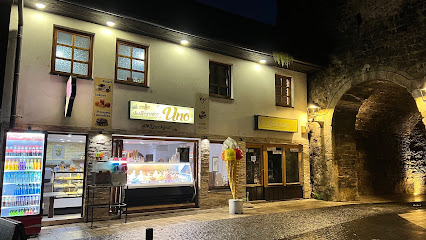
Caffe bar Galerija
0.2 km
Experience the charm of Jajce at Caffe Bar Galerija, where local coffee culture meets delightful cuisine in a cozy setting.
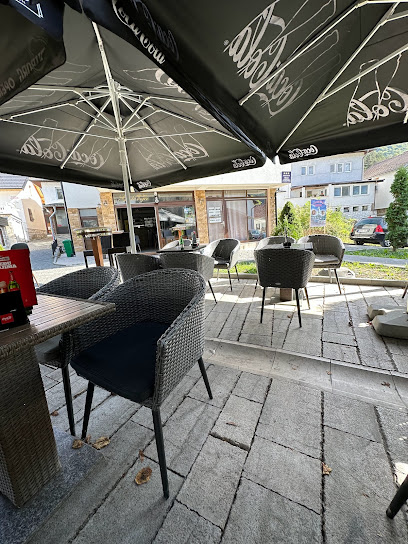
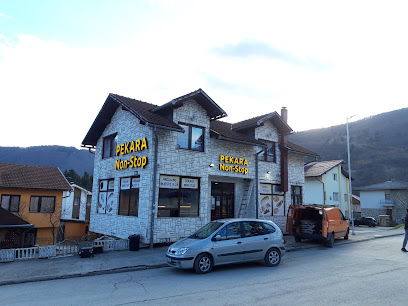
Pekara Non Stop
0.2 km
Discover the flavors of traditional Bosnian baked goods at Pekara Non Stop in Jajce, a bakery open 24/7 for all your cravings.
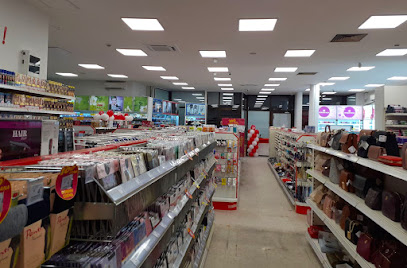
CM-Cosmetic Market
0.3 km
Explore the enchanting CM-Cosmetic Market in Jajce, where beauty meets tradition with a vast selection of cosmetics and perfumes.
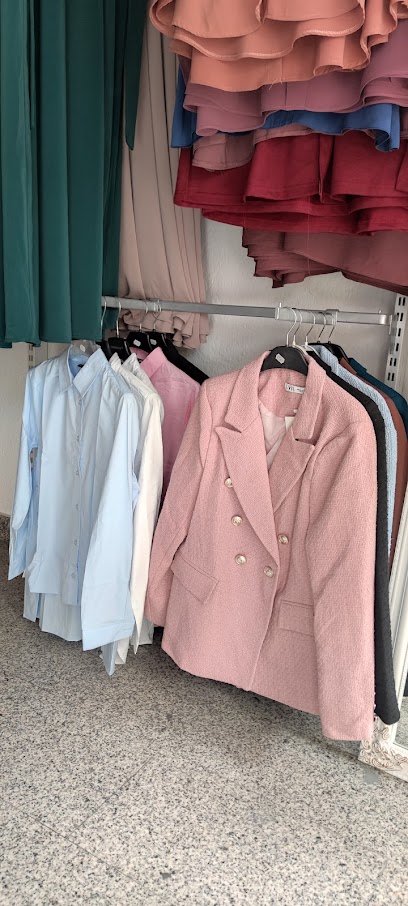
Butik Amelda
0.3 km
Explore Butik Amelda in Jajce for a unique blend of local fashion and contemporary styles that celebrate the spirit of Bosnia.
Planika
0.3 km
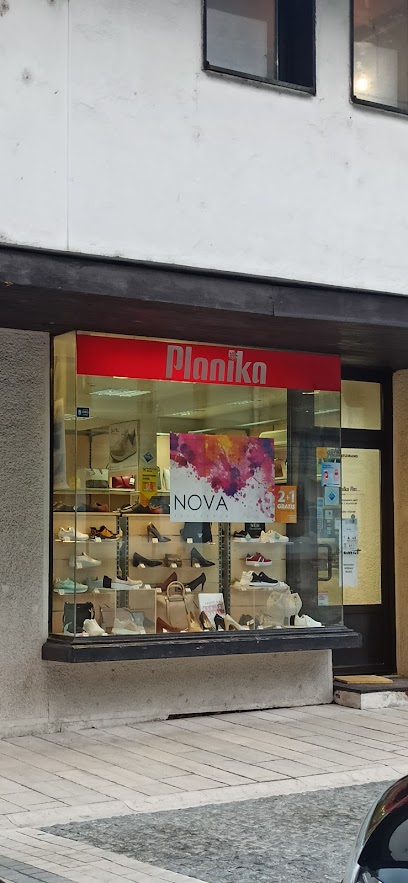
Discover an exceptional shoe store experience at Planika in Jajce, offering stylish, comfortable footwear for every occasion.
Essential bars & hidden hideouts

Milano
0.1 km
Discover the vibrant nightlife at Milano Night Club in Jajce, where music, dance, and unforgettable experiences await you!
Merci
0.1 km
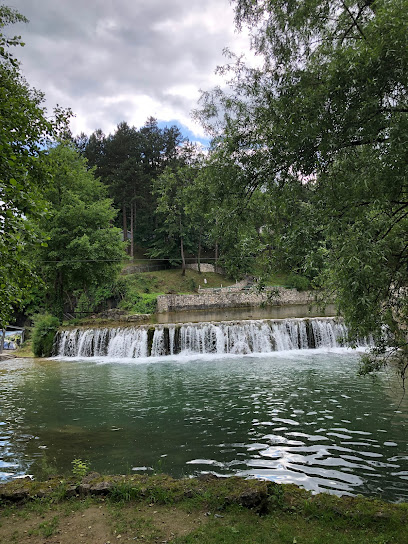
Discover the heart of Jajce at Merci Cafe, where local flavors and cozy vibes meet in a perfect blend.
Uno Apartman Jajce
0.2 km
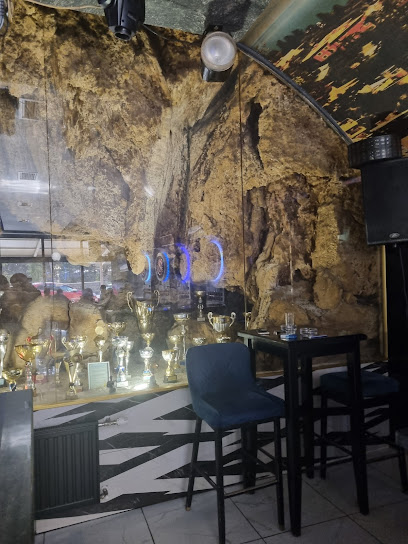
Experience the tranquil charm of Uno Apartman Jajce, your ideal holiday apartment rental near stunning waterfalls and rich historical attractions.
Bunga Bunga Caffe Night Bar
0.2 km
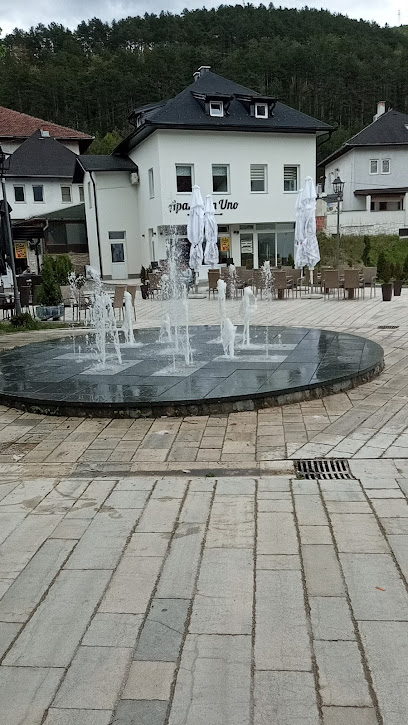
Experience the vibrant café culture of Jajce at Bunga Bunga Caffe Night Bar, where delightful drinks and a welcoming atmosphere await.
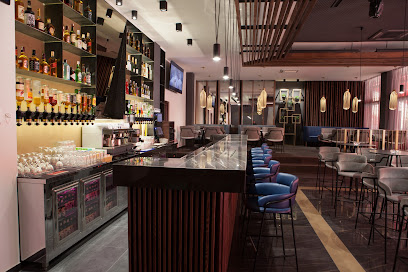
Bayamo Bar Jajce
0.3 km
Discover the vibrant nightlife at Bayamo Bar Jajce, where local flavors meet a lively atmosphere in the heart of Jajce.
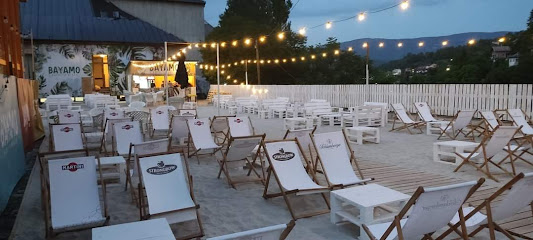
Caffe bar whats up
0.3 km
Discover the cozy charm of Caffe Bar Whats Up in Jajce, a perfect spot for relaxation and cultural experiences.
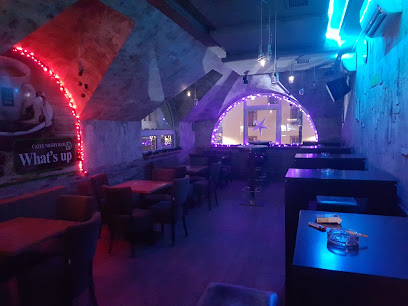
Istanbul
0.3 km
Experience the vibrant hookah culture of Istanbul, where tradition meets flavor in a cozy atmosphere perfect for relaxation and socializing.
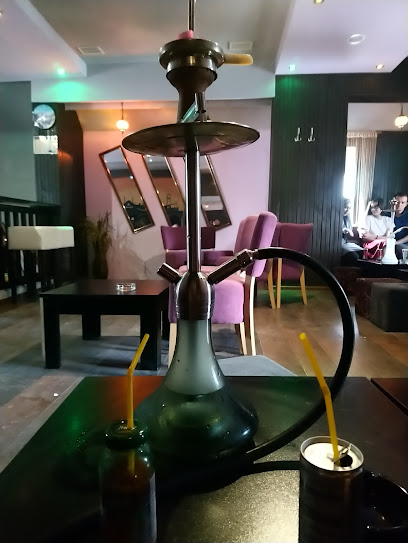
Košarkaški klub Vodopad Jajce
0.3 km
Discover the heart of Jajce's basketball culture at Košarkaški klub Vodopad Jajce, where thrilling games and local camaraderie await.
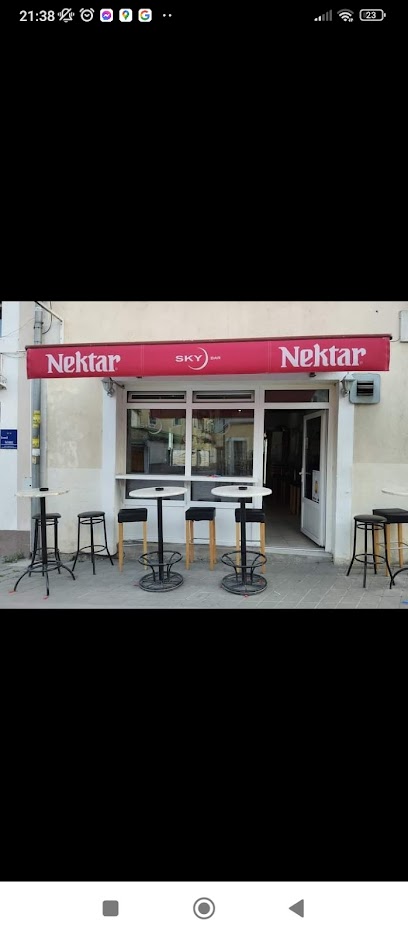
Caffe bar Sky
0.3 km
Discover the perfect coffee experience in Jajce at Caffe Bar Sky, where tranquility meets exceptional brews in a cozy atmosphere.
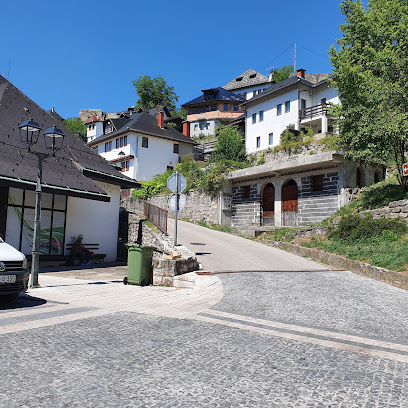
Nargila Bar Marocco
0.3 km
Discover the vibrant atmosphere of Nargila Bar Marocco, a must-visit bar in Jajce offering a unique blend of local culture and relaxation.
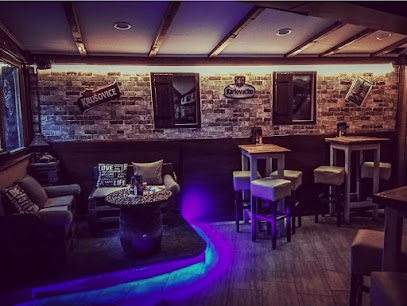
Beer Pub
0.3 km
Discover the vibrant atmosphere of Jajce's beloved beer pub, where local brews and warm hospitality await every visitor.
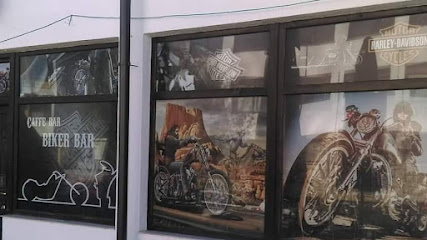
Biker bar Jajce
0.4 km
Experience authentic Bosnian culture at the Biker Bar in Jajce, where camaraderie and local flavors come together in a lively atmosphere.
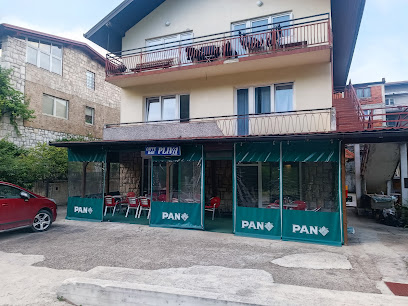
Caffe bar Pliva
1.2 km
Discover the cozy charm of Caffe Bar Pliva in Jajce, where every sip tells a story and every visit feels like home.
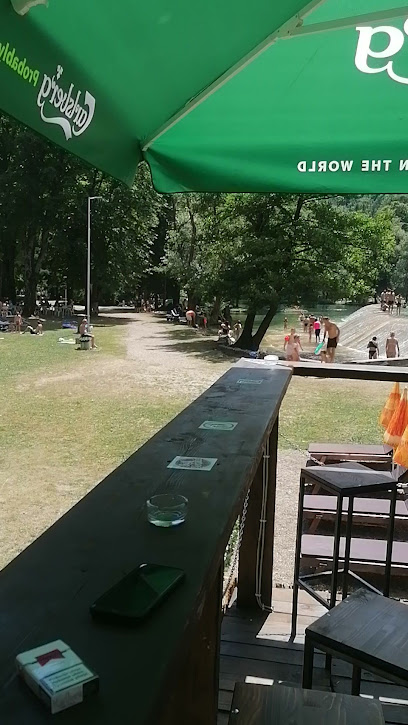
Ležaja
2.4 km
Discover the vibrant nightlife at Ležaja, a charming bar in Jajce offering exquisite drinks and a cozy atmosphere for every traveler.
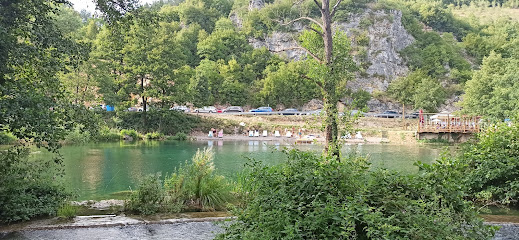
BRIDGE OF LOVE beach bar
2.5 km
Experience the perfect blend of nature and social atmosphere at the Bridge of Love Beach Bar, your ideal retreat for relaxation and refreshing drinks.
Nightclubs & after hour spots

Club “No Stress”
0.3 km
Discover Jajce's vibrant nightlife at Club 'No Stress', where music and fun blend in a spectacular dance experience.
Night Club 007 Šipovo
15.7 km
Discover the electrifying nightlife at Night Club 007 Šipovo, where unforgettable memories and vibrant experiences await every weekend.
Night Club “Hacienda”
15.9 km
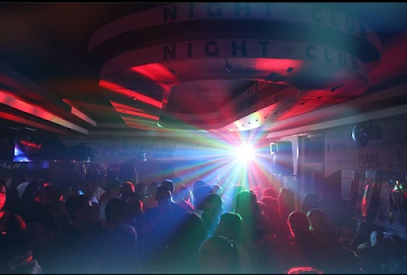
Discover the electrifying nightlife of Šipovo at Hacienda Night Club, where unforgettable experiences and vibrant music come together.
Caffe Bar Sierra ms
26.9 km
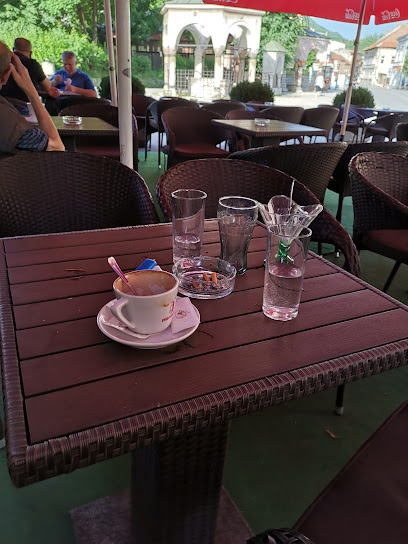
Discover the cozy charm of Caffe Bar Sierra in Travnik, where local culture meets delightful beverages in a welcoming atmosphere.
Disco club Mera
32.6 km
Discover the electrifying nightlife at Disco Club Mera in Bugojno, where music, dance, and unforgettable memories await every visitor.
Lajpcig Travnik
33.6 km
Experience the lively spirit of Travnik at Lajpcig, your go-to bar for local drinks and vibrant nightlife in Bosnia and Herzegovina.
Space Night Club Bugojno
33.9 km
Discover the electrifying nightlife at Space Night Club Bugojno, where music, dance, and unforgettable moments come alive.
Lutrija BiH Automat Klub
34.1 km
Discover the excitement of Lutrija BiH Automat Klub, a premier nightlife destination in Travnik, offering thrilling gaming experiences and a lively atmosphere.
Club Janus
34.1 km
Explore the electrifying nightlife of Bugojno at Club Janus, the ultimate disco club for dancing, music, and unforgettable moments.
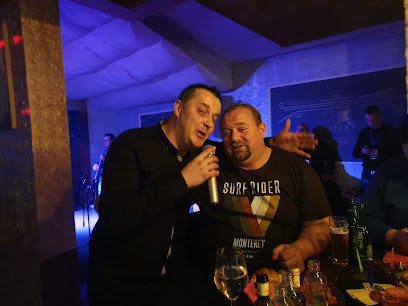
Konoba Keops
34.3 km
Discover the charm of Travnik at Konoba Keops, where local beverages meet a warm and welcoming atmosphere in one of Bosnia's picturesque towns.
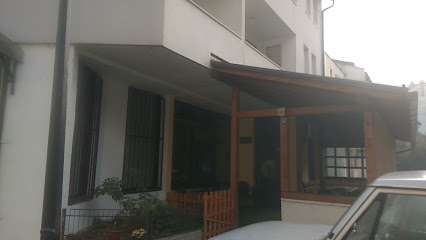
Disco Club Hertz
35.8 km
Discover an unforgettable nightlife experience at Disco Club Hertz in Dolac na Lašvi, where vibrant beats and a lively atmosphere await.
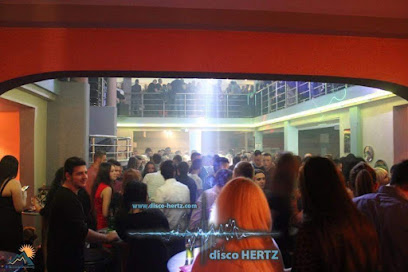
Tron
38.5 km
Discover Nova Bila's nightlife at Tron, where vibrant music, dancing, and a lively atmosphere create unforgettable experiences.
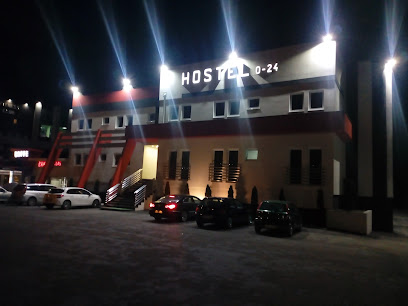
Snow Park Kupres
38.5 km
Explore the enchanting Snow Park Kupres for thrilling winter sports, breathtaking landscapes, and unforgettable family adventures in Bosnia.
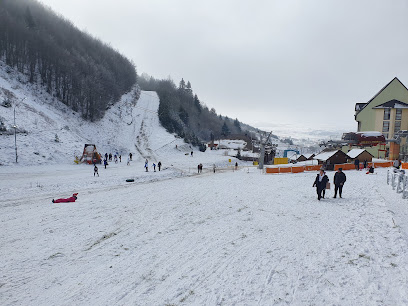
KupresHoliday - Riding
38.7 km
Experience the beauty of Bosnia's landscapes on horseback at KupresHoliday, the premier equestrian club in Kupres, perfect for all riding enthusiasts.
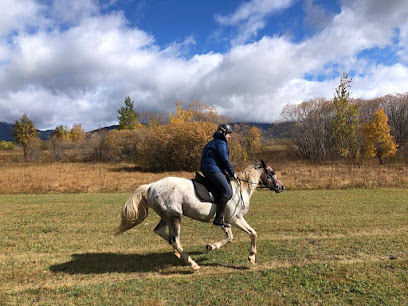
Night club & lounge Stožer
39.4 km
Discover the lively Stožer Night Club & Lounge in Kupres, where music, drinks, and vibrant atmosphere create unforgettable nights out.