Tunnel of Hope: Sarajevo's Lifeline
Discover Sarajevo's Tunnel of Hope: A symbol of resilience and survival during the city's longest siege.
The Tunnel of Hope is a poignant war museum in Sarajevo, Bosnia and Herzegovina, that tells the story of the city's resilience during the Bosnian War. Built in 1993 during the Siege of Sarajevo, the 800-meter tunnel served as a lifeline, connecting the besieged city to the outside world, providing essential supplies, and enabling passage for people.
A brief summary to Tunnel of Hope
- BA 1, Sarajevo, 71000, BA
- +38733684-032
- Visit website
Local tips
- Arrive early to avoid crowds and have a more intimate experience in the museum.
- Engage with the museum staff for deeper insights and personal stories related to the exhibits.
- Combine your visit with a guided tour of Sarajevo to learn more about the city's history and the context of the siege.
- Wear comfortable shoes as you will be walking through a section of the original tunnel.

Getting There
-
Public Transport
From the city center, take tram number 3, 4, or 6 to the last stop in Ilidža. From there, transfer to bus number 32 towards Butmir. Get off at Tuneli Street and walk to the end of the street where the museum is located. The bus runs every 15 to 30 minutes on weekdays and every hour on weekends. A single tram or bus fare costs around 1.60 BAM.
-
Taxi/Ride-Share
Taxis and ride-sharing services are readily available in Sarajevo. A taxi ride from the city center to the Tunnel of Hope typically costs around 30 BAM to 50 BAM. Confirm the price with the driver before starting your journey. The ride takes approximately 20-30 minutes, depending on traffic.
-
Car
If driving from the center of Sarajevo, follow the M5 highway towards Ilidža. Continue onto the BA1, following signs for the Tunnel of Hope. The tunnel is located on Tuneli Street. Parking is available near the museum entrance. Parking is free.
Discover more about Tunnel of Hope
Iconic landmarks you can’t miss

Sarajevo International Airport
0.7 km
Your journey to the heart of the Balkans begins here. Modern airport providing easy access to Sarajevo and beyond.
CoBiH tourism
1.8 km
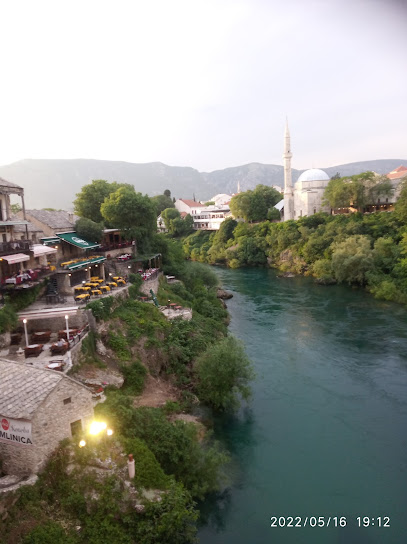
Explore the essence of Bosnia and Herzegovina at CoBiH Tourism, where culture, adventure, and breathtaking landscapes come together for an unforgettable experience.

Flags of Bosnia and Herzegovina during history
3.3 km
Explore the Flags of Bosnia and Herzegovina, a historical landmark in Sarajevo that embodies the nation's rich cultural heritage and transformation through time.
Toplik
4.3 km
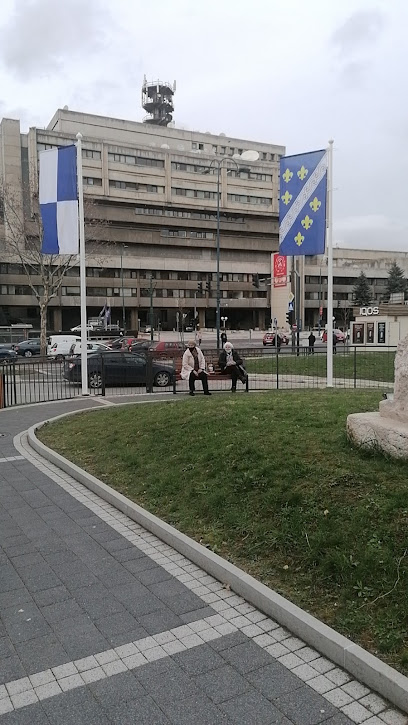
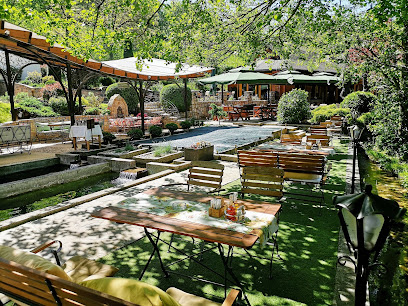
Escape to nature near Sarajevo at Toplik Fish Restaurant, offering fresh trout, local cuisine, and a peaceful, family-friendly atmosphere.
Rimski Most"
4.3 km
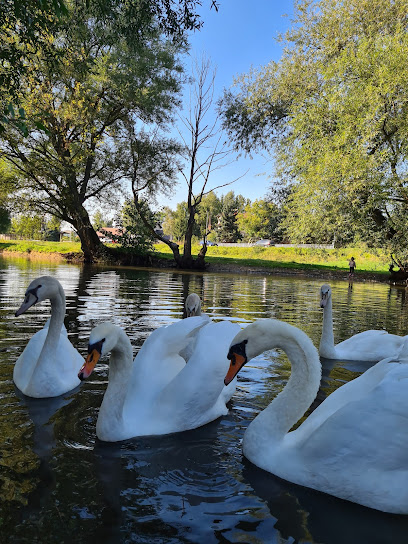
Discover the comfort and tranquility of Rimski Most, the perfect hotel for travelers seeking relaxation and easy access to Sarajevo's rich cultural heritage.
مواقف مجانية حديقة فيرلو
5.6 km
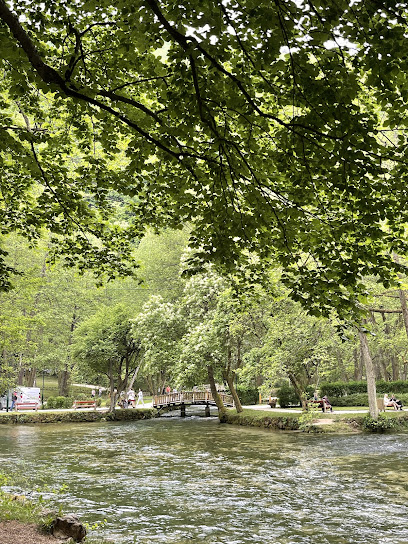
Discover the tranquil charm of Movaqif Majani Hadiqa Firlo, a serene parking area in Ilidža offering lush surroundings and a peaceful atmosphere for travelers.
Billiard Darts Club 69 Sarajevo
5.7 km
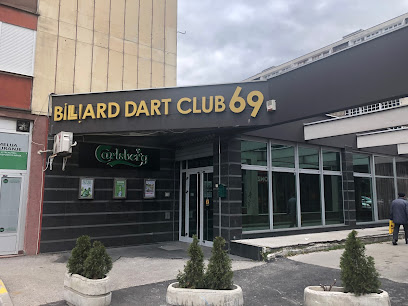
Sarajevo's go-to spot for billiards, darts, coffee, and good times. Open daily from 7:30 AM to midnight. A local favorite!
Sarajevo
6.6 km
Explore Sarajevo: A historic crossroads where Ottoman and Austro-Hungarian influences meet in a vibrant, resilient city.
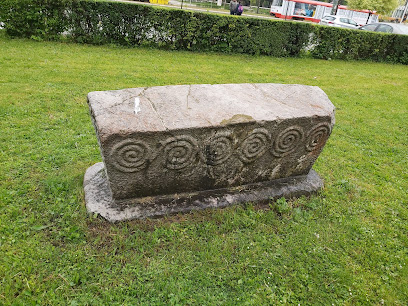
Stećci kod Muzeja
6.6 km
Explore Bosnia's medieval history at Stećci kod Muzeja, a UNESCO World Heritage Site featuring intricately carved tombstones in Sarajevo.
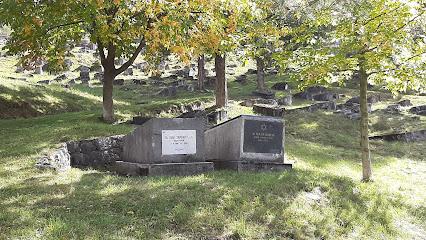
Jevrejsko Groblje
6.6 km
Explore Sarajevo's Jevrejsko Groblje, a historic Jewish cemetery reflecting centuries of cultural heritage and resilience.
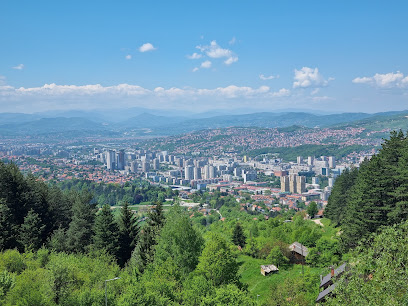
Sunnyland
6.6 km
Experience thrills and family fun at Sunnyland, East Sarajevo's premier amusement park with stunning city views and year-round attractions.
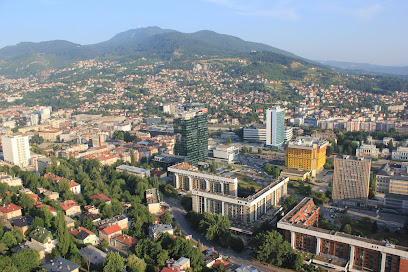
Parliamentary Assembly of Bosnia and Herzegovina
6.7 km
Explore the heart of Bosnia and Herzegovina's democracy at the stunning Parliamentary Assembly in Sarajevo, a must-visit for history and politics enthusiasts.
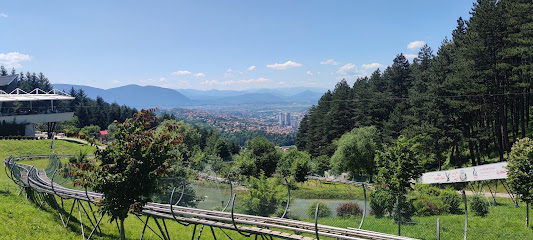
Alpine Coaster Sunnyland
6.8 km
Experience Sarajevo from a thrilling new perspective at Alpine Coaster Sunnyland, where adrenaline meets stunning mountain views.
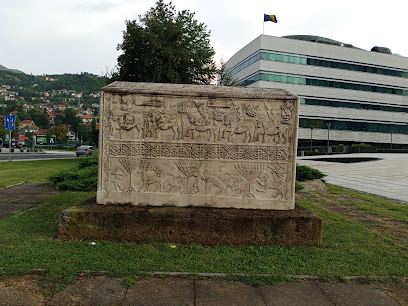
Replica of Zgosca's Stecak
6.8 km
Explore the Replica of Zgosca's Stecak in Sarajevo, a captivating historical landmark showcasing Bosnia and Herzegovina's medieval heritage.
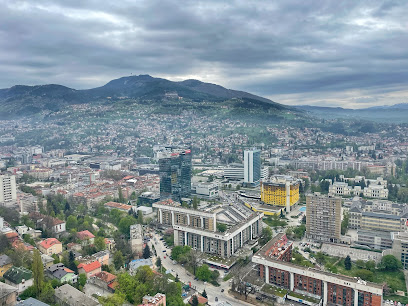
Avaz Twist Tower
6.9 km
Experience Sarajevo from Above: Visit the iconic Avaz Twist Tower for panoramic city views and modern architecture.
Unmissable attractions to see

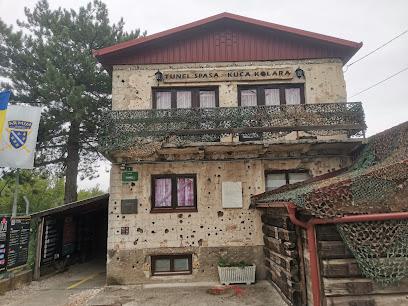
Tunnel of Salvation
0.0 km
Explore the Tunnel of Salvation in Sarajevo, a powerful symbol of resilience and survival during the Bosnian War, showcasing the city's rich history.
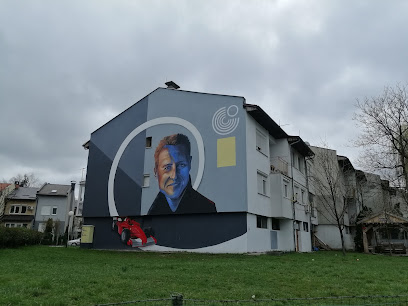
Mural Michael Schumacher
1.1 km
Discover the vibrant Mural of Michael Schumacher in Sarajevo, a stunning tribute to speed, passion, and the spirit of motorsport.
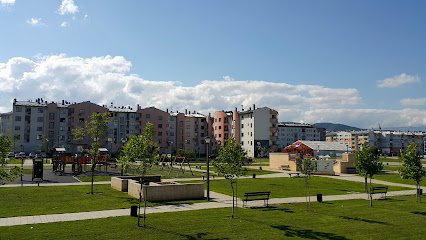
Park "Gavrilo Princip"
1.9 km
Discover serenity in Park Gavrilo Princip, an urban oasis in East Sarajevo that blends nature and history beautifully.
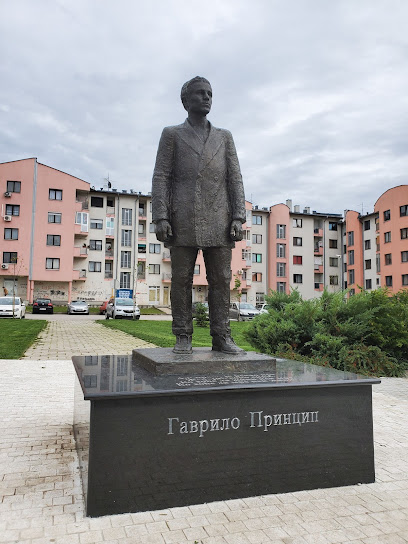
Gavrilo Princip Monument
2.0 km
Explore the Gavrilo Princip Monument in Lukavica, a significant historical site reflecting on the events that shaped the modern world.
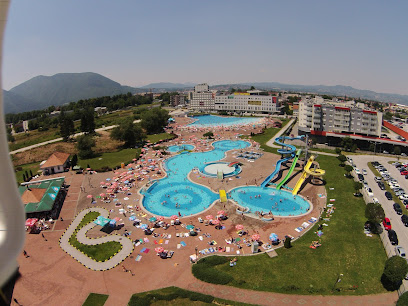
Ilidža Thermal Riviera
2.1 km
Discover the ultimate water park experience at Ilidža Thermal Riviera, where fun, relaxation, and natural beauty come together in Bosnia and Herzegovina.
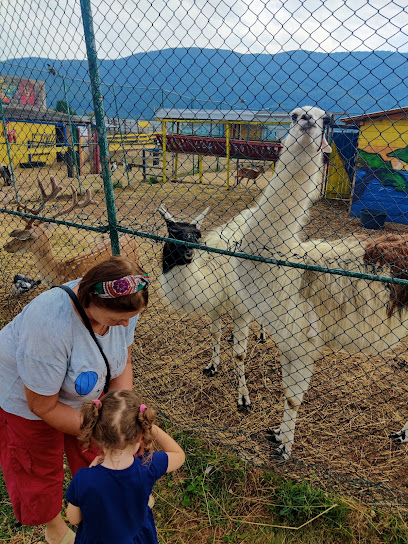
Zoo "Bambi"
2.1 km
Experience the charm of Zoo Bambi in Ilidža, where wildlife meets nature in an unforgettable family-friendly atmosphere.
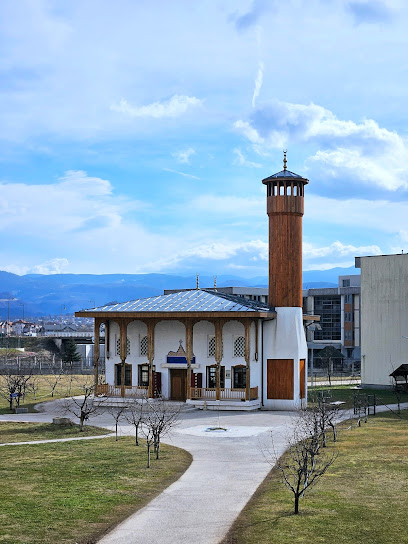
IUS Masjid
2.2 km
Discover the serene IUS Masjid in Ilidža, a blend of modern and traditional architecture set in a tranquil landscape perfect for reflection.
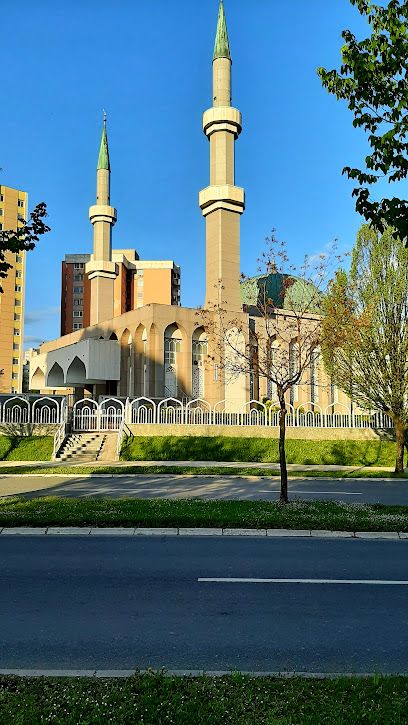
King Fahd Mosque
2.3 km
Discover the tranquility and architectural beauty of King Fahd Mosque, the largest mosque in Bosnia and Herzegovina, in the heart of Sarajevo.
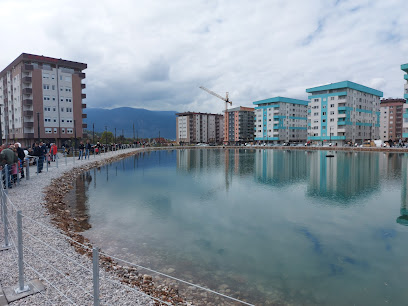
Jezero
2.3 km
Explore the serene beauty of Jezero, a tranquil tourist attraction perfect for relaxation and outdoor activities amidst stunning natural landscapes.
Slobodan Princip Seljo
2.3 km
Explore the cultural heart of Lukavica at Slobodan Princip Seljo, a charming tourist attraction steeped in local history and vibrant community life.
Forest Park Mojmilo
2.4 km
Experience the lush landscapes and peaceful atmosphere of Forest Park Mojmilo, a natural haven in the heart of Sarajevo.
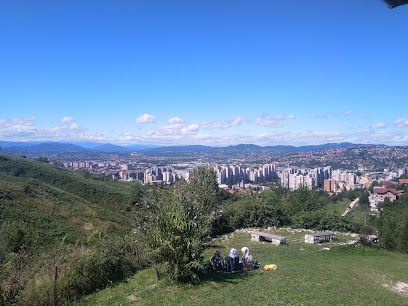
Park
2.6 km
Discover the natural beauty and tranquility of Ilidža Park, a perfect escape for tourists in Bosnia and Herzegovina with lush greenery and scenic paths.
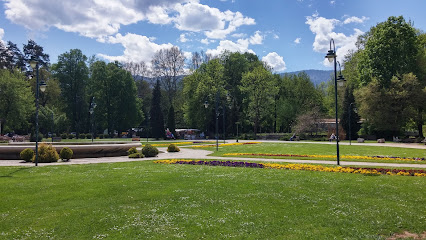
Mala aleja
2.6 km
Explore the serene beauty of Mala Aleja in Ilidža, a perfect spot for relaxation, leisure walks, and enjoying nature's wonders.
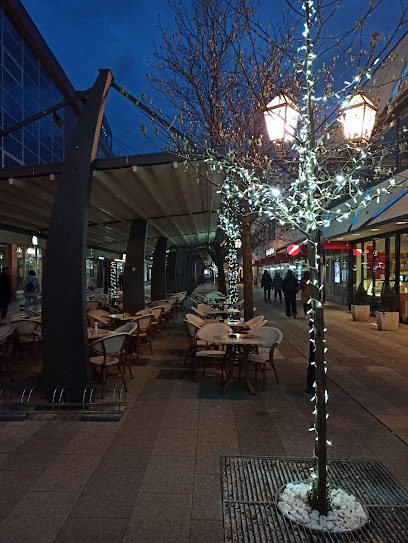
Fountain
3.1 km
Discover the tranquility of Fountain Park, a lush retreat in Sarajevo perfect for relaxation, picnics, and serene strolls surrounded by nature.
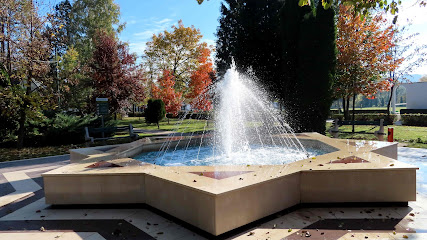
Park Safet Zajko
3.1 km
Explore the serene beauty of Park Safet Zajko in Sarajevo, a perfect retreat for nature lovers and urban explorers alike.
Essential places to dine

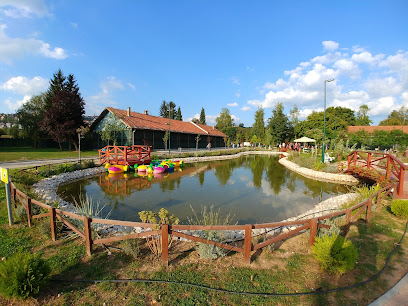
Ethno House Agape
1.0 km
Experience authentic Bosnian cuisine at Ethno House Agape in Lukavica – where tradition meets taste.
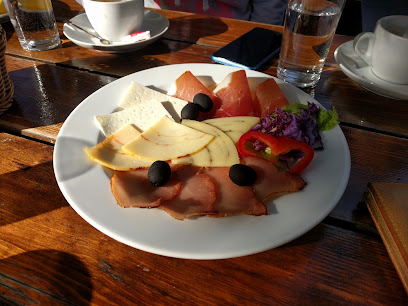
Great Wall Restaurant
1.3 km
Experience authentic Asian flavors at Great Wall Restaurant in Sarajevo - a culinary haven for every food lover.
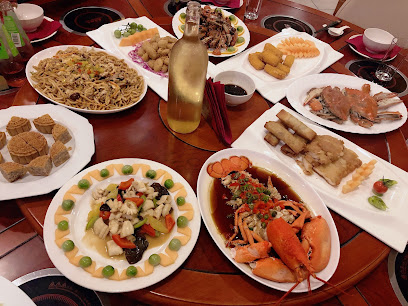
Lovac na jelene
1.3 km
Experience authentic Bosnian flavors at Lovac na Jelene, where culinary excellence meets warm hospitality in the heart of Sarajevo.
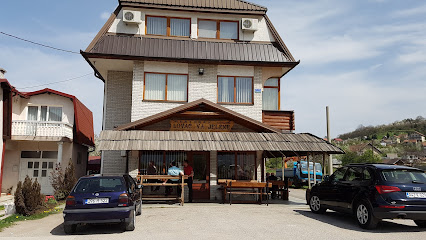
Gazi-Han
1.4 km
Experience authentic Bosnian flavors at Gazi-Han - where tradition meets taste in the heart of Sarajevo.
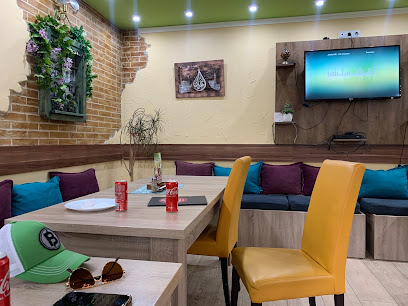
Restoran Stara Konoba
1.8 km
Experience authentic Bosnian cuisine at Restoran Stara Konoba, where tradition meets flavor in the heart of Sarajevo.
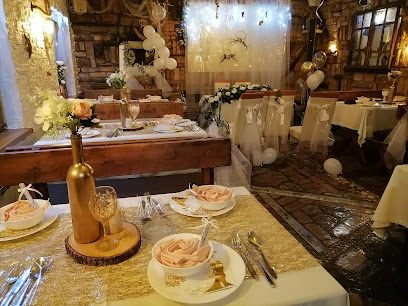
Apartman bar & restaurant
2.2 km
Savor the authentic flavors of Bosnia at Apartman Bar & Restaurant in Lukavica – where every meal tells a story.
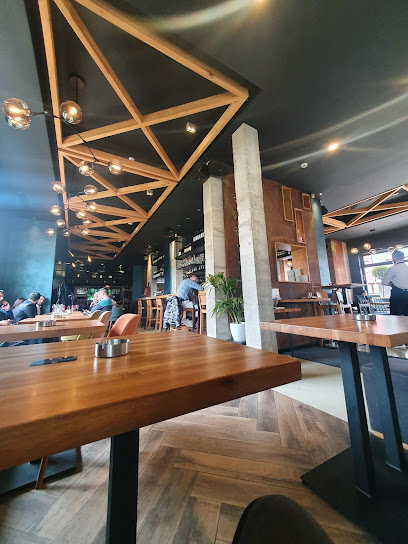
Humam food
2.4 km
Experience authentic Middle Eastern flavors at Humam Food in Sarajevo - where every dish brings tradition to your table.
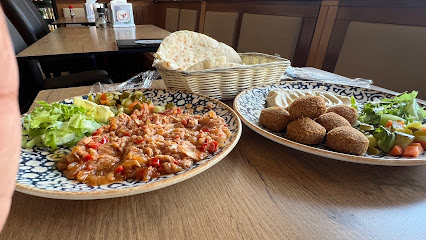
Restaurant REUFF
2.4 km
Discover culinary excellence at Restaurant REUFF in Sarajevo - where local flavors meet exceptional service.
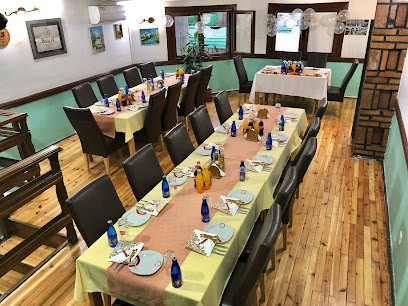
Gastro Pub 13
2.5 km
Discover the best of Bosnian cuisine at Gastro Pub 13—where tradition meets modern dining in Sarajevo.
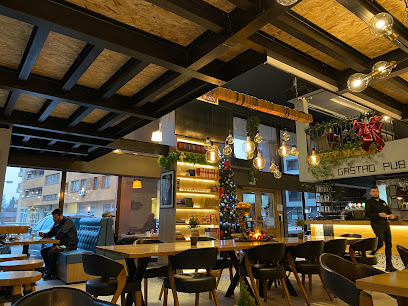
Restoran SOKAK
2.5 km
Discover authentic Bosnian flavors at Restoran SOKAK in Sarajevo – where tradition meets modern hospitality.
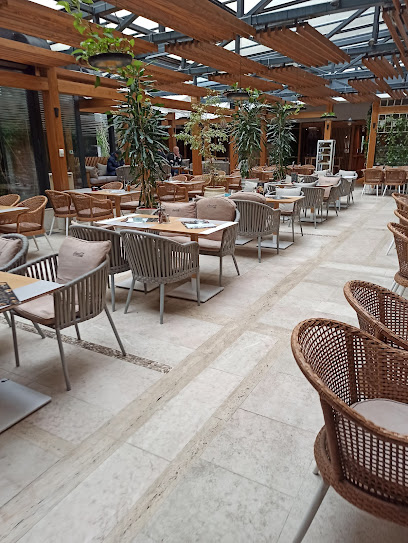
LOFT
2.5 km
Discover the culinary delights of LOFT in Istocno Sarajevo - where local flavors meet modern dining in an inviting atmosphere.
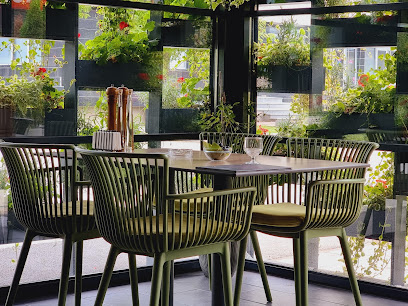
FOOD CLUB Sarajevo
2.6 km
Savor the rich flavors of Bosnia at Food Club Sarajevo - where local meets international cuisine in a warm atmosphere.
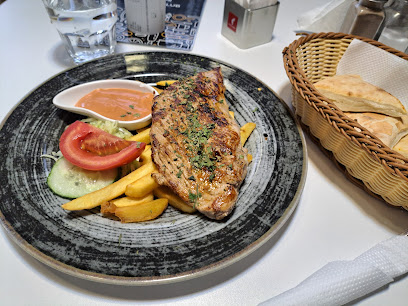
Arabic Restaurant Abu Žadallah
2.6 km
Discover authentic Middle Eastern flavors at Arabic Restaurant Abu Žadallah in Sarajevo, where every dish tells a story.
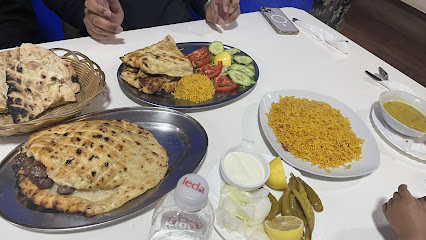
Restoran Bosna
2.6 km
Experience authentic Bosnian cuisine and lively music at Restoran Bosna – where flavor meets culture in Ilidža.
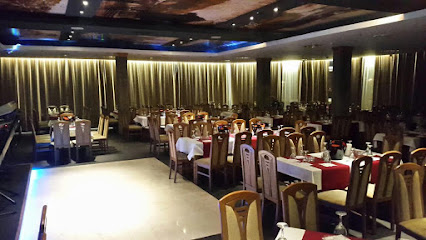
Restoran Plava Prizma
2.6 km
Experience authentic Bosnian flavors at Restoran Plava Prizma - where tradition meets culinary innovation in the heart of Sarajevo.
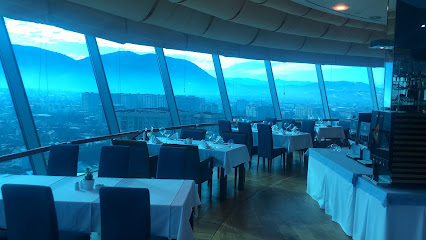
Markets, malls and hidden boutiques

Souvenir Shop Tango Zulu
0.7 km
Explore the vibrant culture of Sarajevo through unique gifts and handcrafted souvenirs at Tango Zulu, your ultimate shopping destination.
Unicraft Gift Shop
0.8 km
Discover unique souvenirs and handmade crafts at Unicraft Gift Shop, where local artistry meets authentic charm.
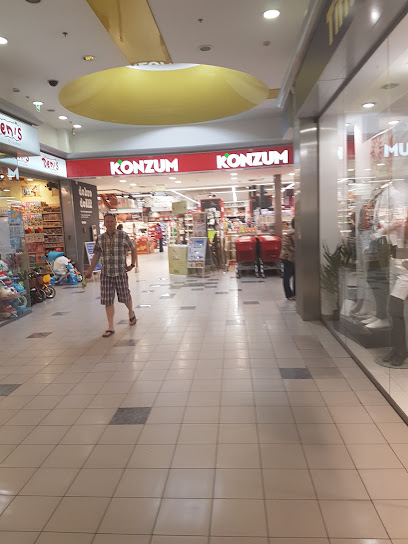
Shopping Center "Mercator"
1.1 km
Experience shopping and entertainment at the Mercator Shopping Center, Sarajevo's bustling hub with diverse shops, dining, and family-friendly activities.
Gift Shop "GIFTY"
1.3 km
Explore authentic Bosnian crafts and unique souvenirs at Gift Shop 'GIFTY', the perfect stop for travelers in Sarajevo.
Bonum International d.o.o.
1.4 km
Discover unique Bosnian gifts and crafts at Bonum International d.o.o. in Sarajevo, the perfect spot for memorable souvenirs and local treasures.
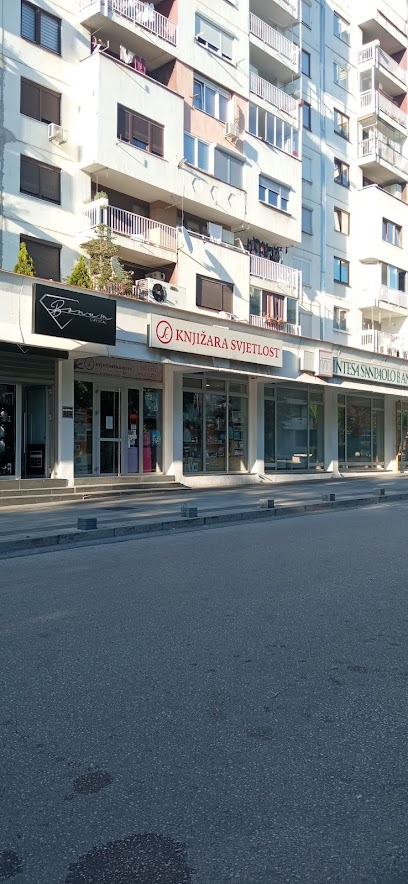
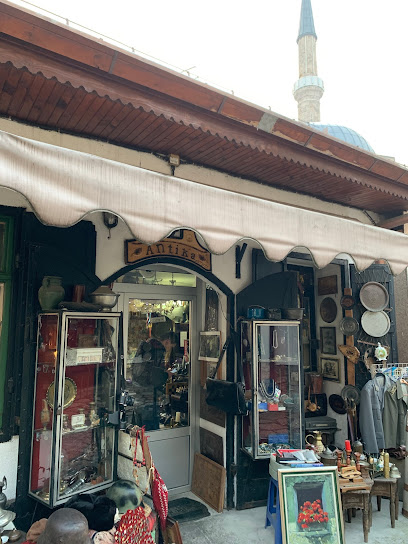
Antik Shop Sarajevo
1.4 km
Explore the charm of Antik Shop Sarajevo, where history and artistry converge in a captivating collection of antiques and home goods.
Connect Concept Store
1.8 km
Explore the charm of Lukavica at Connect Concept Store, your ultimate destination for unique gifts, jewelry, and watches.
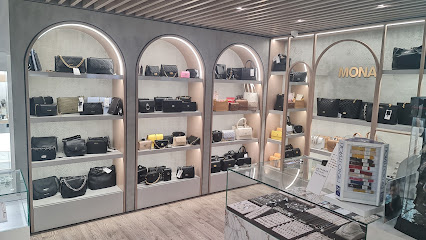
LC WAIKIKI OUTLET
1.9 km
Explore stylish and affordable clothing at LC Waikiki Outlet in Sarajevo, the ultimate shopping destination for fashion enthusiasts.
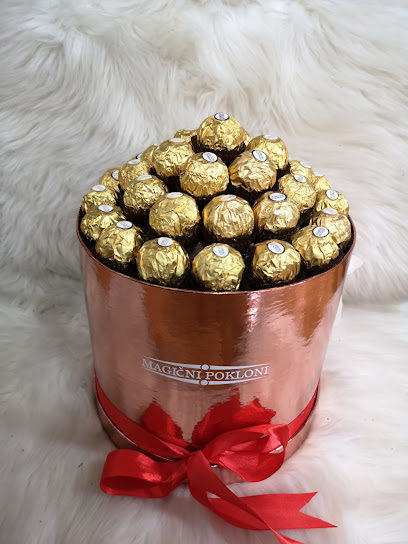
Magični pokloni
2.1 km
Explore Magični pokloni, a charming gift shop in East Sarajevo, offering unique handcrafted items and local souvenirs for every traveler.
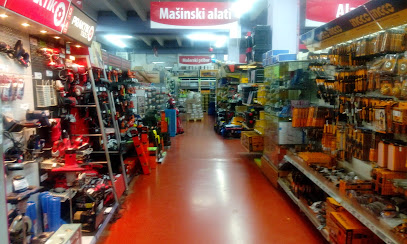
Penny plus Nedžarići
2.1 km
Explore Penny Plus Nedžarići for all your home improvement needs, featuring a wide selection of building materials and home goods in Sarajevo.
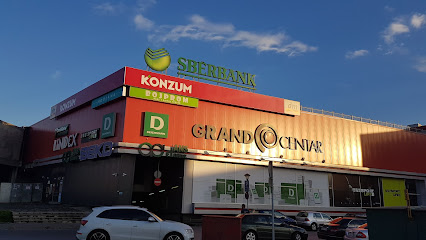
Grand Centar
2.3 km
Discover the vibrant shopping scene at Grand Centar in Ilidža, where international brands meet local charm in an unforgettable retail experience.
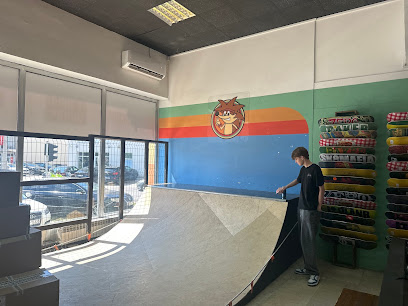
Skate Sarajevo
2.4 km
Discover the ultimate skate shop in Sarajevo, featuring top brands, a mini ramp, and a vibrant skate community.
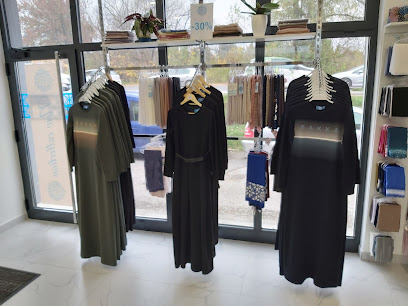
S.H.M Sarajevo
2.6 km
Explore S.H.M Sarajevo, a boutique haven in Ilidža offering a unique blend of local craftsmanship and contemporary styles, perfect for every tourist.
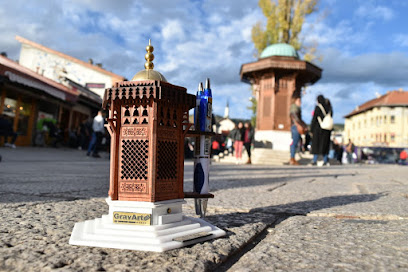
Grav Art
2.7 km
Discover authentic Bosnian souvenirs at Grav Art, a delightful store showcasing the rich culture and craftsmanship of Bosnia and Herzegovina.
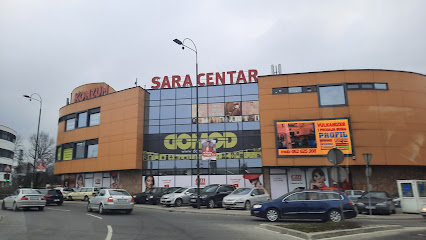
Sara Centar
2.7 km
Discover the vibrant shopping and dining experience at Sara Centar, the premier shopping mall in Ilidža, Bosnia and Herzegovina.
Essential bars & hidden hideouts

Vamonos Bar
1.0 km
Discover the vibrant flavors of Tex-Mex at Vamonos Bar in Sarajevo, where great food and lively ambiance await.
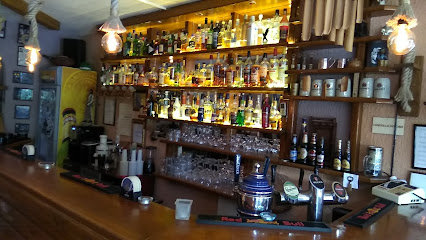
Sendi Pub
1.2 km
Discover the lively ambiance of Sendi Pub, a top bar in Sarajevo, blending local charm with a vibrant nightlife experience.
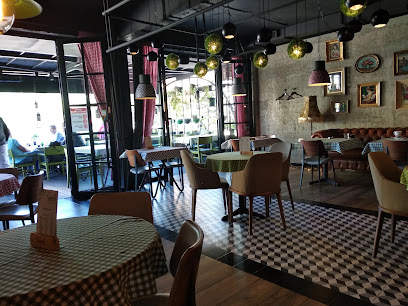
Savana Bar
2.0 km
Discover the charm of Savana Bar in Lukavica, where great drinks and a cozy atmosphere meet at an affordable price.
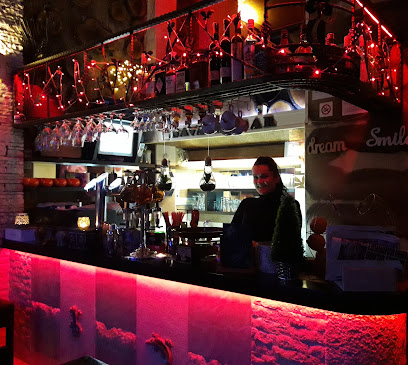
Majstor Za Pivo
2.0 km
Experience the vibrant atmosphere and extensive beer selection at Majstor Za Pivo, East Sarajevo's premier beer garden.
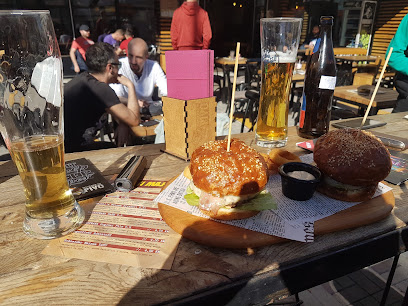
The King of Irish pub
2.0 km
Discover the charm of The King of Irish Pub, a vibrant beer garden in Lukavica offering traditional Irish food and an extensive drink selection.
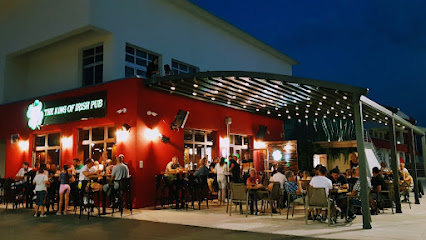
Mr. Elephant
2.1 km
Discover Mr. Elephant: A cozy café in Lukavica, perfect for savoring delicious coffee and local delicacies in a warm, inviting atmosphere.
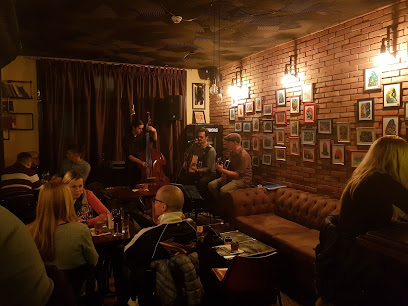
East SQUARE Bar
2.1 km
Unwind at East SQUARE Bar, a cozy spot in Lukavica serving delightful drinks and a vibrant atmosphere for all tourists.
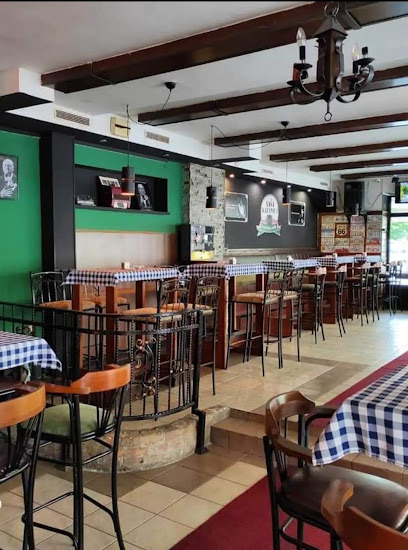
Central Caffe & Lounge bar
2.1 km
Discover the charm of Central Caffe & Lounge Bar in East Sarajevo, where relaxation meets exceptional dining in a cozy atmosphere.
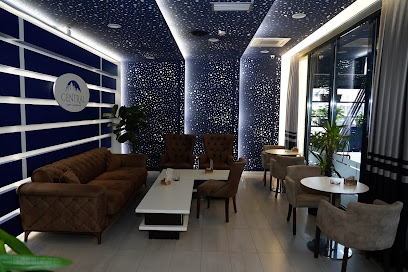
Just Pub
2.2 km
Discover the lively spirit of Sarajevo at Just Pub, where local flavors and vibrant atmospheres create unforgettable experiences.
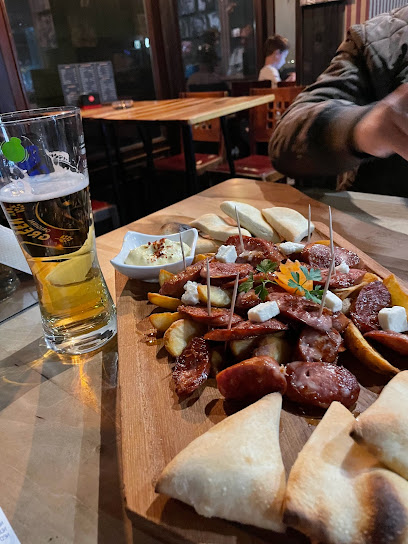
Contra Bar
2.4 km
Discover the energetic vibe of Contra Bar in Lukavica, where great drinks and a lively atmosphere await you.
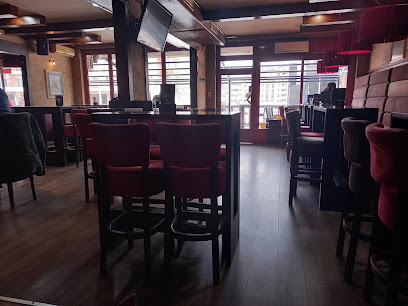
Pub Arka
2.5 km
Discover Sarajevo's local vibe at Pub Arka, where delicious Bosnian flavors meet a lively pub atmosphere, perfect for tourists seeking authentic experiences.
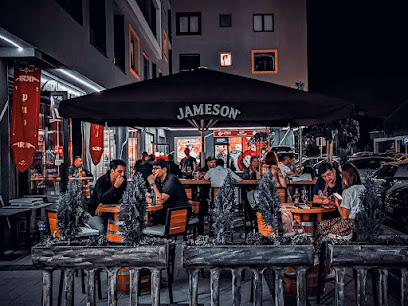
Bacchus
2.6 km
Experience the vibrant nightlife of Lukavica at Bacchus, where drinks flow and friendships blossom in a lively atmosphere.
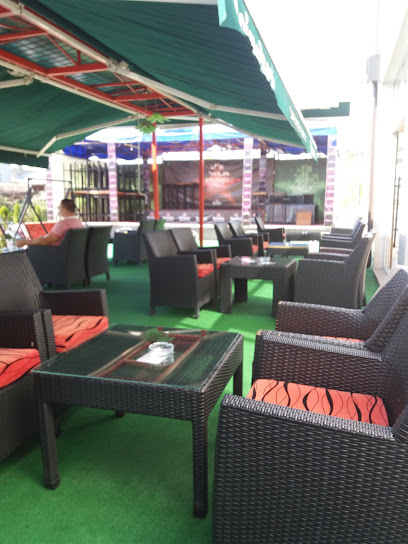
Triple M Caffe & Hookah Bar
2.6 km
Discover Sarajevo’s vibrant nightlife at Triple M Caffe & Hookah Bar, where exotic hookahs and delicious drinks create the perfect social atmosphere.
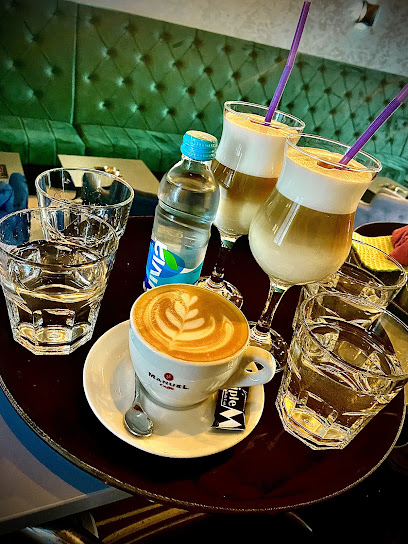
Caffe The Pub, Ilidza
2.6 km
Discover Sarajevo's vibrant night scene at Caffe The Pub, Ilidza - a perfect blend of local charm and modern ambiance.
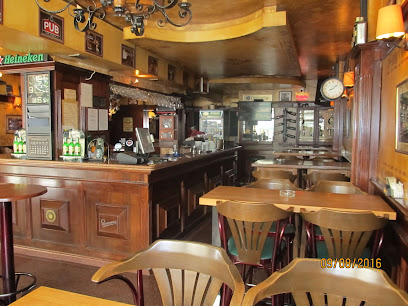
FABRIKA PUB
2.7 km
Discover the lively atmosphere and local flavors at FABRIKA PUB in Lukavica, a must-visit pub for tourists seeking a taste of Bosnian nightlife.