Chobe National Park Travel Guide
Free Guide: Discover Botswana's first national park, a biodiverse haven with massive elephant herds, diverse wildlife, and stunning riverfront vistas.


A brief summary of Chobe National Park
Discover Botswana's first national park, a biodiverse haven with massive elephant herds, diverse wildlife, and stunning riverfront vistas.
Chobe National Park, established in 1968, is Botswana's first national park and one of Africa's most biologically diverse reserves. Renowned for its large elephant herds, diverse wildlife, and stunning landscapes, it offers exceptional safari and photographic opportunities.
- Address
- 54CV+9Q4, Kasane
- Phone
- Website
Getting there
Air
Road
Public Transport
Discover more about Chobe National Park
Overview
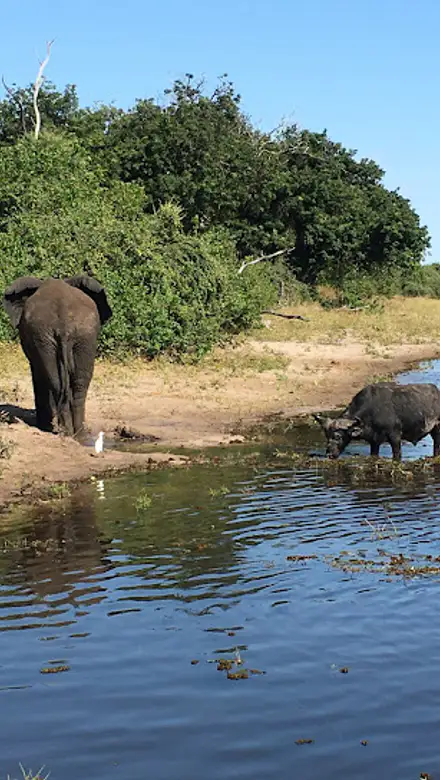
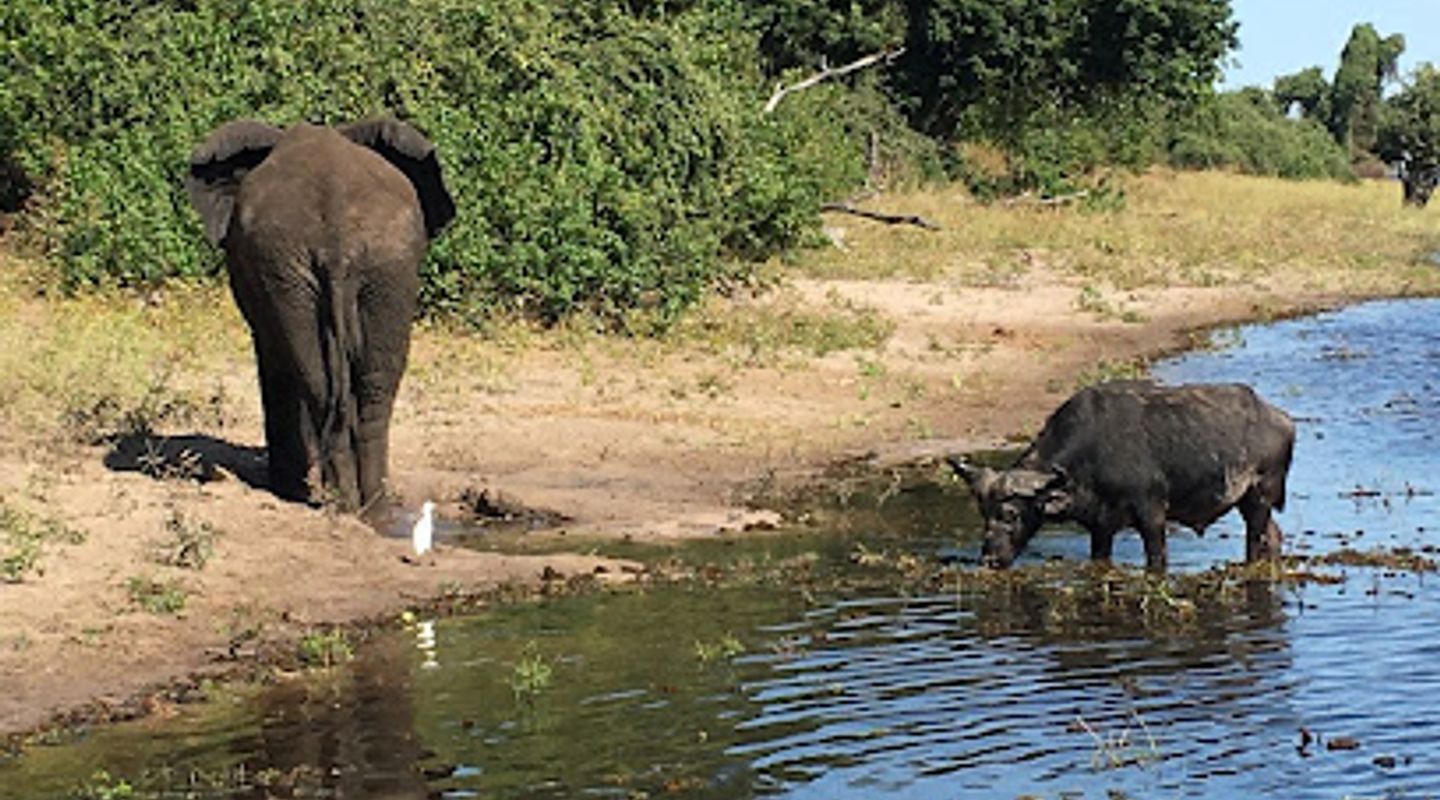
Chobe National Park, located in northern Botswana, is a premier wildlife destination celebrated for its thriving ecosystems and remarkable biodiversity. Established in 1967, it was the first national park in Botswana. The park covers approximately 11,700 square kilometers (4,500 sq mi) and is home to an impressive array of flora and fauna.Chobe's history dates back to the early 20th century when the area was recognized for its rich wildlife. The initial concept of a protected area emerged in 1931, leading to the establishment of a non-hunting zone. After overcoming challenges such as tsetse fly infestations, the Chobe Game Reserve was created in 1960, eventually becoming a national park in 1967.The park is divided into four distinct regions: the Chobe Riverfront (Serondela), the Linyanti Marsh, Savuti, and the Nogatsaa area. Each region offers unique landscapes and wildlife encounters. The Chobe Riverfront, with its lush plains and dense forests, is known for large concentrations of elephants and buffalo. Linyanti, often called a 'little Okavango Delta,' features remote, swampy areas. Savuti is famous for its lion prides and predator activity, while Nogatsaa offers a semi-arid environment.Chobe boasts one of the highest concentrations of elephants in Africa, with populations ranging from 50,000 to 120,000. The park also supports a diverse range of wildlife, including zebras, wildebeest, antelopes, and numerous predators such as lions, leopards, cheetahs, and hyenas. The Chobe River attracts hippos, crocodiles, and various bird species, with over 440 species recorded.Visitors can enjoy various activities such as game drives, boat safaris, photographic safaris, and cultural tours. Game drives along the Savuti Trail are particularly popular. Boat safaris on the Chobe River offer unique perspectives of wildlife along the riverbanks. For those seeking cultural experiences, village tours provide insights into local traditions.
Evendo Review Centre
 Google
Guest reviews
Explore Chobe National Park on the map
A handpicked selection of must-see spots near Chobe National Park, mapped for you.
Get your free copy of our complete guide to Chobe National Park, delivered straight to you.
Everything on this page, from opening hours and how to get there to Eve’s tips and the best time to go, in one PDF you can read offline, print or share.
Already have an account? Sign in
Your Chobe National Park guide is ready.
We'll send it to · Not you? Sign out

Getting your guide ready…
We are putting together a fresh copy of the Chobe National Park guide. This can take up to a minute.
This can take a few moments. If your browser asks, choose Allow so the download can start. You'll find the guide in your Downloads folder.
Nothing happened? Download it again
Sorry, the guide is taking longer than usual. Please try again in a minute, or get it by email instead.
Other nearby places you may find interesting
The closest places of the same kind, if this one is not quite what you had in mind.
-
-

-
-
-


Swipe for more places
More to explore near Chobe National Park

 Best experiences near Chobe National Park
 Best hotels near Chobe National Park
 Best landmarks near Chobe National Park
 Best attractions near Chobe National Park
 Best shops near Chobe National Park
 Best restaurants near Chobe National Park
 Best bars near Chobe National Park
Do you manage this location?
Take control to get all the benefits, like improved information, better appearance, and stronger visibility across AI-powered discovery.
Explore more

Explore more of Chobe District
Explore Chobe District in Botswana, a wildlife haven with breathtaking landscapes, abundant game, and rich local culture.
Explore Chobe District
Explore more of Botswana
Explore Botswana: A land of stunning contrasts, rich wildlife, and cultural heritage. Discover the Okavango Delta, Kalahari Desert, and immerse in sustainable tourism.
Explore Botswana