Kolobeng (Livingstone's Third Mission), Kweneng District Travel Guide
Discover Kolobeng, David Livingstone's third mission in Botswana, and explore the historical ruins of his 19th-century missionary work.
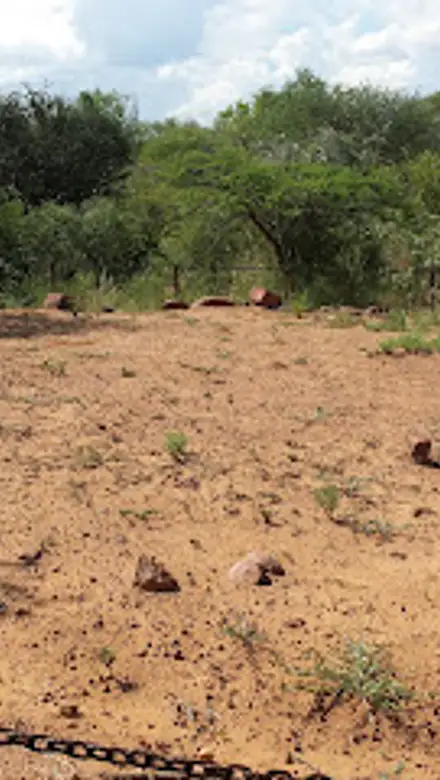
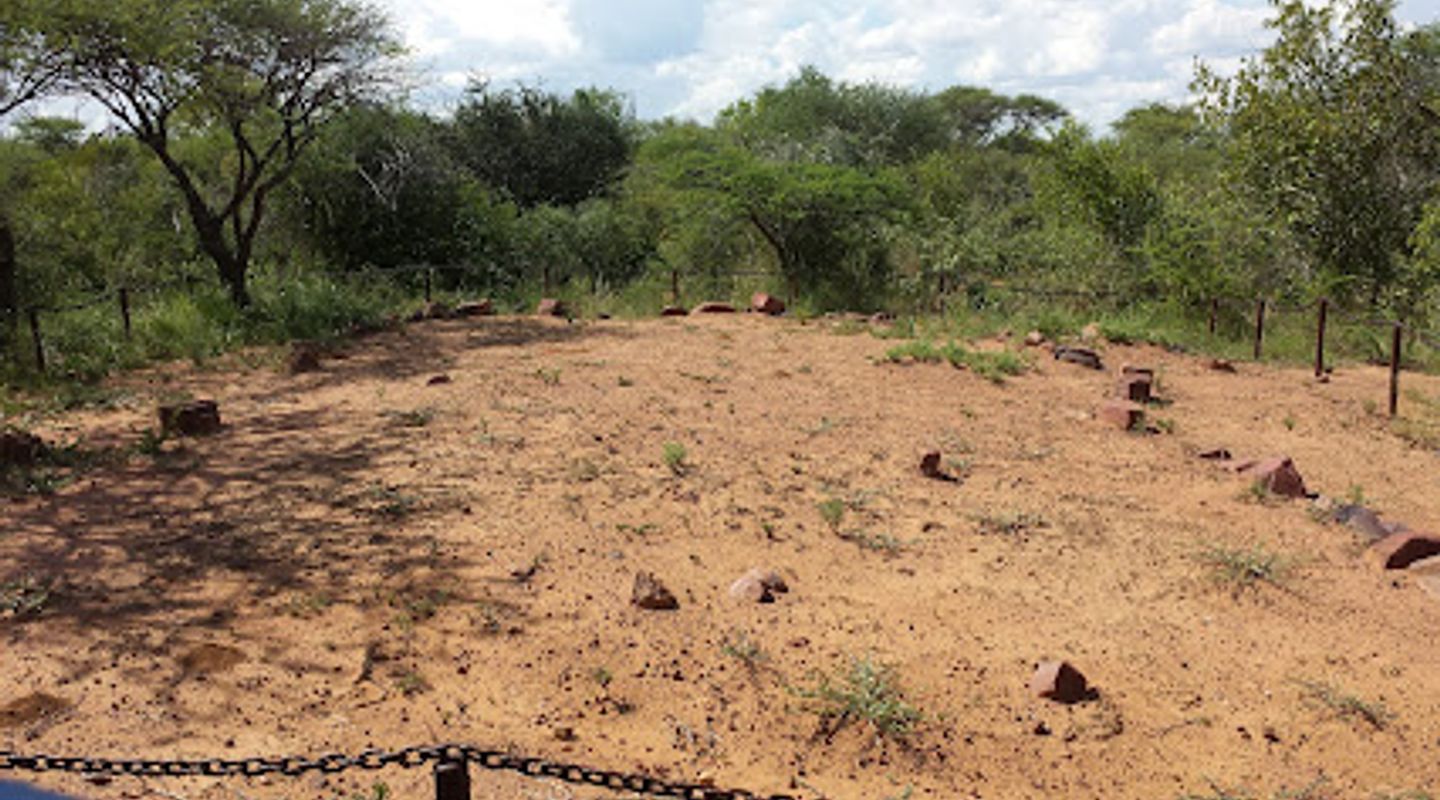
Explore Kolobeng, the site of David Livingstone's third and final mission in Botswana, established in 1847. See the remnants of his church, school, and home, and learn about his efforts to convert and assist the local Bakwena people.
A brief summary to Kolobeng (Livingstone's Third Mission)
- 8MW8+65V, Mmankgodi, BW
- Monday 8 am-5 pm
- Tuesday 8 am-5 pm
- Wednesday 8 am-5 pm
- Thursday 8 am-5 pm
- Friday 8 am-5 pm

Know before you go
Hi, I'm Eve. Here are a few practical things to know before exploring Kolobeng (Livingstone's Third Mission).
- Visit during weekdays for a quieter experience and more personal guided tours.
- Bring a camera to capture the beautiful landscapes and historical architecture.
- Engage with local guides to enrich your understanding of Livingstone's impact.
Do you manage this location?
Take control to get all the benefits, like improved information, better appearance, and stronger visibility across AI-powered discovery. Learn more about listing your business on Evendo
Activate your presenceOther nearby places you may find interesting
The closest places of the same kind, if this one is not quite what you had in mind.

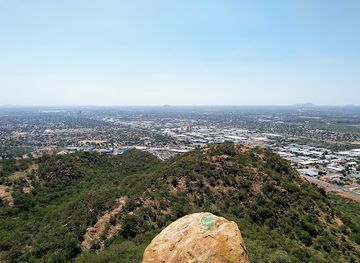
Explore Kolobeng (Livingstone's Third Mission) on the Map
A handpicked selection of must-see spots near Kolobeng (Livingstone's Third Mission), mapped for you.
Getting There
-
Public Transport
To reach Kolobeng by public transport, take a minibus from the Gaborone bus station heading to Mmankgodi. The fare is around 15-30 BWP, and the journey takes about 30-45 minutes. Once in Mmankgodi, you can walk (approximately 2 km) or hire a local taxi to take you to Kolobeng for about 10-20 BWP.
-
Car
If driving from Gaborone, take the A1 highway north towards Mmankgodi. After approximately 25 km, take the exit towards Mmankgodi. Follow the signs to the historical site of Kolobeng, about 2 km from the village center. Parking may be limited.
Discover more about Kolobeng (Livingstone's Third Mission)
More to explore near Kolobeng (Livingstone's Third Mission)
-

Best experiences near Kolobeng (Livingstone's Third Mission)
-

Best hotels near Kolobeng (Livingstone's Third Mission)
-

Best attractions near Kolobeng (Livingstone's Third Mission)
-

Best shops near Kolobeng (Livingstone's Third Mission)
-

Best restaurants near Kolobeng (Livingstone's Third Mission)
-

Best bars near Kolobeng (Livingstone's Third Mission)







Your all‑in‑one travel companion app
Explore expert travel guides, compare and book tours, experiences, hotels, and more—all from the palm of your hand. Download now for seamless trip planning wherever your wanderlust takes you.


Explore More of Kweneng District
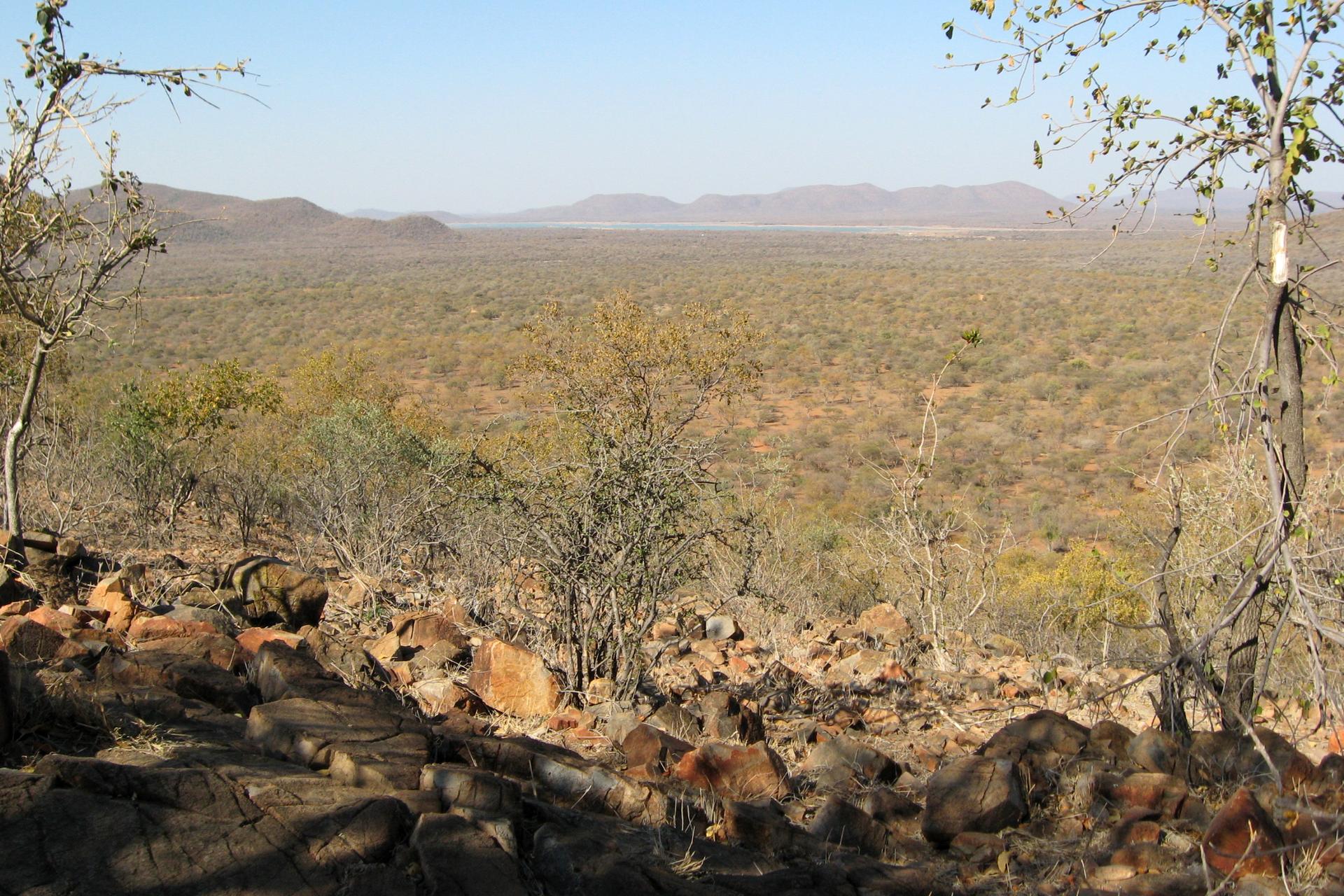
Looking beyond Kolobeng (Livingstone's Third Mission)? Discover Kweneng District for broader travel guides, local hot-spots, and regional highlights.
Explore Kweneng District
Find serenity and spiritual enrichment at Longquan Bohua Monastery, a peaceful Buddhist temple in Gaborone's beautiful Boetelo Sun Valley.
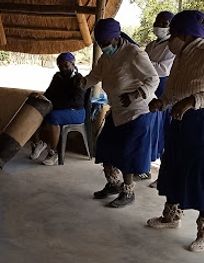
Immerse yourself in Botswana's vibrant culture at Bahurutshe Cultural Village: Experience traditions, crafts, and the warmth of the Bahurutshe people.