

Free Kweneng District Travel Guide & Mobile App
Explore Kweneng District with free travel guides. Discover regional history, expert tips, proposed trips, and audio guides on web or mobile app.


Discover Botswana’s Kweneng District through Molepolole’s Bakwena heritage, mission history, village culture and remote Kalahari wildlife landscapes.
Read more about Kweneng District
When is the best time to visit Kweneng District?
Best: April–May, October · 20–25°C| Month | High (°C) | Rainfall (mm) |
|---|---|---|
| January | 30 | 120 |
| February | 29 | 100 |
| March | 28 | 80 |
| April (best) | 25 | 60 |
| May (best) | 20 | 30 |
| June | 15 | 20 |
| July | 15 | 20 |
| August | 17 | 30 |
| September | 20 | 60 |
| October (best) | 25 | 80 |
| November | 28 | 100 |
| December | 30 | 120 |
Getting to and around Kweneng District
How to get there
Transportation
Top city travel guides in Kweneng District
The cities of Kweneng District, and the easiest places to base yourself.
-

-

-

-


Swipe for more cities
Best attractions in Kweneng District
Kweneng’s attractions range from cultural and historical sites in the east to a demanding wilderness experience in the west. Molepolole is the principal starting point, with the Kgosi Sechele I Museum offering an introduction to Bakwena history, local material culture and the district’s changing relationship with Christianity and colonial administration. Guided village visits, craft activities and introductions to customary institutions can add depth, but should be arranged respectfully and in advance. The Kolobeng area provides a link with the nineteenth-century mission period associated with David Livingstone and Kgosi Sechele I. In Khutse Game Reserve, the focus shifts to self-drive wildlife watching across Kalahari grassland, scrub, dunes and seasonal pans, with chances of seeing desert-adapted antelope and larger predators. The eastern settlements also offer everyday cultural interest through markets, churches, cattle activity and community life, although the district is not primarily a conventional museum-and-monument destination. Visitors should allow for substantial travel distances and recognise that remote attractions require more preparation than sites around Molepolole.
-
Animal park
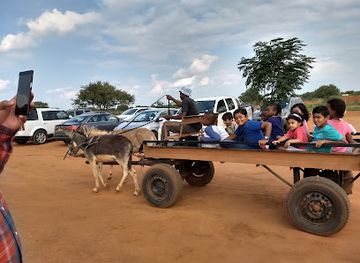
Lily's Petting Farm
Experience the joy of animal interaction at Lily's Petting Farm in Matebeleng, Botswana – a perfect family destination for fun and learning.
-
Campground
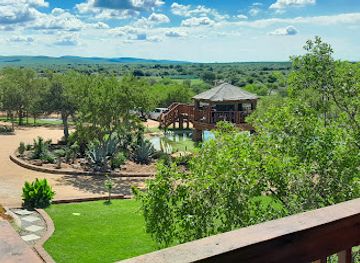
Khumosha Game Farm & Campsite
Experience tranquility and adventure at Khumosha Game Farm & Campsite, a perfect Botswana getaway blending rustic charm with modern luxury.
-
Park
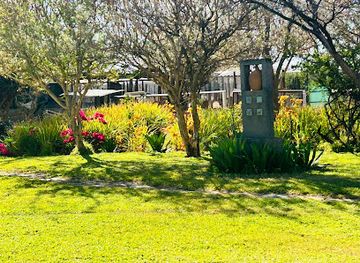
Matsieng Home Gardens and Landscaping
A serene Botswana retreat featuring lush gardens, comfortable lodging, and recreational activities for a relaxing escape.
-
Garden
Stay Well Gardens
Discover tranquility at Stay Well Gardens in Rasesa, Botswana – a serene escape into nature's beauty and a haven for relaxation.
Best landmarks in Kweneng District
Molepolole’s historic and customary landscape is Kweneng’s most recognisable human landmark. The settlement’s scale, traditional leadership institutions and association with the Bakwena make it more significant than a typical administrative town, while the Kgosi Sechele I Museum provides a tangible point of reference for that history. The Kolobeng mission site, west of Gaborone and within the Kweneng cultural landscape, is associated with David Livingstone’s work among the Bakwena and with the political authority of Kgosi Sechele I; its surviving traces are valued for their historical meaning rather than architectural grandeur. Farther west, Khutse Game Reserve is a geographical landmark in its own right, representing the transition from settled eastern Kweneng to the open Kalahari environment. Its pans, scrub and low dunes are subtle rather than monumental, but their scale and isolation help explain the ecological character of the district. Traditional meeting places, churches and older village areas complete a landscape in which living institutions are as important as preserved structures.
-
Water park
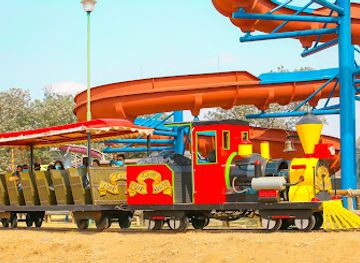
Lion Park Resort
Experience thrilling water slides, amusement rides, and wildlife encounters at Gaborone's premier entertainment destination.
-
Catholic church
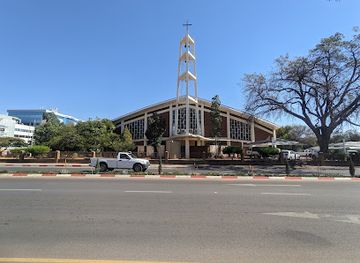
Christ the King Cathedral
Discover Gaborone's spiritual heart: a serene cathedral blending modern architecture with Botswana's rich cultural heritage.
-
Mountain peak
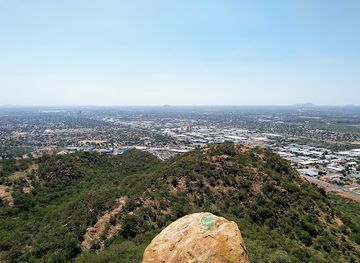
Kgale Hill
Explore Kgale Hill in Gaborone for breathtaking views, diverse wildlife, and an unforgettable hiking experience in the heart of Botswana.
-
Tourist attraction
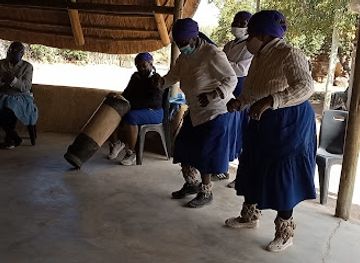
Bahurutshe Cultural Village
Immerse yourself in Botswana's living heritage at Bahurutshe Cultural Village: crafts, dance, cuisine, and traditions await near Mmankgodi.
Explore Kweneng District on the map
Plan your trip on one map. See where the top cities, national parks and sights are, and book hotels and experiences in a few clicks.
Best hotels in Kweneng District
Best restaurants in Kweneng District
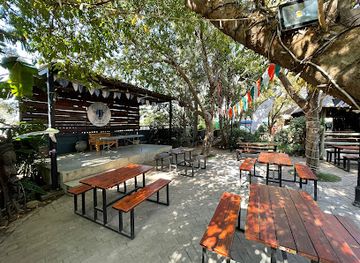
Dining in Kweneng is centred on local cafés, family-run establishments, traditional food sellers, hotel restaurants and informal businesses in Molepolole and the larger settlements. Visitors may encounter dishes familiar across Botswana, including seswaa, slow-cooked pounded meat; bogobe, a sorghum or maize porridge; morogo, cooked leafy greens; and grilled or stewed meats. Menus vary with season and supply, while village households and small eateries may offer a more direct expression of everyday food culture than formal restaurants. Sorghum, maize, beans, beef and goat are important ingredients, and imported soft drinks and South African-influenced foods are also common. Stock up on provisions before travelling towards Khutse, where dining facilities are limited or absent and visitors generally rely on self-catering. Markets and local shops are useful for fruit, baked goods and basic supplies, but selection and payment facilities can be limited away from Molepolole.
-
Restaurant
Bull & Bush
Discover Bull & Bush: A vibrant restaurant in Gaborone serving exquisite local and international cuisine amidst an inviting atmosphere.
-
Hamburger
RocoMamas Botswana
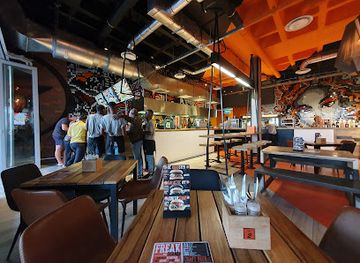
Experience gourmet burgers at RocoMamas Botswana – where taste meets fun in Gaborone's vibrant dining scene.
-
Restaurant
Cappucinos
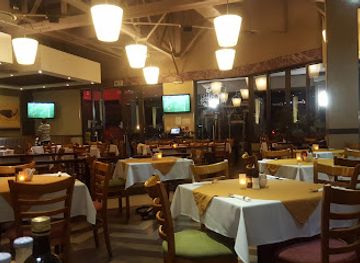
Discover the flavors of Botswana at Cappucinos in Gaborone – where local meets global in a cozy dining atmosphere.
-
Restaurant
Two Six Seven
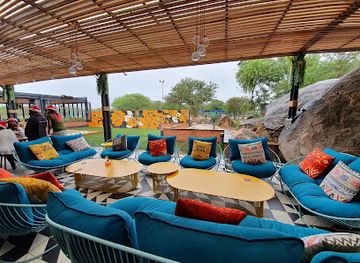
Discover culinary excellence at Two Six Seven in Gaborone—where local flavors meet international cuisine along the beautiful Riverwalk.
Best bars in Kweneng District
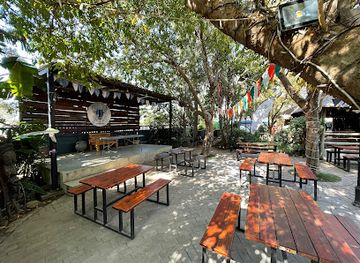
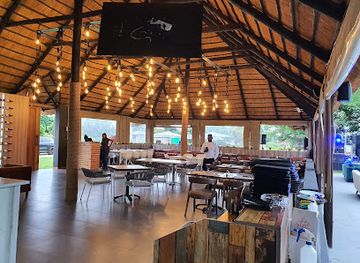
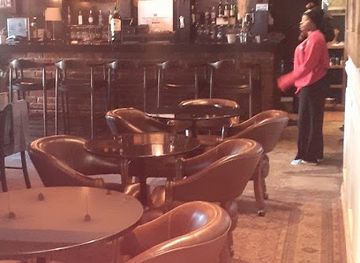
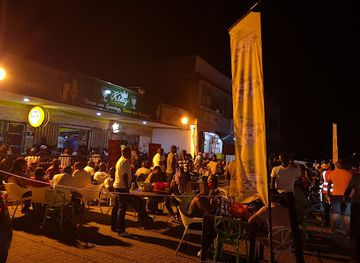
Kweneng’s evening life is concentrated in Molepolole and the more densely settled eastern corridor rather than in a single major nightlife district. Local bars, bottle stores, hotel venues and informal evening gatherings provide much of the social scene, while restaurants and occasional live entertainment offer quieter alternatives. Thamaga and other larger settlements also have locally oriented venues, although opening arrangements and entertainment schedules can change. In rural areas, evenings are generally shaped by family life, community events and traditional social spaces rather than clubs. Visitors should dress appropriately, use reputable transport after dark and respect restrictions around photography and behaviour in village settings. Alcohol is available in licensed venues, but experiencing Kweneng does not depend on drinking; cultural visits, music, food and conversation are equally important parts of the district’s evening character.
-
Restaurant
Bull & Bush
Bull & Bush: Experience the vibrant dining scene in Gaborone with a diverse menu of local and international flavors in a lively atmosphere.
-
Grill
Park 27
Discover the vibrant flavors and upscale atmosphere at Park 27, Gaborone's top grill destination for food lovers.
-
Bar
Leobah's Pub - Gaborone
Discover the vibrant nightlife at Leobah's Pub in Gaborone, where local culture meets a lively atmosphere for an unforgettable night out.
-
Bar
The PRINCETON LOUNGE
Experience the vibrant nightlife at The Princeton Lounge, Gaborone's premier bar offering eclectic drinks and unforgettable social moments.
Best nightclubs in Kweneng District
Kweneng’s evening life is concentrated in Molepolole and the more densely settled eastern corridor rather than in a single major nightlife district. Local bars, bottle stores, hotel venues and informal evening gatherings provide much of the social scene, while restaurants and occasional live entertainment offer quieter alternatives. Thamaga and other larger settlements also have locally oriented venues, although opening arrangements and entertainment schedules can change. In rural areas, evenings are generally shaped by family life, community events and traditional social spaces rather than clubs. Visitors should dress appropriately, use reputable transport after dark and respect restrictions around photography and behaviour in village settings. Alcohol is available in licensed venues, but experiencing Kweneng does not depend on drinking; cultural visits, music, food and conversation are equally important parts of the district’s evening character.
-
Bar
Phase 4 Bar
Explore Gaborone's nightlife at Phase 4 Bar, where vibrant energy meets a diverse drink selection for an unforgettable experience.
-
Bar
Leobah's Pub - Gaborone
Experience the vibrant nightlife of Gaborone at Leobah's Pub, where local flavors and a welcoming atmosphere await.
-
Night club
Cigar Lounge
Experience the ultimate relaxation at Gaborone's Cigar Lounge, where premium cigars and fine spirits meet luxury and sophistication.
-
Lounge
Absolut Lounge
Experience the vibrant atmosphere of Absolut Lounge in Gaborone, a stylish spot for cocktails and relaxation in the heart of the city.


Best shops in Kweneng District
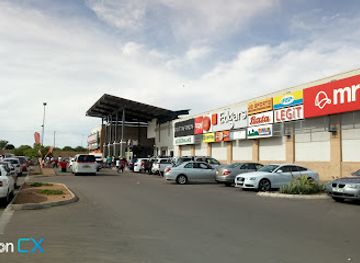
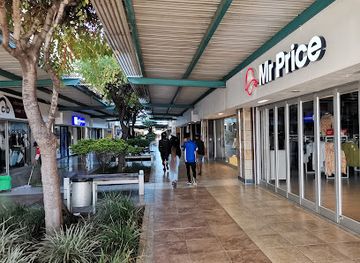
Shopping in Kweneng is most useful for everyday supplies, locally produced food and modest craft purchases rather than luxury retail. Molepolole has the district’s broadest selection of shops, supermarkets, market stalls and service businesses, while smaller settlements provide basic stores and informal trading. Visitors may find woven items, beadwork, pottery, baskets and other crafts through local makers or community projects, but availability varies and not every product is made locally. Markets are practical places to look for seasonal produce, baked goods and household foods, including sorghum-based ingredients and dried products. Buy crafts directly from makers where possible, ask about materials and use, and avoid purchasing archaeological objects or wildlife products. Before travelling west, obtain fuel, water, food and other essentials in the larger settlements, as retail options become sparse towards remote wildlife areas.
-
Shopping mall
Airport Junction Shopping Centre
Explore the Airport Junction Shopping Centre: Gaborone's vibrant hub for shopping, dining, and entertainment in Botswana.
-
Shopping mall
Riverwalk Mall
Discover Riverwalk Mall in Gaborone, a shopping paradise offering diverse retail, dining, and entertainment options for an unforgettable experience.
-
Shopping mall
Main Mall
Explore Gaborone's Main Mall: A hub of shopping, dining, and local culture in Botswana's vibrant capital.
-
Art center
Botswana Craft
Explore the heart of Botswana's culture at Botswana Craft, where art, cuisine, and local heritage come together in a vibrant setting.


Get your free copy of our complete guide to Kweneng District, delivered straight to you.
Everything on this page, from attractions and restaurants to essentials and local phrases, in one PDF you can read offline, print or share.
Already have an account? Sign in
Your Kweneng District guide is ready.
We'll send it to · Not you? Sign out

Getting your guide ready…
We are putting together a fresh copy of the Kweneng District guide. This can take up to a minute.
This can take a few moments. If your browser asks, choose Allow so the download can start. You'll find the guide in your Downloads folder.
Nothing happened? Download it again
Sorry, the guide is taking longer than usual. Please try again in a minute, or get it by email instead.
Kweneng District essentials
Currency and Payment
Safety
Emergency Situations
Do's and Don'ts
Local Tips
From Eve
Local phrases worth knowing
You don't need to get them perfect. A few words go a long way, and locals appreciate the effort.
Basics
| English | Local | Say it |
|---|---|---|
| Hello | Dumelang | [doo-meh-lang] |
| Goodbye | Tsamaya sentle | [tsah-mah-yah sen-tleh] |
| Yes | Ee | [ee] |
| No | Aowa | [ah-oh-wah] |
| Please/You're welcome | Tsweetswee | [tswee-tsee] |
| Thank you | Ke a leboga | [keh ah leh-boh-gah] |
| Excuse me/Sorry | O kopa tshepo | [oh koh-pah tseh-poh] |
| How are you? | O kae? | [oh kah-eh] |
| Fine. And you? | Ke sentle. Wena o kae? | [keh sen-tleh. weh-nah oh kah-eh] |
| Do you speak English? | A o bua Seesimane? | [ah oh boo-ah seh-see-mah-neh] |
| I don't understand | Ke sitwa go tlhaloganya | [keh seet-wah go tlah-loh-gah-nyah] |
Eating & Drinking
| English | Local | Say it |
|---|---|---|
| I'd like to see the menu, please | Ke kopa go bona menu, tsweetswee | [keh koh-pah go boh-nah meh-noo, tswee-tsee] |
| I don't eat meat | Ke sitwa go ja nama | [keh seet-wah go jah nah-mah] |
| Cheers! | Boikaelelo! | [boi-kah-eh-leh-lo] |
| I would like to pay, please | Ke kopa go lefa, tsweetswee | [keh koh-pah go leh-fah, tswee-tsee] |
Emergencies
| English | Local | Say it |
|---|---|---|
| Help! | Thuso! | [thoo-soh] |
| Go away! | Tsamaya! | [tsah-mah-yah] |
| Call the Police! | Bua borai! | [boo-ah bo-rah-ee] |
| Call a doctor! | Bua ngaka! | [boo-ah ngah-kah] |
| I'm lost | Ke a latlwa | [keh ah laht-lwah] |
| I'm ill | Ke a robala | [keh ah roh-bah-lah] |
Shopping
| English | Local | Say it |
|---|---|---|
| I'd like to buy... | Ke kopa go reka... | [keh koh-pah go reh-kah] |
| I'm just looking | Ke lebeletse fela | [keh leh-beh-leh-tseh feh-lah] |
| How much is it? | Ke bokae? | [keh boh-kah-eh] |
| That's too expensive | Seo se a dira thata | [seh-oh seh ah dee-rah tah-tah] |
| Can you lower the price? | A o ka fokotsa price? | [ah oh kah fo-koh-tsah prah-eese] |
Time & Numbers
| English | Local | Say it |
|---|---|---|
| What time is it? | Ke nako efe? | [keh nah-koh eh-feh] |
| It's one o'clock | Ke ngwaga e le ngwaga | [keh ngwah-gah eh leh ngwah-gah] |
| Half past (10) | Pele ga (10) | [peh-leh gah (10)] |
| Morning | Mosong | [moh-song] |
| Afternoon | Mantsiboa | [mahn-tsee-boh-ah] |
| Evening | Mokhwello | [moh-khweh-loh] |
| Yesterday | Maabane | [mah-bah-neh] |
| Today | Lenna | [leh-nah] |
| Tomorrow | Borai | [bo-rah-ee] |
| 1 | Nngwe | [nng-weh] |
| 2 | Pedi | [peh-dee] |
| 3 | Tharo | [thah-roh] |
| 4 | Nne | [n-neh] |
| 5 | Tsala | [tsah-lah] |
| 6 | Tlhano | [tlhah-noh] |
| 7 | Sebaga | [seh-bah-gah] |
| 8 | Nnê | [n-neh] |
| 9 | Nne | [n-neh] |
| 10 | Lesome | [leh-soh-meh] |
Transport & Directions
| English | Local | Say it |
|---|---|---|
| Where's a/the...? | Ke kae a/the...? | [keh kah-eh ah/the] |
| What's the address? | Ke ngwaga efe? | [keh ngwah-gah eh-feh] |
| Can you show me (on the map)? | A o ka nthee (mo mapeng)? | [ah oh kah n-theh moh mah-peh-ng] |
| When's the next (bus)? | Neng e tla? | [neh-ng eh tlah] |
| A ticket (to ....) | Tiket (go ...) | [tee-ket (goh ...)] |
History of Kweneng District
Early settlement and the Kalahari environment
Kweneng’s history begins long before written records, in a landscape used by hunter-gatherer communities and later by pastoral and farming societies. Seasonal pans, grasslands and wooded valleys shaped where people could obtain water, graze cattle and cultivate crops. Rock art and archaeological evidence in the wider region point to long-term human activity, although individual sites require careful interpretation and protection. The district’s later settlement pattern was also influenced by the availability of wells, rain-fed fields and routes linking the eastern hardveld with the more sparsely populated Kalahari.
The Bakwena and the rise of Molepolole
The Bakwena became the principal Tswana polity associated with Kweneng, and Molepolole developed as their major settlement during the nineteenth century. The town’s location and scale reflect the importance of the Bakwena kgosi, or traditional ruler, in organising political authority, land use and community life. Molepolole was established in the 1860s under Kgosi Sechele I after the Bakwena moved from earlier settlements. Its traditional institutions remain central to the cultural identity of the district, even as the town has grown into a modern administrative and commercial centre.
Kgosi Sechele I and the mission era
Kgosi Sechele I was one of the most influential nineteenth-century rulers in the region. He maintained political authority during a period of pressure from neighbouring polities, traders, missionaries and Boer communities moving through southern Africa. David Livingstone worked among the Bakwena during the 1840s and early 1850s, and the Kolobeng mission west of present-day Gaborone is associated with this period. The mission’s remains are historically significant not because they form a large surviving complex, but because they reveal the negotiations between Bakwena authority, Christianity and the expanding networks of the nineteenth-century interior.
Cattle, farming and changing trade routes
For much of its modern history, Kweneng’s economy has combined cattle keeping, crop cultivation, small-scale commerce and connections with the larger markets of south-eastern Botswana. Livestock has carried economic and cultural importance, while sorghum, millet and other crops have traditionally depended on variable rainfall. Roads linking Molepolole with Gaborone and settlements farther west gradually strengthened the district’s integration into national trade. These changes brought schools, government services and wage employment while leaving many rural communities dependent on seasonal conditions and household production.
The Bechuanaland Protectorate and the road to independence
Kweneng formed part of the Bechuanaland Protectorate, established by Britain in 1885. Colonial rule was comparatively limited in some rural areas, but it affected taxation, labour migration, administration and the formal relationship between traditional authorities and the colonial state. Bakwena leadership remained important within this changing system. At independence in 1966, the territory became the Republic of Botswana, and Kweneng was incorporated into the new country’s district structure. Molepolole subsequently expanded as an administrative, educational and commercial centre while retaining its traditional significance.
Contemporary Kweneng and conservation
Since independence, Kweneng has experienced population growth, improved road connections and increasing links with Gaborone and other urban centres. The eastern district is more densely settled and commercially active, while the west remains much more sparsely populated. Conservation in Khutse Game Reserve forms part of Botswana’s wider effort to protect Kalahari habitats and wildlife beyond the country’s better-known northern safari areas. Contemporary Kweneng therefore combines customary institutions, expanding settlements, rural livelihoods and protected wilderness, rather than fitting a single rural or urban description.
Kweneng District in Photos
Browse through our photo collection highlighting the charm and character of the destination.
Neighbouring regions of Kweneng District
The closest regions to Kweneng District, if you have time for more than one.
-

-

-

-

-


Swipe for more regions
Explore more
Explore more of Botswana
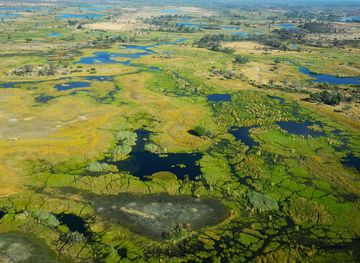
Explore Botswana: A land of stunning contrasts, rich wildlife, and cultural heritage. Discover the Okavango Delta, Kalahari Desert, and immerse in sustainable tourism.
Explore Botswana