

Free Mahalapye Travel Guide & Mobile App
Plan your Mahalapye trip with Evendo. Get free guides to top attractions, restaurants, hotels, and bars. Web access or download the mobile app.


Mahalapye, Botswana, reveals village life, railway history and eastern savannah landscapes between Gaborone and Francistown, offering visitors a grounded glimpse.
Eastern Botswana at a Measured Pace
Mahalapye lies in Botswana’s Central District along the A1, roughly between Gaborone and Francistown. It is a working town rather than a conventional sightseeing centre, with a low-rise streetscape, broad sandy verges, roadside businesses and outlying cattle posts reflecting the rhythms of eastern Botswana. Travellers passing through encounter a useful, unvarnished view of everyday life beyond the country’s major safari gateways.Read more about Mahalapye
Village Life and Historical Traces
Landscapes Beyond the Main Road
When is the best time to visit Mahalapye?
Best: June–August · 24–28°C| Month | High (°C) | Rainfall (mm) |
|---|---|---|
| January | 34 | 0 |
| February | 34 | 0 |
| March | 35 | 0 |
| April | 33 | 0 |
| May | 28 | 0 |
| June (best) | 25 | 0 |
| July (best) | 24 | 0 |
| August (best) | 28 | 0 |
| September | 33 | 0 |
| October | 36 | 0 |
| November | 38 | 0 |
| December | 37 | 0 |
Getting to and around Mahalapye
How to get there
Transportation
Best attractions in Mahalapye
Mahalapye’s attractions are modest and closely connected to daily life rather than concentrated in a formal museum quarter. The Mahalapye Railway Station and surrounding railway corridor provide a tangible reminder of the transport infrastructure that helped shape the town, while the A1 reveals its continuing role as a north–south service stop. The central market and nearby trading streets offer a window onto local commerce, seasonal produce and the practical rhythms of Central District life. Visitors who arrange permission can learn about the Mahalapye Main Kgotla, an important community institution, although it is a place for respectful observation rather than casual sightseeing. The Mahalapye River and nearby open country bring a quieter landscape of dry woodland, grass and cattle posts, with birdwatching and photography varying according to season. These experiences suit travellers interested in community life, rural geography and Botswana beyond its famous wildlife reserves.
-
Park
Kanamo Garden Centre
Escape to a serene oasis in Mahalapye, Botswana, where lush gardens and tranquil pathways offer a refreshing retreat for nature lovers and families.
21 min drive · 6.8 km from city centre
-
Park
Mahalapye Children’s park
Discover family-friendly fun at Mahalapye Children's Park, a perfect escape in Botswana's scenic landscapes. Play, relax, and connect with nature!
15 min drive · 4.9 km from city centre


Best landmarks in Mahalapye
Mahalapye’s principal landmarks express its history as a community and transport centre. The railway station and line are reminders of the late nineteenth-century infrastructure that linked settlements across the Bechuanaland Protectorate and established Mahalapye’s position on the eastern corridor. The Mahalapye Main Kgotla represents the continuing importance of traditional community institutions, where public matters may be discussed under local leadership; access and photography require courtesy and permission. The A1 is itself a contemporary landmark of movement, carrying buses, freight and private vehicles between Gaborone and Francistown. The central market and older commercial streets provide a more everyday form of heritage, showing how trade, travel and local services have grown around the railway and road. The Mahalapye River, seasonal rather than monumental, gives the town a geographical landmark tied to its name and surrounding landscape.
-
Shopping mall
Watershed Mall
Experience modern shopping in Mahalapye at Watershed Mall, offering a diverse range of retail, dining, and community events.
10 min drive · 3.5 km from city centre
-
 Hotel
Cresta Mahalapye
A relaxing 3-star hotel in Mahalapye, Botswana, offering comfortable rooms, an outdoor pool, and convenient amenities for a pleasant stay.
10 min drive · 3.3 km from city centre
-
Guest house
Thulamela Guest House
A convenient and comfortable guest house just off the A1 highway in Mahalapye, Botswana, perfect for a relaxing stopover.
27 min drive · 9.1 km from city centre
-
Guest house
Thobela Guest House
Experience comfort and tranquility at Thobela Guest House in Mahalapye, Botswana. Your ideal retreat in the heart of Xhosa.
21 min drive · 7.2 km from city centre


Explore Mahalapye on the map
Plan your Mahalapye trip on one map. See where the top attractions, landmarks, restaurants, bars and hotels are, find what's near where you're staying, and book hotels and experiences in a few clicks.
Best hotels in Mahalapye
Best restaurants in Mahalapye
Mahalapye’s dining scene is practical, local and shaped by its position on Botswana’s main road. Small cafés, takeaway counters, hotel restaurants and informal food sellers provide everyday meals, while larger shops supply familiar regional and international groceries. Traditional Botswana cooking commonly includes staples such as bogobe, a sorghum or maize porridge, seswaa, shredded slow-cooked beef, and grilled or stewed meat served with vegetables; recipes and availability vary between households and businesses. Chicken, beef and fried snacks are easy to encounter, and seasonal produce appears through local trading activity. The town’s market and roadside food outlets are useful for observing how commuters, residents and long-distance travellers eat, although hygiene standards and opening patterns differ. Visitors should carry water and ask locally about ingredients when allergies or dietary restrictions are important.
-
Chicken
Nando's Mahalapye
Experience the best of South African and Portuguese flavors at Nando's Mahalapye with delicious peri-peri chicken and more.
10 min drive · 3.5 km from city centre
-
Hotel
Cresta Mahalapye
Discover comfort and local charm at Cresta Mahalapye, your gateway to exploring Botswana's vibrant culture and stunning landscapes.
10 min drive · 3.3 km from city centre
-
Restaurant
Wimpy
Savor delicious fast food at Wimpy in Mahalapye—your ideal stop for tasty meals on the go!
13 min drive · 4.2 km from city centre
-
Restaurant
Kaytees Restaurant
Discover authentic local cuisine at Kaytees Restaurant in Mahalapye – where every meal tells a story.
18 min drive · 6.0 km from city centre


Best bars in Mahalapye
Mahalapye’s evening scene is restrained rather than club-focused, with social life centred on hotel bars, local taverns, casual eateries and gatherings among friends. Music may feature in drinking venues and community celebrations, but the town does not have the extensive late-night entertainment districts found in larger capitals. After dark, activity generally remains concentrated around established businesses and the main commercial areas, while quieter residential and rural roads should be approached with care. Some evenings may include church, cultural or community events, depending on the local calendar. Visitors should respect neighbourhood noise levels, use reliable transport after drinking and confirm arrangements with accommodation staff rather than assuming that a venue will operate late or accept international cards.
-
Chicken
Nando's Mahalapye
Experience the vibrant taste of South African and Portuguese cuisine at Nando's Mahalapye, famous for its peri-peri chicken and family-friendly atmosphere.
10 min drive · 3.5 km from city centre
-
Hotel
Cresta Mahalapye
Experience warm hospitality at Cresta Mahalapye, your comfortable retreat in the heart of Botswana, offering a relaxing pool and inviting bar.
10 min drive · 3.3 km from city centre
-
Restaurant
Kaytees Restaurant
Discover the rich flavors of Botswana at Kaytees Restaurant, a dining gem in Mahalapye offering local and international cuisine.
18 min drive · 6.0 km from city centre
-
Serviced accommodation
The Bravo's Guesthouse
Experience the heart of Botswana at The Bravo's Guesthouse, your comfortable retreat in Mahalapye, blending local culture with cozy accommodation.
14 min drive · 4.6 km from city centre


Best nightclubs in Mahalapye
Mahalapye’s evening scene is restrained rather than club-focused, with social life centred on hotel bars, local taverns, casual eateries and gatherings among friends. Music may feature in drinking venues and community celebrations, but the town does not have the extensive late-night entertainment districts found in larger capitals. After dark, activity generally remains concentrated around established businesses and the main commercial areas, while quieter residential and rural roads should be approached with care. Some evenings may include church, cultural or community events, depending on the local calendar. Visitors should respect neighbourhood noise levels, use reliable transport after drinking and confirm arrangements with accommodation staff rather than assuming that a venue will operate late or accept international cards.
-
Bar
Flowertown Sports Bar
Experience the vibrant nightlife and local flavors at Flowertown Sports Bar in Mahalapye, a perfect spot for relaxation and socializing.
14 min drive · 4.7 km from city centre
-
Grill
Thyrsus
Discover the best grill cuisine at Thyrsus in Mahalapye, where every meal is a flavorful adventure waiting to be savored.
18 min drive · 6.1 km from city centre
-
Bar
No ways Bar
Experience the vibrant atmosphere and local flavors at No Ways Bar, a charming spot in Mahalapye perfect for unwinding and socializing.
10 min drive · 3.4 km from city centre
-
Bar
Dilaene Ward Near Star Bar
Discover the vibrant nightlife at Star Bar in Dilaene Ward, Mahalapye – a local gem where you can unwind and enjoy great company.
18 min drive · 6.0 km from city centre


Best shops in Mahalapye
Shopping in Mahalapye centres on practical town commerce, local markets and roadside trading rather than a large concentration of specialist boutiques. The central market and informal stalls are places to find seasonal fruit and vegetables, basic household goods, clothing and small travel provisions, while supermarkets and general shops serve residents and people passing along the A1. Visitors may encounter woven items, beadwork or locally made crafts, but stock varies and not every stall sells traditionally produced goods. Botswana-themed textiles, baskets and small souvenirs can sometimes be found through local traders or craft sellers; ask about provenance when purchasing handmade items. Bargaining is not automatically expected in every shop, and respectful, good-humoured negotiation is more appropriate where informal prices are offered. Keep cash secure and check transport arrangements before carrying bulky purchases.
-
Shopping mall
Watershed Mall
Experience shopping bliss at Watershed Mall, the premier shopping destination in Mahalapye with a variety of stores and dining options.
10 min drive · 3.5 km from city centre
-
Supermarket
Shoprite Mahalapye
Shoprite Mahalapye: Explore local flavors and essentials in the heart of Palapye, Botswana.
11 min drive · 3.6 km from city centre
-
Supermarket
SPAR Mahalapye
Discover the vibrant flavors of Botswana at SPAR Mahalapye, your go-to supermarket for fresh produce and local goods.
16 min drive · 5.2 km from city centre
-
Hypermarket
Sefalana Hyper Market
Discover the heart of shopping in Mahalapye at Sefalana Hyper Market, where local flavors meet modern convenience.
13 min drive · 4.3 km from city centre


Get your free copy of our complete guide to Mahalapye, delivered straight to you.
Everything on this page, from attractions and restaurants to essentials and local phrases, in one PDF you can read offline, print or share.
Already have an account? Sign in
Your Mahalapye guide is ready.
We'll send it to · Not you? Sign out

Getting your guide ready…
We are putting together a fresh copy of the Mahalapye guide. This can take up to a minute.
This can take a few moments. If your browser asks, choose Allow so the download can start. You'll find the guide in your Downloads folder.
Nothing happened? Download it again
Sorry, the guide is taking longer than usual. Please try again in a minute, or get it by email instead.
Mahalapye essentials
Currency and Payment
Safety
Emergency Situations
Do's and Don'ts
Local Tips
From Eve
Local phrases worth knowing
You don't need to get them perfect. A few words go a long way, and locals appreciate the effort.
Basics
| English | Local | Say it |
|---|---|---|
| Hello | Dumela | [doo-MEH-lah] |
| Goodbye | Sala sentle | [SAH-lah seen-TLEH] |
| Yes | Ee | [EE] |
| No | Nnyaa | [NYAH] |
| Please/You're welcome | Ke kopa | [keh koh-PAH] |
| Thank you | Ke a leboga | [keh ah leh-BOH-gah] |
| Excuse me/Sorry | Ntshwarele | [nt-SHWA-reh-leh] |
| How are you? | O kae? | [oh KAH-eh?] |
| Fine. And you? | Ke gona. Le wena? | [keh goh-NAH. leh WEH-nah?] |
| Do you speak English? | O bua se se Ingirisi? | [oh BOO-ah seh seh een-gee-REE-see?] |
| I don't understand | Ga ke itse | [gah keh EET-seh] |
Eating & Drinking
| English | Local | Say it |
|---|---|---|
| I'd like to see the menu, please | Ke kopa go bona menu | [keh koh-pah goh BOH-nah MEH-noo] |
| I don't eat meat | Ga ke itse nyama | [gah keh EET-seh nyah-mah] |
| Cheers! | Pholo! | [POH-loh] |
| I would like to pay, please | Ke kopa go dira setlhare | [keh koh-pah goh DEE-rah set-LAH-reh] |
Emergencies
| English | Local | Say it |
|---|---|---|
| Help! | Boipelo! | [boy-PEH-loh] |
| Go away! | Tswa! | [t-SWAH] |
| Call the Police! | Itseba phuthego! | [EET-seh-bah puh-TEH-hoh] |
| Call a doctor! | Itseba koloi! | [EET-seh-bah koh-LOY] |
| I'm lost | Ke sa itse kae | [keh sah EET-seh kah-eh] |
| I'm ill | Ke sa hole | [keh sah HOH-leh] |
Shopping
| English | Local | Say it |
|---|---|---|
| I'd like to buy... | Ke kopa go rekela... | [keh koh-pah goh reh-keh-lah] |
| I'm just looking | Ke tsamaya ka go bona | [keh tsah-MAH-yah kah goh BOH-nah] |
| How much is it? | E bokae? | [eh boh-KAH-eh?] |
| That's too expensive | Ka nako eo e setse e sale | [kah NAH-koh eh-oh eh SET-seh eh SAH-leh] |
| Can you lower the price? | O ka itumela sephiri? | [oh kah ee-too-MEH-lah seh-FEE-ree?] |
Time & Numbers
| English | Local | Say it |
|---|---|---|
| What time is it? | Ke nako mang? | [keh NAH-koh mahng?] |
| It's one o'clock | Ke nako ya moso | [keh NAH-koh yah moh-SOH] |
| Half past (10) | Ke nako ya go seswa | [keh NAH-koh yah goh se-SEH-wah] |
| Morning | Motho | [MOH-thoh] |
| Afternoon | Mola | [MOH-lah] |
| Evening | Ntwe | [nt-WEH] |
| Yesterday | Nako ya malatsi a go bokae | [NAH-koh yah mah-LAHT-see ah goh boh-KAH-eh] |
| Today | Nako eno | [NAH-koh EH-noh] |
| Tomorrow | Nako ya gona | [NAH-koh yah goh-NAH] |
| 1 | Mosha | [MOH-shah] |
| 2 | Boraro | [boh-RAH-roh] |
| 3 | Tharo | [TAH-roh] |
| 4 | Nne | [n-NAY] |
| 5 | Tlhano | [TLHAH-noh] |
| 6 | Tlhaping | [tlhah-PING] |
| 7 | Moletlo | [moh-LEH-tloh] |
| 8 | Moraro | [moh-RAH-roh] |
| 9 | Lesome | [leh-SOH-meh] |
| 10 | Lesome le leleng | [leh-SOH-meh leh leh-LEHNG] |
Transport & Directions
| English | Local | Say it |
|---|---|---|
| Where's a/the...? | Kae e... | [KAH-eh eh...] |
| What's the address? | E kae e kopang? | [eh kah-eh eh koh-PAHNG?] |
| Can you show me (on the map)? | O ka nna lekae (ka map)? | [oh kah nah leh-KAH-eh (kah map)?] |
| When's the next (bus)? | Ke nako eng? | [keh NAH-koh ehng?] |
| A ticket (to ....) | Ticket (go ...) | [TEE-keh (goh ...)] |
History of Mahalapye
Early Communities and the Mahalapye Name
The wider Mahalapye area has long been used by Tswana-speaking communities whose livelihoods combined cattle keeping, cultivation and movement between settled places and seasonal resources. The town’s name is commonly associated with the mahalapye fish, a small freshwater fish found in parts of the region, although local explanations of place names can carry more than one interpretation. Before the growth of the modern town, the landscape functioned principally as a rural zone of villages, cattle posts and transport routes. Community institutions, particularly the kgotla, remained important in organising public affairs and preserving local authority as Mahalapye developed.
The Railway Creates a Town
Mahalapye expanded significantly after the north–south railway was built through the Bechuanaland Protectorate in the late nineteenth century. The line connected the territory with wider regional networks and helped establish a sequence of service settlements across eastern Botswana. Railway infrastructure encouraged trade, the movement of livestock and goods, and the arrival of administrative and commercial functions. Mahalapye’s position between the southern and northern centres made it a practical stopping point, while the surrounding agricultural and pastoral economy supplied the town with much of its everyday character. The railway corridor remains one of the clearest historical forces visible in its development.
Life under the Protectorate
During the Bechuanaland Protectorate, administered by Britain from 1885, Mahalapye formed part of a territory governed through a combination of colonial officials and existing African leadership. Roads, railway facilities, trading stores and administrative services gradually altered the settlement, but most residents continued to live within rural and community-based economic systems. The kgotla remained a significant place for public discussion, illustrating how imported administrative structures operated alongside established Tswana institutions. Economic links with South Africa and neighbouring settlements also shaped employment, trade and migration during the decades before independence.
Independence and National Development
Botswana became independent in 1966, and Mahalapye then developed within a rapidly changing national framework. Investment in roads, schools, health services, communications and public administration strengthened the town’s role as a district service centre. The A1 became increasingly important for road transport, complementing the older railway connection, while the growth of Gaborone and Francistown intensified movement through the eastern corridor. Mahalapye’s history since independence is therefore less about a single dramatic event than about gradual urbanisation, improved public infrastructure and the continuing adaptation of a rural-oriented community to a national economy.
A Contemporary Central District Town
Today Mahalapye combines established village traditions with the practical functions of a modern Botswana town. Shops, schools, public services, transport businesses and informal trading support surrounding settlements and travellers using the A1. Cattle keeping and seasonal agriculture remain part of the regional landscape, while younger residents connect the town to national education, employment and cultural networks. The result is a place where the railway, kgotla, market and arterial road represent different stages of the same story: the transformation of a community landscape into an important service and transport centre without losing its strong connection to local life.
Mahalapye in Photos
Browse through our photo collection highlighting the charm and character of the destination.
Cities near Mahalapye
The closest cities to Mahalapye, if you have time for more than one stop.
-

-
-

-

-


Swipe for more cities
Explore more
Explore more of Botswana
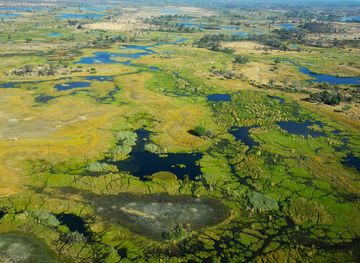
Explore Botswana: A land of stunning contrasts, rich wildlife, and cultural heritage. Discover the Okavango Delta, Kalahari Desert, and immerse in sustainable tourism.
Explore Botswana