Sua Pan, Makgadikgadi Pans Travel Guide
Experience the surreal beauty of Sua Pan, Botswana: a vast salt pan teeming with wildlife and stunning landscapes in the heart of the Kalahari.
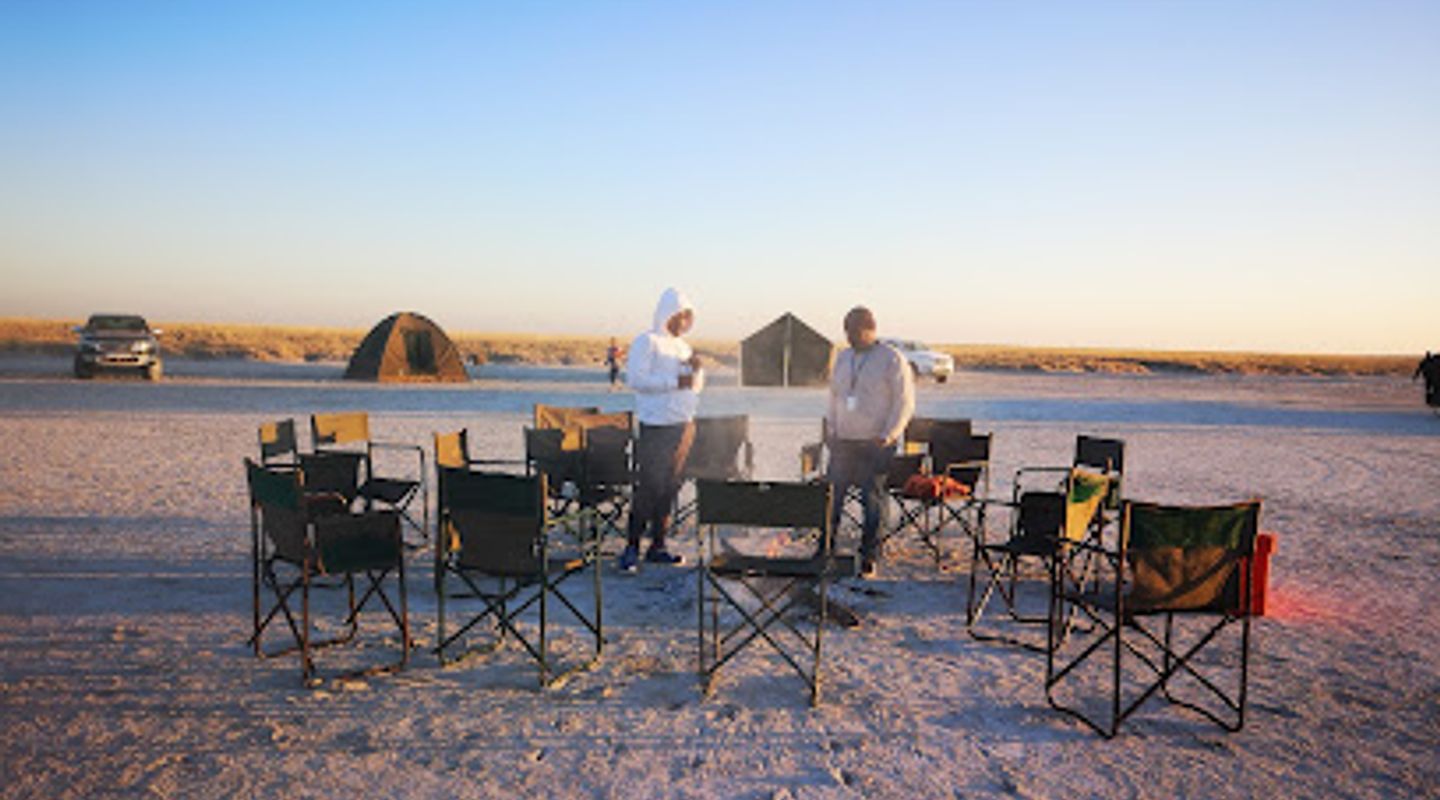
Sua Pan, also known as Sowa Pan, is a vast, seasonal salt pan in Botswana, part of the Makgadikgadi Pans, one of the largest salt pan systems in the world. During the rainy season, it transforms into a shallow lake, attracting diverse wildlife, especially flamingos. In the dry season, it becomes a seemingly endless expanse of shimmering salt.
A brief summary to Sua Pan
- BW

Know before you go
Hi, I'm Eve. Here are a few practical things to know before exploring Sua Pan.
- Visit during the rainy season (December-April) to witness the pan transformed into a lake teeming with flamingos and other waterbirds.
- A 4x4 vehicle is highly recommended due to the potential for muddy conditions, even during the dry season.
- Bring plenty of water, food, and fuel, as facilities are limited in the area.
- Consider visiting Kubu Island or Kukome Island, granite outcrops on the pan, for unique perspectives and historical remnants.
- Be prepared for extreme temperatures and bring appropriate clothing, including layers, sunscreen, and a hat.
Do you manage this location?
Take control to get all the benefits, like improved information, better appearance, and stronger visibility across AI-powered discovery. Learn more about listing your business on Evendo
Activate your presenceOther nearby places you may find interesting
The closest places of the same kind, if this one is not quite what you had in mind.
Explore Sua Pan on the Map
A handpicked selection of must-see spots near Sua Pan, mapped for you.
Getting There
-
Driving
Sua Pan is located in a remote area of Botswana, and reaching it typically involves driving. The nearest major town is Nata, located to the northeast of the pan. From Nata, take the A3 highway towards Maun. After approximately 30 kilometers, look for signs indicating Sua Pan. Turn off the main road and follow the dirt tracks that lead to the pan. A 4x4 vehicle is highly recommended, as the tracks can be rough and muddy, especially during the rainy season. There are no entrance fees to access Sua Pan itself, but some areas, such as the Nata Bird Sanctuary, may have entry fees. It's advisable to check with local sources for current conditions and any applicable fees.
-
Public Transport
While public transport directly to Sua Pan is limited, you can reach the nearby town of Nata via long-distance buses from major cities like Gaborone or Francistown. From Nata, you can hire a taxi or arrange for a local shuttle service to take you to Sua Pan. Be sure to negotiate the cost of the taxi beforehand, as prices can vary. The distance from Nata to Sua Pan is approximately 30 kilometers, and the journey may take around 30-45 minutes depending on road conditions. Expect to pay around BWP 200-300 for a taxi from Nata to Sua Pan.
Discover more about Sua Pan













Your all‑in‑one travel companion app
Explore expert travel guides, compare and book tours, experiences, hotels, and more—all from the palm of your hand. Download now for seamless trip planning wherever your wanderlust takes you.


Explore More of Makgadikgadi Pans
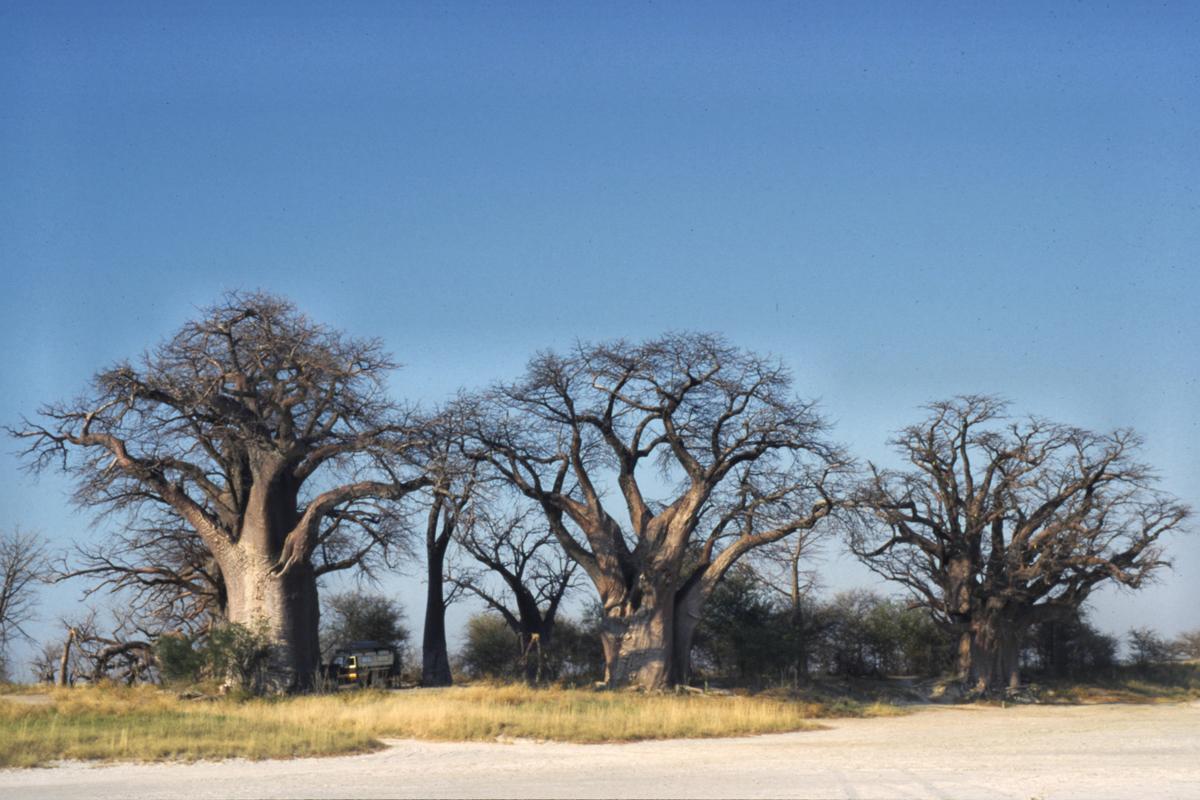
Looking beyond Sua Pan? Discover Makgadikgadi Pans for broader travel guides, local hot-spots, and regional highlights.
Explore Makgadikgadi Pans