

Makgadikgadi Pans, Botswana Travel Guide
Explore the surreal landscapes and rich wildlife of Makgadikgadi Pans, Botswana's stunning salt flats, where ancient history meets natural beauty.
The Makgadikgadi Pans, located in Botswana, are one of the largest salt flats in the world. These vast, shimmering white expanses are remnants of an ancient lake that once covered most of Botswana. Visiting the Makgadikgadi Pans is like stepping into a surreal landscape, where the horizon seems to stretch infinitely and the sky merges seamlessly with the earth below. During the dry season, the pans resemble a lunar landscape, with cracked, parched earth reflecting the sun's rays. However, the wet season transforms this barren land into a lush haven for wildlife. Thousands of flamingos and pelicans flock to the pans, and herds of zebras and wildebeests migrate across the plains, followed closely by predators. The contrast between the dry and wet seasons offers a unique experience for visitors, making it a year-round destination. Aside from the natural beauty, the Makgadikgadi Pans are also rich in cultural history. The indigenous San people have lived in this area for thousands of years, and their ancient rock paintings and tools can still be found. Visitors can learn about their traditional way of life and gain insight into their deep connection with the land. The Makgadikgadi Pans are a place of wonder and discovery, offering both natural splendor and cultural richness.

Know before you go
Hi, I'm Eve. Here are a few practical things to know before exploring Makgadikgadi Pans.
- Visit during both the dry and wet seasons to experience the dramatic changes in the landscape and wildlife.
- Bring a good pair of binoculars for bird watching, especially during the wet season when flamingos and pelicans are present.
- Consider hiring a local guide to learn about the San people and their ancient traditions.
- Pack sunscreen, sunglasses, and a hat to protect yourself from the intense sun, especially during the dry season.
- Plan your trip to include a night under the stars; the clear skies offer breathtaking stargazing opportunities.
Destinations in Makgadikgadi Pans
Resorts, valleys and scenic spots worth a trip of their own.


Explore Makgadikgadi Pans: Things to Do, Places to Eat, Hotels & More
Handpicked recommendations for top attractions, local dining, accommodations, and more

Top Attractions & Sightseeing in Makgadikgadi Pans
Top-rated picks
Best Attractions
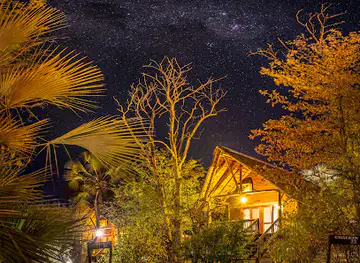
Nata Lodge
Explore the Makgadikgadi Pans from this comfortable lodge near the Nata Bird Sanctuary, a gateway to Botswana's natural wonders.

Nxai Pan National Park
Explore Botswana's Nxai Pan National Park: Witness massive migrations, ancient baobabs, and stunning Kalahari landscapes. A unique safari adventure awaits!

Orapa Game Park
Discover the enchanting Orapa Game Park, a wildlife haven in Botswana, perfect for nature lovers and adventure seekers alike.

Baines Baobabs
Discover the enchanting beauty of Baines Baobabs, home to ancient trees and breathtaking landscapes in Botswana's wilderness.

Best landmarks in Makgadikgadi Pans
Top-rated picks
Best Landmarks

Elephant Sands Lodge
Experience unforgettable elephant encounters at this unique bush lodge and campsite in Botswana, where wildlife roams freely.

Moremi Game Reserve
Discover Botswana's Moremi Game Reserve: a stunning Okavango Delta sanctuary with diverse wildlife, lush landscapes, and unforgettable safari experiences.

Nata Lodge
Your comfortable base for exploring the Makgadikgadi Salt Pans and Nata Bird Sanctuary in beautiful Botswana.

Planet Baobab
Experience Botswana's quirky side: ancient baobabs, vast salt pans, and Afro-chic adventures near Gweta.

Best restaurants in Makgadikgadi Pans
Top-rated picks
Best Restaurants

Nando's Letlhakane
Discover the taste of flame-grilled perfection at Nando's Letlhakane - where Portuguese flavors meet South African hospitality.

Nata Lodge
Experience luxury and adventure at Nata Lodge - your gateway to Botswana's breathtaking wildlife and landscapes.
Planet Baobab
Discover comfort and adventure at Planet Baobab, where Botswana's beauty meets exceptional hospitality amidst iconic baobab trees.

Makgadikgadi Pans National Park
Discover Makgadikgadi Pans National Park: A captivating blend of wildlife and stunning salt flats in Botswana's breathtaking landscapes.

Best bars in Makgadikgadi Pans
Top-rated picks
Best Bars

Elephant Sands Lodge
Discover the wild beauty of Botswana at Elephant Sands Lodge, where nature meets luxury and unforgettable experiences await.

Nata Lodge
Discover the enchanting beauty of Botswana at Nata Lodge, a tranquil retreat surrounded by nature's wonders and rich wildlife.

MAKUMUTU LODGE & CAMPSITE
Discover the perfect blend of comfort and adventure at Makumutu Lodge & Campsite in Orapa, Botswana, your gateway to unforgettable wildlife experiences.

Eselbe Camp Backpackers
Discover the enchanting beauty of Botswana at Eselbe Camp Backpackers – a vibrant haven for travelers seeking adventure and connection.

Best nightclubs in Makgadikgadi Pans
Top-rated picks
Best Nightclubs
Makgadikgadi Lodge
Discover the essence of Botswana at Makgadikgadi Lodge, your gateway to adventure and tranquility amidst stunning landscapes.

Jack's Camp
Experience the unique charm of Jack's Camp, where luxury meets adventure in Botswana's breathtaking wilderness, offering unforgettable safari experiences.

Golf Club House
Discover the Golf Club House in Orapa, where stunning views meet a vibrant social scene, perfect for golf enthusiasts and relaxation seekers.

Makgadikgadi Epic
Explore the breathtaking beauty and cultural richness of Makgadikgadi Epic, a premier event venue in the heart of Botswana's stunning landscape.

Best shops in Makgadikgadi Pans
Top-rated picks
Best Shops

Nata Lodge
Experience the beauty of Botswana at Nata Lodge, your serene oasis for adventure and relaxation amidst breathtaking landscapes.

SPAR Letlhakane
Experience the vibrant local culture and flavors at SPAR Letlhakane, the supermarket that has it all for tourists exploring Botswana.

Makgadikgadi Pans National Park
Experience the breathtaking beauty and unique wildlife of Makgadikgadi Pans National Park, a hidden gem in Botswana's stunning wilderness.

Choppies Letlhakane
Explore the vibrant local culture at Choppies Letlhakane, your go-to grocery store for fresh produce and Botswana essentials.

Explore Makgadikgadi Pans on the Map
A handpicked selection of must-see spots in Makgadikgadi Pans, mapped for you.
Makgadikgadi Pans Essentials
-
Makgadikgadi Pans is situated in northeastern Botswana. The nearest airport is Maun International Airport (MUB), approximately 200 kilometers west of the pans. From Maun, you can hire a 4x4 vehicle or join a guided safari tour to reach Makgadikgadi. Alternatively, Francistown Airport (FRW) is around 250 kilometers southeast of the pans. Both airports offer domestic connections and some international flights.
-
The Makgadikgadi Pans area is vast and remote, so renting a 4x4 vehicle is highly recommended to navigate the rugged terrain. Organized safari tours are also an excellent option, providing guided experiences with knowledgeable local experts. Self-driving is possible but ensure you are fully prepared with maps, GPS, and sufficient supplies. There is no public transport within the pans.
-
The official currency of Botswana is the Botswana Pula (BWP). Credit cards are accepted in larger hotels and lodges, but cash is essential for smaller establishments and remote areas. ATMs are available in Maun and Francistown, so it’s wise to withdraw sufficient cash before heading to the pans.
-
The Makgadikgadi Pans are generally safe for tourists, but standard precautions should be taken. Avoid traveling alone, particularly at night, and always inform someone of your travel plans. Wildlife can pose a risk; keep a safe distance and follow the guidance of experienced guides. There are no specific high-crime areas targeting tourists, but remain vigilant and safeguard your belongings.
-
In case of an emergency, dial 999 for immediate assistance. Medical facilities are limited in the Makgadikgadi area, so travel insurance that covers medical emergencies is essential. For minor health issues, basic first aid kits and over-the-counter medications should be carried. The nearest hospitals are in Maun and Francistown.
-
Fashion: Do wear lightweight, breathable clothing and sturdy footwear. Avoid bright colors that may disturb wildlife. Religion: Do respect local customs and cultural sites. Refrain from photographing people without permission. Public Transport: Do not rely on public transport within the pans; arrange for private transportation. Greetings: Do greet locals with a friendly hello and a handshake. Eating & Drinking: Do try local cuisine and accept food offerings graciously. Don’t waste food, as it is considered disrespectful.
-
To experience Makgadikgadi Pans like a local, join a guided walking safari to learn about the unique ecosystem and traditional uses of native plants. Visit the local villages to engage with the indigenous communities and learn about their way of life. Don’t miss the opportunity to witness the spectacular zebra and wildebeest migrations, typically between November and April. For a memorable experience, consider a night under the stars in a mobile camp.
When is the best time to visit Makgadikgadi Pans?
Useful Local Phrases for Makgadikgadi Pans
You don't need to speak the language perfectly. Even learning a few simple words can make conversations warmer—and locals usually appreciate the effort.
— Eve

Here are the phrases I use most often in Makgadikgadi Pans. Try a few—you'll be surprised how far they go! 😊
❤️
-
- HelloDumelang
[Doo-meh-lang] - GoodbyeTsamaya sentle
[Tsah-mah-yah sen-tleh] - YesEe
[Eh] - NoAowa
[Ah-oh-wah] - Please/You're welcomeO kae
[Oh kah-eh] - Thank youKe a leboga
[Keh ah leh-boh-gah] - Excuse me/SorryNtshwarele
[Nts-hwah-reh-leh] - How are you?O kae?
[Oh kah-eh?] - Fine. And you?Ke a itumelela. Wena?
[Keh ah ee-tuh-meh-leh. Weh-nah?] - Do you speak English?A o bua Seesimane?
[Ah oh boo-ah See-sih-mah-neh?] - I don't understandKe sitwa go tlhaloganya
[Keh see-twah go th-lah-loh-gah-nyah]
- HelloDumelang
-
- I'd like to see the menu, pleaseKe kopa go bona lenaneo, tsweetswee
[Keh koh-pah go boh-nah leh-nah-eh-noh, tswee-tswee] - I don't eat meatKe sitwa go ja nama
[Keh see-twah go jah nah-mah] - Cheers!Tsamaya sentle!
[Tsah-mah-yah sen-tleh!] - I would like to pay, pleaseKe kopa go lefa, tsweetswee
[Keh koh-pah go leh-fah, tswee-tswee]
- I'd like to see the menu, pleaseKe kopa go bona lenaneo, tsweetswee
-
- Help!Thusa!
[Too-sah!] - Go away!Tsamaya!
[Tsah-mah-yah!] - Call the Police!Bulela mapolesa!
[Boo-leh-lah mah-poh-leh-sah!] - Call a doctor!Bulela ngaka!
[Boo-leh-lah ngah-kah!] - I'm lostKe a sitwa
[Keh ah see-twah] - I'm illKe a felela
[Keh ah feh-leh-lah]
- Help!Thusa!
-
- I'd like to buy...Ke kopa go reka...
[Keh koh-pah go reh-kah...] - I'm just lookingKe ntse ke lebelela
[Keh n-tseh keh leh-beh-leh-lah] - How much is it?Ke bokae?
[Keh boh-kah-eh?] - That's too expensiveSeo se a kotsi
[Seh-oh seh ah koh-tsi] - Can you lower the price?A o ka kgutlha theko?
[Ah oh kah khoo-tlah teh-koh?]
- I'd like to buy...Ke kopa go reka...
-
- What time is it?Ke nako e kae?
[Keh nah-koh eh kah-eh?] - It's one o'clockKe ngwaga e le ngwaga
[Keh ng-wah-gah eh leh ng-wah-gah] - Half past (10)Pele ga (10)
[Pe-leh gah (10)] - MorningMosong
[Moh-sohng] - AfternoonMadikwe
[Mah-dee-kweh] - EveningMantswe
[Mahn-tsweh] - YesterdayMaabane
[Mah-bah-neh] - TodayGompieno
[Gohm-pee-eh-noh] - TomorrowBorai
[Boh-rah-ee] - 1Nngwe
[Nn-gweh] - 2Pedi
[Pe-dee] - 3Tharo
[Thah-roh] - 4Nne
[Nn-eh] - 5Tlhano
[Tlah-noh] - 6Nts'etso
[Nts'eh-tsoh] - 7Sebaga
[Seh-bah-gah] - 8Nne
[Nn-eh] - 9Nngwe
[Nn-gweh] - 10Lesome
[Leh-soh-meh]
- What time is it?Ke nako e kae?
-
- Where's a/the...?Kae mo...?
[Kah-eh moh...?] - What's the address?Aterese ke eng?
[Ah-teh-reh-seh keh ehng?] - Can you show me (on the map)?A o ka ntlhopha (mo karateng)?
[Ah oh kah nt-lhoh-pah (moh kah-rah-teh-ng)?] - When's the next (bus)?Neng ke iketle?
[Nehng keh ee-keh-tleh?] - A ticket (to ....)Tiket (go ...)
[Tee-ket (goh ...)]
- Where's a/the...?Kae mo...?
History of Makgadikgadi Pans
-
The Makgadikgadi Pans are one of the largest salt flats in the world, formed over millennia. Originally, this area was a massive ancient lake that covered much of northern Botswana, fed by the Okavango, Zambezi, and other rivers. Over time, climatic changes caused the lake to dry up, leaving behind vast salt flats and natural depressions.
-
Archaeological evidence suggests that early human populations inhabited the Makgadikgadi region tens of thousands of years ago. Stone tools and other artifacts have been discovered in the area, indicating that it has been a site of human activity since the Middle Stone Age.
-
The San people, also known as Bushmen, have lived in the Makgadikgadi region for thousands of years. Their deep knowledge of the land, flora, and fauna has enabled them to survive in this harsh environment. They have a rich cultural heritage that includes rock art, traditional music, and storytelling.
-
During the 19th century, European explorers and traders, such as David Livingstone, ventured into the Makgadikgadi region. These encounters often led to significant changes in the local way of life, including the introduction of new trade goods and the disruption of traditional social structures.
-
In more recent history, efforts have been made to conserve the unique ecosystem of the Makgadikgadi Pans. The establishment of the Makgadikgadi Pans National Park in 1992 was a significant step towards protecting the area's wildlife and natural beauty. This conservation initiative has also helped to promote sustainable tourism.
-
Today, the Makgadikgadi Pans are a popular destination for tourists seeking to experience Botswana's natural wonders. The area is known for its stunning landscapes, diverse wildlife, and vibrant cultural heritage. Visitors can explore the salt flats, observe migratory birds, and learn about the history and traditions of the local communities.
Neighbouring Regions of Makgadikgadi Pans
The closest regions to Makgadikgadi Pans, if you have time for more than one.


Your all‑in‑one travel companion app
Explore expert travel guides, compare and book tours, experiences, hotels, and more—all from the palm of your hand. Download now for seamless trip planning wherever your wanderlust takes you.


Explore More of Botswana
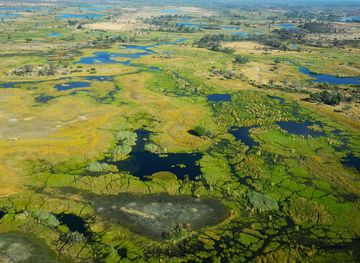
Looking beyond Makgadikgadi Pans? Discover Botswana for broader travel guides, local hot-spots, and regional highlights.
Explore BotswanaMakgadikgadi Pans in Photos
Browse through our photo collection highlighting the charm and character of the destination.


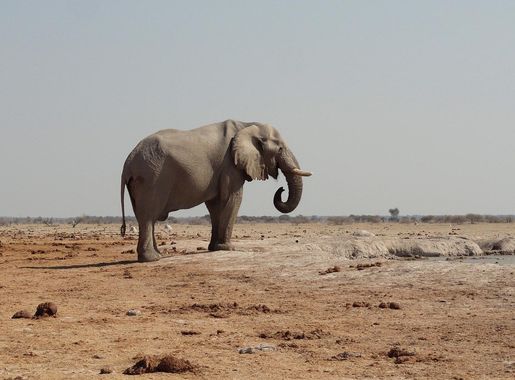


The Enchanting Makgadikgadi Pans
The Makgadikgadi Pans, located in Botswana, are one of the largest salt flats in the world. These vast, shimmering white expanses are remnants of an ancient lake that once covered most of Botswana. Visiting the Makgadikgadi Pans is like stepping into a surreal landscape, where the horizon seems to stretch infinitely and the sky merges seamlessly with the earth below. During the dry season, the pans resemble a lunar landscape, with cracked, parched earth reflecting the sun's rays. However, the wet season transforms this barren land into a lush haven for wildlife. Thousands of flamingos and pelicans flock to the pans, and herds of zebras and wildebeests migrate across the plains, followed closely by predators. The contrast between the dry and wet seasons offers a unique experience for visitors, making it a year-round destination. Aside from the natural beauty, the Makgadikgadi Pans are also rich in cultural history. The indigenous San people have lived in this area for thousands of years, and their ancient rock paintings and tools can still be found. Visitors can learn about their traditional way of life and gain insight into their deep connection with the land. The Makgadikgadi Pans are a place of wonder and discovery, offering both natural splendor and cultural richness.