

Jericoacoara Travel Guide - Free Web & App
Your ultimate guide to Jericoacoara. Discover top landmarks, proposed trips, and local tips. Free on the web or via the Evendo companion app.


Jericoacoara, Brazil, pairs sweeping dunes, Pedra Furada, lagoons and kitesurfing with village life, sunset walks and Ceará flavours.
A Coastal Landscape Shaped by Wind and Water
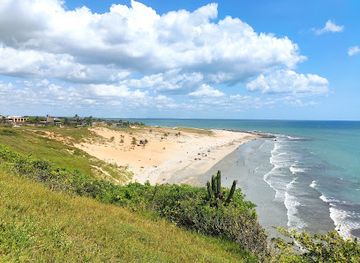
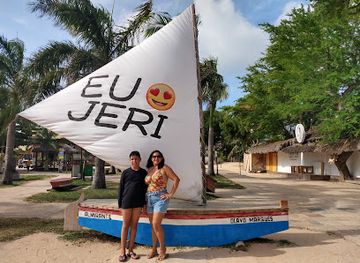
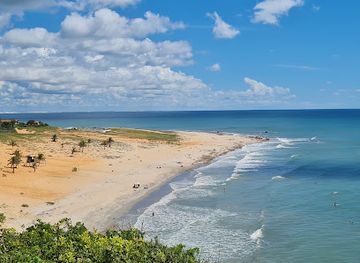
Jericoacoara lies on Brazil’s northern Ceará coast, within and around the Parque Nacional de Jericoacoara, where shifting dunes, freshwater lagoons, mangroves and a broad Atlantic shoreline create a landscape in constant motion. The destination is centred on Vila de Jericoacoara, a former fishing settlement whose sandy lanes and low-rise buildings sit several kilometres from the nearest paved road. The village is widely known as Jeri, while the wider visitor region extends towards Jijoca de Jericoacoara, Preá and the lagoons east of the national park.Read more about Jericoacoara
The Village and Its Natural Setting
Outdoor Life and Local Character
When is the best time to visit Jericoacoara?
Best: December–February · 32°C| Month | High (°C) | Rainfall (mm) |
|---|---|---|
| January (best) | 32 | 0 |
| February (best) | 32 | 0 |
| March | 33 | 0 |
| April | 33 | 0 |
| May | 33 | 0 |
| June | 33 | 0 |
| July | 33 | 0 |
| August | 33 | 0 |
| September | 33 | 0 |
| October | 33 | 0 |
| November | 33 | 0 |
| December (best) | 32 | 0 |
Getting to and around Jericoacoara
How to get there
Transportation
Best attractions in Jericoacoara
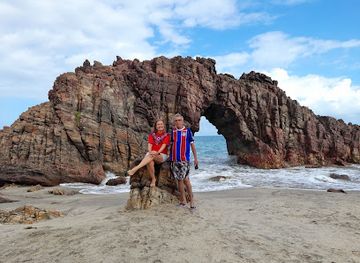
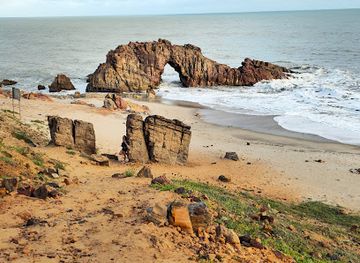
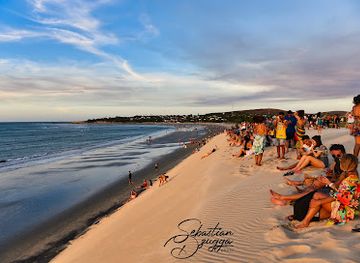
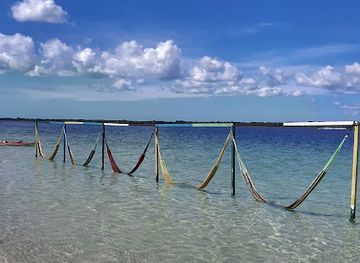
The principal attractions of Jericoacoara are spread across the national park and the wider coastal area rather than concentrated in the village. Pedra Furada is the destination’s best-known natural sight, an eroded rock arch reached by a coastal walk when tides allow or by routes through the dunes. Duna do Pôr do Sol rises beside the village and is a popular place to watch the sun descend over the Atlantic. West of the settlement, the dune and mangrove landscapes around Mangue Seco offer a contrasting excursion, while the lagoons of the wider Jijoca region, especially Lagoa do Paraíso and Lagoa Azul, are associated with clear water, pale sand and watersports. Preá, east of the park, has a long beach and strong wind-sports identity. The village itself, with sandy lanes, simple low-rise buildings and restaurants, remains an attraction for visitors interested in Jericoacoara’s distinctive coastal atmosphere.
-
Tourist attraction
Praia da Malhada
Discover tranquility and natural beauty at Praia da Malhada, a serene beach escape in Jericoacoara, Ceará, perfect for relaxation and hiking.
-
Plaza
Praça de Jericoacoara
Experience the vibrant culture & stunning sunsets at Praça de Jericoacoara, the heart of Jijoca de Jericoacoara, Brazil. A must-see coastal paradise!
-
Tourist attraction
Trilha da Pedra Furada
Hike to the iconic Pedra Furada in Jericoacoara, Ceará, and witness a breathtaking natural rock arch sculpted by the ocean breeze.
-
Tourist attraction
Piscina Natural Ananias
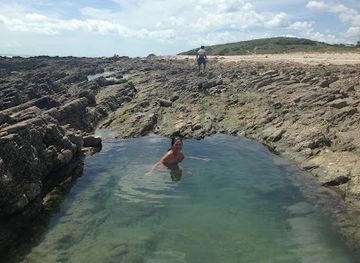
Discover the serene beauty of Piscina Natural Ananias in Jijoca de Jericoacoara, Brazil, a perfect spot for swimming, snorkeling, and unforgettable sunsets.
Best landmarks in Jericoacoara
Pedra Furada is Jericoacoara’s signature natural landmark, a sea-carved arch standing on the rocky shoreline east of the village and closely associated with the destination’s public image. Duna do Pôr do Sol is a prominent mobile-sand formation beside Vila de Jericoacoara, valued for its elevated view across the Atlantic at the end of the day. The Parque Nacional de Jericoacoara itself is the defining protected landscape, incorporating dune fields, beaches, lagoons and mangrove environments rather than a single monumental site. In the wider region, Lagoa do Paraíso and Lagoa Azul are notable freshwater landmarks near Jijoca de Jericoacoara, while the coast and dunes around Preá express the area’s wind-shaped geography. The village’s sandy streets and low-rise former fishing-settlement character are cultural landmarks in their own right, reflecting a community transformed by tourism without becoming a conventional urban resort.
-
National park
Jericoacoara National Park
Discover the enchanting landscapes and adventure-filled activities at Jericoacoara National Park in Brazil, a true nature lover's paradise.
-
Tourist attraction
Pedra Furada
Discover Pedra Furada, Jericoacoara's iconic 'Pierced Stone,' a natural wonder sculpted by the ocean and steeped in history.
-
Tourist attraction
Dune Sunset Jericoacoara
Witness a breathtaking sunset from the iconic Dune Sunset in Jericoacoara, Brazil. A daily spectacle of nature's beauty you won't forget.
-
Tourist attraction
Paradise Lagoon
Discover Paradise Lagoon in Jericoacoara: Pristine waters, stunning landscapes, and a serene escape in Brazil's tropical haven.
Explore Jericoacoara on the map
Plan your trip on one map. See where the top attractions, landmarks, restaurants and hotels are, and book hotels and experiences in a few clicks.
Best hotels in Jericoacoara
Best restaurants in Jericoacoara
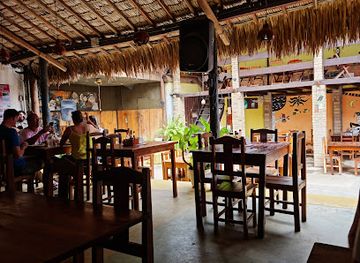
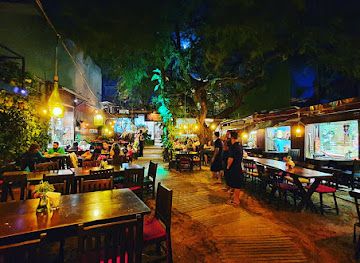
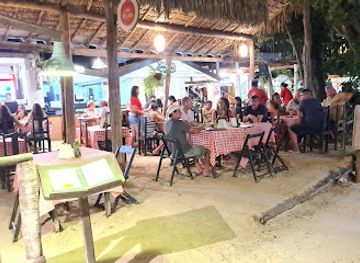
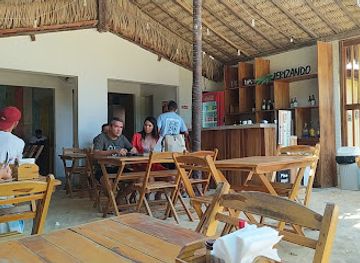
Jericoacoara’s dining scene reflects Ceará’s coastal and sertão influences, with seafood, grilled fish, prawns, octopus, tapioca, cuscuz, carne de sol, queijo coalho, cassava and tropical fruit appearing across menus. Caju, coconut, mango and regional sweets such as rapadura contribute to the local flavour, while fresh juices and Brazilian coffee are common daytime choices. Most of the established restaurant and café selection is concentrated in Vila de Jericoacoara, where both traditional Brazilian food and international styles are available for a destination with a substantial visitor economy. Smaller settlements and lagoon areas have more limited options, often centred on pousadas, simple eateries and beach or waterside establishments. Along the coast, availability can be seasonal and remote excursions may not pass regular food outlets, making it sensible to carry water and confirm meal arrangements before leaving the village.
-
Restaurant
Dona Amélia Restaurante
Discover the vibrant flavors of Brazil at Dona Amélia Restaurante in Jijoca de Jericoacoara—where family dining meets exceptional cuisine.
-
Restaurant
Restaurante Tamarindo
Experience exquisite Brazilian cuisine at Restaurante Tamarindo in Praia de Jericoacoara—where fresh flavors meet stunning coastal views.
-
Restaurant
Restaurante Pimenta Verde Jericoacoara Ceará
Discover fresh seafood delights and vibrant cocktails at Restaurante Pimenta Verde in Jericoacoara - where culinary excellence meets tropical charm.
-
Brazilian
Jerizando Restaurante e Pizzaria
Discover authentic Brazilian flavors at Jerizando Restaurante e Pizzaria in Jijoca de Jericoacoara - A culinary delight by the sea.
Best bars in Jericoacoara
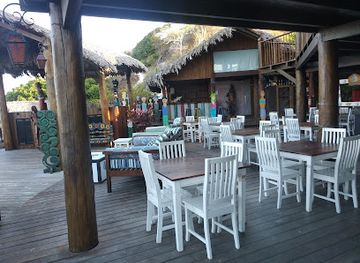
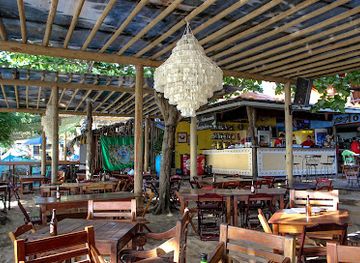
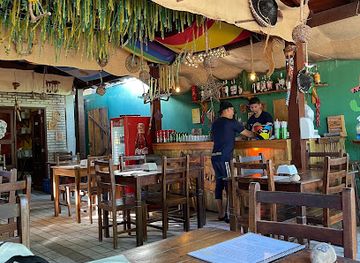
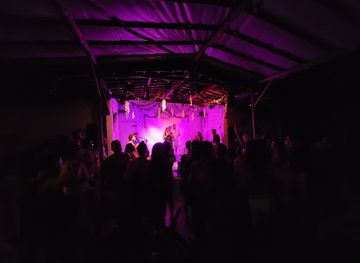
Evenings in Jericoacoara are centred on Vila de Jericoacoara, where restaurants, casual bars and pousada courtyards create a sociable atmosphere along sandy streets. Brazilian music, forró, reggae and live or recorded performances may feature in the village, but the programme and venue opening patterns are seasonal rather than guaranteed. The destination is lively compared with many remote coastal settlements, yet its nightlife remains compact and informal rather than resembling a major city club district. Preá and the lagoon areas tend to offer quieter evenings, with hospitality venues serving visitors staying nearby or returning from watersports. Away from settled areas there is little conventional nightlife, so visitors should not expect a continuous strip of late-night venues across the national park.
-
Seafood
The Alchymist Beach Club
Experience exquisite seafood and refreshing salads at The Alchymist Beach Club, your tropical dining destination in Lagoa do Paraíso, Jericoacoara.
-
Bar
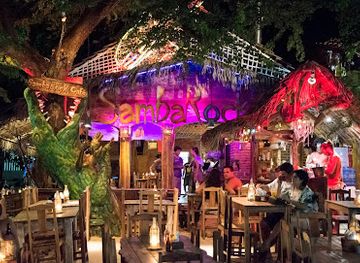
Samba Rock Café | Praia de Jericoacoara
Experience the vibrant spirit of Brazilian culture at Samba Rock Café in beautiful Jericoacoara, where delicious food and lively entertainment await.
-
Bar
Bar do Alexandre
Experience the vibrant flavors and stunning views at Bar do Alexandre in Jijoca de Jericoacoara, where every sip and bite tells a story.
-
Mexican
The Greatestbar Dumundu
Experience the vibrant flavors of Mexico at The Greatestbar Dumundu, a must-visit restaurant in Jijoca de Jericoacoara offering authentic dishes and a lively atmosphere.
Best nightclubs in Jericoacoara
Evenings in Jericoacoara are centred on Vila de Jericoacoara, where restaurants, casual bars and pousada courtyards create a sociable atmosphere along sandy streets. Brazilian music, forró, reggae and live or recorded performances may feature in the village, but the programme and venue opening patterns are seasonal rather than guaranteed. The destination is lively compared with many remote coastal settlements, yet its nightlife remains compact and informal rather than resembling a major city club district. Preá and the lagoon areas tend to offer quieter evenings, with hospitality venues serving visitors staying nearby or returning from watersports. Away from settled areas there is little conventional nightlife, so visitors should not expect a continuous strip of late-night venues across the national park.
-
Seafood
The Alchymist Beach Club
Discover a seafood lover's paradise at The Alchymist Beach Club, where exquisite dining meets breathtaking lagoon views in beautiful Jericoacoara.
-
Bar
ClubVentos
Discover the vibrant atmosphere of ClubVentos, a must-visit beach bar in Jijoca de Jericoacoara offering stunning ocean views and delicious tropical drinks.
-
Bar
Nox Bar
Experience the vibrant nightlife at Nox Bar in Jericoacoara, where cocktails and camaraderie blend seamlessly under the stars.
-
Night club
Espaço Serra Mar
Discover the electrifying nightlife of Jijoca de Jericoacoara at Espaço Serra Mar, where music and dance create unforgettable memories.


Best shops in Jericoacoara
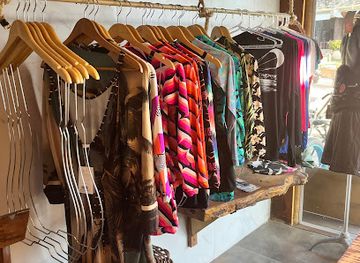
Shopping in Jericoacoara is concentrated in Vila de Jericoacoara and is oriented towards small independent businesses rather than large commercial centres. Visitors can find Ceará handicrafts, beachwear, locally made jewellery, woven or crocheted items, decorative art and practical goods for the coast, alongside regional foods and souvenirs. Some products reflect wider northeastern Brazilian craft traditions, including work in fibres, leather, wood and textiles, although provenance and availability vary between sellers. Small markets and artisan stalls may appear at different times, while everyday provisions are available through village shops rather than a conventional supermarket district. Preá and Jijoca offer additional practical shopping and local services, but visitors staying in the national park should not expect extensive retail facilities away from the settled gateways.
-
Store
Harmony
Discover unique crafts and souvenirs at Harmony, a serene shopping destination in the heart of Jijoca de Jericoacoara, Ceará, Brazil.
-
Shoe store
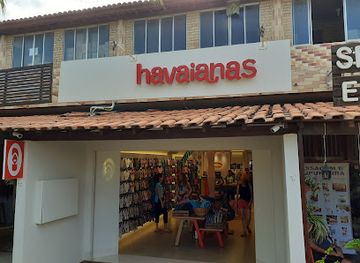
Havaianas Jericoacoara - Jijoca de jericoacoara
Explore the vibrant world of Havaianas Jericoacoara, where stylish flip-flops and beachwear meet the charm of coastal Brazil.
-
Souvenir store
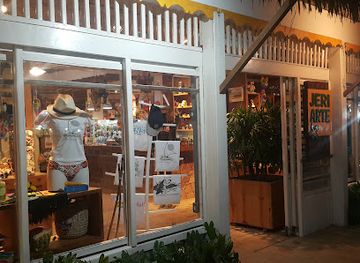
Jeri Arte
Explore Jeri Arte, the ultimate souvenir and beach clothing store in Jericoacoara, capturing the spirit of Brazil's stunning coastline.
-
Clothing store
Pepestyle
Discover vibrant fashion at Pepestyle, the premier clothing store in Jijoca de Jericoacoara, capturing the essence of coastal style.

Get your free copy of our complete guide to Jericoacoara, delivered straight to you.
Everything on this page, from attractions and restaurants to essentials and local phrases, in one PDF you can read offline, print or share.
Already have an account? Sign in
Your Jericoacoara guide is ready.
We'll send it to · Not you? Sign out

Getting your guide ready…
We are putting together a fresh copy of the Jericoacoara guide. This can take up to a minute.
This can take a few moments. If your browser asks, choose Allow so the download can start. You'll find the guide in your Downloads folder.
Nothing happened? Download it again
Sorry, the guide is taking longer than usual. Please try again in a minute, or get it by email instead.
Jericoacoara essentials
Currency and Payment
Safety
Emergency Situations
Do's and Don'ts
Local Tips
From Eve
Local phrases worth knowing
You don't need to get them perfect. A few words go a long way, and locals appreciate the effort.
Basics
| English | Local | Say it |
|---|---|---|
| Hello | Oi | [oy] |
| Goodbye | Tchau | [chow] |
| Yes | Sim | [seem] |
| No | Não | [now] |
| Please/You're welcome | Por favor/De nada | [pohr fah-vohr/deh nah-dah] |
| Thank you | Obrigado/Obrigada | [oh-bree-gah-doh/oh-bree-gah-dah] |
| Excuse me/Sorry | Com licença/Desculpe | [kohm lee-sen-sah/dehs-kool-peh] |
| How are you? | Como vai? | [koh-moh vah-ee] |
| Fine. And you? | Bem. E você? | [behm. eh voh-seh] |
| Do you speak English? | Você fala inglês? | [voh-seh fah-lah een-glehsh] |
| I don't understand | Eu não entendo | [eh-oo now en-ten-doh] |
Eating & Drinking
| English | Local | Say it |
|---|---|---|
| I'd like to see the menu, please | Eu gostaria de ver o cardápio, por favor | [eh-oo goh-stah-ree-ah deh vehr oh kahr-dah-pee-oh, pohr fah-vohr] |
| I don't eat meat | Eu não como carne | [eh-oo now koh-moh kahr-nee] |
| Cheers! | Saúde! | [sah-oo-deh] |
| I would like to pay, please | Eu gostaria de pagar, por favor | [eh-oo goh-stah-ree-ah deh pah-gahr, pohr fah-vohr] |
Emergencies
| English | Local | Say it |
|---|---|---|
| Help! | Socorro! | [soh-koh-roh] |
| Go away! | Vá embora! | [vah ehm-boh-rah] |
| Call the Police! | Chame a Polícia! | [shah-meh ah poh-lee-see-ah] |
| Call a doctor! | Chame um médico! | [shah-meh oom meh-dee-koh] |
| I'm lost | Estou perdido | [eh-stoh pehr-dee-doh] |
| I'm ill | Estou doente | [eh-stoh doo-ehn-chee] |
Shopping
| English | Local | Say it |
|---|---|---|
| I'd like to buy... | Eu gostaria de comprar... | [eh-oo goh-stah-ree-ah deh kohm-prahr...] |
| I'm just looking | Estou só olhando | [eh-stoh soh oh-lhahn-doh] |
| How much is it? | Quanto custa? | [kwahn-too koos-tah] |
| That's too expensive | Isso é muito caro | [ee-soh eh moo-ee-toh kah-roh] |
| Can you lower the price? | Você pode baixar o preço? | [voh-seh poh-deh bah-ee-shahr oh preh-soh] |
Time & Numbers
| English | Local | Say it |
|---|---|---|
| What time is it? | Que horas são? | [keh oh-rahz sah-oo] |
| It's one o'clock | É uma hora | [eh oo-mah oh-rah] |
| Half past (10) | Meio dia e meia | [may-oh dee-ah eh may-ah] |
| Morning | Manhã | [mah-nyah] |
| Afternoon | Tarde | [tahr-deh] |
| Evening | Noite | [noy-chee] |
| Yesterday | Ontem | [ohn-tehm] |
| Today | Hoje | [oh-zheh] |
| Tomorrow | Amanhã | [ah-mah-nyah] |
| 1 | Um | [oom] |
| 2 | Dois | [doh-eez] |
| 3 | Três | [trehz] |
| 4 | Quatro | [kwah-troh] |
| 5 | Cinco | [seen-koh] |
| 6 | Seis | [sayz] |
| 7 | Sete | [seh-teh] |
| 8 | Oito | [oy-toh] |
| 9 | Nove | [noh-vee] |
| 10 | Dez | [dehz] |
Transport & Directions
| English | Local | Say it |
|---|---|---|
| Where's a/the...? | Onde fica...? | [ohn-deh fee-kah] |
| What's the address? | Qual é o endereço? | [kwahl eh oh ehn-deh-reh-soh] |
| Can you show me (on the map)? | Você pode me mostrar (no mapa)? | [voh-seh poh-deh meh moh-strahr (noo mah-pah)] |
| When's the next (bus)? | Quando é o próximo (ônibus)? | [kwahn-doh eh oh proh-see-moh (oh-nee-boos)] |
| A ticket (to ....) | Um bilhete (para ....) | [oom beel-yeh-chee (pah-rah)] |
History of Jericoacoara
Coastal Formation and Dune Movement
Jericoacoara’s physical setting predates human settlement by geological timescales. Atlantic waves, wind, sand and seasonal rainfall have shaped the coast’s dune fields, freshwater lagoons, beaches and tidal environments. Dunes continue to migrate and reform, while the position and depth of lagoons can vary according to rainfall, evaporation and sediment movement. This dynamic landscape explains both the area’s visual character and the practical difficulty of building conventional roads through parts of the region. The natural environment, rather than a fixed urban plan, remains central to how visitors move through and understand Jericoacoara.
Fishing Settlement and Coastal Life
Before tourism became the area’s main economic force, Vila de Jericoacoara was a small fishing community linked to the sea, surrounding dunes and seasonal freshwater sources. Local livelihoods depended on fishing and other coastal activities, with the settlement remaining relatively isolated from Brazil’s major urban centres. The village’s traditional scale and sandy pathways still distinguish it from the planned resort developments found elsewhere along the Ceará coast. Fishing culture also continues to influence the region’s food traditions, especially the use of seafood, although tourism has transformed employment, land values and the everyday rhythm of the community.
From Remote Coast to International Destination
Jericoacoara entered wider public awareness during the late twentieth century, when travellers began to reach its remote beach and fishing village in growing numbers. The journey from Fortaleza was historically long and difficult, involving unpaved coastal routes and sandy tracks, which helped preserve the settlement’s low-density character for longer than in many accessible beach destinations. International visitors, wind sports enthusiasts and Brazilian holidaymakers gradually created demand for guesthouses, restaurants, guiding services and transport. Tourism brought new opportunities but also placed pressure on water resources, waste management, housing and the fragile dune environment.
The National Park and Environmental Protection
The Parque Nacional de Jericoacoara was created in 2002 to protect a broad coastal system including dunes, beaches, mangroves, lagoons and other habitats around the village. Its establishment formalised the importance of conservation in a destination already valued for its scenery, while later management has had to balance visitor access, local livelihoods and development. The park is not an enclosed attraction with a single entrance experience: it is a living landscape crossed by authorised routes and influenced by tides, weather and shifting sand. Visitors encounter its environmental purpose through access controls, vehicle rules and the need to avoid damaging vegetation and dune faces.
Jericoacoara in Photos
Browse through our photo collection highlighting the charm and character of the destination.
Neighbouring destination travel guides
The closest destinations to Jericoacoara, if you have time for more than one.
-

-

-

-

-


Swipe for more destinations
Explore more

Explore more of Northeast Region
Discover the vibrant culture, stunning beaches, and diverse landscapes of Northeast Brazil, a tropical paradise that promises unforgettable experiences for every traveler.
Explore Northeast Region
Explore more of Brazil
Discover Brazil: a land of samba, stunning landscapes, and rich history. From the Amazon to Rio, explore diverse cultures, world-class cuisine, and vibrant festivals.
Explore Brazil