

Boa Viagem (Recife) Travel Guide - Free
Explore Boa Viagem in Recife with Evendo's free guide. Find the best shops, historic streets, restaurants, and gems on web or mobile.


Boa Viagem, Recife, pairs a broad Atlantic beach with reef pools, seaside parks, local markets, restaurants and easy access to Pernambuco’s capital.
Beachfront Character
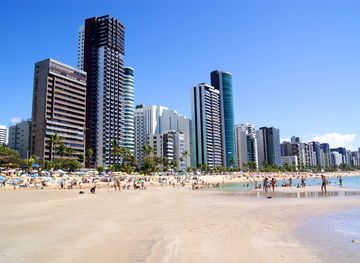
Boa Viagem occupies Recife’s eastern shoreline, where a long urban beach runs beside Avenida Boa Viagem and a broad promenade of palms, cycle lanes and public spaces. Offshore reefs create calmer natural pools at low tide, although visitors should follow local advice because Recife’s beaches have well-known shark-safety concerns and changing sea conditions. The beach is part of everyday city life rather than an isolated resort: residents walk, exercise, meet friends and use the seafront throughout the day.Read more about Boa Viagem
Streets, Parks and Public Life
Local Heritage and Culture
Best attractions in Boa Viagem
Boa Viagem’s central attraction is its broad urban beach, where reefs form shallow pools at low tide and the promenade provides a long route for walking, cycling and observing Recife’s coastal life. Praça de Boa Viagem combines the historic church of Nossa Senhora da Boa Viagem with the Feira de Boa Viagem, making it one of the neighbourhood’s most recognisable public spaces. Along the waterfront, the First, Second and Third Gardens provide landscaped viewpoints and places to pause between stretches of beach. In the southern part of the neighbourhood, Parque Dona Lindu adds an architectural and cultural destination designed by Oscar Niemeyer, with open public areas and facilities for performances and exhibitions. The district’s appeal lies less in a concentration of museums than in the way its beach, market, religious heritage, public art and everyday residential life occupy the same coastal setting.
-
Plaza
Boa Viagem Square
Experience the charm of Recife at Boa Viagem Square: scenic beauty, local culture, and vibrant community spirit converge in this lively plaza.
3 min walk · 0.2 km from neighbourhood centre
-
Tourist attraction
Dona Lindu
A beachfront park in Recife designed by Oscar Niemeyer, offering art, recreation, and stunning ocean views.
15 min walk · 1.2 km from neighbourhood centre
-
Beach
Boa Viagem Beach
Experience Recife's vibrant beach culture at Boa Viagem, where golden sands meet urban energy. Enjoy natural pools, lively kiosks, and stunning sunsets.
5 min drive · 1.7 km from neighbourhood centre
-
Promenade
Orla de Boa Viagem
Experience Recife's vibrant beach culture at Orla de Boa Viagem: scenic walks, local flavors, and stunning ocean views await!
10 min walk · 0.8 km from neighbourhood centre


Best landmarks in Boa Viagem
The Church of Nossa Senhora da Boa Viagem, facing Praça de Boa Viagem, is the neighbourhood’s principal historic landmark and the source of its name, preserving a religious connection that predates the modern apartment-lined waterfront. The square itself is significant as a meeting point for worship, local commerce and the Feira de Boa Viagem. Avenida Boa Viagem and its promenade form a later but equally defining urban landmark: together they express Recife’s twentieth-century transformation of the coast into a public recreational and residential frontage. Parque Dona Lindu provides a contrasting contemporary marker, with its monumental forms and cultural facilities designed by Oscar Niemeyer. The landscaped First, Second and Third Gardens add smaller civic landmarks along the shore, while the offshore reefs are physical features that shape the beach’s appearance, tidal pools and safety practices rather than built monuments.
-
Plaza
Boa Viagem Square
Experience the vibrant heart of Recife at Boa Viagem Square: a blend of natural beauty, local culture, and coastal charm.
3 min walk · 0.2 km from neighbourhood centre
-
Park
Dona Lindu
Experience art, leisure, and beachfront beauty at Recife's Dona Lindu Park, a vibrant cultural hub designed by Oscar Niemeyer.
15 min walk · 1.2 km from neighbourhood centre
-
Beach
Boa Viagem Beach
Experience Recife's vibrant urban beach, where city meets sea, but be mindful of the ocean's wild side.
5 min drive · 1.7 km from neighbourhood centre
-
Promenade
Orla de Boa Viagem
Experience Recife's vibrant beach culture along the iconic Orla de Boa Viagem, offering recreation, dining, and stunning ocean views.
10 min walk · 0.8 km from neighbourhood centre


Explore Boa Viagem on the map
A handpicked selection of must-see spots in Boa Viagem, mapped for you.
Best hotels in Boa Viagem
Best restaurants in Boa Viagem
Boa Viagem has one of Recife’s broadest concentrations of restaurants, cafés and casual food businesses, particularly along and behind Avenida Boa Viagem, Avenida Conselheiro Aguiar and Avenida Domingos Ferreira. Menus commonly reflect Pernambuco’s coastal and regional cooking through seafood, fish, crab, tapioca, fried snacks and dishes based on local produce, while the neighbourhood also supports Brazilian contemporary dining and international cuisines serving its large residential and hotel population. The Feira de Boa Viagem offers a more informal setting around Praça de Boa Viagem, with snacks and refreshments that connect eating to the square’s religious and neighbourhood life. Beachfront kiosks and cafés are useful for drinks and light meals, but visitors should distinguish established food businesses from temporary stalls and check hygiene, payment and service arrangements locally. Dining is generally more varied than the historic core’s traditional food culture, yet still firmly shaped by Recife’s Atlantic location and Pernambuco’s culinary traditions.
-
Self service restaurant
Restaurante Parraxaxá Boa Viagem
Experience authentic Brazilian cuisine at Restaurante Parraxaxá Boa Viagem - where tradition meets vibrant flavors in the heart of Recife.
4 min walk · 0.3 km from neighbourhood centre
-
Restaurant
Bode do Nô Boa Viagem
Discover authentic Brazilian flavors at Bode do Nô in Boa Viagem - a must-visit restaurant for food lovers!
9 min walk · 0.7 km from neighbourhood centre
-
Restaurant
Entre Amigos o Bode
Experience the vibrant flavors of Brazil at Entre Amigos o Bode in Recife - where exceptional cuisine meets lively ambiance.
3 min walk · 0.2 km from neighbourhood centre
-
Restaurant
Chica Pitanga
Discover the culinary delights at Chica Pitanga in Boa Viagem – where traditional flavors meet modern creativity.
1 min walk · 0.1 km from neighbourhood centre


Best bars in Boa Viagem
Boa Viagem’s evening scene is primarily a spread of restaurants, cafés, hotel bars and casual drinking places rather than a single concentrated club district. The avenues behind the seafront, especially around the commercial stretches of Avenida Conselheiro Aguiar and Avenida Domingos Ferreira, offer the greatest choice of places to eat and meet after dark, while the waterfront remains more suited to walking and informal socialising than late-night partying. Local nightlife can include Brazilian music, televised sport and occasional live performances, but specific programmes and opening patterns change, so visitors should check locally. Parque Dona Lindu may host cultural events, although these are event-dependent rather than a permanent nightlife offer. Because Boa Viagem is also a densely occupied residential neighbourhood, considerate volume and discreet behaviour matter near apartment buildings, and organised transport is preferable for returning after late evenings.
-
Bar
Mr. Hoppy Boa Viagem
Discover the lively bar atmosphere and delicious gourmet burgers at Mr. Hoppy Boa Viagem, a top destination for foodies and nightlife enthusiasts in Recife.
6 min drive · 1.9 km from neighbourhood centre
-
Bar
BeerDock Boa Viagem
Explore the vibrant craft beer scene at BeerDock Boa Viagem, where local flavors meet a lively atmosphere in Recife.
6 min drive · 1.9 km from neighbourhood centre
-
Bar
Caldíssimo Bar and Restaurant
Discover the vibrant flavors of Recife at Caldíssimo Bar and Restaurant, where delightful Brazilian cuisine meets a lively atmosphere.
6 min walk · 0.5 km from neighbourhood centre
-
Bar
Porks - Boa Viagem
Experience the vibrant nightlife at Porks in Boa Viagem, Recife, where local flavors meet a lively atmosphere for unforgettable evenings.
3 min walk · 0.2 km from neighbourhood centre


Best nightclubs in Boa Viagem
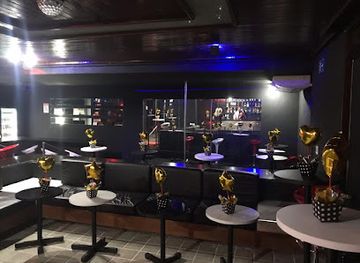
Boa Viagem’s evening scene is primarily a spread of restaurants, cafés, hotel bars and casual drinking places rather than a single concentrated club district. The avenues behind the seafront, especially around the commercial stretches of Avenida Conselheiro Aguiar and Avenida Domingos Ferreira, offer the greatest choice of places to eat and meet after dark, while the waterfront remains more suited to walking and informal socialising than late-night partying. Local nightlife can include Brazilian music, televised sport and occasional live performances, but specific programmes and opening patterns change, so visitors should check locally. Parque Dona Lindu may host cultural events, although these are event-dependent rather than a permanent nightlife offer. Because Boa Viagem is also a densely occupied residential neighbourhood, considerate volume and discreet behaviour matter near apartment buildings, and organised transport is preferable for returning after late evenings.
-
Disco club
CHAMPAGNE club
Unleash the ultimate nightlife experience at CHAMPAGNE Club in Recife, where vibrant music and electrifying energy await you every weekend.
6 min drive · 1.9 km from neighbourhood centre
-
Bar
Paris Plage Recife
Discover the vibrant beachside bar experience at Paris Plage Recife, where relaxation meets lively entertainment on Boa Viagem.
14 min walk · 1.1 km from neighbourhood centre
-
Night club
Villarena Country Pub
Experience the vibrant nightlife of Recife at Villarena Country Pub, a top night club known for great music, drinks, and unforgettable moments.
12 min walk · 1.0 km from neighbourhood centre
-
Night club
Sampa Night Club
Discover the vibrant nightlife at Sampa Night Club, a top destination in Recife for music, dancing, and socializing in a lively atmosphere.
15 min walk · 1.2 km from neighbourhood centre


Best shops in Boa Viagem
Shopping in Boa Viagem ranges from everyday retail and large modern commercial centres to market stalls and small businesses serving local residents. The Feira de Boa Viagem, beside Praça de Boa Viagem, is the neighbourhood’s most distinctive traditional shopping experience, with handicrafts, souvenirs, clothing, food and other informal goods changing according to the stalls in operation. The surrounding avenues contain pharmacies, supermarkets, fashion shops, cafés and service businesses, while Shopping Recife, in Boa Viagem, offers a larger indoor concentration of national and international retail, dining and services. Independent shopping is less concentrated than in Recife’s historic centre, but the district is useful for beachwear, practical travel supplies and Pernambuco-themed gifts. Visitors should compare prices, confirm card acceptance at smaller stalls and ask permission before photographing sellers or their displays, particularly in the busy market environment.
-
Shopping mall
Shopping Recife
Discover a world of shopping, dining, and entertainment at Shopping Recife, the ultimate retail experience in Boa Viagem, Recife.
17 min walk · 1.3 km from neighbourhood centre
-
Plaza
Boa Viagem Square
Discover the vibrant culture and stunning coastal views at Boa Viagem Square, a must-visit plaza in Recife, Brazil.
3 min walk · 0.2 km from neighbourhood centre
-
Shopping mall
Galeria Santo Antônio
Explore Galeria Santo Antônio: A vibrant shopping mall in Boa Viagem, Recife, blending shopping, local cuisine, and cultural experiences.
18 min walk · 1.5 km from neighbourhood centre
-
Shopping mall
Praia Sul Shopping
Discover local culture and shopping delights at Praia Sul Shopping, Recife's premier shopping destination with diverse stores and dining options.
1 min walk · 0.1 km from neighbourhood centre


Boa Viagem essentials
Getting There
Getting Around
Safety
Emergency Situations
Do's and Don'ts
Local Tips

From Eve
Local phrases worth knowing
You don't need to get them perfect. A few words go a long way, and locals appreciate the effort.
Basics
| English | Local | Say it |
|---|---|---|
| Hello | Olá | [oh-lah] |
| Goodbye | Tchau | [chow] |
| Yes | Sim | [seem] |
| No | Não | [nah-oh] |
| Please/You're welcome | Por favor/De nada | [pohr fah-vohr/deh nah-dah] |
| Thank you | Obrigado/Obrigada | [oh-bree-gah-doh/oh-bree-gah-dah] |
| Excuse me/Sorry | Com licença/Desculpe | [kohm lee-sayn-sah/deh-skool-peh] |
| How are you? | Como vai? | [koh-moh vah-ee] |
| Fine. And you? | Bem. E você? | [bane/eh voh-seh] |
| Do you speak English? | Você fala inglês? | [voh-seh fah-lah een-glehsh] |
| I don't understand | Eu não entendo | [eh-oo nah-oh en-ten-doh] |
Eating & Drinking
| English | Local | Say it |
|---|---|---|
| I'd like to see the menu, please | Eu gostaria de ver o cardápio, por favor | [eh-oo goh-stah-ree-ah deh vehr oh kahr-dah-pee-oh, pohr fah-vohr] |
| I don't eat meat | Eu não como carne | [eh-oo nah-oh koh-moh kahr-neh] |
| Cheers! | Saúde! | [sow-deh] |
| I would like to pay, please | Eu gostaria de pagar, por favor | [eh-oo goh-stah-ree-ah deh pah-gahr, pohr fah-vohr] |
Emergencies
| English | Local | Say it |
|---|---|---|
| Help! | Socorro! | [soh-koh-roh] |
| Go away! | Vá embora! | [vah ehm-boh-rah] |
| Call the Police! | Chame a polícia! | [shah-meh ah poh-lee-see-ah] |
| Call a doctor! | Chame um médico! | [shah-meh oom meh-dee-koh] |
| I'm lost | Estou perdido | [ehs-toh pehr-dee-doh] |
| I'm ill | Estou doente | [ehs-toh doh-ehn-teh] |
Shopping
| English | Local | Say it |
|---|---|---|
| I'd like to buy... | Eu gostaria de comprar... | [eh-oo goh-stah-ree-ah deh kohm-prahr...] |
| I'm just looking | Estou só olhando | [ehs-toh soh oh-yahn-doh] |
| How much is it? | Quanto custa? | [kwahn-toh koos-tah] |
| That's too expensive | Isso é muito caro | [ee-soh eh mw-ee-toh kah-roh] |
| Can you lower the price? | Você pode baixar o preço? | [voh-seh poh-deh bahy-shahr oh preh-soh] |
Time & Numbers
| English | Local | Say it |
|---|---|---|
| What time is it? | Que horas são? | [keh oh-rahz sah-oh] |
| It's one o'clock | É uma hora | [eh oo-mah oh-rah] |
| Half past (10) | Dez e meia | [dehz eh may-ah] |
| Morning | Manhã | [mahn-yah] |
| Afternoon | Tarde | [tahr-deh] |
| Evening | Noite | [noh-ee-chee] |
| Yesterday | Ontem | [ohn-tehm] |
| Today | Hoje | [oh-jee] |
| Tomorrow | Amanhã | [ah-mahn-yah] |
| 1 | Um | [oom] |
| 2 | Dois | [doh-ees] |
| 3 | Três | [trehs] |
| 4 | Quatro | [kwah-troh] |
| 5 | Cinco | [seen-koh] |
| 6 | Seis | [say-ees] |
| 7 | Sete | [seh-teh] |
| 8 | Oito | [oy-toh] |
| 9 | Nove | [noh-veh] |
| 10 | Dez | [dehz] |
Transport & Directions
| English | Local | Say it |
|---|---|---|
| Where's a/the...? | Onde fica o/a...? | [ohn-deh fee-kah oh/ah] |
| What's the address? | Qual é o endereço? | [kwahl eh oh en-deh-reh-soh] |
| Can you show me (on the map)? | Você pode me mostrar (no mapa)? | [voh-seh poh-deh meh moh-strahr (noh mah-pah)] |
| When's the next (bus)? | Quando é o próximo (ônibus)? | [kwahn-doh eh oh proh-ksee-moh (ohn-ee-boos)] |
| A ticket (to ....) | Um bilhete (para ....) | [oom bee-yeh-chee (pah-rah)] |
History of Boa Viagem
A Coastal Devotion Takes Root
Boa Viagem developed around devotion to Nossa Senhora da Boa Viagem, reflected in the church at the neighbourhood’s central square. The sanctuary served travellers and coastal communities using the route towards the southern beaches of Recife and Pernambuco, and its name became attached to the surrounding settlement. The exact appearance of the early chapel changed over time, but the church and square preserved a religious landmark amid the district’s later urban growth. This foundation distinguishes Boa Viagem from a purely modern beachfront development: its oldest identity is connected to pilgrimage, seafaring and movement along the coast.
From Coastal Retreat to Suburb
For much of Recife’s earlier history, the southern coast was less densely built than the central island and northern urban areas. Boa Viagem gradually became a place for seaside recreation and residential expansion as roads and public transport improved connections with the rest of the city. The beach, once experienced as a peripheral landscape, increasingly entered Recife’s leisure culture. Small-scale settlement, religious activity and seasonal visits were progressively supplemented by permanent homes and services, establishing the pattern of a coastal suburb whose value depended on both accessibility and proximity to the Atlantic.
The Avenida Boa Viagem Era
The construction and improvement of Avenida Boa Viagem helped transform the shoreline into one of Recife’s principal urban fronts. Road access encouraged apartment construction, hotels, commerce and leisure facilities, while the promenade connected different sections of the coast into a recognisable public landscape. During the twentieth century, high-rise residential buildings increasingly replaced lower-density development, giving the neighbourhood much of its present profile. The change brought investment and amenities but also made Boa Viagem a clear example of Recife’s modern vertical coastal expansion, with private buildings facing a heavily used public beach.
Contemporary Waterfront Identity
In the twenty-first century, Boa Viagem’s public realm has been shaped by improved beachfront landscaping, cultural facilities and continuing commercial development. Parque Dona Lindu, opened in 2011 and designed by Oscar Niemeyer, added an architectural and recreational destination to the southern waterfront. Praça de Boa Viagem and the historic church remain associated with local commerce and religious life, while the beach continues to function as a daily public space. Concerns about coastal erosion, sea conditions, urban density and beach safety form part of the neighbourhood’s contemporary reality alongside its importance to Recife’s tourism and residential economy.
Boa Viagem in Photos
Browse through our photo collection highlighting the charm and character of the destination.
Neighbourhoods near Boa Viagem
The closest neighbourhoods to Boa Viagem, if you have time for more than one stop.
-

-


Swipe for more neighbourhoods
Explore more
Explore more of Recife
Recife combines Atlantic beaches, Dutch-era streets, frevo, manguebeat and Pernambuco cuisine with historic museums, markets and riverfront sightseeing in Brazil.
Explore Recife