

Jardins (São Paulo) Travel Guide - Free
Explore Jardins in São Paulo with Evendo's free guide. Find the best shops, historic streets, restaurants, and gems on web or mobile.


Jardins, São Paulo: explore leafy garden districts, Oscar Freire boutiques, celebrated restaurants, galleries and cultural landmarks near Avenida Paulista.
Garden Districts and Urban Sophistication
Jardins is the collective name commonly used for a group of affluent, leafy districts west of Avenida Paulista, principally Jardim Paulista, Jardim América, Jardim Europa and Jardim Paulistano. Its character changes from one street to the next: broad avenues carry São Paulo’s traffic and commercial energy, while tree-lined residential lanes reveal walled houses, discreet apartment buildings and carefully maintained gardens. The area is polished without being uniform, combining established wealth, contemporary design and an active street life shaped by restaurants, galleries, fashion shops and cafés.Read more about Jardins
Culture Along the City’s Great Axis
Streets for Browsing and Dining
Best attractions in Jardins
Jardins rewards visitors who explore its streets as much as those who arrive with a list of institutions. Rua Oscar Freire provides the most recognisable urban scene, with Brazilian fashion, design and beauty brands set among cafés and contemporary shopfronts, while the tree-lined streets of Jardim América and Jardim Europa reveal a quieter pattern of gardens, villas and apartment buildings. In Jardim Europa, the Museu da Imagem e do Som presents exhibitions and programmes centred on image, sound and popular culture, and the nearby Museu Brasileiro da Escultura e Ecologia combines exhibitions with an architecturally distinctive open setting. The western side leads towards Avenida Europa’s galleries and design addresses. Parque Trianon, just across the Paulista boundary in Bela Vista, is a nearby green interlude rather than a Jardins attraction proper, while the museums of Avenida Paulista are similarly close but outside the neighbourhood.
-
Tourist attraction
Trianon Park
Escape the city bustle in this historic park, featuring Atlantic Forest remnants, walking trails, and sculptures in the heart of São Paulo.
8 min drive · 2.6 km from neighbourhood centre
-
Art museum
Museu da Casa Brasileira (MCB)
Explore Brazilian home design and culture at this São Paulo museum, showcasing furniture, art, and the evolution of domestic life.
17 min walk · 1.4 km from neighbourhood centre
-
Monument
Monumento às Bandeiras
A colossal sculpture in São Paulo's Vila Mariana, honoring Brazil's explorers and the nation's complex colonial history. A must-see landmark!
8 min drive · 2.6 km from neighbourhood centre
-
Catholic church
Paróquia Nossa Senhora do Brasil
Discover São Paulo's architectural gem, Paróquia Nossa Senhora do Brasil, where art, history, and faith converge in a stunning neobaroque setting.
13 min walk · 1.0 km from neighbourhood centre


Best landmarks in Jardins
Jardins’ most significant landmarks are often ensembles of streets and buildings rather than monumental civic structures. The planned, low-density layout of Jardim América remains legible in its curving roads, planted verges and large residential plots, while Jardim Europa preserves a related garden-suburb character alongside later apartment buildings and cultural institutions. The Museu da Imagem e do Som in Jardim Europa is an important cultural reference point, and the Museu Brasileiro da Escultura e Ecologia is notable for its dramatic modernist concrete architecture and open sculptural setting. Rua Oscar Freire functions as a commercial landmark in its own right, representing the neighbourhood’s transformation into a centre of fashion and design. Avenida Paulista, immediately to the south, is the area’s defining metropolitan edge; its major museums and cultural buildings should be understood as nearby landmarks in Bela Vista and Cerqueira César, not as sites within every part of Jardins.
-
Tourist attraction
Beco do Batman
Explore São Paulo's vibrant street art scene in Beco do Batman, a dynamic open-air gallery in the heart of Vila Madalena.
16 min walk · 1.3 km from neighbourhood centre
-
City park
Parque do Povo
Escape the city bustle in São Paulo's Parque do Povo: nature, recreation, and culture in a vibrant urban oasis.
7 min drive · 2.3 km from neighbourhood centre
-
Museum
Museu da Imagem e do Som (MIS)
Explore Brazil's audiovisual heritage at MIS-SP: films, music, photography, and multimedia in a dynamic cultural center.
11 min walk · 0.9 km from neighbourhood centre
-
Hotel
Hotel Unique
Experience avant-garde luxury at Hotel Unique, São Paulo: iconic architecture, stunning views, and unparalleled design in Jardim Paulista.
7 min drive · 2.2 km from neighbourhood centre


Explore Jardins on the map
A handpicked selection of must-see spots in Jardins, mapped for you.
Best hotels in Jardins
Best restaurants in Jardins
Jardins has one of São Paulo’s most concentrated selections of destination dining, though its food culture extends well beyond formal restaurants. Streets such as Alameda Lorena, Rua Haddock Lobo, Rua Barão de Capanema, Rua Bela Cintra and Rua Oscar Freire combine polished dining rooms, cafés, bakeries and casual international options. Long-established names associated with the area include D.O.M. on Barão de Capanema, Figueira Rubaiyat on Haddock Lobo and Fasano on Rua Vitório Fasano, while Maní lies in nearby Jardim Paulistano. Brazilian ingredients and regional cooking appear alongside Japanese, Italian, French and contemporary global influences, reflecting São Paulo’s cosmopolitan culinary life. The atmosphere ranges from business lunches and leisurely weekend meals to late dinners, with outdoor tables particularly noticeable along the commercial streets. Menus, opening arrangements and reservations vary, so checking directly is sensible, especially for high-demand restaurants.
-
Meat
A Figueira Rubaiyat
Discover the enchanting A Figueira Rubaiyat in São Paulo—where exquisite meats and seafood meet an unforgettable ambiance under a magnificent fig tree.
16 min walk · 1.3 km from neighbourhood centre
-
Brazilian
Tordesilhas
Experience authentic Brazilian cuisine at Tordesilhas in São Paulo, where every dish tells a story of flavor and tradition.
5 min drive · 1.7 km from neighbourhood centre
-
Brazilian
Restaurante Capim Santo São Paulo
Experience the vibrant tastes of Brazil at Restaurante Capim Santo—where healthy meets delicious in São Paulo's culinary scene.
17 min walk · 1.4 km from neighbourhood centre
-
Japanese
Jam Jardins Japanese Cusine
Discover the exquisite flavors and artistic ambiance of Jam Jardins – São Paulo's premier destination for authentic Japanese cuisine.
5 min drive · 1.6 km from neighbourhood centre

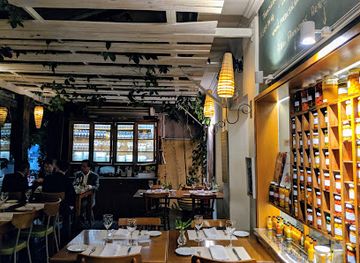


Best bars in Jardins
Jardins is more associated with dining, cocktails and sociable evenings than with a dense nightclub district. Bars and restaurant-bars cluster around Rua Oscar Freire, Alameda Lorena, Rua Haddock Lobo and nearby streets, drawing a mixed crowd of residents, office workers and visitors after work and into the evening. Hotel lounges and refined cocktail rooms sit alongside informal botecos, the Brazilian neighbourhood bars where snacks and drinks are served in a relaxed setting. The nightlife becomes more club-oriented towards Rua Augusta, although much of that corridor lies in adjacent Cerqueira César or Bela Vista rather than Jardins itself. Live music and cultural programming may be found in venues across the wider central-west area, but events change frequently. Quieter residential lanes are not nightlife destinations, and noise should be kept down when leaving busy commercial streets.
-
Irish pub
O'Malley's
Discover the charm of an authentic Irish pub in São Paulo at O'Malley's, where great drinks and lively entertainment await.
6 min drive · 2.0 km from neighbourhood centre
-
Restaurant
Skye
Discover Skye, São Paulo's rooftop gem, where innovative cuisine meets stunning skyline views in an unforgettable dining experience.
7 min drive · 2.2 km from neighbourhood centre
-
Cocktail bar
Riviera Bar
Discover the vibrant nightlife and expertly crafted cocktails at Riviera Bar, a must-visit cocktail bar in São Paulo's Avenida Paulista.
7 min drive · 2.4 km from neighbourhood centre
-
Bar
G&T Gin Bar
Experience the finest selection of gin in São Paulo at G&T Gin Bar, where every sip is an elegant journey into the world of craft cocktails.
5 min drive · 1.6 km from neighbourhood centre


Best nightclubs in Jardins
Jardins is more associated with dining, cocktails and sociable evenings than with a dense nightclub district. Bars and restaurant-bars cluster around Rua Oscar Freire, Alameda Lorena, Rua Haddock Lobo and nearby streets, drawing a mixed crowd of residents, office workers and visitors after work and into the evening. Hotel lounges and refined cocktail rooms sit alongside informal botecos, the Brazilian neighbourhood bars where snacks and drinks are served in a relaxed setting. The nightlife becomes more club-oriented towards Rua Augusta, although much of that corridor lies in adjacent Cerqueira César or Bela Vista rather than Jardins itself. Live music and cultural programming may be found in venues across the wider central-west area, but events change frequently. Quieter residential lanes are not nightlife destinations, and noise should be kept down when leaving busy commercial streets.
-
Night club
BC Club
Experience the ultimate nightlife at BC Club in São Paulo, where electrifying beats and stylish vibes create unforgettable evenings.
6 min drive · 2.1 km from neighbourhood centre
-
Night club
Hole Club
Unleash your night at Hole Club, São Paulo's hottest night club, featuring electrifying music and an unforgettable party atmosphere.
6 min drive · 2.1 km from neighbourhood centre
-
Night club
Magnólia
Discover Magnólia, São Paulo's trendiest night club, where vibrant music and a lively atmosphere come together for an unforgettable night out.
5 min drive · 1.6 km from neighbourhood centre
-
Night club
Mangaba
Dive into São Paulo's nightlife at Mangaba, where electrifying music and vibrant energy create unforgettable experiences.
6 min drive · 2.0 km from neighbourhood centre


Best shops in Jardins
Shopping in Jardins is centred on fashion, design, beauty, food and lifestyle rather than on a traditional municipal market. Rua Oscar Freire is the best-known retail address, with Brazilian labels, independent designers, jewellery, footwear and carefully presented lifestyle stores, while Alameda Lorena, Rua Haddock Lobo, Rua Bela Cintra and Rua Estados Unidos extend the browsing circuit. Jardim América and Jardim Europa contribute galleries, showrooms, antique and design-oriented businesses, although these areas feel quieter and more dispersed than the Oscar Freire core. Visitors will also find cafés, specialist food shops and small businesses mixed into residential blocks, making the neighbourhood’s retail experience one of walking between appointments rather than entering a single enclosed shopping centre. Stock and opening arrangements vary by business, and the character of the streets shifts noticeably between weekday commercial hours and quieter evenings.
-
Shopping mall
Shopping Eldorado
Experience the ultimate shopping adventure at Shopping Eldorado in São Paulo, where fashion, food, and fun come together in one vibrant destination.
5 min drive · 1.5 km from neighbourhood centre
-
Shopping mall
Shopping Center 3
Discover the ultimate shopping experience at Shopping Center 3, featuring diverse stores, delicious dining options, and family-friendly entertainment in São Paulo.
8 min drive · 2.5 km from neighbourhood centre
-
Shopping mall
Iguatemi Shopping
Discover luxury shopping, exquisite dining, and vibrant entertainment at Iguatemi Shopping in São Paulo, a premier retail destination.
15 min walk · 1.2 km from neighbourhood centre
-
Shopping mall
Jardim Pamplona Shopping
Experience the best of shopping, dining, and entertainment at Jardim Pamplona Shopping Mall, a premier destination in São Paulo.
6 min drive · 2.1 km from neighbourhood centre


Jardins essentials
Getting There
Getting Around
Safety
Emergency Situations
Do's and Don'ts
Local Tips

From Eve
Local phrases worth knowing
You don't need to get them perfect. A few words go a long way, and locals appreciate the effort.
Basics
| English | Local | Say it |
|---|---|---|
| Hello | Oi | [oy] |
| Goodbye | Tchau | [chow] |
| Yes | Sim | [seem] |
| No | Não | [now] |
| Please/You're welcome | Por favor/De nada | [pohr fah-vohr/dee nah-dah] |
| Thank you | Obrigado/Obrigada | [oh-bree-gah-doh/oh-bree-gah-dah] |
| Excuse me/Sorry | Com licença/Desculpe | [kohm lee-sen-sah/deh-skool-peh] |
| How are you? | Como vai? | [koh-moh vah-ee] |
| Fine. And you? | Bem. E você? | [bane/eh voh-seh] |
| Do you speak English? | Você fala inglês? | [voh-seh fah-lah een-glehsh] |
| I don't understand | Não entendo | [now enten-doh] |
Eating & Drinking
| English | Local | Say it |
|---|---|---|
| I'd like to see the menu, please | Eu gostaria de ver o cardápio, por favor | [eh-oo gohs-tah-ree-ah deh vehr oo cahr-dah-pee-oh, pohr fah-vohr] |
| I don't eat meat | Eu não como carne | [eh-oo now koh-moh kahr-nee] |
| Cheers! | Saúde! | [sow-dee] |
| I would like to pay, please | Eu gostaria de pagar, por favor | [eh-oo gohs-tah-ree-ah deh pah-gahr, pohr fah-vohr] |
Emergencies
| English | Local | Say it |
|---|---|---|
| Help! | Ajuda! | [ah-zhoo-dah] |
| Go away! | Vai embora! | [vah-ee ehm-boh-rah] |
| Call the Police! | Chame a polícia! | [sha-mee ah poh-lee-see-ah] |
| Call a doctor! | Chame um médico! | [sha-mee oom meh-dee-koo] |
| I'm lost | Estou perdido | [ehs-toh pehr-dee-doh] |
| I'm ill | Estou doente | [ehs-toh doo-en-teh] |
Shopping
| English | Local | Say it |
|---|---|---|
| I'd like to buy... | Eu gostaria de comprar... | [eh-oo gohs-tah-ree-ah deh kohm-prahr...] |
| I'm just looking | Estou só olhando | [ehs-toh soh oh-lahn-doh] |
| How much is it? | Quanto custa? | [kwan-toh koos-tah] |
| That's too expensive | Isso é muito caro | [ee-soh eh mwitoo kah-roo] |
| Can you lower the price? | Você pode baixar o preço? | [voh-seh poh-deh bahy-shahr oo preh-soh] |
Time & Numbers
| English | Local | Say it |
|---|---|---|
| What time is it? | Que horas são? | [keh oh-rahs sah-oh] |
| It's one o'clock | É uma hora | [eh oo-mah oh-rah] |
| Half past (10) | Dez e meia | [deh-eez eh may-ah] |
| Morning | Manhã | [mah-nyah] |
| Afternoon | Tarde | [tahr-deh] |
| Evening | Noite | [noy-chee] |
| Yesterday | Ontem | [ohn-tehng] |
| Today | Hoje | [oh-zjee] |
| Tomorrow | Amanhã | [ah-mah-nyah] |
| 1 | Um | [oom] |
| 2 | Dois | [doh-ees] |
| 3 | Três | [trehs] |
| 4 | Quatro | [kwah-troh] |
| 5 | Cinco | [seen-koh] |
| 6 | Seis | [says] |
| 7 | Sete | [seh-tee] |
| 8 | Oito | [oy-too] |
| 9 | Nove | [noh-veh] |
| 10 | Dez | [deh-eez] |
Transport & Directions
| English | Local | Say it |
|---|---|---|
| Where's a/the...? | Onde fica o/a...? | [ohn-dee fee-kah oh/ah] |
| What's the address? | Qual é o endereço? | [kwahl eh oh ehn-deh-reh-soh] |
| Can you show me (on the map)? | Você pode me mostrar (no mapa)? | [voh-seh poh-deh meh moh-strahr (noh mah-pah)] |
| When's the next (bus)? | Quando é o próximo (ônibus)? | [kwan-doh eh oh proh-ksee-moh (ohn-ee-boos)] |
| A ticket (to ....) | Uma passagem (para ....) | [oo-mah pah-sah-jehm (pah-rah)] |
History of Jardins
From Rural Estates to Garden Suburbs
Before urbanisation, much of the area now associated with Jardins consisted of rural properties, plantations and large estates on the western side of São Paulo’s expanding urban core. The name Jardins reflects the planned character of the residential districts developed there rather than a single historic settlement. In the early twentieth century, improved roads and rising land values encouraged the transformation of former chácaras, or country estates, into low-density residential neighbourhoods. The new districts differed from denser central São Paulo through their spacious plots, planted streets and detached houses, a model influenced by contemporary garden-suburb planning.
The Four Planned Jardins
Jardim América, Jardim Europa, Jardim Paulista and Jardim Paulistano emerged through successive phases of subdivision and development during the first decades of the twentieth century. The City Improvements Company helped shape the area’s planned streets and infrastructure, particularly in Jardim América, whose curving roads and generous plots remain legible today. Jardim Europa followed with a similarly low-density, landscaped model, while Jardim Paulista and Jardim Paulistano developed closer to the major routes leading towards Avenida Paulista and Pinheiros. Although the districts are now commonly discussed together, each retains a different street pattern and architectural history.
Avenida Paulista and Metropolitan Growth
The expansion of Avenida Paulista and the wider westward growth of São Paulo changed Jardins from a peripheral residential zone into a central address within the metropolis. From the mid-twentieth century, detached houses increasingly stood beside apartment buildings, offices, shops and restaurants, while traffic corridors connected the area with Bela Vista, Pinheiros and the city centre. The arrival of modernist and contemporary architecture added new layers to the original garden-suburb layout. Institutions established nearby, including cultural venues along Paulista and in Jardim Europa, strengthened the area’s role in the city’s cultural and commercial geography.
A Changing Architectural and Social Landscape
Late twentieth- and early twenty-first-century Jardins saw continued pressure for redevelopment, with some houses replaced by taller residential buildings, hotels, offices and retail premises. Planning controls and heritage protections in parts of Jardim América and Jardim Europa have helped preserve elements of the original leafy character, though the neighbourhood remains subject to change. Its restaurants, galleries, fashion businesses and design stores have made it a prominent destination for affluent consumption and creative enterprise, while the survival of quiet residential streets and mature trees keeps the garden-suburb idea visible beneath the metropolitan intensity.
Jardins in Photos
Browse through our photo collection highlighting the charm and character of the destination.
Neighbourhoods near Jardins
The closest neighbourhoods to Jardins, if you have time for more than one stop.
-

-

-


Swipe for more neighbourhoods
Explore more

Explore more of São Paulo
São Paulo blends Brazilian history, modern art, diverse cuisine and landmark architecture across lively neighbourhoods, museums, cultural districts and markets.
Explore São Paulo