

Pinheiros (São Paulo) Travel Guide - Free
Explore Pinheiros in São Paulo with Evendo's free guide. Find the best shops, historic streets, restaurants, and gems on web or mobile.


Pinheiros, São Paulo, blends historic streets, Mercado de Pinheiros, art spaces, lively dining, design shops and easy access to the city’s west side.
A Historic Neighbourhood with Contemporary Energy
Pinheiros occupies a long-established stretch of western São Paulo, shaped by the Pinheiros River, major avenues and a dense network of streets where older buildings stand beside office towers, restaurants and independent shops. Its name is associated with the pine trees that once marked the area, while its early history reaches back to the indigenous settlement known as Aldeia de Pinheiros, established during the colonial period on the western side of the developing city.Read more about Pinheiros
Markets, Streets and Public Life
Art, Architecture and the River
Best attractions in Pinheiros
Pinheiros's attractions are distributed through its streets rather than concentrated in one monumental complex. Mercado de Pinheiros offers a lively introduction to Brazilian ingredients, regional foods and contemporary food culture, while Praça Benedito Calixto becomes a centre for antiques, crafts, music and people-watching on Saturdays. Instituto Tomie Ohtake brings major contemporary art exhibitions to a striking cultural building, and Sesc Pinheiros presents performances, exhibitions and public programmes in a substantial multi-use centre. Largo da Batata is an important urban reference point, reflecting the neighbourhood's transport history and changing public spaces. Around Rua dos Pinheiros and Fradique Coutinho, visitors find a more everyday form of sightseeing: cafés, design-led shops, street life and changing architecture. The Pinheiros River corridor and bridges provide a contrasting view of the infrastructure that helped shape the district.
-
City park
Parque do Povo
Escape the city bustle at Parque do Povo, São Paulo's urban oasis with green spaces, sports, and cultural events for everyone!
8 min drive · 2.5 km from neighbourhood centre
-
Tourist attraction
Praça Pôr do Sol
Experience breathtaking sunsets and panoramic city views at São Paulo's beloved Praça Pôr do Sol in Alto de Pinheiros.
7 min drive · 2.5 km from neighbourhood centre
-
Tourist attraction
Escadaria do Patapio
Discover São Paulo's vibrant street art scene at Escadaria do Patapio, a colorful stairway in Jardim das Bandeiras. A must-see for art lovers!
15 min walk · 1.2 km from neighbourhood centre
-
Open air museum
Monumento à Aldeia de Nossa Senhora dos Pinheiros
Discover the rich cultural heritage at the Monumento à Aldeia de Nossa Senhora dos Pinheiros, an open-air museum in the heart of São Paulo.
15 min walk · 1.2 km from neighbourhood centre


Best landmarks in Pinheiros
Pinheiros's most revealing landmarks combine religious, commercial and infrastructural history. Mercado de Pinheiros is both a working food market and a reminder of the neighbourhood's long role as a place of exchange, while Largo da Batata preserves the memory of a traditional commercial and transport focus despite extensive redevelopment. Igreja Nossa Senhora do Monte Serrat provides a religious reference point within the older urban fabric, contrasting with the offices and high-rise buildings around Faria Lima. Instituto Tomie Ohtake represents the district's contemporary cultural identity through its bold architecture and exhibition programme, and Sesc Pinheiros adds a major civic and cultural presence. The Pinheiros River, its bridges and the transport infrastructure around Pinheiros station are landmarks of a different kind: they explain how the neighbourhood developed as São Paulo expanded westward and reorganised movement across the valley.
-
Tourist attraction
Praça Pôr do Sol
Experience breathtaking sunsets and tranquil vibes at Praça Pôr do Sol, São Paulo's beloved urban oasis in Alto de Pinheiros.
7 min drive · 2.5 km from neighbourhood centre
-
Plaza
Praça Mateus Grou
Discover a tranquil escape in São Paulo's Pinheiros: Praça Mateus Grou, a vibrant community plaza with lush greenery and cultural events.
8 min walk · 0.6 km from neighbourhood centre
-
Tourist attraction
Mural do Kobra - Coexistência
A vibrant mural in São Paulo by Eduardo Kobra promoting faith, hope, and unity among diverse religions during the COVID-19 pandemic.
11 min walk · 0.9 km from neighbourhood centre
-
Tourist attraction
Mural do Kobra - Fraternidade
A vibrant mural in São Paulo by Eduardo Kobra promoting peace, unity, and hope for a better, more fraternal world.
11 min walk · 0.9 km from neighbourhood centre


Explore Pinheiros on the map
A handpicked selection of must-see spots in Pinheiros, mapped for you.
Best hotels in Pinheiros
Best restaurants in Pinheiros
Pinheiros has one of São Paulo's broadest and most varied dining concentrations, particularly around Rua dos Pinheiros, Rua Fradique Coutinho, Rua Cônego Eugênio Leite and the westward streets near Avenida Pedroso de Morais. The scene ranges from bakeries, coffee shops and casual lunch counters to contemporary Brazilian cooking, Japanese restaurants, pizzerias, vegetarian menus and international dining. Mercado de Pinheiros adds a market-based dimension, with stalls and food counters connected to Brazilian regional ingredients and culinary traditions. Independent restaurants often occupy converted low-rise properties, creating a street-facing atmosphere quite different from the larger commercial developments along Faria Lima. The neighbourhood's established immigrant influences and São Paulo's wider cosmopolitan food culture are both visible, while bars and restaurants frequently blur the boundary between a long lunch, an early evening meal and a later night out.
-
Italian
La Nonna di Lucca - Pinheiros
Experience authentic Italian cuisine at La Nonna di Lucca in Pinheiros - a culinary gem offering delightful flavors and warm hospitality.
5 min drive · 1.7 km from neighbourhood centre
-
Brasserie
Le Jazz Brasserie
Experience authentic French cuisine at Le Jazz Brasserie in São Paulo's Pinheiros district—where culinary excellence meets vibrant ambiance.
2 min walk · 0.2 km from neighbourhood centre
-
Italian
Aguzzo Cucina Italiana - Pinheiros
Experience authentic Italian cuisine at Aguzzo Cucina Italiana in Pinheiros – where tradition meets modern culinary excellence.
8 min walk · 0.7 km from neighbourhood centre
-
Italian
Più Restaurant
Discover authentic Italian cuisine at Più Restaurant in São Paulo – where every dish tells a story.
5 min drive · 1.8 km from neighbourhood centre


Best bars in Pinheiros
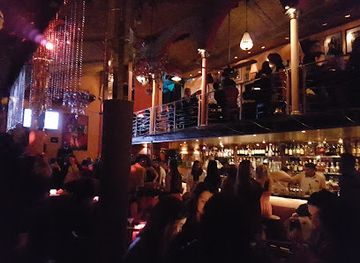
Evenings in Pinheiros are centred on restaurants, beer bars, cocktail venues and informal meeting places rather than a single nightclub strip. Rua dos Pinheiros, Fradique Coutinho and nearby side streets fill with diners and drinkers, while the area around Praça Benedito Calixto has a more relaxed weekend rhythm linked to its daytime market and surrounding music venues. The neighbourhood's nightlife is mixed-use: office workers, residents and visitors share pavements with apartment buildings close by, so noise carries and considerate behaviour matters. Live music and cultural performances can also be found through programming at venues such as Sesc Pinheiros, though events and schedules vary. Vila Madalena's better-known bar and club areas are nearby but distinct, and should not be described as part of Pinheiros itself.
-
Bar
Gaarden Bar
Experience the vibrant nightlife of São Paulo at Gaarden Bar, where local brews meet a lively atmosphere in the heart of Pinheiros.
18 min walk · 1.4 km from neighbourhood centre
-
Bar
Pitico
Discover the vibrant nightlife at Pitico, a must-visit bar in Pinheiros, São Paulo, with unique cocktails and a lively atmosphere.
18 min walk · 1.5 km from neighbourhood centre
-
Bar
Guarita Bar
Discover the lively Guarita Bar in Pinheiros, São Paulo, where delicious cocktails and a vibrant atmosphere await.
15 min walk · 1.2 km from neighbourhood centre
-
Pub
Bario Bar - Pinheiros
Experience the vibrant nightlife of São Paulo at Bario Bar, a lively pub in Pinheiros famous for its innovative cocktails and welcoming atmosphere.
17 min walk · 1.3 km from neighbourhood centre


Best nightclubs in Pinheiros
Evenings in Pinheiros are centred on restaurants, beer bars, cocktail venues and informal meeting places rather than a single nightclub strip. Rua dos Pinheiros, Fradique Coutinho and nearby side streets fill with diners and drinkers, while the area around Praça Benedito Calixto has a more relaxed weekend rhythm linked to its daytime market and surrounding music venues. The neighbourhood's nightlife is mixed-use: office workers, residents and visitors share pavements with apartment buildings close by, so noise carries and considerate behaviour matters. Live music and cultural performances can also be found through programming at venues such as Sesc Pinheiros, though events and schedules vary. Vila Madalena's better-known bar and club areas are nearby but distinct, and should not be described as part of Pinheiros itself.
-
Night club
Carioca Club
Discover the pulsating nightlife of São Paulo at Carioca Club, a top night club and event venue in the vibrant Pinheiros district.
17 min walk · 1.4 km from neighbourhood centre
-
Night club
Avenue Club
Experience the electric atmosphere of Avenue Club, São Paulo's top destination for nightlife and unforgettable events.
9 min walk · 0.7 km from neighbourhood centre
-
Gay night club
Gambiarra - A Festa
Experience the vibrant nightlife at Gambiarra - A Festa, São Paulo's premier gay night club offering fun, dance, and delicious food in a lively atmosphere.
11 min walk · 0.8 km from neighbourhood centre
-
Night club
Azucar Club Cubano
Discover the vibrant energy of Azucar Club Cubano, where Latin rhythms meet exquisite cuisine in São Paulo's nightlife.
15 min walk · 1.2 km from neighbourhood centre


Best shops in Pinheiros
Shopping in Pinheiros ranges from practical local commerce to design-conscious independent retail. Mercado de Pinheiros is the clearest place to browse Brazilian produce, spices, regional ingredients and food-related goods, while the streets around Rua dos Pinheiros and Fradique Coutinho contain boutiques, homeware shops, bookshops, cafés and specialist businesses mixed into the restaurant scene. Praça Benedito Calixto is the neighbourhood's most distinctive market experience, with antiques, collectables, handicrafts and vintage objects offered by different sellers on Saturdays. Faria Lima brings larger commercial developments and mainstream retail, including Shopping Eldorado at the neighbourhood's eastern edge, but Pinheiros is more characterful in its smaller streets and market stalls. Stock and individual businesses change, so the appeal lies in browsing the area's mix of established shops, temporary market tables and independent design culture rather than following a fixed retail route.
-
Shopping mall
Shopping Eldorado
Explore Shopping Eldorado, São Paulo's vibrant shopping mall with diverse stores, dining options, and entertainment for an unforgettable experience.
5 min drive · 1.6 km from neighbourhood centre
-
Shopping mall
Galeria Cidade de Pinheiros
Discover Galeria Cidade de Pinheiros: A dynamic shopping mall in São Paulo blending retail, dining, and culture in one vibrant destination.
14 min walk · 1.1 km from neighbourhood centre
-
Clothing store
Hang Loose GARAGE PINHEIROS
Explore the vibrant surf culture and trendy clothing at Hang Loose GARAGE PINHEIROS, an essential stop for urban adventurers and surf enthusiasts.
4 min walk · 0.3 km from neighbourhood centre
-
Clothing store
Loja Três - Pinheiros
Discover the essence of São Paulo's fashion at Loja Três in Pinheiros, where trendy styles meet local artistry in a vibrant shopping experience.
4 min walk · 0.3 km from neighbourhood centre


Pinheiros essentials
Getting There
Getting Around
Safety
Emergency Situations
Do's and Don'ts
Local Tips

From Eve
Local phrases worth knowing
You don't need to get them perfect. A few words go a long way, and locals appreciate the effort.
Basics
| English | Local | Say it |
|---|---|---|
| Hello | Olá | [oh-LAH] |
| Goodbye | Tchau | [chow] |
| Yes | Sim | [seem] |
| No | Não | [now] |
| Please/You're welcome | Por favor/De nada | [pohr fah-VOR/deh NAH-dah] |
| Thank you | Obrigado/Obrigada | [oh-bree-GAH-doh/oh-bree-GAH-dah] |
| Excuse me/Sorry | Com licença/Desculpe | [kohm lee-SEN-sah/deh-SKUL-peh] |
| How are you? | Como vai? | [KOH-moh vah-ee] |
| Fine. And you? | Bem. E você? | [behn. eh voh-SEH] |
| Do you speak English? | Você fala inglês? | [voh-SEH FAH-lah een-GLEHSS] |
| I don't understand | Eu não entendo | [eh-oo now een-TEN-doh] |
Eating & Drinking
| English | Local | Say it |
|---|---|---|
| I'd like to see the menu, please | Gostaria de ver o cardápio, por favor | [goh-stah-REE-ah deh vehr oh kahr-DAH-pee-oh, poor fah-VOR] |
| I don't eat meat | Eu não como carne | [eh-oo now KOH-moh KAH-neh] |
| Cheers! | Saúde! | [sah-OO-deh] |
| I would like to pay, please | Gostaria de pagar, por favor | [goh-stah-REE-ah deh pah-GAHR, poor fah-VOR] |
Emergencies
| English | Local | Say it |
|---|---|---|
| Help! | Socorro! | [soh-KOH-roh] |
| Go away! | Vá embora! | [vah ehm-BOH-rah] |
| Call the Police! | Chame a polícia! | [SHAH-meh ah poh-LEE-see-ah] |
| Call a doctor! | Chame um médico! | [SHAH-meh oom MEH-dee-koh] |
| I'm lost | Estou perdido | [ehs-TOH pehr-DEE-doh] |
| I'm ill | Estou doente | [ehs-TOH doo-EHN-tee] |
Shopping
| English | Local | Say it |
|---|---|---|
| I'd like to buy... | Eu gostaria de comprar... | [eh-oo goh-stah-REE-ah deh kohm-PRAR] |
| I'm just looking | Estou só olhando | [ehs-TOH soh oh-LYAN-doh] |
| How much is it? | Quanto custa? | [KWAHN-too KOOS-tah] |
| That's too expensive | Isso é muito caro | [EE-soh eh MWEEN-too KAH-ro] |
| Can you lower the price? | Você pode baixar o preço? | [voh-SEH POH-deh BAHY-shahr oh PREH-soh] |
Time & Numbers
| English | Local | Say it |
|---|---|---|
| What time is it? | Que horas são? | [keh OH-rahss sah-oh] |
| It's one o'clock | É uma hora | [eh OO-mah OH-rah] |
| Half past (10) | Meio-dia e meia | [MEH-yoh-DEE-ah eh MAY-ah] |
| Morning | Manhã | [mahn-YAH] |
| Afternoon | Tarde | [TAHR-deh] |
| Evening | Noite | [NOY-chee] |
| Yesterday | Ontem | [ohn-TEHNG] |
| Today | Hoje | [OH-zhee] |
| Tomorrow | Amanhã | [ah-mahn-YAH] |
| 1 | Um | [oom] |
| 2 | Dois | [doyss] |
| 3 | Três | [tress] |
| 4 | Quatro | [KWAH-troh] |
| 5 | Cinco | [SEEN-koh] |
| 6 | Seis | [says] |
| 7 | Sete | [SEH-teh] |
| 8 | Oito | [OY-toh] |
| 9 | Nove | [NOH-veh] |
| 10 | Dez | [dehz] |
Transport & Directions
| English | Local | Say it |
|---|---|---|
| Where's a/the...? | Onde fica o/a...? | [OHN-deh FEE-kah oh/ah] |
| What's the address? | Qual é o endereço? | [kwahl eh oh ehn-DREH-soh] |
| Can you show me (on the map)? | Você pode me mostrar (no mapa)? | [voh-SEH POH-deh meh moh-SHTRAHR (noo MAH-pah)] |
| When's the next (bus)? | Quando é o próximo (ônibus)? | [KWAHN-doh eh oh PROH-kssee-moh (OH-nee-boos)] |
| A ticket (to ....) | Um bilhete (para ....) | [oom bee-LYE-chee (PAH-rah)] |
History of Pinheiros
Aldea de Pinheiros and the Colonial Frontier
Pinheiros grew from Aldeia de Pinheiros, an indigenous settlement associated with the early Jesuit presence west of the historic core of São Paulo. The area stood beyond the original hilltop settlement and was linked to routes crossing the western side of the plateau, with the Pinheiros River acting as both a geographical feature and a practical corridor. Colonial expansion gradually altered the settlement's character, but the name endured and became attached to the wider district. Its early development was therefore connected less to monumental urban construction than to indigenous occupation, religious activity, river crossings and movement between São Paulo and the countryside.
River Routes and Rural Change
For much of its early history, Pinheiros remained more open and semi-rural than the central city. The river supported fishing, small-scale agriculture and transport, while roads and paths connected the settlement to neighbouring areas and to routes heading towards the interior. As São Paulo expanded during the nineteenth century, farms and peripheral properties were progressively subdivided. The neighbourhood's position beside the river and westward routes made it increasingly useful to commerce, even before dense urban development reached its present scale.
Railways, Trams and Urban Expansion
Transport infrastructure accelerated Pinheiros's incorporation into the growing metropolis. Rail connections along the Pinheiros valley and the expansion of tram and road services improved movement between the neighbourhood, the centre and western districts, encouraging housing, workshops, commerce and public institutions. The arrival of more regular transport helped turn a formerly peripheral settlement into an urban district, while bridges and later arterial roads reduced the river's role as a barrier. Streets around the old commercial core retained a local identity even as São Paulo's population and built-up area expanded around them.
From Market District to Mixed Urban Quarter
During the twentieth century, Pinheiros developed a layered commercial and residential character. Traditional shops, markets and small businesses were joined by offices, cultural venues and increasingly dense apartment buildings, particularly as major roads and the city's westward growth reshaped the area. Largo da Batata remained an important local reference point, while the Pinheiros River corridor underwent major transport and engineering changes. In recent decades, new rail connections, redevelopment around Faria Lima and the growth of restaurants and creative businesses have brought further change, producing a neighbourhood where long-established commerce and rapid property development exist side by side.
Pinheiros in Photos
Browse through our photo collection highlighting the charm and character of the destination.
Neighbourhoods near Pinheiros
The closest neighbourhoods to Pinheiros, if you have time for more than one stop.
-

-

-


Swipe for more neighbourhoods
Explore more

Explore more of São Paulo
São Paulo blends Brazilian history, modern art, diverse cuisine and landmark architecture across lively neighbourhoods, museums, cultural districts and markets.
Explore São Paulo