

Iguazu Falls, South Region Travel Guide
Experience the awe-inspiring power and beauty of Iguazu Falls, a UNESCO World Heritage site on the border of Argentina and Brazil.
Iguazu Falls, a UNESCO World Heritage site on the border of Argentina and Brazil, is one of the world's largest and most stunning waterfall systems, boasting approximately 275 distinct falls amidst a vibrant rainforest. The name 'Iguazu' originates from the Guarani words for 'big water'.
A brief summary to Iguazu Falls
- Misiones Province, AR
- Click to display
- Click to display

Know before you go
Hi, I'm Eve. Here are a few practical things to know before exploring Iguazu Falls.
- Purchase park entrance tickets online in advance to avoid long queues, especially during peak season.
- Bring rain gear or prepare to get wet, especially if you plan on taking a boat trip to the base of the falls.
- Wear comfortable shoes suitable for walking on potentially slippery and uneven surfaces.
- Stay hydrated and bring snacks, as food options inside the park can be limited and expensive.
- Allocate at least one full day to explore the Argentinian side of the falls, and consider a second day to visit the Brazilian side for panoramic views.
Do you manage this location?
Take control to get all the benefits, like improved information, better appearance, and stronger visibility across AI-powered discovery. Learn more about listing your business on Evendo
Activate your presenceOther nearby places you may find interesting
The closest places of the same kind, if this one is not quite what you had in mind.

Explore Iguazu Falls on the Map
A handpicked selection of must-see spots near Iguazu Falls, mapped for you.
Unlock the Best of Iguazu Falls
Buy tickets
-
No tickets available
Book tours with entry


Getting There
-
Public Transport
From Puerto Iguazú, take the Río Uruguay bus from the Terminal de Ómnibus (bus terminal) to the entrance of Iguazú National Park. Buses depart every 20 minutes, with a journey time of approximately 30 minutes. A one-way ticket costs approximately 5,500 ARS. Upon arrival at the park entrance, proceed to purchase your entry ticket. From the Cataratas of Iguazu International Airport (IGR), take the Rio Uruguay bus to the Terminal de Ómnibus in Puerto Iguazú. The bus runs approximately once per hour and costs 5,500 ARS. From the terminal, transfer to another Rio Uruguay bus heading to Iguazú National Park. Inside the park, the Tren de la Selva (Jungle Train) provides free transportation to various trailheads, including the popular Devil's Throat.
-
Taxi
Taxis are readily available in Puerto Iguazú and can take you directly to the entrance of Iguazú National Park. A roundtrip taxi fare typically costs around 40,000 ARS, with the driver arranging a pick-up time for your return. A taxi from the airport to the park may cost around 18,000 ARS. While more expensive than the bus, taxis offer a convenient and time-saving option, especially for groups of 3-4 people. Be sure to confirm the price with the driver before starting your journey.
-
Driving
If driving from Puerto Iguazú, take Av. Victoria Aguirre, RN 12, and RN 101 to reach the park entrance. The drive takes approximately 20-30 minutes. Parking is available at the park for a fee: 6,000 ARS for automobiles. Renting a car offers flexibility to explore the surrounding area, but is not essential for visiting the falls. Remember to respect speed limits and wildlife when driving within the national park.
Discover more about Iguazu Falls













Your all‑in‑one travel companion app
Explore expert travel guides, compare and book tours, experiences, hotels, and more—all from the palm of your hand. Download now for seamless trip planning wherever your wanderlust takes you.


Explore More of South Region
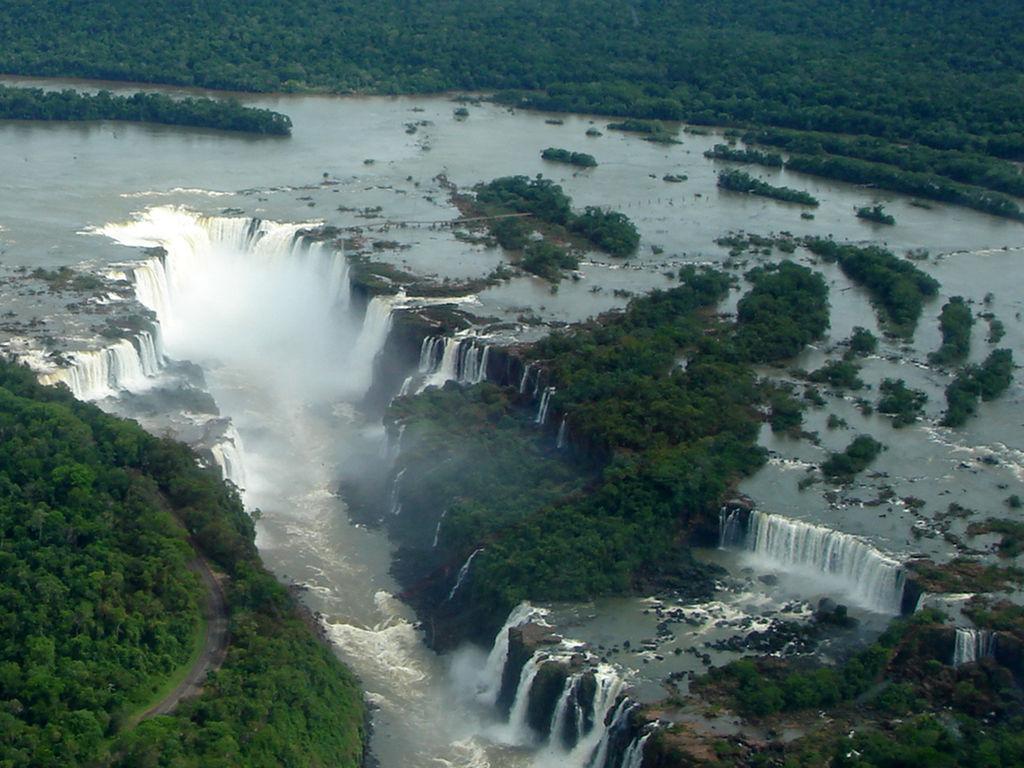
Looking beyond Iguazu Falls? Discover South Region for broader travel guides, local hot-spots, and regional highlights.
Explore South Region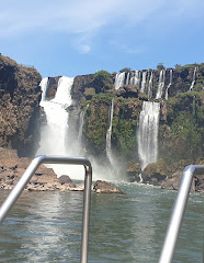
Discover the breathtaking Iguazu Falls with thrilling boat tours at Iguazu Jungle, where nature and adventure meet in Argentina's tropical paradise.
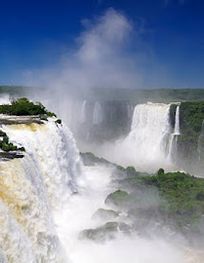
Experience the awe-inspiring power of nature at Devil's Throat, the largest and most dramatic waterfall in the magnificent Iguazu Falls.
