

Free South Region Travel Guide & Mobile App
Explore South Region with free travel guides. Discover regional history, expert tips, proposed trips, and audio guides on web or mobile app.


Explore South Brazil for Iguaçu Falls, island beaches, Atlantic forests, vineyards, cooler highlands and distinctive Paraná, Santa Catarina and gaúcho cultures.
Read more about South Region
When is the best time to visit South Region?
Best: April–May, September · 23–25°C| Month | High (°C) | Rainfall (mm) |
|---|---|---|
| January | 28 | 150 |
| February | 29 | 130 |
| March | 27 | 120 |
| April (best) | 25 | 110 |
| May (best) | 23 | 100 |
| June | 21 | 90 |
| July | 21 | 80 |
| August | 22 | 90 |
| September (best) | 24 | 100 |
| October | 27 | 110 |
| November | 28 | 130 |
| December | 28 | 140 |
Getting to and around South Region
How to get there
Transportation
Top city travel guides in South Region
The cities of South Region, and the easiest places to base yourself.
-

-

-


Swipe for more cities
Destinations in South Region
Resorts, valleys and scenic spots worth a trip of their own.
-
-

-

-

-

-


Swipe for more destinations
Best attractions in South Region
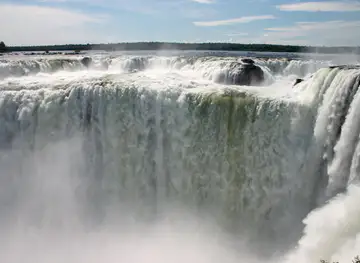
South Brazil’s attractions range from one of the continent’s great natural spectacles to quieter landscapes of forest, vineyards, grassland and coast. Iguaçu Falls, within Iguaçu National Park in Paraná, is the region’s most internationally recognised sight, with organised trails and viewpoints on the Brazilian side; nearby Foz do Iguaçu is also a practical base for the wider border area. Paraná offers the Serra do Mar, the railway journey from Curitiba to Morretes, the beaches and forest of Ilha do Mel, and the historic streets of Lapa. Santa Catarina combines Florianópolis’s lagoons, dunes and beaches with the protected landscapes of Serra do Tabuleiro, the highland scenery around Urubici and São Joaquim, and the cultural attractions of the Itajaí Valley. Rio Grande do Sul brings vineyard routes and cellar visits around Bento Gonçalves and Garibaldi, the mountain parks and waterfalls of Serra Gaúcha, and the mission heritage of São Miguel das Missões. Across the region, activities include hiking, birdwatching, surfing, whale observation in season, cycling, rafting and visits to museums, craft workshops and historic settlements.
-
Tourist attraction
Hito Tres Fronteras
Experience the convergence of three nations at Hito Tres Fronteras, where Argentina, Brazil, and Paraguay unite in a vibrant display of culture and nature.
-
Tourist attraction
Lookout Devil's Throat
Experience the raw power of nature at Devil's Throat, the largest and most breathtaking waterfall in the magnificent Iguazu Falls system.
-
Tourist attraction
Iguaçu National Park
Experience the Brazilian side of Iguaçu Falls: a UNESCO-listed natural wonder with stunning views, diverse wildlife, and unforgettable adventures.
-
 Wine store
Durigan Wines
Experience the taste of Italy in Curitiba at Durigan Wines, offering a wide selection of wines and Italian gastronomic delights.


Best landmarks in South Region
Iguaçu Falls is South Brazil’s defining natural landmark, a vast series of cataracts on the Iguaçu River whose Brazilian viewpoints lie within a protected national-park landscape. In Paraná, the Serra do Mar forms a dramatic mountain wall between the plateau and coast, while the historic railway descending towards Morretes is an emblematic feat of nineteenth-century engineering. The state’s old town of Lapa preserves churches, civic buildings and streets connected with the tropeiro era. Santa Catarina’s Hercílio Luz Bridge is a prominent symbol of Florianópolis, spanning the channel between the island and mainland, and the island’s lagoons, dunes and granite hills form a recognisable natural setting. In Rio Grande do Sul, the cathedral and civic architecture of Porto Alegre, the vineyards and stone cellar buildings of the Serra Gaúcha, and the mission church ruins at São Miguel das Missões carry different kinds of historical importance. The open campos and low wooded ridges of the southern and western state provide a contrasting landscape landmark, expressing the region’s frontier and ranching geography rather than monumental architecture.
-
Park
Ibirapuera Park
Escape to São Paulo's iconic Ibirapuera Park: a vibrant oasis of culture, recreation, and natural beauty in the heart of the city.
-
Tourist attraction
Iguazu Falls
Experience the awe-inspiring power and beauty of Iguazu Falls, a UNESCO World Heritage site on the border of Argentina and Brazil.
-
Botanical garden
Botanical Garden of Curitiba
Discover Curitiba's iconic French-style garden with its stunning art nouveau greenhouse, diverse plant collections, and tranquil landscapes.
-
Cultural landmark
Christ the Redeemer
An iconic Art Deco statue of Jesus Christ, symbolizing peace and offering panoramic views of Rio de Janeiro from atop Corcovado Mountain.


Explore South Region on the map
Plan your trip on one map. See where the top cities, national parks and sights are, and book hotels and experiences in a few clicks.
Best hotels in South Region
Best restaurants in South Region
Dining in South Brazil reflects its climates, agricultural zones and migration histories rather than one uniform regional cuisine. Paraná’s coast is associated with barreado, a slow-cooked beef dish traditionally served with cassava flour and bananas, while pinhão appears in seasonal dishes in the araucaria highlands. Santa Catarina’s coast offers oysters, prawns, fish and other seafood, especially around island and fishing communities, while inland towns bring Italian- and German-influenced breads, cakes, sausages and preserved foods. Rio Grande do Sul is strongly identified with churrasco, served in specialised steakhouses and family restaurants, as well as chimarrão, local cheeses, cuca-style cakes and wines from Serra Gaúcha. Porto Alegre, Curitiba and Florianópolis have the broadest contemporary dining scenes, including restaurants drawing from Japanese, Middle Eastern, Indigenous and other Brazilian traditions. Markets, rural inns, vineyards, breweries and cafés often provide a more direct connection to local produce than formal dining alone.
-
Restaurant
Terra Brasilis
Experience authentic Brazilian cuisine at Terra Brasilis in Urca – where delicious food meets vibrant live music.
-
Barbecue
Rafain Churrascaria Show
Experience authentic Brazilian barbecue with live performances at Rafain Churrascaria Show in Foz do Iguaçu.
-
Gastropub
Icebar Iguazú
Discover Icebar Iguazú: An unforgettable icy retreat offering unique cocktails and delicious cuisine in an enchanting frozen atmosphere.
-
Australian
Restaurante Outback Steakhouse
Experience authentic Australian cuisine at Outback Steakhouse in Porto Alegre – where every bite takes you on a culinary journey.


Best bars in South Region
Evening life varies considerably across the South Region. Curitiba, Florianópolis and Porto Alegre have the broadest range of bars, live-music venues, cultural centres and clubs, with nightlife concentrated in particular neighbourhoods rather than spread evenly across each city. Florianópolis adds a seasonal beach and late-night scene, especially in areas popular with visitors, although traffic and venue demand rise sharply in summer. Curitiba and Porto Alegre offer more consistent year-round choices, from craft-beer bars and cocktail rooms to concert venues and traditional botequins. In Serra Gaúcha and smaller towns, evenings generally centre on restaurants, wine bars, breweries, hotel lounges and local pubs rather than large clubs. Historic inns and contemporary bars can be found in many towns, but opening arrangements change, so check locally. Alcohol is not essential to exploring the region’s evening culture; theatre, music, food and waterfront walks are also important parts of urban life.
-
Italian
Terraço Itália
Experience exquisite Italian dining and breathtaking views at Terraço Itália, a top destination in São Paulo for gourmet cuisine and memorable moments.
-
Gastropub
Icebar Iguazú
Discover the magic of Icebar Iguazú, a unique bar and tourist attraction in Puerto Iguazú, Argentina, featuring stunning ice sculptures and cool drinks.
-
Restaurant
Capitão Bar - Restaurante Foz
Experience the vibrant flavors and lively atmosphere at Capitão Bar, the ultimate dining and nightlife destination in Foz do Iguaçu.
-
Bar
Rio Scenarium
Discover Rio Scenarium: A lively bar and live music venue in Rio de Janeiro, offering delicious food and unforgettable cultural experiences.


Best nightclubs in South Region
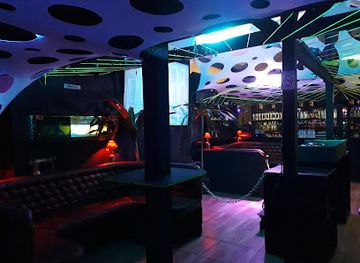
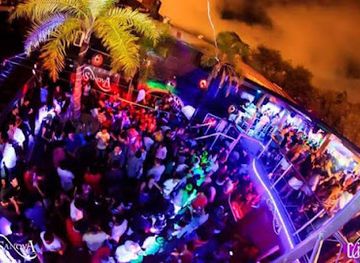
Evening life varies considerably across the South Region. Curitiba, Florianópolis and Porto Alegre have the broadest range of bars, live-music venues, cultural centres and clubs, with nightlife concentrated in particular neighbourhoods rather than spread evenly across each city. Florianópolis adds a seasonal beach and late-night scene, especially in areas popular with visitors, although traffic and venue demand rise sharply in summer. Curitiba and Porto Alegre offer more consistent year-round choices, from craft-beer bars and cocktail rooms to concert venues and traditional botequins. In Serra Gaúcha and smaller towns, evenings generally centre on restaurants, wine bars, breweries, hotel lounges and local pubs rather than large clubs. Historic inns and contemporary bars can be found in many towns, but opening arrangements change, so check locally. Alcohol is not essential to exploring the region’s evening culture; theatre, music, food and waterfront walks are also important parts of urban life.
-
Disco club
Santa Club Lagoa Nightclub
Dive into the energetic nightlife of Santa Club Lagoa, the leading disco club in Florianópolis, where unforgettable dance experiences await.
-
Night club
Opinião
Discover Porto Alegre's dynamic nightlife at Opinião, where live music meets expertly crafted cocktails in a vibrant atmosphere.
-
Gastropub
Casanova Night Club
Discover the vibrant nightlife at Casanova Night Club, a premier gastropub and disco in Puerto Iguazú offering delicious cuisine and electrifying dance beats.
-
Night club
D-Edge
Discover the electrifying nightlife of São Paulo at D-Edge, where cutting-edge music and stunning design create an unforgettable experience.

Best shops in South Region
Shopping in South Brazil is strongest when approached through its cities, market towns and producing districts. Curitiba and Porto Alegre have established central shopping streets, department stores, independent design shops, bookshops and modern centres, while Florianópolis combines urban retail with beach-market stalls and craft outlets. Smaller towns in Paraná’s coast, Santa Catarina’s valleys and Rio Grande do Sul’s wine country offer ceramics, textiles, leather goods, woodwork, regional foods and locally made preserves. Serra Gaúcha is a useful place to look for wines, grape products, cheeses and bakery specialities, although visitors should check how products may be transported internationally. Markets and farm shops sell pinhão in season, fruit, honey, colonial-style food products and artisanal goods; the term colonial often refers to small-scale foods produced in immigrant-settlement areas rather than to a single regulated style. In Indigenous craft contexts, buy respectfully from recognised community or ethical sellers and avoid purchasing archaeological objects or wildlife products.
-
Shopping mall
RioMar Recife
Explore RioMar Recife, the ultimate shopping paradise in Brazil, offering a blend of fashion, food, and fun in a stunning setting.
-
Shopping mall
Internacional Shopping Guarulhos
Experience shopping and entertainment like never before at Internacional Shopping Guarulhos, a premier destination for all your retail needs.
-
Shopping mall
Shopping RioSul
Discover Shopping RioSul: Rio de Janeiro's ultimate shopping destination with an exciting mix of brands, dining, and entertainment.
-
Shopping mall
Plaza Shopping
Explore Plaza Shopping in Niterói for an unforgettable blend of shopping, dining, and entertainment in an inviting atmosphere.


Get your free copy of our complete guide to South Region, delivered straight to you.
Everything on this page, from attractions and restaurants to essentials and local phrases, in one PDF you can read offline, print or share.
Already have an account? Sign in
Your South Region guide is ready.
We'll send it to · Not you? Sign out

Getting your guide ready…
We are putting together a fresh copy of the South Region guide. This can take up to a minute.
This can take a few moments. If your browser asks, choose Allow so the download can start. You'll find the guide in your Downloads folder.
Nothing happened? Download it again
Sorry, the guide is taking longer than usual. Please try again in a minute, or get it by email instead.
South Region essentials
Currency and Payment
Safety
Emergency Situations
Do's and Don'ts
Local Tips
From Eve
Local phrases worth knowing
You don't need to get them perfect. A few words go a long way, and locals appreciate the effort.
Basics
| English | Local | Say it |
|---|---|---|
| Hello | Olá | [oh-LAH] |
| Goodbye | Adeus | [ah-DEH-oos] |
| Yes | Sim | [seem] |
| No | Não | [now] |
| Please/You're welcome | Por favor/De nada | [por fah-VOR/jee NAH-dah] |
| Thank you | Obrigado/Obrigada | [oh-bree-GAH-do/oh-bree-GAH-dah] |
| Excuse me/Sorry | Desculpe | [des-KOOL-pee] |
| How are you? | Como você está? | [KOH-moo voh-SEH eh-STAH?] |
| Fine. And you? | Estou bem. E você? | [es-TOH eng. ee voh-SEH?] |
| Do you speak English? | Você fala inglês? | [voh-SEH FAH-lah een-GLEZ?] |
| I don't understand | Eu não entendo | [ay-oo now en-TEN-doh] |
Eating & Drinking
| English | Local | Say it |
|---|---|---|
| I'd like to see the menu, please | Gostaria de ver o cardápio, por favor | [goh-stah-REE-ah jee VEHR oo kar-DAH-pyoo, por fah-VOR] |
| I don't eat meat | Eu não como carne | [ay-oo now KOH-moo KAR-nee] |
| Cheers! | Saúde! | [sah-OO-jee] |
| I would like to pay, please | Gostaria de pagar, por favor | [goh-stah-REE-ah jee pah-GAR, por fah-VOR] |
Emergencies
| English | Local | Say it |
|---|---|---|
| Help! | Ajuda! | [ah-ZHOO-dah] |
| Go away! | Vá embora! | [vah em-BOH-rah] |
| Call the Police! | Chame a polícia! | [SHAH-mee ah poh-LEE-see-ah] |
| Call a doctor! | Chame um médico! | [SHAH-mee oong MEH-dee-koh] |
| I'm lost | Estou perdido | [es-TOH per-JEE-doh] |
| I'm ill | Estou doente | [es-TOH do-EHN-chee] |
Shopping
| English | Local | Say it |
|---|---|---|
| I'd like to buy... | Gostaria de comprar... | [goh-stah-REE-ah jee kom-PRAHR...] |
| I'm just looking | Estou apenas olhando | [es-TOH ah-PEN-as oh-LYAHN-do] |
| How much is it? | Quanto custa? | [KWAN-toh KOOS-tah?] |
| That's too expensive | Isso é muito caro | [EE-so eh MOY-toh KAH-roh] |
| Can you lower the price? | Você pode baixar o preço? | [voh-SEH POH-jee bye-SHAHR oo PREY-so?] |
Time & Numbers
| English | Local | Say it |
|---|---|---|
| What time is it? | Que horas são? | [kee OH-ras sah-OHN?] |
| It's one o'clock | É uma hora | [eh OO-mah OH-rah] |
| Half past (10) | Dez e meia | [dez ee MAY-ah] |
| Morning | Manhã | [mahn-YAH] |
| Afternoon | Tarde | [TAHR-jee] |
| Evening | Noite | [NOY-chee] |
| Yesterday | Ontem | [ON-tay] |
| Today | Hoje | [OH-zhee] |
| Tomorrow | Amanhã | [ah-mahn-YAH] |
| 1 | Um | [oom] |
| 2 | Dois | [doyz] |
| 3 | Três | [trays] |
| 4 | Quatro | [KWAH-troh] |
| 5 | Cinco | [SEEN-koh] |
| 6 | Seis | [says] |
| 7 | Sete | [SEH-chee] |
| 8 | Oito | [OY-toh] |
| 9 | Nove | [NOH-vee] |
| 10 | Dez | [dez] |
Transport & Directions
| English | Local | Say it |
|---|---|---|
| Where's a/the...? | Onde fica...? | [ON-jee FEE-kah...?] |
| What's the address? | Qual é o endereço? | [kwal eh oo en-deh-REH-so?] |
| Can you show me (on the map)? | Você pode me mostrar (no mapa)? | [voh-SEH POH-jee mee mohs-TRAR (no MAH-pah)?] |
| When's the next (bus)? | Quando é o próximo (ônibus)? | [KWAN-doo eh oo PROH-see-mo (OH-nee-boos)?] |
| A ticket (to ....) | Um bilhete (para ...) | [oom bee-LYEH-chee (PAH-rah ...)] |
History of South Region
Indigenous societies and pre-colonial landscapes
The South Region was inhabited long before Portuguese settlement by Indigenous peoples including Guarani, Kaingang and Laklãnõ-Xokleng communities, among others. Their territories encompassed the Atlantic forests, river valleys, grasslands and coastal plains now divided among the three states. Archaeological evidence includes shell middens, known in Brazil as sambaquis, along parts of the southern coast, as well as traces of long-standing cultivation, trade and movement through the interior. Indigenous knowledge continues to shape debates about land, language, environmental stewardship and cultural rights, and should not be reduced to a merely pre-colonial chapter.
Jesuit missions and frontier settlements
From the seventeenth century, Jesuit missionaries and Guarani communities established mission settlements across parts of the southern frontier, within a contested zone influenced by Portuguese and Spanish colonial ambitions. The best-known surviving remains in Brazil are the ruins of São Miguel das Missões in Rio Grande do Sul, part of the UNESCO-listed Jesuit Missions of La Santísima Trinidad de Paraná and Jesús de Tavარangue. Bandeirante expeditions, military outposts and shifting imperial boundaries later reshaped the region. The missions left an important architectural and cultural legacy, but their history also involves coercion, displacement and the disruption of Indigenous political life.
Colonial expansion and the tropeiro routes
Portuguese colonial expansion advanced inland through cattle raising, mining-related commerce and long-distance routes used by tropeiros, travelling livestock drovers. These routes connected the southern plateaus with markets farther north and helped form settlements in Paraná and Santa Catarina. Curitiba, Lapa and other historic centres developed within this wider network, while ranching became central to the economy and social identity of Rio Grande do Sul. The movement of cattle, mules, salt, food and manufactured goods linked the region’s highlands to the coast and created enduring patterns of town formation.
Immigration and agricultural colonisation in the nineteenth century
During the nineteenth century, imperial and later republican governments encouraged immigration and settlement, bringing large numbers of German, Italian, Polish, Ukrainian and other European migrants to parts of the South. Colonies in Santa Catarina and Rio Grande do Sul developed distinctive agricultural systems, town plans, religious buildings and food traditions, while Paraná received varied immigrant communities around Curitiba and in other settlement areas. This heritage remains visible in vineyards, timber-framed or masonry architecture, festivals and family farming, although the region’s population has always also included Indigenous, African-descended, Portuguese and other communities.
The Ragamuffin War and southern regional identity
The Farroupilha or Ragamuffin War lasted from 1835 to 1845 in Rio Grande do Sul, where provincial elites and allied forces rebelled against the Brazilian imperial government. The conflict grew from political grievances and disputes involving taxation, trade and provincial autonomy, and briefly produced the separatist Republic of Piratini. Its memory remains prominent in gaúcho symbolism, commemorations and the state’s cultural vocabulary. The rebellion should not be read as a simple expression of popular unity: social groups participated differently, and the period also reflected the interests of ranching elites and the complex realities of slavery and frontier warfare.
Railways, ports and industrial development
From the late nineteenth century onwards, railways and improved ports connected agricultural and livestock-producing districts with Curitiba, Paranaguá, Porto Alegre, Rio Grande and other commercial centres. Coffee and timber were especially important in Paraná, while rice, livestock, meat processing, wine and manufacturing shaped different parts of Rio Grande do Sul and Santa Catarina. Industrialisation later expanded around Curitiba, Joinville, Blumenau, Porto Alegre and other urban areas. The railway through the Serra do Mar in Paraná, opened in stages during the 1880s, remains a powerful reminder of the engineering and economic projects that tied the interior to the Atlantic coast.
Twentieth-century urbanisation and contemporary South Brazil
The twentieth century brought rapid urban growth, industrial expansion, agricultural mechanisation and large-scale internal migration. Curitiba became known for influential urban-planning experiments, while Porto Alegre developed as a major political, cultural and commercial centre. Santa Catarina combined manufacturing, tourism and port activity with intensive agriculture, and the Serra Gaúcha built a significant wine and hospitality economy. At the same time, deforestation, pressure on Indigenous territories, flooding and the transformation of Atlantic Forest and araucaria ecosystems became major environmental concerns. Contemporary South Brazil is therefore both economically diverse and marked by debates about conservation, inequality, heritage and regional identity.
South Region in Photos
Browse through our photo collection highlighting the charm and character of the destination.
Neighbouring regions of South Region
The closest regions to South Region, if you have time for more than one.
-

-

-

-

-


Swipe for more regions
Explore more

Explore more of Brazil
Discover Brazil: a land of samba, stunning landscapes, and rich history. From the Amazon to Rio, explore diverse cultures, world-class cuisine, and vibrant festivals.
Explore Brazil