
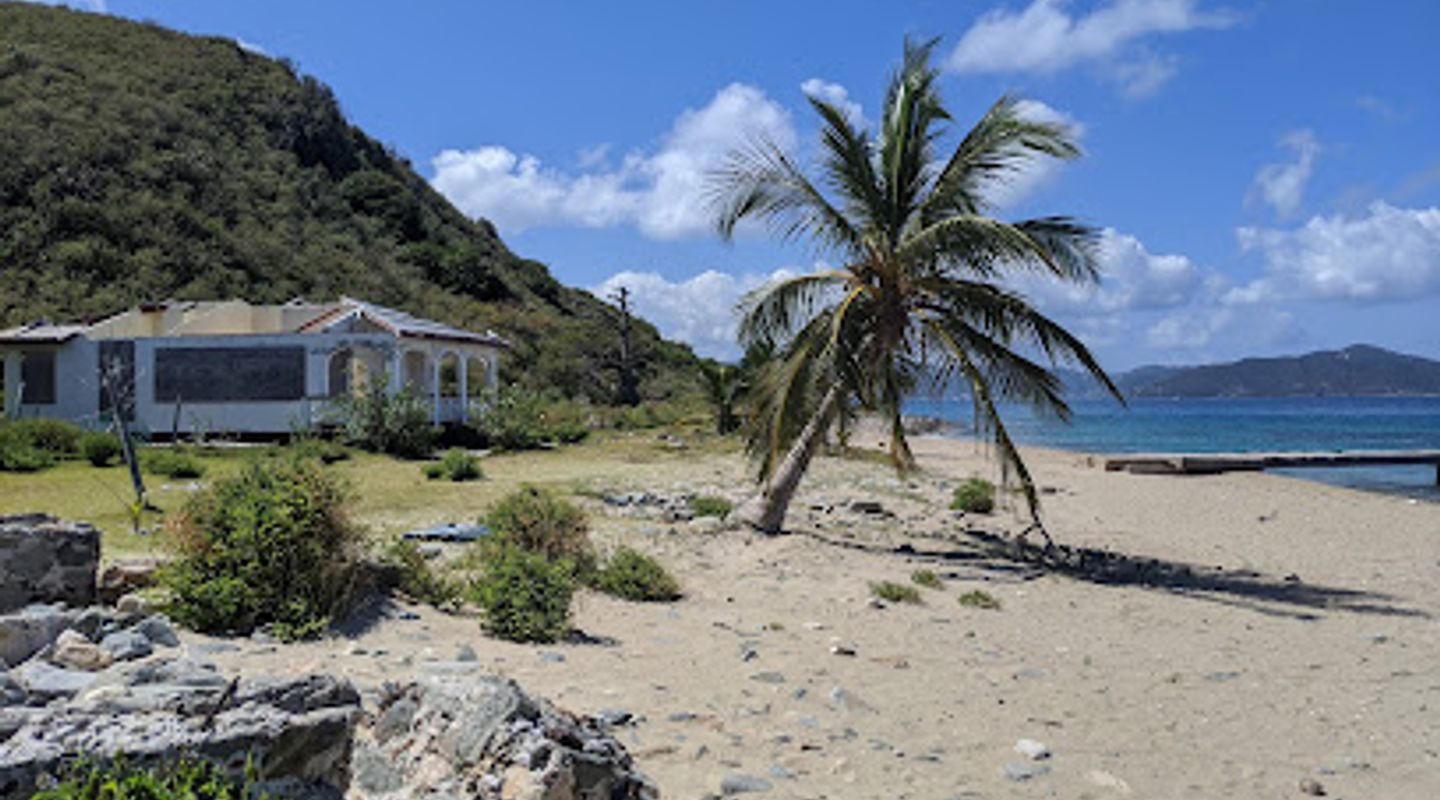
Salt Island, Beef Island Travel Guide
Discover Salt Island: A British Virgin Islands gem with historic salt ponds, world-class diving at the RMS Rhone wreck, and tranquil natural beauty.
Salt Island, a small, uninhabited island in the British Virgin Islands, is named for its historic salt ponds. Once a vital resource, the island now offers a unique blend of natural beauty, historical significance, and world-class diving at the wreck of the RMS Rhone.
A brief summary to Salt Island
- VG

Know before you go
Hi, I'm Eve. Here are a few practical things to know before exploring Salt Island.
- Bring your own provisions, as Salt Island has minimal facilities, including no restaurants or shops.
- Divers should explore the RMS Rhone wreck with a local dive company for safety and to maximize the experience.
- Respect the island's history by not disturbing the salt ponds or taking salt without permission.
- Check the ferry schedule in advance, as services to Salt Island can be limited.
Do you manage this location?
Take control to get all the benefits, like improved information, better appearance, and stronger visibility across AI-powered discovery. Learn more about listing your business on Evendo
Activate your presenceOther nearby places you may find interesting
The closest places of the same kind, if this one is not quite what you had in mind.
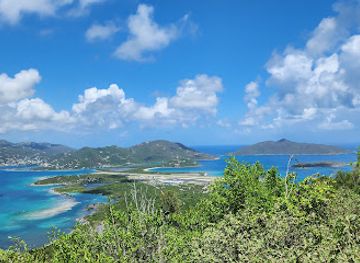
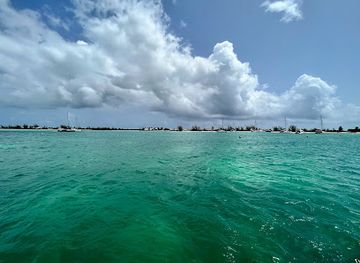



Explore Salt Island on the Map
A handpicked selection of must-see spots near Salt Island, mapped for you.
Getting There
-
Boat Charter
The most common way to reach Salt Island is by boat charter from Tortola or other nearby islands. Several companies offer day trips or private charters to Salt Island, often including snorkeling or diving at the RMS Rhone wreck. Contact local charter companies in Tortola for pricing and availability. Expect to pay around $100-$175 per person for a day trip including multiple stops.
-
Water Taxi
Water taxis are available from Trellis Bay on Beef Island, near the airport, to Salt Island. The boat ride typically costs around $20-$30 USD per person, but it's advisable to check the schedule or book in advance, as services may vary.
Discover more about Salt Island













Your all‑in‑one travel companion app
Explore expert travel guides, compare and book tours, experiences, hotels, and more—all from the palm of your hand. Download now for seamless trip planning wherever your wanderlust takes you.


Explore More of Beef Island
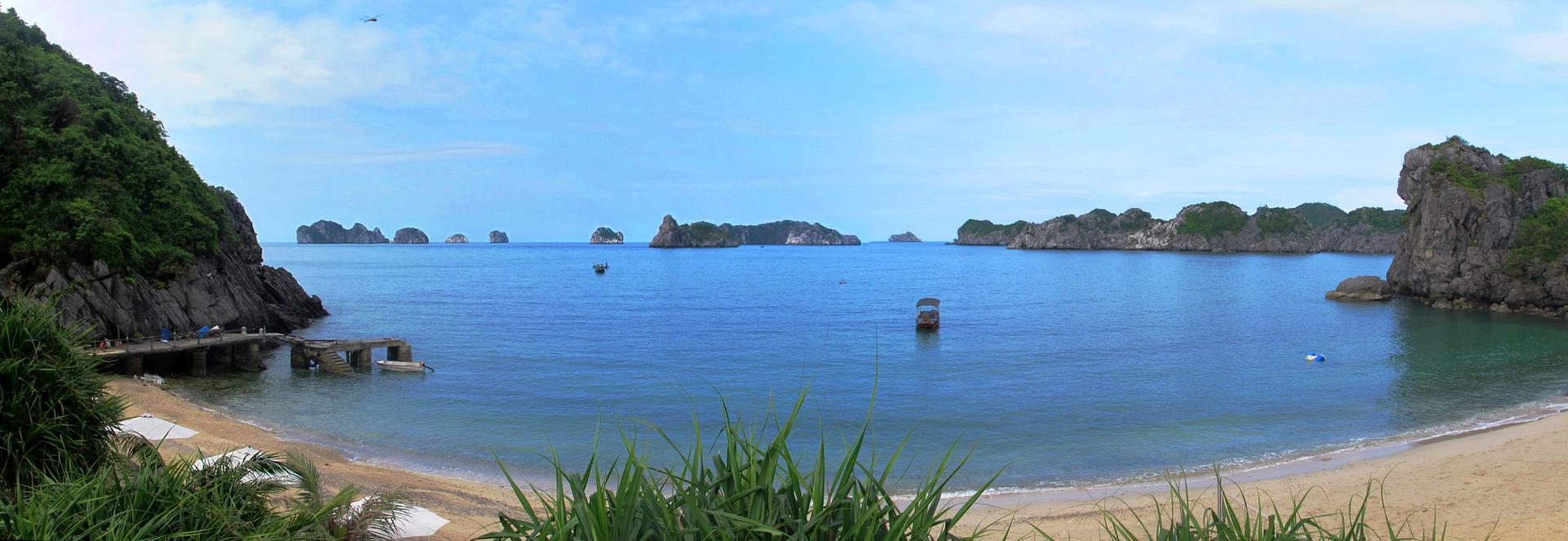
Looking beyond Salt Island? Discover Beef Island for broader travel guides, local hot-spots, and regional highlights.
Explore Beef Island
Discover Scrub Island Resort, Spa & Marina: A luxurious Caribbean escape with pristine beaches, world-class amenities, and a rich history.
Discover Lee Bay, a secluded anchorage on Great Camanoe offering tranquility, snorkeling, and a rocky beach escape in the British Virgin Islands.
