

Free Beef Island Travel Guide & Mobile App
Explore Beef Island with free travel guides. Discover regional history, expert tips, proposed trips, and audio guides on web or mobile app.


Beef Island combines the BVI’s main airport, Trellis Bay marina, quiet beaches, salt ponds and easy access to Tortola and nearby islands.
Read more about Beef Island
When is the best time to visit Beef Island?
Best: January–March · 28–29°C| Month | High (°C) | Rainfall (mm) |
|---|---|---|
| January (best) | 28 | 66 |
| February (best) | 28 | 48 |
| March (best) | 29 | 43 |
| April | 30 | 52 |
| May | 31 | 80 |
| June | 31 | 70 |
| July | 32 | 100 |
| August | 32 | 110 |
| September | 31 | 120 |
| October | 31 | 130 |
| November | 30 | 100 |
| December | 29 | 80 |
Getting to and around Beef Island
How to get there
Transportation
Best attractions in Beef Island
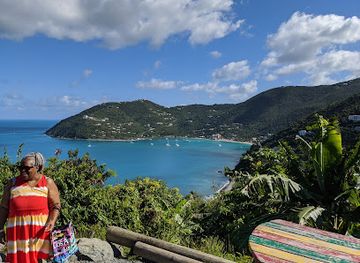
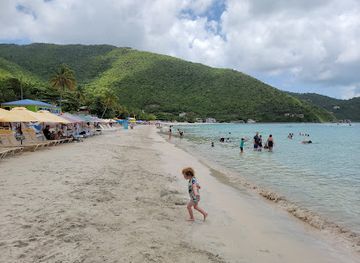
Beef Island’s attractions centre on coast, water and access rather than a long list of formal museums or monumental buildings. Trellis Bay provides the island’s main visitor focus, with a marina, waterfront dining, small creative businesses and views across the channel. Long Bay and Cow Wreck are among the beaches associated with the island, offering opportunities for swimming, sunbathing and watersports when sea conditions are suitable. The shoreline changes noticeably from sheltered bay to wind-exposed coast, so a short drive can produce very different beach conditions. Salt ponds, scrub-covered hills and coastal wetlands add interest for walkers and birdwatchers, although paths may be informal and hot in the midday sun. Terrance B. Lettsome International Airport is itself part of the island’s modern identity, linking the BVI to the wider Caribbean. The Queen Elizabeth II Bridge provides a practical route to Tortola, but should be viewed as a connection rather than a substitute for exploring Beef Island. Boat charters and excursions departing from the area can reach other islands, but those destinations lie outside Beef Island and should be treated as separate parts of the archipelago.
-
Museum
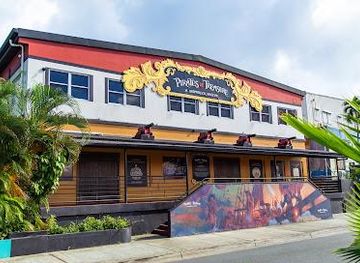
Pirates Treasure Museum
Unearth history and adventure at the Pirates Treasure Museum in St. Thomas, where interactive exhibits bring the world of pirates to life!
-
Tourist attraction
Cruise Ship Excursions
Your gateway to unforgettable St. Thomas adventures, offering a wide range of excursions for cruise ship passengers at Havensight Mall.
-
Beach
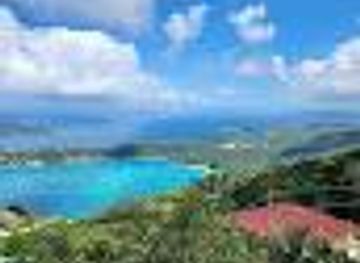
Hansen Bay Beach
Discover a secluded paradise on St. John: Hansen Bay Beach offers calm waters, excellent snorkeling, and a tranquil escape on the island's East End.
-
Beach
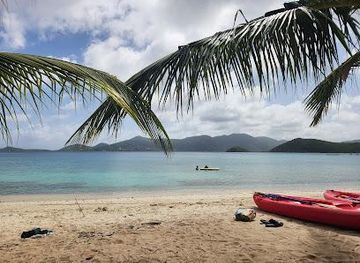
Lindbergh Bay Beach
A convenient and family-friendly beach near St. Thomas airport, offering calm waters, soft sands, and easy access to amenities.

Best landmarks in Beef Island
The Queen Elizabeth II Bridge is Beef Island’s most recognisable man-made landmark, spanning the narrow channel to Tortola and expressing the island’s importance as the BVI’s principal air gateway. Terrance B. Lettsome International Airport is another defining feature: its runway and terminal occupy a prominent part of the island and connect this small Caribbean community with regional travel routes. Trellis Bay’s waterfront, marina and surrounding low hills form the island’s most familiar coastal scene, with boats and open views towards the neighbouring islands. On the natural side, the salt ponds and low coastal wetlands illustrate Beef Island’s dry-island environment and provide habitat for birds, while Cow Wreck and Long Bay represent the more exposed beach landscapes associated with its northern and eastern shores. These places are significant less for monumental architecture than for the way they show the island’s relationship with aviation, maritime travel, shallow coastal habitats and the wider geography of the British Virgin Islands.
-
Island
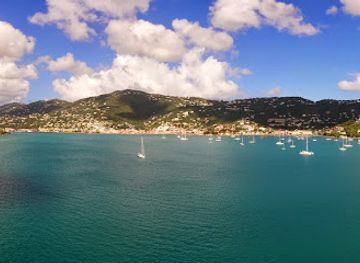
St Thomas
Discover St. Thomas: A vibrant Caribbean island with duty-free shopping, stunning beaches, and a rich historical tapestry.
-
Cruise terminal
Tortola Cruise Ship Pier
Experience the lively Tortola Cruise Ship Pier, your gateway to the stunning British Virgin Islands, with shops, restaurants, and breathtaking views.
-
Resort hotel
Nanny Cay Resort & Marina
Experience the best of the BVI at Nanny Cay Resort & Marina: premier marina services, waterfront accommodations, and island relaxation.
-
Hotel
Scrub Island Resort, Spa & Marina
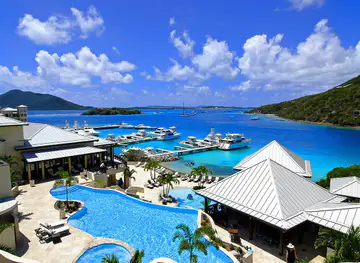
Discover a luxurious private island escape in the British Virgin Islands, offering pristine beaches, world-class amenities, and unforgettable experiences.
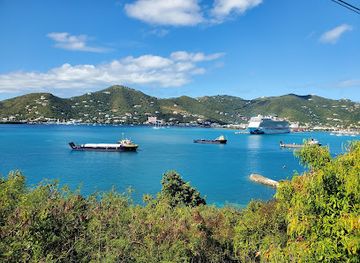

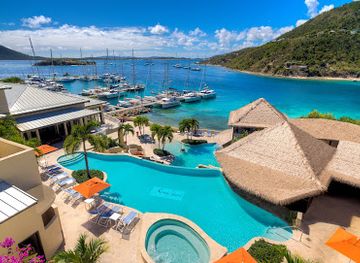
Explore Beef Island on the map
Plan your trip on one map. See where the top cities, national parks and sights are, and book hotels and experiences in a few clicks.
Best hotels in Beef Island
Best restaurants in Beef Island
Dining on Beef Island is concentrated around Trellis Bay, the airport area and waterfront businesses, with a relaxed Caribbean emphasis rather than a dense restaurant scene. Menus commonly draw on the wider Virgin Islands tradition of grilled fish, seafood, chicken, rice, peas, salads and simple beach food, while bars and cafés provide lighter meals suited to travellers arriving from or heading to the marina. Local and Caribbean ingredients may appear alongside international dishes designed for yacht crews and visitors. Waterfront dining is particularly associated with Trellis Bay, where views of anchored boats are part of the setting. Because Beef Island is small and many businesses have seasonal or changing schedules, visitors should check current opening arrangements rather than assume that every venue serves throughout the day. Nearby Tortola offers a broader choice of restaurants, but it is a separate island and requires crossing the bridge.
-
Restaurant
The Smoking Rooster
Savor fall-off-the-bone ribs and smoky brisket on shaded patios at this open-air BBQ haven in St. Thomas, where generous portions and island hospitality create unforgettable casual feasts.
-
Restaurant
Tap and Still Havensight
Casual Havensight haven for build-your-own burgers, fresh fries, craft brews, and sports vibes in St. Thomas' lively mall—perfect for cruise crowds craving value and chill island hangs.
-
Restaurant
The Delly Deck
Casual mall-side haven for all-day breakfast, juicy burgers, and fresh salads amid St. Thomas cruise buzz—perfect quick bites with local flavor.
-
Asian fusion
CocoMaya Restaurant
Experience the vibrant flavors of Asian fusion cuisine with stunning views at CocoMaya Restaurant in Virgin Gorda.

Best bars in Beef Island
Beef Island’s evening life is centred on Trellis Bay, where waterfront bars, casual restaurants and marina activity create the island’s main social setting. The atmosphere is generally relaxed and conversational rather than built around a large nightclub district. Visitors may find live music, informal gatherings and seasonal events, but programming and opening arrangements can change, so current local information is useful. Airport-area venues are convenient for an arrival or departure meal, while the eastern beaches are quiet after dark and have limited services. Those seeking a wider choice of late-evening venues can cross to Tortola, particularly around its more populated coastal settlements, although taxi arrangements should be confirmed before drinking. Local nightlife is best approached as part of the island’s maritime and outdoor culture, not as a continuous entertainment programme.
-
Bar
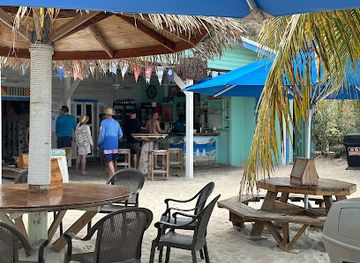
Soggy Dollar Bar
Experience the laid-back island vibes at Soggy Dollar Bar, home of the famous Painkiller cocktail and stunning beach views in the British Virgin Islands.
-
Bar
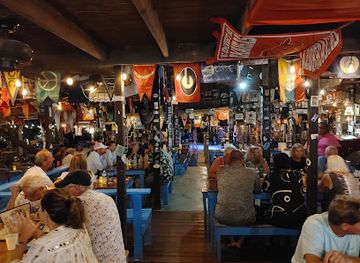
Foxy's, Jost Van Dyke, British Virgin Islands
Experience the vibrant atmosphere and Caribbean charm of Foxy's, a must-visit bar in Jost Van Dyke, British Virgin Islands.
-
 Restaurant
Cooper Island Beach Club
Discover the serene beauty and exceptional cuisine at Cooper Island Beach Club, a tropical oasis in the British Virgin Islands.
-
Bar
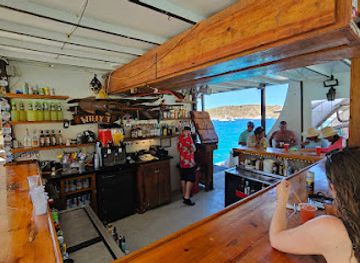
Willy T
Discover Willy T, the iconic floating bar in the British Virgin Islands, where amazing food, drinks, and ocean views await you.

Best nightclubs in Beef Island
Beef Island’s evening life is centred on Trellis Bay, where waterfront bars, casual restaurants and marina activity create the island’s main social setting. The atmosphere is generally relaxed and conversational rather than built around a large nightclub district. Visitors may find live music, informal gatherings and seasonal events, but programming and opening arrangements can change, so current local information is useful. Airport-area venues are convenient for an arrival or departure meal, while the eastern beaches are quiet after dark and have limited services. Those seeking a wider choice of late-evening venues can cross to Tortola, particularly around its more populated coastal settlements, although taxi arrangements should be confirmed before drinking. Local nightlife is best approached as part of the island’s maritime and outdoor culture, not as a continuous entertainment programme.
-
Bar
Foxy's, Jost Van Dyke, British Virgin Islands
Experience the vibrant spirit of Jost Van Dyke at Foxy's, where delicious cocktails meet stunning ocean views and lively entertainment.
-
Hotel
Cooper Island Beach Club
Experience the serene beauty and laid-back luxury of Cooper Island Beach Club in the British Virgin Islands, where relaxation meets adventure.
-
Bar
Stoutt's Lookout Bar
Discover the charm of Stoutt's Lookout Bar, a delightful spot in the British Virgin Islands offering stunning views and refreshing drinks.
-
Bar
Paradise Club Lounge, Bar, & Restaurant
Experience the vibrant nightlife and stunning seaside views at Paradise Club Lounge, Tortola's premier bar and restaurant.
Best shops in Beef Island
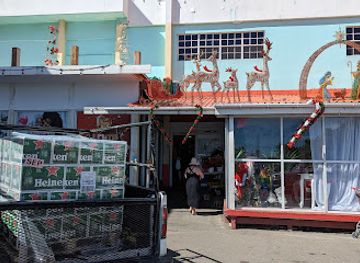
Shopping on Beef Island is modest and concentrated around Trellis Bay, the airport and small visitor-oriented businesses rather than a large high street. Trellis Bay is the principal place to look for locally made art, craft items, beachwear, souvenirs and products connected with the island’s maritime atmosphere. Airport retail is useful for last-minute gifts and travel essentials, although the range can vary. Visitors may find Caribbean food products, rum-based goods, jewellery, textiles and artwork, but should distinguish genuinely local work from general souvenirs imported from elsewhere. For a wider choice of supermarkets, galleries and independent shops, Tortola is more practical and is reached by the bridge. Buying from small businesses, asking about the origin of crafts and carrying purchases securely are sensible ways to support the local economy without treating the island as a conventional shopping destination.
-
Shopping mall
Havensight Mall
Discover the best shopping and dining at Havensight Mall, a vibrant destination in St. Thomas filled with local crafts and international brands.
-
Supermarket
Bobby's Supermarket
Discover the vibrant shopping experience at Bobby's Supermarket, where local flavors meet international variety in the heart of Road Town.
-
Grill
Trellis Bay Market Bar & Grill
Experience authentic Caribbean flavors and a vibrant atmosphere at Trellis Bay Market Bar & Grill, the heart of culinary delight in the British Virgin Islands.
-
Gourmet Grocery Shop
French Deli & Gourmet Shop
Discover a culinary treasure in Road Town with gourmet groceries, fine wines, and delicious French cuisine at the French Deli & Gourmet Shop.



Get your free copy of our complete guide to Beef Island, delivered straight to you.
Everything on this page, from attractions and restaurants to essentials and local phrases, in one PDF you can read offline, print or share.
Already have an account? Sign in
Your Beef Island guide is ready.
We'll send it to · Not you? Sign out

Getting your guide ready…
We are putting together a fresh copy of the Beef Island guide. This can take up to a minute.
This can take a few moments. If your browser asks, choose Allow so the download can start. You'll find the guide in your Downloads folder.
Nothing happened? Download it again
Sorry, the guide is taking longer than usual. Please try again in a minute, or get it by email instead.
Beef Island essentials
Currency and Payment
Safety
Emergency Situations
Do's and Don'ts
Local Tips
From Eve
Local phrases worth knowing
You don't need to get them perfect. A few words go a long way, and locals appreciate the effort.
Basics
| English | Local | Say it |
|---|---|---|
| Hello | Hello | [Heh-lo] |
| Goodbye | Goodbye | [Goo-dbye] |
| Yes | Yes | [Yes] |
| No | No | [No] |
| Please/You're welcome | Please/You’re welcome | [Pleez/Yohr wel-kum] |
| Thank you | Thank you | [Thank you] |
| Excuse me/Sorry | Excuse me/Sorry | [Ex-kyoos mee/Saw-ree] |
| How are you? | How you doin’? | [How yuh doin’?] |
| Fine. And you? | I good. And you? | [I gud. An yuh?] |
| Do you speak English? | Yuh speak English? | [Yuh speek In-glish?] |
| I don't understand | I no understand | [I no un-derstand] |
Eating & Drinking
| English | Local | Say it |
|---|---|---|
| I'd like to see the menu, please | Can I see di menu, please? | [Kan I see di men-yu, pleez?] |
| I don't eat meat | I no eat meat | [I no eet meet] |
| Cheers! | Cheers! | [Cheers!] |
| I would like to pay, please | I would like to pay, please | [I wood like to pay, pleez] |
Emergencies
| English | Local | Say it |
|---|---|---|
| Help! | Help! | [Help!] |
| Go away! | Go way! | [Go way!] |
| Call the Police! | Call di Police! | [Call di Po-lees!] |
| Call a doctor! | Call a doctor! | [Call a dok-ta!] |
| I'm lost | I lost | [I lost] |
| I'm ill | I sick | [I sik] |
Shopping
| English | Local | Say it |
|---|---|---|
| I'd like to buy... | I wan buy... | [I wan buy...] |
| I'm just looking | I just a lookin’ | [I just a lookin’] |
| How much is it? | How much dat? | [How much dat?] |
| That's too expensive | Dat too expensive | [Dat too expen-sive] |
| Can you lower the price? | Can yuh lower di price? | [Kan yuh loh-er di price?] |
Time & Numbers
| English | Local | Say it |
|---|---|---|
| What time is it? | What time it be? | [What time it be?] |
| It's one o'clock | It one o’clock | [It wan o-clock] |
| Half past (10) | Half past ten | [Half past ten] |
| Morning | Mornin’ | [Mornin’] |
| Afternoon | Afternoon | [Afternoon] |
| Evening | Evenin’ | [Evenin’] |
| Yesterday | Yesterday | [Yes-ter-day] |
| Today | Today | [To-day] |
| Tomorrow | Tomorrow | [To-mor-row] |
| 1 | One | [One] |
| 2 | Two | [Two] |
| 3 | Three | [Three] |
| 4 | Four | [Four] |
| 5 | Five | [Five] |
| 6 | Six | [Six] |
| 7 | Seven | [Seven] |
| 8 | Eight | [Eight] |
| 9 | Nine | [Nine] |
| 10 | Ten | [Ten] |
Transport & Directions
| English | Local | Say it |
|---|---|---|
| Where's a/the...? | Where de...? | [Where de...?] |
| What's the address? | Wha di address? | [Wha di ad-dress?] |
| Can you show me (on the map)? | Can yuh show me (pon di map)? | [Kan yuh sho me (pon di map)?] |
| When's the next (bus)? | When di next (bus)? | [When di next (bus)?] |
| A ticket (to ....) | A ticket (to ....) | [A tik-it (to....)] |
History of Beef Island
Indigenous Caribbean Settlement
Long before European colonisation, the Virgin Islands formed part of the wider Caribbean world of Indigenous seafaring communities. Archaeological evidence across the archipelago points to movement between islands, fishing, farming and exchange, although the small size of Beef Island means that its surviving archaeological record is less prominent than that of some larger islands. Its sheltered bays and position beside the Sir Francis Drake Channel nevertheless placed it within the established maritime landscape of the pre-colonial Virgin Islands.
European Colonisation and Plantation Agriculture
During the seventeenth and eighteenth centuries, the Virgin Islands were drawn into European imperial competition. The British established lasting control over the islands that became the British Virgin Islands, and land was used for livestock keeping and plantation agriculture, including crops such as cotton and sugar in suitable areas. Beef Island’s low, relatively dry terrain was less suited to intensive plantation development than some larger islands, but the island formed part of the same colonial economy and maritime network.
Enslavement and Emancipation
Like the rest of the British Virgin Islands, Beef Island was affected by the system of African enslavement that supported plantation economies throughout the Caribbean. Enslaved people performed agricultural, domestic and maritime labour under British colonial rule. Emancipation in the British Empire took effect in the 1830s, bringing a profound social and economic change, although formerly enslaved communities continued to face unequal access to land and opportunity. The island’s later rural and maritime culture developed from this complex colonial legacy.
The Post-Plantation Maritime Economy
After plantation agriculture declined, the British Virgin Islands relied increasingly on small-scale farming, livestock, fishing, boatbuilding, inter-island trade and migration. Beef Island’s location beside Tortola and the principal sailing routes made its bays useful to local maritime activity. For much of its modern history it remained lightly developed, with a landscape of scrub, beaches, salt ponds and scattered settlement rather than a large urban centre. These characteristics still distinguish it from more densely settled parts of Tortola.
Modern Aviation and the Airport Era
The establishment and later expansion of an airport on Beef Island transformed the island’s relationship with the outside world. What had been a relatively remote British Caribbean territory became more accessible to visitors arriving from regional hubs and connecting onwards by road or sea. Terrance B. Lettsome International Airport now makes Beef Island the principal air gateway to the British Virgin Islands. Aviation has brought employment and tourism-related development while preserving the island’s importance as a passage between Tortola and the outer islands.
The Queen Elizabeth II Bridge and Contemporary Connectivity
The bridge linking Beef Island with Tortola strengthened the practical connection between the airport, Trellis Bay and the territory’s main population centre. It replaced the need for a short water crossing and made movement between the two islands simpler for residents, workers and visitors. The result is a distinctive modern geography: Beef Island functions as a gateway to the BVI, yet its beaches, wetlands and low-density settlements retain a quieter identity than the busier parts of Tortola.
Beef Island in Photos
Browse through our photo collection highlighting the charm and character of the destination.
Neighbouring regions of Beef Island
The closest regions to Beef Island, if you have time for more than one.
-

-
-

-

-


Swipe for more regions
Explore more
Explore more of British Virgin Islands
Discover the British Virgin Islands: Pristine beaches, vibrant marine life, and a rich cultural heritage await in this Caribbean paradise.
Explore British Virgin Islands