
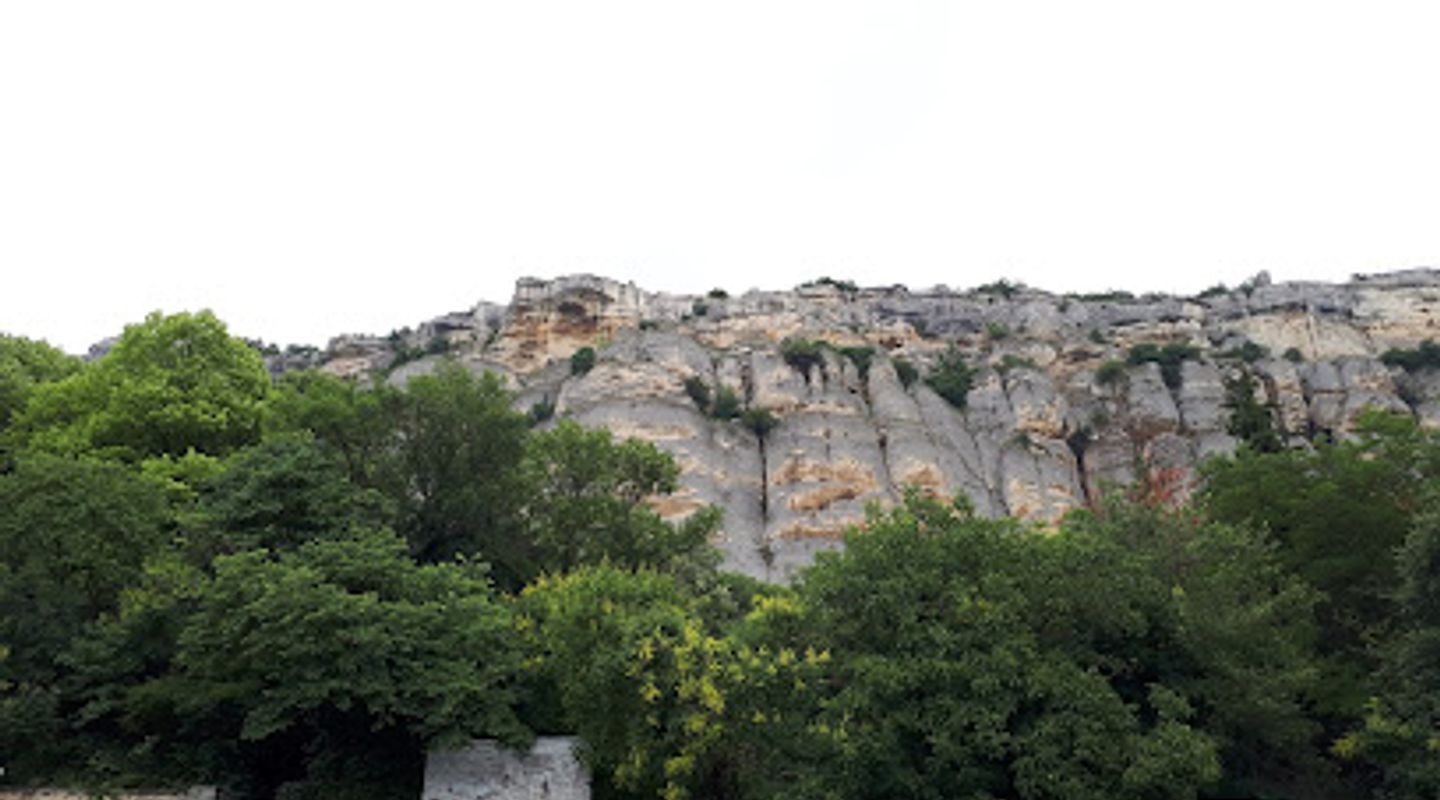
Madara Horseman, Thrace Travel Guide
Discover the Madara Horseman, Bulgaria's iconic medieval rock relief and a UNESCO World Heritage site, offering a glimpse into the First Bulgarian Empire.
The Madara Horseman, a UNESCO World Heritage site, is an impressive early medieval rock relief carved into the Madara Plateau in northeastern Bulgaria. Dating back to the 8th century, this unique monument depicts a horseman triumphing over a lion and offers a glimpse into the history and artistry of the First Bulgarian Empire.
A brief summary to Madara Horseman
- Madara, 9971, BG
- Click to display
- Monday 8:30 am-7 pm
- Tuesday 8:30 am-7 pm
- Wednesday 8:30 am-7 pm
- Thursday 8:30 am-7 pm
- Friday 8:30 am-7 pm
- Saturday 8:30 am-7 pm
- Sunday 8:30 am-7 pm

Know before you go
Hi, I'm Eve. Here are a few practical things to know before exploring Madara Horseman.
- Visit early in the morning or late in the afternoon to avoid crowds and enjoy the best lighting for photography.
- Wear comfortable shoes, as there is some walking involved to reach the viewing area.
- Bring water and snacks, as facilities on-site are limited.
- Explore the Madara Archaeological Reserve to discover other historical remains, including the Madara Fortress and ancient burial mounds.
Do you manage this location?
Take control to get all the benefits, like improved information, better appearance, and stronger visibility across AI-powered discovery. Learn more about listing your business on Evendo
Activate your presenceOther nearby places you may find interesting
The closest places of the same kind, if this one is not quite what you had in mind.

Explore Madara Horseman on the Map
A handpicked selection of must-see spots near Madara Horseman, mapped for you.
Unlock the Best of Madara Horseman
Buy tickets
-
No tickets available
Book tours with entry


Getting There
-
Public Transport
To reach the Madara Horseman via public transport, begin by traveling to Shumen. From the Shumen bus station, take a local bus to the village of Madara; this ride typically takes around 30 minutes. Upon arrival in Madara, you can either walk to the Madara Horseman site, roughly 1.5 km from the village center, or take a short taxi ride. Bus tickets from Shumen to Madara cost approximately 2-3 leva.
-
Taxi
For a direct route, hire a taxi from Shumen to the Madara Horseman. The taxi ride takes about 20 minutes and should cost around 30-40 BGN. It's advisable to agree on the fare beforehand or ensure the meter is running. From the taxi drop-off point, there is a short walk to the monument viewing area.
-
Car
If driving, head towards Shumen. From Shumen, follow the E70 highway southeast towards Madara. Take the exit towards Madara and follow the signs to the Madara Horseman, which is located in a designated historical and archaeological area. Parking is available near the entrance, and a small fee may be required. Parking fees are generally around 2-5 leva per day.
Discover more about Madara Horseman













Your all‑in‑one travel companion app
Explore expert travel guides, compare and book tours, experiences, hotels, and more—all from the palm of your hand. Download now for seamless trip planning wherever your wanderlust takes you.


Explore More of Thrace
Looking beyond Madara Horseman? Discover Thrace for broader travel guides, local hot-spots, and regional highlights.
Explore Thrace
Explore the rich heritage of Bulgarian immigrants at the Museum of 13th Bulgarian Immigrants in Veliki Preslav, a journey through culture and history.

Explore the historical richness and breathtaking views of Beş Tepe Tabia, a captivating landmark in Shumen, Bulgaria, ideal for history and nature lovers.
