

Free Thrace Travel Guide & Mobile App
Explore Thrace with free travel guides. Discover regional history, expert tips, proposed trips, and audio guides on web or mobile app.


Explore Bulgarian Thrace through Plovdiv’s ancient streets, Thracian tombs, Rhodope landscapes, vineyards and historic cities across the southern plain.
Read more about Thrace
When is the best time to visit Thrace?
Best: May–June, September · 24–28°C| Month | High (°C) | Rainfall (mm) |
|---|---|---|
| January | 5 | 40 |
| February | 8 | 35 |
| March | 14 | 45 |
| April | 19 | 50 |
| May (best) | 24 | 55 |
| June (best) | 28 | 50 |
| July | 31 | 45 |
| August | 30 | 40 |
| September (best) | 26 | 35 |
| October | 21 | 40 |
| November | 14 | 45 |
| December | 7 | 50 |
Getting to and around Thrace
How to get there
Transportation
Top city travel guides in Thrace
The cities of Thrace, and the easiest places to base yourself.
-

-

-

-
-
-


Swipe for more cities
Destinations in Thrace
Resorts, valleys and scenic spots worth a trip of their own.
-

-

-

-

-

-


Swipe for more destinations
Best attractions in Thrace
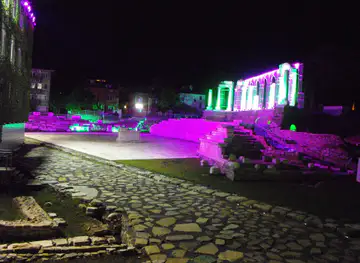
Bulgarian Thrace offers an unusually broad mixture of urban archaeology, prehistoric heritage, religious monuments, wine country and open landscapes. Plovdiv’s Ancient Stadium, Roman theatre and archaeological complex make the city the region’s principal historic attraction, while the Neolithic Dwellings Museum in Stara Zagora presents a rare, tangible view of prehistoric domestic life. Around Kazanlak, tombs and memorial sites associated with the Valley of the Thracian Kings reveal the artistic culture of ancient Thracian rulers. Bachkovo Monastery provides a contrasting experience of medieval and Orthodox heritage in a wooded mountain setting. Further east, Perperikon and Tatul bring visitors into the eastern Rhodopes, where sanctuaries and fortified remains occupy dramatic rocky terrain. Wine estates across the plain offer tastings by arrangement, and the Rhodope foothills provide opportunities for walking, photography and village visits. The attraction landscape is dispersed: city museums can be combined with archaeological excursions, but rural sites require careful transport planning and are rarely suited to an improvised route.
-
Park
Lauta Park
Escape to Lauta Park in Plovdiv: A green oasis offering recreation, sports, and a peaceful retreat from the city bustle.
-
Historical landmark
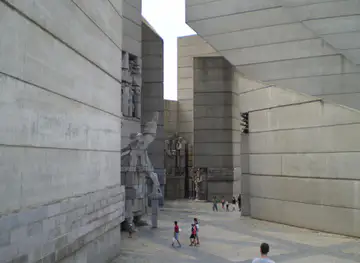
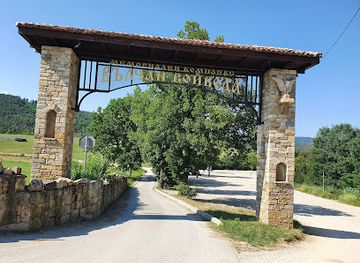
"Vulchan Voivoda" Memorial Complex
Discover the Vulchan Voivoda Memorial Complex in Veliko Tarnovo, a historical landmark that honors Bulgaria's courageous fight for freedom during the Russo-Turkish War.
-
History museum
Regional Museum of History Kardzhali
Explore the Regional Museum of History in Kardzhali for an enriching journey through Bulgaria's vibrant past, filled with fascinating artifacts and stories.
-
Museum
Thracian tomb of Aleksandrovo
Explore the Thracian Tomb of Aleksandrovo: Uncover ancient art and history in this remarkable Bulgarian archaeological site.


Best landmarks in Thrace
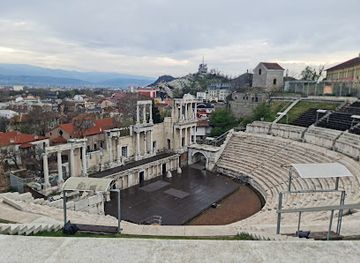
Plovdiv’s Roman theatre is the most recognisable architectural landmark in Thrace, occupying a hillside above the city and still used for performances. Nearby, the Ancient Stadium and the layered streets of the Old Town illustrate how Roman, Ottoman and Bulgarian National Revival architecture coexist within one urban landscape. Stara Zagora’s Forum complex and surviving sections of Augusta Traiana mark the city’s Roman importance, while the Neolithic Dwellings Museum preserves an even earlier landmark of settlement history. The Kazanlak Tomb, known for its finely painted Hellenistic-era murals, is among the region’s most significant ancient monuments, although its conservation-sensitive interior is carefully managed. In the hills south of Plovdiv, Bachkovo Monastery is distinguished by its medieval foundation, churches and painted courtyards. Perperikon, a vast rock-cut and fortified complex in the eastern Rhodopes, gives the region one of its most powerful archaeological silhouettes; the sanctuary and tomb complex at Tatul adds another important Thracian site in the same broader landscape.
-
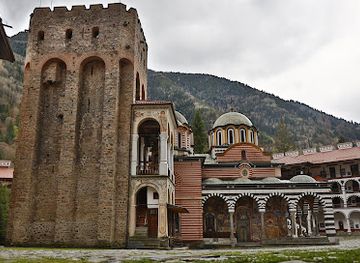
Monastery
Rila Monastery
Discover the breathtaking beauty and rich history of Rila Monastery, a UNESCO World Heritage site nestled in the stunning Rila Mountains of Bulgaria.
-
Historical landmark
Ancient Theatre of Philippopolis
Discover the grandeur of the Ancient Theatre of Philippopolis, an iconic symbol of Bulgaria's rich historical heritage and architectural marvel.
-
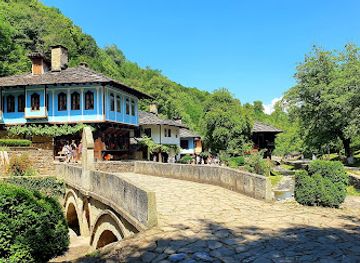
Ethnographic museum
Ethno village Etar
Experience the charm of Ethno Village Etar, Bulgaria's cultural gem, showcasing traditional crafts, architecture, and folklore in a stunning natural setting.
-
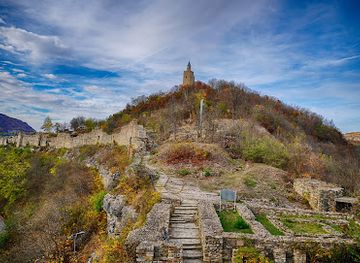
Fortress
Tsarevets Fortress
Explore Tsarevets Fortress in Veliko Tarnovo: a medieval stronghold with stunning views, rich history, and architectural marvels of the Second Bulgarian Empire.
Explore Thrace on the map
Plan your trip on one map. See where the top cities, national parks and sights are, and book hotels and experiences in a few clicks.
Best hotels in Thrace
Best restaurants in Thrace
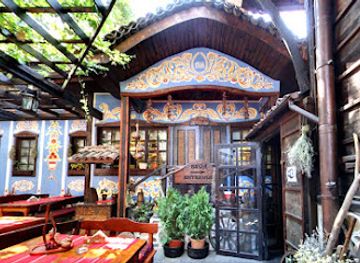
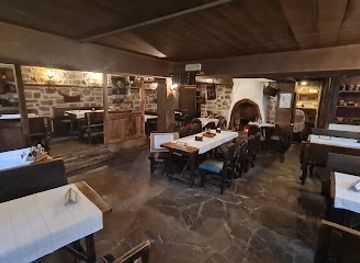
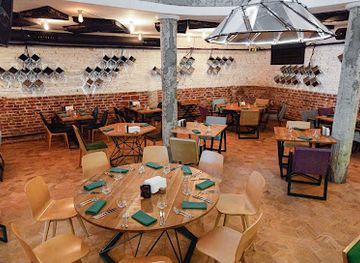
Dining in Thrace reflects the fertile plain, agricultural traditions and cultural connections linking Bulgaria with the wider Balkans. Plovdiv has the most varied choice, from contemporary restaurants in the central districts to traditional mehanas serving shopska salad, grilled meats, kavarma, banitsa and seasonal vegetable dishes. Stara Zagora, Haskovo and Kardzhali provide more local, informal dining, including cafés, family restaurants and bakeries. In villages and wine-producing districts, menus commonly emphasise regional produce, yoghurt, white cheese, peppers, aubergines, herbs and slow-cooked meat rather than elaborate presentation. The Rhodope influence becomes stronger towards the mountains, where potato-based dishes, dairy products and hearty stews are especially appropriate in cooler weather. Local wineries and cellar restaurants may pair regional food with Bulgarian wines, but visits often need advance booking. Farmers’ markets and food shops are useful for fruit, honey, preserves and baked goods, while visitors should expect meal times and menu availability to be more limited outside the larger towns.
-
Bulgarian
Hadjidraganov's Houses Restaurant
Experience authentic Bulgarian cuisine at Hadjidraganov's Houses Restaurant in Sofia, where tradition meets modern hospitality amidst live music.
-
Bulgarian
Restaurant Vodenitzata | Вкусна Храна | Достъпни Цени | Безкомпромисно Обслужване
Savor the authentic taste of Bulgaria at Restaurant Vodenitzata in Sofia – where tradition meets exceptional service.
-
Bulgarian
Under the Linden Trees
Discover authentic Bulgarian flavors at Under the Linden Trees in Sofia, where traditional dishes meet warm hospitality.
-
Restaurant
Cosmos Restaurant / Космос
Experience the best of Bulgarian cuisine at Cosmos Restaurant in Sofia - where tradition meets modern culinary artistry.

Best bars in Thrace
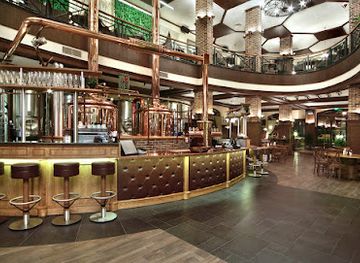
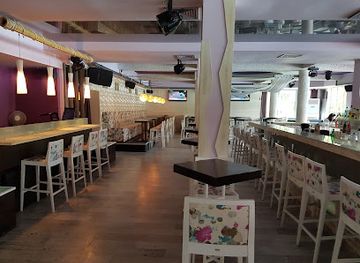
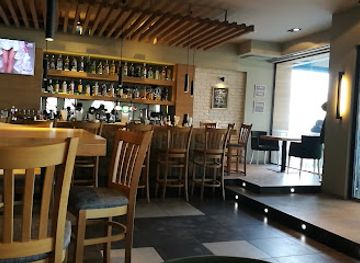
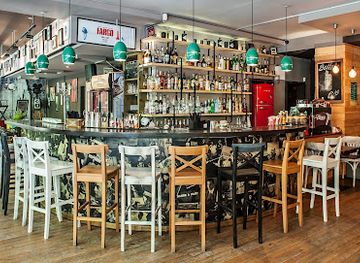
Evening life in Bulgarian Thrace is concentrated in Plovdiv, with smaller but active scenes in Stara Zagora, Haskovo and other sizeable towns. Plovdiv’s central streets and creative districts contain wine bars, cafés, cocktail venues, traditional pubs and places hosting live music, while theatres and cultural events add alternatives to late-night drinking. Stara Zagora and Haskovo offer restaurants, beer bars and modest club scenes, particularly for local residents and younger visitors. In rural Thrace and the Rhodopes, evenings are more likely to centre on a family restaurant, village inn, winery or hotel terrace than a nightclub. Bulgarian wine is an important part of the regional identity, and tastings provide a more place-specific evening activity than a standard bar crawl. Opening arrangements and seasonal programming vary, so check locally rather than relying on outdated listings.
-
Brewpub
Бирария Jägerhof - Пловдив
Discover the best Austrian brewpub in Plovdiv, where handcrafted beers and traditional cuisine create an unforgettable culinary experience.
-
Bar
Morado Bar & Dinner
Discover the vibrant ambiance and delicious offerings of Morado Bar & Dinner in the heart of Plovdiv, a must-visit for food lovers.
-
Grill
CLUB GRAPHITE
Experience the flavors of Bulgaria at CLUB GRAPHITE, a grill restaurant in Plovdiv known for its delicious dishes and welcoming atmosphere.
-
Cocktail bar
Club Fargo
Discover the vibrant nightlife at Club Fargo, Plovdiv's top cocktail bar, blending exquisite drinks with an unforgettable atmosphere.
Best nightclubs in Thrace
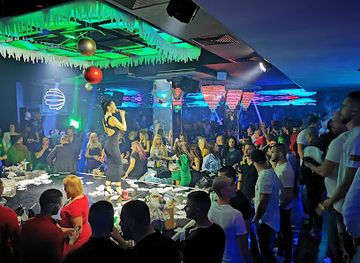
Evening life in Bulgarian Thrace is concentrated in Plovdiv, with smaller but active scenes in Stara Zagora, Haskovo and other sizeable towns. Plovdiv’s central streets and creative districts contain wine bars, cafés, cocktail venues, traditional pubs and places hosting live music, while theatres and cultural events add alternatives to late-night drinking. Stara Zagora and Haskovo offer restaurants, beer bars and modest club scenes, particularly for local residents and younger visitors. In rural Thrace and the Rhodopes, evenings are more likely to centre on a family restaurant, village inn, winery or hotel terrace than a nightclub. Bulgarian wine is an important part of the regional identity, and tastings provide a more place-specific evening activity than a standard bar crawl. Opening arrangements and seasonal programming vary, so check locally rather than relying on outdated listings.
-
Disco club
Secrets Nightclub
Dive into the electrifying nightlife at Secrets Nightclub - the ultimate disco destination in Stara Zagora, Bulgaria.
-
Night club
Club Pasha | Нощен клуб Пловдив | DJ парти | Алкохолни напитки | Гостуващи изпълнители
Experience the vibrant nightlife of Plovdiv at Club Pasha, where electrifying DJ parties and exciting performances await you.
-
Disco club
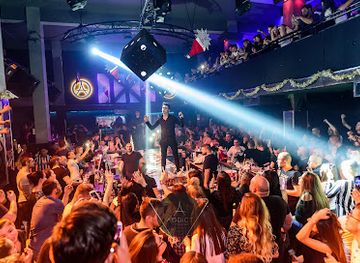
Addict Fashion Club
Discover the heart of Hisarya's nightlife at Addict Fashion Club, where music, dance, and fun collide for an unforgettable experience.
-
Disco club
Noir Club
Noir Club in Kazanluk: Dance the Night Away in a Lively Disco Atmosphere with Great Music and a Welcoming Crowd.
Best shops in Thrace
Shopping in Thrace is strongest in the historic centres and market districts of Plovdiv, Stara Zagora, Haskovo and Kardzhali. Plovdiv combines ordinary high-street retail with independent design shops, bookshops, galleries, antiques and craft stores, particularly around its central pedestrian areas and the Old Town. Smaller towns are useful for practical local shopping, bakeries, seasonal produce and markets rather than extensive specialist retail. Regional food products make reliable souvenirs: Bulgarian wine, honey, rose products from the wider central Bulgarian area, preserves, dried herbs, cheese and sweets are widely available, though labels and provenance should be checked. Pottery, woven goods, woodwork and religious items can be found through craft outlets and monastery shops, but quality varies. Rural markets provide a more direct view of everyday commerce, with fruit, vegetables, pickles and household goods changing according to the season.
-
Sporting goods store
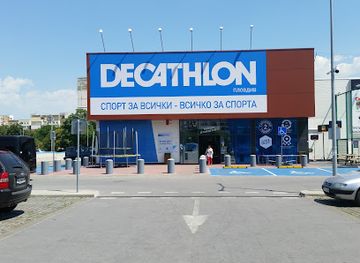
DECATHLON Plovdiv | Пловдив
Discover the ultimate sporting goods store in Plovdiv, offering top-notch gear for sports enthusiasts and adventurers alike.
-
Supermarket
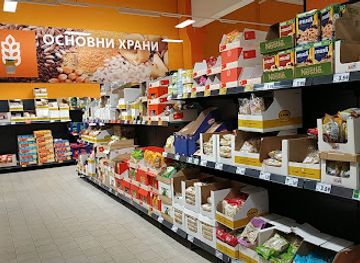
Kaufland
Explore Kaufland in Plovdiv for a diverse shopping experience featuring fresh produce, local delicacies, and organic foods to enhance your travel experience.
-
Pet store
Зоомагазин Д-р Стефанов - Нечовешки магазин
Discover a premier pet store in Plovdiv, featuring quality supplies for all your furry friends at Зоомагазин Д-р Стефанов.
-
Sofa store
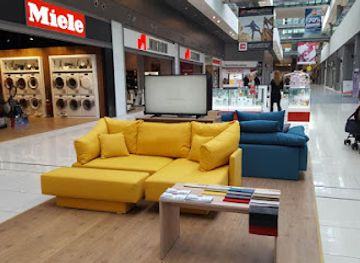
Shop Feydom Bulgaria
Explore Shop Feydom Bulgaria in Plovdiv for a stunning range of sofas that blend comfort with exquisite design, perfect for any home.
Get your free copy of our complete guide to Thrace, delivered straight to you.
Everything on this page, from attractions and restaurants to essentials and local phrases, in one PDF you can read offline, print or share.
Already have an account? Sign in
Your Thrace guide is ready.
We'll send it to · Not you? Sign out

Getting your guide ready…
We are putting together a fresh copy of the Thrace guide. This can take up to a minute.
This can take a few moments. If your browser asks, choose Allow so the download can start. You'll find the guide in your Downloads folder.
Nothing happened? Download it again
Sorry, the guide is taking longer than usual. Please try again in a minute, or get it by email instead.
Thrace essentials
Currency and Payment
Safety
Emergency Situations
Do's and Don'ts
Local Tips
From Eve
Local phrases worth knowing
You don't need to get them perfect. A few words go a long way, and locals appreciate the effort.
Basics
| English | Local | Say it |
|---|---|---|
| Hello | Здравейте | [Zdraveyte] |
| Goodbye | Довиждане | [Dovizhdane] |
| Yes | Да | [Da] |
| No | Не | [Ne] |
| Please/You're welcome | Моля/Няма за какво | [Molya/Nyama za kakvo] |
| Thank you | Благодаря | [Blagodarya] |
| Excuse me/Sorry | Извинете/Съжалявам | [Izvinete/Sazhalyavam] |
| How are you? | Как сте? | [Kak ste?] |
| Fine. And you? | Добре. А вие? | [Dobre. A vie?] |
| Do you speak English? | Говорите ли английски? | [Govorite li angliyski?] |
| I don't understand | Не разбирам | [Ne razbiram] |
Eating & Drinking
| English | Local | Say it |
|---|---|---|
| I'd like to see the menu, please | Бих искал да видя менюто, моля | [Bih iskal da vidya menyuto, molya] |
| I don't eat meat | Не ям месо | [Ne yam meso] |
| Cheers! | Наздраве! | [Nazdrave!] |
| I would like to pay, please | Бих искал да платя, моля | [Bih iskal da platya, molya] |
Emergencies
| English | Local | Say it |
|---|---|---|
| Help! | Помощ! | [Pomoshch!] |
| Go away! | Заминавай! | [Zaminavay!] |
| Call the Police! | Викайте полиция! | [Vikayte politsiya!] |
| Call a doctor! | Викайте доктор! | [Vikayte doktor!] |
| I'm lost | Загубен съм | [Zaguben sŭm] |
| I'm ill | Болен съм | [Bolen sŭm] |
Shopping
| English | Local | Say it |
|---|---|---|
| I'd like to buy... | Бих искал да купя... | [Bih iskal da kupya...] |
| I'm just looking | Само гледам | [Samo gledam] |
| How much is it? | Колко струва? | [Kolko struva?] |
| That's too expensive | Това е твърде скъпо | [Tova e tvarde skŭpo] |
| Can you lower the price? | Можете ли да намалите цената? | [Mozhete li da namalite tsenata?] |
Time & Numbers
| English | Local | Say it |
|---|---|---|
| What time is it? | Колко е часът? | [Kolko e chasŭt?] |
| It's one o'clock | Часът е един | [Chasŭt e edīn] |
| Half past (10) | Десет и половина | [Deset i polovina] |
| Morning | Сутрин | [Sutrin] |
| Afternoon | Следобед | [Sledobed] |
| Evening | Вечер | [Vecher] |
| Yesterday | Вчера | [Vchera] |
| Today | Днес | [Dnes] |
| Tomorrow | Утре | [Utre] |
| 1 | 1 | [1] |
| 2 | 2 | [2] |
| 3 | 3 | [3] |
| 4 | 4 | [4] |
| 5 | 5 | [5] |
| 6 | 6 | [6] |
| 7 | 7 | [7] |
| 8 | 8 | [8] |
| 9 | 9 | [9] |
| 10 | 10 | [10] |
Transport & Directions
| English | Local | Say it |
|---|---|---|
| Where's a/the...? | Къде е...? | [Kŭde e...?] |
| What's the address? | Какъв е адресът? | [Kakav e adresŭt?] |
| Can you show me (on the map)? | Можете ли да ми покажете (на картата)? | [Mozhete li da mi pokazhete (na kartata)?] |
| When's the next (bus)? | Кога е следващият (автобус)? | [Koga e sledvashtiyat (avtobus)?] |
| A ticket (to ....) | Билет (до ....) | [Bilet (do ....)] |
History of Thrace
Neolithic communities and early settlement
Southern Bulgaria contains some of Europe’s earliest settled communities. The Neolithic Dwellings Museum in Stara Zagora preserves remains of a substantial prehistoric house settlement dating from the sixth millennium BC, when farming communities built timber-and-clay homes and developed increasingly complex domestic lives. Other archaeological finds across the Upper Thracian Plain show that fertile soils, reliable water and routes through the surrounding hills encouraged settlement for thousands of years. These communities formed the deep prehistoric foundation of the region’s later agricultural and urban history.
The Thracian kingdoms
From the first millennium BC, Thracian communities and dynasties occupied the plain, river valleys and Rhodope uplands. Rather than forming one permanently unified state, Thrace was divided among competing rulers and tribes who traded with the Greek world and later confronted Macedonian and Roman power. Tombs near Kazanlak, the sanctuary at Tatul and the hilltop complex of Perperikon illustrate the religious, political and artistic sophistication of these societies. Gold and silver objects, painted tomb chambers and monumental stonework reveal an elite culture whose legacy remains central to Bulgaria’s historical identity.
Roman cities and roads
Rome incorporated Thrace during the first century AD and reorganised the region through roads, military administration and urban institutions. Philippopolis, modern Plovdiv, became one of the empire’s leading cities in the Balkans, while Augusta Traiana, modern Stara Zagora, developed as an important urban centre. Roman streets, theatres, forums, baths and defensive structures remain visible in both cities. The Maritsa corridor also formed part of wider networks connecting the interior Balkans with the Aegean, enabling trade, movement and the spread of Roman culture.
Medieval frontiers and Christian foundations
During the medieval period, Thrace occupied a contested frontier between the Byzantine Empire and the Bulgarian states. Plovdiv changed hands more than once, while fortified settlements and mountain passes gained strategic importance. Christianity shaped the region’s institutions and landscape, with monasteries becoming centres of worship, learning and artistic production. Bachkovo Monastery, founded in the eleventh century in the foothills south of Plovdiv, is one of the most significant surviving foundations from this tradition. Its buildings and murals reflect Bulgarian, Byzantine and later Ottoman-era influences.
Ottoman rule and the revival of Bulgarian towns
The region became part of the Ottoman Empire in the late fourteenth century and remained there for several centuries. Plovdiv, known under its Ottoman name Filibe, grew as a commercial and administrative centre, while market towns across the plain connected agricultural producers with regional trade routes. Mosques, baths, bridges and houses survive alongside Christian churches and later Bulgarian National Revival architecture. In the nineteenth century, schools, churches, publishing and commercial networks helped foster Bulgarian cultural and political movements before the region became part of the modern Bulgarian state.
Modern agriculture, industry and urban growth
After the establishment of modern Bulgaria, the Upper Thracian Plain developed as one of the country’s principal agricultural areas, producing cereals, vegetables, fruit and grapes. Railways and improved roads strengthened links between Plovdiv, Stara Zagora, Pazardzhik and the wider national economy. Socialist industrialisation brought substantial manufacturing and urban expansion, particularly around the larger cities. Since the political and economic changes of the late twentieth century, the region has combined established agriculture and industry with tourism, cultural conservation, wine production and a growing service economy.
Thrace in Photos
Browse through our photo collection highlighting the charm and character of the destination.
Neighbouring regions of Thrace
The closest regions to Thrace, if you have time for more than one.
-

-

-

-

-


Swipe for more regions
Explore more

Explore more of Bulgaria
Explore Bulgaria: From Sofia's bustling streets to the serene mountains and stunning Black Sea beaches, discover the rich history, culture, and natural beauty of Bulgaria.
Explore Bulgaria