

Free Coronado Travel Guide & Mobile App
Plan your Coronado trip with Evendo. Get free guides to top attractions, restaurants, hotels, and bars. Web access or download the mobile app.


Coronado, California, pairs a legendary seaside hotel with broad beaches, bay views, historic streets and easy access to San Diego's waterfront attractions.
Seaside Setting
Coronado occupies a peninsula across the bay from downtown San Diego, connected to the mainland by the sweeping San Diego–Coronado Bridge and linked by ferry to the waterfront. Its broad Pacific beach, gentle residential streets and views across San Diego Bay give the city a distinct resort character, while the compact layout makes many of its principal sights accessible on foot or by bicycle.Read more about Coronado
Heritage and Architecture
Beach and Bay Life
When is the best time to visit Coronado?
Best: June–August · 23–24°C| Month | High (°C) | Rainfall (mm) |
|---|---|---|
| January | 17 | 50 |
| February | 18 | 60 |
| March | 19 | 50 |
| April | 20 | 20 |
| May | 21 | 10 |
| June (best) | 23 | 0 |
| July (best) | 24 | 0 |
| August (best) | 24 | 0 |
| September | 23 | 10 |
| October | 21 | 20 |
| November | 19 | 30 |
| December | 17 | 50 |
Getting to and around Coronado
How to get there
Transportation
Best attractions in Coronado
Coronado’s principal attraction is its long Pacific beach, where broad sands, tide pools and views towards Point Loma create an expansive setting for walking and seaside recreation. Hotel del Coronado anchors the beachfront with its red roofs, timber construction and long resort history, while the surrounding streets lead to cafés, galleries and independent shops along Orange Avenue. At the eastern edge, Ferry Landing Marketplace combines bay views with a relaxed waterfront setting and a striking outlook towards downtown San Diego. The Coronado Museum of History and Art explains the peninsula’s development, from Kumeyaay heritage and resort construction to naval influence. Spreckels Park offers lawns, mature trees and community events, and the city’s residential streets reward slower exploration for their early twentieth-century architecture. The San Diego–Coronado Bridge is itself a major visual feature, sweeping above the bay before descending towards the city’s centre.
-
Maritime museum
USS Midway Museum
Discover the USS Midway Museum, a historic aircraft carrier offering engaging exhibits and stories of naval history in the heart of San Diego.
12 min drive · 4.0 km from city centre
-
Maritime museum
USS Midway Museum
Discover the USS Midway Museum: A historic aircraft carrier offering a captivating journey through naval history and interactive experiences in San Diego.
12 min drive · 4.0 km from city centre
-
Tourist attraction
Seaport Village
Discover the coastal charm of Seaport Village in San Diego, where shopping, dining, and stunning waterfront views come together.
10 min drive · 3.5 km from city centre
-
Tourist attraction
Seaport Village
Discover the charm of Seaport Village, San Diego's vibrant waterfront shopping and dining destination with stunning views and unique local experiences.
10 min drive · 3.5 km from city centre


Best landmarks in Coronado
Hotel del Coronado is the city’s defining architectural landmark, a vast 1888 wooden resort recognised for its distinctive roofline, verandas and role in the development of American seaside tourism. The San Diego–Coronado Bridge is a later but equally prominent symbol, its long blue curve spanning the bay and linking the peninsula with central San Diego. Christ Church Coronado, established in the nineteenth century, reflects the early resort community’s civic and religious development, while the Coronado Public Library and historic buildings around Orange Avenue illustrate the city’s planned growth and architectural continuity. The Coronado Cays and bayfront do not offer a single monumental structure, but their relation to the naval installations, ferry landing and bridge helps explain the peninsula’s strategic geography. Together, these landmarks show how resort ambition, community institutions, coastal landscape and military importance have shaped Coronado’s public identity.
-
 Hotel
Hotel del Coronado
Experience the timeless elegance of Hotel del Coronado, an iconic beachfront hotel blending rich history with modern luxury on the stunning California coast.
4 min walk · 0.3 km from city centre
-
Dog park
Coronado Dog Beach
Experience the ultimate seaside getaway at Coronado Dog Beach, where dogs can run free and play in the surf against a stunning coastal backdrop.
5 min drive · 1.8 km from city centre
-
Park
Cabrillo National Monument
Explore the beauty and history of Cabrillo National Monument, a stunning park in San Diego with breathtaking coastal views and rich cultural significance.
18 min drive · 6.1 km from city centre
-
Transportation service
Coronado Ferry Center
Discover the captivating Coronado Ferry Center, where scenic ferry rides meet shopping and dining with breathtaking views of San Diego.
7 min drive · 2.3 km from city centre


Explore Coronado on the map
Plan your Coronado trip on one map. See where the top attractions, landmarks, restaurants, bars and hotels are, find what's near where you're staying, and book hotels and experiences in a few clicks.
Best hotels in Coronado
Best restaurants in Coronado
Coronado’s dining scene is concentrated around Orange Avenue, the beachfront and Ferry Landing, where casual cafés, bakeries, seafood restaurants and more formal dining rooms serve both residents and visitors. The coastal setting makes fish and shellfish natural features of many menus, while Californian cooking brings together seasonal produce, Mexican influences and contemporary interpretations of familiar American dishes. Breakfast cafés and relaxed lunch spots suit the city’s beach-oriented rhythm, and ice-cream shops and coffee houses provide easy stops between walks. Hotel dining contributes a more historic, resort-style atmosphere, while bayfront restaurants pair meals with views towards downtown San Diego. Visitors will also find international cuisines and modern Californian menus rather than a single dish identified exclusively with Coronado. Food shopping and casual refreshments are available in the commercial centre, though the city’s most distinctive culinary quality is the combination of coastal scenery, informal outdoor dining and resort heritage.
-
Californian
The Prado at Balboa Park
Refined Californian dining in Balboa Park's historic splendor, where Spanish Colonial elegance meets exceptional cuisine and flawless service for unforgettable occasions.
19 min drive · 6.4 km from city centre
-
Mexican
Miguel's Cocina
Experience authentic Mexican cuisine at Miguel's Cocina in Coronado - where vibrant flavors meet stunning coastal views.
6 min walk · 0.5 km from city centre
-
Seafood
Bluewater Boathouse Seafood Grill
Experience exquisite seafood dining with stunning waterfront views at Bluewater Boathouse Seafood Grill in Coronado.
3 min walk · 0.2 km from city centre
-
Italian
Il Fornaio Coronado
Discover authentic Italian cuisine in a beautiful waterfront setting at Il Fornaio Coronado - where every meal is a celebration of flavors.
7 min drive · 2.4 km from city centre
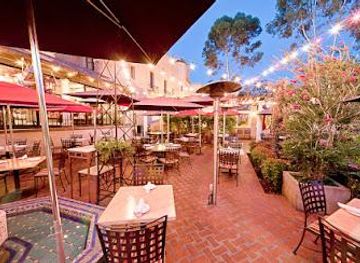


Best bars in Coronado
Coronado’s evening scene is more refined and relaxed than club-focused, with hotel lounges, wine bars, cocktail rooms, neighbourhood pubs and restaurants providing most of the after-dark activity. Orange Avenue is the main social corridor, while the waterfront offers drinks and dining with views across San Diego Bay. Hotel del Coronado contributes a historic resort atmosphere, and cultural evenings at venues such as Lamb’s Players Theatre broaden the choice beyond drinking. Live music and community events appear at different times of year, though Coronado does not have the dense nightclub concentration found in parts of downtown San Diego or the Gaslamp Quarter. Evenings are often shaped by sunset walks, outdoor dining and quiet conversation rather than late-night entertainment. Visitors should remember that United States licensing rules apply, identification may be requested, and residential streets near the commercial areas call for considerate noise levels.
-
Seafood
Bluewater Boathouse Seafood Grill
Experience the finest seafood dining with stunning bay views at Bluewater Boathouse Seafood Grill in Coronado, California.
3 min walk · 0.2 km from city centre
-
Irish pub
McP's Irish Pub
Discover McP's Irish Pub in Coronado - a lively Irish pub offering delicious food, a vast drink selection, and a vibrant atmosphere perfect for relaxation and enjoyment.
9 min walk · 0.7 km from city centre
-
Seafood
Brigantine Seafood & Oyster Bar
Experience the best seafood dining in Coronado at Brigantine Seafood & Oyster Bar, renowned for fresh catches and stunning waterfront views.
7 min walk · 0.5 km from city centre
-
American
The Henry
Experience the best of American cuisine at The Henry, a charming restaurant in Coronado, perfect for brunch, lunch, and everything in between.
10 min walk · 0.8 km from city centre


Best nightclubs in Coronado
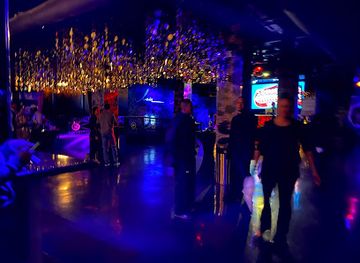
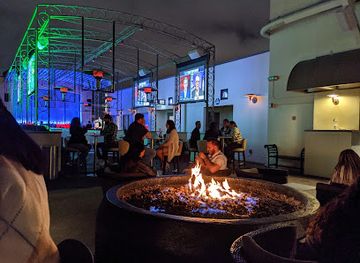
Coronado’s evening scene is more refined and relaxed than club-focused, with hotel lounges, wine bars, cocktail rooms, neighbourhood pubs and restaurants providing most of the after-dark activity. Orange Avenue is the main social corridor, while the waterfront offers drinks and dining with views across San Diego Bay. Hotel del Coronado contributes a historic resort atmosphere, and cultural evenings at venues such as Lamb’s Players Theatre broaden the choice beyond drinking. Live music and community events appear at different times of year, though Coronado does not have the dense nightclub concentration found in parts of downtown San Diego or the Gaslamp Quarter. Evenings are often shaped by sunset walks, outdoor dining and quiet conversation rather than late-night entertainment. Visitors should remember that United States licensing rules apply, identification may be requested, and residential streets near the commercial areas call for considerate noise levels.
-
Grill
Nicky Rottens Bar & Burger Joint
Discover the vibrant atmosphere at Nicky Rottens Bar & Burger Joint, where delicious American cuisine meets the lively spirit of Coronado.
7 min drive · 2.3 km from city centre
-
Night club
Onyx Room
Experience the vibrant nightlife of San Diego at Onyx Room, a stylish night club and cocktail bar in the heart of the Gaslamp Quarter.
13 min drive · 4.3 km from city centre
-
Night club
Parq Nightclub
Dive into the electrifying nightlife at Parq Nightclub, San Diego's premier destination for live music, dancing, and innovative cocktails.
13 min drive · 4.5 km from city centre
-
Night club
Altitude Sky Lounge
Discover the breathtaking views, vibrant nightlife, and exquisite dining at Altitude Sky Lounge in San Diego's Gaslamp Quarter.
11 min drive · 3.8 km from city centre


Best shops in Coronado
Orange Avenue is Coronado’s main shopping street, with independent boutiques, galleries, gift shops, cafés and specialist retailers occupying a walkable commercial centre between the bay and beach. The retail character is oriented towards coastal living and visitors, with beachwear, home goods, jewellery, artwork and locally themed souvenirs appearing alongside everyday services. Ferry Landing offers additional shops in a waterfront setting, with open views towards downtown San Diego and a more leisurely browsing atmosphere. The city is not primarily known for a large traditional market or a single signature craft, so authentic purchases are more likely to come from local art, California food products, small gallery collections and independent design shops than from a historic bazaar. Hotel del Coronado and its surrounding area also contain resort-oriented retail, while the streets behind Orange Avenue provide a quieter contrast to the visitor-facing shops.
-
Shopping mall
Westfield Horton Plaza
Discover the lively Westfield Horton Plaza in San Diego—a shopping and entertainment hub in the heart of the Gaslamp Quarter.
13 min drive · 4.2 km from city centre
-
Business center
The Headquarters at Seaport
Explore The Headquarters at Seaport, a vibrant shopping, dining, and entertainment hub located in downtown San Diego's picturesque waterfront.
11 min drive · 3.7 km from city centre
-
Shopping mall
Coronado Plaza
Shop, dine, and relax at Coronado Plaza, a vibrant shopping destination in beautiful Coronado, California.
7 min walk · 0.5 km from city centre
-
Clothing store
URT URT! Shop
Explore unique apparel and creative graphics at URT URT! Shop, Coronado's must-visit clothing store for tourists seeking quality fashion.
10 min walk · 0.8 km from city centre


Get your free copy of our complete guide to Coronado, delivered straight to you.
Everything on this page, from attractions and restaurants to essentials and local phrases, in one PDF you can read offline, print or share.
Already have an account? Sign in
Your Coronado guide is ready.
We'll send it to · Not you? Sign out

Getting your guide ready…
We are putting together a fresh copy of the Coronado guide. This can take up to a minute.
This can take a few moments. If your browser asks, choose Allow so the download can start. You'll find the guide in your Downloads folder.
Nothing happened? Download it again
Sorry, the guide is taking longer than usual. Please try again in a minute, or get it by email instead.
Coronado essentials
Currency and Payment
Safety
Emergency Situations
Do's and Don'ts
Local Tips
From Eve
Local phrases worth knowing
You don't need to get them perfect. A few words go a long way, and locals appreciate the effort.
Basics
| English | Local | Say it |
|---|---|---|
| Hello | Hey | [Hey] |
| Goodbye | See ya | [See ya] |
| Yes | Yeah | [Yeah] |
| No | Nah | [Nah] |
| Please/You're welcome | Please | [Please] |
| Thank you | Thanks | [Thanks] |
| Excuse me/Sorry | Sorry | [Sorry] |
| How are you? | How's it going? | [How's it going?] |
| Fine. And you? | Good. You? | [Good. You?] |
| Do you speak English? | Speak English? | [Speak English?] |
| I don't understand | I don't get it | [I don't get it] |
Eating & Drinking
| English | Local | Say it |
|---|---|---|
| I'd like to see the menu, please | Menu, please | [Menu, please] |
| I don't eat meat | No meat | [No meat] |
| Cheers! | Cheers! | [Cheers!] |
| I would like to pay, please | Check, please | [Check, please] |
Emergencies
| English | Local | Say it |
|---|---|---|
| Help! | Help! | [Help!] |
| Go away! | Leave me alone! | [Leave me alone!] |
| Call the Police! | Police! | [Police!] |
| Call a doctor! | Doctor! | [Doctor!] |
| I'm lost | Lost | [Lost] |
| I'm ill | Sick | [Sick] |
Shopping
| English | Local | Say it |
|---|---|---|
| I'd like to buy... | I want... | [I want...] |
| I'm just looking | Just looking | [Just looking] |
| How much is it? | How much? | [How much?] |
| That's too expensive | Too much | [Too much] |
| Can you lower the price? | Lower price? | [Lower price?] |
Time & Numbers
| English | Local | Say it |
|---|---|---|
| What time is it? | What time is it? | [What time is it?] |
| It's one o'clock | It's one | [It's one] |
| Half past (10) | Ten thirty | [Ten thirty] |
| Morning | Morning | [Morning] |
| Afternoon | Afternoon | [Afternoon] |
| Evening | Evening | [Evening] |
| Yesterday | Yesterday | [Yesterday] |
| Today | Today | [Today] |
| Tomorrow | Tomorrow | [Tomorrow] |
| 1 | One | [One] |
| 2 | Two | [Two] |
| 3 | Three | [Three] |
| 4 | Four | [Four] |
| 5 | Five | [Five] |
| 6 | Six | [Six] |
| 7 | Seven | [Seven] |
| 8 | Eight | [Eight] |
| 9 | Nine | [Nine] |
| 10 | Ten | [Ten] |
Transport & Directions
| English | Local | Say it |
|---|---|---|
| Where's a/the...? | Where's the...? | [Where's the...?] |
| What's the address? | Address? | [Address?] |
| Can you show me (on the map)? | Show me (on map)? | [Show me (on map)?] |
| When's the next (bus)? | Next (bus)? | [Next (bus)?] |
| A ticket (to ....) | Ticket (to ...) | [Ticket (to ...)] |
History of Coronado
Kumeyaay Country and Coastal Encounters
The Coronado area lies within the traditional homeland of the Kumeyaay, whose communities lived across the wider San Diego region for thousands of years before European settlement. The peninsula’s beaches, bays and tidal areas formed part of a broader coastal environment used for gathering, fishing and travel. Spanish expeditions reached the San Diego coast in the eighteenth century, bringing missions, presidios and profound disruption to Indigenous communities. Coronado’s later resort identity was therefore built on a landscape with a much older human history, although the modern city was not established as a Spanish colonial town. Understanding this earlier context places the resort’s late nineteenth-century development within a longer story of cultural change along the Southern California coast.
A Resort Community Takes Shape
Modern Coronado emerged in the 1880s when Elisha Babcock Jr, Hampton L. Story and Jacob Gruendike promoted the peninsula as a planned seaside resort. Streets were laid out, land was subdivided and the Coronado Beach Company invested in infrastructure intended to attract visitors and residents. The community was incorporated as a city in 1890. Its early growth depended on transport across the bay, including ferries and other links to San Diego, as well as a carefully cultivated image of health, leisure and ocean air. The wide avenues, landscaped public spaces and substantial houses that developed during this period still shape the visual character of central Coronado.
Hotel del Coronado and Resort Grandeur
Hotel del Coronado opened in 1888, only a few years after the resort company began developing the peninsula. Designed by James W. Reid and Merritt J. Reid, the wood-framed building became an architectural and social centre for the young community. Its distinctive roofline, expansive verandas and seaside position made it one of the best-known resort hotels in the United States. The hotel attracted prominent guests and helped establish Coronado’s national reputation, while its presence encouraged further investment in houses, shops and public improvements. The building also became part of popular culture through its association with the film Some Like It Hot, though its historical significance extends well beyond cinema.
Military and Naval Transformation
Coronado’s relationship with the military deepened during the twentieth century as San Diego developed into a major naval centre. North Island, at the peninsula’s northern end, became important in the development of naval aviation, and the United States Navy expanded its presence in the area during and after the Second World War. Naval Amphibious Base Coronado was established in 1943, reinforcing the city’s role in military training and operations. Military land uses coexist with the resort landscape but also limit access to parts of the peninsula. They remain central to Coronado’s contemporary identity, employment patterns and physical geography.
Bridging the Bay
For much of Coronado’s modern history, ferry services and the longer route around San Diego Bay were important links with the mainland. The San Diego–Coronado Bridge opened in 1969, creating a direct road connection from central San Diego to the peninsula. Its high, curving structure changed travel patterns and made Coronado considerably easier to reach by car, while the city retained ferry services that preserve a more intimate connection with the waterfront. The bridge also became a defining element of the regional skyline and a reminder that Coronado’s development has always depended on its relationship with the bay.
A Preserved Coastal City
In the late twentieth and early twenty-first centuries, Coronado balanced tourism, residential growth, historic preservation and its continuing naval presence. Hotel del Coronado underwent major phases of restoration and redevelopment, while local preservation efforts protected many historic buildings and streetscapes. The community’s museums, public parks, cultural venues and civic events contribute to an identity that is broader than a holiday resort. Today, Coronado remains closely connected to metropolitan San Diego while maintaining a distinct municipal character shaped by its beach, planned streets, Victorian-era heritage, military institutions and long-standing relationship with visitors.
Coronado in Photos
Browse through our photo collection highlighting the charm and character of the destination.
Cities near Coronado
The closest cities to Coronado, if you have time for more than one stop.
-

-

-

-

-


Swipe for more cities
Explore more
Explore more of California
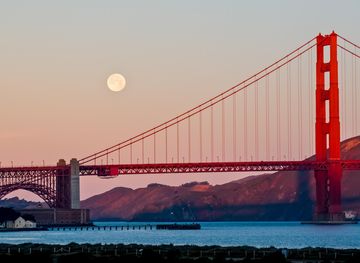
Discover California: A land of diverse landscapes, iconic cities, and endless adventures, from sun-soaked beaches to towering redwoods and vibrant cultural experiences.
Explore California