

Free Temecula Travel Guide & Mobile App
Plan your Temecula trip with Evendo. Get free guides to top attractions, restaurants, hotels, and bars. Web access or download the mobile app.


Temecula, California blends Old Town heritage, wine-country tours, live music, family attractions and scenic valley landscapes for memorable escapes.
A Valley with Two Distinct Personalities
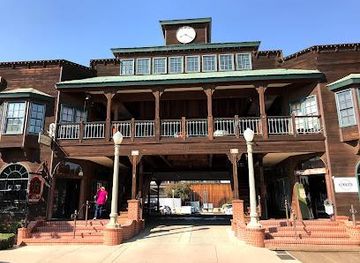
Temecula lies in Southern California's Inland Empire, between Los Angeles and San Diego, where dry rolling hills, vineyards and broad suburban neighbourhoods meet. Its best-known landscapes are in Temecula Valley Wine Country, east of the city centre, while Old Town Temecula preserves the atmosphere of the community's nineteenth-century commercial district. Wooden shopfronts, restored brick buildings and a regular farmers' market give the historic centre a walkable focus, although the wider city is spread across a substantial area and is easiest to explore with a car.Read more about Temecula
Old Town and Wine Country
Contemporary Inland California
When is the best time to visit Temecula?
Best: April–May, October · 23–27°C| Month | High (°C) | Rainfall (mm) |
|---|---|---|
| January | 16 | 63 |
| February | 18 | 59 |
| March | 20 | 47 |
| April (best) | 23 | 18 |
| May (best) | 26 | 8 |
| June | 29 | 3 |
| July | 32 | 2 |
| August | 32 | 5 |
| September | 31 | 8 |
| October (best) | 27 | 18 |
| November | 21 | 31 |
| December | 16 | 58 |
Getting to and around Temecula
How to get there
Transportation
Best attractions in Temecula
Temecula's attractions range from the preserved streetscape of Old Town Temecula to the vineyards and tasting rooms scattered across the valley east of the city. In Old Town, the Temecula Valley Museum explains local Indigenous, ranching, railway and civic history, while the surrounding wooden-fronted buildings contain shops, restaurants and galleries. Wine Country offers a succession of estates, cellar doors and countryside viewpoints, with seasonal agricultural scenery and occasional hot-air balloon flights overhead. The Pechanga Resort Casino complex provides entertainment, dining, golf and cultural programming associated with the Pechanga Band of Luiseño Indians. Families may also find rides and seasonal activities at nearby venues, while public parks and regional trails provide space for walking and recreation. The city rewards visitors who combine a compact historic district with a broader driving route through the rural valley.
-
Casino
Pechanga Resort Casino
Discover the ultimate entertainment destination at Pechanga Resort Casino in Temecula, where luxury meets excitement for an unforgettable getaway.
17 min drive · 5.7 km from city centre
-
Gastropub
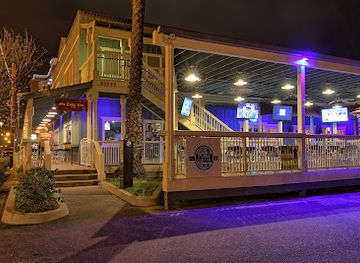
1909 Temecula
Experience the best of American cuisine and craft cocktails at 1909 Temecula, a vibrant gastropub in California's wine country.
1 min walk · 0.1 km from city centre
-
Tourist attraction
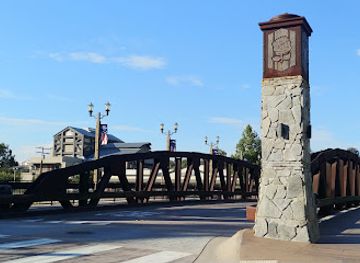
Old Town Temecula
Explore Old Town Temecula, where history meets modern charm, offering unique shops, delightful dining, and vibrant entertainment.
2 min walk · 0.1 km from city centre
-
Tourist attraction
Old Town Temecula
Discover Temecula's historic heart: Old Town offers unique shops, dining, and cultural experiences in a charming, walkable setting.
2 min walk · 0.1 km from city centre

Best landmarks in Temecula
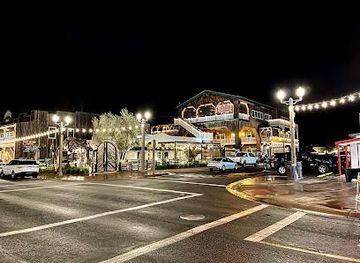
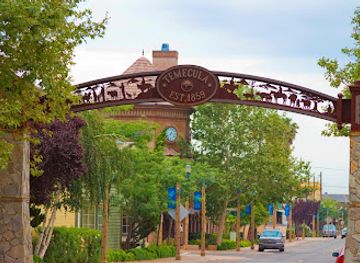
Old Town Temecula's nineteenth-century commercial buildings form the city's most coherent historic landmark group, with timber façades, brick structures and railway-era streets recalling the settlement's development as a transport and trading centre. The Temecula Valley Museum, housed in a former library building, connects that streetscape with the area's Indigenous, agricultural and civic history. The Old Town Temecula Community Theater is a prominent contemporary cultural building within the historic district, hosting performances and public events. East of the urban centre, the Pechanga Resort Casino complex is a major modern landmark associated with the Pechanga Band of Luiseño Indians, although its importance is cultural and communal as well as architectural. Across the surrounding valley, vineyards, ranch buildings and low hills form a distinctive working landscape rather than a single monument, explaining why Temecula's identity is closely tied to place as well as constructed heritage.
-
Shopping mall
Promenade Temecula
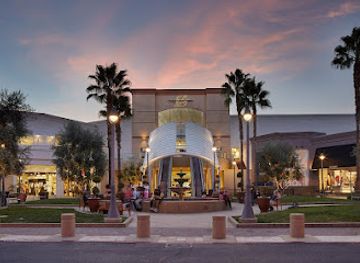
Temecula's premier shopping destination with department stores, restaurants, entertainment, and a wide variety of retailers for the whole family.
11 min drive · 3.5 km from city centre
-
Tourist attraction
Old Town Temecula
Explore Temecula's historic heart: unique shops, dining, and entertainment in a charming, walkable district. A vibrant blend of past and present.
2 min walk · 0.1 km from city centre
-
Park
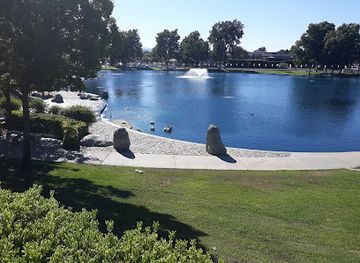
Temecula Duck Pond and park
A serene Temecula park with a duck pond, war memorials, and art installations, offering a peaceful space for reflection and community events.
13 min walk · 1.0 km from city centre
-
Park
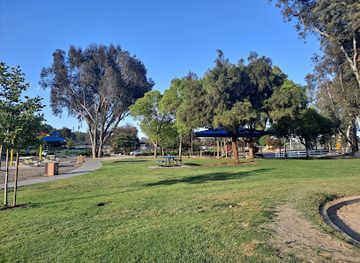
Ronald Reagan Sports Park
Temecula's premier sports and recreation destination, offering fun for all ages with sports fields, playgrounds, and community events.
6 min drive · 2.1 km from city centre
Explore Temecula on the map
Plan your Temecula trip on one map. See where the top attractions, landmarks, restaurants, bars and hotels are, find what's near where you're staying, and book hotels and experiences in a few clicks.
Best hotels in Temecula
Best restaurants in Temecula
Temecula's dining scene is shaped by its wine country, agricultural surroundings and Southern California location. Old Town concentrates restaurants, cafés, bakeries and casual eateries in a walkable historic setting, with menus that commonly draw on Californian produce and Mexican and wider Latin American influences. In Wine Country, vineyard restaurants and tasting-room kitchens pair regional dishes with locally made wines, while farm-to-table cooking reflects the valley's growers and warm inland climate. Craft beer, coffee and contemporary American menus add modern variety, and the city's broader suburban districts contain familiar international cuisines and relaxed family dining. Farmers' markets and seasonal events provide opportunities to encounter fruit, baked goods, prepared foods and small-scale producers. Dining habits are generally informal, but reservations can be useful for popular wine-country restaurants and busy weekends.
-
Gastropub
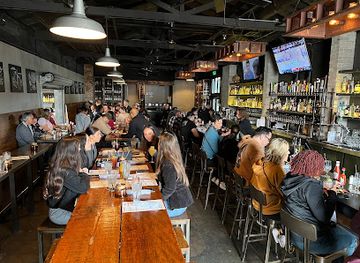
1909 Temecula
Experience the best of American cuisine at 1909 Temecula – where delightful dishes meet handcrafted cocktails in a vibrant setting.
1 min walk · 0.1 km from city centre
-
Italian
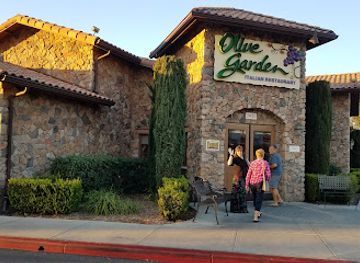
Olive Garden Italian Restaurant
Savor authentic Italian flavors at Olive Garden in Temecula - perfect for families and food enthusiasts seeking delicious culinary experiences.
9 min drive · 2.9 km from city centre
-
American
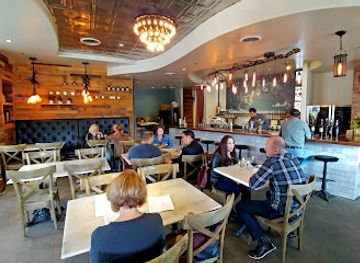
The Goat & Vine
Discover The Goat & Vine in Temecula - where fresh ingredients meet innovative American cuisine in a charming setting.
2 min walk · 0.2 km from city centre
-
New American
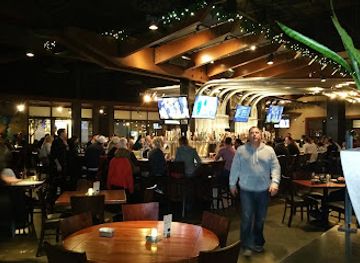
Yard House
Experience New American cuisine and craft beers at Yard House in Temecula - perfect for food lovers and sports fans alike.
10 min drive · 3.4 km from city centre
Best bars in Temecula
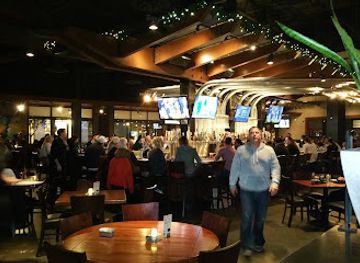
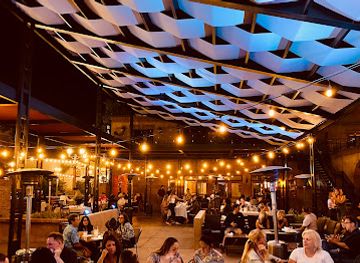
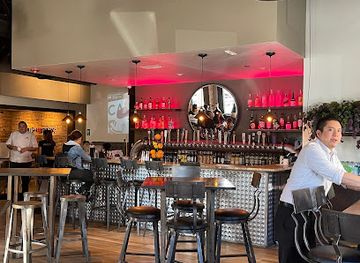
Temecula's evening scene is centred more on wine, live entertainment and sociable dining than on a dense nightclub quarter. Old Town has bars, breweries, tasting rooms and venues where live bands, country music and other performances continue after daytime sightseeing. Wine Country offers a quieter evening atmosphere, with selected estate venues hosting tastings, dinners or scheduled events rather than operating as conventional late-night bars. The Pechanga complex adds concerts, comedy, casino entertainment and nightlife within a large resort setting. Breweries and cocktail-focused venues broaden the choice in the city, while seasonal festivals can bring outdoor music and evening gatherings. Distances between districts make rideshares, taxis or a designated driver particularly important when an evening includes alcohol.
-
Gastropub
1909 Temecula
Experience the vibrant flavors and inviting atmosphere of 1909 Temecula, a premier gastropub offering seasonal dishes and craft cocktails.
1 min walk · 0.1 km from city centre
-
Bar
Yard House
Experience a lively atmosphere and diverse menu at Yard House in Temecula, where delicious New American cuisine meets an extensive selection of craft beers.
10 min drive · 3.4 km from city centre
-
Bar
Baily's | Old Town Temecula
Discover the vibrant atmosphere of Baily's in Old Town Temecula, where Californian cuisine meets live music for an unforgettable dining experience.
3 min walk · 0.2 km from city centre
-
American
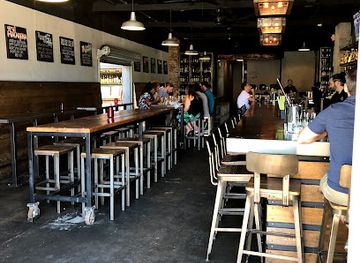
Crush & Brew
Experience the perfect blend of delicious American cuisine, live music, and exquisite wines at Crush & Brew in Temecula, California.
2 min walk · 0.2 km from city centre
Best nightclubs in Temecula
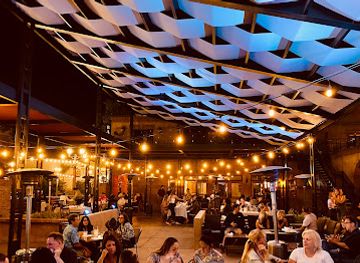
Temecula's evening scene is centred more on wine, live entertainment and sociable dining than on a dense nightclub quarter. Old Town has bars, breweries, tasting rooms and venues where live bands, country music and other performances continue after daytime sightseeing. Wine Country offers a quieter evening atmosphere, with selected estate venues hosting tastings, dinners or scheduled events rather than operating as conventional late-night bars. The Pechanga complex adds concerts, comedy, casino entertainment and nightlife within a large resort setting. Breweries and cocktail-focused venues broaden the choice in the city, while seasonal festivals can bring outdoor music and evening gatherings. Distances between districts make rideshares, taxis or a designated driver particularly important when an evening includes alcohol.
-
Night club
Baily's | Old Town Temecula
Experience the lively atmosphere of Baily's in Old Town Temecula, where delicious Californian cuisine meets vibrant nightlife and live music.
3 min walk · 0.2 km from city centre
-
Night club
Old Town Pub & Grub
Discover the vibrant nightlife at Old Town Pub & Grub, where delicious food, live music, and a lively atmosphere await you in Temecula.
1 min walk · 0.1 km from city centre
-
Night club
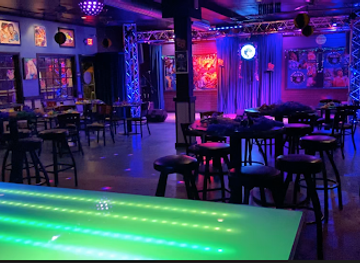
Old Town Blues Club
Discover the heart of Temecula’s nightlife at Old Town Blues Club, where live blues music and vibrant energy come together for an unforgettable experience.
1 min walk · 0.1 km from city centre
-
Jazz
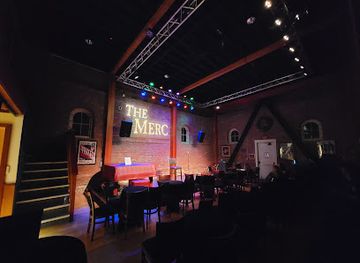
The Merc
Experience the soulful sounds of jazz at The Merc, Temecula's premier venue for live music and vibrant performances.
1 min walk · 0.1 km from city centre
Best shops in Temecula
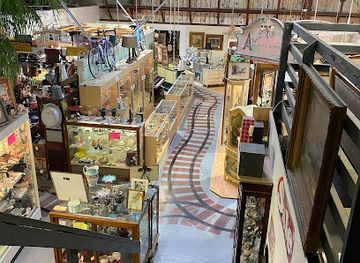
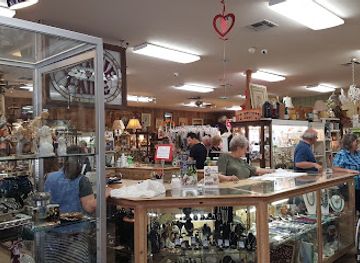
Old Town Temecula is the city's most distinctive shopping area, with independent boutiques, western-themed goods, galleries, antique-style retailers, gift shops and locally oriented businesses occupying historic-looking premises. The district's agricultural and wine identity appears in specialist stores selling regional bottles, gourmet foods, craft products and souvenirs. Farmers' markets and seasonal markets add fresh produce, baked goods, flowers, handmade items and small-scale crafts, with the exact offering changing through the year. For mainstream fashion, department-store shopping and everyday retail, visitors use larger commercial centres such as Promenade Temecula and surrounding retail districts. Wine-country properties also sell bottles and branded merchandise, but shopping there is generally part of a broader tasting or countryside visit rather than a traditional market experience.
-
Gift shop
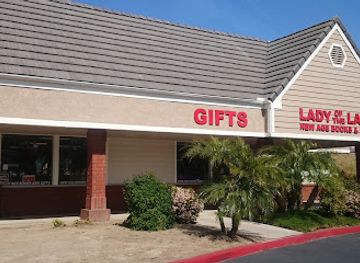
Lady of the Lake
Discover unique spiritual gifts and memorable souvenirs at Lady of the Lake in Temecula, California - a treasure trove for tourists and locals alike.
11 min drive · 3.5 km from city centre
-
Antique store
Granny's Attic
Explore the charm of Granny's Attic, Temecula's premier destination for antiques and unique thrift finds, where every item tells a story.
7 min walk · 0.6 km from city centre
-
Antique store
Old Town Antique Faire
Explore the Old Town Antique Faire in Temecula for a unique shopping experience filled with vintage treasures and charming collectibles.
2 min walk · 0.1 km from city centre
-
Gift shop
BoxLunch
Explore BoxLunch in Temecula for unique gifts, collectibles, and clothing, all while supporting a great cause with every purchase.
11 min drive · 3.6 km from city centre
Get your free copy of our complete guide to Temecula, delivered straight to you.
Everything on this page, from attractions and restaurants to essentials and local phrases, in one PDF you can read offline, print or share.
Already have an account? Sign in
Your Temecula guide is ready.
We'll send it to · Not you? Sign out

Getting your guide ready…
We are putting together a fresh copy of the Temecula guide. This can take up to a minute.
This can take a few moments. If your browser asks, choose Allow so the download can start. You'll find the guide in your Downloads folder.
Nothing happened? Download it again
Sorry, the guide is taking longer than usual. Please try again in a minute, or get it by email instead.
Temecula essentials
Currency and Payment
Safety
Emergency Situations
Do's and Don'ts
Local Tips
From Eve
Local phrases worth knowing
You don't need to get them perfect. A few words go a long way, and locals appreciate the effort.
Basics
| English | Local | Say it |
|---|---|---|
| Hello | Howdy | [how-dee] |
| Goodbye | See ya | [see yuh] |
| Yes | Yep | [yep] |
| No | Nah | [na] |
| Please/You're welcome | Please/No problem | [pleez/no problem] |
| Thank you | Thanks | [thanks] |
| Excuse me/Sorry | Pardon me/My bad | [par-dn me/my bad] |
| How are you? | How ya doin'? | [how ya doin'] |
| Fine. And you? | Good. You? | [good. yuh?] |
| Do you speak English? | Ya speak English? | [ya speak english?] |
| I don't understand | I'm lost | [I'm lost] |
Eating & Drinking
| English | Local | Say it |
|---|---|---|
| I'd like to see the menu, please | Can I check out the menu, please | [can I check out the menu, please] |
| I don't eat meat | I'm vegetarian | [I'm vegetarian] |
| Cheers! | Cheers! | [cheers!] |
| I would like to pay, please | I'll settle up now, please | [I'll settle up now, please] |
Emergencies
| English | Local | Say it |
|---|---|---|
| Help! | Help! | [help!] |
| Go away! | Get lost! | [get lost!] |
| Call the Police! | Call the cops! | [call the cops!] |
| Call a doctor! | Get a doctor! | [get a doctor!] |
| I'm lost | I'm lost | [I'm lost] |
| I'm ill | I'm sick | [I'm sick] |
Shopping
| English | Local | Say it |
|---|---|---|
| I'd like to buy... | I'm interested in... | [I'm interested in...] |
| I'm just looking | Just browsing | [just browsing] |
| How much is it? | What's the price? | [what's the price?] |
| That's too expensive | That's steep | [that's steep] |
| Can you lower the price? | Can you do better on the price? | [can you do better on the price?] |
Time & Numbers
| English | Local | Say it |
|---|---|---|
| What time is it? | What's the time? | [what's the time?] |
| It's one o'clock | It's one | [it's one] |
| Half past (10) | Ten thirty | [ten thirty] |
| Morning | Morning | [morning] |
| Afternoon | Afternoon | [afternoon] |
| Evening | Evening | [evening] |
| Yesterday | Yesterday | [yesterday] |
| Today | Today | [today] |
| Tomorrow | Tomorrow | [tomorrow] |
| 1 | One | [one] |
| 2 | Two | [two] |
| 3 | Three | [three] |
| 4 | Four | [four] |
| 5 | Five | [five] |
| 6 | Six | [six] |
| 7 | Seven | [seven] |
| 8 | Eight | [eight] |
| 9 | Nine | [nine] |
| 10 | Ten | [ten] |
Transport & Directions
| English | Local | Say it |
|---|---|---|
| Where's a/the...? | Where's the...? | [where's the...?] |
| What's the address? | What's the address? | [what's the address?] |
| Can you show me (on the map)? | Can you show me (on the map)? | [can you show me (on the map)?] |
| When's the next (bus)? | When's the next (bus)? | [when's the next (bus)?] |
| A ticket (to ....) | A ticket (to ....) | [a ticket (to ....)] |
History of Temecula
Luiseño Homeland and Early Settlement
The Temecula Valley has long been part of the homeland of the Luiseño people, including the Pechanga Band of Luiseño Indians. Indigenous communities developed deep cultural and economic relationships with the valley's watercourses, grasslands and surrounding hills before sustained European settlement. Spanish mission influence reached the region during the late eighteenth and early nineteenth centuries, although the area remained comparatively distant from the major coastal centres. The continuing presence of the Pechanga community is central to understanding Temecula's history, rather than treating the city's story as beginning with American ranching or modern suburbia.
Rancho Temecula and Mexican California
Following Mexico's independence from Spain, large land grants reshaped Southern California. Rancho Temecula was granted in the 1840s to Pablo Apis, a Luiseño leader, and the valley became associated with cattle ranching and the movement of people and goods between the coast and the interior. The rancho period brought profound changes to Indigenous communities, whose land base and political autonomy were increasingly threatened. After the United States acquired California in 1848, ranch ownership and land claims entered a new legal and economic framework, laying foundations for the settlement pattern that followed.
Stagecoaches and the Butterfield Route
Temecula gained wider importance in the mid-nineteenth century as a stopping place on overland routes across Southern California. The Butterfield Overland Mail route, which began operating through the region in 1858, connected the area with a national stagecoach network and strengthened its role as a local service centre. Ranching, agriculture and small-scale commerce developed around transport links, while the valley's position between San Diego and the inland settlements kept it connected to regional trade. The era was demanding and often unstable, but it established the movement corridor that later transport systems would reinforce.
Railway Town and Agricultural Development
The arrival of the California Southern Railroad in the 1880s transformed Temecula's commercial prospects. A rail connection made it easier to move agricultural products and supplies, and a town grew around the station and associated businesses. Several buildings and streets in today's Old Town reflect this railway-era development, even though later transport patterns changed the district's role. Agriculture remained important through the twentieth century, with crops and ranching shaping the valley before large-scale residential growth. The old commercial centre survived as a historical district rather than disappearing entirely beneath suburban expansion.
Incorporation and the Modern Wine Valley
Temecula incorporated as a city in 1989, after decades in which population growth and new housing increasingly altered the rural community. Wine grape cultivation expanded significantly from the late twentieth century, building on experimental and commercial plantings that established Temecula Valley as a recognised Southern California wine region. Restoration of Old Town, investment in tourism and the growth of the Pechanga resort complex added new cultural and economic dimensions. Contemporary Temecula therefore combines a relatively young municipal identity with older Indigenous, ranching, railway and agricultural histories that remain visible across the valley.
Temecula in Photos
Browse through our photo collection highlighting the charm and character of the destination.
Cities near Temecula
The closest cities to Temecula, if you have time for more than one stop.
-

-

-

-

-


Swipe for more cities
Explore more
Explore more of California
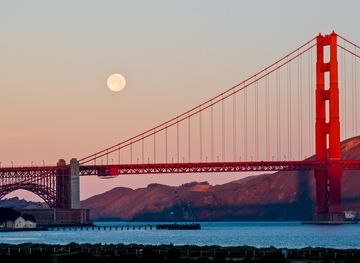
Discover California: A land of diverse landscapes, iconic cities, and endless adventures, from sun-soaked beaches to towering redwoods and vibrant cultural experiences.
Explore California