

Free La Jolla Travel Guide & Mobile App
Plan your La Jolla trip with Evendo. Get free guides to top attractions, restaurants, hotels, and bars. Web access or download the mobile app.


La Jolla, California, pairs Pacific beaches and sea lions with contemporary art, coastal hikes, galleries and refined dining for an elegant seaside escape.
Coastal Setting and Village Character
La Jolla occupies a dramatic stretch of San Diego's Pacific coast, where sandstone cliffs, sheltered coves and broad beaches shape an affluent yet distinctly Californian community. Often described as a village, it is part of the City of San Diego rather than an incorporated city, and its compact centre is easy to explore on foot. Seals and sea lions gather around La Jolla Cove, while the paths above the water lead towards viewpoints, tide pools and the marine landscapes of La Jolla Shores.Read more about La Jolla
Art, Science and Architecture
Beaches and Open Landscapes
When is the best time to visit La Jolla?
Best: July–September · 24–25°C| Month | High (°C) | Rainfall (mm) |
|---|---|---|
| January | 18 | 40 |
| February | 18 | 35 |
| March | 19 | 30 |
| April | 20 | 20 |
| May | 22 | 10 |
| June | 23 | 5 |
| July (best) | 24 | 2 |
| August (best) | 25 | 2 |
| September (best) | 25 | 5 |
| October | 23 | 10 |
| November | 20 | 25 |
| December | 18 | 35 |
Getting to and around La Jolla
How to get there
Transportation
Best attractions in La Jolla
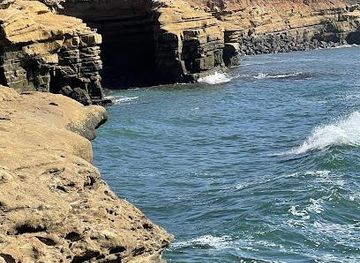
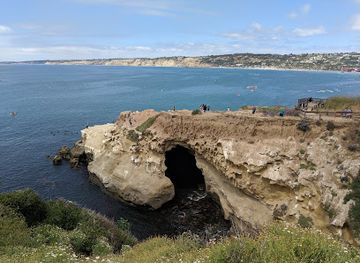
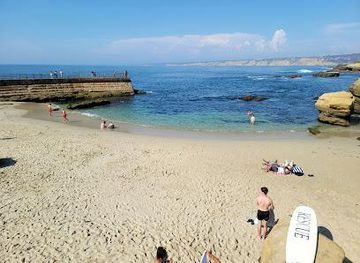
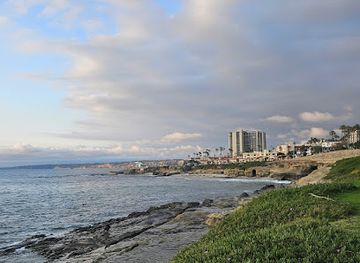
La Jolla's attractions centre on the meeting point between the Pacific and a community shaped by science and the arts. La Jolla Cove offers close views of a protected marine setting and the seals and sea lions that rest along the shoreline, while the coastal walk towards Children's Pool and Shell Beach reveals cliffs, caves and tide pools. At La Jolla Shores, Birch Aquarium presents Pacific marine life through aquariums and educational displays, and the beach provides access to the broad sands and calm-weather waters of the northern coast. The Museum of Contemporary Art San Diego brings modern and contemporary works into a seafront setting, while the nearby University of California San Diego campus adds public art and the La Jolla Playhouse. Inland, the trails of Torrey Pines State Natural Reserve lead through rare coastal vegetation to elevated ocean views.
-
Park
Lifeguard La Jolla Cove
Experience the stunning beauty, rich marine life, and vibrant beach culture at La Jolla Cove, a must-visit destination on California's coast.
15 min walk · 1.2 km from city centre
-
Park
Lifeguard La Jolla Cove
Explore Lifeguard La Jolla Cove, where stunning views, vibrant marine life, and a relaxing beach atmosphere await in California's coastal paradise.
15 min walk · 1.2 km from city centre
-
Tourist attraction
La Jolla Shores Park
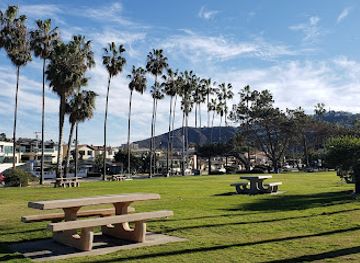
Experience beach bliss at La Jolla Shores Park, where golden sands meet azure waves for an unforgettable coastal getaway.
7 min drive · 2.4 km from city centre
-
Beach
Children's Pool La Jolla
Experience the tranquil beauty of Children's Pool La Jolla, where playful seals and stunning coastal views create an unforgettable seaside escape.
14 min walk · 1.2 km from city centre
Best landmarks in La Jolla
La Jolla Cove is both a celebrated coastal landmark and part of the San Diego-La Jolla Underwater Park, whose protected waters support marine life close to the shore. The La Valencia Hotel, opened in 1926, is a defining Spanish Revival-era presence above Prospect Street and reflects the community's history as a fashionable resort. The La Jolla Woman's Club, a historic civic building associated with the early twentieth-century community, adds another layer to the village's built heritage. On the northern shore, the Scripps Institution of Oceanography represents La Jolla's enduring scientific importance, while the nearby Scripps Pier is a recognisable working research structure rather than a conventional public pier. The Museum of Contemporary Art San Diego and its seafront campus extend the landmark landscape into modern architecture and cultural life.
-
Park
Lifeguard La Jolla Cove
Explore Lifeguard La Jolla Cove: Stunning coastal views, vibrant marine life, and the perfect beach getaway in Southern California.
15 min walk · 1.2 km from city centre
-
Park
La Jolla Shores Park
Explore La Jolla Shores Park, where sandy beaches meet lush parks, offering a perfect blend of relaxation, adventure, and stunning coastal views.
7 min drive · 2.4 km from city centre
-
Aquarium
Birch Aquarium at Scripps Institution of Oceanography
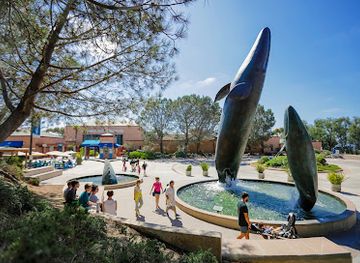
Explore the captivating marine life and stunning exhibits at the Birch Aquarium in La Jolla, California, a top destination for ocean enthusiasts.
10 min drive · 3.4 km from city centre
-
Memorial park
Mount Soledad Memorial Park
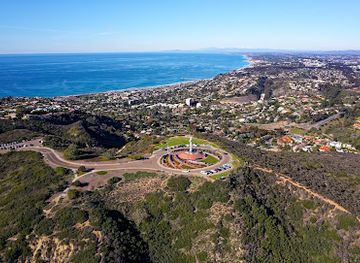
Explore Mount Soledad Memorial Park, a serene tribute to veterans with stunning coastal views and a peaceful atmosphere in La Jolla, California.
8 min drive · 2.5 km from city centre
Explore La Jolla on the map
Plan your La Jolla trip on one map. See where the top attractions, landmarks, restaurants, bars and hotels are, find what's near where you're staying, and book hotels and experiences in a few clicks.
Best hotels in La Jolla
Best restaurants in La Jolla
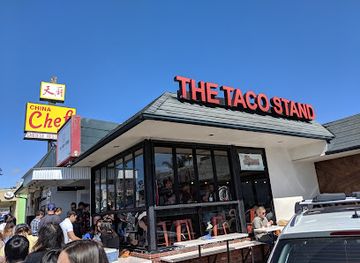
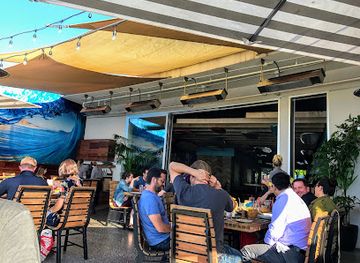
La Jolla's dining scene reflects coastal Southern California, with seafood, seasonal produce, Californian cooking and Mexican influences appearing across restaurants, cafés and casual beach eateries. Fresh fish and shellfish are natural features of menus near the coast, while tacos, burritos and other Mexican-American staples provide a more informal expression of the region's borderland culture. Prospect Street and Girard Avenue contain much of the village's restaurant activity, from polished dining rooms to cafés and bakeries, while La Jolla Shores has a more relaxed beachside character. The La Jolla Open Aire Market adds prepared foods and local produce on Sundays, and the wider San Diego region's interest in farm-to-table cooking, craft coffee and contemporary Californian cuisine is strongly represented in the community.
-
Restaurant
The Taco Stand
Experience authentic Mexican cuisine at The Taco Stand in La Jolla – home of delicious tacos and vibrant atmosphere.
8 min walk · 0.6 km from city centre
-
Hawaiian
Duke's La Jolla
Experience authentic Hawaiian cuisine at Duke's La Jolla with breathtaking ocean views and vibrant island-inspired decor.
13 min walk · 1.1 km from city centre
-
Mexican
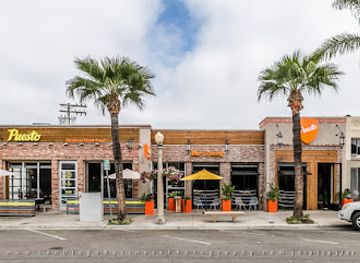
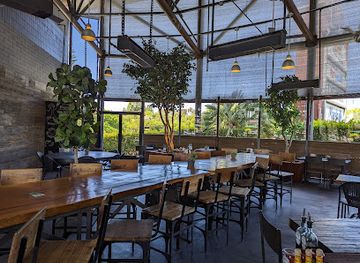
Puesto La Jolla
Discover the vibrant flavors and festive atmosphere at Puesto La Jolla, where authentic Mexican cuisine meets coastal charm.
11 min walk · 0.9 km from city centre
-
American
Urban Plates
Experience the best of American cuisine at Urban Plates in La Jolla—fresh ingredients, diverse menu options, and a welcoming atmosphere await you.
14 min drive · 4.6 km from city centre
Best bars in La Jolla
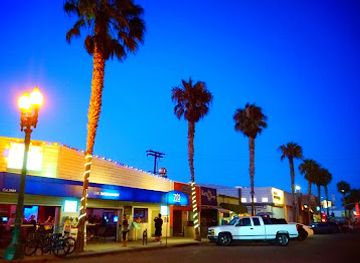
La Jolla's evening scene is more refined and sociable than club-focused, with wine bars, cocktail-led lounges, hotel bars and restaurants concentrated around Prospect Street and Girard Avenue. Coastal viewpoints and outdoor terraces give early evenings a strong connection to the Pacific, while the village's galleries and cultural institutions contribute to a quieter after-dark rhythm. The La Jolla Playhouse on the UC San Diego campus provides theatre and performance-based entertainment, and university events add occasional energy beyond the main commercial streets. Nightclubs are not the defining feature of the community; visitors seeking large dance venues usually travel elsewhere in San Diego. Standard American age restrictions apply to alcohol service, and identification may be requested.
-
Grill
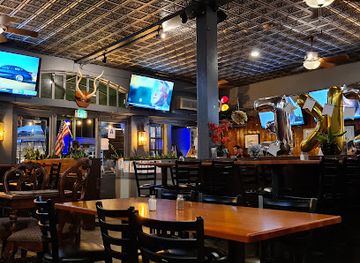
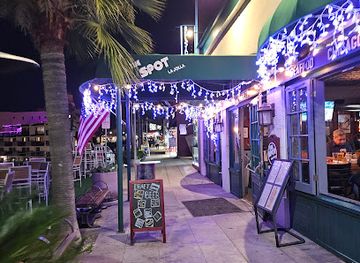
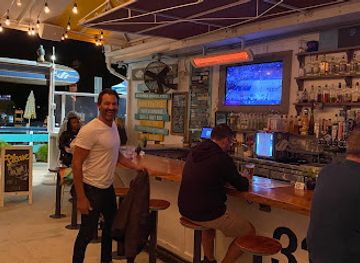
The Spot La Jolla
Discover The Spot in La Jolla: A vibrant grill and sports bar offering delicious meals, stunning views, and a family-friendly atmosphere.
12 min walk · 0.9 km from city centre
-
Grill
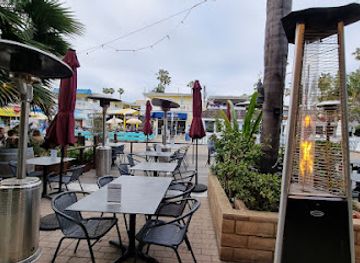
Shore Rider Bar
Discover the vibrant flavors of La Jolla at Shore Rider Bar, where fresh seafood meets stunning ocean views in a lively atmosphere.
6 min drive · 2.0 km from city centre
-
American
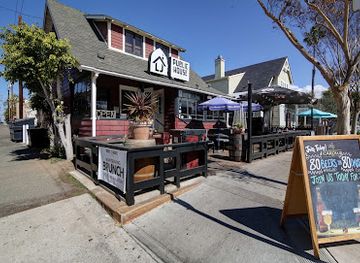
Public House La Jolla
Experience the taste of coastal California at Public House La Jolla, where American cuisine meets a vibrant atmosphere.
8 min walk · 0.6 km from city centre
-
Bar
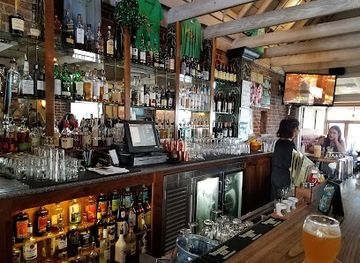
Hennessey's Tavern
Discover the lively spirit of Hennessey's Tavern in La Jolla, where Irish charm meets Californian flair in a perfect pub setting.
9 min walk · 0.7 km from city centre
Best nightclubs in La Jolla
La Jolla's evening scene is more refined and sociable than club-focused, with wine bars, cocktail-led lounges, hotel bars and restaurants concentrated around Prospect Street and Girard Avenue. Coastal viewpoints and outdoor terraces give early evenings a strong connection to the Pacific, while the village's galleries and cultural institutions contribute to a quieter after-dark rhythm. The La Jolla Playhouse on the UC San Diego campus provides theatre and performance-based entertainment, and university events add occasional energy beyond the main commercial streets. Nightclubs are not the defining feature of the community; visitors seeking large dance venues usually travel elsewhere in San Diego. Standard American age restrictions apply to alcohol service, and identification may be requested.
-
Seafood
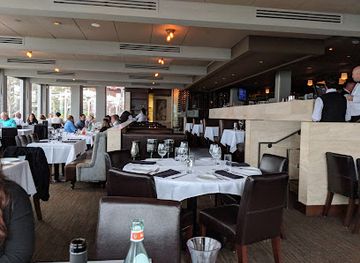
Eddie V's Prime Seafood
Experience the finest seafood and stunning ocean views at Eddie V's Prime Seafood, La Jolla's exquisite fine dining destination.
13 min walk · 1.0 km from city centre
-
Grill
The Spot La Jolla
Discover a vibrant dining experience at The Spot La Jolla, where delicious grills meet a lively atmosphere in California's coastal paradise.
12 min walk · 0.9 km from city centre
-
Grill
Shore Rider Bar
Discover the flavors of California at Shore Rider Bar in La Jolla, where beachside dining meets delicious grilled cuisine.
6 min drive · 2.0 km from city centre
-
American
710 Beach Club
Experience the vibrant culture of San Diego at 710 Beach Club, where American cuisine meets live entertainment in a beachside atmosphere.
15 min drive · 5.0 km from city centre
Best shops in La Jolla
Shopping in La Jolla is concentrated around Prospect Street, Girard Avenue and nearby side streets, where independent boutiques, art galleries, jewellery shops, homeware stores and specialist retailers occupy a polished village setting. The selection reflects the community's coastal lifestyle, with clothing, design objects, gifts and beach-oriented goods alongside works by local and regional artists. The La Jolla Open Aire Market, held on Sundays, is a useful place to browse produce, prepared foods and locally made goods in a community market atmosphere. Shopping is less about a single traditional craft than about combining Californian design, art, food and leisure. Visitors should distinguish independent galleries and boutiques from the larger retail centres found elsewhere in the San Diego region.
-
Shopping mall
La Jolla Village Square
Explore the vibrant shops and delightful dining options at La Jolla Village Square, a must-visit shopping destination in sunny California.
14 min drive · 4.6 km from city centre
-
Shopping mall
The Shops at La Jolla Village
Discover a vibrant shopping and dining experience at The Shops at La Jolla Village, where style meets sophistication in the heart of La Jolla, California.
14 min drive · 4.8 km from city centre
-
Gift shop
The Cave Store
Explore the eclectic treasures of The Cave Store in La Jolla, where unique gifts and water sports equipment await your discovery.
13 min walk · 1.0 km from city centre
-
Gift shop
Warwick's
Explore Warwick's in La Jolla for unique gifts, art supplies, books, and more, showcasing the charm and creativity of the area.
9 min walk · 0.7 km from city centre


Get your free copy of our complete guide to La Jolla, delivered straight to you.
Everything on this page, from attractions and restaurants to essentials and local phrases, in one PDF you can read offline, print or share.
Already have an account? Sign in
Your La Jolla guide is ready.
We'll send it to · Not you? Sign out

Getting your guide ready…
We are putting together a fresh copy of the La Jolla guide. This can take up to a minute.
This can take a few moments. If your browser asks, choose Allow so the download can start. You'll find the guide in your Downloads folder.
Nothing happened? Download it again
Sorry, the guide is taking longer than usual. Please try again in a minute, or get it by email instead.
La Jolla essentials
Currency and Payment
Safety
Emergency Situations
Do's and Don'ts
Local Tips
From Eve
Local phrases worth knowing
You don't need to get them perfect. A few words go a long way, and locals appreciate the effort.
Basics
| English | Local | Say it |
|---|---|---|
| Hello | Hey | [Hey] |
| Goodbye | Later | [Lay-ter] |
| Yes | Yeah | [Yeh] |
| No | Nah | [Nah] |
| Please/You're welcome | Please/No worries | [Pleez/No wur-ees] |
| Thank you | Thanks | [Thanks] |
| Excuse me/Sorry | Sorry | [Sor-ee] |
| How are you? | How's it going? | [Hows it go-ing?] |
| Fine. And you? | Good. You? | [Good. Yoo?] |
| Do you speak English? | You speak English? | [Yoo speak Ing-lish?] |
| I don't understand | I don't get it | [I don't get it] |
Eating & Drinking
| English | Local | Say it |
|---|---|---|
| I'd like to see the menu, please | Can I check out the menu? | [Can I chek out the menu?] |
| I don't eat meat | I'm veggie | [I'm ved-jee] |
| Cheers! | Cheers! | [Cheers!] |
| I would like to pay, please | Can I pay now, please | [Can I pay now, please] |
Emergencies
| English | Local | Say it |
|---|---|---|
| Help! | Help! | [Help!] |
| Go away! | Get lost! | [Get lost!] |
| Call the Police! | Call the cops! | [Call the cops!] |
| Call a doctor! | Call a doc! | [Call a doc!] |
| I'm lost | I'm lost | [I'm lost] |
| I'm ill | I'm sick | [I'm sick] |
Shopping
| English | Local | Say it |
|---|---|---|
| I'd like to buy... | I wanna buy... | [I wanna buy...] |
| I'm just looking | Just browsing | [Just brow-zing] |
| How much is it? | How much? | [How much?] |
| That's too expensive | Too pricey | [Too pry-see] |
| Can you lower the price? | Can you bring it down? | [Can you bring it down?] |
Time & Numbers
| English | Local | Say it |
|---|---|---|
| What time is it? | What's the time? | [Whats the time?] |
| It's one o'clock | It's one | [Its one] |
| Half past (10) | Ten thirty | [Ten thur-tee] |
| Morning | Morning | [Morning] |
| Afternoon | Afternoon | [Afternoon] |
| Evening | Evening | [Evening] |
| Yesterday | Yesterday | [Yesterday] |
| Today | Today | [Today] |
| Tomorrow | Tomorrow | [Tomorrow] |
| 1 | One | [One] |
| 2 | Two | [Two] |
| 3 | Three | [Three] |
| 4 | Four | [Four] |
| 5 | Five | [Five] |
| 6 | Six | [Six] |
| 7 | Seven | [Seven] |
| 8 | Eight | [Eight] |
| 9 | Nine | [Nine] |
| 10 | Ten | [Ten] |
Transport & Directions
| English | Local | Say it |
|---|---|---|
| Where's a/the...? | Where's the...? | [Wheres the...?] |
| What's the address? | What's the address? | [Whats the address?] |
| Can you show me (on the map)? | Can you show me (on the map)? | [Can you show me (on the map)?] |
| When's the next (bus)? | When's the next (bus)? | [Whens the next (bus)?] |
| A ticket (to ....) | A ticket (to ....) | [A ticket (to ....)] |
History of La Jolla
Kumeyaay Coastal Homelands
Before European settlement, the coast around present-day La Jolla formed part of the homeland of the Kumeyaay, whose communities used the region's shores, wetlands and inland landscapes for fishing, gathering and seasonal activity. The area's marine resources and access to freshwater shaped long-standing relationships with the Pacific. Spanish, Mexican and later American development transformed the coast, but Kumeyaay history remains an essential part of understanding San Diego County. Place names, archaeological evidence and continuing Indigenous cultural presence provide context for a landscape often presented primarily through its modern beaches and architecture.
Spanish and Mexican California
Spanish colonisation reached the San Diego region in the eighteenth century, followed by Mexican rule after independence from Spain in 1821. La Jolla's present urban form did not yet exist, but the surrounding coastal land was incorporated into the wider ranching and mission-connected landscape of Alta California. After the United States took control of California following the Mexican-American War, land ownership and settlement patterns changed substantially. The rancho era, the transfer of property into American hands and the creation of new transport links laid foundations for the later development of coastal communities north of central San Diego.
A Resort Community Emerges
La Jolla began to take recognisable shape in the late nineteenth and early twentieth centuries as improved roads and rail connections made the coast accessible to visitors and prospective residents. Hotels, cottages and commercial streets developed around the shoreline, with Prospect Street becoming a central address for accommodation and trade. The La Valencia Hotel, opened in 1926, became one of the community's most prominent architectural landmarks and reflected La Jolla's evolution into a fashionable seaside resort. Early development combined tourism with residential growth, producing the village-scale streets and historic buildings still visible near the coast.
Ellen Browning Scripps and Civic Institutions
Philanthropist and newspaper publisher Ellen Browning Scripps became a major influence on La Jolla's twentieth-century development. Her support helped establish public institutions including the La Jolla Recreation Center and the Scripps Institution of Oceanography, founded in 1903 as the Marine Biological Association of San Diego before becoming part of the University of California. These institutions strengthened the community's educational, scientific and civic identity. Research into oceanography, marine biology and climate has since made La Jolla an internationally recognised centre for studying the Pacific and its changing environments.
University, Science and the Arts
The arrival of the University of California San Diego in the 1960s brought a major academic and cultural expansion to the La Jolla area. The campus contributed to the growth of research in science, medicine and the arts, while institutions such as the La Jolla Playhouse developed a national reputation for theatre. The community's galleries, museums and scientific organisations grew alongside its established coastal tourism. This combination of university life, marine research, performing arts and residential development distinguishes modern La Jolla from a resort town defined solely by its beaches.
La Jolla in Photos
Browse through our photo collection highlighting the charm and character of the destination.
Cities near La Jolla
The closest cities to La Jolla, if you have time for more than one stop.
-

-

-

-

-


Swipe for more cities
Explore more
Explore more of California
Discover California: A land of diverse landscapes, iconic cities, and endless adventures, from sun-soaked beaches to towering redwoods and vibrant cultural experiences.
Explore California