Cabrillo National Monument, San Diego County Travel Guide
Explore San Diego's Cabrillo National Monument: history, breathtaking views, tide pools, and the iconic Old Point Loma Lighthouse.
Cabrillo National Monument, located at the tip of Point Loma in San Diego, commemorates Juan Rodríguez Cabrillo's historic 1542 landing, the first European expedition to set foot on the West Coast of the United States. The park offers stunning views, historical landmarks including the Old Point Loma Lighthouse, tide pools teeming with marine life, and hiking trails.
A brief summary to Cabrillo National Monument
- 1800 Cabrillo Memorial Dr, San Diego, Point Loma, California, 92106, US
- Click to display
- Click to display
- Monday 9 am-5 pm
- Tuesday 9 am-5 pm
- Wednesday 9 am-5 pm
- Thursday 9 am-5 pm
- Friday 9 am-5 pm
- Saturday 9 am-5 pm
- Sunday 9 am-5 pm

Know before you go
Hi, I'm Eve. Here are a few practical things to know before exploring Cabrillo National Monument.
- Arrive early, especially on weekends and holidays, as the park can get crowded.
- Check the tide charts and visit during low tide to explore the tide pools.
- Bring binoculars for whale watching (December-March) and enjoying the coastal views.
- Wear layers as the weather can change quickly, with fog in the morning and sun in the afternoon.
- Note that the Bayside Trail and tidepools close earlier than the main park.
Do you manage this location?
Take control to get all the benefits, like improved information, better appearance, and stronger visibility across AI-powered discovery. Learn more about listing your business on Evendo
Activate your presenceOther nearby places you may find interesting
The closest places of the same kind, if this one is not quite what you had in mind.
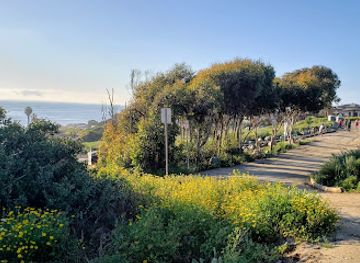
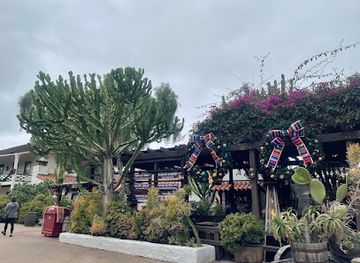
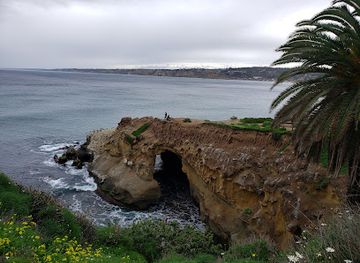

Explore Cabrillo National Monument on the Map
A handpicked selection of must-see spots near Cabrillo National Monument, mapped for you.
Unlock the Best of Cabrillo National Monument
Book tours with entry


Getting There
-
Driving
Cabrillo National Monument is located at the end of Point Loma. From downtown San Diego, take I-5 or I-8 to Rosecrans Street, then follow Rosecrans Street to Canon Street, then turn onto Catalina Boulevard. Follow Catalina Boulevard to Cabrillo Memorial Drive, the only road leading into the park. The entrance fee is $20 per vehicle, valid for seven days. Parking is available near the Visitor Center. Expect long lines to enter the park, especially on weekends after 11 AM, holidays, and days with low tides. Parking: Ample parking is available in a large lot near the Visitor Center. Tolls: There are no tolls on the final approach to Cabrillo National Monument.
-
Public Transport
The most direct public transportation route to Cabrillo National Monument involves taking the bus. From downtown San Diego, take the 923 bus to Narragansett Av & Chatsworth Bl. From there, transfer to the 84 bus towards Cabrillo Monument. The 84 bus will drop you off at Cabrillo Memorial Hwy & Cabrillo Rd, which is a 3 minute walk to the entrance of the park. Cost: A one-way fare on the San Diego Metropolitan Transit System (MTS) is $2.50. A day pass, which allows unlimited rides on buses and trolleys, is available for $6. Note: Bus schedules should be checked in advance, as not all routes run frequently or on weekends.
-
Ride Share
Ride-sharing services like Uber and Lyft are readily available in San Diego and can provide a convenient way to reach Cabrillo National Monument. From downtown San Diego to Cabrillo National Monument, a ride-sharing service typically costs between $30 and $40. The drive takes approximately 15-20 minutes, depending on traffic. Drop-off: Rideshare apps work well for arriving at the Visitor Center at 1800 Cabrillo Memorial Drive, San Diego, CA 92106.
Discover more about Cabrillo National Monument
More to explore near Cabrillo National Monument













Your all‑in‑one travel companion app
Explore expert travel guides, compare and book tours, experiences, hotels, and more—all from the palm of your hand. Download now for seamless trip planning wherever your wanderlust takes you.


Explore More of San Diego County
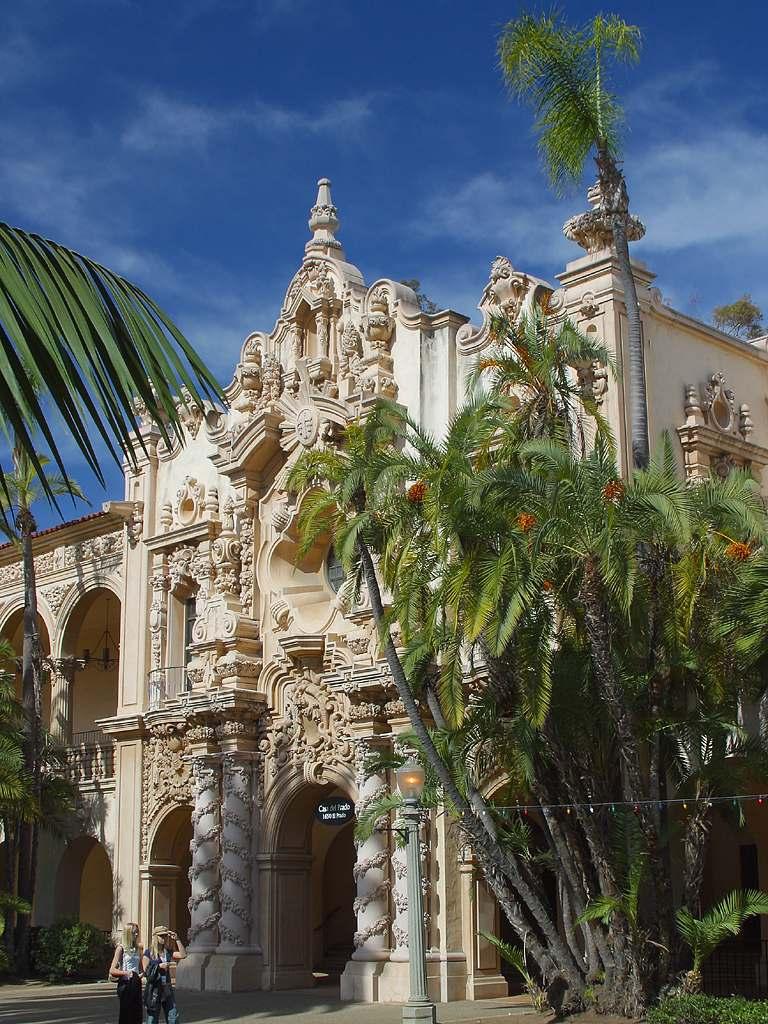
Looking beyond Cabrillo National Monument? Discover San Diego County for broader travel guides, local hot-spots, and regional highlights.
Explore San Diego County