

San Diego County, California Travel Guide
Discover San Diego County: A sun-drenched haven of stunning beaches, vibrant culture, and endless outdoor adventures in Southern California.
San Diego County, located in sunny Southern California, is a vibrant blend of natural beauty, rich history, and modern attractions. Known for its near-perfect weather, San Diego County offers an array of activities for every type of traveler. From pristine beaches and scenic coastal towns to bustling urban centers and serene desert landscapes, there's something for everyone to enjoy. The coastline stretches for miles, featuring iconic beaches such as La Jolla, Coronado, and Pacific Beach. These seaside havens are perfect for surfing, sunbathing, or simply soaking in the breathtaking ocean views. The county is also home to the world-famous San Diego Zoo and Safari Park, where visitors can marvel at a diverse array of wildlife. In addition to its natural wonders, San Diego County boasts a rich cultural scene. Explore the historic Gaslamp Quarter in downtown San Diego, where Victorian-era buildings house trendy restaurants, bars, and shops. Balboa Park, a cultural oasis, is home to numerous museums, theaters, and gardens. For a taste of history, visit Old Town San Diego State Historic Park to learn about the area's early settlers. San Diego County also offers a range of outdoor activities. Hike through Torrey Pines State Natural Reserve, kayak in the sea caves of La Jolla, or take a scenic drive along the Pacific Coast Highway. The region's diverse landscapes make it a paradise for nature enthusiasts and adventure seekers alike.

Know before you go
Hi, I'm Eve. Here are a few practical things to know before exploring San Diego County.
- Visit the beaches early in the morning to avoid crowds and secure a good spot.
- Balboa Park offers free admission to many museums on certain Tuesdays; check the schedule in advance.
- Parking in downtown San Diego can be tricky; consider using public transportation or ride-sharing services.
- Wear layers when visiting coastal areas; temperatures can vary throughout the day.
- Book tickets to popular attractions like the San Diego Zoo online to save time and money.
Top City Travel Guides in San Diego County
The cities of San Diego County, and the easiest places to base yourself.


Destinations in San Diego County
Resorts, valleys and scenic spots worth a trip of their own.


Explore San Diego County: Things to Do, Places to Eat, Hotels & More
Handpicked recommendations for top attractions, local dining, accommodations, and more

Top Attractions & Sightseeing in San Diego County
Top-rated picks
Best Attractions

Balboa Park
Explore world-class museums, stunning gardens, and iconic architecture in San Diego's Balboa Park, a cultural oasis for all ages.

San Diego Zoo
Explore the iconic San Diego Zoo, where wildlife conservation meets unforgettable family fun in the heart of California's Balboa Park.

USS Midway Museum
Discover the USS Midway Museum in San Diego, where history and maritime adventure come together aboard a legendary aircraft carrier.

SeaWorld San Diego
Experience amazing animal encounters, thrilling rides, and family-friendly entertainment at SeaWorld San Diego in beautiful Mission Bay Park.

Best landmarks in San Diego County
Top-rated picks
Best Landmarks

Balboa Park
Discover Balboa Park: A cultural paradise in San Diego with stunning gardens, historic museums, and vibrant events for every traveler.

SeaWorld San Diego
Discover the wonders of marine life, experience thrilling rides, and support ocean conservation at SeaWorld San Diego, a premier destination for family fun and adventure on Mission Bay.

Old Town San Diego State Historic Park
Explore Old Town San Diego State Historic Park, a vibrant historical site showcasing California's rich heritage through preserved buildings, authentic cuisine, and engaging cultural experiences.

Liberty Station
Explore Liberty Station in San Diego: A harmonious blend of art, history, and shopping awaits you at this vibrant community center.

Best restaurants in San Diego County
Top-rated picks
Best Restaurants

Steamy Piggy
Experience culinary excellence at Steamy Piggy, where authentic Chinese cuisine meets modern Asian fusion in a cozy setting.

The Crack Shack - Little Italy
Experience innovative chicken dishes at The Crack Shack in Little Italy - a vibrant culinary hotspot in San Diego.

Hash House A Go Go
Discover the flavorful fusion of classic American cuisine at Hash House A Go Go in San Diego's vibrant Hillcrest neighborhood.

Coasterra
Experience exquisite Mexican and seafood cuisine at Coasterra, where stunning bay views meet culinary excellence in San Diego.

Best bars in San Diego County
Top-rated picks
Best Bars

barleymash
Discover the lively Barleymash in San Diego's Gaslamp Quarter, where American cuisine meets a vibrant lounge atmosphere for an unforgettable dining experience.

Werewolf
Discover Werewolf in San Diego's Gaslamp Quarter: a lively bar and brunch venue offering a unique culinary experience and unforgettable karaoke nights.

Waterfront Bar & Grill
Experience the best of San Diego’s coastal dining at Waterfront Bar & Grill, where delicious food meets stunning waterfront views.

The Tipsy Crow
Experience the lively nightlife at The Tipsy Crow, a dynamic bar in San Diego's Gaslamp Quarter, offering cocktails, entertainment, and a vibrant atmosphere.

Best nightclubs in San Diego County
Top-rated picks
Best Nightclubs

Raised by Wolves
Discover the enchanting cocktail experience at Raised by Wolves, San Diego's premier bar with innovative drinks and a captivating atmosphere.

710 Beach Club
Experience the lively 710 Beach Club in San Diego, where American cuisine meets vibrant entertainment, from brunch to karaoke and live music.

Onyx Room
Discover the dynamic nightlife at Onyx Room in San Diego's Gaslamp Quarter, where cocktails and music meet for an unforgettable evening.

Parq Nightclub
Dive into the vibrant nightlife at Parq Nightclub, San Diego's premier destination for electrifying music, exquisite cocktails, and unforgettable dance experiences.

Best shops in San Diego County
Top-rated picks
Best Shops

Seaport Village
Discover the unique shops, delightful dining, and breathtaking views at Seaport Village, the heart of San Diego's waterfront experience.

Las Americas Premium Outlets
Discover unbeatable deals at Las Americas Premium Outlets in San Diego, where shopping meets savings in a vibrant atmosphere.

Liberty Station
Experience the cultural blend of art, history, and culinary delights at Liberty Station in San Diego, a unique community hub for all.

Fashion Valley
Discover luxury shopping at Fashion Valley, San Diego's premier shopping mall with over 200 stores and exquisite dining options.

Explore San Diego County on the Map
A handpicked selection of must-see spots in San Diego County, mapped for you.
San Diego County Essentials
-
San Diego County is served by San Diego International Airport (SAN), located just 3 miles from downtown San Diego. The airport is well-connected with numerous domestic and international flights. For those driving, San Diego is accessible via Interstate 5 (I-5), Interstate 8 (I-8), and Interstate 15 (I-15). Amtrak's Pacific Surfliner and the Coaster commuter train also provide rail services to the county.
-
San Diego County offers various transportation options including buses, trolleys, and trains operated by the Metropolitan Transit System (MTS). Ride-sharing services like Uber and Lyft are widely available. Renting a car is a popular choice for visitors who want the flexibility to explore the county at their own pace. Biking is also encouraged, with many bike-friendly routes and rental services available.
-
The official currency is the US Dollar (USD). Credit and debit cards are widely accepted in most establishments. ATMs are plentiful, especially in urban areas. It's advisable to carry some cash for small purchases or in case you visit rural areas where card payments might not be accepted.
-
San Diego County is generally safe for tourists. However, like any major metropolitan area, it's important to be cautious. Neighborhoods like parts of East Village and certain areas in Downtown may have higher crime rates, especially at night. Avoid walking alone in poorly lit areas and always stay aware of your surroundings.
-
In case of emergency, dial 911 for immediate assistance. San Diego County has numerous hospitals and urgent care centers. It's recommended to have travel insurance that covers medical emergencies. For minor health issues, pharmacies are readily available throughout the county.
-
Fashion: Do dress in layers, as coastal areas can be cool in the mornings and evenings. Casual attire is generally acceptable. Avoid overly revealing clothing when visiting religious sites. Religion: Do respect religious customs if visiting places of worship. Public Transport: Do have exact change or a pass for buses and trolleys. Don't eat or drink on public transport. Greetings: Do greet people with a friendly 'hello' or handshake. Californians are generally informal. Eating & Drinking: Do try local cuisines and craft beers. Don't forget to tip; 15-20% is customary in restaurants.
-
To experience San Diego County like a local, visit the farmers' markets for fresh produce and local goods. Explore the diverse neighborhoods such as Little Italy, North Park, and La Jolla. Engage with locals at community events and outdoor activities like hiking in Torrey Pines or surfing at Pacific Beach. Don’t miss the craft beer scene; San Diego is known for its numerous breweries.
When is the best time to visit San Diego County?
Useful Local Phrases for San Diego County
You don't need to speak the language perfectly. Even learning a few simple words can make conversations warmer—and locals usually appreciate the effort.
— Eve

Here are the phrases I use most often in San Diego County. Try a few—you'll be surprised how far they go! 😊
❤️
-
- HelloHey
[heɪ] - GoodbyeLater
[ˈleɪtər] - YesYeah
[jɛə] - NoNah
[nɑ] - Please/You're welcomeNo problem
[noʊ ˈprɑbləm] - Thank youThanks
[θæŋks] - Excuse me/SorrySorry
[ˈsɔri] - How are you?How's it going?
[haʊz ɪt ˈɡoʊɪŋ] - Fine. And you?Good. You?
[ɡʊd. ju?] - Do you speak English?Do you speak English?
[du jʊ spiːk ˈɪŋɡlɪʃ?] - I don't understandI don't get it
[aɪ doʊnt ɡɛt ɪt]
- HelloHey
-
- I'd like to see the menu, pleaseCan I see the menu?
[kæn aɪ si ðə ˈmɛnju?] - I don't eat meatI'm vegetarian
[aɪm ˌvɛdʒəˈtɛriən] - Cheers!Cheers!
[ʧɪrz] - I would like to pay, pleaseCan I get the check?
[kæn aɪ ɡɛt ðə ʧɛk?]
- I'd like to see the menu, pleaseCan I see the menu?
-
- Help!Help!
[hɛlp] - Go away!Get lost!
[ɡɛt lɔst] - Call the Police!Call the cops!
[kɔl ðə kɑps] - Call a doctor!Get a doctor!
[ɡɛt ə ˈdɑktər] - I'm lostI'm lost
[aɪm lɔst] - I'm illI'm not feeling well
[aɪm nɑt ˈfilɪŋ wɛl]
- Help!Help!
-
- I'd like to buy...I want to buy...
[aɪ wɑnt tu baɪ...] - I'm just lookingJust browsing
[dʒʌst ˈbraʊzɪŋ] - How much is it?What’s the price?
[wʌts ðə praɪs?] - That's too expensiveThat's too pricey
[ðæts tu ˈpraɪsi] - Can you lower the price?Can you do any better on the price?
[kæn jʊ du ˈɛni ˈbɛtər ɑn ðə praɪs?]
- I'd like to buy...I want to buy...
-
- What time is it?What time is it?
[wʌt taɪm ɪz ɪt?] - It's one o'clockIt's one o'clock
[ɪts wʌn əˈklɑk] - Half past (10)Half past ten
[hæf pæst tɛn] - MorningMorning
[ˈmɔrnɪŋ] - AfternoonAfternoon
[ˌæftərˈnun] - EveningEvening
[ˈivnɪŋ] - YesterdayYesterday
[ˈjɛstərdeɪ] - TodayToday
[təˈdeɪ] - TomorrowTomorrow
[təˈmɔroʊ] - 1One
[wʌn] - 2Two
[tu] - 3Three
[θri] - 4Four
[fɔr] - 5Five
[faɪv] - 6Six
[sɪks] - 7Seven
[ˈsɛvən] - 8Eight
[eɪt] - 9Nine
[naɪn] - 10Ten
[tɛn]
- What time is it?What time is it?
-
- Where's a/the...?Where's the...?
[wɛrz ðə...?] - What's the address?What's the address?
[wʌts ði ˈædrɛs?] - Can you show me (on the map)?Can you point it out on the map?
[kæn jʊ pɔɪnt ɪt aʊt ɑn ðə mæp?] - When's the next (bus)?When's the next bus?
[wɛn'z ðə nɛkst bʌs?] - A ticket (to ....)A ticket to ...
[ə ˈtɪkɪt tu...]
- Where's a/the...?Where's the...?
History of San Diego County
-
Long before European settlers arrived, the Kumeyaay people inhabited the region now known as San Diego County. Their presence in the area dates back at least 12,000 years. The Kumeyaay were skilled hunters and gatherers, and they developed a rich culture with complex social structures. They lived in harmony with the environment, utilizing the abundant natural resources for food, clothing, and shelter. Their legacy can still be felt today, with several reservations and cultural sites preserved throughout the county.
-
In 1542, Portuguese explorer Juan Rodríguez Cabrillo, sailing under the Spanish flag, became the first European to set foot on the West Coast of the United States. He landed at what is now known as Cabrillo National Monument in San Diego. Cabrillo's expedition marked the beginning of European exploration and eventual colonization of the region. His landing is commemorated annually with a festival that celebrates the historical significance of this event.
-
In 1769, Spanish Franciscan friar Junípero Serra founded Mission San Diego de Alcalá, the first of 21 missions established in California. The mission aimed to convert the local Kumeyaay population to Christianity and integrate them into the Spanish colonial system. It became a focal point for Spanish settlement and agriculture in the region. Today, the mission stands as an active parish and historical landmark, offering insight into the early colonial history of San Diego County.
-
Following Mexico's independence from Spain in 1821, San Diego became part of Mexican territory. During this period, large land grants known as 'ranchos' were distributed to influential families, transforming the landscape and economy of the region. The Mexican era introduced significant cultural changes, including the blending of Spanish and indigenous traditions. Notable sites from this era include Rancho Guajome Adobe and Rancho Santa Fe, which offer a glimpse into the lifestyle and architecture of the time.
-
In 1848, following the Mexican-American War, California became a part of the United States under the Treaty of Guadalupe Hidalgo. The discovery of gold in Northern California in the same year triggered a massive influx of settlers and prospectors. Although San Diego did not experience the same gold rush frenzy, the region saw significant growth as a result of increased migration and economic opportunities. This period laid the groundwork for the development of modern San Diego.
-
The completion of the transcontinental railroad in the late 19th century revolutionized San Diego's connectivity with the rest of the country. The arrival of the Santa Fe Railroad in 1885, in particular, spurred rapid growth and development in the region. It facilitated the movement of goods and people, transforming San Diego into a key economic and transportation hub. The historic Santa Fe Depot, built in 1915, stands as a testament to this transformative era.
-
In 1915-1916, San Diego hosted the Panama-California Exposition to celebrate the opening of the Panama Canal. Balboa Park, a sprawling urban cultural park, was developed for this event. The exposition showcased San Diego's potential as a gateway to the Pacific and featured stunning Spanish Colonial Revival architecture. Today, Balboa Park remains a central cultural and recreational destination, home to numerous museums, gardens, and the renowned San Diego Zoo.
-
During World War II, San Diego's strategic location made it a critical military hub. The establishment of numerous naval bases, including Naval Base San Diego and Marine Corps Air Station Miramar, brought significant military presence and contributed to the city's growth. The naval expansion boosted the local economy and established San Diego as a key player in national defense. The USS Midway Museum, a historic aircraft carrier now serving as a museum, offers an in-depth look at this pivotal period.
-
In the latter half of the 20th century, San Diego emerged as a leading center for biotechnology and scientific research. The establishment of institutions like the Salk Institute for Biological Studies and the University of California, San Diego (UCSD) attracted top scientists and researchers. The region's biotech industry has since flourished, contributing to advancements in medicine, healthcare, and technology. San Diego's innovation ecosystem continues to drive economic growth and attract talent from around the world.
-
San Diego County is known for its rich cultural diversity, shaped by its history of indigenous peoples, Spanish missionaries, Mexican heritage, and waves of immigrants from around the world. Neighborhoods like Old Town, Barrio Logan, and Little Italy reflect this multicultural tapestry. The county celebrates its diversity through various cultural festivals, culinary offerings, and artistic expressions. This vibrant cultural landscape makes San Diego a dynamic and inclusive destination for visitors.
Neighbouring Regions of San Diego County
The closest regions to San Diego County, if you have time for more than one.




Your all‑in‑one travel companion app
Explore expert travel guides, compare and book tours, experiences, hotels, and more—all from the palm of your hand. Download now for seamless trip planning wherever your wanderlust takes you.


Explore More of California
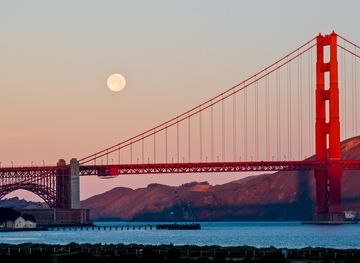
Looking beyond San Diego County? Discover California for broader travel guides, local hot-spots, and regional highlights.
Explore CaliforniaSan Diego County in Photos
Browse through our photo collection highlighting the charm and character of the destination.

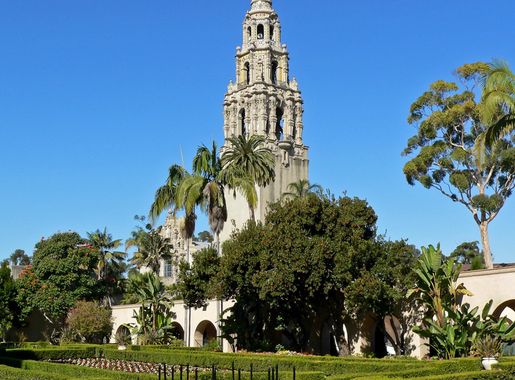


Sun-Kissed Splendor: Exploring San Diego County
San Diego County, located in sunny Southern California, is a vibrant blend of natural beauty, rich history, and modern attractions. Known for its near-perfect weather, San Diego County offers an array of activities for every type of traveler. From pristine beaches and scenic coastal towns to bustling urban centers and serene desert landscapes, there's something for everyone to enjoy. The coastline stretches for miles, featuring iconic beaches such as La Jolla, Coronado, and Pacific Beach. These seaside havens are perfect for surfing, sunbathing, or simply soaking in the breathtaking ocean views. The county is also home to the world-famous San Diego Zoo and Safari Park, where visitors can marvel at a diverse array of wildlife. In addition to its natural wonders, San Diego County boasts a rich cultural scene. Explore the historic Gaslamp Quarter in downtown San Diego, where Victorian-era buildings house trendy restaurants, bars, and shops. Balboa Park, a cultural oasis, is home to numerous museums, theaters, and gardens. For a taste of history, visit Old Town San Diego State Historic Park to learn about the area's early settlers. San Diego County also offers a range of outdoor activities. Hike through Torrey Pines State Natural Reserve, kayak in the sea caves of La Jolla, or take a scenic drive along the Pacific Coast Highway. The region's diverse landscapes make it a paradise for nature enthusiasts and adventure seekers alike.