DTLA Arts District: A Canvas of Creativity
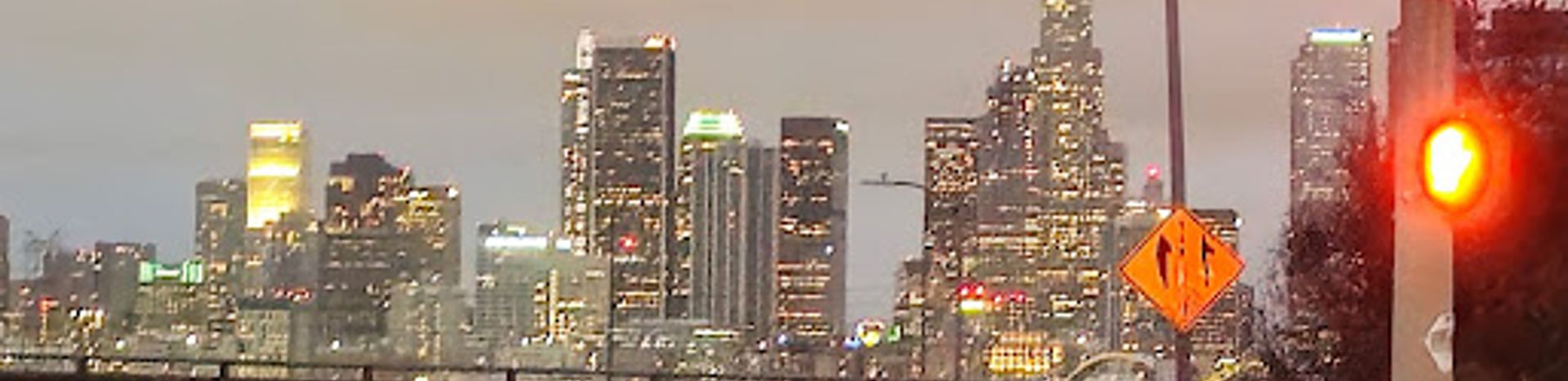
Discover the vibrant murals, innovative galleries, and eclectic eateries of the DTLA Arts District, a hub of creativity and culture in the heart of Los Angeles.
The DTLA Arts District, a vibrant hub in Downtown Los Angeles, is a testament to urban renewal and artistic expression. Once an industrial area filled with warehouses and factories, it transformed into a haven for artists in the late 20th century, drawn by affordable spaces and the freedom to create. Today, it's a dynamic neighborhood brimming with colorful murals, art galleries, trendy boutiques, innovative restaurants, and breweries. The district's walkable streets invite exploration, revealing hidden gems around every corner, from world-class art installations to cozy coffee shops. The Arts District offers a unique blend of gritty history and contemporary culture, making it a must-visit destination for anyone seeking an authentic Los Angeles experience.
A brief summary to DTLA Arts District
- 3rd St. &, Alameda St, Los Angeles, Arts District, CA, 90013, US
- Monday 10 am-5 pm
- Tuesday 10 am-5 pm
- Wednesday 10 am-5 pm
- Thursday 10 am-5 pm
- Friday 10 am-5 pm
- Saturday 10 am-5 pm
- Sunday 10 am-5 pm
Local tips
- Wear comfortable shoes, as the Arts District is best explored on foot. Allow ample time to wander and discover hidden murals and art installations.
- Visit on a weekday to avoid weekend crowds and enjoy a more relaxed experience at galleries and restaurants.
- Check the Arts District's event calendar for gallery openings, street festivals, and other special events.
- Take a guided street art tour to learn about the history, techniques, and artists behind the murals.
- Explore the area beyond the main streets to discover hidden gems and local favorites.

Getting There
-
Public Transport
For the final approach to the DTLA Arts District, the Metro A Line (formerly the Gold Line) is a convenient option. Disembark at the Little Tokyo/Arts District Station. From the station, walk west along 1st Street towards Alameda Street. The heart of the Arts District is a few blocks south, centered around 3rd Street and Alameda. A single Metro fare is $1.75, which includes up to two hours of transfers. Alternatively, DASH Route A has several stops on Hewitt St. The fare is only 50 cents a ride with cash, 35 cents with a TAP card, 25 cents for seniors and the disabled.
-
Taxi/Ride-Share
If arriving by taxi or ride-share, provide the intersection of 3rd Street and Alameda Street as your destination. This will place you in the center of the Arts District. Expect to pay around $8-$15 for a short ride from other parts of Downtown Los Angeles, depending on traffic.
-
Driving
If driving, be aware that parking in the Arts District can be challenging, especially during peak hours. Metered street parking is available, with rates varying depending on demand. Several parking lots are also located in the area. Expect to pay $5-$15 for hourly parking in a lot. Some lots offer daily maximum rates ranging from $12-$20. Metered parking is also available, but can be limited. The City of Los Angeles' LA Express Park program is conducting a pilot in a portion of this area to promote contactless parking payments. Drivers can easily pay for parking through cell phone apps or at any pay station marked on the map.
Discover more about DTLA Arts District
Iconic landmarks you can’t miss

Little Tokyo National Historic District
0.7 km
Explore the vibrant culture and history of Little Tokyo National Historic District in Los Angeles, a unique Japanese enclave filled with delicious cuisine and rich traditions.
Aoyama Tree
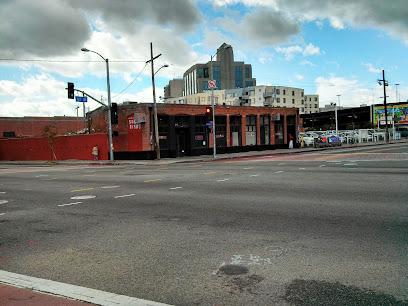
0.7 km
Explore the Aoyama Tree in Little Tokyo, a historical landmark symbolizing resilience and the rich heritage of Japanese American culture in Los Angeles.
Old Bank District
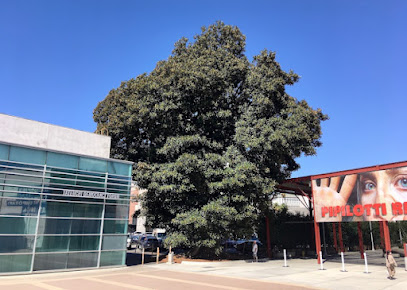
1.1 km
Explore the Old Bank District, a historical gem in Los Angeles, blending rich cultural heritage with modern artistry and vibrant community life.
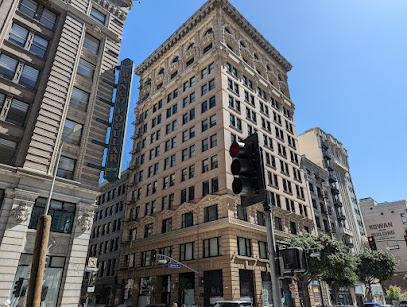
Continental Building
1.1 km
Explore the Continental Building in Downtown LA, a historic architectural treasure reflecting the city's vibrant past and modern spirit.
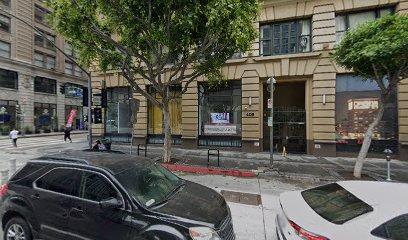
Civic Center
1.2 km
Explore the Civic Center in Los Angeles, a vibrant cultural hub with stunning architecture, green spaces, and a rich history waiting to be discovered.
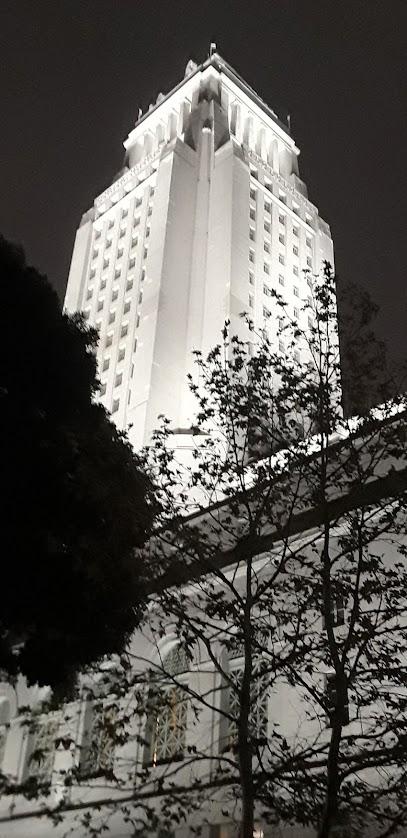
Biddy Mason Memorial Park
1.2 km
Explore Biddy Mason Memorial Park in Los Angeles, a serene tribute to resilience and empowerment with rich historical significance.
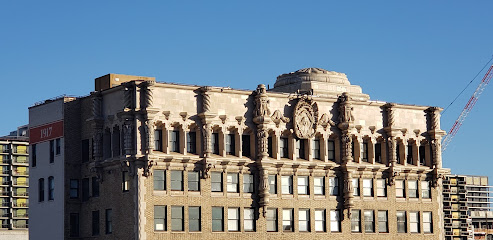
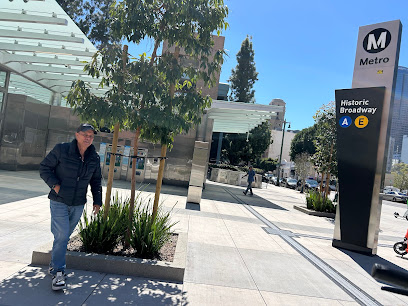
Historic Broadway
1.2 km
Explore the stunning architectural beauty and vibrant culture of Historic Broadway in Downtown Los Angeles, a true gem for every tourist.
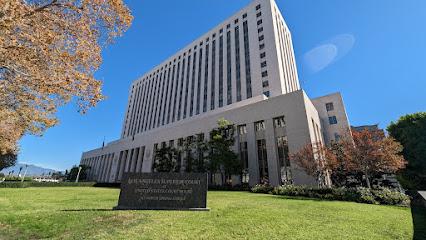
Spring Street Courthouse - Los Angeles Superior Court
1.3 km
Discover the architectural beauty and historical significance of the Spring Street Courthouse in downtown Los Angeles, a must-see landmark.
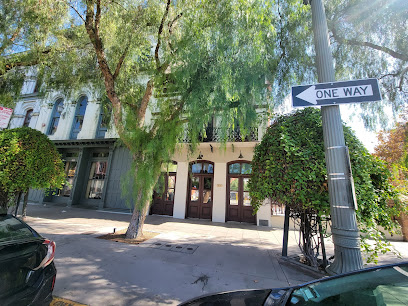
Merced Theater
1.3 km
Discover the Merced Theater, a historic landmark in Downtown Los Angeles that showcases the city's rich cinematic history and architectural beauty.
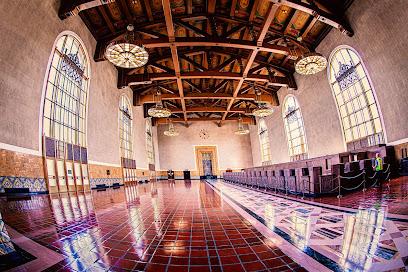
Los Angeles Union Station
1.3 km
Explore Los Angeles Union Station - a historic transportation hub with stunning architecture and vibrant culture in the heart of downtown LA.
Pico House
1.3 km
Explore the historical charm of Pico House, a stunning landmark in Downtown Los Angeles showcasing the city's rich cultural heritage and architectural beauty.
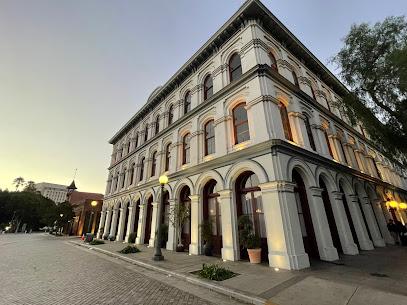
El Pueblo de Los Angeles Historical Monument
1.4 km
Discover the vibrant cultural heritage at El Pueblo de Los Angeles Historical Monument, a unique blend of history, art, and community in Downtown LA.
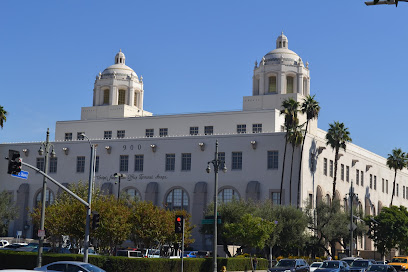
Court of Historic American Flags
1.4 km
Explore the Court of Historic American Flags in Little Tokyo, Los Angeles - A breathtaking tribute to America's rich history and spirit of patriotism.
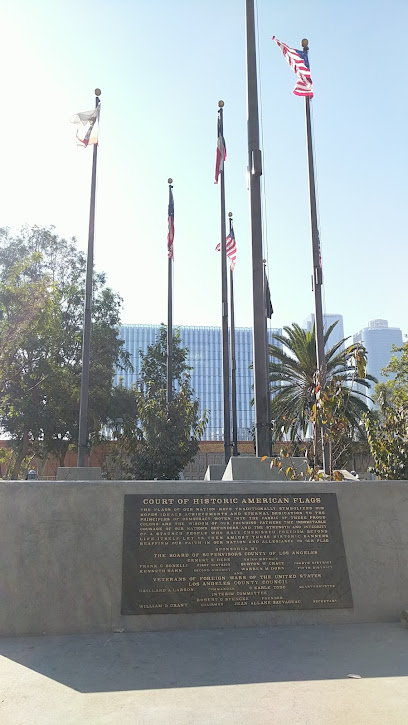
Vietnam Memorial
1.4 km
Discover the Vietnam Memorial, a poignant historical landmark in Little Tokyo, Los Angeles, honoring the sacrifices of Vietnam War veterans.
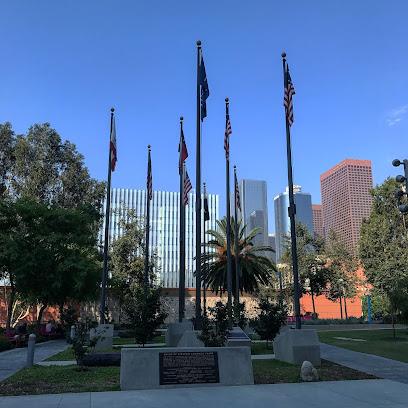
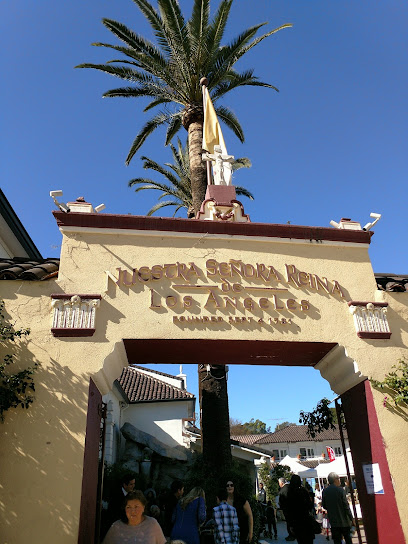
5 Olvera St
1.4 km
Experience the rich cultural tapestry of Los Angeles at Olvera Street, a historic marketplace brimming with authentic Mexican food, art, and vibrant traditions.
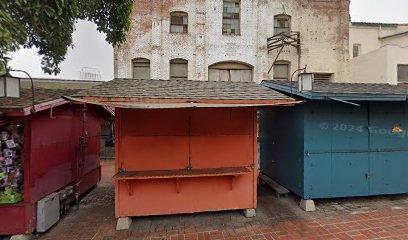
Unmissable attractions to see

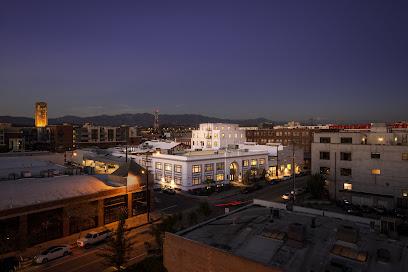
Hauser & Wirth
0.3 km
Explore the vibrant world of contemporary art at Hauser & Wirth, a cultural gem in Los Angeles' Arts District, showcasing innovative exhibitions and engaging events.
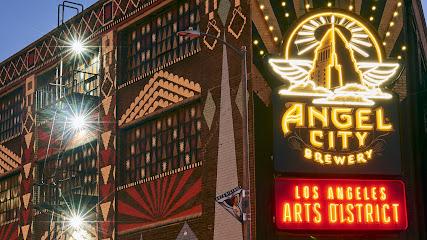
Angel City Brewery
0.3 km
Experience the vibrant craft beer culture at Angel City Brewery, where innovation meets community in the heart of Los Angeles' Arts District.
Arts District
0.5 km
Discover the vibrant arts, culture, and culinary delights of Los Angeles' Arts District, a creative haven for art lovers and foodies alike.

Japanese American National Museum
0.6 km
Discover the inspiring stories of Japanese Americans at the Japanese American National Museum in Los Angeles, where history meets art and heritage.
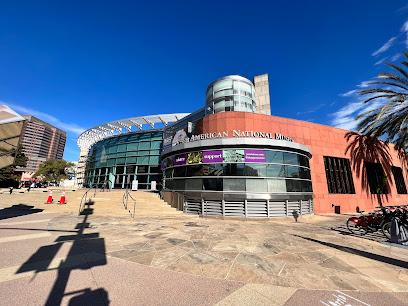
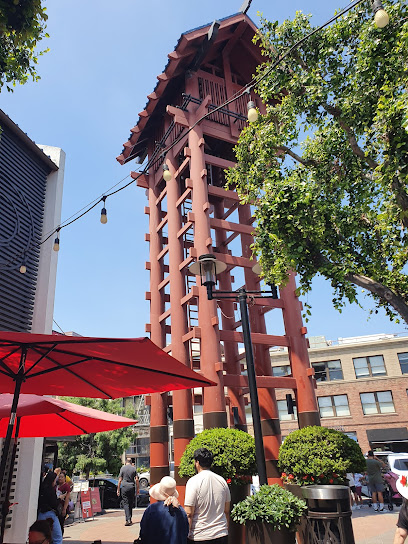
Japanese Style Bell Tower
0.6 km
Experience the serene beauty and cultural significance of the Japanese Style Bell Tower in Little Tokyo, Los Angeles.
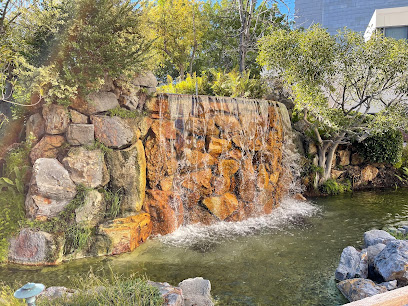
Kyoto Garden
0.9 km
Experience the beauty and tranquility of Kyoto Garden, a breathtaking urban park in the heart of Los Angeles' Little Tokyo. Perfect for relaxation and cultural exploration.
Two Bit Circus
0.9 km
Discover the innovative fusion of arcade fun, live performances, and craft cocktails at Two Bit Circus in Los Angeles' vibrant Arts District.
INDIAN ALLEY
1.0 km
Explore Indian Alley, a vibrant tribute to Native American culture in the heart of Los Angeles, featuring stunning murals and rich historical significance.
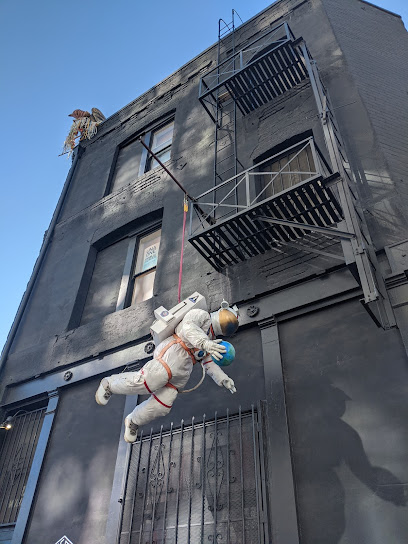
Street Art
1.0 km
Discover the artistic heartbeat of LA with stunning street art that reflects the city's culture and creativity in vibrant Downtown Los Angeles.
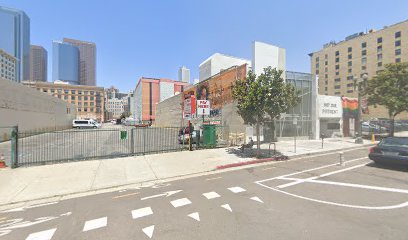
Downtown Los Angeles Art Walk
1.1 km
Experience the creativity and culture of Los Angeles at the Downtown Art Walk, a monthly celebration of local artists, galleries, and vibrant street life.
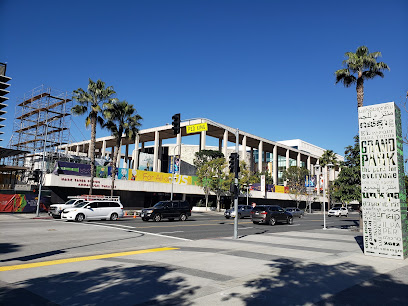
Los Angeles City Hall
1.2 km
Explore the stunning Art Deco architecture and rich history of Los Angeles City Hall, a prominent landmark and government office in the heart of downtown.
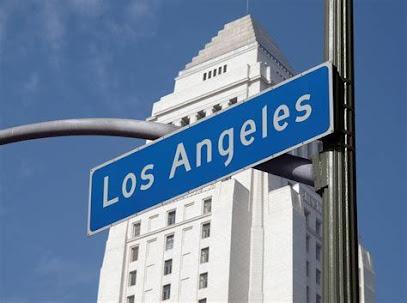
Luna Luna
1.2 km
Discover the dynamic art scene at Luna Luna, an engaging museum in Boyle Heights showcasing contemporary exhibits and immersive experiences for all art enthusiasts.
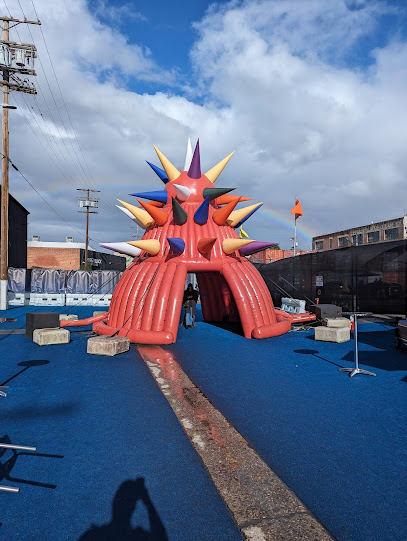
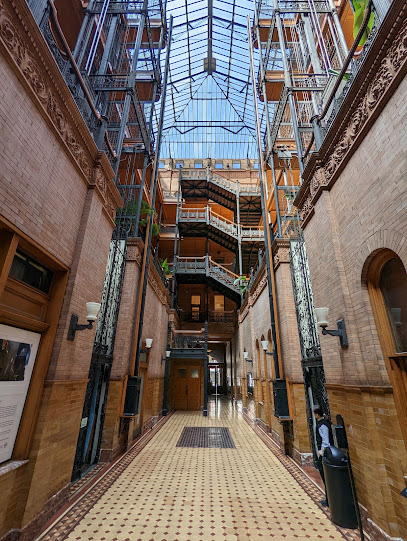
Bradbury Building
1.2 km
Explore the Bradbury Building, an architectural treasure in Los Angeles blending Victorian elegance with cinematic history.
The Last Bookstore
1.3 km
Discover the magic of literature at The Last Bookstore in Los Angeles, a unique spot for book lovers and cultural enthusiasts, featuring new and used books.
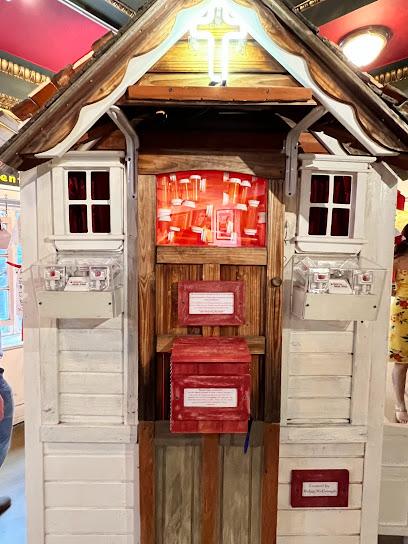
Chinese American Museum
1.3 km
Explore the vibrant stories and rich heritage of Chinese Americans at the Chinese American Museum in Downtown Los Angeles.
Essential places to dine

Hearts & Flame
0.3 km
Experience exquisite Italian cuisine at Hearts & Flame in Los Angeles' Arts District - where culinary artistry meets vibrant culture.
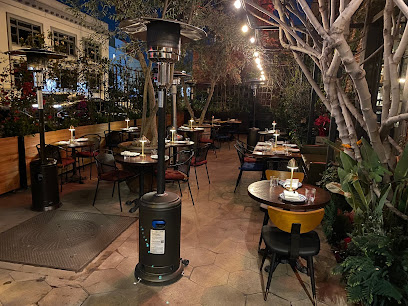
Eat Drink Americano
0.3 km
Discover Eat Drink Americano: A vibrant gastropub in Los Angeles' Arts District serving inventive New American cuisine and craft cocktails.
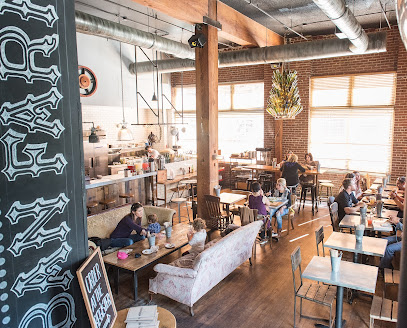
The Mermaid
0.3 km
Experience exquisite cocktails and delightful cuisine at The Mermaid in Little Tokyo - where every sip and bite tells a story.
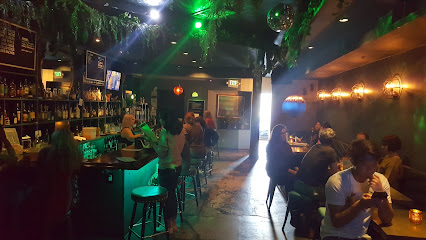
Spitz - Little Tokyo Restaurant & Bar - Mediterranean Food and More
0.5 km
Experience Mediterranean flavors at Spitz in Little Tokyo - a vibrant restaurant offering delicious falafel, gyros & more!
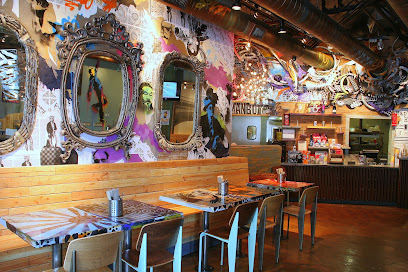
Girl & the Goat Los Angeles
0.6 km
Experience innovative New American cuisine at Girl & the Goat in LA's Arts District - where bold flavors meet artistic flair.
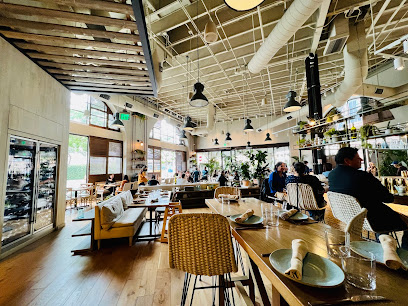
The Factory Kitchen
0.6 km
Experience authentic Italian cuisine at The Factory Kitchen in Los Angeles' Arts District – where tradition meets modern culinary artistry.
Peking Tavern
0.9 km
Savor authentic Chinese cuisine at Peking Tavern in Little Tokyo - where every dish is crafted with passion and tradition.
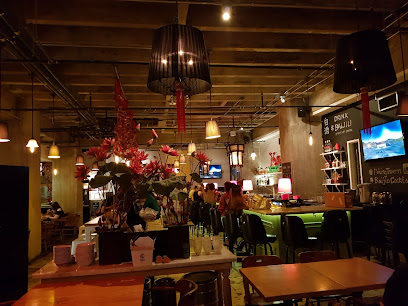
Redbird
1.0 km
Discover Redbird: An exceptional New American dining experience in Downtown LA featuring seasonal flavors and an inviting atmosphere.
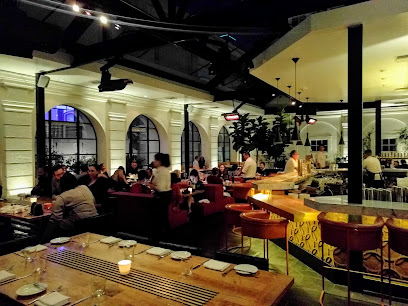
BADMAASH Downtown LA
1.1 km
Experience the vibrant fusion of Indian cuisine and American flavors at Badmaash Downtown LA – where tradition meets innovation.
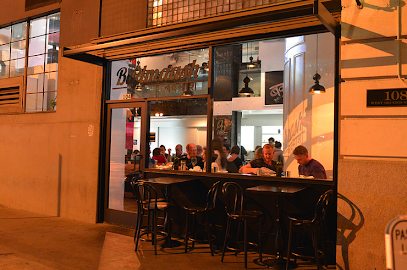
Orsa & Winston
1.1 km
Experience culinary excellence at Orsa & Winston, where Asian flavors meet modern innovation in a historic setting.
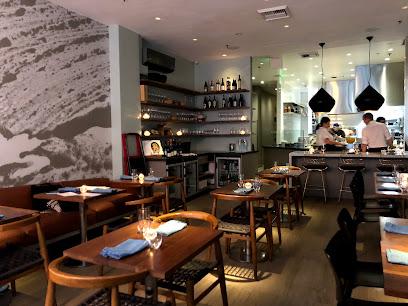
Le Petit Paris
1.2 km
Indulge in exquisite French cuisine at Le Petit Paris, where elegance meets culinary artistry in downtown Los Angeles.
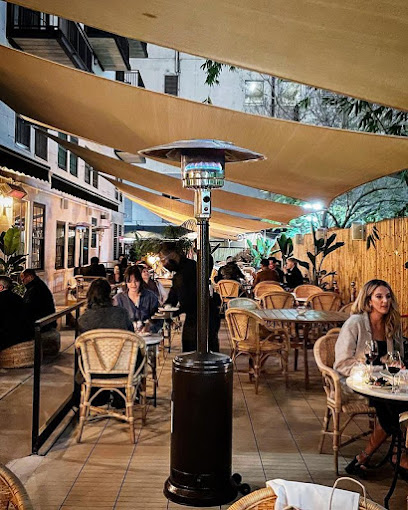
Maccheroni Republic
1.3 km
Discover the heart of Italy in Los Angeles at Maccheroni Republic - where fresh pasta and authentic flavors come alive.
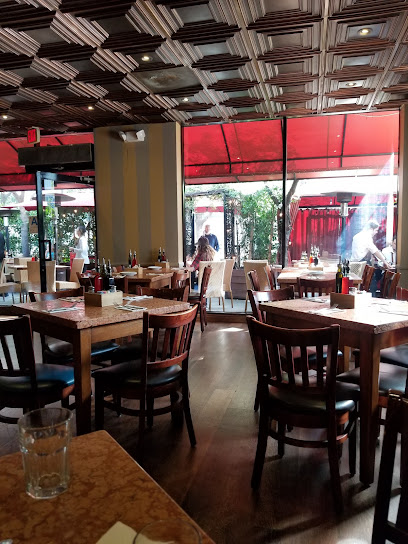
Poppy + Rose
1.3 km
Experience delightful American cuisine at Poppy + Rose in LA's Fashion District - perfect for breakfast or brunch!
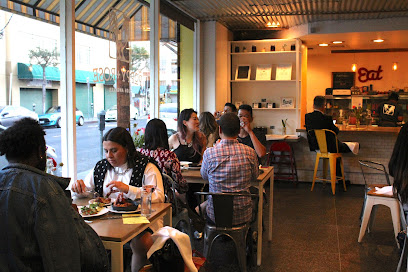
Bestia
1.4 km
Experience authentic Italian cuisine at Bestia in Los Angeles' Fashion District – where tradition meets innovation.
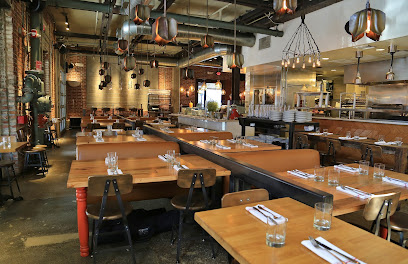
Perch
1.4 km
Experience the elegance of French dining at Perch in Los Angeles—where culinary artistry meets breathtaking views.
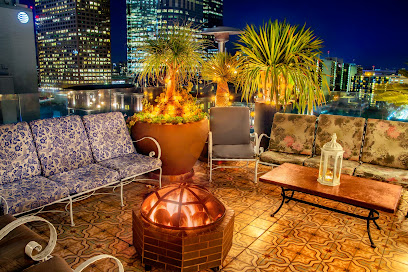
Markets, malls and hidden boutiques

Lovestitch Los Angeles Retail Store
0.2 km
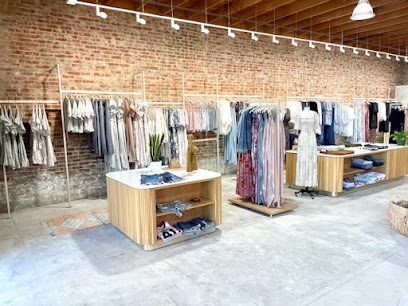
Explore Lovestitch in Los Angeles' Arts District—your destination for unique women's fashion and vibrant style that captures the essence of the city.
Alchemy Works
0.2 km
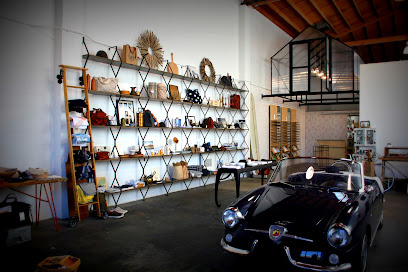
Explore the artsy Alchemy Works boutique in Los Angeles, a treasure trove of unique artisanal products and eclectic home decor.
The House of Woo
0.3 km
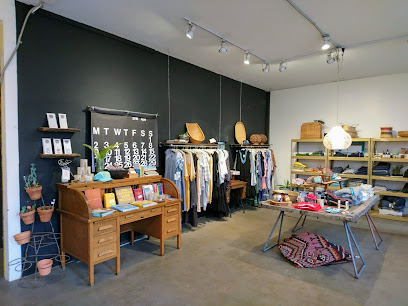
Discover a treasure trove of unique gifts and local creations at The House of Woo in Los Angeles' Arts District.
SOUVENIR
0.4 km
Discover unique women's clothing in Los Angeles' Arts District, where style meets creativity and every piece tells a story.
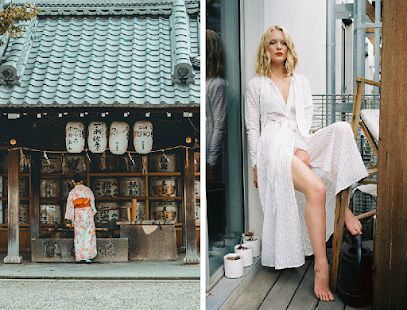
Raggedy Threads
0.6 km
Explore the charm of vintage fashion at Raggedy Threads in Little Tokyo, Los Angeles, where unique treasures await every fashion enthusiast.
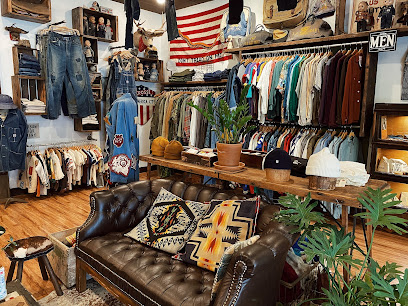
Ginza-USA Gifts & Music
0.6 km
Explore a unique blend of Japanese collectibles, musical instruments, and vintage records at Ginza-USA Gifts & Music in Little Tokyo.
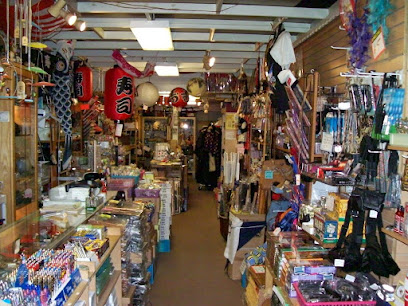
Bunkado
0.7 km
Discover unique gifts and traditional Japanese crafts at Bunkado in the heart of Little Tokyo, a perfect stop for every traveler seeking a cultural experience.
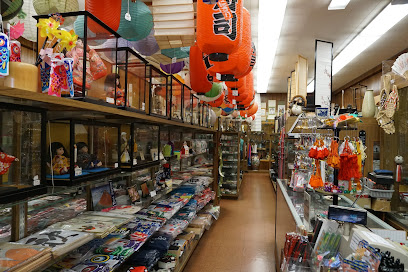
Space City Vintage
0.7 km
Uncover vintage gems and eclectic finds at Space City Vintage in the heart of Little Tokyo, Los Angeles.
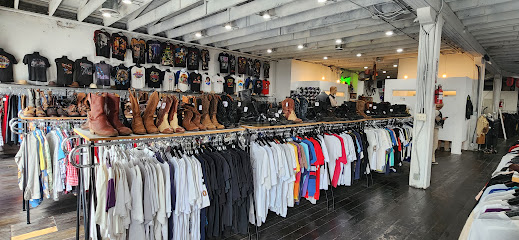
Arcade Vintage
1.2 km
Arcade Vintage: Your ultimate destination for unique, retro fashion treasures in Los Angeles' Fashion District.
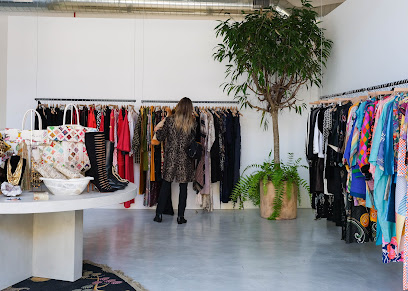
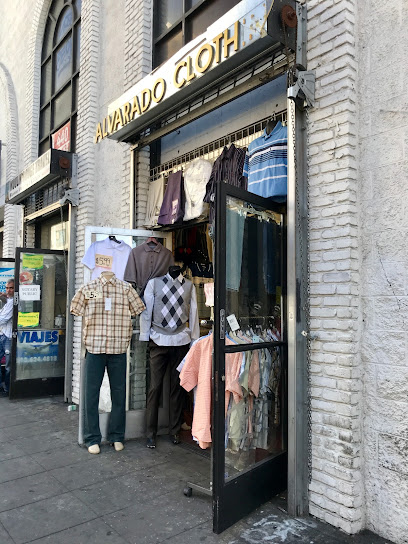
Alvarado Clothing
1.3 km
Discover your unique style at Alvarado Clothing in LA's Historic Core, where fashion meets the vibrant culture of the city.
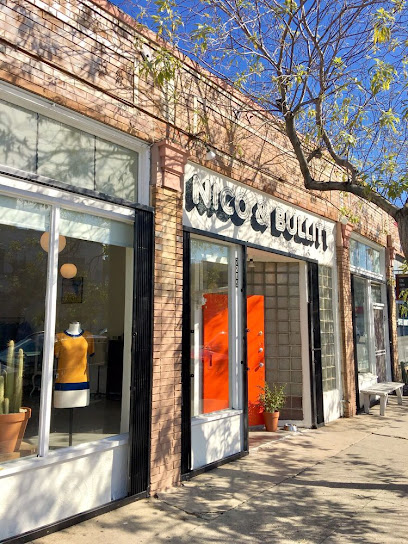
NICO & BULLITT
1.6 km
Discover the unique charm of NICO & BULLITT in LA's Fashion District - a boutique offering curated fashion and exclusive gifts for every style.
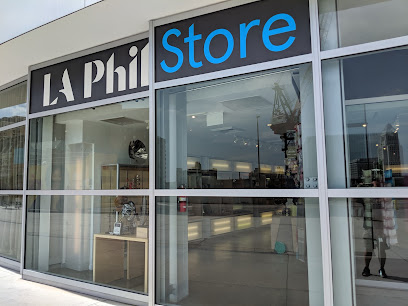
LA Phil Store
1.7 km
Explore the LA Phil Store in Downtown Los Angeles for unique music-inspired gifts and art that celebrate the city's vibrant cultural heritage.
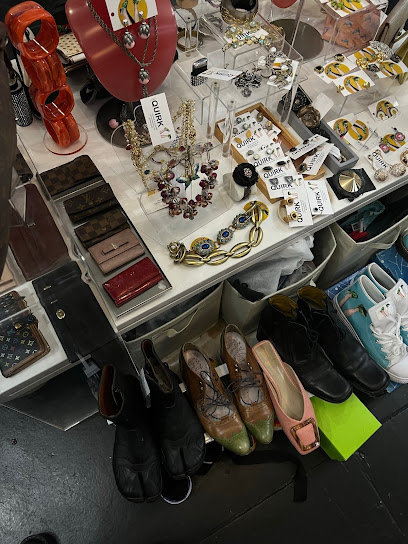
Quirk
1.8 km
Explore Quirk, a vintage clothing store in Los Angeles, where unique fashion meets custom tailoring and timeless style.
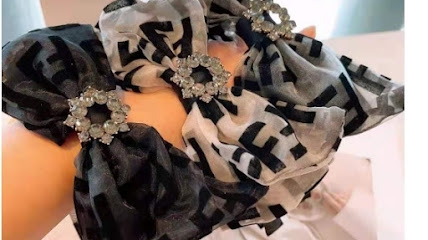
Love & Shop
1.9 km
Explore trendy women's fashion at Love & Shop in LA's Fashion District, where style meets quality in an inviting boutique atmosphere.
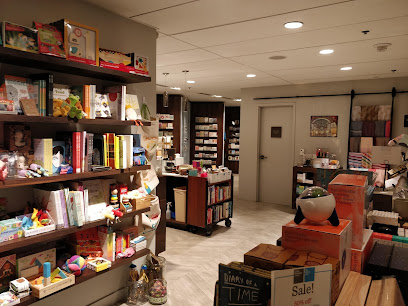
The Library Store
1.9 km
Explore The Library Store in Los Angeles for unique gifts and books that celebrate literature and creativity in a charming atmosphere.
Essential bars & hidden hideouts

Death & Co Los Angeles
0.2 km
Discover innovative cocktails and a vibrant atmosphere at Death & Co Los Angeles, a must-visit cocktail bar in the Arts District.
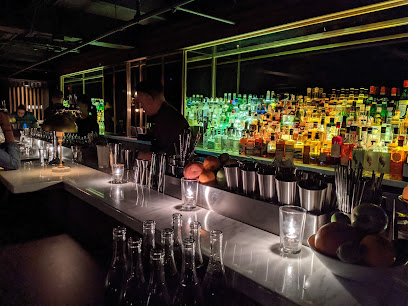
Wolf & Crane Bar
0.5 km
Experience the vibrant cocktail culture at Wolf & Crane Bar in Little Tokyo, where traditional Japanese flavors meet modern mixology.
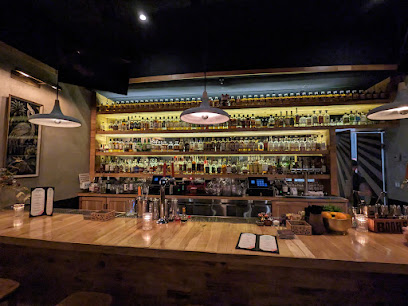
Bar Franca
1.1 km
Discover the vibrant nightlife at Bar Franca in Los Angeles, where expertly crafted cocktails meet an intimate and stylish atmosphere.
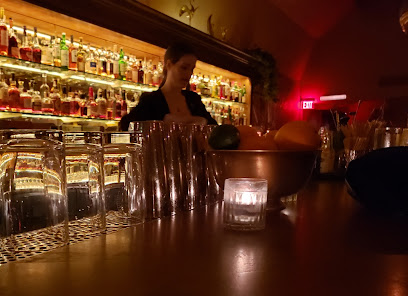
The Love Song Bar
1.1 km
Experience the enchanting vibes of The Love Song Bar in Los Angeles, where creative cocktails and live music intertwine for an unforgettable night.
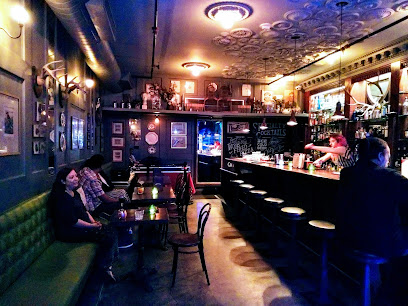
Everson Royce Bar
1.2 km
Experience the vibrant nightlife at Everson Royce Bar in Los Angeles' Fashion District, where creative cocktails meet an electric atmosphere.
The Varnish
1.2 km
Discover The Varnish, a cocktail bar in Los Angeles blending classic drinks, live music, and a vintage ambiance for an unforgettable night out.
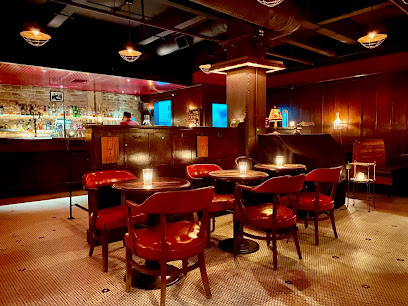
The Slipper Clutch
1.3 km
Experience the vibrant live music scene at The Slipper Clutch, a unique bar in the Historic Core of Los Angeles, perfect for music lovers and night owls.
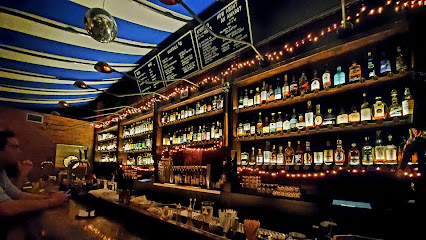
Crane's Bar Downtown
1.6 km
Discover Crane's Bar Downtown, where vibrant sports culture meets a casual dive bar experience in the heart of Los Angeles.
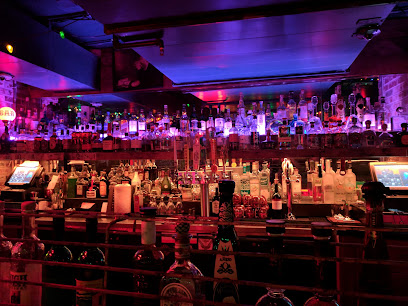
Pattern Bar
1.7 km
Discover the eclectic atmosphere of Pattern Bar, a unique cocktail bar and breakfast spot in Los Angeles' Historic Core.
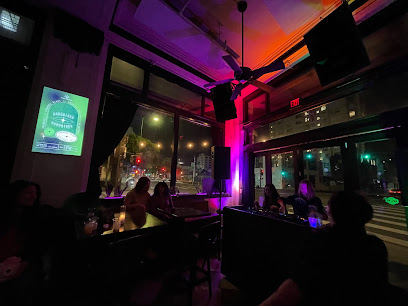
Bar Jackalope
1.8 km
Discover Bar Jackalope: A hidden gem in Los Angeles offering an exquisite selection of whiskey and cocktails in a cozy, upscale atmosphere.
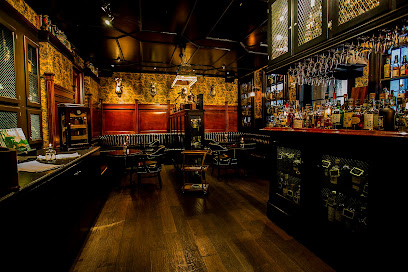
Seven Grand
1.8 km
Discover the vibrant nightlife of Los Angeles at Seven Grand, a premier bar with an extensive whiskey selection and live music events.
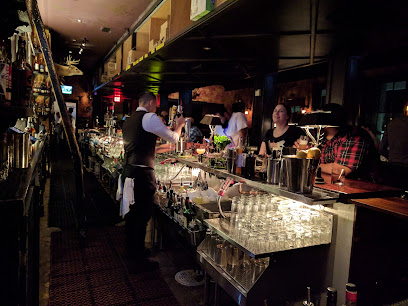
Broken Shaker at Freehand Los Angeles
1.8 km
Discover Broken Shaker in Los Angeles, a rooftop cocktail bar offering creative drinks, stunning skyline views, and a vibrant social atmosphere.
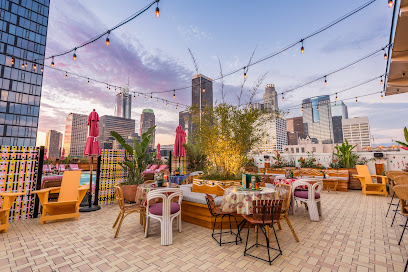
Library Bar
1.9 km
Experience the chic ambiance of Library Bar in Los Angeles, where unique drinks and delightful dining converge in a stylish lounge setting.
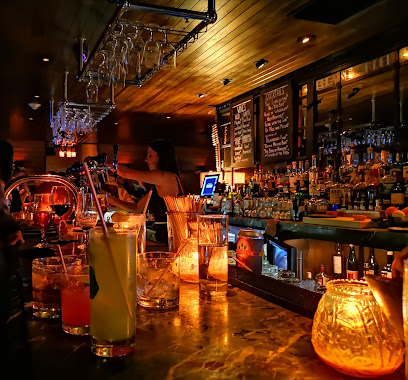
Good Clean Fun
1.9 km
Discover the vibrant wine culture of Los Angeles at Good Clean Fun, where every sip tells a story and every visit feels like home.
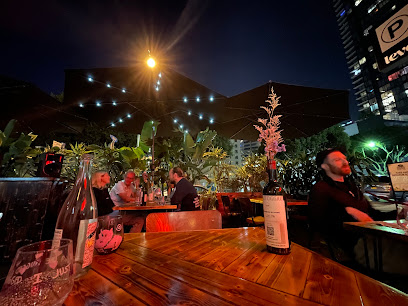
Lock & Key
5.8 km
Discover Lock & Key in Koreatown, a lively cocktail bar and gastropub offering a unique speakeasy experience with live music and delicious cuisine.
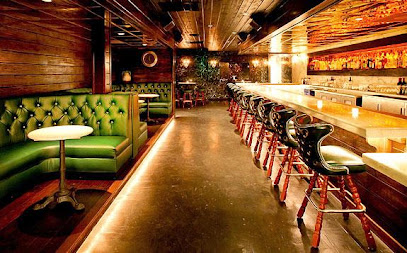
Nightclubs & after hour spots

The Continental Club
1.1 km
Experience the vibrant nightlife of The Continental Club in Los Angeles - where cocktails, music, and dancing come together for an unforgettable night out.
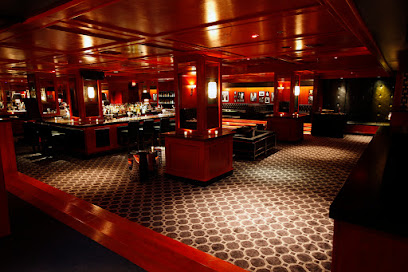
Crocker Club
1.2 km
Experience the vibrant nightlife of Los Angeles at Crocker Club, where exquisite cocktails and a chic atmosphere come together in the Historic Core.
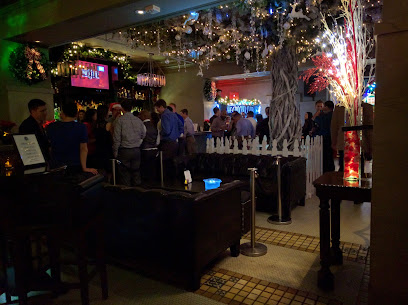
Exchange LA
1.3 km
Dive into the dynamic nightlife at Exchange LA, where electrifying music and stunning visuals create an unforgettable clubbing experience in the heart of Los Angeles.
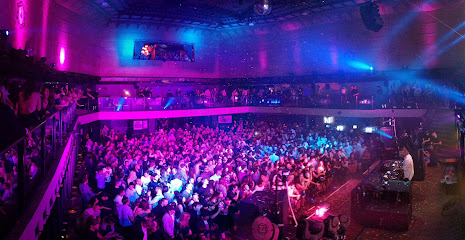
La Cita Bar
1.4 km
Discover the pulse of Los Angeles nightlife at La Cita Bar, where dance, drinks, and fun come together in a vibrant atmosphere.
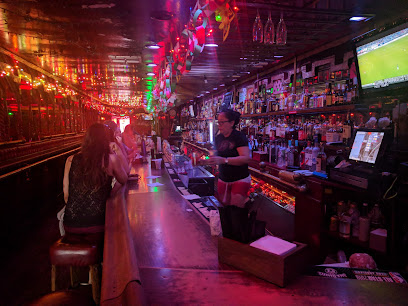
The Catwalk Club
1.4 km
Experience the vibrant nightlife at The Catwalk Club, an exciting event venue in Los Angeles blending bar culture with unforgettable entertainment.
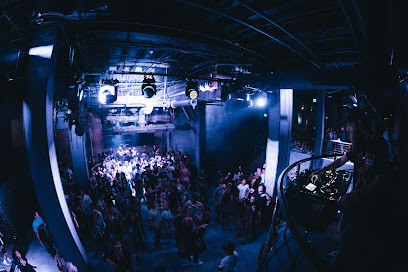
The Reserve
1.4 km
Experience the vibrant nightlife of Los Angeles at The Reserve, a premier nightclub offering live music and an unforgettable atmosphere.
Los Angeles Club Crawl
1.7 km
Experience the vibrant nightlife of Los Angeles with the ultimate Club Crawl adventure, featuring exclusive access to the hottest nightclubs and bars.
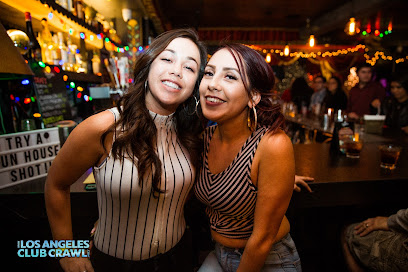
Elevate Lounge
2.1 km
Experience the vibrant nightlife of Los Angeles at Elevate Lounge, where stunning views and expertly crafted cocktails come together for an unforgettable evening.
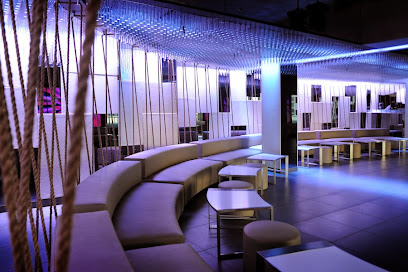
LA Grand Club Inc
2.3 km
Discover the electrifying nightlife of LA at LA Grand Club Inc, the ultimate destination for music and dancing in South Park.
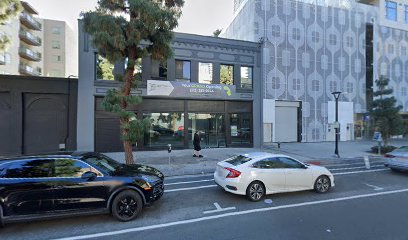
The Conga Room
2.7 km
Immerse yourself in the electric atmosphere of The Conga Room, a premier night club featuring live music, dance, and unforgettable nights in Los Angeles.
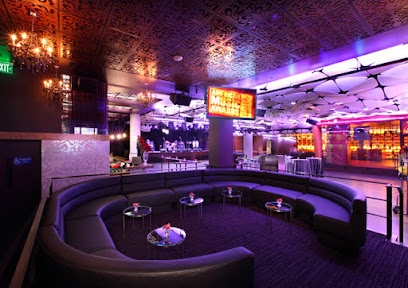
Club Bahia
2.7 km
Discover Club Bahia: A lively night club in Echo Park, Los Angeles, where music and dance create unforgettable nights.
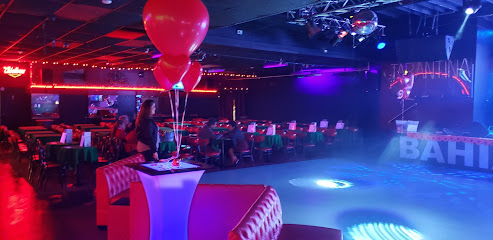
Panamerican Night Club (Oficial)
4.7 km
Experience the vibrant nightlife of Panamerican Night Club in Historic Filipinotown, Los Angeles, where music, food, and fun collide.
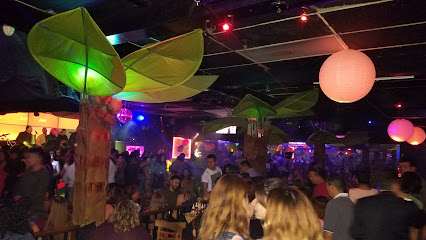
Los Candiles Night Club
6.5 km
Discover the electrifying nightlife at Los Candiles Night Club in Los Angeles, where vibrant music and dancing create unforgettable moments.
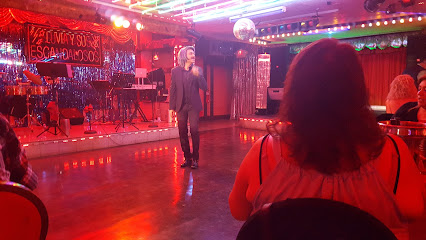
El Capiro Bar Club
7.4 km
Discover the lively charm of El Capiro Bar Club in East Los Angeles, where great drinks and a friendly atmosphere await every night.
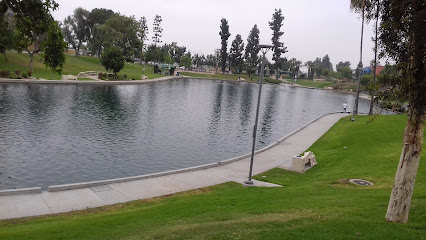
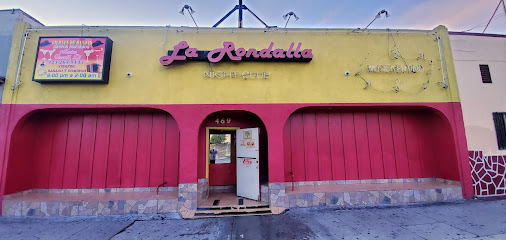
La Rondalla
7.7 km
Experience the vibrant nightlife of East Los Angeles at La Rondalla, a lively night club with a fusion of music and culture!