

Santa Monica (Los Angeles) Travel Guide - Free
Explore Santa Monica in Los Angeles with Evendo's free guide. Find the best shops, historic streets, restaurants, and gems on web or mobile.


Santa Monica, Los Angeles: explore the Pacific coast, Santa Monica Pier, beach paths, Palisades Park, independent shops, galleries and relaxed dining.
Coastline and Civic Centre
Santa Monica occupies a distinctive position on the western edge of the Los Angeles area, where a broad Pacific shoreline meets a compact, walkable urban centre. Although often described as a Los Angeles neighbourhood, it is an independent coastal city in Los Angeles County, with its own municipal government, street grid and strong local identity. The ocean is the organising presence: sandy beaches stretch below the bluffs, while the paved Marvin Braude Bike Trail follows the waterfront and Palisades Park provides elevated views across the Pacific.Read more about Santa Monica
Streets, Architecture and Public Life
Culture and Everyday Atmosphere
Best attractions in Santa Monica
Santa Monica’s principal attractions gather around its meeting point of city, bluff and ocean. The Santa Monica Pier combines a landmark entrance, Pacific Park’s amusement rides, an aquarium and broad views along the coast, while the adjacent beach supports swimming, volleyball, walking and cycling subject to local conditions and regulations. Above the shore, Palisades Park follows Ocean Avenue with overlooks, lawns, palms and public artworks, and Tongva Park provides a younger, landscaped civic space near the centre. The Third Street Promenade is a pedestrian shopping and entertainment corridor, although its character is more commercial than historic. The Camera Obscura, housed in the city’s civic complex, offers a small but distinctive optical experience, and the Annenberg Community Beach House provides a public-facing beach facility farther north. Main Street adds galleries, cafés and independent businesses to the visitor landscape.
-
Amusement park
Pacific Park on the Santa Monica Pier
Experience classic seaside thrills and breathtaking ocean views at Pacific Park, the vibrant amusement park on the iconic Santa Monica Pier, offering fun for the whole family.
17 min walk · 1.4 km from neighbourhood centre
-
Park
Tongva Park
Discover a modern urban oasis in Santa Monica: Tongva Park offers stunning ocean views, innovative design, and a vibrant community space, steps from the pier and Third Street Promenade.
12 min walk · 0.9 km from neighbourhood centre
-
Ferris wheel
Pacific Wheel
Experience breathtaking Pacific Ocean views from the world's first solar-powered Ferris wheel, an iconic Santa Monica Pier attraction offering eco-friendly fun and dazzling light shows.
17 min walk · 1.4 km from neighbourhood centre
-
Amusement park ride
Santa Monica Pier Carousel
Experience a nostalgic ride on a hand-carved carousel at the Santa Monica Pier, a historic landmark offering timeless fun and breathtaking ocean views for visitors of all ages.
14 min walk · 1.1 km from neighbourhood centre


Best landmarks in Santa Monica
The Santa Monica Pier is the city’s defining physical landmark, projecting from the shoreline as a reminder of the resort infrastructure that helped establish Santa Monica’s public identity. Above it, Palisades Park forms an important civic edge between the street grid and the Pacific, with historic landscaping, overlooks and monuments. The Georgian Hotel, completed in 1933, is a prominent Ocean Avenue building whose ornate presence reflects the era when Santa Monica cultivated a glamorous seaside image. Santa Monica City Hall, designed in the 1930s, is notable for its civic architecture and mosaics, while the nearby Camera Obscura is an unusual surviving piece of recreational technology. The city’s historic pleasure infrastructure is also represented by the restored Carousel Building on the pier. Together these places illustrate the relationship between municipal ambition, entertainment, architecture and coastal geography.
-
Fishing pier
Santa Monica Pier
Discover the iconic Santa Monica Pier, where historical charm meets modern entertainment along the beautiful California coastline.
18 min walk · 1.4 km from neighbourhood centre
-
Historical landmark
Santa Monica Pier Arch
Discover the vibrant Santa Monica Pier Arch, an iconic historical landmark representing California's coastal charm and lively beach culture.
12 min walk · 1.0 km from neighbourhood centre
-
Cultural landmark
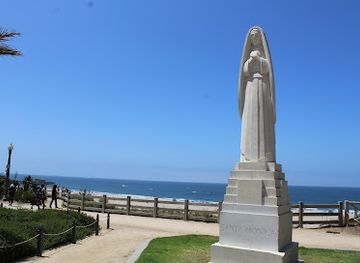
Santa Monica Statue
Discover the Santa Monica Statue: A Stunning Cultural Landmark in Palisades Park Offering Serenity and Scenic Ocean Views.
12 min walk · 1.0 km from neighbourhood centre
-
History museum
Santa Monica History Museum
Discover Santa Monica's vibrant history at the Santa Monica History Museum, featuring engaging exhibits and rich cultural stories that celebrate the city's heritage.
2 min walk · 0.2 km from neighbourhood centre



Explore Santa Monica on the map
A handpicked selection of must-see spots in Santa Monica, mapped for you.
Best hotels in Santa Monica
Best restaurants in Santa Monica
Santa Monica’s dining scene reflects its coastal setting and long-established cosmopolitan population, with casual cafés, Californian cooking, seafood, Mexican food, Asian cuisines, bakeries and plant-focused menus spread between the centre, Main Street and the streets inland from the beach. The central area around the Third Street Promenade and Ocean Avenue contains convenient choices for visitors combining meals with shopping or the pier, while Main Street has a more intimate restaurant-and-bar rhythm and a concentration of independent businesses. Santa Monica’s farmers’ markets connect restaurants and home cooks with Southern Californian produce, although they are primarily places to shop rather than permanent food halls. Well-known local institutions such as Bay Cities Italian Deli illustrate the city’s long-running sandwich and deli culture, while newer restaurants continue to use the area’s access to fresh produce and the Pacific as part of their culinary identity.
-
Seafood
Water Grill
Experience exquisite seafood dining at Water Grill in Santa Monica, where fresh flavors meet ocean views in an upscale atmosphere.
10 min walk · 0.8 km from neighbourhood centre
-
Italian
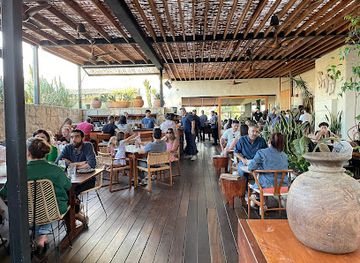
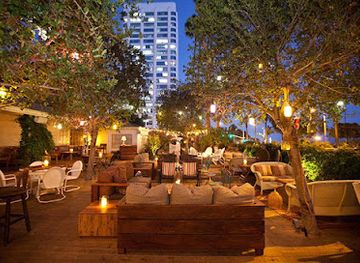
Élephante
Discover Élephante: A rooftop Italian gem in Santa Monica offering stunning views and delectable dishes for an unforgettable dining experience.
10 min walk · 0.8 km from neighbourhood centre
-
Italian
UOVO | Santa Monica
Discover UOVO in Santa Monica: Authentic Italian cuisine with fresh ingredients and an inviting atmosphere.
10 min walk · 0.8 km from neighbourhood centre
-
American
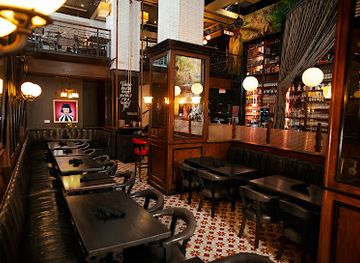
Tar & Roses
Discover the vibrant flavors of modern American cuisine at Tar & Roses in Santa Monica, where innovative dishes meet a lively atmosphere.
3 min walk · 0.2 km from neighbourhood centre



Best bars in Santa Monica
Santa Monica’s nightlife is varied but generally more relaxed than the major club districts elsewhere in Los Angeles. Main Street is the most concentrated evening area, with bars, restaurants, small venues and patios that attract a local and visitor crowd without forming a single late-night strip. Harvelle’s Blues Club, one of the area’s long-established music venues, anchors the central entertainment scene with live performance, while the historic Santa Monica Playhouse offers theatre rather than club nightlife. The Third Street Promenade and Ocean Avenue are livelier around restaurants, cinemas and the pier, though the waterfront becomes quieter as evening progresses. The Victorian on Main Street is associated with live music and events, while cocktail bars, hotel lounges and neighbourhood pubs provide less formal alternatives. Opening hours and programming vary, so evening plans benefit from checking individual venues directly.
-
American
The Misfit Bar & Restaurant
Experience the vibrant atmosphere and delicious American cuisine at The Misfit Bar & Restaurant in Santa Monica, perfect for brunch or relaxed evenings.
8 min walk · 0.7 km from neighbourhood centre
-
Bar
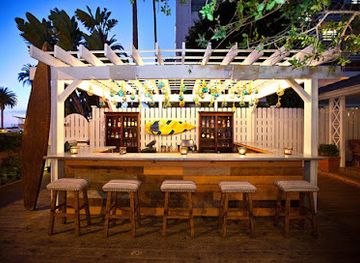
THE BUNGALOW
Experience the charm of Santa Monica at The Bungalow, a stylish bar and restaurant blending coastal vibes with delicious cuisine and craft cocktails.
12 min walk · 1.0 km from neighbourhood centre
-
Bar
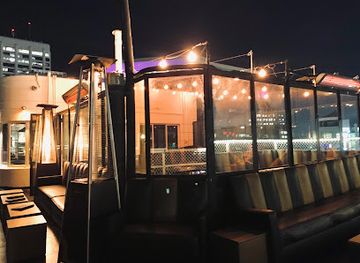
The Coco Club
Experience the stunning views and vibrant atmosphere at The Coco Club, Santa Monica's premier rooftop bar and lounge, perfect for a night out.
11 min walk · 0.9 km from neighbourhood centre
-
Cocktail bar
The Chestnut Club - Santa Monica Bar - Cocktails - Happy Hour 5-7pm
Discover the vibrant cocktail culture at The Chestnut Club, a cozy bar in Santa Monica where crafted drinks and socializing come together.
9 min walk · 0.7 km from neighbourhood centre

Best nightclubs in Santa Monica
Santa Monica’s nightlife is varied but generally more relaxed than the major club districts elsewhere in Los Angeles. Main Street is the most concentrated evening area, with bars, restaurants, small venues and patios that attract a local and visitor crowd without forming a single late-night strip. Harvelle’s Blues Club, one of the area’s long-established music venues, anchors the central entertainment scene with live performance, while the historic Santa Monica Playhouse offers theatre rather than club nightlife. The Third Street Promenade and Ocean Avenue are livelier around restaurants, cinemas and the pier, though the waterfront becomes quieter as evening progresses. The Victorian on Main Street is associated with live music and events, while cocktail bars, hotel lounges and neighbourhood pubs provide less formal alternatives. Opening hours and programming vary, so evening plans benefit from checking individual venues directly.
-
Bar
THE BUNGALOW
Discover the vibrant atmosphere and stunning views at The Bungalow, a premier bar and restaurant in Santa Monica offering gourmet bites and crafted cocktails.
12 min walk · 1.0 km from neighbourhood centre
-
Night club
Harvelle's
Discover the vibrant nightlife at Harvelle's, Santa Monica's premier live music venue and night club for unforgettable performances and a lively atmosphere.
7 min walk · 0.5 km from neighbourhood centre
-
Bar
The Coco Club
Experience the vibrant nightlife of Santa Monica at The Coco Club, a rooftop bar with stunning ocean views and crafted cocktails.
11 min walk · 0.9 km from neighbourhood centre
-
Cocktail bar
The Chestnut Club - Santa Monica Bar - Cocktails - Happy Hour 5-7pm
Experience the essence of Santa Monica nightlife at The Chestnut Club, a trendy cocktail bar with an inviting atmosphere and exceptional mixology.
9 min walk · 0.7 km from neighbourhood centre


Best shops in Santa Monica
Shopping in Santa Monica ranges from mainstream retail in the central district to independent businesses on Main Street and Montana Avenue. The Third Street Promenade remains the best-known pedestrian shopping corridor, with fashion, beauty, cafés and other visitor-oriented businesses close to the Metro station and waterfront. Main Street, south of the centre, is better suited to browsing independent clothing shops, homeware, books, gifts and design-led stores alongside restaurants and galleries. Montana Avenue offers a quieter north Santa Monica retail environment, with boutiques, speciality services and cafés rather than a traditional market street. Farmers’ markets are an important part of the city’s local commerce, selling seasonal Californian produce, prepared foods and products from regional growers and makers. The retail landscape changes frequently, so Santa Monica is best approached as a set of distinct shopping areas rather than one continuous high street.
-
Shopping mall
Downtown Santa Monica
Experience the vibrant shopping, dining, and entertainment at Downtown Santa Monica – the ultimate destination for fun and relaxation by the beach.
7 min walk · 0.6 km from neighbourhood centre
-
Gift shop
Santa Monica Pier Rock Shop
Explore unique gifts and souvenirs at the Santa Monica Pier Rock Shop, a treasure trove of coastal charm and local craftsmanship.
16 min walk · 1.3 km from neighbourhood centre
-
Gift shop
66-To-Cali
Explore the vibrant culture of California at 66-To-Cali, a unique gift shop in Santa Monica offering local souvenirs and trendy apparel.
15 min walk · 1.2 km from neighbourhood centre
-
Gift shop
Sand 'n Surf
Explore Sand 'n Surf in Santa Monica for unique gifts and souvenirs that celebrate the coastal spirit of California.
10 min walk · 0.8 km from neighbourhood centre


Santa Monica essentials
Getting There
Getting Around
Safety
Emergency Situations
Do's and Don'ts
Local Tips

From Eve
Local phrases worth knowing
You don't need to get them perfect. A few words go a long way, and locals appreciate the effort.
Basics
| English | Local | Say it |
|---|---|---|
| Hello | What's up | [wats up] |
| Goodbye | Later | [lay-ter] |
| Yes | Yeah | [yeh] |
| No | Nope | [nohp] |
| Please/You're welcome | Please/No worries | [pleez/no wur-eez] |
| Thank you | Thanks | [thanks] |
| Excuse me/Sorry | My bad | [mai bad] |
| How are you? | What's good? | [wats good] |
| Fine. And you? | Chillin'. You? | [chil-lin. yu] |
| Do you speak English? | You speak English? | [yu speek ing-glish] |
| I don't understand | I'm lost | [im lost] |
Eating & Drinking
| English | Local | Say it |
|---|---|---|
| I'd like to see the menu, please | Can I check the menu? | [kan ai chek thee men-yu] |
| I don't eat meat | I'm vegetarian | [im veh-jeh-tair-ee-an] |
| Cheers! | Cheers! | [cheers] |
| I would like to pay, please | Can I pay, please | [kan ai pay pleez] |
Emergencies
| English | Local | Say it |
|---|---|---|
| Help! | Help! | [help] |
| Go away! | Get lost! | [get lost] |
| Call the Police! | Call the cops! | [call thee cops] |
| Call a doctor! | Get a doctor! | [get uh doc-tur] |
| I'm lost | I'm lost | [im lost] |
| I'm ill | I'm sick | [im sik] |
Shopping
| English | Local | Say it |
|---|---|---|
| I'd like to buy... | I wanna buy... | [ai wa-nuh buy] |
| I'm just looking | Just browsing | [just brauz-ing] |
| How much is it? | How much does it cost? | [how much duhz it cost] |
| That's too expensive | That's too much | [thats too much] |
| Can you lower the price? | Can you give a discount? | [kan yu giv uh dis-count] |
Time & Numbers
| English | Local | Say it |
|---|---|---|
| What time is it? | What's the time? | [wats thee time] |
| It's one o'clock | It's one | [its wun] |
| Half past (10) | Ten thirty | [ten thur-tee] |
| Morning | Morning | [morn-ing] |
| Afternoon | Afternoon | [af-ter-noon] |
| Evening | Evening | [ee-ven-ing] |
| Yesterday | Yesterday | [yess-ter-day] |
| Today | Today | [to-day] |
| Tomorrow | Tomorrow | [to-mor-row] |
| 1 | One | [wun] |
| 2 | Two | [too] |
| 3 | Three | [three] |
| 4 | Four | [for] |
| 5 | Five | [fiv] |
| 6 | Six | [siks] |
| 7 | Seven | [sev-en] |
| 8 | Eight | [ate] |
| 9 | Nine | [nine] |
| 10 | Ten | [ten] |
Transport & Directions
| English | Local | Say it |
|---|---|---|
| Where's a/the...? | Where's the...? | [wheres thee] |
| What's the address? | What's the address? | [whats thee ad-dress] |
| Can you show me (on the map)? | Can you show me (on the map)? | [kan yu show mee] |
| When's the next (bus)? | When's the next (bus)? | [whens thee next] |
| A ticket (to ....) | A ticket (to ....) | [uh tick-et] |
History of Santa Monica
Tongva Homeland and Spanish-Era Ranchos
The coastal plain now occupied by Santa Monica lies within the ancestral homeland of the Tongva, whose communities used the wider Los Angeles basin and its coastal resources long before European settlement. Spanish expeditions passed through the region in the eighteenth century, and the land later formed part of large Mexican-era ranchos. The name Santa Monica became associated with the area through the Spanish mission and rancho landscape, although the modern city developed much later. Early settlement was shaped by the combination of fertile land, freshwater sources and a position beside the Pacific, while the bluffs and beaches remained defining geographical features.
The Founding of a Resort City
Modern Santa Monica began to take shape in the late nineteenth century, when Senator John P. Jones and Robert S. Baker promoted a planned settlement and seaside resort. The arrival of railway connections encouraged visitors and supported the movement of goods through the port established at the foot of the bluffs. Streets were laid out above the shore, and hotels, homes and commercial buildings followed. The city incorporated in 1886, establishing a civic identity distinct from Los Angeles. Tourism, agriculture and transport all contributed to early growth, but the beach remained the central attraction and the source of Santa Monica’s enduring resort character.
Pier, Pleasure and Municipal Growth
Santa Monica’s original pleasure pier opened in 1909, extending the city’s public life over the water and eventually becoming associated with amusement rides, fishing and seaside entertainment. During the early twentieth century, the municipality expanded its parks, streets, schools and civic institutions as residential development spread inland. The city’s location also made it part of the wider Southern California film and aviation economy, while the shoreline continued to draw day visitors. The pier and Ocean Park helped establish the visual language of Santa Monica as a leisure city, even as ordinary neighbourhoods and local businesses grew around them.
From Postwar Change to Coastal Revitalisation
After the Second World War, Santa Monica experienced the pressures that affected much of Los Angeles: rising car use, commercial change, redevelopment proposals and the decline of some older seaside attractions. The construction of the Santa Monica Freeway strengthened regional access but also altered surrounding streets. From the late twentieth century, investment in public spaces, the restoration of historic buildings and the creation of new parks helped reinforce the centre and waterfront. The Third Street Promenade, opened in 1988, reshaped downtown retail, while later projects such as Tongva Park added contemporary civic space. These changes brought new visitors and businesses while intensifying debates about housing, affordability and the balance between tourism and established communities.
Santa Monica in Photos
Browse through our photo collection highlighting the charm and character of the destination.
Neighbourhoods near Santa Monica
The closest neighbourhoods to Santa Monica, if you have time for more than one stop.
-

-

-

-

-


Swipe for more neighbourhoods
Explore more

Explore more of Los Angeles
Los Angeles blends Pacific beaches, Hollywood history, world-class museums, diverse neighbourhoods, landmark architecture and creative culture across Southern California.
Explore Los Angeles