

Beverly Hills (Los Angeles) Travel Guide - Free
Explore Beverly Hills in Los Angeles with Evendo's free guide. Find the best shops, historic streets, restaurants, and gems on web or mobile.


Beverly Hills, Los Angeles, pairs palm-lined boulevards and luxury shopping with gracious estates, cultural landmarks, fine dining, and polished city views.
A Distinct City Within Los Angeles
Beverly Hills is an independent city enclosed by Los Angeles, recognised internationally for Rodeo Drive, grand hotels, manicured streets, and a long association with the film industry. Its compact central district is easy to explore on foot, while the surrounding residential streets unfold through Beverly Hills's characteristic mixture of broad avenues, mature trees, clipped hedges, and architecturally varied homes. The atmosphere is polished rather than hurried, with civic landscaping and careful planning shaping much of the visitor experience.Read more about Beverly Hills
Boulevards, Gardens, and Architecture
Shopping, Dining, and Evening Life
Best attractions in Beverly Hills
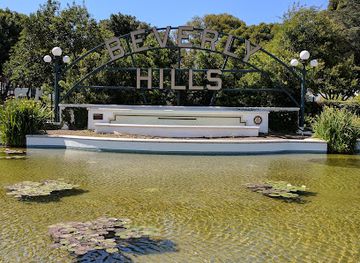
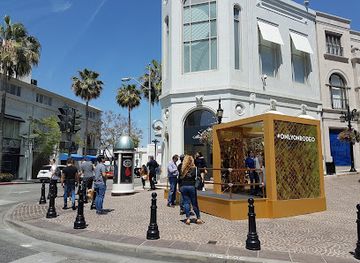
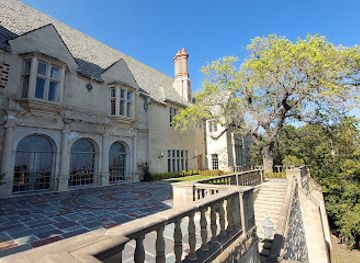
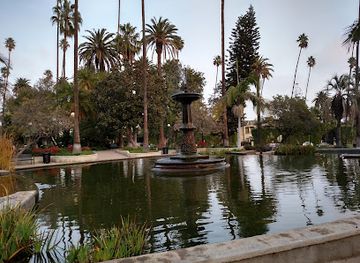
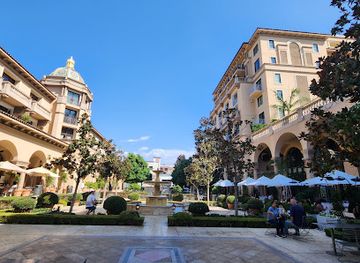
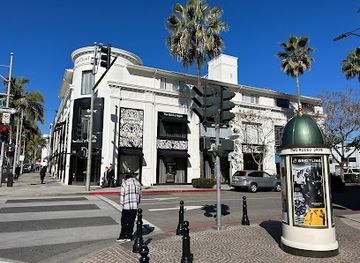
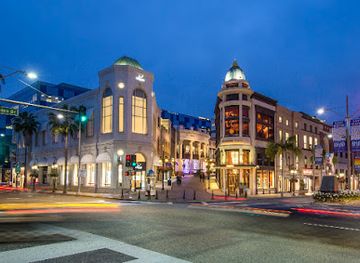
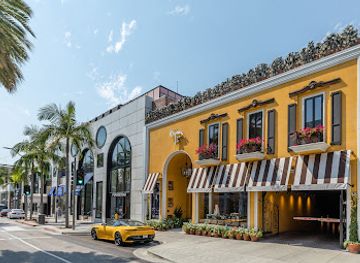
Beverly Hills's principal attractions are concentrated around the Golden Triangle, Beverly Gardens Park, and the city's historic estates. Rodeo Drive offers an architectural and retail promenade of luxury boutiques, jewellers, and carefully designed storefronts, while nearby Two Rodeo Drive creates a stylised European-inspired pedestrian setting. Beverly Gardens Park stretches along Santa Monica Boulevard with lawns, mature planting, public art, the Beverly Hills Sign, and the Electric Fountain, whose sculptural design makes it one of the city's most recognisable civic features. The Wallis Annenberg Center for the Performing Arts occupies the former Beverly Hills Post Office and presents theatre, dance, music, and cultural programming. North of the centre, Greystone Mansion and Gardens provides a more secluded visit amid formal grounds and hillside views, with access and opening arrangements varying according to current programming.
-
Park
Beverly Gardens Park
Experience the enchanting beauty and artistic charm of Beverly Gardens Park, a must-visit oasis in the heart of Beverly Hills, California.
4 min walk · 0.3 km from neighbourhood centre
-
Historical landmark
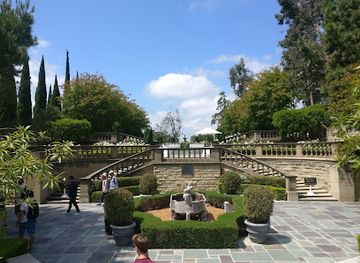
Greystone Mansion & Gardens: The Doheny Estate
Explore the lush gardens and majestic architecture of Greystone Mansion, a historical landmark in Beverly Hills, rich with history and beauty.
6 min drive · 2.1 km from neighbourhood centre
-
Tourist attraction
Rodeo Drive Walk Of Style
Discover the luxury and elegance of Rodeo Drive Walk of Style, the ultimate shopping destination in Beverly Hills, California.
8 min walk · 0.6 km from neighbourhood centre
-
Memorial park
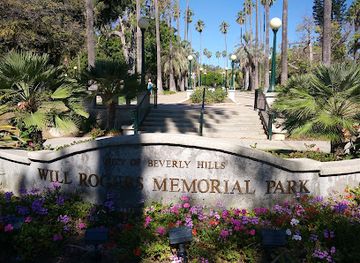
Will Rogers Memorial Park
Experience tranquility and history at Will Rogers Memorial Park, a lush oasis in Beverly Hills perfect for relaxation and scenic strolls.
17 min walk · 1.3 km from neighbourhood centre
Best landmarks in Beverly Hills
Beverly Hills City Hall is one of the city's defining civic landmarks, completed in 1932 with a Spanish Colonial Revival character and a tower that remains prominent in the central district. Beverly Gardens Park contains two especially recognisable features: the Beverly Hills Sign, a popular orientation point beside a small lily pond, and the Electric Fountain, whose sculptural basin commemorates the area's water history. Greystone Mansion, also known as the Doheny Estate, is a major historic property set in the northern hills, where its Tudor Revival architecture and formal grounds reflect the wealth of Beverly Hills's early twentieth-century residents. The Beverly Hills Hotel, with its distinctive pink exterior and landscaped grounds, is another symbolic landmark, although access is primarily for guests and customers. Together these places connect civic identity, private wealth, water history, and the city's entertainment associations.
-
Historical landmark
Greystone Mansion & Gardens: The Doheny Estate
Discover the enchanting Greystone Mansion & Gardens in Beverly Hills, where history, beauty, and elegance come together in a stunning estate.
6 min drive · 2.1 km from neighbourhood centre
-
Memorial park
Will Rogers Memorial Park
Discover the tranquility of Will Rogers Memorial Park in Beverly Hills, a beautiful tribute to the iconic humorist surrounded by lush gardens and serene landscapes.
17 min walk · 1.3 km from neighbourhood centre
-
Garden
Beverly Cañon Gardens
Discover the tranquil beauty of Beverly Cańon Gardens in Beverly Hills, a perfect escape for nature lovers and a picturesque backdrop for unforgettable memories.
8 min walk · 0.6 km from neighbourhood centre
-
Tourist attraction
The Golden Triangle
Explore the luxurious Golden Triangle in Beverly Hills, a haven of upscale shopping, fine dining, and stunning architecture that defines California elegance.
9 min walk · 0.7 km from neighbourhood centre
Explore Beverly Hills on the map
A handpicked selection of must-see spots in Beverly Hills, mapped for you.
Best hotels in Beverly Hills
Best restaurants in Beverly Hills
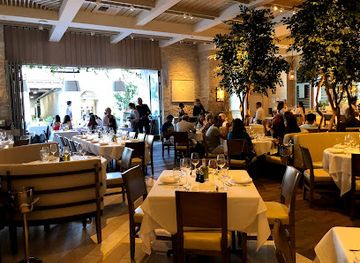
Dining in Beverly Hills ranges from polished hotel restaurants and long-established Californian institutions to Italian, Japanese, French, Persian, and contemporary international cooking. The Golden Triangle and the streets around South Santa Monica Boulevard contain many of the city's most recognisable dining addresses, while cafés and bakeries provide easier daytime options between shopping and sightseeing. Spago Beverly Hills is associated with chef-driven Californian dining, Il Pastaio with relaxed Italian food, and the Polo Lounge at The Beverly Hills Hotel with a long-standing hotel dining tradition. The Beverly Hills Farmers' Market adds a Sunday focus on produce, prepared foods, and local vendors when operating. Reservations can be useful for sought-after restaurants, but the area's culinary identity is not limited to formal dining: visitors will also find coffee shops, casual restaurants, and hotel terraces suited to people-watching along the main commercial boulevards.
-
Seafood
Avra Beverly Hills
Experience luxury dining with fresh seafood delicacies at Avra Beverly Hills - where every meal is an unforgettable occasion.
8 min walk · 0.6 km from neighbourhood centre
-
Brunch
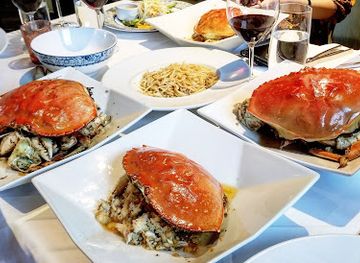
Crustacean Restaurant Beverly Hills, CA - Brunch, Lunch & Fine Dining
Discover the exquisite flavors of Asian fusion at Crustacean Restaurant in Beverly Hills – where fine dining meets vibrant culinary artistry.
9 min walk · 0.7 km from neighbourhood centre
-
Italian
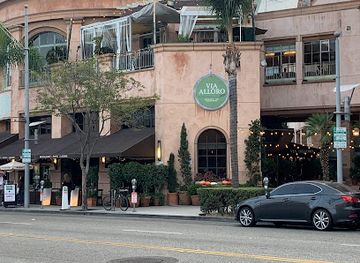
Via Alloro
Experience authentic Italian flavors in a luxurious setting at Via Alloro in Beverly Hills - where culinary excellence meets elegance.
6 min walk · 0.5 km from neighbourhood centre
-
Italian
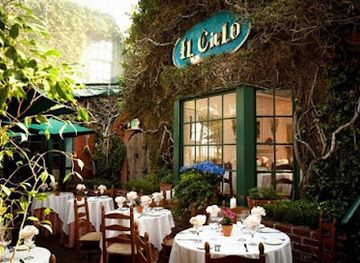
Il Cielo
Discover Il Cielo in Beverly Hills - where exquisite Italian cuisine meets enchanting ambiance for an unforgettable dining experience.
14 min walk · 1.1 km from neighbourhood centre
Best bars in Beverly Hills
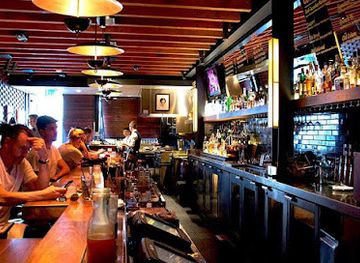
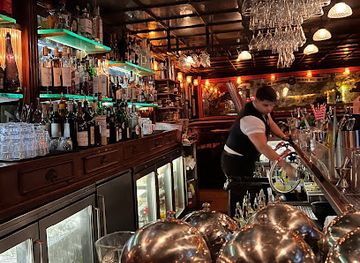
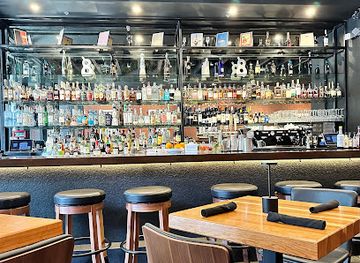
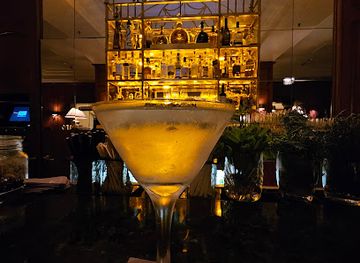
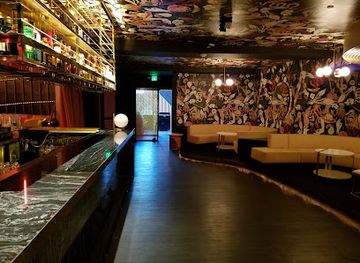
Beverly Hills's evening scene is more associated with hotel bars, restaurant lounges, cocktails, and live cultural performances than with a concentrated nightclub district. The Polo Lounge at The Beverly Hills Hotel has a long-established connection with the city's entertainment and social history, while bars and lounges in luxury hotels around Wilshire Boulevard and the Golden Triangle provide refined settings for drinks. The Maybourne Beverly Hills and other central hotels contribute to this evening economy, although venues and programming change. The Wallis Annenberg Center for the Performing Arts offers a cultural alternative through theatre, music, dance, and public events. After dark, Rodeo Drive is quieter than during shopping hours, and residential streets are not nightlife destinations; visitors should follow venue policies and arrange transport when moving between dispersed locations.
-
American
Honor Bar
Discover the culinary delights of Honor Bar in Beverly Hills, blending American favorites with fresh sushi in a vibrant, inviting atmosphere.
10 min walk · 0.8 km from neighbourhood centre
-
Restaurant
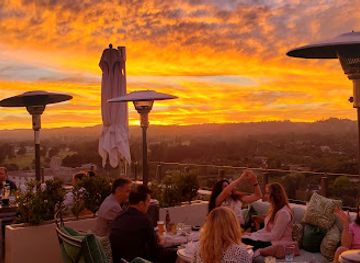
The Rooftop by JG
Experience breathtaking views and exquisite California cuisine at The Rooftop by JG in Beverly Hills for an unforgettable dining experience.
16 min walk · 1.3 km from neighbourhood centre
-
Bar
The Roger Room
Experience Los Angeles nightlife at The Roger Room, where creative cocktails and a chic atmosphere come together to create unforgettable evenings.
7 min drive · 2.3 km from neighbourhood centre
-
Bar
Beverly Bar
Experience the vibrant atmosphere and exquisite American cuisine at Beverly Bar, a stylish oasis in Beverly Hills.
8 min walk · 0.6 km from neighbourhood centre
Best nightclubs in Beverly Hills
Beverly Hills's evening scene is more associated with hotel bars, restaurant lounges, cocktails, and live cultural performances than with a concentrated nightclub district. The Polo Lounge at The Beverly Hills Hotel has a long-established connection with the city's entertainment and social history, while bars and lounges in luxury hotels around Wilshire Boulevard and the Golden Triangle provide refined settings for drinks. The Maybourne Beverly Hills and other central hotels contribute to this evening economy, although venues and programming change. The Wallis Annenberg Center for the Performing Arts offers a cultural alternative through theatre, music, dance, and public events. After dark, Rodeo Drive is quieter than during shopping hours, and residential streets are not nightlife destinations; visitors should follow venue policies and arrange transport when moving between dispersed locations.
-
Lounge
Grand Havana Room
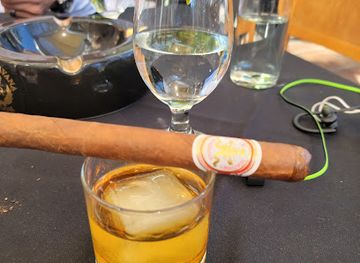
Experience luxury at the Grand Havana Room in Beverly Hills, where exquisite cigars and fine drinks meet an elegant ambiance.
6 min walk · 0.5 km from neighbourhood centre
-
Night club
The Viper Room
Experience the vibrant nightlife at The Viper Room, an iconic West Hollywood night club known for live music and celebrity sightings.
7 min drive · 2.4 km from neighbourhood centre
-
Wine bar
The Club Bar at The Peninsula
Discover The Club Bar at The Peninsula, where luxury meets comfort in Beverly Hills with exquisite wines and cocktails.
16 min walk · 1.3 km from neighbourhood centre
-
Night club
Nightingale Plaza
Discover the essence of Los Angeles nightlife at Nightingale Plaza, a chic venue featuring cocktails, live music, and an electric atmosphere.
7 min drive · 2.4 km from neighbourhood centre

Best shops in Beverly Hills
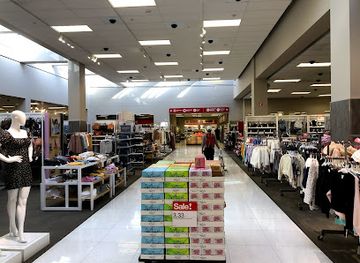
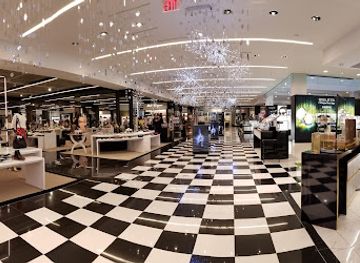
Shopping is central to Beverly Hills's public identity, with Rodeo Drive forming the best-known retail address and the Golden Triangle extending the experience through Wilshire Boulevard, Brighton Way, Canon Drive, and adjacent streets. International fashion houses, jewellers, watchmakers, beauty brands, galleries, and luxury department stores occupy much of the commercial landscape, while Two Rodeo Drive offers a highly designed pedestrian setting. The area is oriented towards fashion, design, and premium services rather than bargains or a traditional street market. Visitors seeking a more everyday view can explore independent cafés, small speciality businesses, and retail along South Santa Monica Boulevard, where the atmosphere is less ceremonial than on Rodeo Drive. The Beverly Hills Farmers' Market, held on Sundays when scheduled, provides a contrasting experience centred on produce, prepared food, and local vendors rather than luxury goods.
-
Shopping mall
Beverly Connection
Explore the ultimate shopping experience at Beverly Connection in Beverly Grove, Los Angeles – where luxury meets convenience.
7 min drive · 2.3 km from neighbourhood centre
-
Shopping mall
Two Rodeo
Discover the epitome of luxury shopping and dining at Two Rodeo in Beverly Hills, where elegance meets unforgettable experiences.
8 min walk · 0.7 km from neighbourhood centre
-
Shopping mall
The Rodeo Collection
Explore luxury shopping, fine dining, and exclusive experiences at The Rodeo Collection in Beverly Hills, the epitome of elegance and style.
7 min walk · 0.5 km from neighbourhood centre
-
Department store
Bloomingdale's
Discover luxury shopping at Bloomingdale's in Beverly Grove, where fashion meets elegance in an exquisite department store experience.
6 min drive · 2.1 km from neighbourhood centre
Beverly Hills essentials
Getting There
Getting Around
Safety
Emergency Situations
Do's and Don'ts
Local Tips

From Eve
Local phrases worth knowing
You don't need to get them perfect. A few words go a long way, and locals appreciate the effort.
Basics
| English | Local | Say it |
|---|---|---|
| Hello | Hey there! | [Hey thair!] |
| Goodbye | Catch you later! | [Catch yoo lay-ter!] |
| Yes | Totally! | [Toh-tuh-lee!] |
| No | No way! | [No way!] |
| Please/You're welcome | Please and thank you | [Pleez and thangk yoo] |
| Thank you | Thanks a million | [Thanks uh mil-yun] |
| Excuse me/Sorry | Pardon me | [Par-dun mee] |
| How are you? | What's up? | [Whuts up?] |
| Fine. And you? | Doing great. You? | [Doo-ing grayt. Yoo?] |
| Do you speak English? | Parlez-vous anglais? | [Par-lay voo ong-gl-ay?] |
| I don't understand | I'm lost here | [I'm lost heer] |
Eating & Drinking
| English | Local | Say it |
|---|---|---|
| I'd like to see the menu, please | Can I check out the menu? | [Can I chek out the menu?] |
| I don't eat meat | No meat for me | [No meet for mee] |
| Cheers! | Bottoms up! | [Bot-ums up!] |
| I would like to pay, please | Check, please! | [Chek, please!] |
Emergencies
| English | Local | Say it |
|---|---|---|
| Help! | SOS! | [SOS!] |
| Go away! | Beat it! | [Beat it!] |
| Call the Police! | 911, now! | [911, now!] |
| Call a doctor! | Get a doc! | [Get a doc!] |
| I'm lost | I'm turned around | [I'm turned around] |
| I'm ill | I'm under the weather | [I'm under the weath-er] |
Shopping
| English | Local | Say it |
|---|---|---|
| I'd like to buy... | I'm eyeing... | [I'm eye-ing...] |
| I'm just looking | Just browsing | [Just brow-zing] |
| How much is it? | What's the damage? | [Whats the dam-age?] |
| That's too expensive | Out of my league | [Out of my leeg] |
| Can you lower the price? | Any chance of a discount? | [Any chance of a dis-count?] |
Time & Numbers
| English | Local | Say it |
|---|---|---|
| What time is it? | Time check? | [Time check?] |
| It's one o'clock | It's one | [It's one] |
| Half past (10) | 10:30 | [10:30] |
| Morning | AM | [AM] |
| Afternoon | PM | [PM] |
| Evening | Nightfall | [Night-fall] |
| Yesterday | The day before | [The day before] |
| Today | Right now | [Right now] |
| Tomorrow | Next day | [Next day] |
| 1 | One | [One] |
| 2 | Two | [Two] |
| 3 | Three | [Three] |
| 4 | Four | [Four] |
| 5 | Five | [Five] |
| 6 | Six | [Six] |
| 7 | Seven | [Seven] |
| 8 | Eight | [Eight] |
| 9 | Nine | [Nine] |
| 10 | Ten | [Ten] |
Transport & Directions
| English | Local | Say it |
|---|---|---|
| Where's a/the...? | Where can I find...? | [Where can I find...?] |
| What's the address? | What's the location? | [What's the location?] |
| Can you show me (on the map)? | Can you guide me (on the map)? | [Can you guide me (on the map)?] |
| When's the next (bus)? | When's the next (bus) coming? | [When's the next (bus) coming?] |
| A ticket (to ....) | One ticket (to ....) | [One ticket (to ....)] |
History of Beverly Hills
Rancho Origins and Early Settlement
Before Beverly Hills became a separate municipality, the area formed part of Rancho Rodeo de las Aguas, a Mexican-era land grant named for the water that flowed from the surrounding hills. The rancho passed through several owners before the late nineteenth-century development of the region, when agricultural use included fields and orchards. The name Beverly Hills emerged during the planning of a new residential community in the early twentieth century, combining an association with Beverly Farms in Massachusetts and the area's rolling terrain. This transition from rural land to planned suburb established the landscape of broad roads, landscaped plots, and detached homes that still distinguishes the city.
The 1906 Town and Country Club
The Beverly Hills Hotel opened in 1912 on land that had previously been associated with the Beverly Hills Hotel and the development ambitions of the Rodeo Land and Water Company. Its arrival helped give the area a social and commercial focus, while the surrounding settlement expanded as a planned residential community. Beverly Hills incorporated as a city in 1914, partly to preserve local control at a time when Los Angeles was rapidly growing and annexation was a major regional issue. Early streets, civic institutions, and the hotel district positioned Beverly Hills as a distinct municipality rather than simply another Los Angeles suburb.
Hollywood Connections and Civic Growth
During the 1920s and 1930s, Beverly Hills became increasingly associated with the entertainment industry as studios, performers, producers, and business leaders settled in or visited the city. The development of the business district around South Santa Monica Boulevard, Wilshire Boulevard, and Rodeo Drive brought shops, offices, restaurants, and hotels to an area that had previously been more residential. Beverly Hills City Hall, completed in 1932 in a Spanish Colonial Revival style, expressed the city's civic ambitions, while Beverly Gardens Park and the Electric Fountain strengthened its public identity. The period helped create the image of Beverly Hills as both residential enclave and international destination.
Rodeo Drive and the Modern Image
Rodeo Drive's transformation into a luxury retail address accelerated from the 1960s onwards, as international fashion houses and jewellers joined long-established local businesses. The street's later visibility in films, television, and celebrity culture turned it into one of the most recognisable commercial addresses in the world, although it represents only one part of the wider city. Alongside retail growth, Beverly Hills preserved and adapted important properties, including Greystone Mansion, while adding cultural institutions such as the Wallis Annenberg Center for the Performing Arts. Contemporary Beverly Hills therefore combines carefully maintained civic landscapes and historic estates with global commerce and a diverse metropolitan population.
Beverly Hills in Photos
Browse through our photo collection highlighting the charm and character of the destination.
Neighbourhoods near Beverly Hills
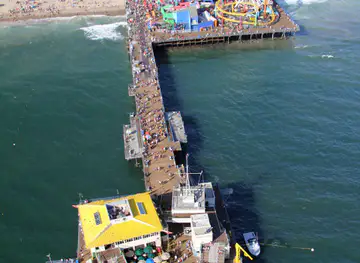
The closest neighbourhoods to Beverly Hills, if you have time for more than one stop.
-

-

-
-

-


Swipe for more neighbourhoods
Explore more

Explore more of Los Angeles
Los Angeles blends Pacific beaches, Hollywood history, world-class museums, diverse neighbourhoods, landmark architecture and creative culture across Southern California.
Explore Los Angeles