Modesto Arch, Modesto Travel Guide
Experience the iconic Modesto Arch, a symbol of the city's rich history and agricultural heritage, and discover the vibrant downtown scene with its murals, theaters, and museums.
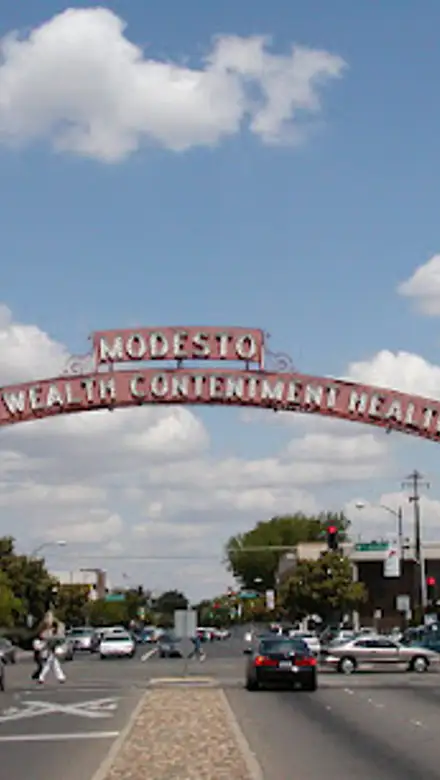
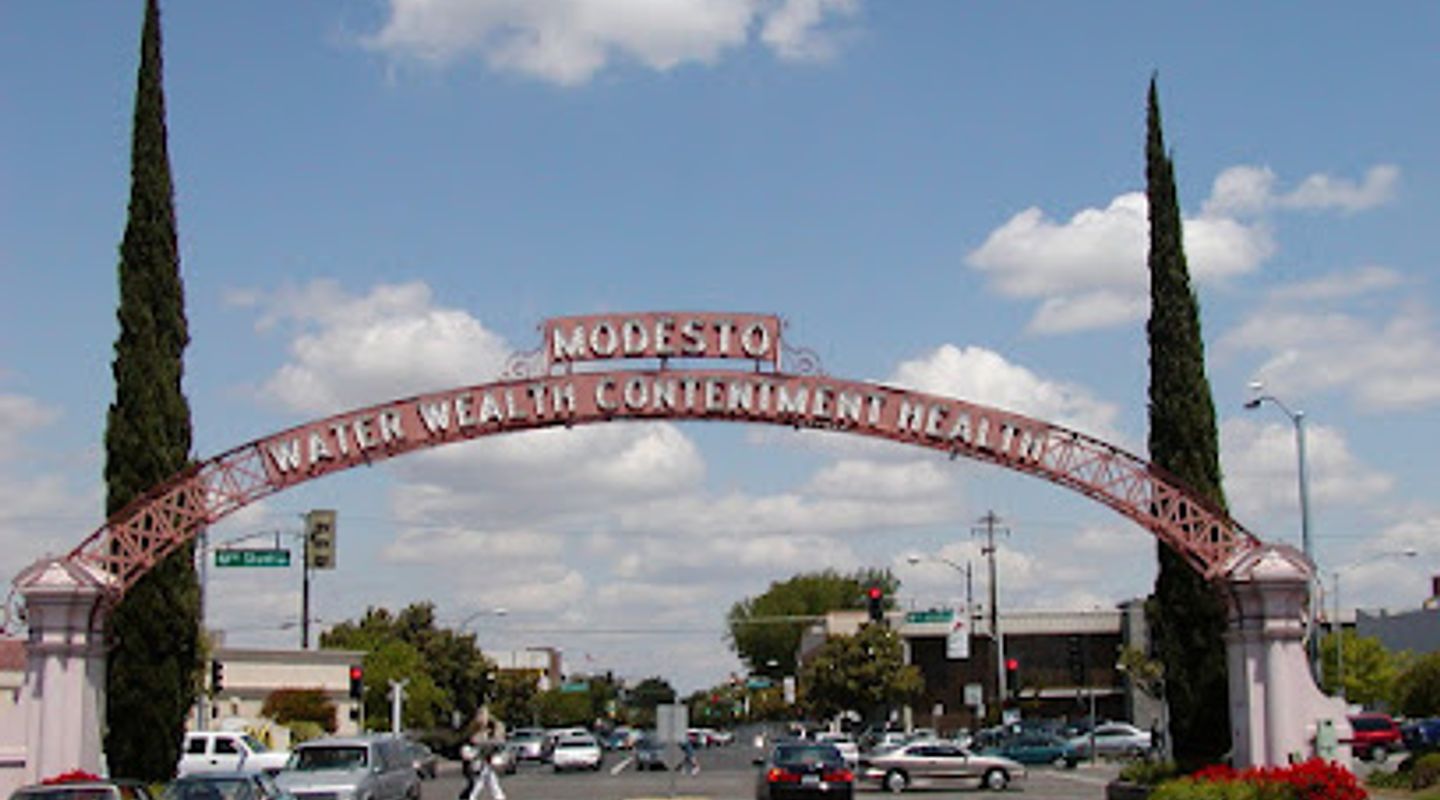
The Modesto Arch, a historic landmark erected in 1912, stands proudly at the intersection of 9th and I Streets, welcoming visitors to downtown Modesto. More than just a structure, it embodies the city's spirit and aspirations. Adorned with the motto "Water, Wealth, Contentment, Health," the arch pays homage to the region's agricultural abundance and the promise of a prosperous life. Illuminated at night, the arch creates a captivating spectacle, serving as a backdrop for community events and a cherished symbol for locals. Its presence evokes a sense of nostalgia and civic pride, reminding everyone of Modesto's rich history and bright future. The arch is a must-see for anyone visiting Modesto, offering a glimpse into the city's past and a photo opportunity that captures its unique character. A stroll around the arch also provides access to nearby murals and other historical landmarks.
A brief summary to Modesto Arch
- 875-857 I St, Modesto, Downtown Modesto, California, 95354, US
- Click to display

Know before you go
Hi, I'm Eve. Here are a few practical things to know before exploring Modesto Arch.
- Visit the arch at night to see it illuminated, creating a picturesque photo opportunity.
- Explore the nearby downtown area for restaurants, shops, and the Gallo Center for the Arts.
- Take a walking tour of the downtown murals, showcasing the city's vibrant art scene.
Do you manage this location?
Take control to get all the benefits, like improved information, better appearance, and stronger visibility across AI-powered discovery. Learn more about listing your business on Evendo
Activate your presenceOther nearby places you may find interesting
The closest places of the same kind, if this one is not quite what you had in mind.

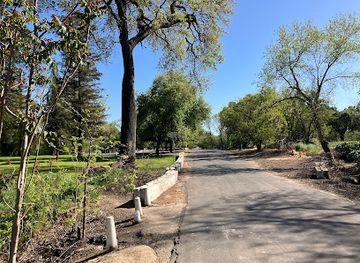
Explore Modesto Arch on the Map
A handpicked selection of must-see spots near Modesto Arch, mapped for you.
Unlock the Best of Modesto Arch
Buy tickets
-
No tickets available
Book tours with entry
-
No tours available
Book tours without entry

Getting There
-
Walking
From the Modesto Transit Center (a central hub for public transportation), the Modesto Arch is approximately a 10-15 minute walk. Head north on 11th Street, then turn left onto I Street. The arch will be visible a few blocks down, spanning I Street at the intersection of 9th Street. This is a straightforward, well-lit walk through the heart of downtown.
-
Public Transport
The Stanislaus Regional Transit Authority (The S) serves the Modesto area. Several bus routes stop near the Modesto Arch. Check the S's website or app for the most up-to-date routes and schedules. A single ride fare is typically around $1.75. Disembark at a stop along I Street near 9th Street for the closest access to the arch.
-
Taxi/Ride-Share
Taxis and ride-sharing services like Uber and Lyft are readily available in Modesto. A short ride from a location in downtown Modesto (e.g., the Gallo Center) to the Modesto Arch will likely cost between $7 and $12, depending on demand and distance.
-
Driving
If driving, navigate to the intersection of 9th and I Streets in Modesto. There is street parking available in the vicinity, metered parking costs $1.25 per hour between 6 AM and 6 PM. There are also pay-by-space parking lots nearby with the same hourly rate.
Discover more about Modesto Arch













Your all‑in‑one travel companion app
Explore expert travel guides, compare and book tours, experiences, hotels, and more—all from the palm of your hand. Download now for seamless trip planning wherever your wanderlust takes you.


Explore More of Modesto
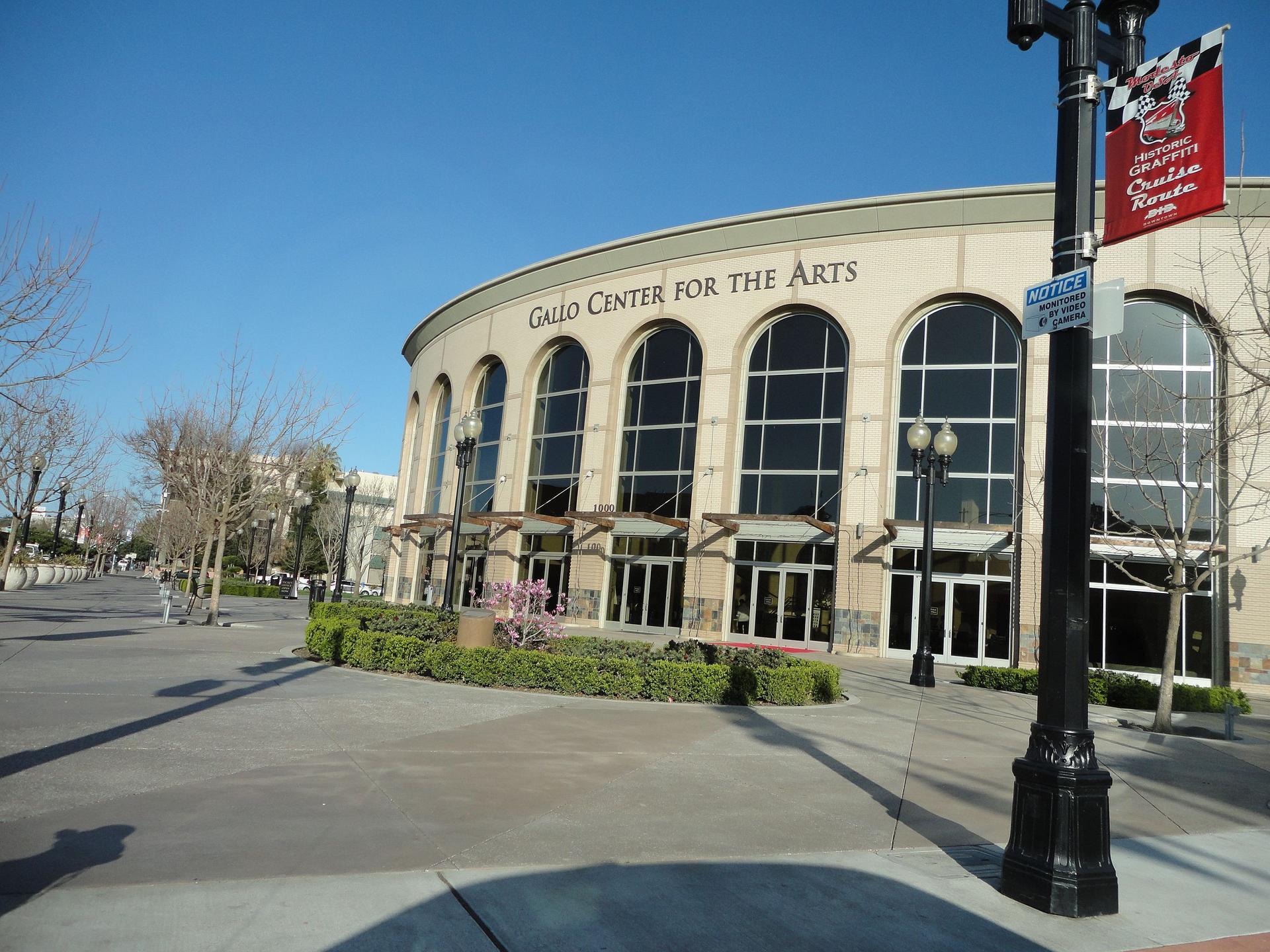
Looking beyond Modesto Arch? Discover Modesto for broader travel guides, local hot-spots, and regional highlights.
Explore Modesto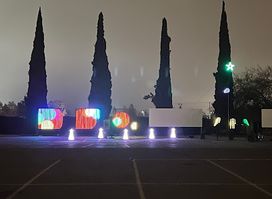
Discover the dazzling Rock'n Christmas Light Show in Turlock, CA - a must-visit holiday attraction filled with enchanting lights and festive cheer.

Discover Modesto's Legends of the Cruise Walk of Fame, a tribute to the city's vibrant car culture and the inspiration behind *American Graffiti*, located in the heart of downtown.