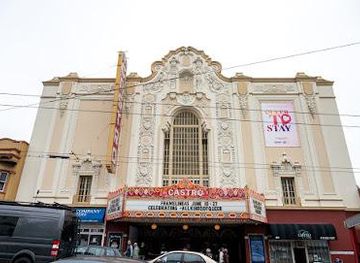
Background

The Castro: San Francisco's LGBTQ+ Heart

Experience the vibrant heart of LGBTQ+ culture in San Francisco's Castro District, a historic neighborhood filled with iconic landmarks, lively entertainment, and a welcoming community spirit.

The Castro, a vibrant neighborhood in San Francisco, stands as a historic landmark of LGBTQ+ culture and activism. From its roots as a working-class Scandinavian enclave to its transformation into a global symbol of gay liberation, the Castro offers a unique blend of history, community, and lively entertainment. Visitors can explore iconic landmarks like the Castro Theatre, Harvey Milk Plaza, and the Rainbow Honor Walk, while enjoying a diverse array of shops, restaurants, and bars. The neighborhood's welcoming atmosphere and rich history make it a must-see destination for anyone visiting San Francisco, offering a powerful reminder of the ongoing fight for equality and acceptance. The Castro's colorful streets and vibrant energy create an unforgettable experience, celebrating diversity and community spirit.

Plan your visit

A brief summary to The Castro

Opening times, essentials, and a few local tips gathered into one calmer, easier-to-scan planning section.

Plan your visit

📍
San Francisco, The Castro, California, US
Eve
From Eve

Know before you go

Hi, I'm Eve. Here are a few practical things to know before exploring The Castro.

Local know-how to help you travel smarter and make the most of every moment.

Visit the GLBT Historical Society Museum to delve into the rich history of the LGBTQ+ rights movement and learn about the Castro's pivotal role.
Take a stroll along the Rainbow Honor Walk and discover the stories of influential LGBTQ+ figures who have shaped history.
Catch a movie or a live performance at the Castro Theatre, a historic movie palace and a beloved community landmark.
Explore the diverse shops, restaurants, and bars along Castro Street, and soak in the neighborhood's vibrant atmosphere.
Attend San Francisco Pride in June or the Castro Street Fair in October to experience the neighborhood's lively community spirit and celebrate LGBTQ+ culture.

Discover more about The Castro

The Castro, nestled in the heart of San Francisco, is more than just a neighborhood; it's a living testament to the LGBTQ+ rights movement and a vibrant celebration of community. Originally known as Eureka Valley and later as Little Scandinavia due to its large population of Finnish and Scandinavian immigrants, the area transformed dramatically in the mid-20th century. Following World War II, many discharged gay servicemen chose to remain in the Bay Area, drawn by its relative tolerance. As housing prices in the Castro declined during the 'white flight' to the suburbs, the neighborhood became increasingly attractive to the LGBTQ+ community. By the 1970s, the Castro had firmly established itself as a gay village, a haven where queer individuals could live openly and authentically. The arrival of Harvey Milk in 1973 marked a turning point. Milk, a charismatic activist and entrepreneur, opened a camera shop on Castro Street, which quickly became a hub for community organizing and political activism. His election as a city supervisor in 1977 was a watershed moment, making him one of the first openly gay people to hold public office in the United States. Milk's assassination in 1978, along with Mayor George Moscone, sent shockwaves through the city and the nation, galvanizing the LGBTQ+ community and fueling the fight for equal rights. Today, the Castro honors Milk's legacy through various memorials and landmarks. Harvey Milk Plaza, located at the intersection of Castro and Market Streets, serves as a central gathering place and a reminder of his enduring impact. The GLBT Historical Society Museum, located nearby, offers a comprehensive look at LGBTQ+ history and culture, including exhibits on Milk's life and work. The Castro Theatre, a stunning movie palace built in 1922, stands as a beloved architectural gem and a cultural hub. Its distinctive marquee and ornate interior provide a backdrop for film screenings, live performances, and community events. The theater's iconic Wurlitzer organ adds a touch of old-world charm to the movie-going experience. Walking through the Castro, visitors will encounter a vibrant tapestry of rainbow flags, colorful murals, and historic landmarks. The Rainbow Honor Walk, a series of bronze plaques embedded in the sidewalks, pays tribute to LGBTQ+ pioneers who have made significant contributions to society. These plaques serve as a powerful reminder of the ongoing struggle for equality and the importance of celebrating LGBTQ+ history. The Castro's vibrant commercial district offers a diverse array of shops, restaurants, and bars. From quirky boutiques and vintage clothing stores to upscale restaurants and lively nightclubs, there's something for everyone in the Castro. The neighborhood's many cafes and coffee shops provide a perfect spot to relax and soak in the atmosphere. The Castro is also known for its lively nightlife. Numerous gay bars and clubs offer a welcoming space for dancing, socializing, and celebrating LGBTQ+ culture. The Twin Peaks Tavern, with its floor-to-ceiling windows, was one of the first gay bars to openly display its clientele, a bold statement of visibility and acceptance. Beyond its historical significance and vibrant culture, the Castro is simply a beautiful place to explore. Its streets are lined with lovingly restored Victorian homes, showcasing the city's architectural heritage. The neighborhood's hilly terrain offers stunning views of the city skyline and the surrounding bay. The Castro hosts several annual events that draw visitors from around the world. San Francisco Pride, held every June, is one of the largest and most boisterous LGBTQ+ pride celebrations in the world. The Castro Street Fair, held every October, is a community festival featuring live music, art vendors, and food stalls. The Castro's location also makes it a convenient base for exploring other parts of San Francisco. It's within easy reach of other popular neighborhoods like the Mission District, Noe Valley, and the Haight-Ashbury. Public transportation options are plentiful, making it easy to get around the city. While the Castro has faced challenges in recent years, including rising housing costs and the changing landscape of LGBTQ+ culture, it remains a vital and important neighborhood. Its enduring spirit of community, activism, and celebration continues to inspire and attract visitors from all walks of life. A visit to the Castro is an opportunity to learn about LGBTQ+ history, celebrate diversity, and experience the unique energy of one of San Francisco's most iconic neighborhoods. The Castro is a place where everyone is welcome, where individuality is celebrated, and where the fight for equality continues. Whether you're a member of the LGBTQ+ community or an ally, a visit to the Castro is an unforgettable experience that will leave you feeling inspired and uplifted.

Explore places near The Castro

    See all →

    Unlock the Best of The Castro

    Find tickets, tours with entry, and experiences available for this location.

    Buy tickets

    No tickets available

    Book tours with entry

    No tours with entry available

    Book tours without entry

    No tours without entry available

    Getting There

    Public Transport

    The Castro is easily accessible via San Francisco's public transportation system (MUNI). From downtown San Francisco, take the F-Market streetcar directly to the Castro. Alternatively, the K Ingleside, L Taraval, and M Ocean View MUNI Metro lines all stop at the Castro Station. A single ride on MUNI costs $3.00 for adults paying with cash, or $2.75 when using a Clipper card or the MuniMobile app. A day pass, allowing unlimited rides on MUNI (excluding cable cars), is available for $5.00.

    Taxi/Ride-Share

    Taxis and ride-sharing services (Uber/Lyft) are readily available throughout San Francisco. A ride from downtown to the Castro typically costs between $15 and $25, depending on traffic and demand.

    Driving

    If driving, be aware that parking in the Castro can be challenging, especially during peak hours. Street parking is available but often limited. Several parking garages are located in the vicinity, with hourly rates typically ranging from $2 to $5. Consider parking in nearby areas like the Mission and walking or taking public transport to avoid parking hassles. The Castro/18th St. Lot at 451 Castro Street charges $2.00 per hour.

    A brief summary to The Castro

    Use Tower Bridge as your starting point for nearby food, family ideas, nightlife, and more local discoveries.

    Mobile App
    Get the app

    Your all‑in‑one travel companion app

    Explore expert travel guides, compare and book tours, experiences, hotels, and more—all from the palm of your hand. Download now for seamless trip planning wherever your wanderlust takes you.
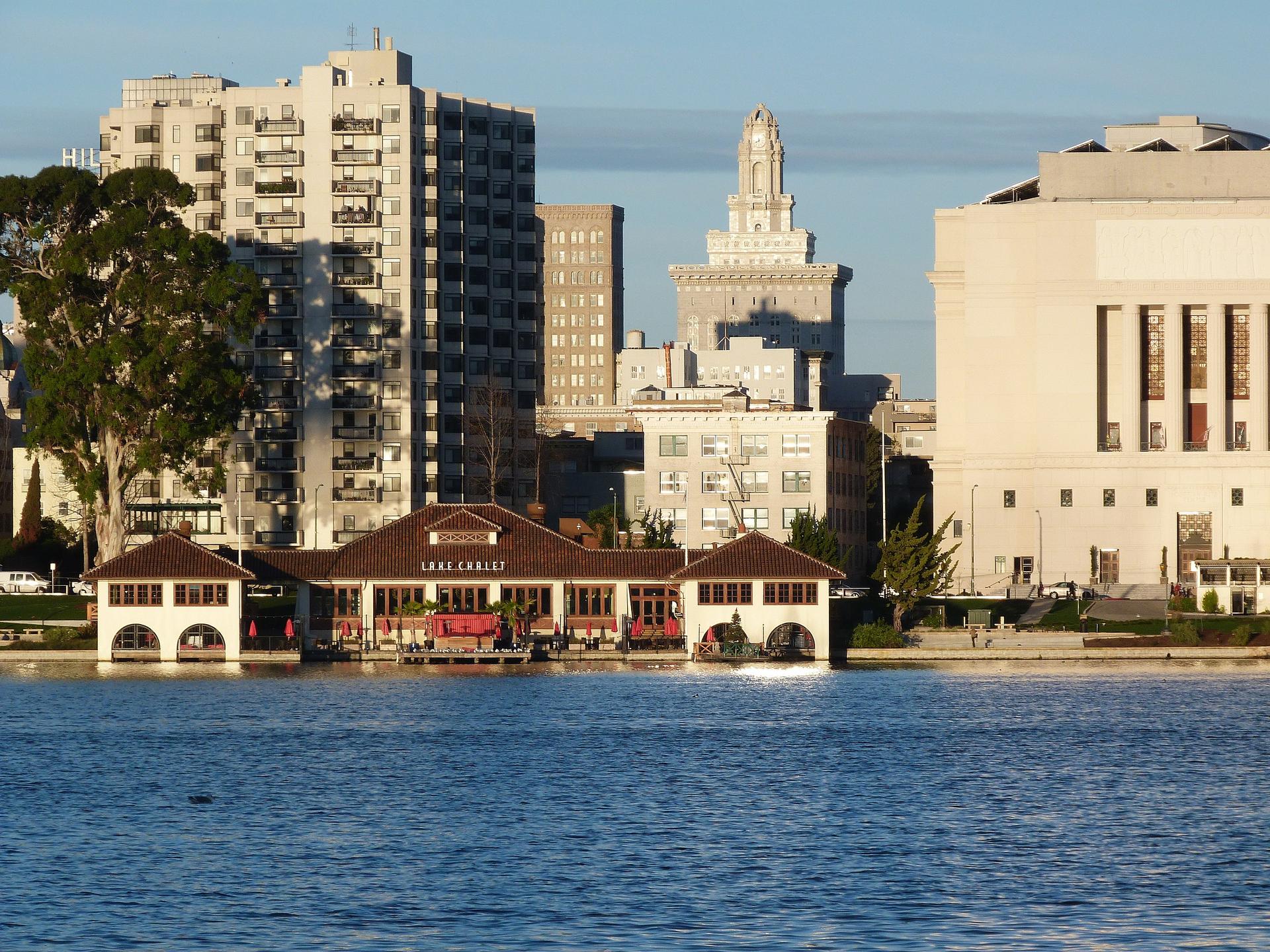
    File:Lake Merritt, Oakland CA - panoramio.jpg - Wikimedia Commons

    More about Oakland

    Discover Oakland, California: A dynamic city with a rich cultural tapestry, stunning waterfront, vibrant neighborhoods, and lush parks. Your perfect Bay Area getaway awaits.

    Tell me more about Oakland
    Select Currency

    Choose the currency you want prices to display in.